Digital Underwater Photography Course
Ready to capture the underwater world like a pro? BlueWater Divers' PADI Digital Underwater Photographer eLearning course transforms amateur snapshots into frame-worthy masterpieces. This comprehensive online program teaches you the technical skills and artistic eye needed to document marine life, coral formations, and dive memories that'll make your friends jealous. Whether you're shooting with a basic point-and-shoot in a housing or wielding a full DSLR setup, this course cuts through the guesswork and gets you creating stunning images faster than trial and error ever could.
Course Overview
The PADI Digital Underwater Photographer course delivers professional-grade training through convenient eLearning modules you can tackle at your own pace. This isn't some basic introduction – it's a deep dive into the art and science of underwater imaging. You'll master exposure settings for challenging lighting conditions, learn composition techniques that work beneath the waves, and discover how to work with artificial lighting to bring out those vibrant colors that water naturally filters out. The course covers everything from basic camera operations in underwater housings to advanced techniques like macro photography and wide-angle reef scenes. BlueWater Divers has partnered with PADI to deliver this world-class training because they know that better photographers make better divers, and better divers have more fun exploring the underwater realm. The flexible online format means you can study during lunch breaks, weekend mornings, or whenever inspiration strikes, then apply your new skills on your next diving adventure.
Camera Techniques & Gear
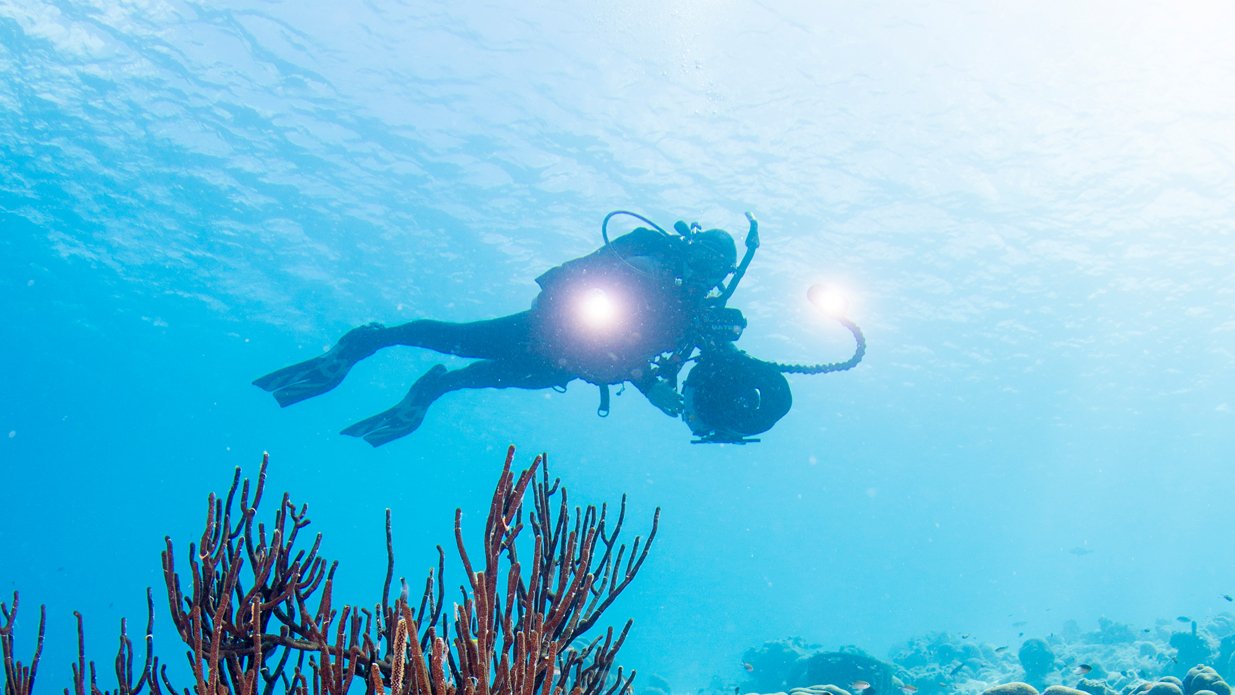
Underwater photography demands different approaches than surface shooting, and this course breaks down exactly what changes and why. You'll learn how water affects light transmission, why colors disappear at different depths, and how to compensate with manual settings and artificial lighting. The curriculum covers strobe positioning to eliminate backscatter – those annoying white specks that ruin otherwise perfect shots. Proper buoyancy control becomes crucial when you're trying to frame the perfect shot without damaging coral or spooking marine life, so the course emphasizes diving skills alongside camera techniques. Equipment selection gets thorough coverage too, from choosing the right underwater housing to selecting ports, arms, and strobes that match your camera system and diving style. You'll discover shooting modes that work best underwater, learn about white balance adjustments for different depths and lighting conditions, and master the art of getting close to your subjects for maximum impact. The course also tackles post-processing basics, teaching you how to enhance your images without overdoing the editing and maintaining that natural underwater look that separates great underwater photos from obvious amateur attempts.
Target Species
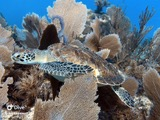
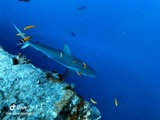
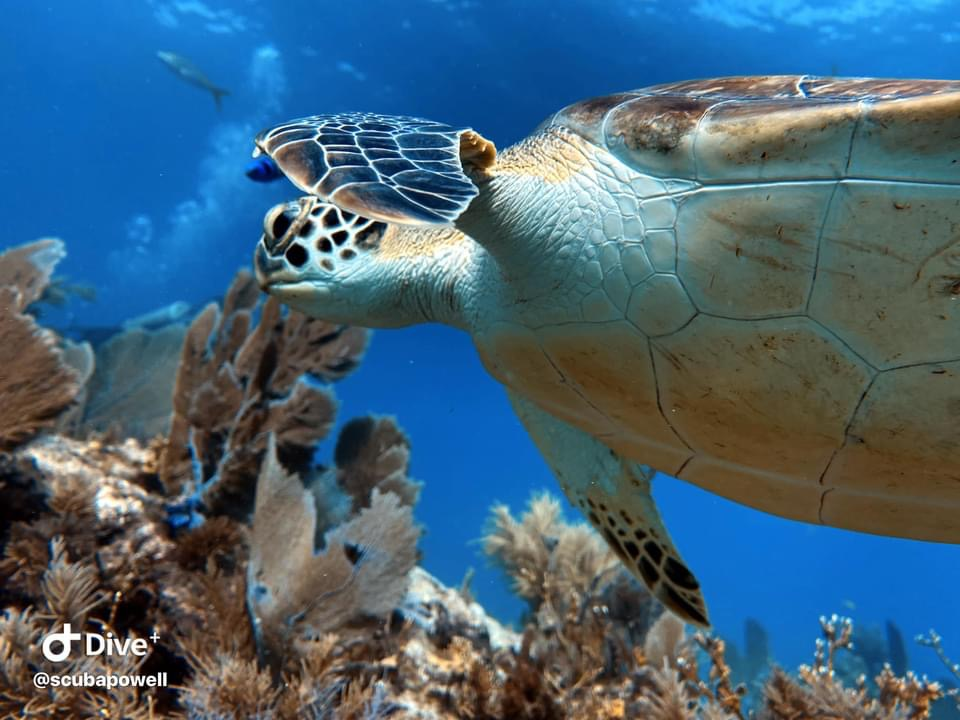
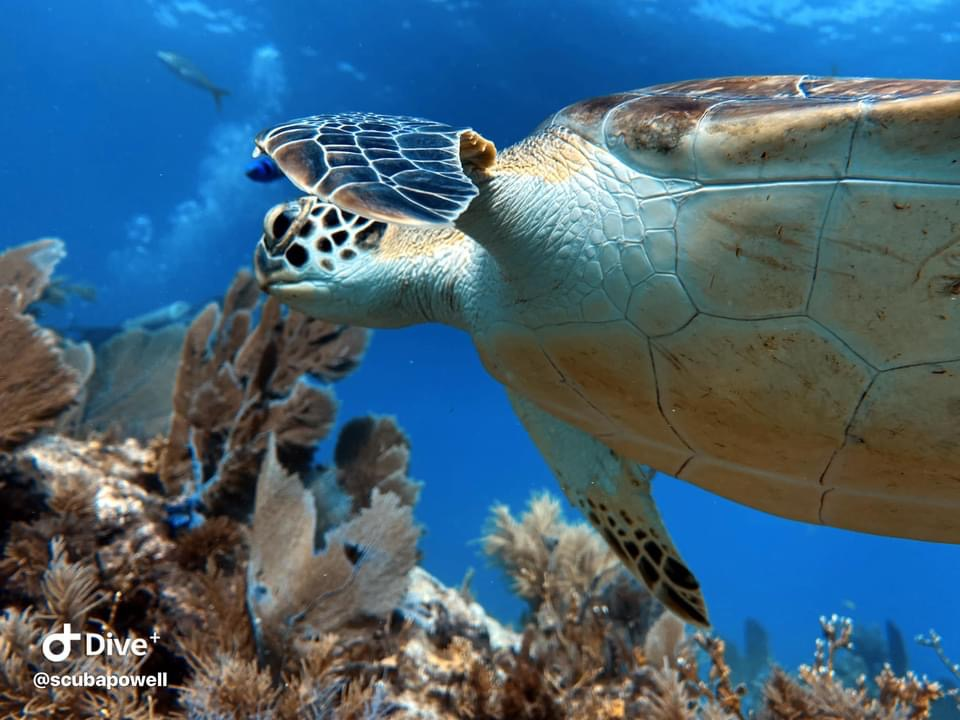
Marine life photography requires understanding your subjects, and different species present unique challenges and opportunities. Reef fish like angelfish, parrotfish, and wrasses offer excellent practice subjects because they're typically comfortable around divers and display vibrant colors that pop under proper lighting. These fish range from palm-sized juveniles perfect for macro work to dinner-plate-sized adults ideal for practicing portrait techniques. Early morning and late afternoon dives often provide the best opportunities as fish are more active during feeding times. Macro subjects like nudibranchs, Christmas tree worms, and small crustaceans teach patience and precision – these tiny creatures reward photographers who master close-focusing techniques and gentle approaches. Pelagic species like rays, sharks, and sea turtles demand different skills entirely, requiring wide-angle lenses, natural lighting techniques, and the ability to capture compelling images of fast-moving subjects. These encounters are often brief, making proper camera preparation and quick reactions essential. Coral formations and reef structures provide excellent subjects for practicing composition and lighting techniques, especially when learning to balance ambient light with strobe illumination to create depth and drama in your images.
Plan Your Next Dive
The PADI Digital Underwater Photographer course gives you the foundation to turn every dive into a potential photography expedition. BlueWater Divers knows that confident photographers are happier divers, spending less time fumbling with camera settings and more time enjoying the underwater experience. This course investment pays dividends on every future dive trip, whether you're exploring local quarries or exotic reef destinations. The techniques you'll master apply universally – from cold water kelp forests to tropical coral gardens, the principles of underwater photography remain consistent. Once you complete the course, you'll approach dive sites with a photographer's eye, spotting composition opportunities and lighting scenarios that other divers miss entirely. Your diving buddies will start requesting copies of your shots, and you'll find yourself planning dives around photographic opportunities rather than just going along for the ride. The course also opens doors to specialty diving experiences like night photography dives, macro photography trips, and wide-angle expeditions that cater specifically to underwater photographers. Ready to transform your diving memories into professional-quality images? The PADI Digital Underwater Photographer eLearning course with BlueWater Divers starts whenever you're ready to begin.
 Key Largo, FL
 Learn professional underwater photography techniques from PADI certified instructors