Dive Against Debris eLearning Course
Ready to turn your passion for diving into real ocean conservation? BlueWater Divers' Dive Against Debris eLearning specialty course transforms you into a citizen scientist who makes every dive count. This isn't just another certification – it's your ticket to joining a global movement of divers actively protecting our underwater world while documenting the marine debris crisis affecting dive sites everywhere.
What You'll Actually Do
This course teaches you the practical skills to conduct proper marine debris surveys during your dives. You'll learn PADI's standardized data collection methods that feed into a worldwide database used by scientists and policymakers. The eLearning portion covers debris identification, survey techniques, and safe collection practices. Then you'll apply everything during actual cleanup dives with your instructor, where you'll practice the survey methodology while actively removing trash from local dive sites. It's hands-on conservation work that directly benefits the spots you love to explore. The best part? You'll see immediate results – cleaner reefs, healthier marine life, and dive sites that look better after every visit.
Survey Methods & Safety Gear
The course teaches you PADI's proven survey methodology using underwater slates, mesh collection bags, and measurement tools. You'll learn to identify and categorize different types of debris – from fishing gear and plastic bottles to microplastics and unusual items. Safety comes first, so you'll master techniques for handling potentially dangerous debris like fishing hooks, broken glass, or entangled lines without risking injury. The eLearning platform walks you through proper buoyancy control while collecting items, team communication signals, and surface protocols for disposing of collected debris responsibly. Your instructor will show you how to use the data collection app and ensure your surveys contribute meaningful information to global research efforts tracking marine pollution trends.
Marine Life You'll Help
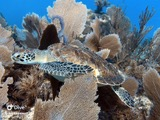
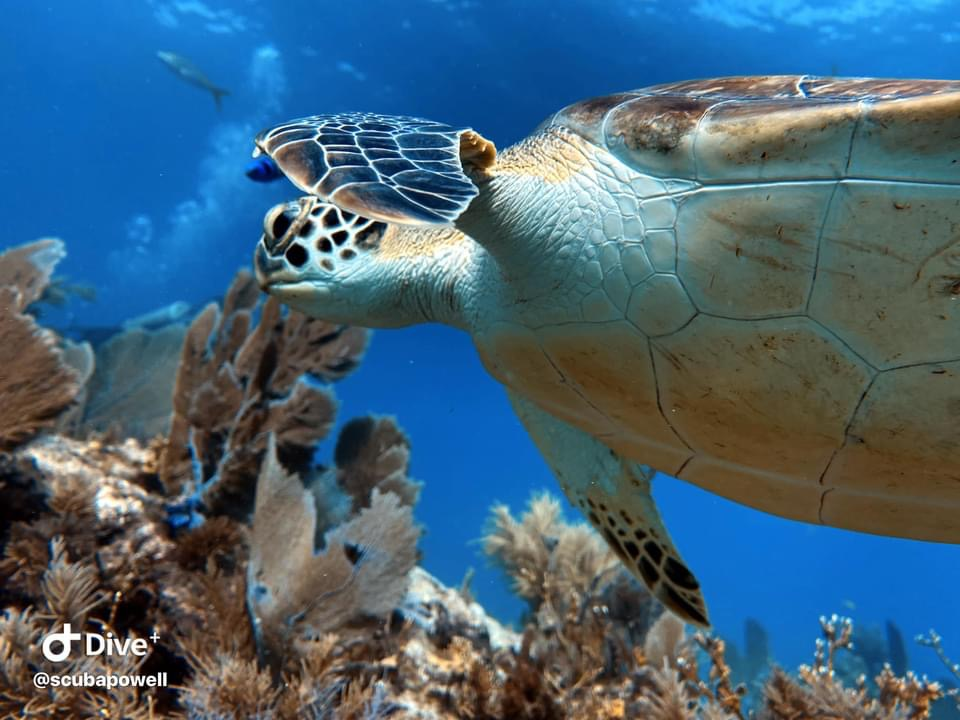
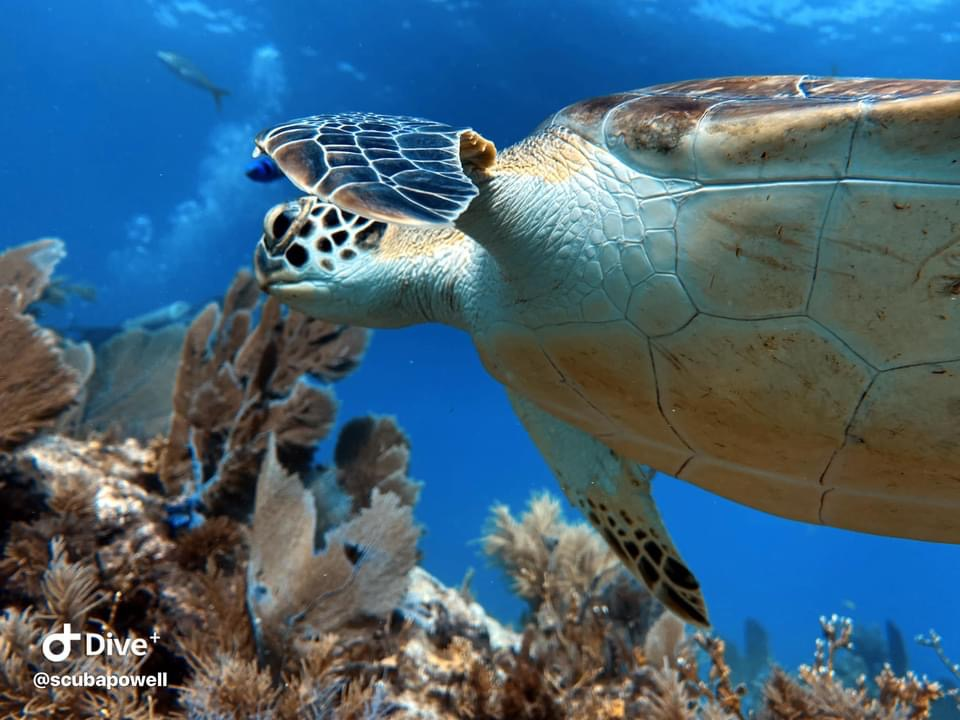
Sea turtles are some of the biggest beneficiaries of debris removal efforts. These ancient mariners often mistake plastic bags for jellyfish, leading to fatal intestinal blockages. You'll frequently encounter green sea turtles and hawksbills around reef areas, and removing plastic debris directly improves their feeding grounds. Watch for their curious behavior as they investigate your cleanup work – many divers report turtles following them during debris collection dives, almost like they understand what's happening. Peak turtle activity occurs during warmer months, making summer debris dives especially rewarding when you can observe these magnificent creatures in cleaner habitats.
Reef fish communities show immediate positive responses to debris removal. Parrotfish, angelfish, and wrasses return to areas once they're cleared of entangling nets and sharp debris. These colorful residents use every inch of healthy reef for feeding and shelter, but abandoned fishing gear creates dead zones they actively avoid. You'll notice increased fish activity within days of major cleanup efforts. Groupers and snappers particularly benefit from net removal since they're prone to getting trapped in ghost gear. During your surveys, you'll document not just the debris but also observe how marine life reclaims cleaned areas – it's incredibly motivating to see the direct impact of your work.
Marine mammals like dolphins and seals face serious threats from plastic debris and abandoned fishing equipment. Dolphins are naturally curious and often investigate floating debris, sometimes getting entangled in ropes or nets. Seals frequently get plastic bands stuck around their necks as they grow, creating life-threatening injuries. While you might not encounter these species on every dive, your debris removal efforts protect them when they visit your local sites. Many divers report seeing dolphins and seals return to areas after major cleanup projects, suggesting these intelligent animals recognize and prefer cleaner environments.
Ready to Make a Real Difference?
The Dive Against Debris specialty course transforms regular divers into ocean advocates with real scientific training. You'll gain practical skills that make every future dive more meaningful while contributing to global conservation research. BlueWater Divers' expert instructors ensure you're fully prepared to conduct safe, effective debris surveys that benefit both local marine life and worldwide conservation efforts. This certification opens doors to volunteer opportunities with marine conservation groups and connects you with like-minded divers committed to protecting our underwater world. Don't just dive – make every descent count toward a cleaner ocean future.
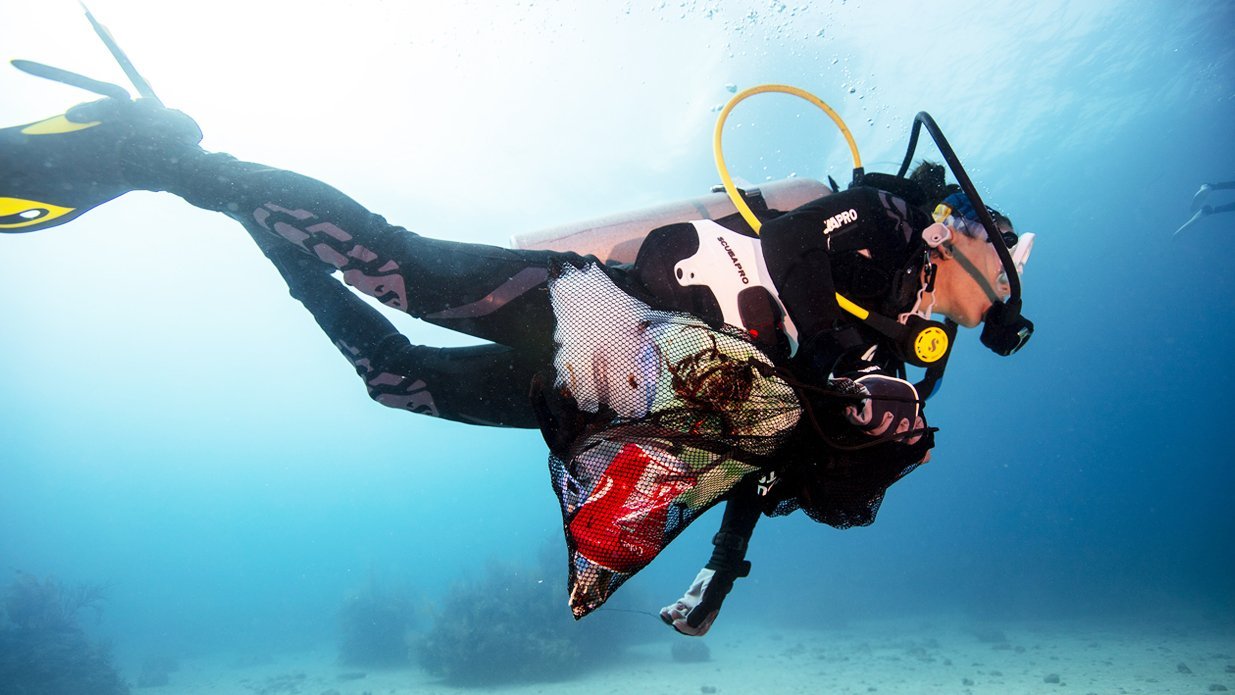
 Key Largo, FL
 Learn marine debris survey techniques during specialty diving course