Emergency First Response Primary & Secondary Care
When seconds count and help is still minutes away, you become the difference between life and death. BlueWater Divers' Emergency First Response training puts you in control during those critical moments when someone's world has just turned upside down. This isn't your typical classroom snooze-fest – it's hands-on, real-world training that sticks with you long after you walk out the door. Whether you're already certified in diving or just want to be that person who steps up when things go sideways, this course gives you the confidence to act when it matters most.
What You're Getting Into
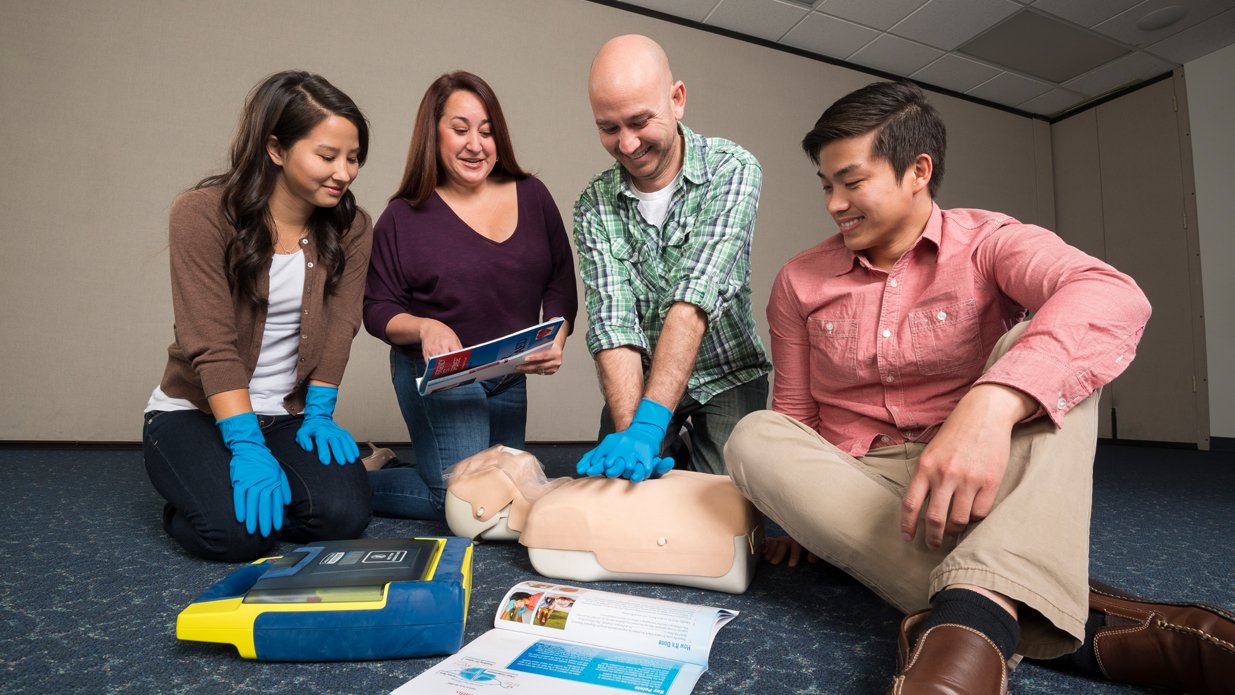
Picture this: you're at the beach, on a boat, or even just hanging out at home when someone goes down hard. Heart attack, choking, serious bleeding – the kind of stuff that makes most people freeze up or fumble with their phone trying to remember 911. Not you, though. After this training, you'll know exactly what to do while everyone else is still processing what just happened. The Emergency First Response program breaks down into two main chunks – primary care covers the life-threatening emergencies like when someone stops breathing or their heart quits beating, while secondary care handles everything else that's serious but not immediately deadly. You'll get your hands dirty with CPR practice, learn to stop bleeding that won't quit, and master the art of keeping someone stable until the pros show up. The eLearning component means you can knock out the theory part on your own schedule, then come in for the practical sessions where you actually practice these skills on real training equipment. No boring lectures here – just straight-up, useful knowledge that you can actually use.
Skills That Actually Matter
Forget everything you think you know about first aid from movies or that one time in high school health class. This training teaches you the real deal, starting with the most important skill you'll ever learn – proper CPR technique. You'll practice chest compressions until your muscle memory kicks in, because when someone's heart stops, you don't get a do-over. The rescue breathing techniques they teach aren't just about puffing air into someone's lungs – you'll understand why timing, positioning, and airway management make all the difference. Beyond CPR, you'll dive into serious wound care that goes way past slapping a Band-Aid on a scrape. We're talking pressure points, proper bandaging techniques, and how to improvise when you don't have a fully stocked medical kit. Splinting comes next, and trust me, knowing how to stabilize a broken bone properly can save someone months of complications down the road. The assessment skills might be the most valuable part though – learning to read vital signs, recognize shock, and figure out what's actually wrong with someone when they can't tell you themselves. Every technique builds on the last one, so by the end, you're thinking like a first responder instead of just following a checklist.
Target Species
Since this is first aid training rather than a wildlife encounter, there aren't any target species involved. However, the skills you learn here become incredibly valuable for anyone who spends time around water, boats, or in remote locations where medical help might be far away. The techniques covered apply to any emergency situation involving humans who need immediate medical attention before professional help arrives.
Why This Training Sticks
Here's what separates this program from those weekend certification mills – the instructors actually know their stuff, and they make sure you do too before you walk out with that card. You're not just memorizing steps; you're understanding why each action matters and how to adapt when things don't go according to the textbook. The scenarios they put you through feel real because they are real – these are situations the instructors have actually dealt with in the field. One minute you're working on a conscious patient who's alert and talking, the next you're dealing with someone who's unconscious and bleeding. The variety keeps you sharp and builds the kind of confidence that only comes from repetition and practice. What really makes this training valuable is how they connect everything back to diving and water activities. Sure, you'll learn standard CPR, but you'll also understand how water-related emergencies have their own unique challenges. Hypothermia, near-drowning, decompression sickness – these aren't abstract concepts when you're getting certified with a dive operation that sees these situations firsthand. The blend of online learning and hands-on practice means you can review the material as many times as you need, then prove you can actually perform these skills under pressure. By the time you're done, this isn't just another certification card in your wallet – it's a skill set that becomes part of who you are.
Ready to Step Up?
Look, nobody plans to use these skills, but when the moment comes, you'll be glad you have them. This Emergency First Response training through BlueWater Divers gives you something money can't buy – the ability to make a real difference when someone needs it most. Whether you're planning to continue with dive rescue courses or just want to be better prepared for life in general, this foundation sets you up right. The combination of professional instruction, real-world scenarios, and that satisfaction of knowing you could actually help someone makes this one of the most worthwhile investments you'll ever make. Don't wait until you need these skills to wish you had them – get certified now and join the ranks of people who step forward instead of stepping back when things get serious.
 Key Largo, FL
 Learn CPR and life-saving emergency response techniques