PADI Open Water Diver Certification Course
Ready to take that first step into the underwater world? BlueWater Divers' PADI Open Water Diver course is your gateway to becoming a certified scuba diver. This isn't just another certification – it's your ticket to exploring coral reefs, shipwrecks, and marine sanctuaries around the globe. Our top-rated PADI instructors create a relaxed, supportive environment where you'll build confidence both in the classroom and underwater. Whether you've always dreamed of diving or you're finally ready to make it happen, this world-class program sets you up for a lifetime of underwater adventures.
Course Overview
The PADI Open Water Diver course breaks down into three main parts that build your skills step by step. You'll start with eLearning modules you can complete at home, covering dive theory, safety protocols, and equipment basics. Next comes confined water training – think of it as your underwater practice sessions in a controlled pool environment where you'll master essential skills like mask clearing, regulator recovery, and buoyancy control. Finally, you'll graduate to open water dives where you'll apply everything you've learned in real diving conditions. The whole process typically takes a few days to a week, depending on your schedule and how quickly you pick things up. Our instructors work at your pace, making sure you're comfortable and confident before moving to the next level. By the end, you'll be certified to dive up to 60 feet with a buddy anywhere in the world.
Skills & Equipment Breakdown
Learning to scuba dive means getting comfortable with your gear and mastering fundamental underwater skills. You'll work with a full set of scuba equipment including mask, fins, snorkel, wetsuit, BCD (buoyancy control device), regulator system, and tanks. Don't worry about buying everything upfront – we provide all equipment during training so you can figure out what works best for you. The skills portion covers critical safety techniques like controlled emergency swimming ascents, sharing air with a buddy, and underwater navigation using a compass. You'll also learn how to plan dives using dive tables and computers, understanding nitrogen absorption and safe ascent rates. Buoyancy control is probably the trickiest skill for new divers, but our instructors use proven techniques to help you find that sweet spot where you're neither sinking nor floating. Once you nail neutral buoyancy, diving becomes effortless and way more enjoyable.
Dive Sites & Conditions
Your open water training dives happen at carefully selected sites that offer ideal learning conditions – good visibility, minimal current, and interesting marine life to keep things engaging. These locations provide the perfect balance of safety and excitement for new divers. Water temperatures vary by season and location, but wetsuits keep you comfortable during longer training sessions. Visibility typically ranges from 20 to 80 feet depending on conditions, giving you plenty of opportunity to practice skills and start exploring. Our instructors know these sites inside and out, pointing out marine life and underwater features while you're building confidence with your new skills. The gradual progression from shallow to deeper water helps you adjust to pressure changes and gain experience in different underwater environments. Each training dive lasts about 30-45 minutes, giving you solid bottom time to practice without overwhelming you.
Marine Life Encounters
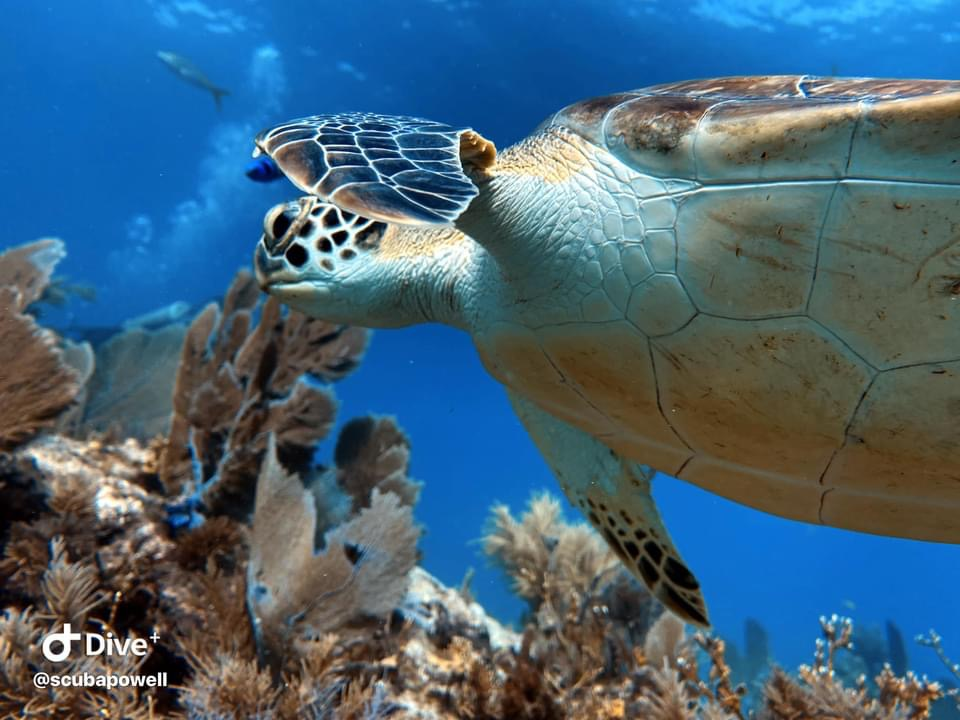
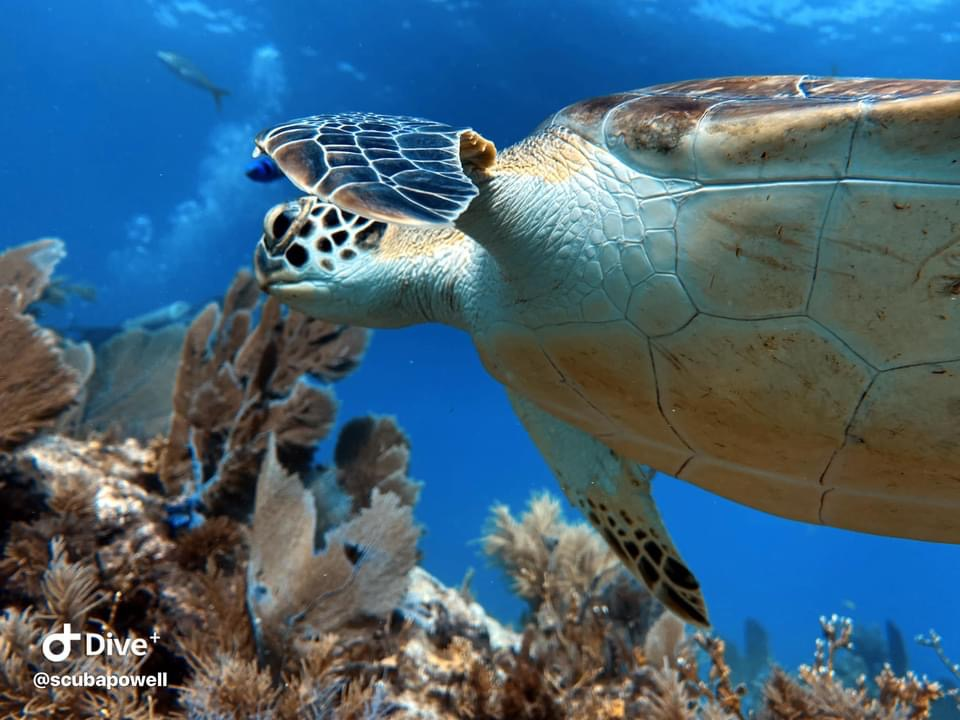
Even during training dives, you'll start encountering the amazing marine life that makes scuba diving so addictive. Colorful reef fish like parrotfish, angelfish, and wrasses are common sights, often approaching divers out of curiosity. These smaller species are perfect for new divers since they're not intimidating and often stick around long enough for good photos. Sea turtles occasionally cruise through training areas, and spotting one during your certification dives is considered great luck. Rays sometimes glide past in sandy areas, showing off their graceful swimming style. Moray eels hide in crevices and coral formations, looking fierce but generally keeping to themselves unless bothered. The diversity you see during training is just a tiny sample of what's waiting once you're certified. Each dive site has its own personality and resident marine life, making every underwater experience unique. Your instructor will help identify different species and explain their behaviors, starting your education as an underwater naturalist.
Plan Your Certification
Getting your PADI Open Water certification opens doors to dive sites worldwide and sets the foundation for advanced training down the road. This customer favorite course has launched thousands of diving careers and countless underwater adventures. Once certified, you can book dive trips anywhere, rent equipment globally, and continue your education with specialty courses like underwater photography, wreck diving, or deep diving. The skills and confidence you build here pay dividends for years to come. Our flexible scheduling works around your availability, and we can often accommodate weekend warriors or vacation learners. Don't wait – spots fill up quickly, especially during peak season. Contact BlueWater Divers today to start your scuba journey and join the community of certified divers exploring our planet's underwater frontiers.
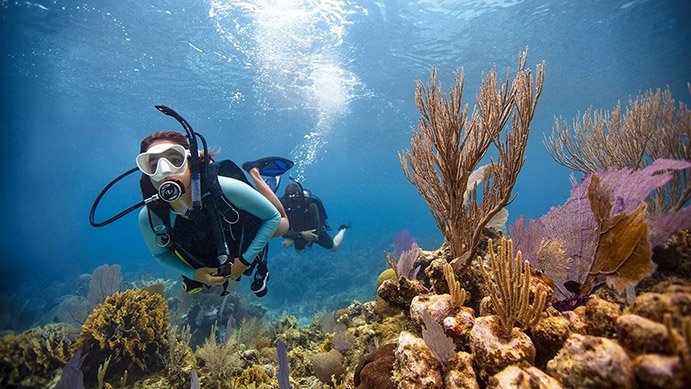
 Key Largo, FL
 PADI Open Water Diver certification from trained instructors