Wreck Diver Specialty Course with BlueWater Divers
There's something magical about dropping down onto a sunken ship or aircraft and watching history come alive right before your eyes. BlueWater Divers' PADI Wreck Diver Specialty course opens up a whole new world of underwater exploration where every dive tells a story. Whether you're peering through the portholes of a purposely-sunk vessel or swimming through the corridors of a historic wreck, you'll discover why wreck diving has captured the hearts of divers worldwide. This top-rated specialty course teaches you the skills and safety protocols needed to explore these fascinating underwater time capsules responsibly.
Beneath the Surface
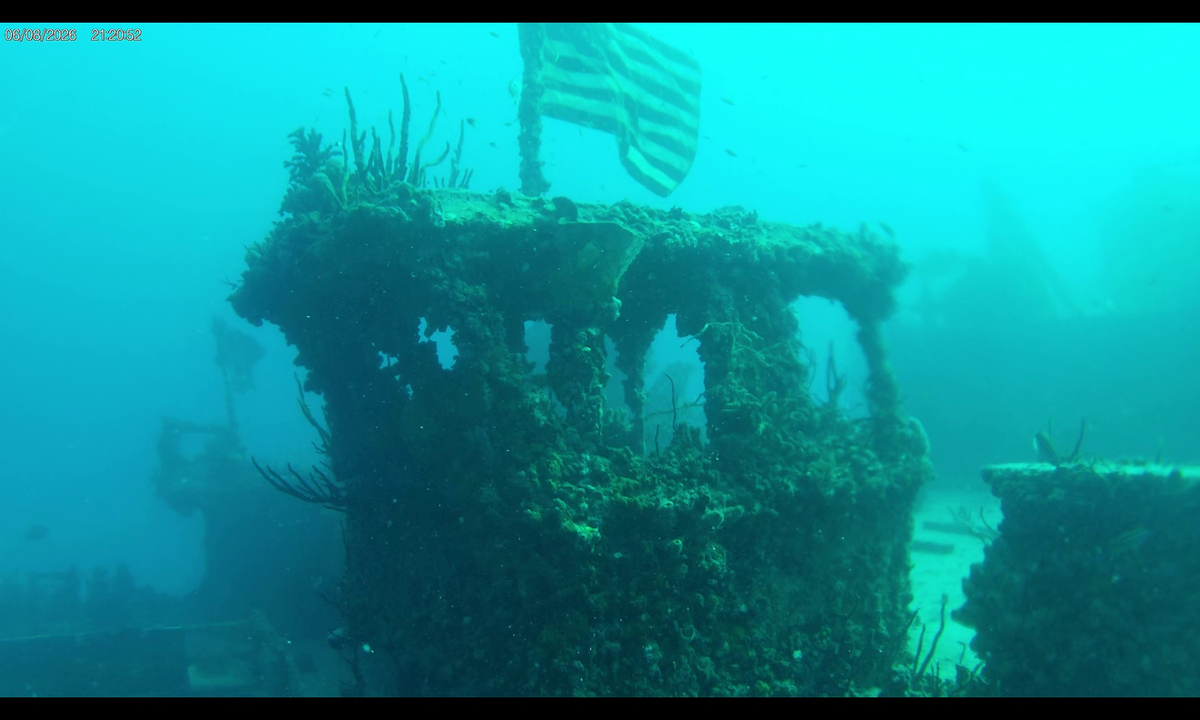
Your wreck diving adventure begins with understanding what makes these underwater sites so special. Most wrecks we visit are either purpose-sunk vessels designed to create artificial reefs or ships lost to the sea through accidents or wartime. Each one becomes a thriving ecosystem teeming with marine life that's made these structures their permanent home. During your specialty course, you'll learn to read the wreck like a map, identifying safe entry and exit points while respecting the historical significance of these sites. The experience combines the excitement of exploration with the responsibility of preservation. You'll find yourself swimming alongside schools of fish that dart between twisted metal and coral-encrusted surfaces, creating photo opportunities that land-based adventures simply can't match. Every wreck dive offers the potential for discovery - maybe you'll spot something previous divers missed or find an artifact that tells part of the vessel's story. The course structure includes both classroom sessions and practical dives where you'll apply penetration techniques, navigation skills, and safety protocols specific to wreck environments.
Dive Brief & Gear Info
Wreck diving requires specialized techniques and equipment that go beyond your basic open water skills. You'll master the art of using guide lines and reels for safe penetration into overhead environments, learning how to lay line properly and follow it back to open water. Buoyancy control becomes even more critical around wrecks since silting up the environment can reduce visibility to zero in seconds. We'll teach you the modified flutter kick and helicopter turn techniques that minimize disturbance to the wreck and its inhabitants. Your gear setup includes a primary light and backup lights, cutting tools for emergencies, and sometimes specialized equipment like lift bags for artifact recovery in designated areas. The course covers proper fin techniques, hand signals specific to wreck diving, and how to move through tight spaces without damaging yourself or the wreck. You'll practice air management calculations that account for the additional air consumption that comes with the excitement and mild exertion of wreck exploration. Navigation skills focus on creating mental maps of the wreck layout and understanding how currents and tides affect entry and exit strategies. Each dive site presents unique challenges, from shallow water wrecks where waves can create surge to deeper vessels where nitrogen narcosis becomes a factor in decision-making.
Target Species
Wrecks attract marine life like underwater magnets, creating some of the most biodiverse diving environments you'll ever experience. Goliath grouper are among the most impressive residents you'll encounter, with adults reaching lengths of eight feet and weights exceeding 400 pounds. These gentle giants often claim wrecks as their territory, and spotting one resting in the shadow of a ship's hull ranks among the most memorable moments in wreck diving. They're most active during summer months when water temperatures peak, and their curious nature means they'll often approach divers for a closer look. Barracuda schools create silver curtains around wreck superstructures, swirling in coordinated formations that seem to dance with the current. These predators hunt most actively during dawn and dusk hours, but they're present around wrecks throughout the day, using the structure as a staging area for hunting forays into open water. Their streamlined bodies and razor-sharp teeth make them fascinating subjects for underwater photography. Moray eels transform wreck diving into a treasure hunt as they peek out from holes and crevices throughout the vessel. Green morays can exceed six feet in length and are most active during night dives when they emerge to hunt, but daytime encounters reveal their calm demeanor as they rest in their chosen lairs. Nurse sharks frequently use wrecks as resting spots, especially in sandy areas around the vessel's base where they can partially bury themselves during daylight hours. These docile sharks become more active in the evening hours and their presence indicates a healthy wreck ecosystem.
Plan Your Next Dive
The PADI Wreck Diver Specialty course with BlueWater Divers represents your gateway into one of diving's most rewarding specialties. You'll walk away with advanced skills, a new perspective on underwater exploration, and memories of swimming through pieces of maritime history. The course builds confidence for tackling more challenging dive environments while emphasizing the conservation mindset that keeps these sites pristine for future generations. Whether you're drawn to the historical significance, the abundant marine life, or the pure adventure of exploration, wreck diving offers something that appeals to every type of diver. Book your specialty course today and discover why wreck diving has become the customer favorite among our advanced training programs. The underwater world's most fascinating dive sites are waiting for you to explore them responsibly and safely.
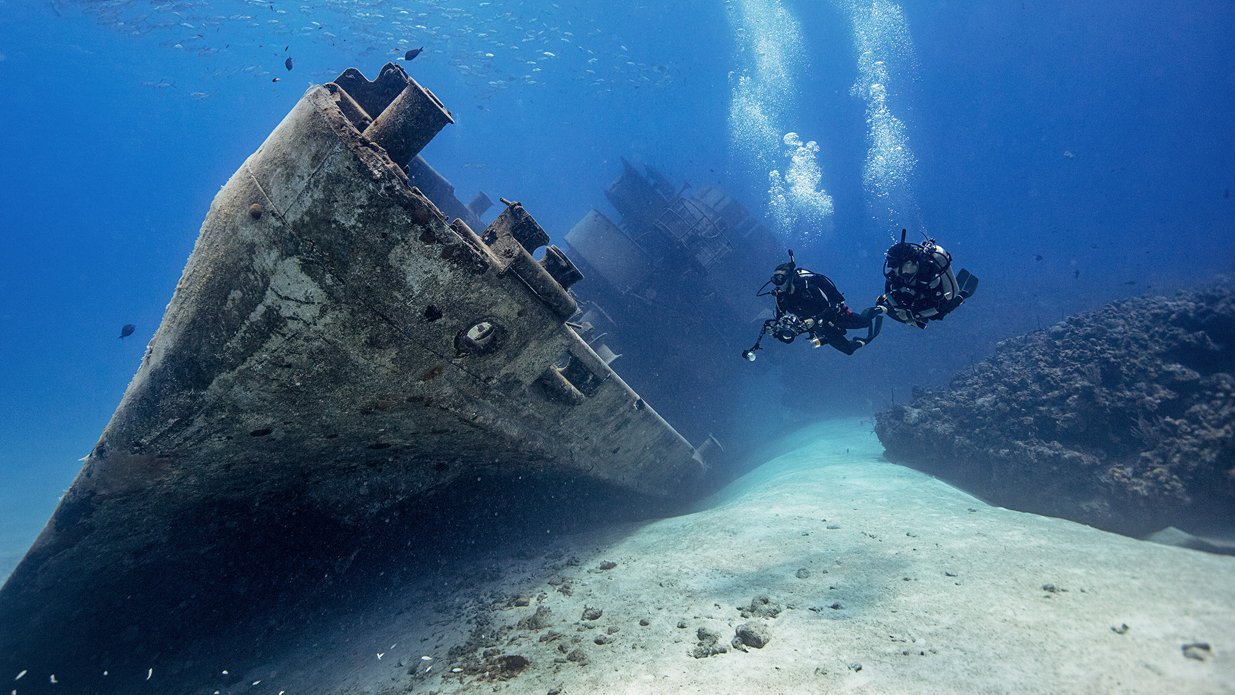
 Key Largo, FL
 Explore sunken ships and aircraft teeming with marine life