Destination Ski Trip-Utah
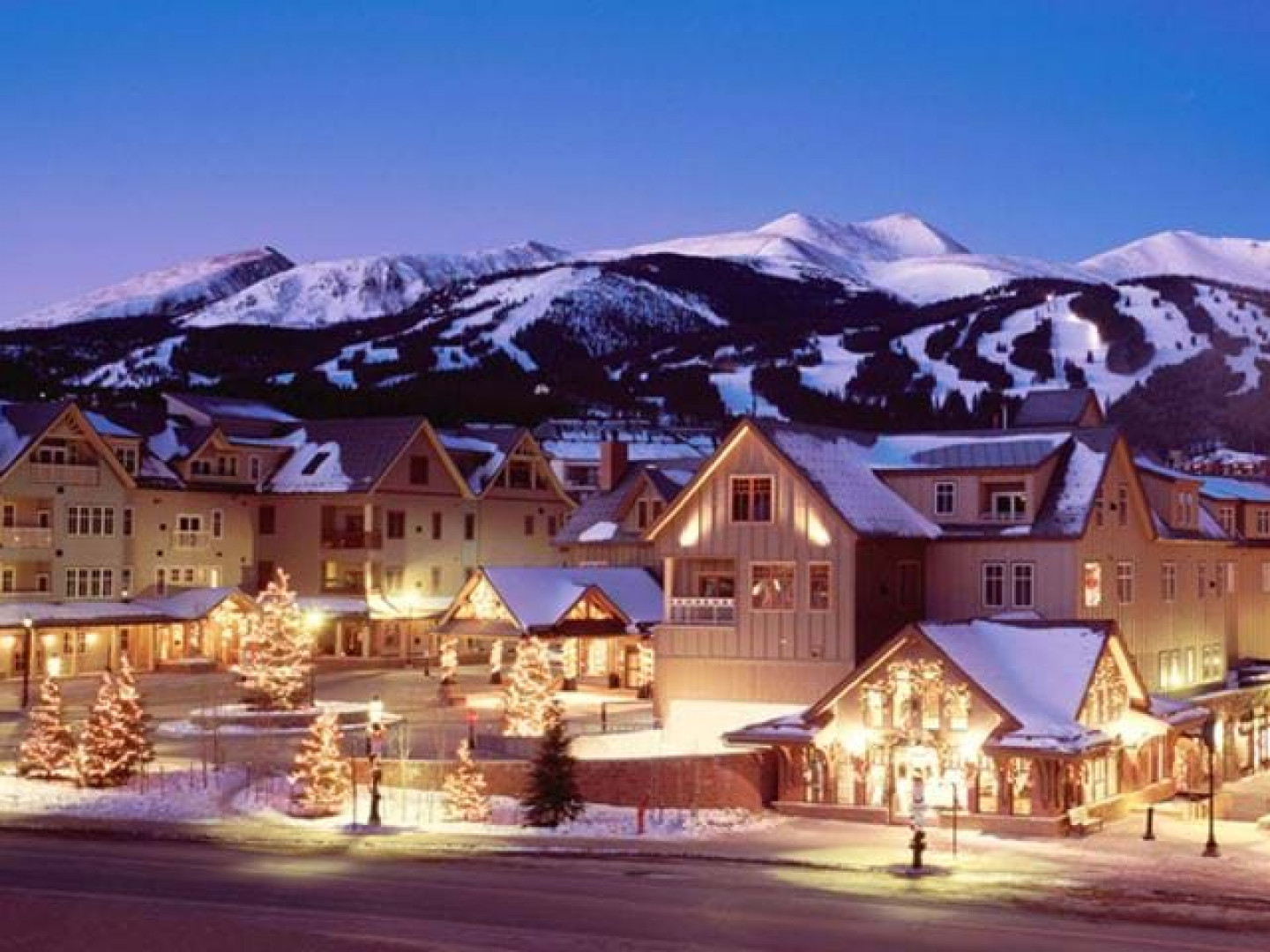
Utah's powder is legendary, and for good reason. When you're staring down a fresh line of champagne snow with the Wasatch Mountains stretching out in every direction, you'll understand why skiers travel thousands of miles just to experience what we have in our backyard. This isn't your typical resort vacation where everything's planned out for you - this is a fully customizable ski adventure designed around what you actually want to do on the mountain.
Trip Overview
Planning a ski trip can feel overwhelming, especially when you're trying to figure out where to stay, how to get around, and what runs are worth your time. That's where this destination experience comes in. Instead of piecing together accommodations, lift tickets, and transportation on your own, you'll get insider recommendations for everything from the best powder stashes to which local spots serve the hottest après-ski scenes. Utah offers world-class skiing across multiple resorts, each with its own personality and terrain features. Whether you're drawn to the steep chutes at Snowbird, the massive acreage at Park City, or the deep powder bowls at Alta, we'll help you navigate the options and make choices that match your skiing style. The beauty of this setup is flexibility - costs vary based on what you select, so you can go luxury with slope-side lodging and helicopter access, or keep it simple with shuttle transportation and mid-mountain dining.
Terrain & Snow Conditions
Utah's geography creates some of the most consistent and high-quality snow conditions in North America. The Wasatch Range catches moisture from Pacific storms, transforming it into that famous light, dry powder that skiers dream about. Most resorts here sit between 6,500 and 11,000 feet elevation, meaning longer seasons and reliable coverage from December through April. The terrain varies dramatically depending on which mountain you choose. Alta and Snowbird are known for expert-level steeps and deep powder skiing, while Park City offers groomed cruisers perfect for carving turns at high speed. Deer Valley focuses on immaculate grooming and luxury amenities, making it ideal for intermediate skiers who want comfort along with their turns. The key is matching your skill level and preferences to the right mountain. Advanced skiers often gravitate toward the Cottonwood Canyons for challenging terrain, while families and intermediate skiers find more variety and amenities at the Park City area resorts.
Local Wildlife You Might Spot
While you're focused on the skiing, Utah's mountains are home to some remarkable wildlife that adds another dimension to your mountain experience. Moose are the most impressive residents you might encounter, especially in the early morning or late afternoon hours around the base areas and parking lots. These massive animals can weigh up to 1,500 pounds and stand six feet tall at the shoulder. They're most active during winter months when they move to lower elevations seeking food, which sometimes brings them right into resort areas. Moose are generally calm but can become aggressive if they feel cornered, so always give them plenty of space and never approach for photos. Mountain goats also inhabit these peaks, though you'll more likely spot them on the higher ridgelines and cliff faces accessible by the upper chairlifts. These sure-footed climbers are perfectly adapted to steep, rocky terrain and can often be seen navigating seemingly impossible slopes with ease. Winter is actually a great time to observe them since they develop thick white coats that make them more visible against the dark rock faces.
Getting Around & Local Tips
Transportation in Utah's ski country requires some planning, especially if you're flying into Salt Lake City International Airport. The airport sits about 45 minutes from most Cottonwood Canyon resorts and roughly 30 minutes from Park City area mountains. Shuttle services run regularly, but booking ahead during peak season saves both time and money. Many skiers rent cars for maximum flexibility, though parking at popular resorts fills up fast on powder days - sometimes by 8 AM. The local ski culture here is serious about fresh snow, so when the overnight snowfall report shows double digits, expect crowds and plan accordingly. Utah's liquor laws are unique, so if après-ski drinks are part of your plan, familiarize yourself with how bars and restaurants operate. Many places serve excellent local craft beer, and the food scene has evolved far beyond typical mountain fare. Park City's Main Street offers everything from high-end dining to casual pizza joints, while the Cottonwood Canyon resorts focus more on on-mountain dining options.
Packing for Success
Utah's high altitude and dry climate create specific packing considerations that can make or break your ski experience. The elevation means intense UV exposure, so quality goggles and sunscreen rated SPF 30 or higher are essential - even on cloudy days. The dry air will dehydrate you faster than you expect, making a good water bottle and lip balm necessities rather than suggestions. Layer management becomes crucial when you're skiing terrain that ranges from sheltered trees to exposed ridgelines. A quality base layer, insulating mid-layer, and waterproof shell will handle most conditions, but don't forget extras like neck gaiters and hand warmers for those really cold days. Utah powder is famous for being light and dry, but it still finds ways into your gear, so waterproof gloves and boots with good seals will keep you comfortable all day long. Many skiers underestimate how much the altitude affects them initially, so packing headache medicine and planning easier first days can help with acclimatization.
Best Times to Visit
Utah's ski season typically runs from mid-December through mid-April, but timing your visit can dramatically impact your experience. January and February offer the most consistent powder and coldest temperatures, making them favorites among serious skiers who prioritize snow quality over comfort. March brings longer days and warmer temperatures while usually maintaining good snow coverage, creating ideal conditions for skiers who want to enjoy both the slopes and outdoor dining. Holiday periods see the biggest crowds and highest prices, so consider visiting in late January or early February for better deals and shorter lift lines. Powder days create
 Private Trip
 Skiing
 New York
 Solo ski adventure with complete planning support included