Full-Day Bonefishing on Grand Bahama Flats
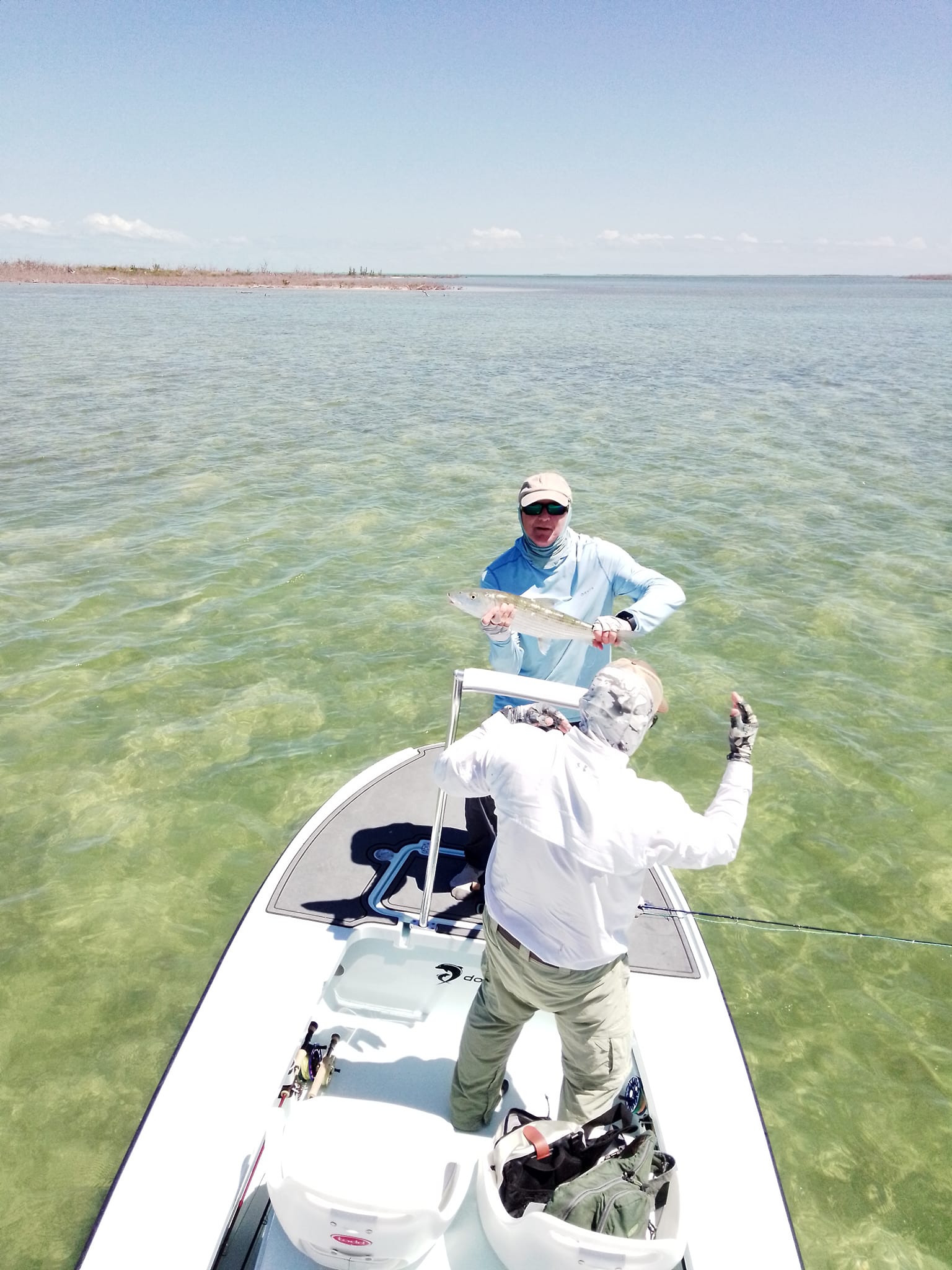
Captain Iris knows every inch of Grand Bahama's eastside flats like the back of his hand, and he's ready to put you on some of the best bonefish waters in the Caribbean. This isn't your typical tourist fishing trip – it's a serious 8-hour pursuit across legendary shallow water that's produced countless trophy fish. You'll spend the day poling through crystal-clear flats where permit, tarpon, and those famous "gray ghosts" cruise in water so shallow you can see their tails cutting the surface. With lunch and drinks sorted, all you need to worry about is making the right cast when that fish of a lifetime shows up.
What to Expect on the Water
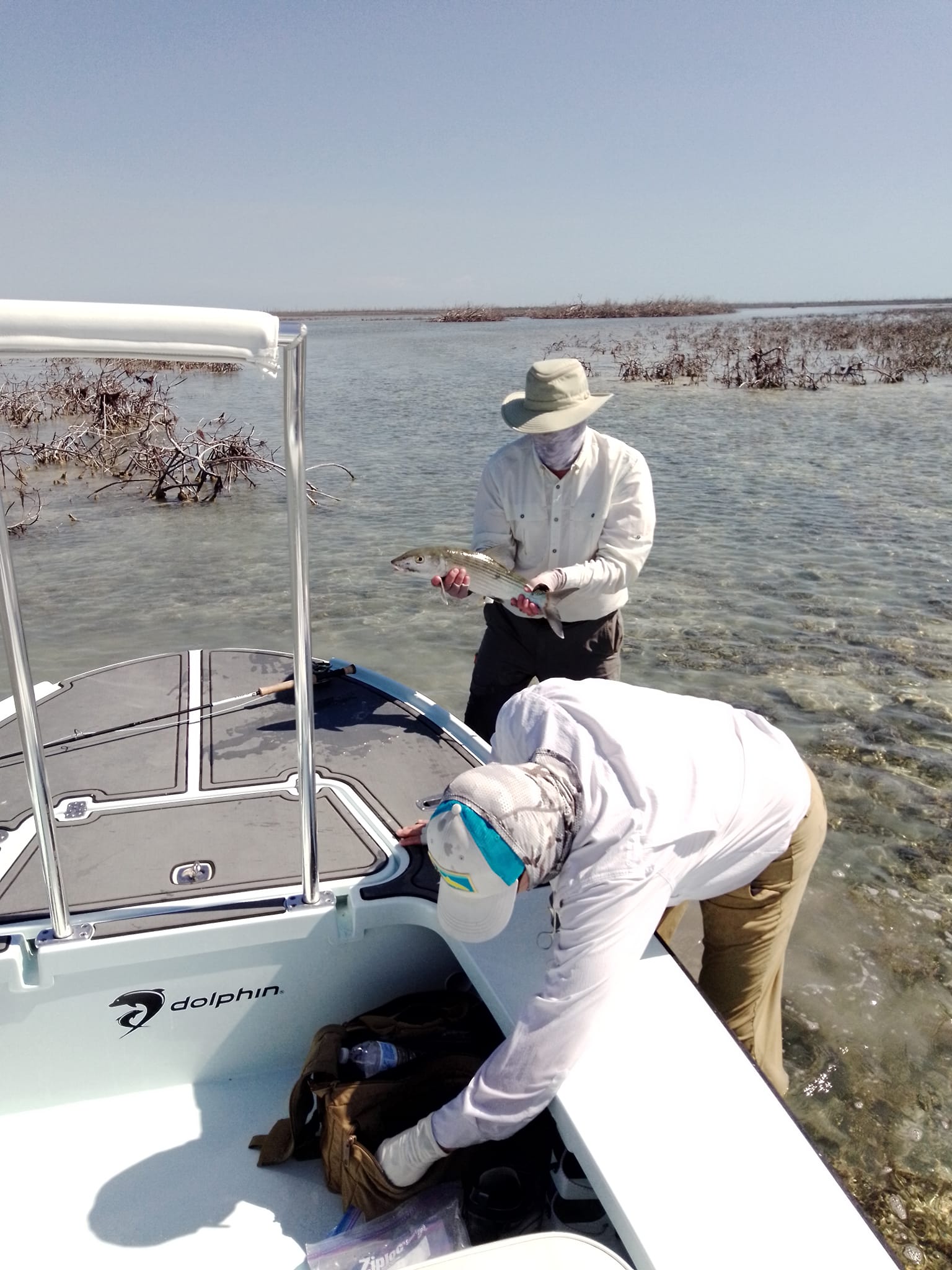
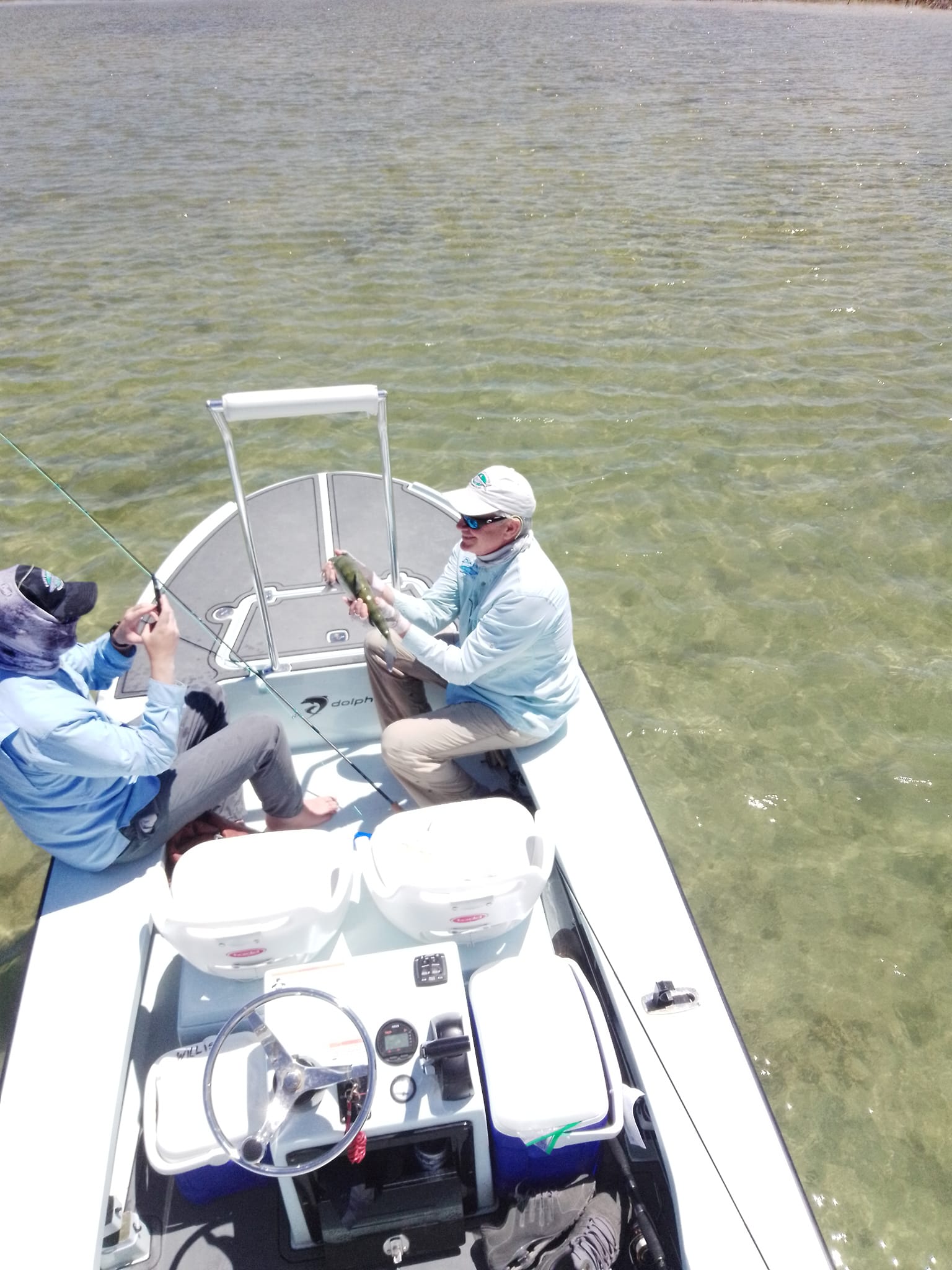
Your day starts early when Captain Iris picks you up for what locals call the "magic hours" – that perfect window when the fish are actively feeding and the light lets you spot them from a distance. The eastside flats of Grand Bahama offer a completely different fishing experience than the deeper waters most anglers know. Here, you're hunting fish in 6 inches to 3 feet of water, where every cast counts and stealth is everything. Captain Iris will position the skiff upwind of cruising fish, and you'll have seconds to make your presentation before they spook. The boat stays intentionally small with just two anglers max, so you're not fighting for prime casting position or waiting your turn when the action heats up. Between fishing spots, you'll cruise through mangrove cuts and across turtle grass beds that hold different species throughout the day. The pace matches what you're comfortable with – some days that means covering lots of water to find active fish, other days it means working one productive flat for hours.
Flats Fishing Techniques
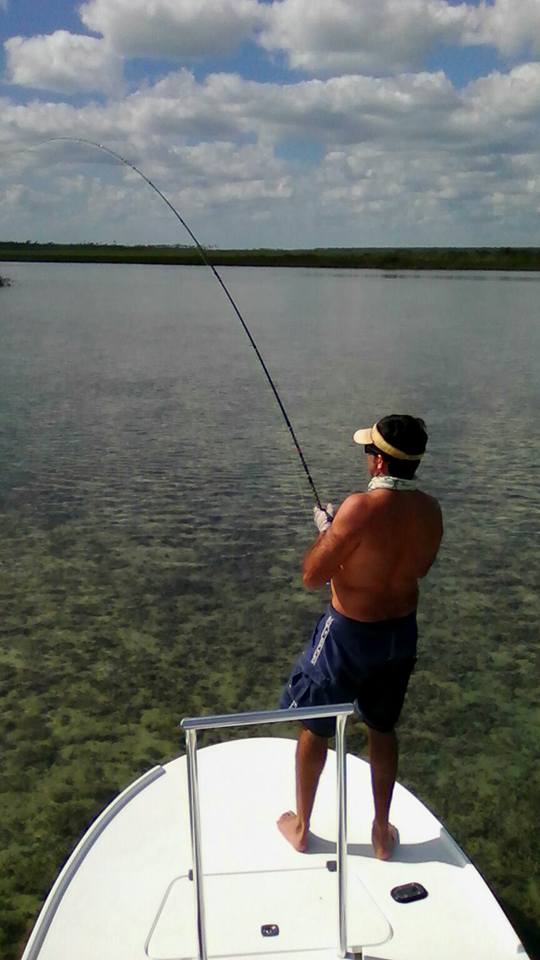
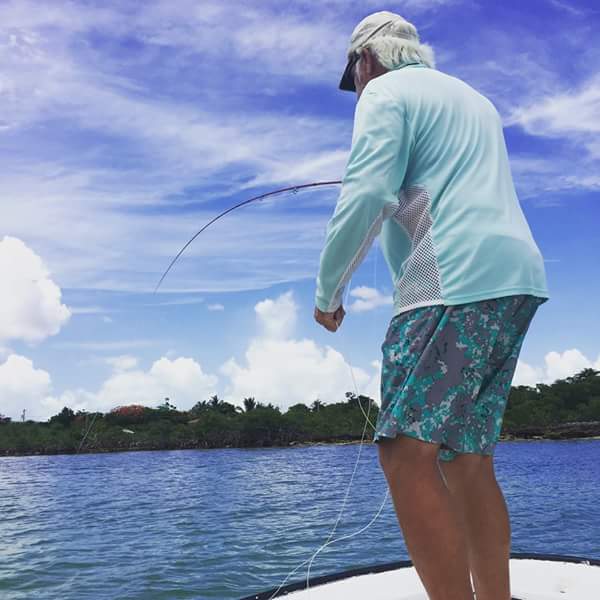
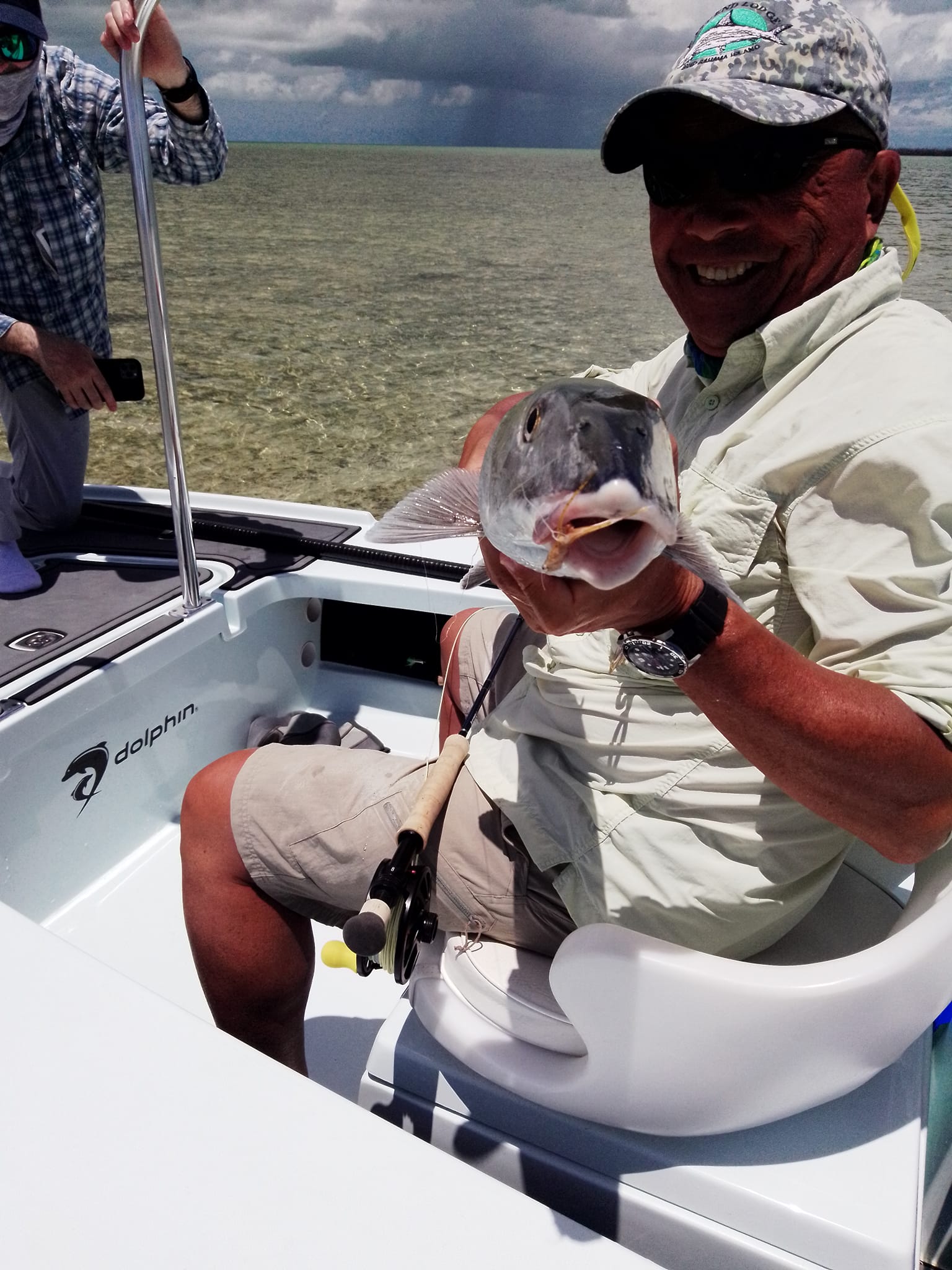
Flats fishing is all about reading the water and making precise presentations to fish you can actually see. Captain Iris will pole the skiff silently across the shallows while scanning for movement, shadows, or the telltale mud puffs that give away feeding bonefish. When he spots fish, everything shifts to whisper mode – even the way you move in the boat matters. You'll be casting either fly rods with crab or shrimp patterns, or spinning gear with small jigs and live bait, depending on conditions and your preference. The key is landing your bait 3-4 feet ahead of a moving fish and letting it settle naturally to the bottom. Bonefish are notorious for their incredible eyesight and will bolt at the first sign of something unnatural. Strip retrieves need to be slow and steady, mimicking a fleeing crab or shrimp. When a bonefish picks up your fly or lure, you'll feel a subtle tap before the fish realizes it's hooked and takes off on one of the most impressive runs in saltwater fishing. The shallow water amplifies every moment – you'll watch the entire fight play out in gin-clear water with the fish never more than a rod length away.
Top Catches This Season
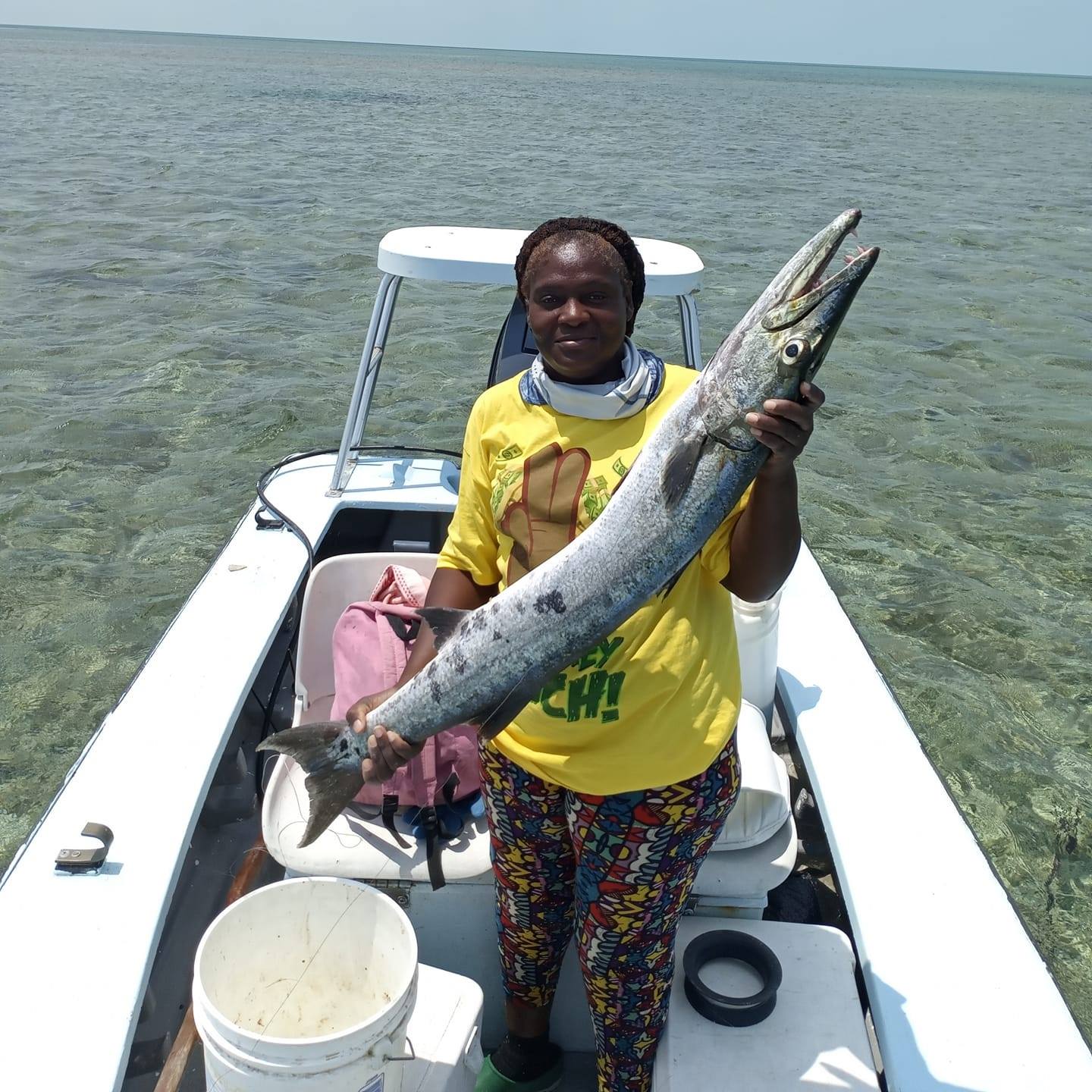
The eastside flats have been producing consistently this year, with bonefish in the 3-8 pound range showing up regularly on the turtle grass beds and sandy pockets. Captain Iris has been finding schools of smaller bones mixed with some real bruisers that'll test your drag system and backing. Permit have been more cooperative than usual, especially around the coral heads where they come to feed on crabs during the incoming tide. These fish are notoriously picky, but when conditions align and you get a good presentation, permit offer one of the most rewarding catches in flats fishing. Tarpon have been rolling through the deeper cuts between flats, with fish ranging from juvenile "baby" tarpon around 20-30 pounds up to some serious adults pushing 100+ pounds. The variety keeps every day interesting – you never know if you'll end up fighting a spooky bonefish, a stubborn permit, or watching a massive tarpon launch itself completely out of the water just yards from the boat.
Species You'll Want to Hook
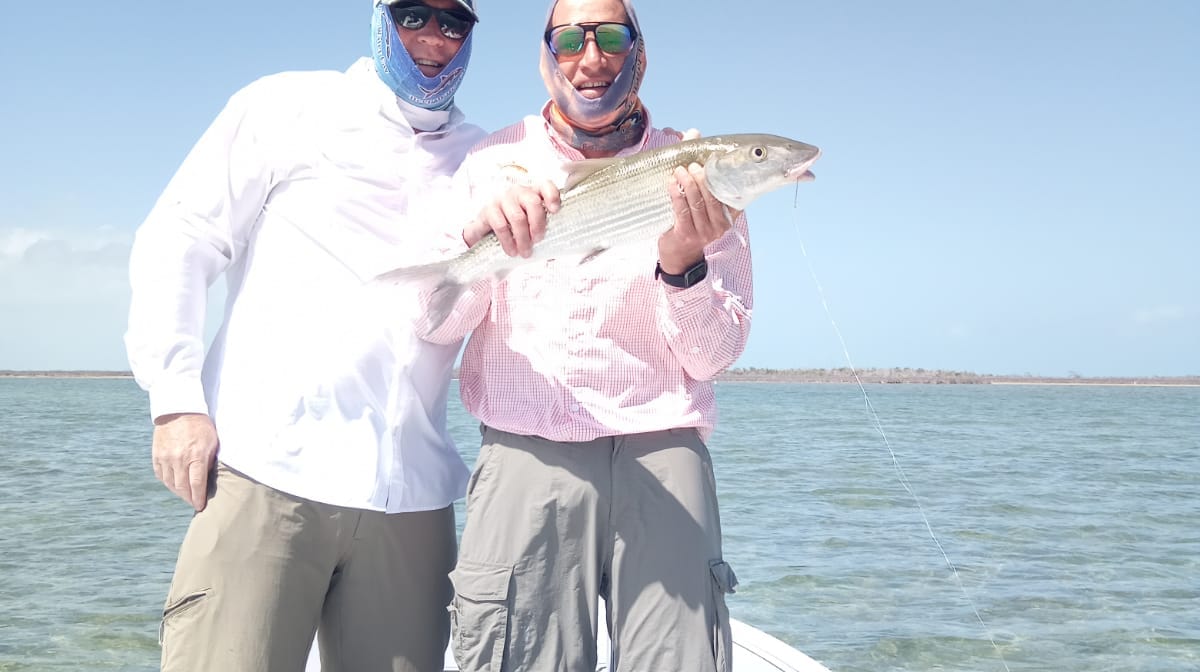
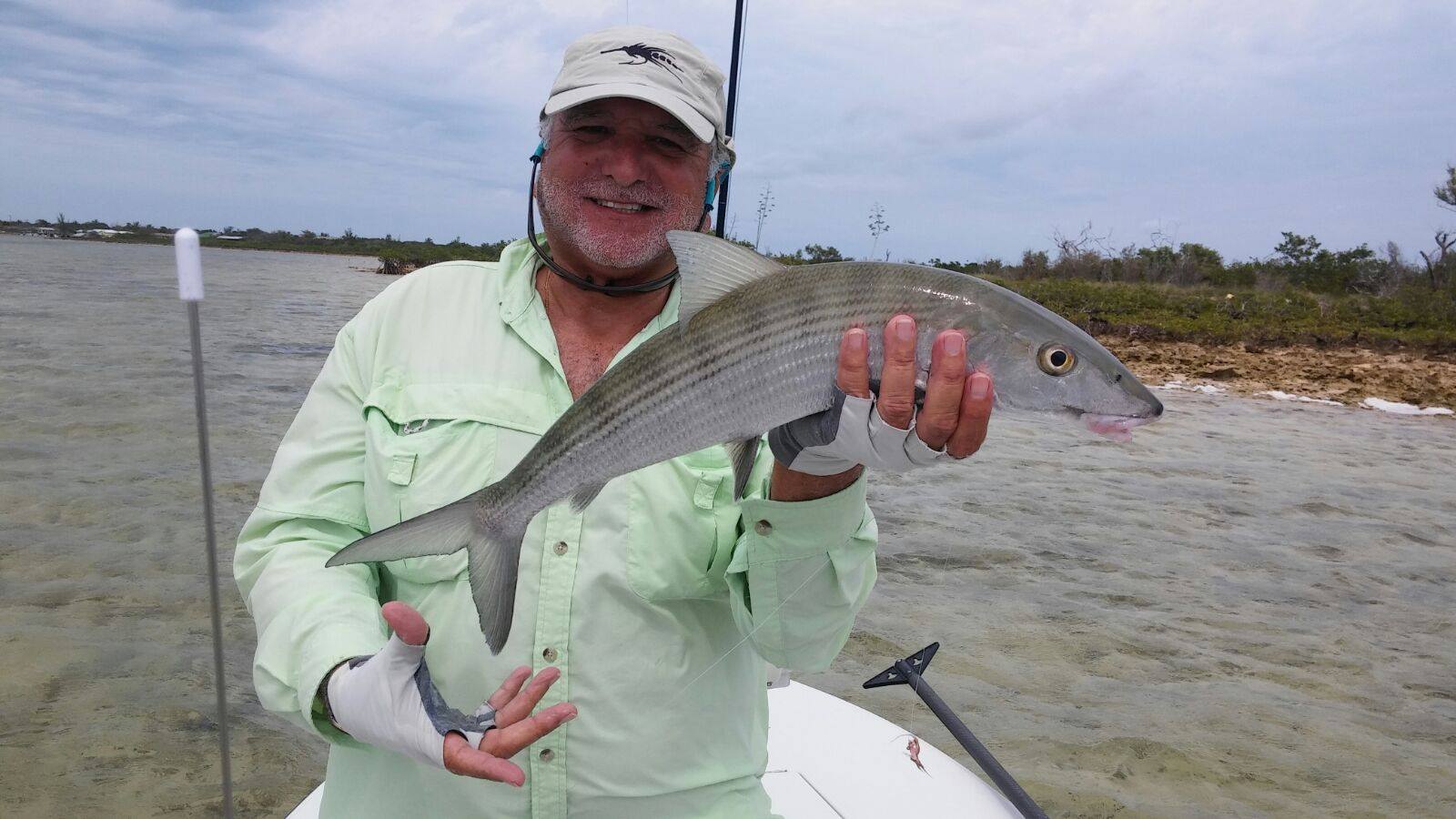
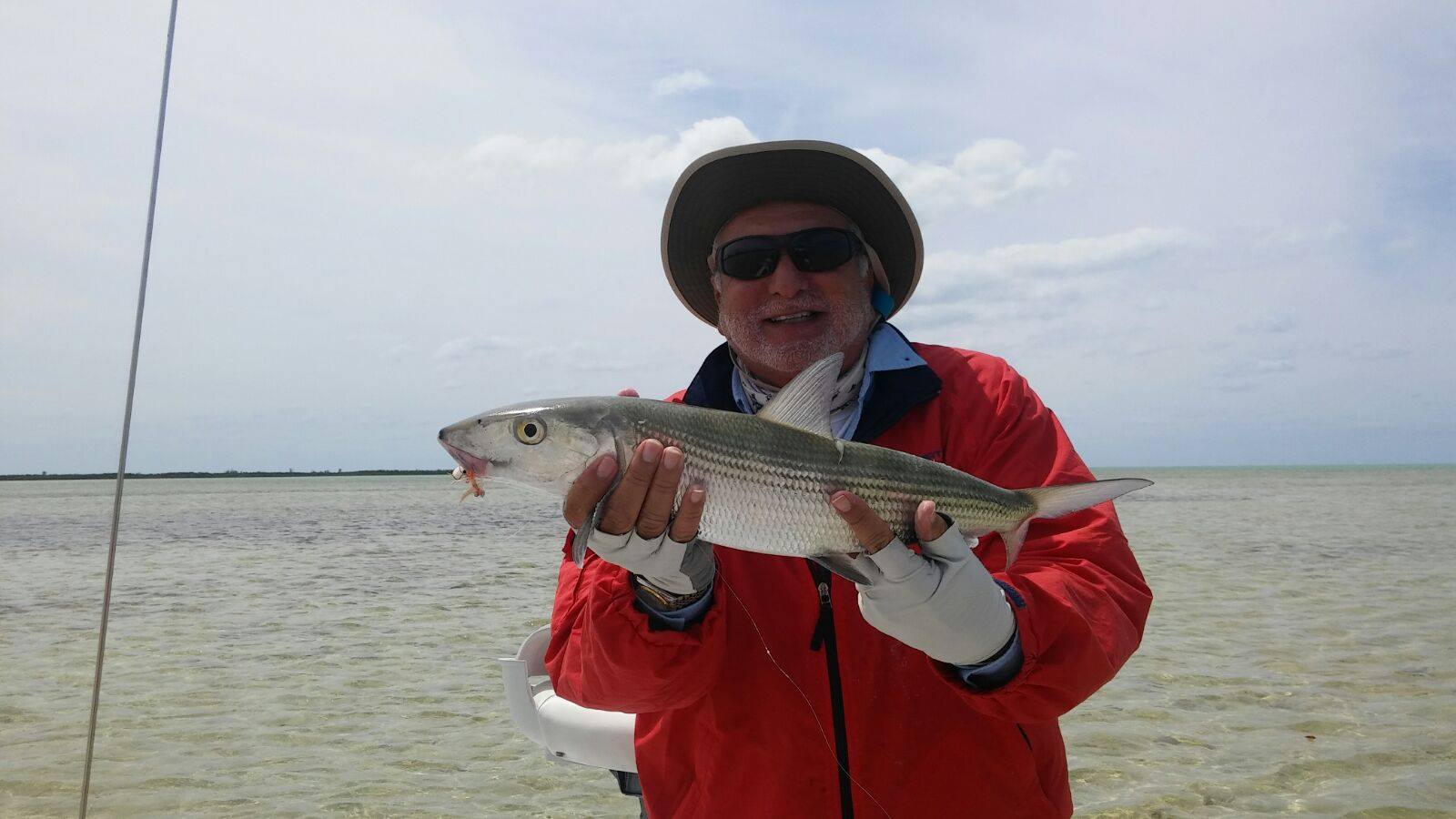
Bonefish are the bread and butter of Bahamian flats fishing, and for good reason. These silvery speedsters cruise the shallows in small groups, rooting through the sand and grass for crabs, shrimp, and worms. What makes them special isn't just their blistering initial run – though watching 150 yards of backing disappear in seconds never gets old – but their incredible wariness. A bonefish will examine your fly from every angle before committing, and even then might refuse at the last second if something doesn't look right. They're most active during moving tides, particularly the first two hours of incoming water when they push onto the flats to feed. Grand Bahama's bones average 3-6 pounds, but fish over 8 pounds show up regularly enough to keep things interesting. The clear water means you'll see every moment of the fight, from the initial hookup through multiple runs as the fish tries to reach deeper water. Peak season runs from October through June, with the cooler months producing the most consistent action as fish feed heavily before spawning season.
Time to Book Your Spot
Captain Iris only takes two anglers per trip because flats fishing works best when everyone has room to cast and the boat stays quiet. His 8-hour charters give you enough time to work different flats as conditions change throughout the day – morning spots that produce early might go quiet by noon, while afternoon areas come alive as the sun angle shifts. The eastside of Grand Bahama stays protected from most weather, so you'll be fishing when other boats are stuck at the dock. With lunch and drinks included, you can focus entirely on the fishing without worrying about logistics. A standard gratuity of $100 minimum for your guide is customary and appreciated – Captain Iris works hard to put you on fish and shares decades of local knowledge that you won't find in any guidebook. The shallow water, diverse species, and expert guiding make this a world-class flats fishing experience that keeps anglers coming back season after season

 Private Trip
 Flats/Shallows Fishing
 The Bahamas
 Full-day charter targeting bonefish, permit, and tarpon on flats