Wanchese Multi-Day Float Blind Duck Hunt
Ready to test your skills against some of North Carolina's craftiest waterfowl? This multi-day float blind hunting package puts you right in the heart of the action along the Outer Banks' legendary hunting waters. At just $500 for a full day-and-a-half adventure, you'll have plenty of time to pattern the birds and make your shots count. Captain Clay runs a tight ship and knows these waters like the back of his hand – he's been guiding hunters through Wanchese's prime duck grounds for years, and his track record speaks for itself.
Inside the Hunt
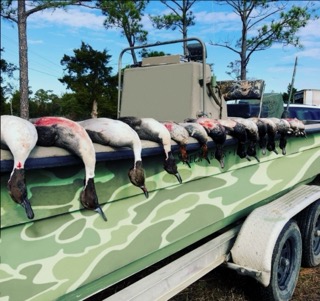
Your hunt kicks off at 5 AM sharp and runs through 12 PM the next day, giving you nearly 32 hours to work the birds. This isn't your typical dawn-to-dusk hunt – you'll have time to scout, adjust your setup, and really dial in on what the ducks are doing. The package handles 3-4 hunters comfortably, though Captain Clay can work with larger groups if you give him a heads up. You'll be targeting some serious birds here: Bufflehead, Redheads, Bluebills, and Surf Scoters are your main quarry, with Pintails showing up when conditions are right. The Wanchese area sits perfectly along the Atlantic Flyway migration route, so you're hunting birds that have been pushed by weather and pressure from hundreds of miles north.
Float Blind Tactics
Float blind hunting is where the real waterfowlers separate from the weekend warriors. These aren't your standard layout blinds – you're working from a mobile platform that lets Captain Clay position you exactly where the birds want to be. The beauty of this setup is adaptability. If the ducks are working one area in the morning but shift with the tide or wind, you're not stuck in a fixed blind watching birds land 200 yards away. Captain Clay reads the water conditions, weather patterns, and bird behavior to keep you in the sweet spot all day long. The Outer Banks waters around Wanchese offer perfect habitat for diving ducks, with varying depths and abundant food sources that keep birds coming back throughout the season.
Target Game Breakdown
Bufflehead are some of the scrappiest little ducks you'll encounter on these waters. These compact divers usually show up in small groups and are notorious for their erratic flight patterns – they'll buzz the decoys, flare off, circle back, and test your patience before committing. Peak season runs from late November through February, and they love the protected coves around Wanchese. What makes them special is their boldness once they decide to work your spread. When a flock commits, they come in fast and low, giving you that heart-pounding moment every duck hunter lives for.
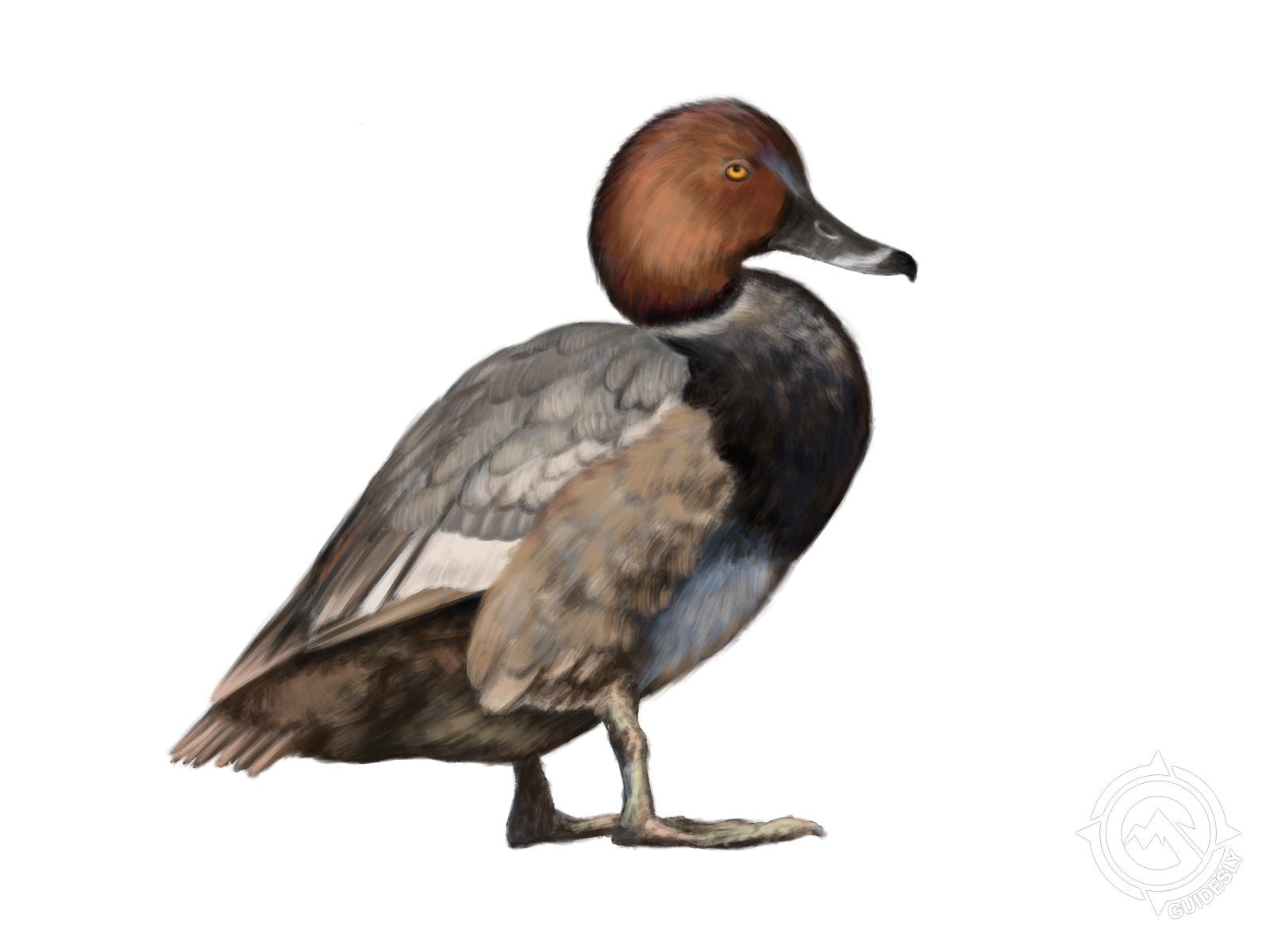
Redheads are the prize of any serious waterfowler's bag. These medium-sized divers are smart, wary, and absolutely beautiful birds. They typically travel in larger groups than Bufflehead and have a tendency to circle your setup multiple times before deciding whether to commit. December and January are prime time for Redheads in the Wanchese area, when they're moving through in good numbers. They're drawn to areas with abundant submerged vegetation, and Captain Clay knows exactly where to find them. Landing a limit of Redheads is something you'll be talking about for years.
Bluebills, or Lesser Scaup as the biologists call them, are workhorses of the duck hunting world. They're not as flashy as some species, but they make up for it with numbers and willingness to work decoys. These birds will often buzz your spread repeatedly, giving multiple shooting opportunities. They peak in the Outer Banks from late December through early February, often mixing with other diving duck species. Bluebills are excellent table fare and consistently provide action when other species might be finicky about weather or pressure changes.
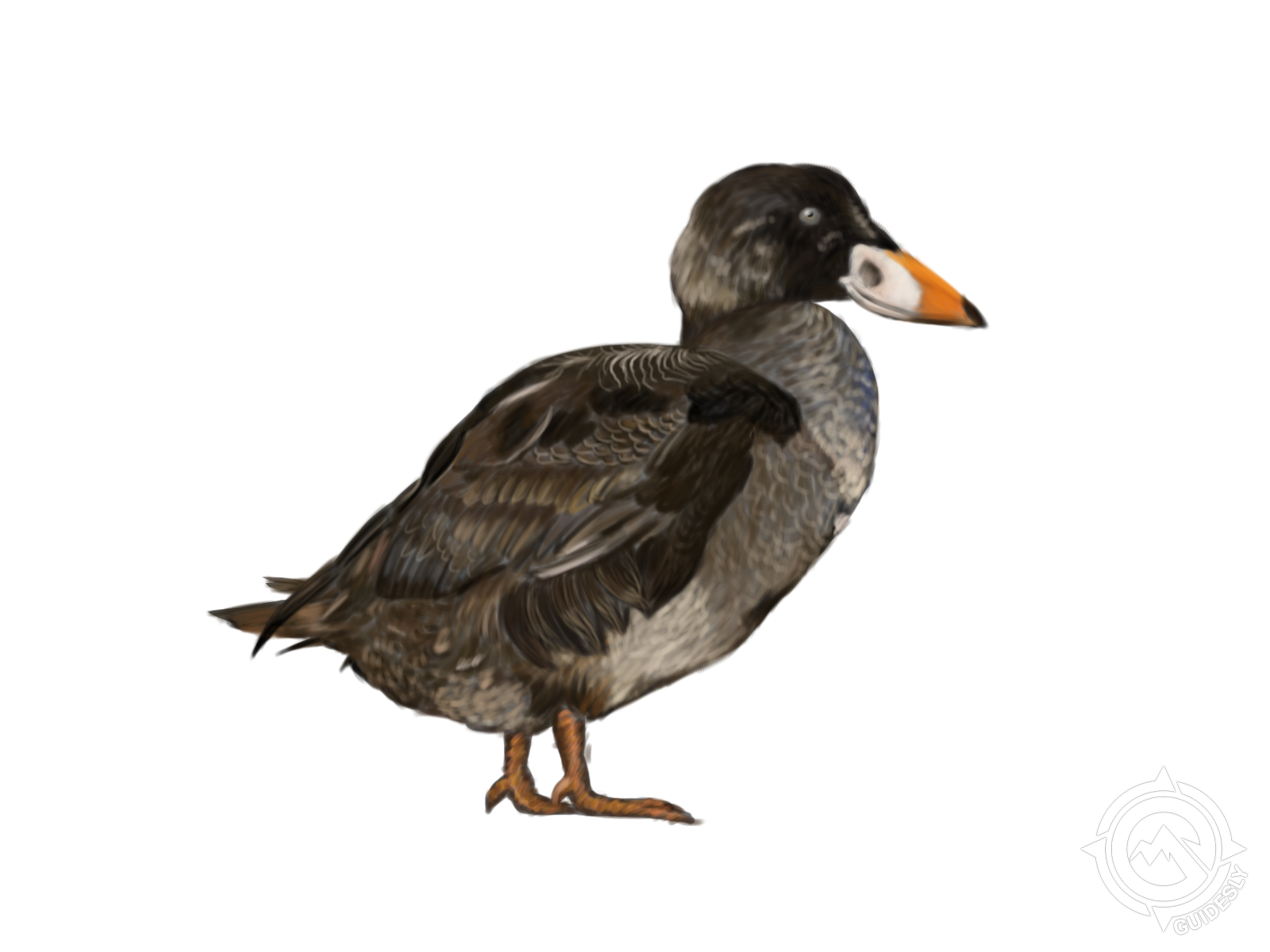
Surf Scoters are the wild cards of this hunt. These large sea ducks spend most of their time in open ocean waters, but when conditions push them into the sounds and protected waters around Wanchese, they offer a unique hunting opportunity. They're powerful fliers and impressive birds, much larger than your typical ducks. Scoters can show up any time during the season but are most common during rough weather periods when they seek shelter from ocean swells. Taking a Surf Scoter is a special achievement – many duck hunters go their entire careers without getting a clean shot at one.
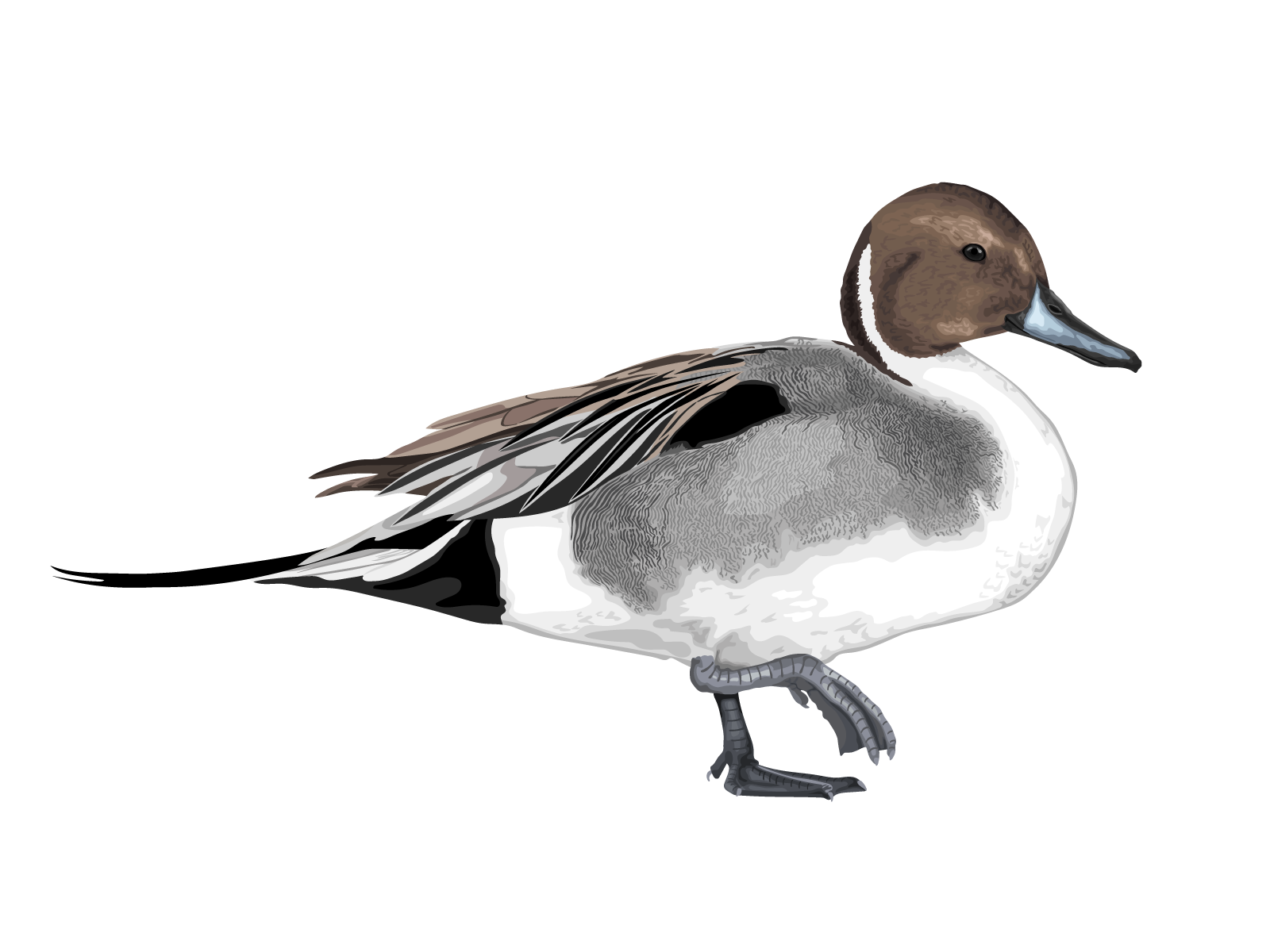
Northern Pintails are the bonus birds of this package. While not as common as the primary species, when Pintails do show up around Wanchese, they're usually part of larger flights moving through the area. These elegant ducks are known for their distinctive profile and challenging approach patterns. They're extremely wary and will often hang just outside gun range, testing your calling skills and patience. When weather systems push through and conditions align, Pintails can appear in good numbers, turning a solid hunt into a legendary one.
Book Your Next Tag
This multi-day float blind package delivers exactly what serious waterfowlers are looking for – time on the water with an experienced guide who knows how to put you on birds. At $500 for nearly a day and a half of hunting, you're getting world-class access to some of North Carolina's best duck hunting grounds. The combination of species diversity, proven tactics, and Captain Clay's local knowledge makes this a top-rated choice for hunters who want results, not just a boat ride. Don't wait until the season's half over – the best hunting windows fill up fast. Call Captain Clay at 252-333-2279 to lock in your dates and get ready for the kind of hunt that reminds you why you love chasing ducks in the first place.
 Private Trip
 Small game hunting
 Outer Banks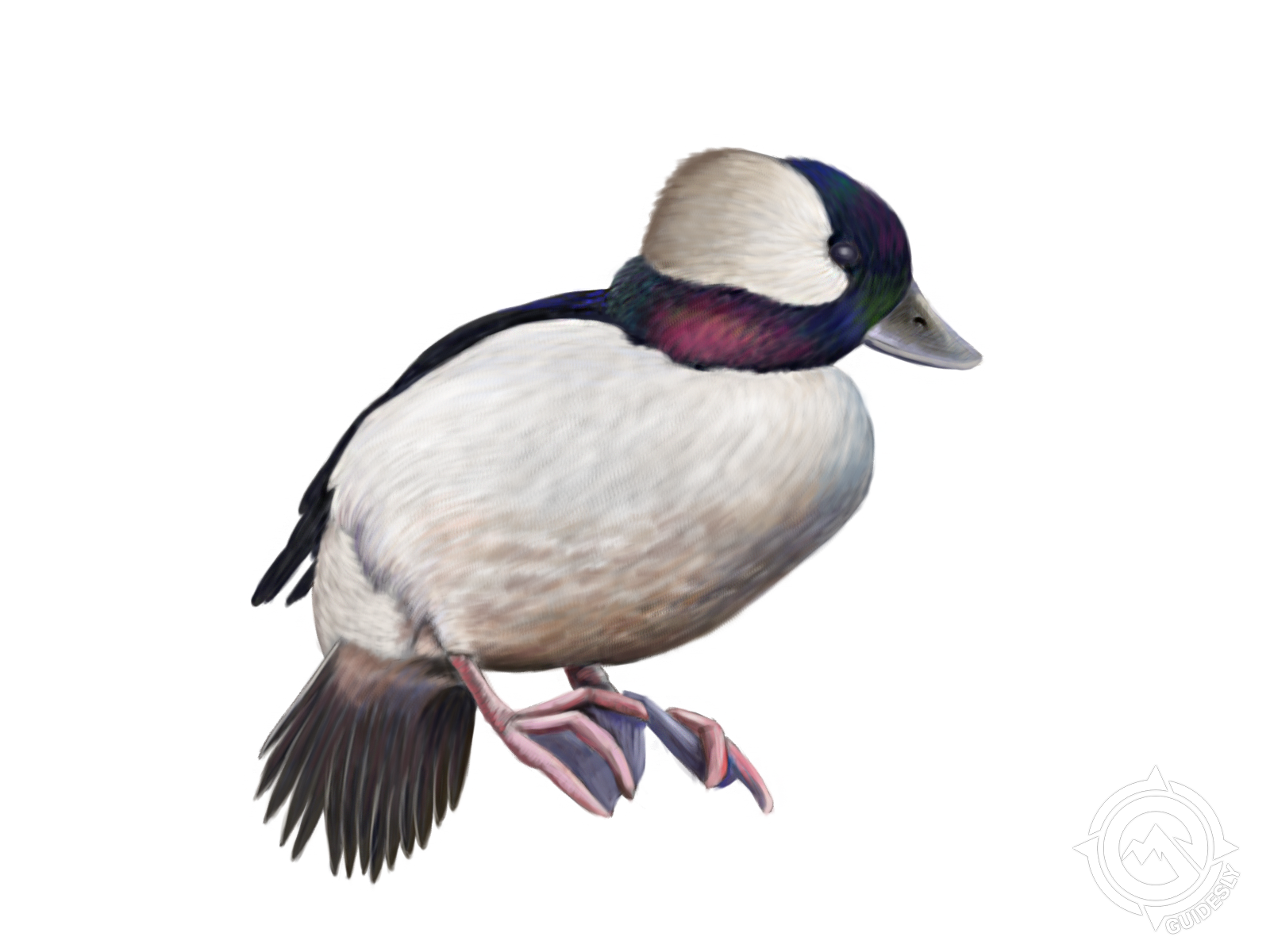
 Multi-day float blind hunting package for $500 total