Marsh Blind Hunting in Wanchese, NC
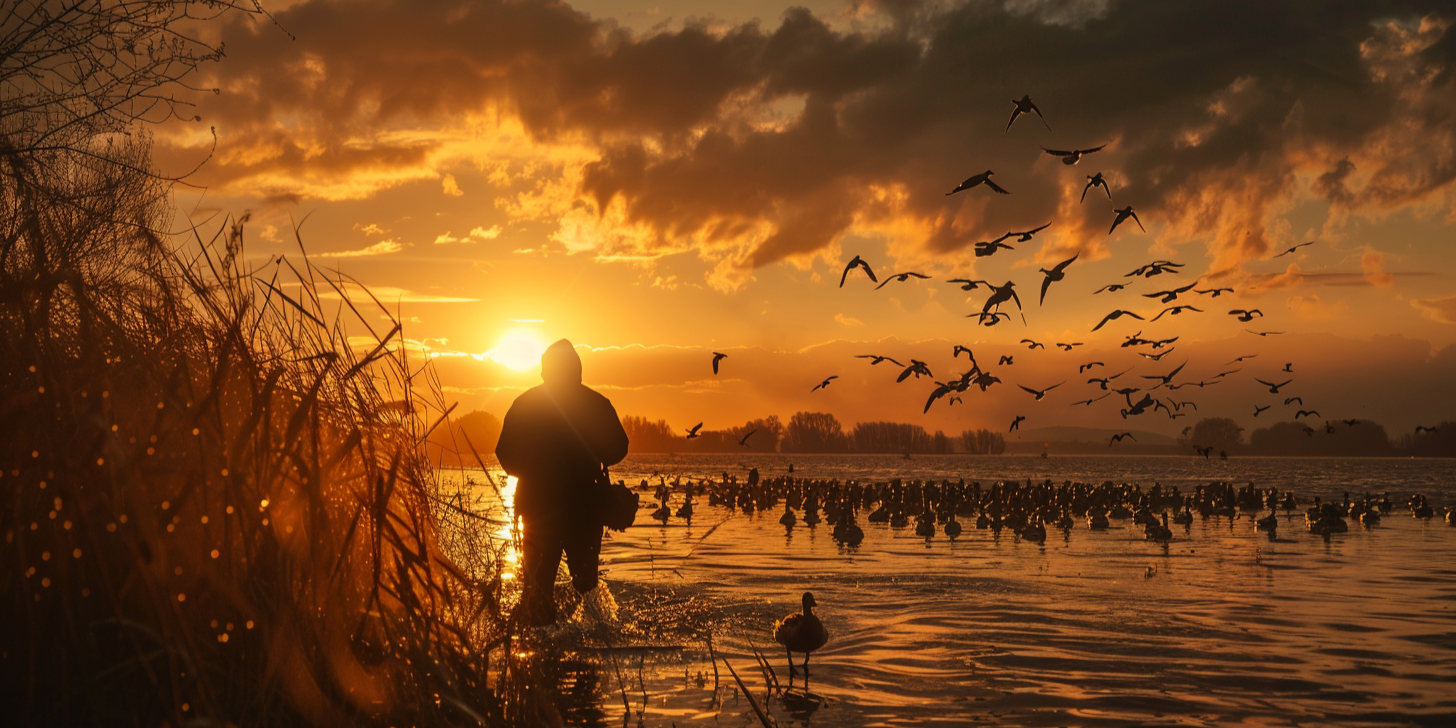
If you're looking for a solid waterfowl hunt that won't break the bank, Captain Clay's marsh blind setup in Wanchese has you covered. For $250, you and up to three buddies can spend a morning chasing ducks in some of North Carolina's prime marsh country. We're talking about getting out there when it's still dark, setting up in a well-positioned blind, and waiting for those first flights to start moving. The Outer Banks area around Wanchese sits right in the heart of the Atlantic Flyway, so you're hunting where birds naturally want to be. This isn't some fancy lodge hunt – it's honest marsh hunting where you'll work for your birds and feel good about every one you drop.
Inside the Hunt
Your day kicks off early – we're talking an hour and a half before sunrise, so you'll be moving in the dark. Captain Clay knows these marshes like the back of his hand, and he'll get you positioned in a blind that's been proven to produce. The hunting window runs from 5 AM to noon, giving you plenty of time to work different flights as they come through. These aren't fancy heated blinds, but they're well-concealed and positioned where the birds want to work. You'll be hunting over decoy spreads that Captain Clay sets based on current conditions and bird movement patterns. The marsh environment here is perfect for waterfowl – shallow water, plenty of natural food sources, and the kind of cover that makes ducks feel comfortable. Weather plays a big role in how active the birds are, so don't be surprised if a little wind and clouds make for better hunting than those bluebird days.
Tracking Tips & Terrain
Marsh blind hunting is all about reading the birds and staying still when it counts. Captain Clay will walk you through proper calling techniques if you're new to it, but the key is knowing when to shut up and let the decoys do their work. The terrain around Wanchese is classic coastal marsh – think shallow channels, grass islands, and plenty of spots where ducks like to feed and rest. You'll want to dress in layers because pre-dawn can be chilly, but it often warms up as the sun gets higher. Waterproof boots are a must, and don't forget your hunting license and federal duck stamp. Captain Clay provides the decoys and knows where to set them, but bring your own gun and shells. Steel shot only in these parts – it's the law and it's better for the environment. Keep your shots reasonable and always be aware of your shooting lanes. The marsh can play tricks with distance, so don't stretch shots beyond your comfort zone.
Target Game Breakdown
Green-winged Teal are probably the most fun birds you'll encounter out here. These little rockets come in fast and low, often catching hunters off guard with their speed. They're early migrants, so you'll see them consistently through the season. When they commit to the decoys, they really commit, giving you great shooting opportunities. What hunters love about teal is their unpredictability – one minute the marsh is quiet, the next you've got a dozen birds buzzing the spread.
Black Ducks are the marsh smart guys – they've seen it all and won't give you any freebies. These birds know every inch of this country and can spot something out of place from way out. When you do connect on a black duck, you've earned it. They're beautiful birds with that dark chocolate coloring, and they're getting harder to find each year. Captain Clay knows where they like to work in these marshes, and getting a shot at one is always a highlight.
Gadwalls might not get the respect they deserve, but they're solid performers in this area. They work decoys well and aren't as spooky as some other species. You'll often see them mixed in with other ducks, and they have a habit of coming back for a second look if you miss on the first pass. They're great birds for newer hunters because they give you time to set up your shot.
Wigeon are the grazers of the duck world, and the grass-rich marshes around Wanchese are perfect for them. You'll hear them before you see them – that distinctive whistle carries across the water. They're social birds, so where you see one, there are usually more nearby. They respond well to calling and will often circle the spread a few times before committing.
Northern Pintails are the classic marsh duck – elegant, wary, and absolutely beautiful in flight. These birds migrate through in good numbers, and when conditions are right, they'll work the decoys like they're supposed to. Pintails are notorious for flaring at the last second, so you need to be ready when they give you the shot. The drakes with their long necks and sleek profiles are what every waterfowl hunter dreams about.
Mallards are the bread and butter of waterfowl hunting, and for good reason. They're vocal, they respond to calling, and they're not afraid to work a good spread. The marsh hunting around Wanchese sees plenty of mallards throughout the season, from local birds to migrants moving through. They're perfect for practicing your calling, and there's nothing quite like a group of mallards cupping their wings and dropping into your decoys.
Book Your Next Tag
At $250 for up to four hunters, this marsh blind experience with Captain Clay delivers honest waterfowl hunting without the fancy price tag. You're getting access to prime marsh country during peak hunting hours, along with a guide who knows these waters and how to hunt them effectively. The 7-hour window gives you plenty of time to work different flights, and the variety of species keeps things interesting all morning long. This is the kind of hunt that builds good memories – working as a team, reading the birds, and earning every shot. Give Captain Clay a call at 252-333-2279 to lock in your dates and check availability. These morning hunts fill up, especially when the migration is
 Private Trip
 Small game hunting
 Outer Banks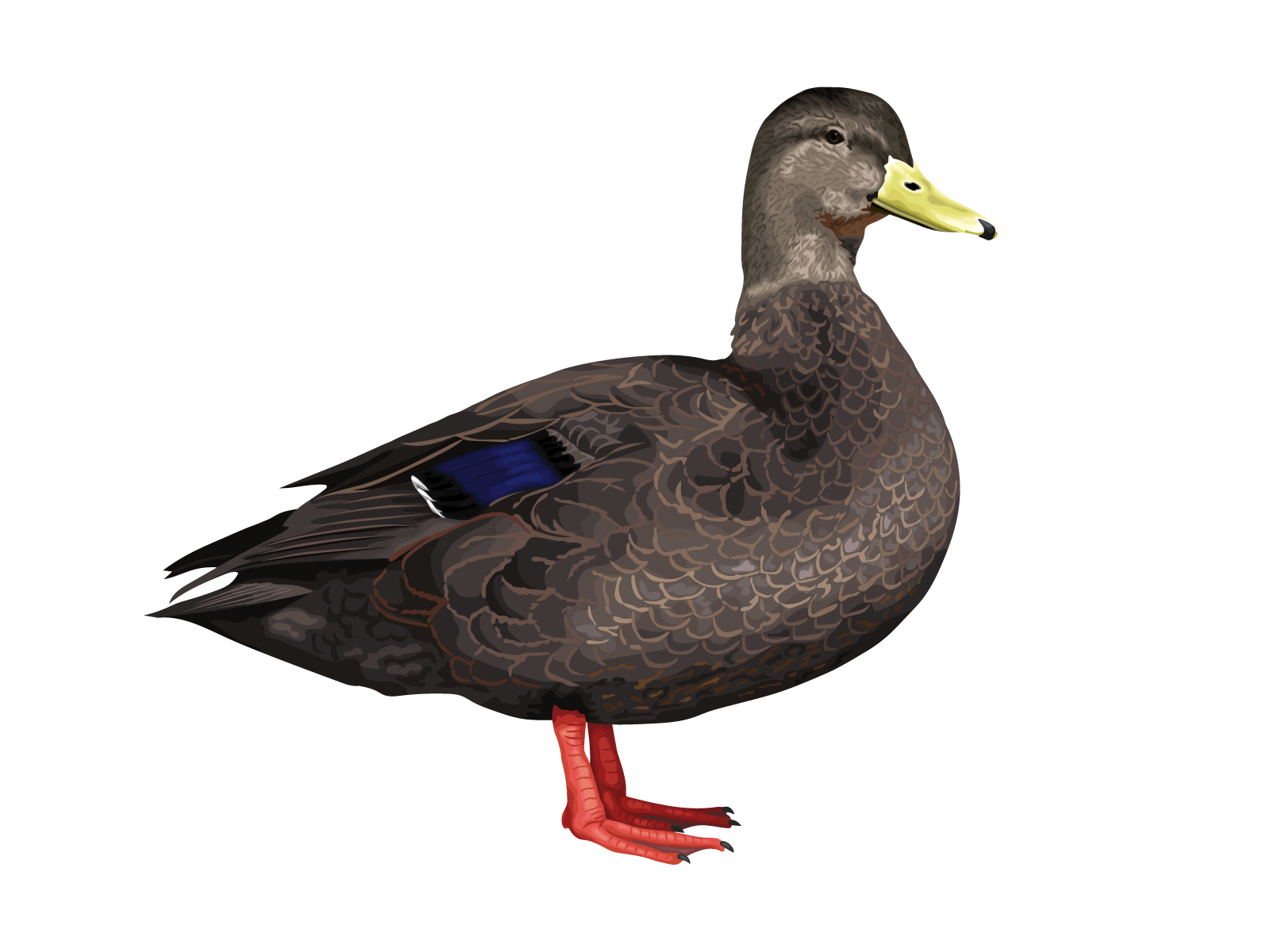
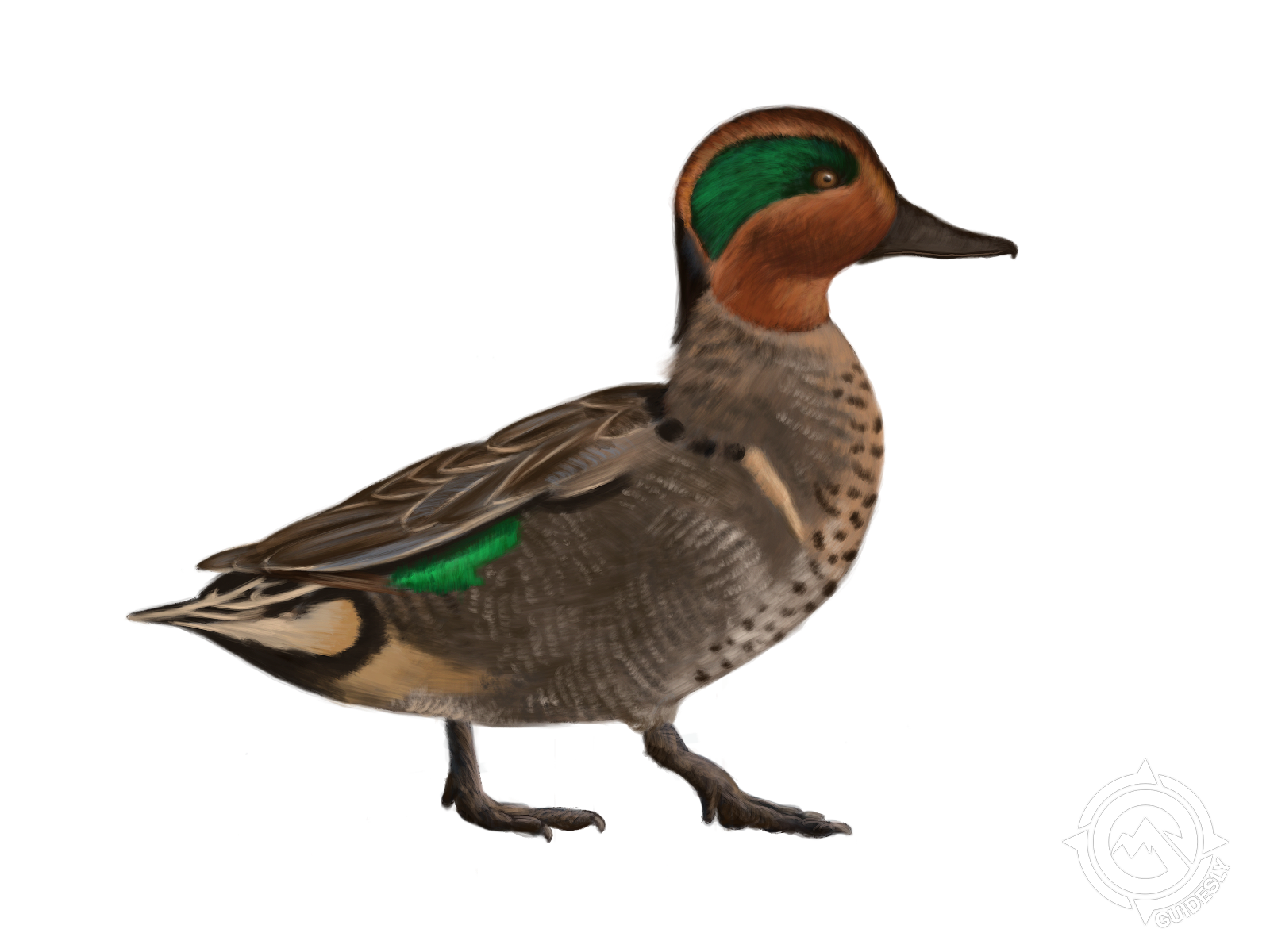
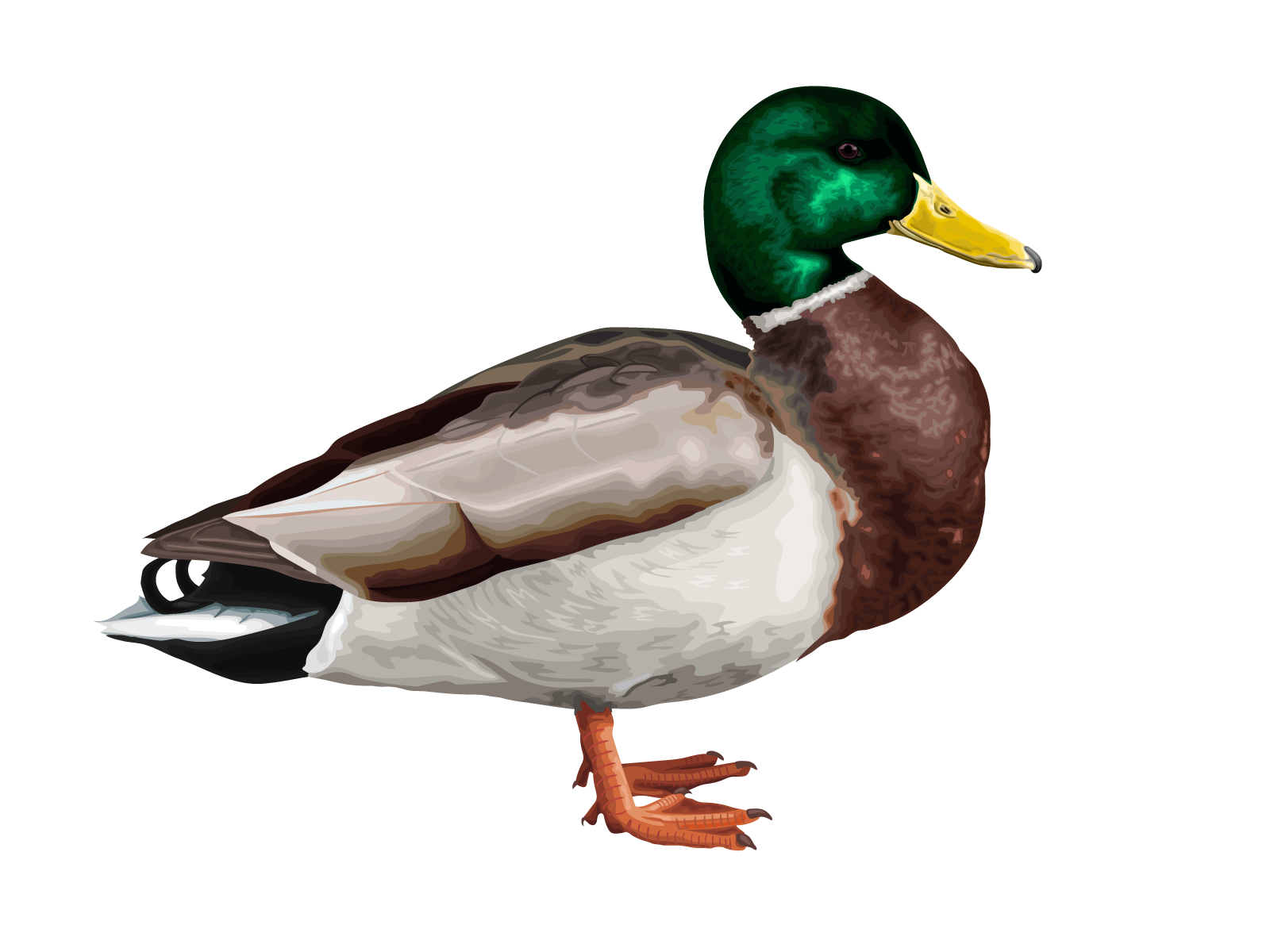
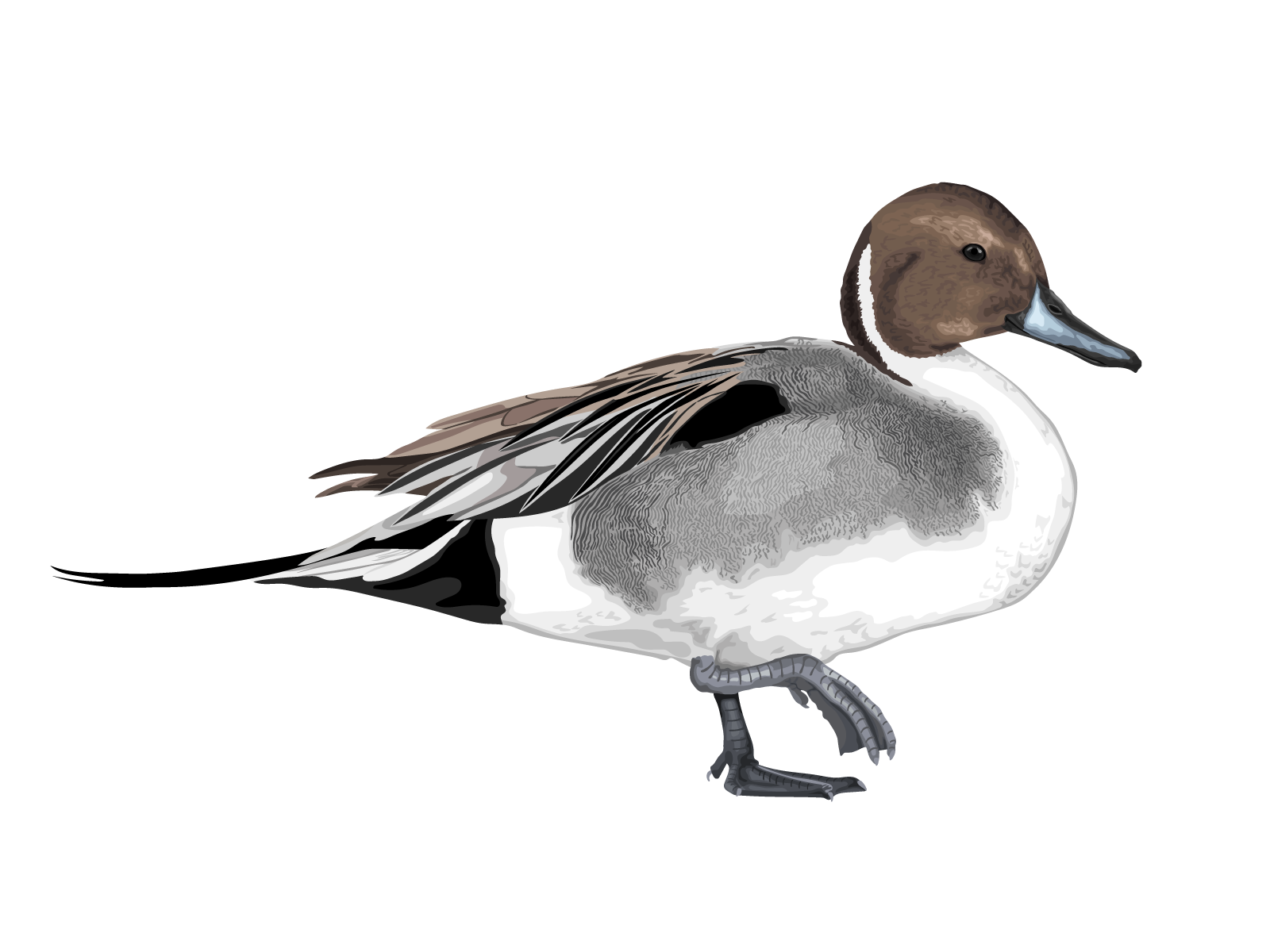
 Marsh blind hunting targets six waterfowl species including teal and mallards