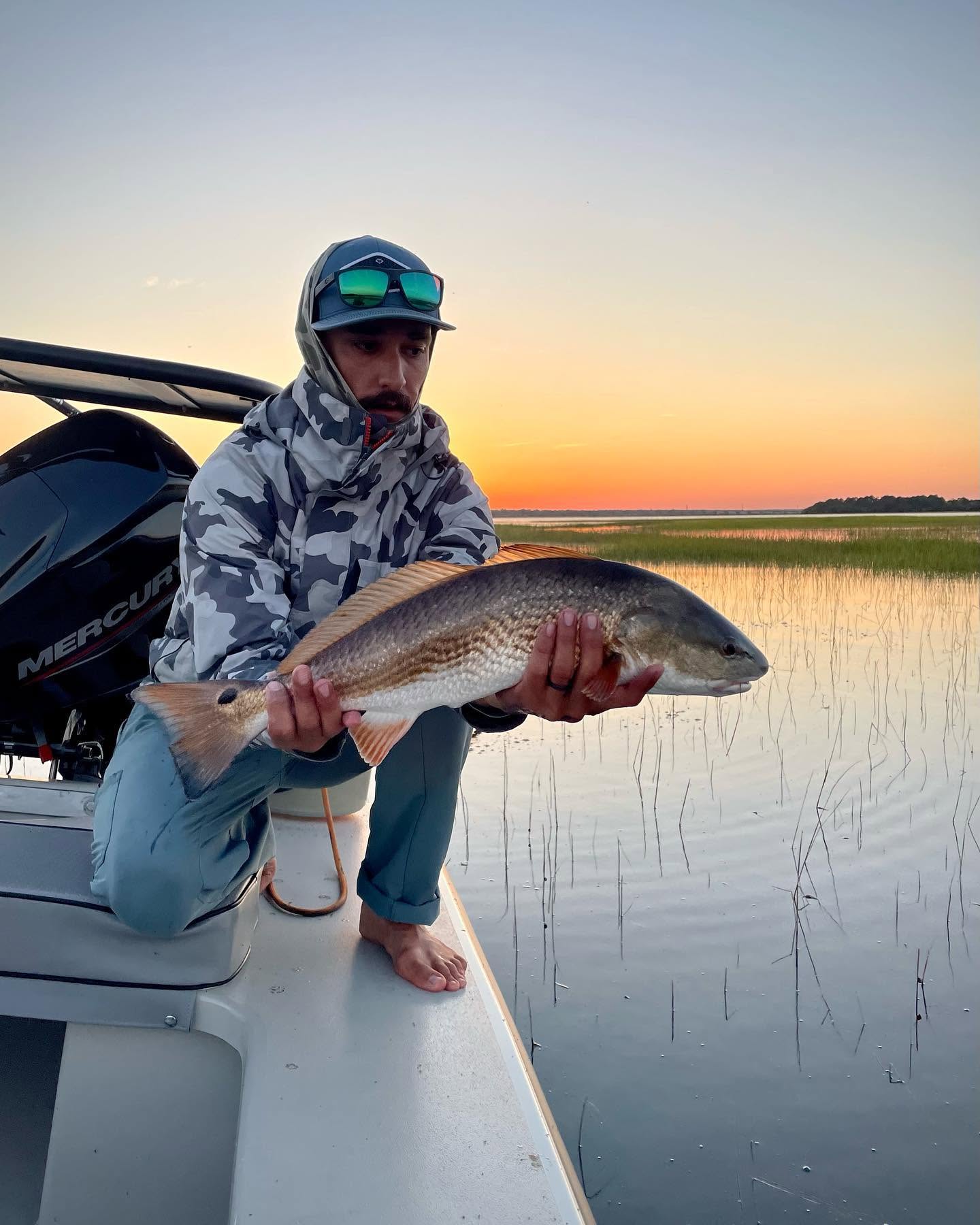
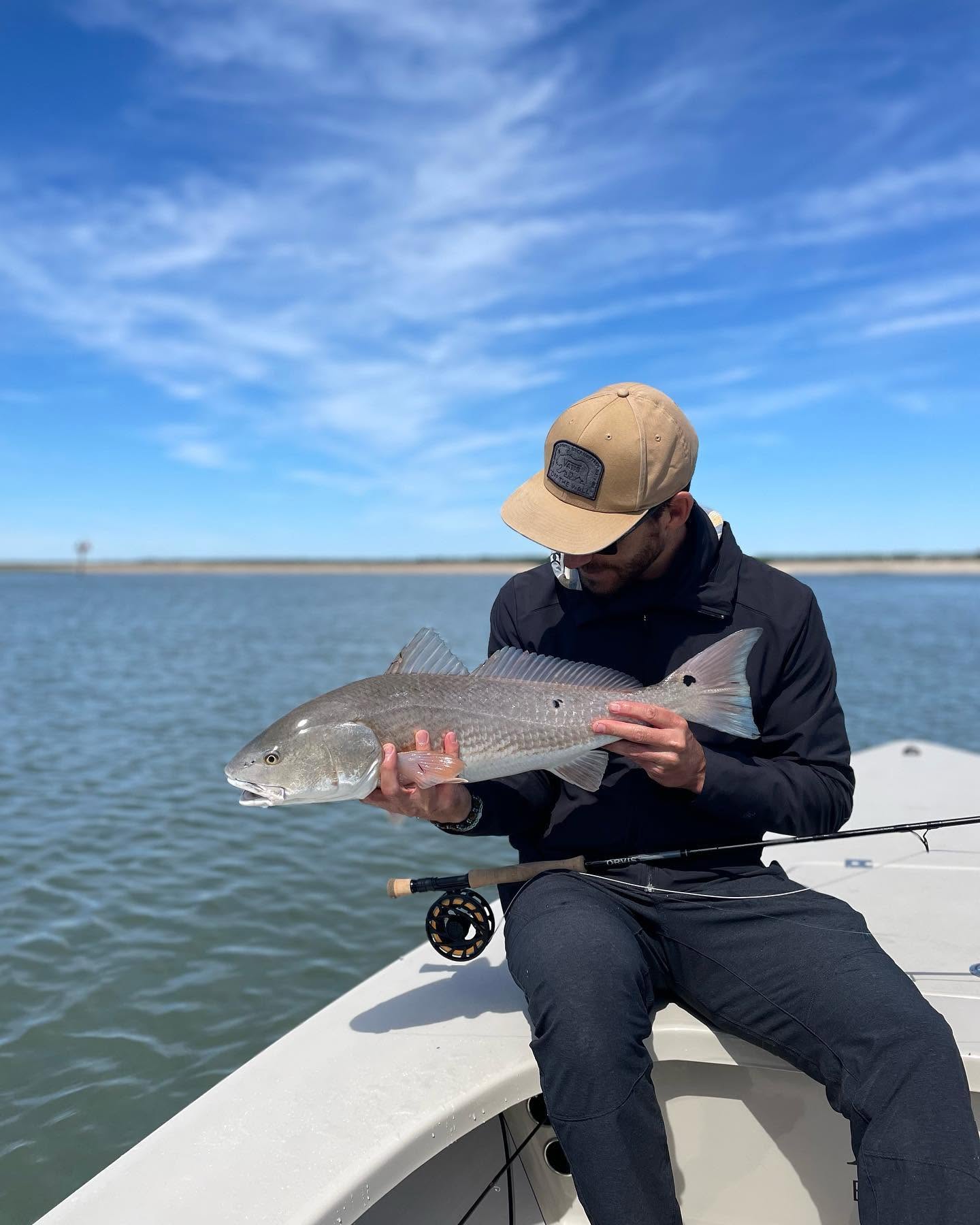
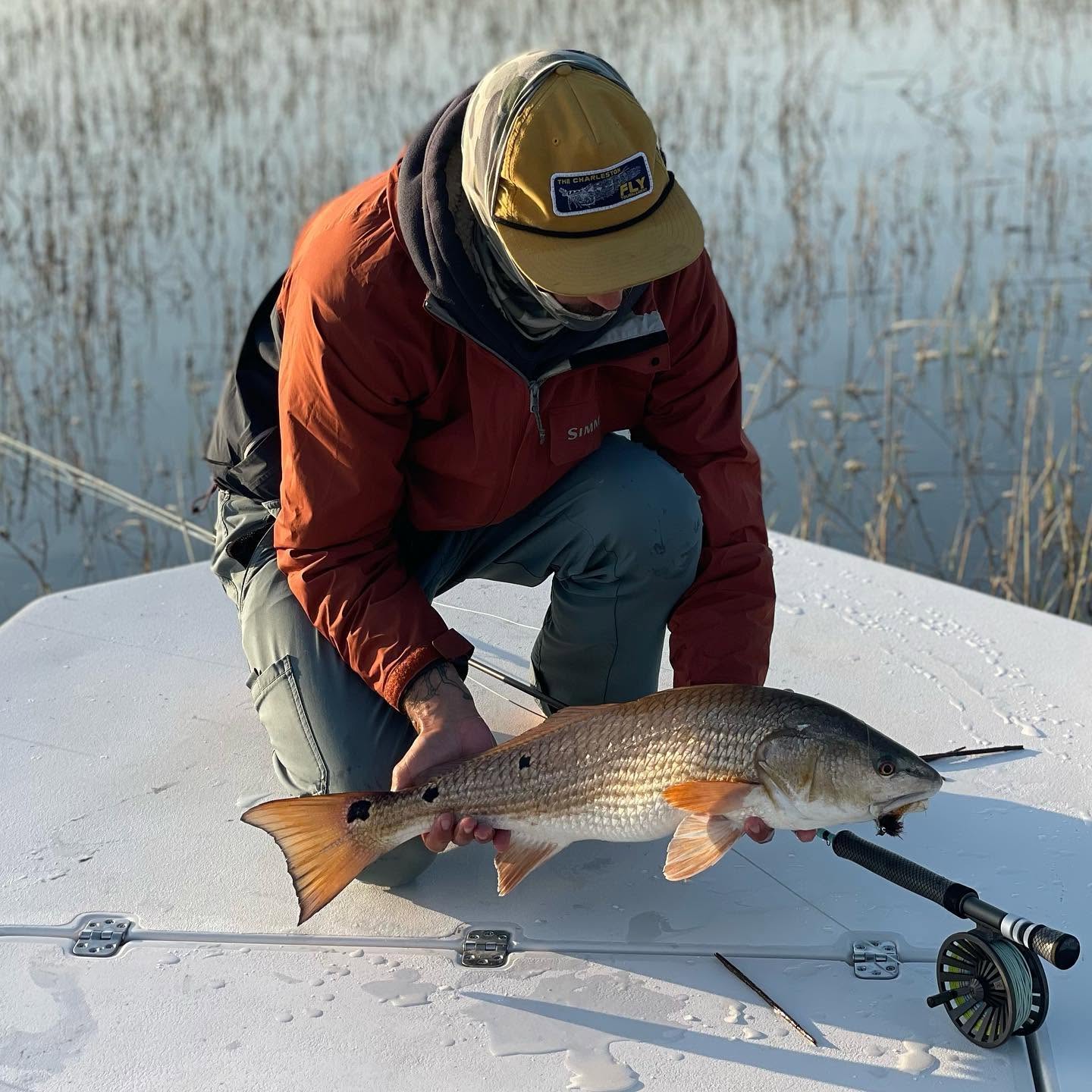
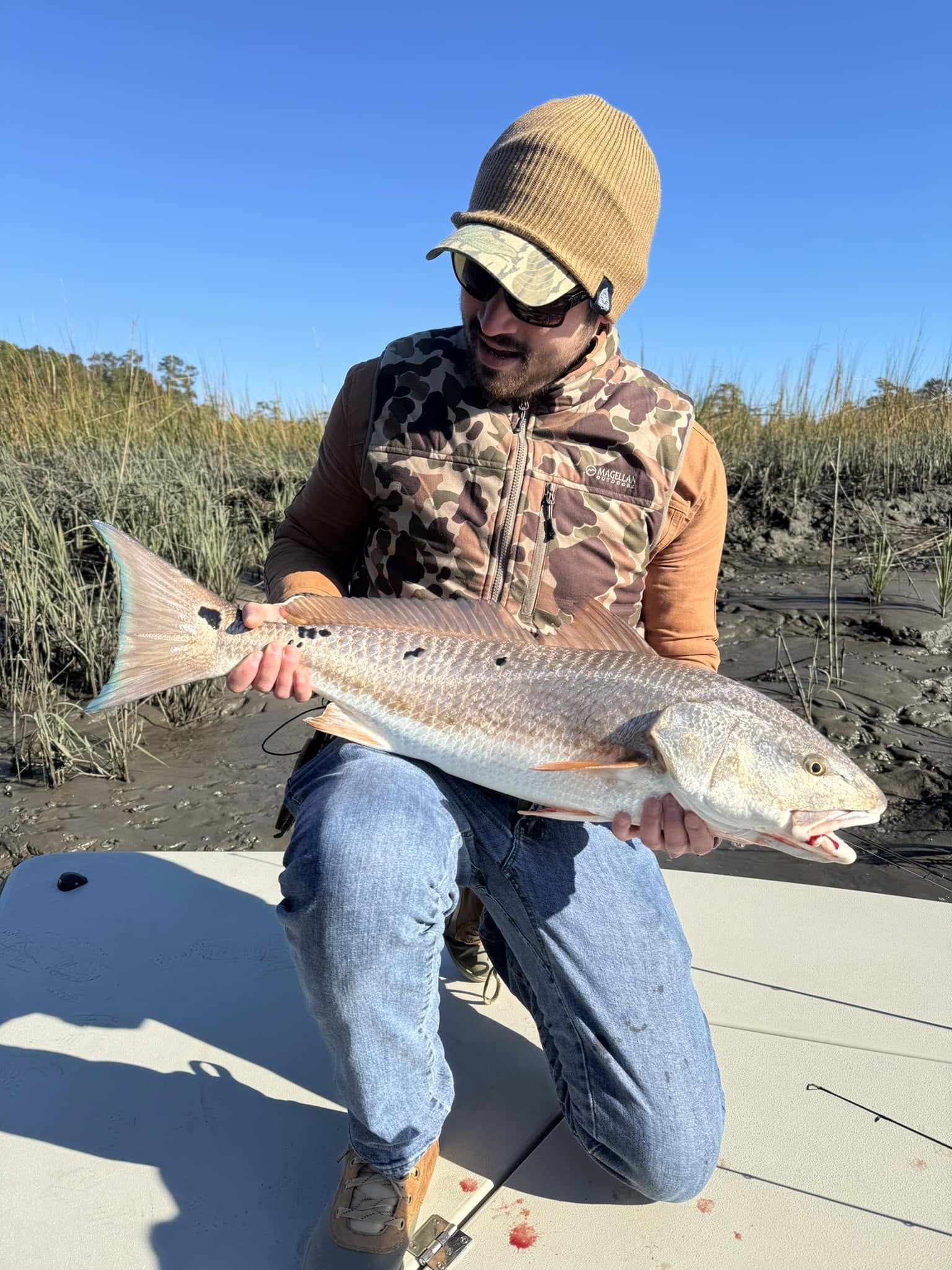
Charleston Cast and Blast: Redfish and Marsh Hens
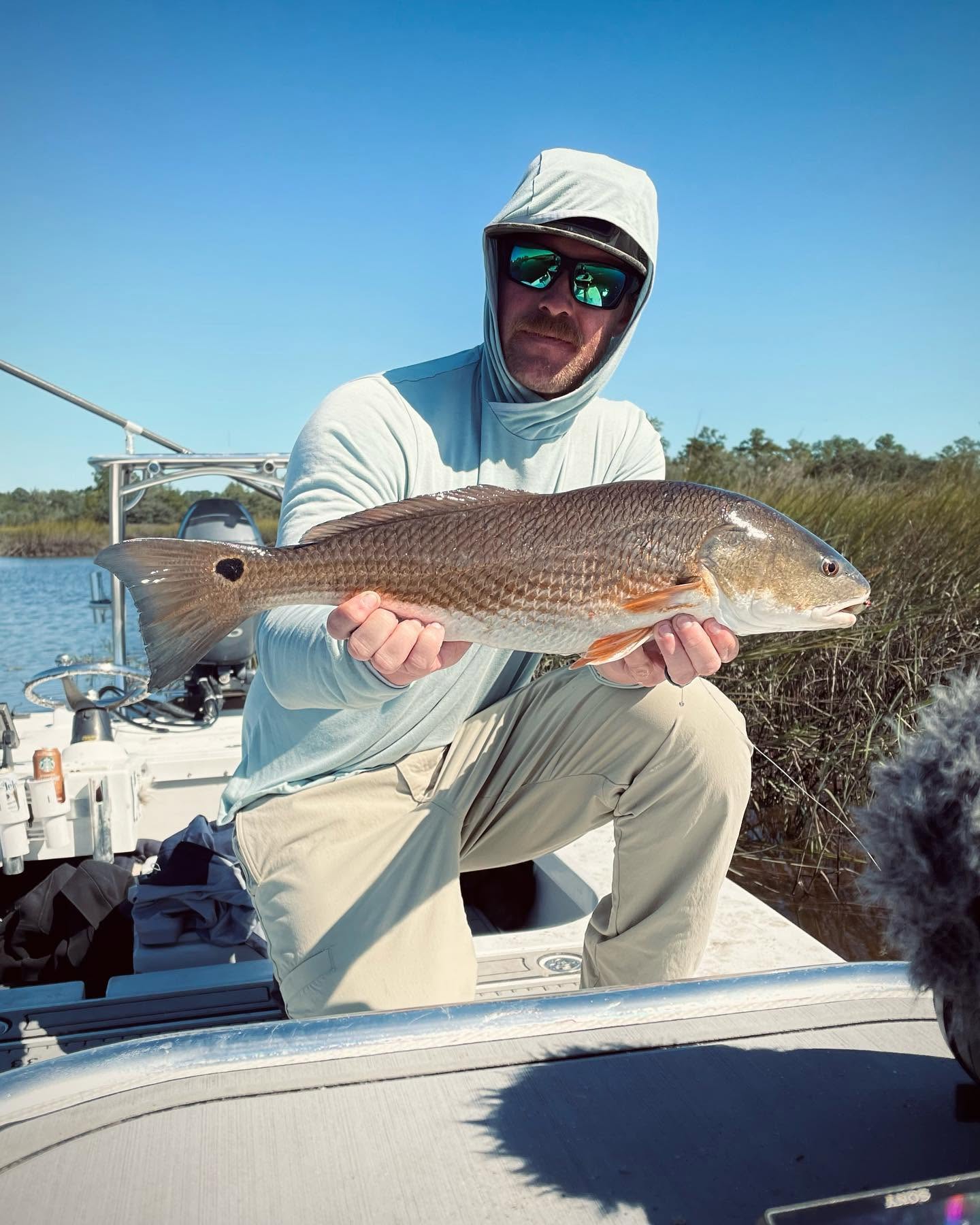
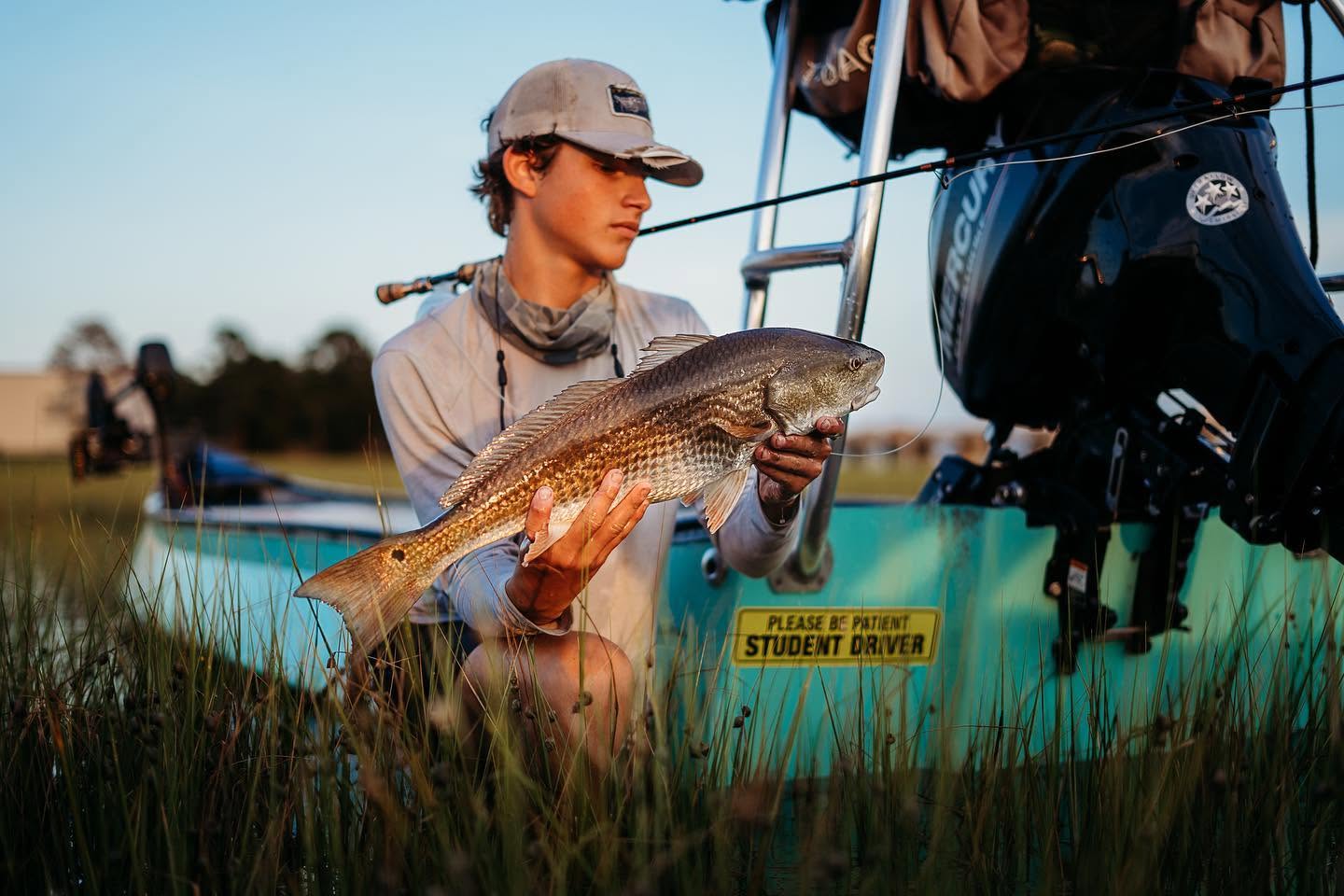
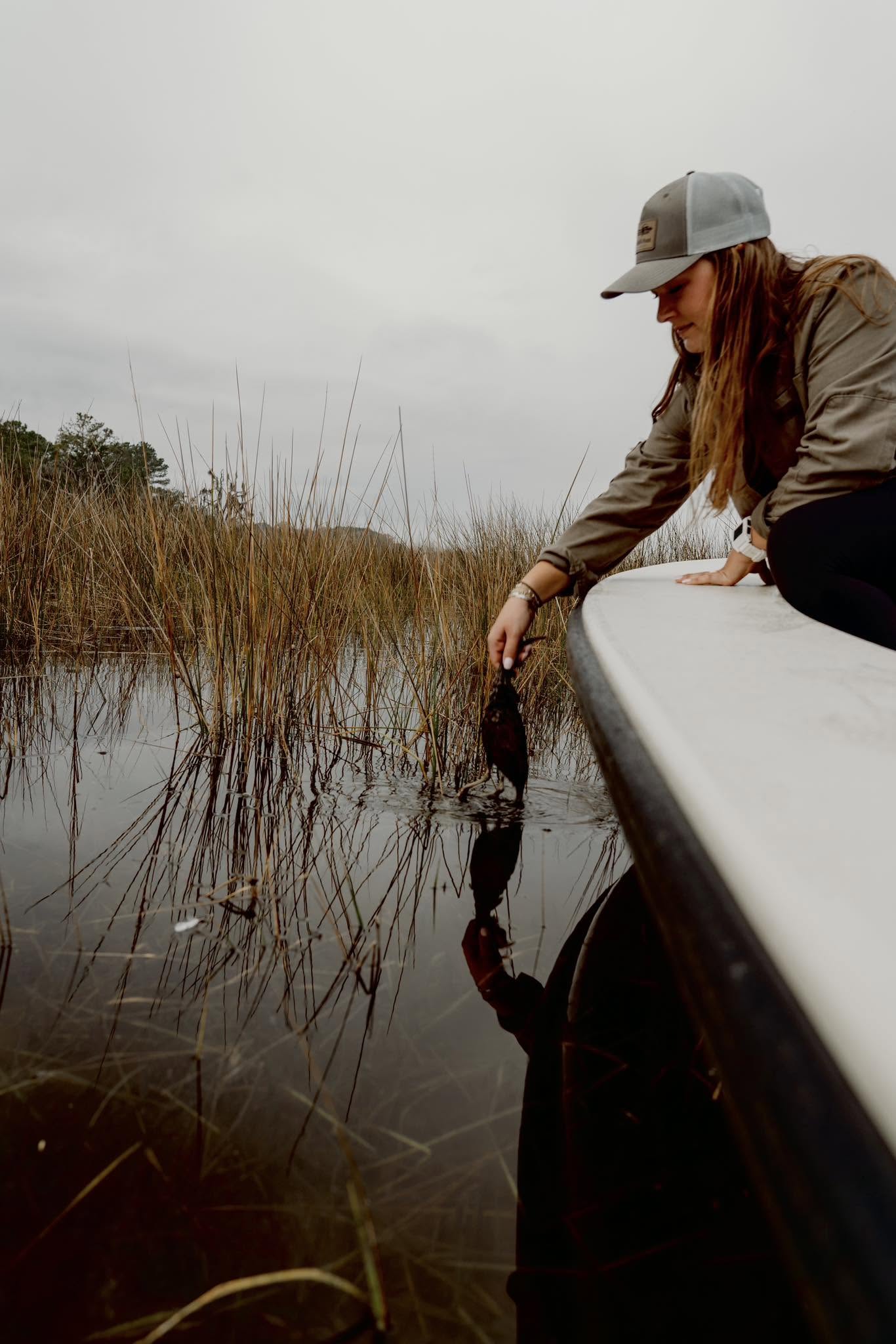
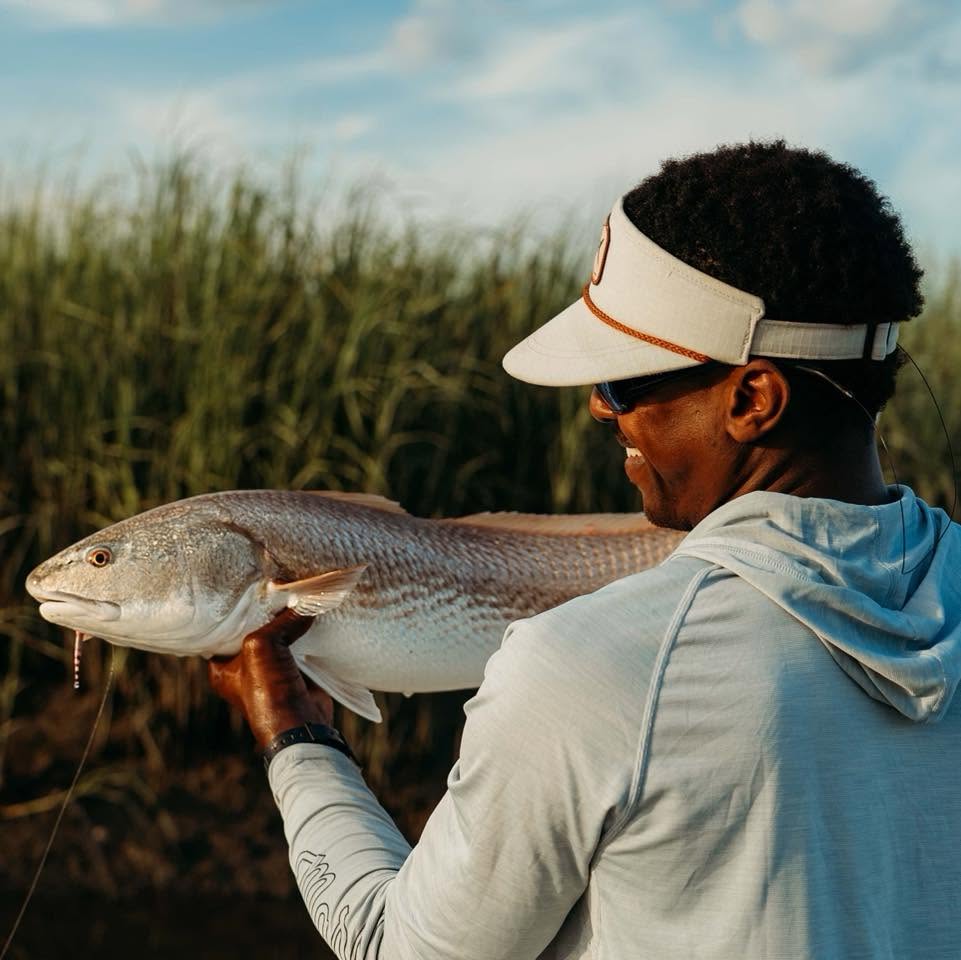
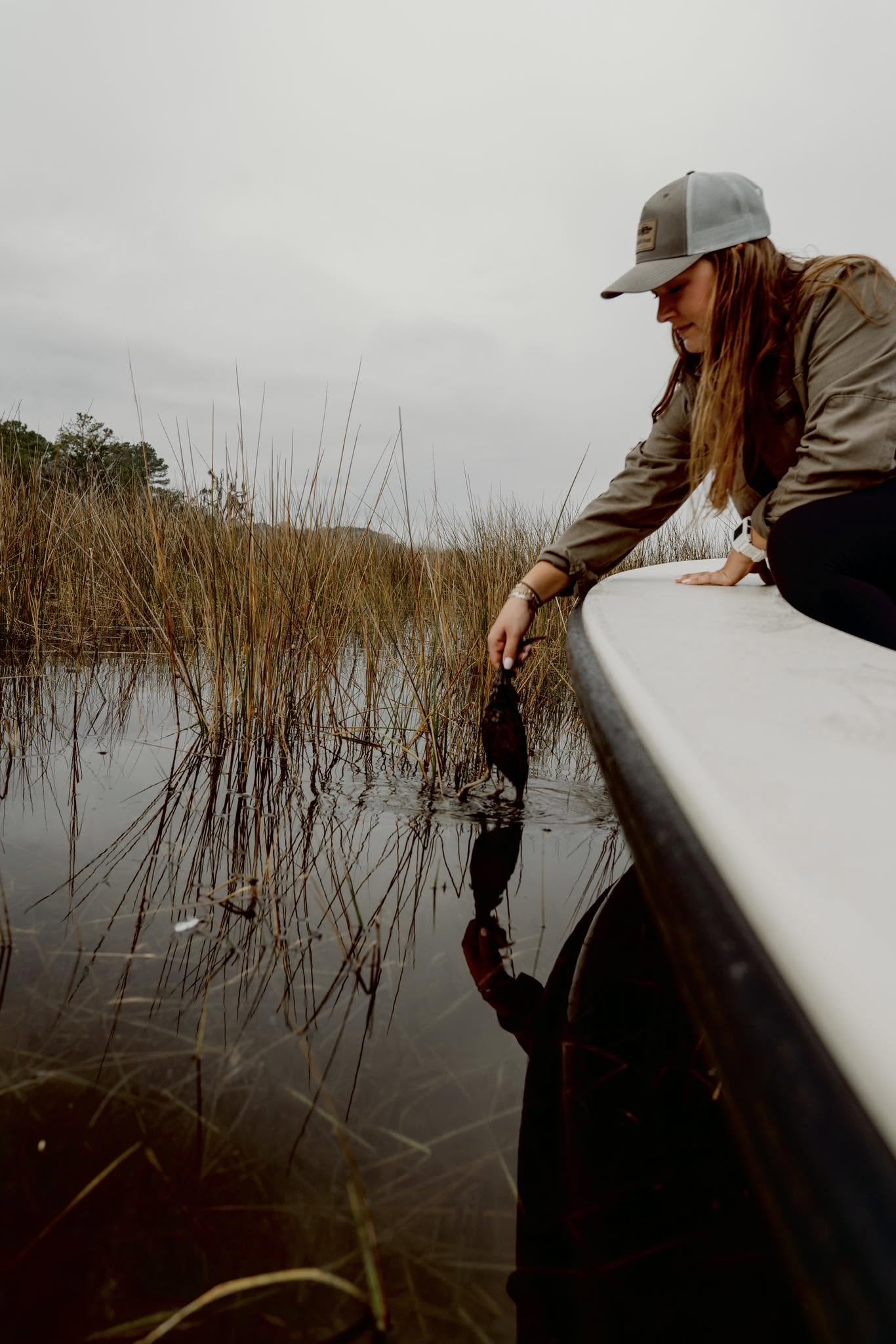
When most folks think about Charleston hunting, they picture dove fields or deer stands. But here's where it gets interesting – our Cast and Blast trips let you work both your shotgun and fishing rod in one epic day on the water. From September through December, the South Carolina Lowcountry transforms into a wing shooter's paradise, with marsh hens flying low over the spartina grass while redfish cruise the same flats below. This isn't your typical hunt where you're sitting in a blind waiting for something to happen. You're constantly moving, reading the water, and staying ready for action whether it's coming from above or below the surface.
Inside the Hunt
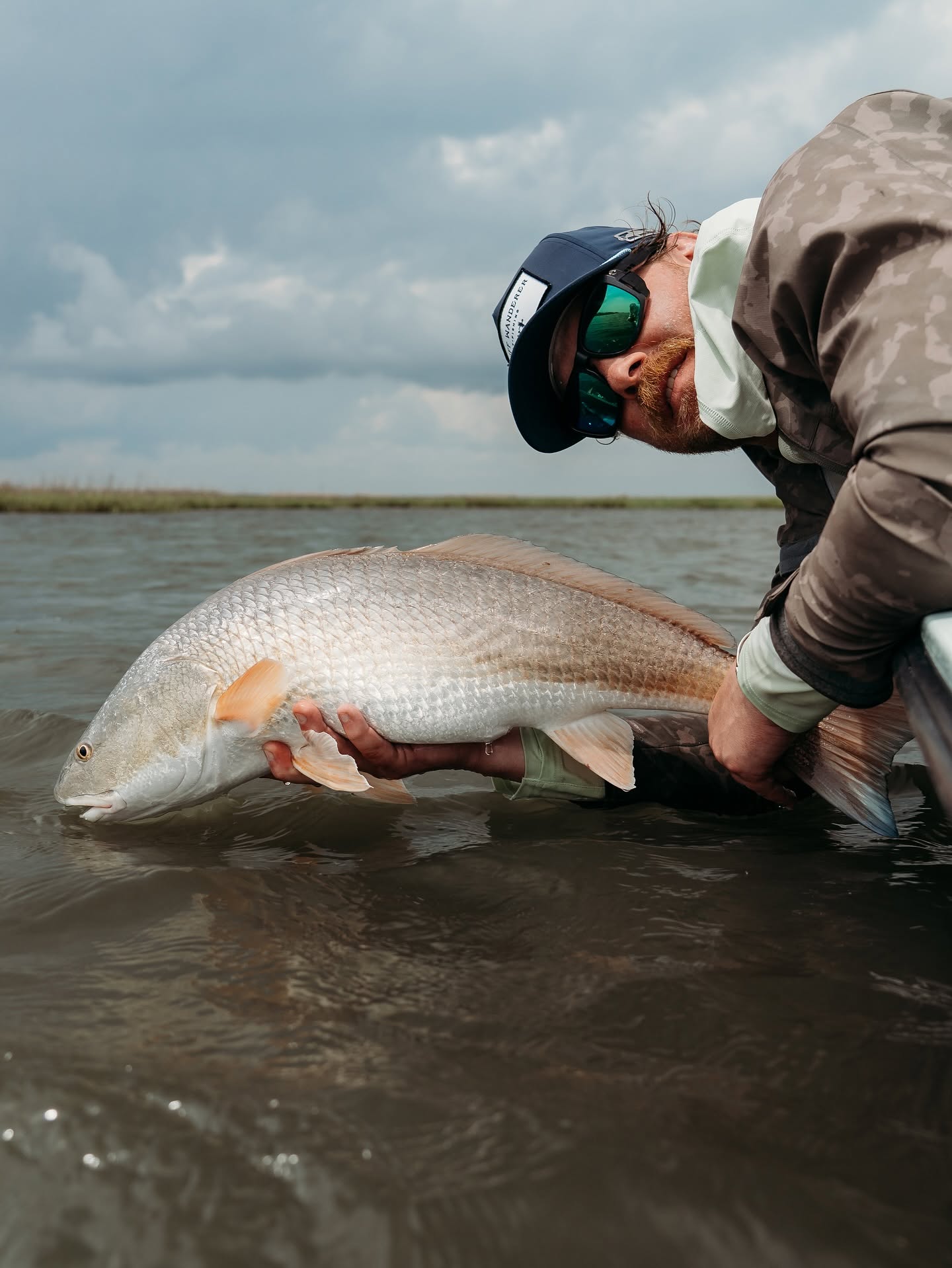
Picture this: you're poled through narrow creeks at first light, watching the morning fog lift off the marsh while keeping your ears tuned for the distinctive call of marsh hens. These birds don't fly like your typical waterfowl – they're slower, lower, and honestly make for some of the most approachable wing shooting you'll find anywhere. Between bird opportunities, we're working structure and grass lines for redfish that love these same backwater areas. The beauty of this hunt is the constant change of pace. One minute you're shouldering your shotgun for a crossing shot, the next you're fighting a bull red that just crushed your spoon. The tides dictate our moves, and local knowledge makes all the difference in putting you on both birds and fish.
Tracking Tips & Terrain
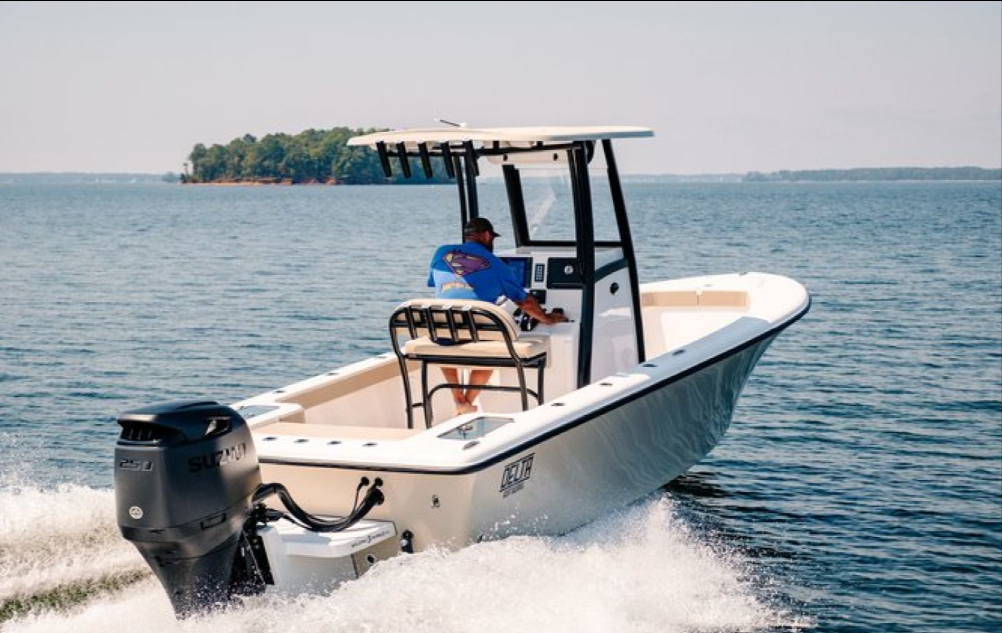
The Lowcountry marsh is a maze of channels, oyster bars, and grass flats that can look identical to the untrained eye. That's where decades of local experience pay off. We use shallow-draft skiffs to access areas that bigger boats can't reach, getting you into the prime zones where marsh hens feed and roost. Your shotgun work focuses on quick, instinctive shooting as these birds pop up from the grass or cross between feeding areas. Most shots happen within 30 yards, making this perfect for hunters still building their wing shooting confidence. The fishing side involves working topwater plugs and spoons around structure during moving water. We provide all the tackle, but if you've got favorite lures that work in shallow water, bring them along. The key is staying mobile and reading the signs – circling bait, nervous water, or birds working an area usually means both fish and hunting opportunities are close.
Target Game Breakdown
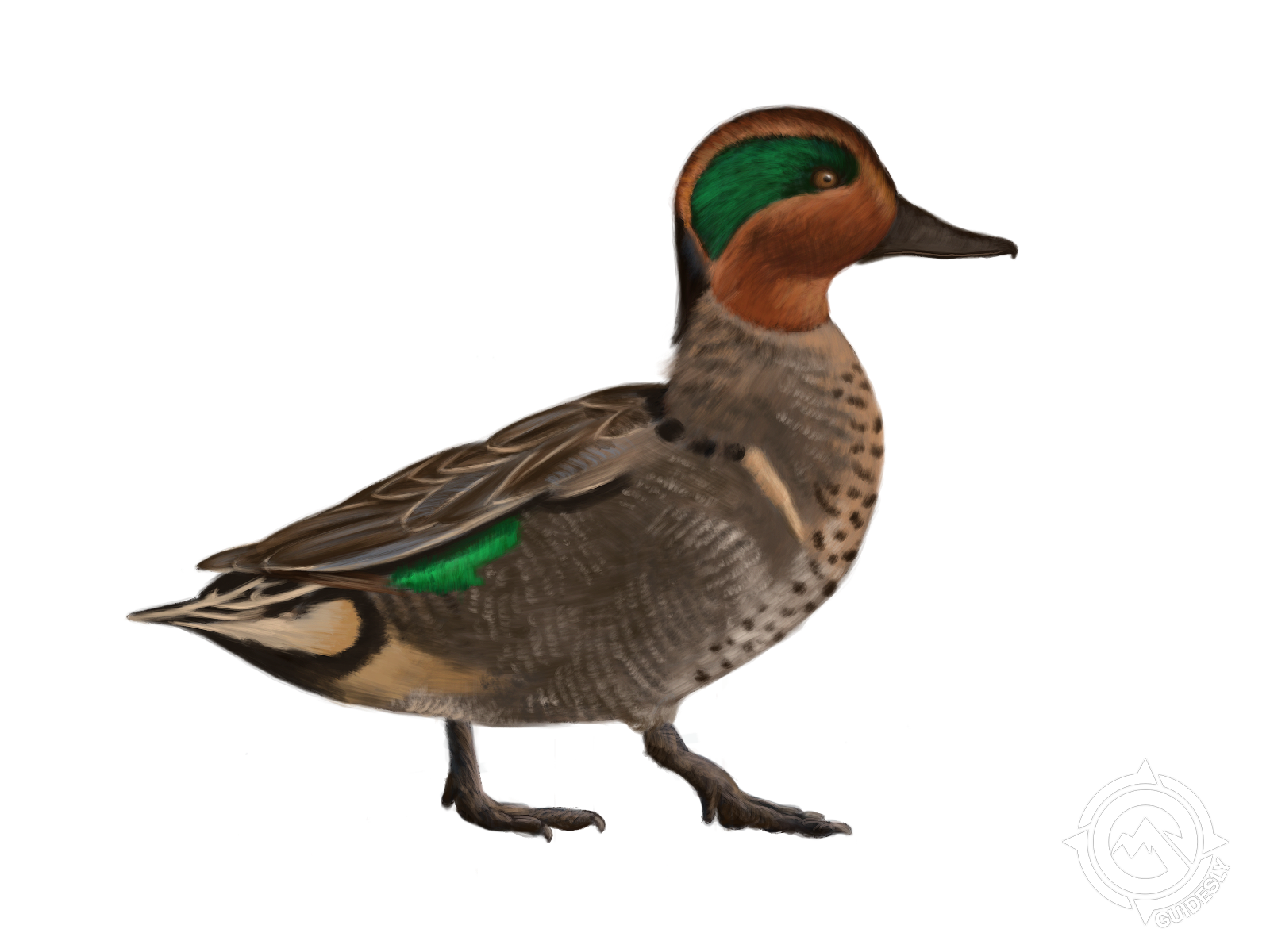
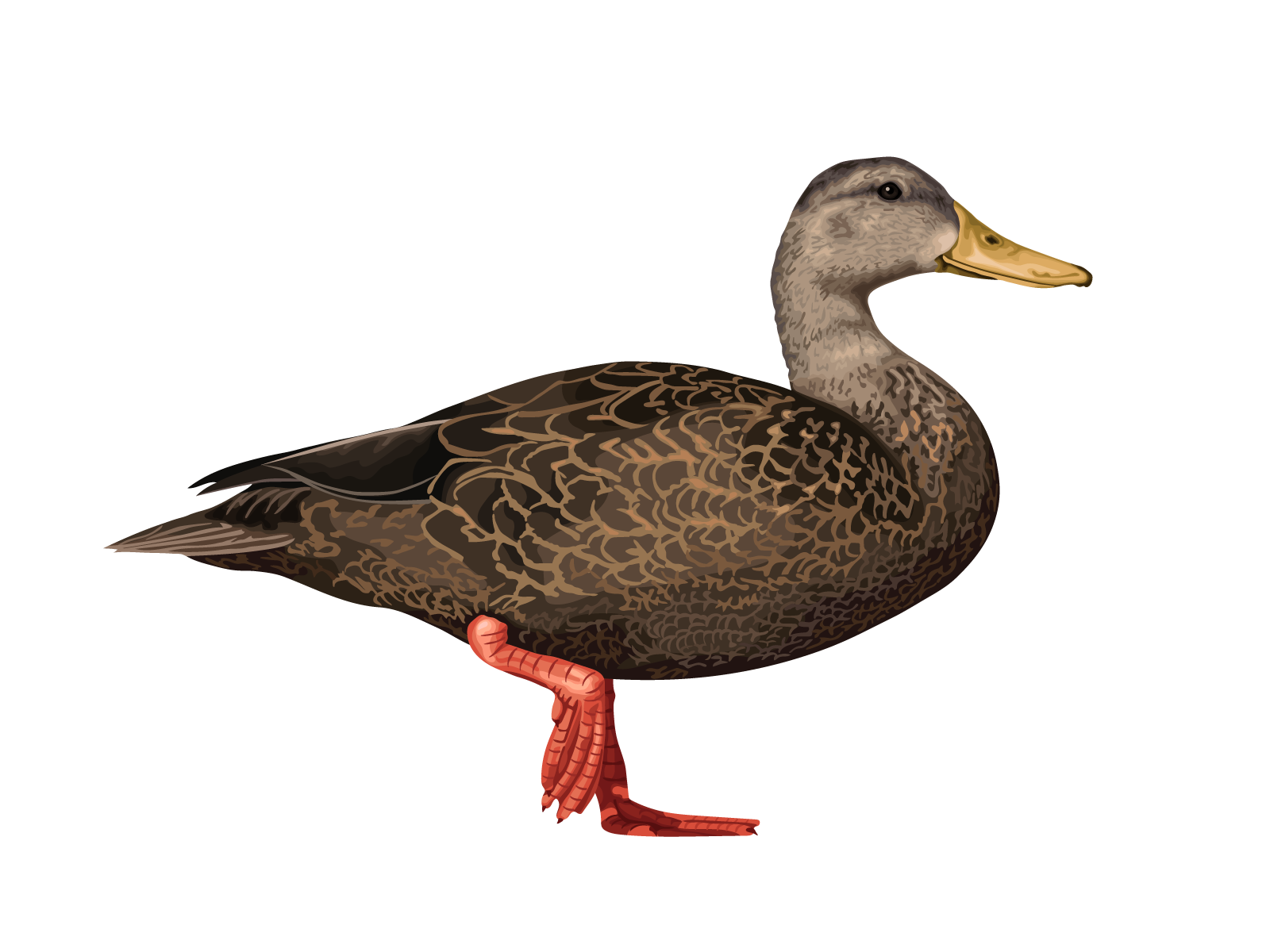
Green-winged Teal show up in our marshes as early as September, and these little rockets provide some fast-paced shooting when they commit to a feeding area. They're quick, agile, and love the shallow ponds scattered throughout the marsh. What makes them special here is how they use the tidal creeks as highways, giving you multiple shot opportunities as they move between spots. Blue-winged Teal arrive around the same time but behave differently, preferring more open water and flying in tighter groups. When you connect with a flock of blues, the action can be non-stop for several minutes. Gadwall might not be the prettiest duck in the marsh, but they're smart, wary, and incredibly satisfying to outsmart. They show up mid to late season and tend to work the deeper edges of the grass beds. Mottled Duck are the locals – year-round residents that know every inch of these marshes. They're probably the wariest of our target species, but also the most rewarding because they belong here. Taking a mottled duck in its home waters feels like earning your place in the marsh.
Book Your Next Tag
This Cast and Blast experience gives you the best of both worlds in one of the country's top-rated coastal hunting destinations. You're not just booking a hunt – you're getting access to decades of local knowledge about tides, weather patterns, and seasonal movements that turn good days into great ones. The September through December window is prime time, and these dates fill up fast with both local hunters and visiting sportsmen who've discovered what makes Charleston's marshes special. Whether you're a seasoned hunter looking for something different or someone new to wing shooting who wants an approachable way to get started, this trip delivers. The combination of accessible marsh hen hunting and world-class inshore fishing creates memories that'll have you planning your return trip before you even get back to the dock.
 Private Trip
 Charleston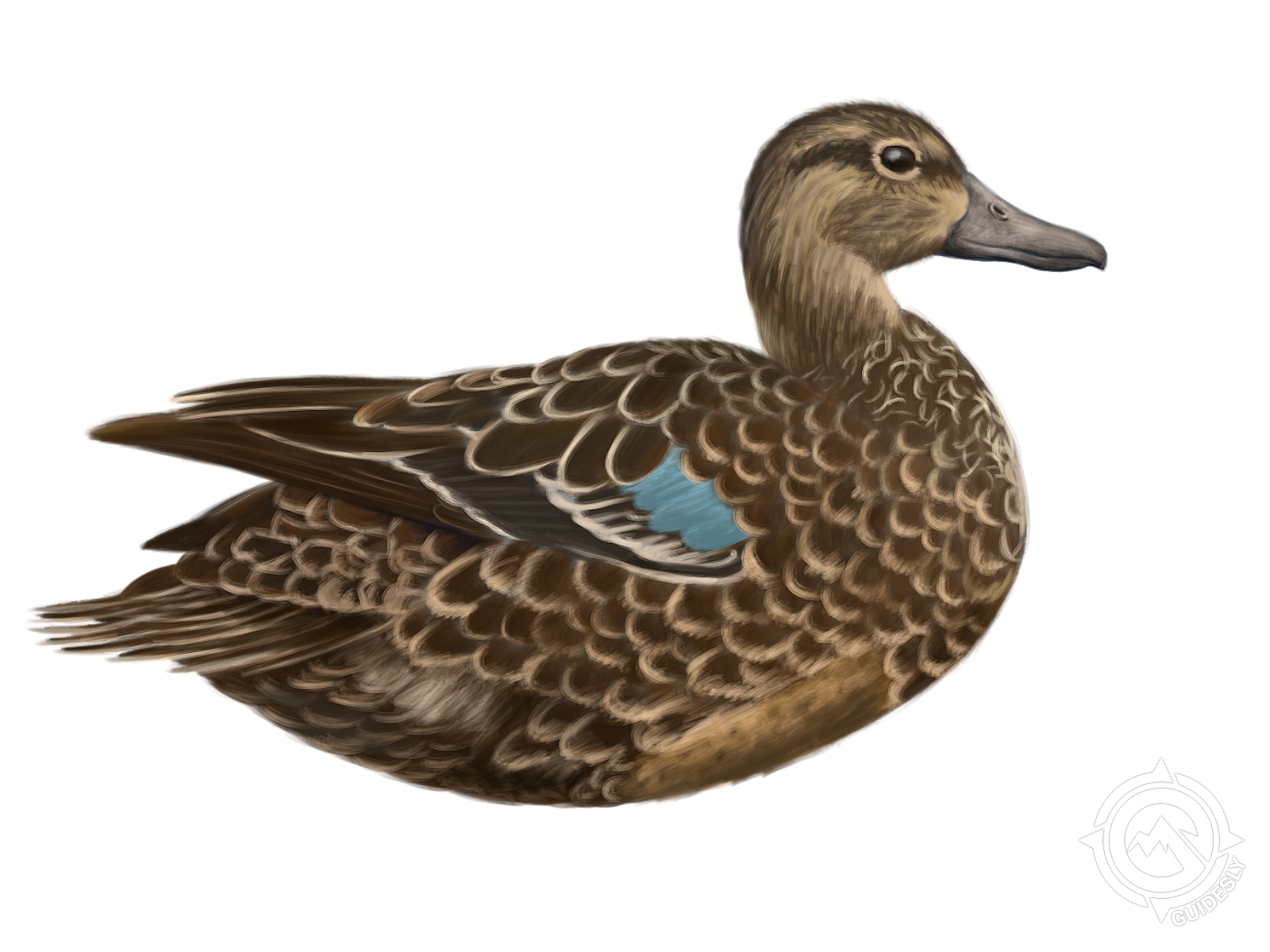
 Cast and blast targeting redfish and marsh hens