Charleston Fossil Hunt: Megalodon & Shark Teeth
Nothing beats the rush of spotting a massive megalodon tooth glinting in the sand along Charleston's remote shorelines. This top-rated 2.5-hour fossil hunting tour takes you deep into the South Carolina Lowcountry's untouched marsh islands, where prehistoric treasures wash ashore daily. You'll cruise aboard a technical skiff with your expert guide, who knows exactly where millions of years of natural history collect along these coastal beaches. Whether you're eight or eighty, fossil hunting requires zero experience – just sharp eyes and the willingness to get your hands a little sandy. At $350 for your private group, this customer favorite delivers an authentic Charleston adventure that connects you directly with the ancient world beneath our feet.
What to Expect on the Water
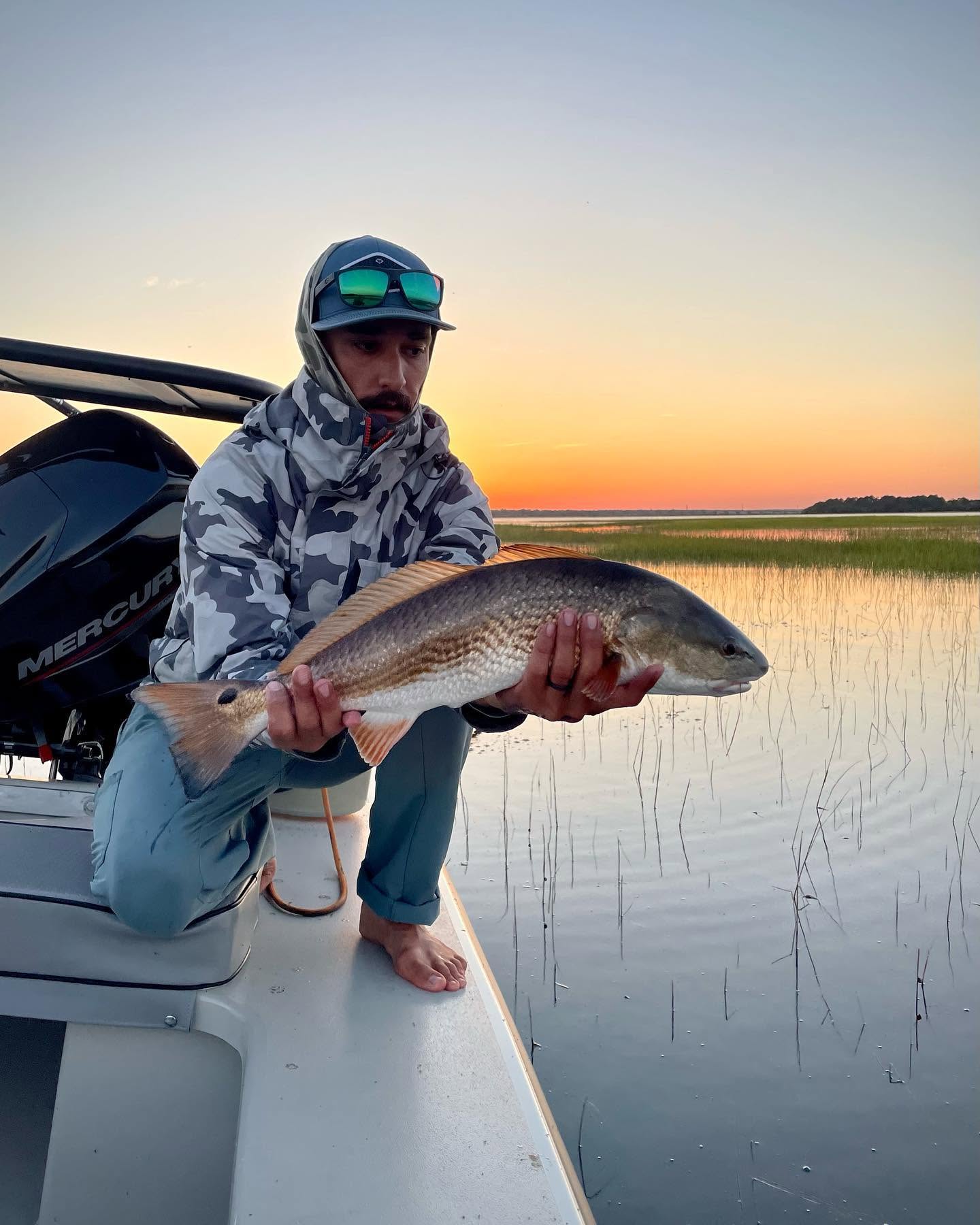
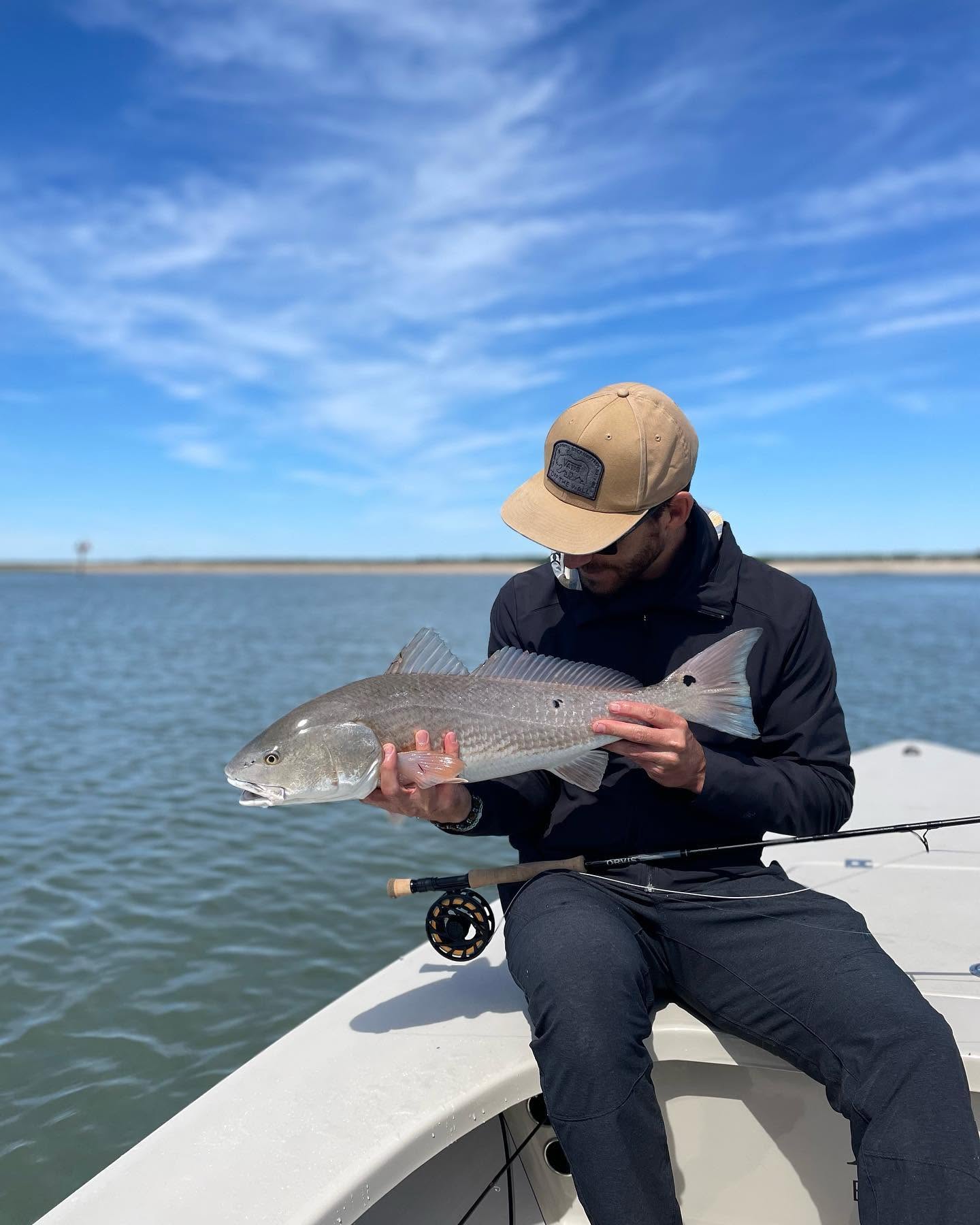
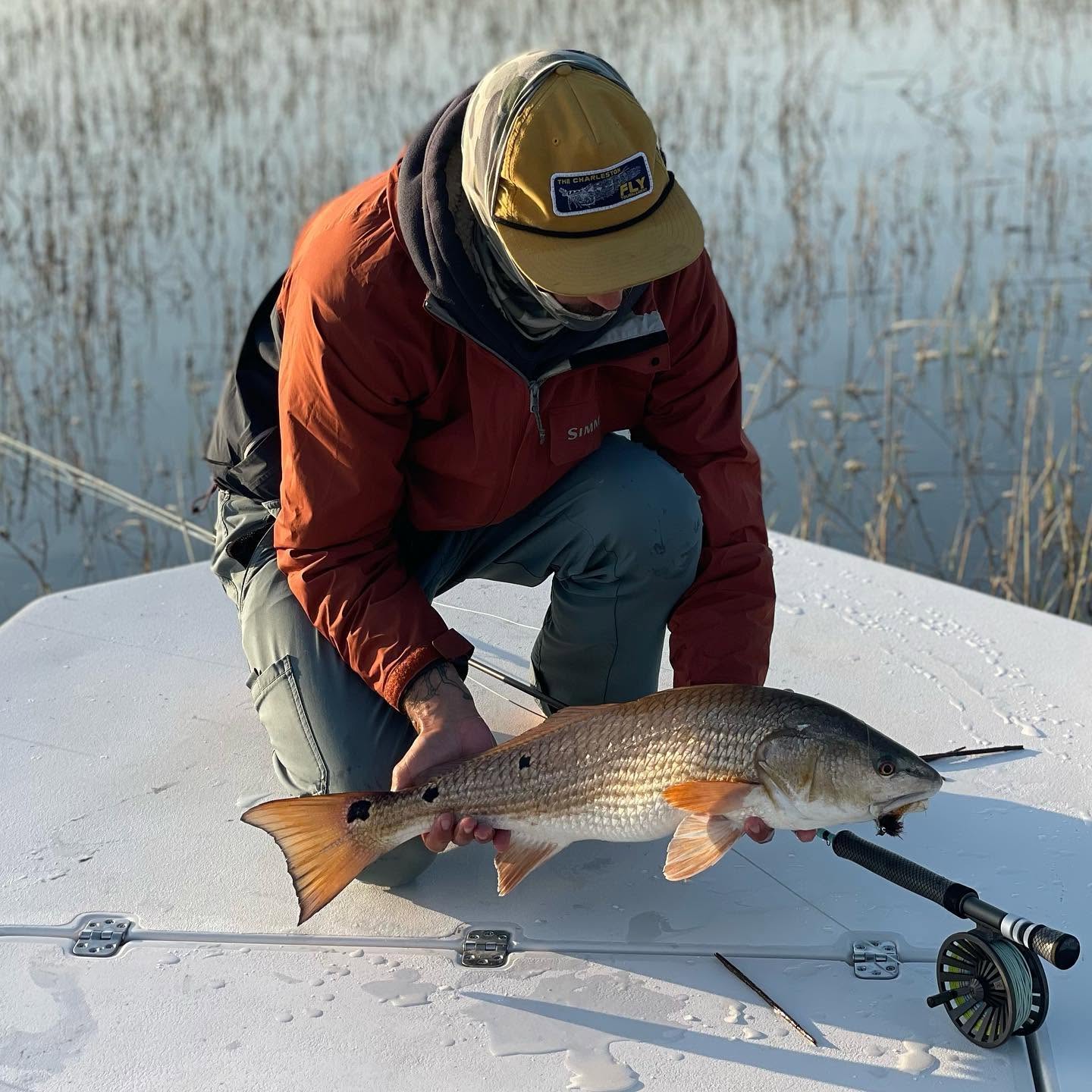
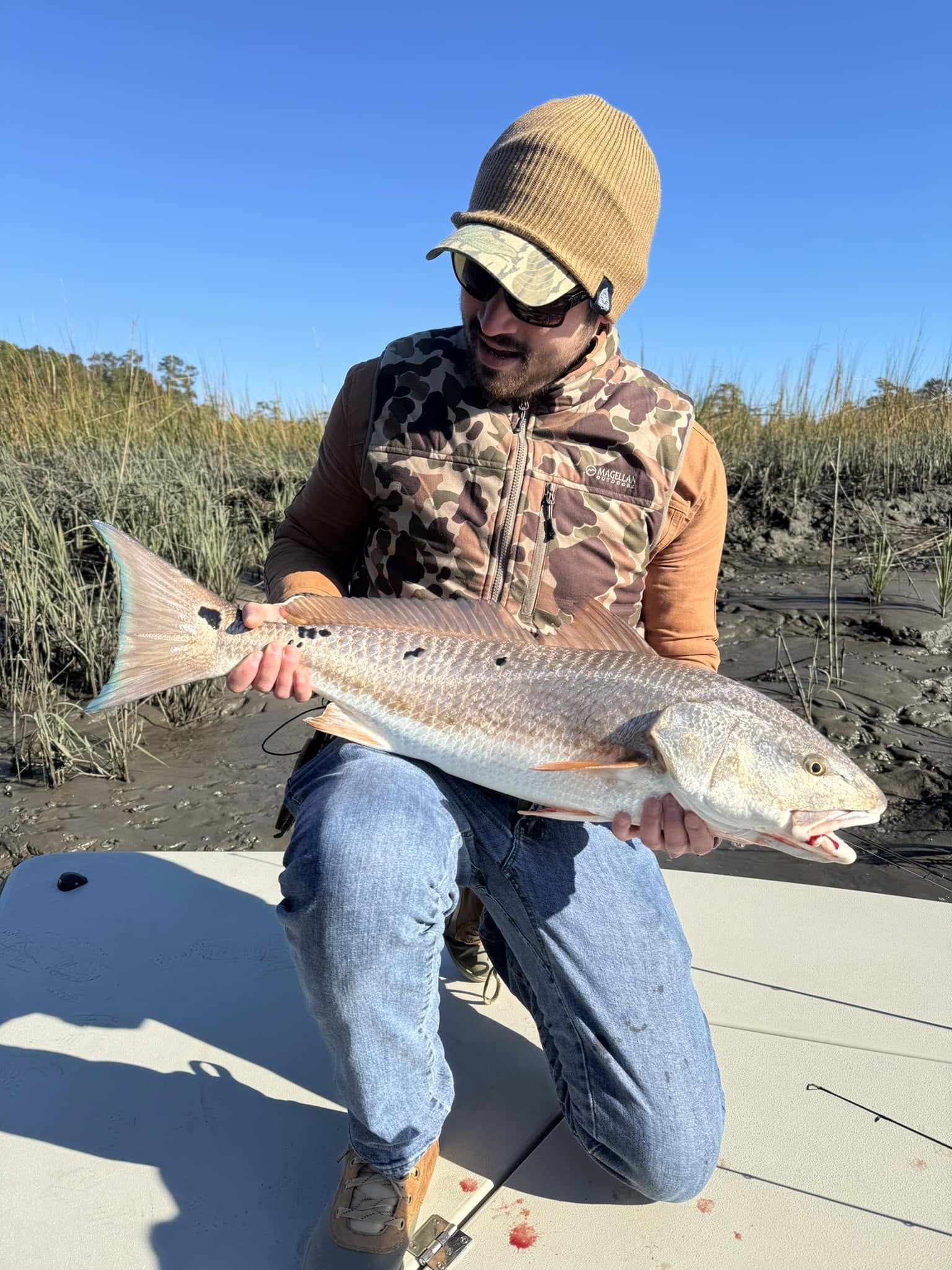
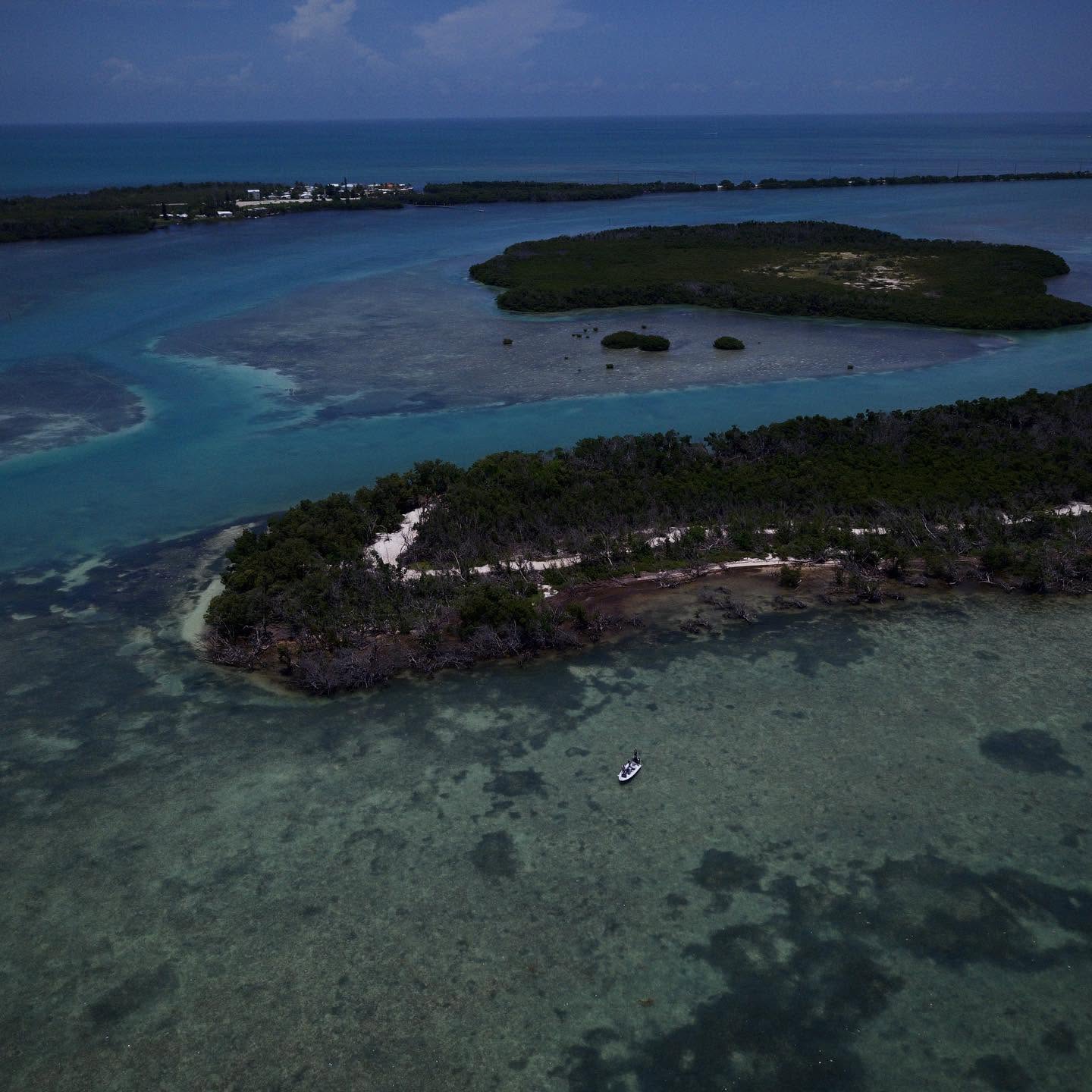
Your fossil hunting adventure starts when you meet your guide at the launch point, where you'll board a comfortable technical skiff equipped with all USCG-approved safety gear. These shallow-draft boats are perfect for navigating Charleston's intricate network of tidal creeks and accessing remote barrier islands that most tourists never see. Your guide will brief you on fossil identification techniques during the scenic ride out, pointing out local wildlife and explaining how geological forces have been depositing prehistoric artifacts along these shores for thousands of years. The tour operates regardless of your group size – from solo adventurers to small families – ensuring personalized attention throughout your search. Weather permitting, you'll visit multiple prime fossil locations, with your guide constantly reading tides, currents, and recent storm activity to maximize your chances of scoring that prize megalodon tooth.
Search Techniques & Prime Spots
Successful fossil hunting combines timing, technique, and local knowledge – which is exactly what your Charleston guide brings to every tour. The best finds typically occur during falling tides when recent wave action has stirred up new material, exposing fossils that have been buried in sand and sediment. Your guide will teach you the "Charleston shuffle" – a systematic way of scanning the beach that experienced fossil hunters swear by. Look for dark, glossy triangular shapes among the shell hash and remember that megalodon teeth can range from thumbnail-sized juveniles to palm-sized adults. The remote locations you'll visit are accessible only by boat, meaning far less competition from other hunters and significantly better odds of finding quality specimens. Your guide carries reference materials to help identify your discoveries on the spot, distinguishing between different shark species and explaining the geological timeline of your finds.
Megalodon: The Ultimate Find
Megalodon teeth represent the holy grail of Charleston fossil hunting, and the waters around the Lowcountry are world-class for these prehistoric giants. These massive sharks ruled the oceans between 23 and 3.6 million years ago, reaching lengths of up to 60 feet with teeth measuring over six inches. What makes Charleston special is the convergence of ancient river systems that carried Miocene and Pliocene era fossils downstream, concentrating them along our modern coastline. Peak megalodon tooth hunting occurs during winter months when storms churn up deeper sediments, though quality specimens turn up year-round. Finding your first megalodon tooth is genuinely exciting – these perfectly preserved pieces of natural history dwarf modern great white shark teeth and represent one of the most fearsome predators ever to roam the seas. Your guide knows the specific beaches and tide conditions that produce the best megalodon finds, dramatically improving your odds compared to random beach combing.
Great Whites & Ancient Makos
While megalodon teeth grab the headlines, Charleston's waters also produce fantastic specimens from great white sharks and extinct mako species that offer their own unique appeal. Great white teeth from these fossil beds often exceed the size of modern specimens, indicating these prehistoric sharks grew larger than their contemporary relatives. The extinct broad-toothed mako, known scientifically as Isurus hastalis, produces some of the most beautiful fossil teeth you'll encounter – sleek, curved, and perfectly adapted for speed. These fossils date back 4-8 million years and represent evolutionary experiments that didn't survive to the present day. Your guide can explain the subtle differences between species based on tooth shape, serration patterns, and enamel coloration. Summer months tend to produce more great white finds as beach erosion patterns shift, while mako teeth appear consistently throughout the year. Beyond sharks, you'll also search for fossilized bones and teeth from dolphins, whales, sea turtles, and even terrestrial mammals like giant ground sloths and mammoths that once roamed the Southeast.
Time to Book Your Spot
This renowned fossil hunting tour fills up quickly, especially during Charleston's peak visitor seasons when word spreads about the quality of finds in our area. The $350 flat rate covers everything you need – expert guiding, boat transportation, safety equipment, and access to remote locations that produce the best fossils. Your guide's local expertise makes all the difference between a random beach walk and a productive fossil hunting session that could net you museum-quality specimens. The tour works for all ages and skill levels, making it perfect for families, couples, or solo travelers looking for an authentic Charleston adventure that goes way beyond the typical carriage tours. Weather rarely cancels these trips since the technical skiffs handle choppy conditions well, and fossil hunting actually improves after storms stir up new material. Book early to secure your preferred date, and don't forget to bring a small bag or container for your fossil treasures – you're going to want to take home proof of your prehistoric discoveries along Charleston's legendary fossil coast.
 Private Trip
 Excursion
 Charleston
 Hunt for megalodon and shark teeth on remote marsh islands