Half Day Charleston Duck Hunt for Teal & More
If you're looking for a solid duck hunt in the Charleston area without committing your whole day, this 3-hour guided trip with Ace Outdoors Charleston hits the sweet spot. We're talking prime South Carolina Lowcountry hunting across marshes and coastal waters where ducks actually want to be. Your guide knows these waters like the back of their hand and will put you on birds based on what's flying that day. Whether you're a seasoned waterfowler or getting back into the sport, this hunt adapts to conditions and your skill level. The setup handles one hunter comfortably, but you can bring a buddy along if you want to share the action.
Inside the Hunt
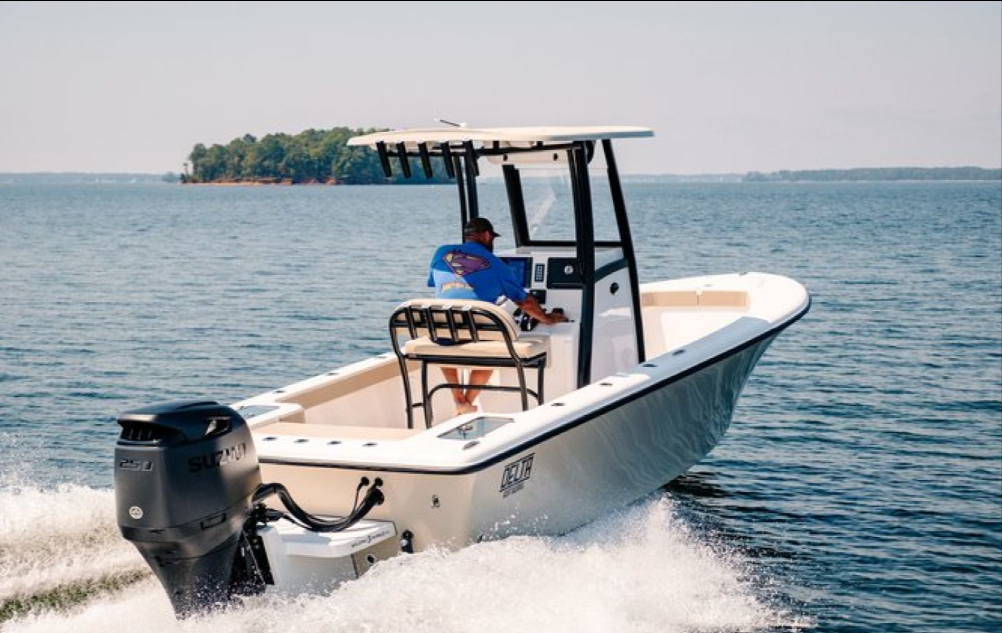
This isn't your typical one-size-fits-all duck hunt. Depending on weather patterns and bird movement, you'll either find yourself tucked into shallow backwater marshes in a technical skiff with a proper blind setup, or heading 1-2 miles offshore in a larger boat chasing sea ducks. The marsh hunts target your bread-and-butter species like teal, gadwall, and mottled ducks that love working the tidal creeks and grass flats. When conditions call for it, the offshore game opens up opportunities for surf scoters and redheads that ride the swells just beyond the breakers. Your guide reads the birds, weather, and tides to make the call on where you'll have the best shot at filling your limit. All your safety gear, transportation, and blind setups are handled, so you just need to show up ready to hunt.
Tracking Tips & Terrain
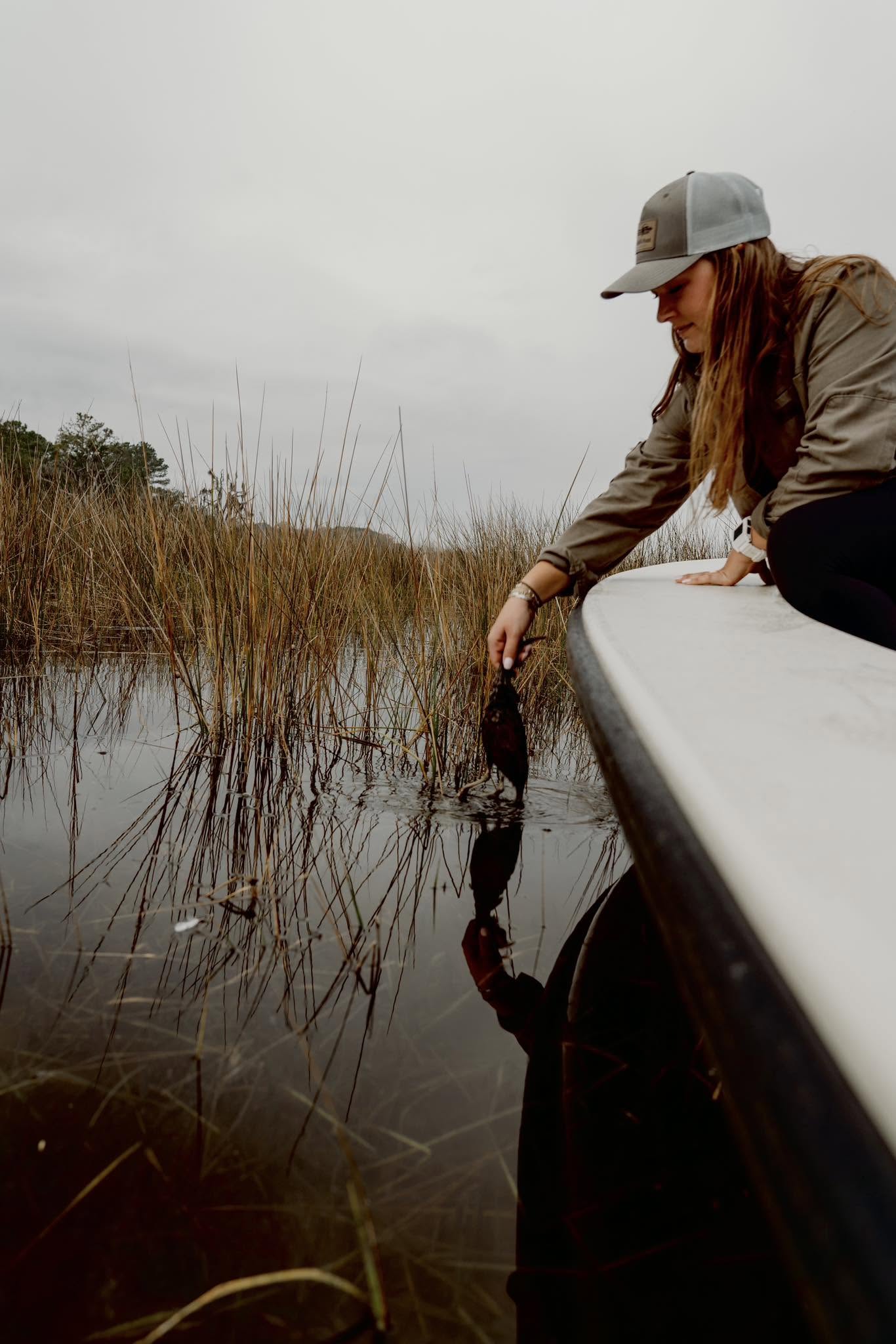
The Lowcountry's tidal marshes and coastal zones create perfect staging areas for migrating and resident ducks. In the backwaters, you'll be hunting from a well-concealed blind positioned along flight paths between roosting and feeding areas. The technical skiff gets you into skinny water where bigger boats can't reach, and where ducks feel secure moving through. These marsh hunts rely heavily on decoy spreads and calling to work birds into range as they navigate the maze of creeks and spartina grass. When you head offshore, it's a different game entirely. Sea ducks raft up in deeper water, and the approach involves positioning your spread where birds naturally want to trade between feeding and resting areas. The larger vessel handles the swells and gives you a stable shooting platform when flocks commit to the decoys. Your guide brings the local knowledge of seasonal patterns, preferred weather conditions, and daily bird movement that makes the difference between seeing ducks and actually getting shots.
Target Game Breakdown
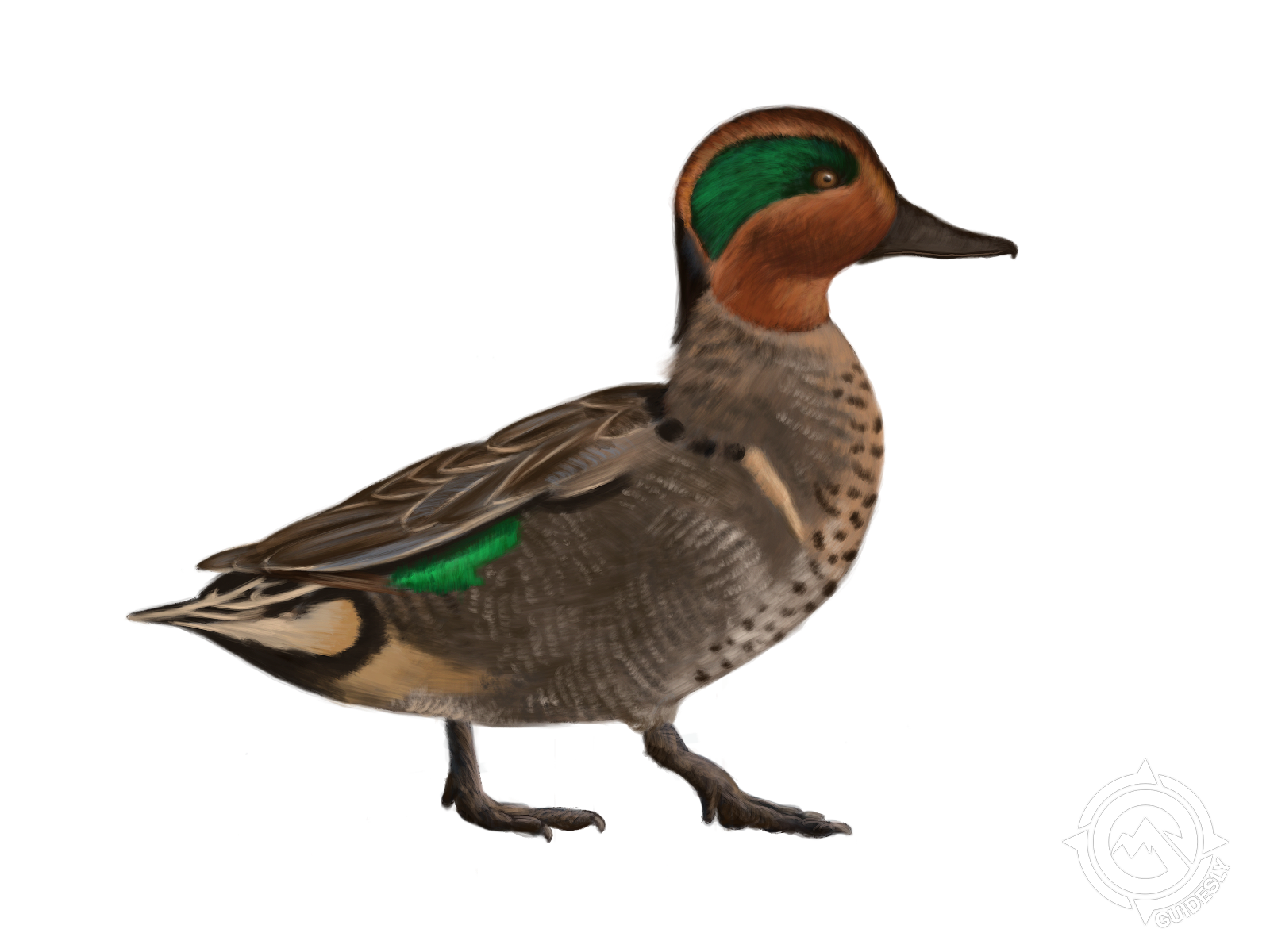
Green-winged teal are the speed demons of the duck world, and they're absolute rockets when they decide to move. These small ducks typically weigh just over half a pound, but what they lack in size they make up for in pure excitement. Early season through winter, green-wings work the shallow marsh edges where they can tip up for aquatic plants and small invertebrates. They fly in tight flocks and can turn on a dime, making them challenging targets that will test your swing. Hunters love green-wings because they decoy well with proper calling, and there's nothing quite like watching a group of six or eight commit hard to your spread before cupping their wings right over the blocks.
Gadwall might not get the same attention as flashier species, but they're steady producers in the Lowcountry marshes. These gray ducks are larger than teal, running about two pounds, and they have this methodical way of working an area that makes them predictable once you understand their patterns. Gadwall prefer slightly deeper water than teal, and they're excellent divers when they need to be. Peak hunting runs from November through January when northern birds join the residents. They respond well to subtle calling and rarely spook as easily as other species. Smart hunters appreciate gadwall because they're reliable birds that often show up when more popular species are being finicky.
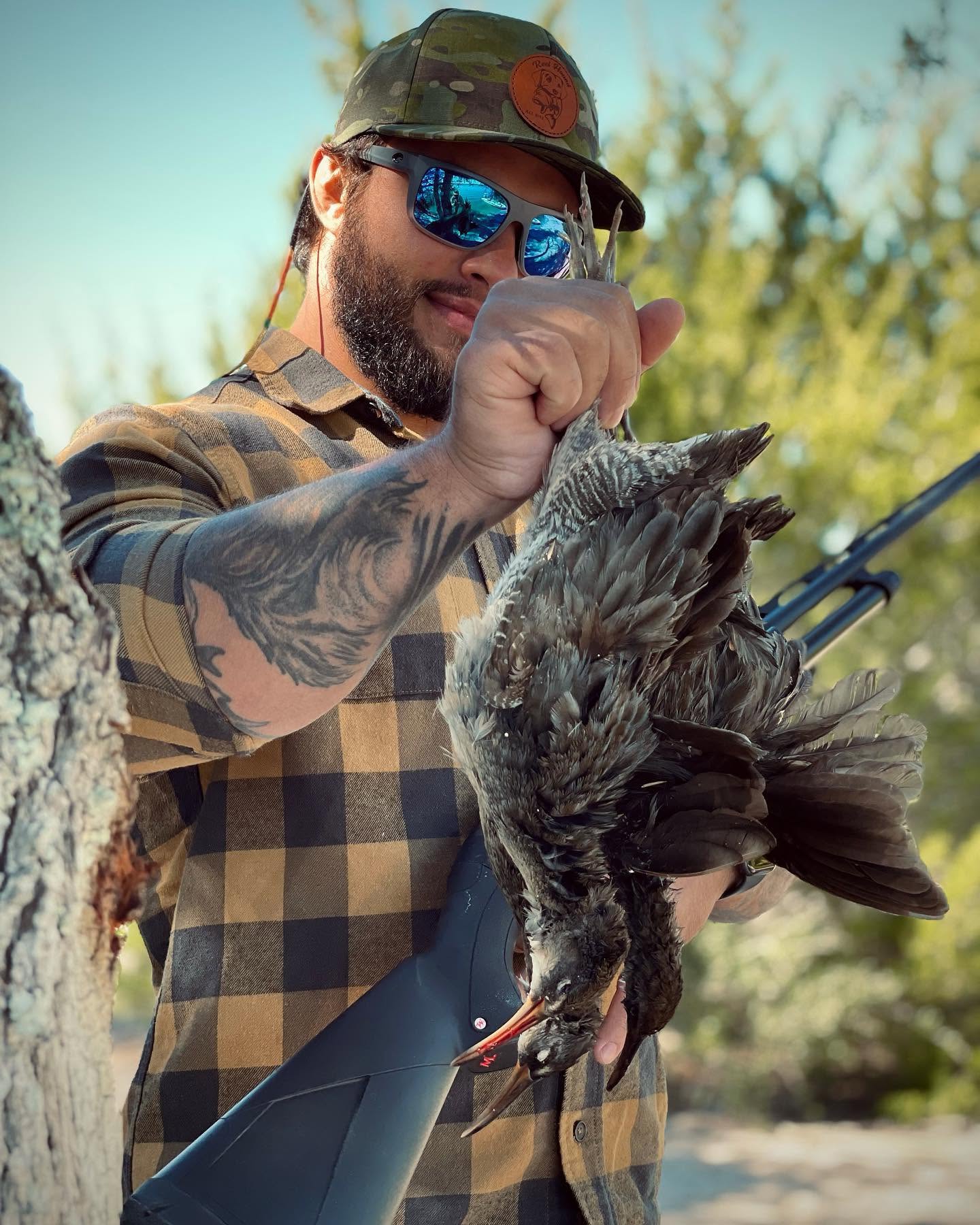
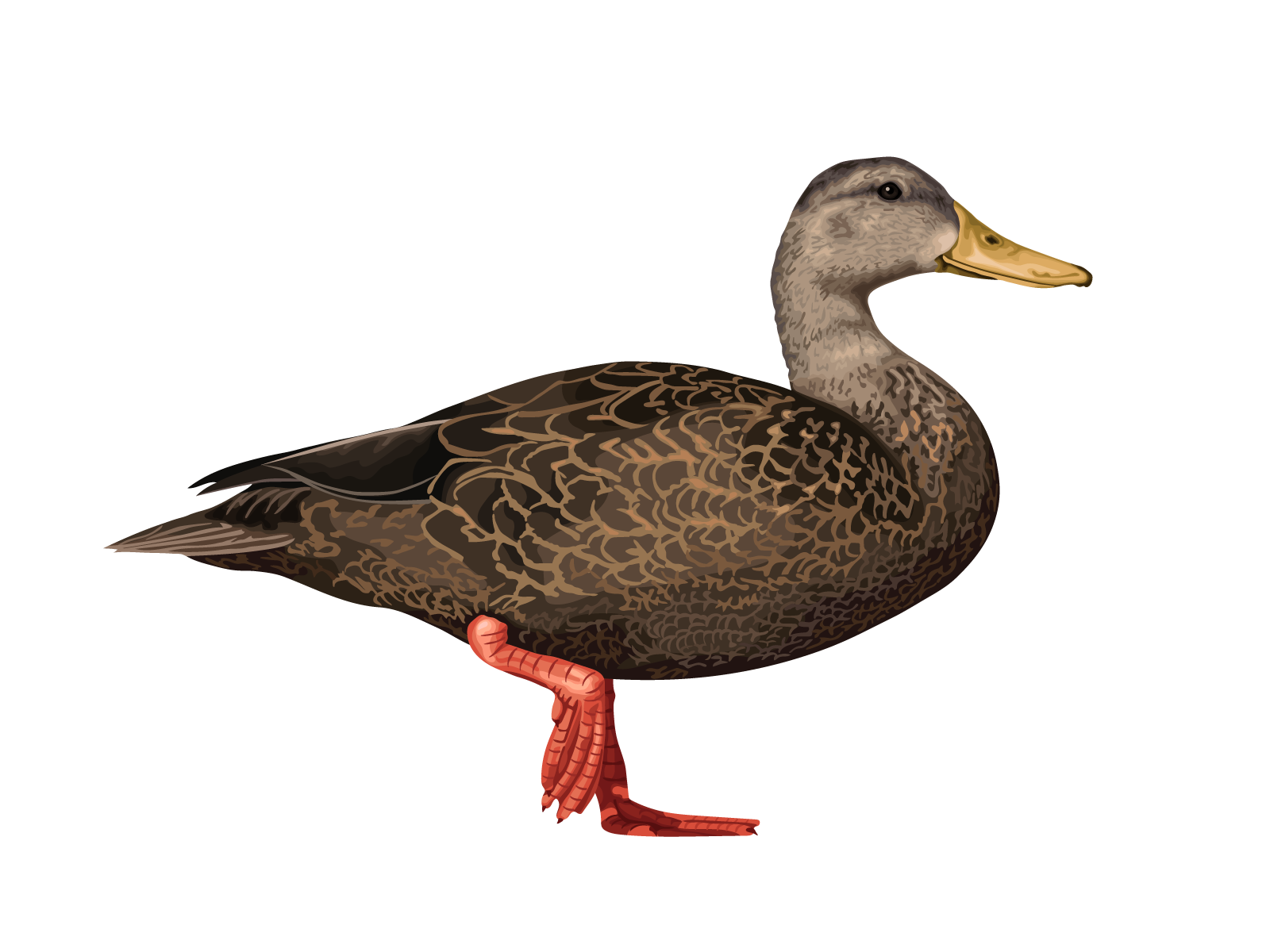
Mottled ducks are the local year-round residents that know every inch of these marshes. Sometimes called Florida ducks, they're similar in size to mallards but perfectly adapted to the saltwater environment. Mottled ducks don't migrate, so they're available throughout the season, but they can be incredibly wary since they live here full-time. They prefer the brackish areas where fresh and salt water mix, feeding on everything from marsh grasses to small crabs. What makes mottled ducks special is their local knowledge – they know every safe spot and escape route, making them a challenging and rewarding target for hunters who appreciate a thinking duck's game.
Blue-winged teal are the early movers of the teal world, typically showing up during the first part of the season before pushing further south. They're slightly smaller than green-wings and prefer warmer weather, which makes them perfect for early fall hunting in South Carolina. Blue-wings are incredibly social and often travel in large flocks that can make for spectacular shooting when conditions align. They love shallow, muddy areas rich with aquatic insects and seeds. These ducks are fast fliers with erratic flight patterns, and they have a tendency to circle back for second looks at decoy spreads, giving persistent hunters multiple opportunities. The challenge with blue-wings is timing – when they're here, the hunting can be outstanding, but their window is often shorter than other species.
Book Your Next Tag
This half-day hunt delivers everything you want from a Charleston duck hunting experience without eating up your entire day. You get expert local guidance, prime hunting locations chosen based on real-time conditions, and shots at multiple species that call the Lowcountry home. Whether the birds are working the backwater marshes or riding the offshore swells, you'll be positioned where the action is. The flexible approach means you're not locked into one style of hunting – your guide adapts to give you the best opportunities based on what's actually happening that day. At three hours, it's the perfect way to get your duck hunting fix and still have time for other plans. Ready to see what the Lowcountry marshes have
 Private Trip
 Bird hunting
 Charleston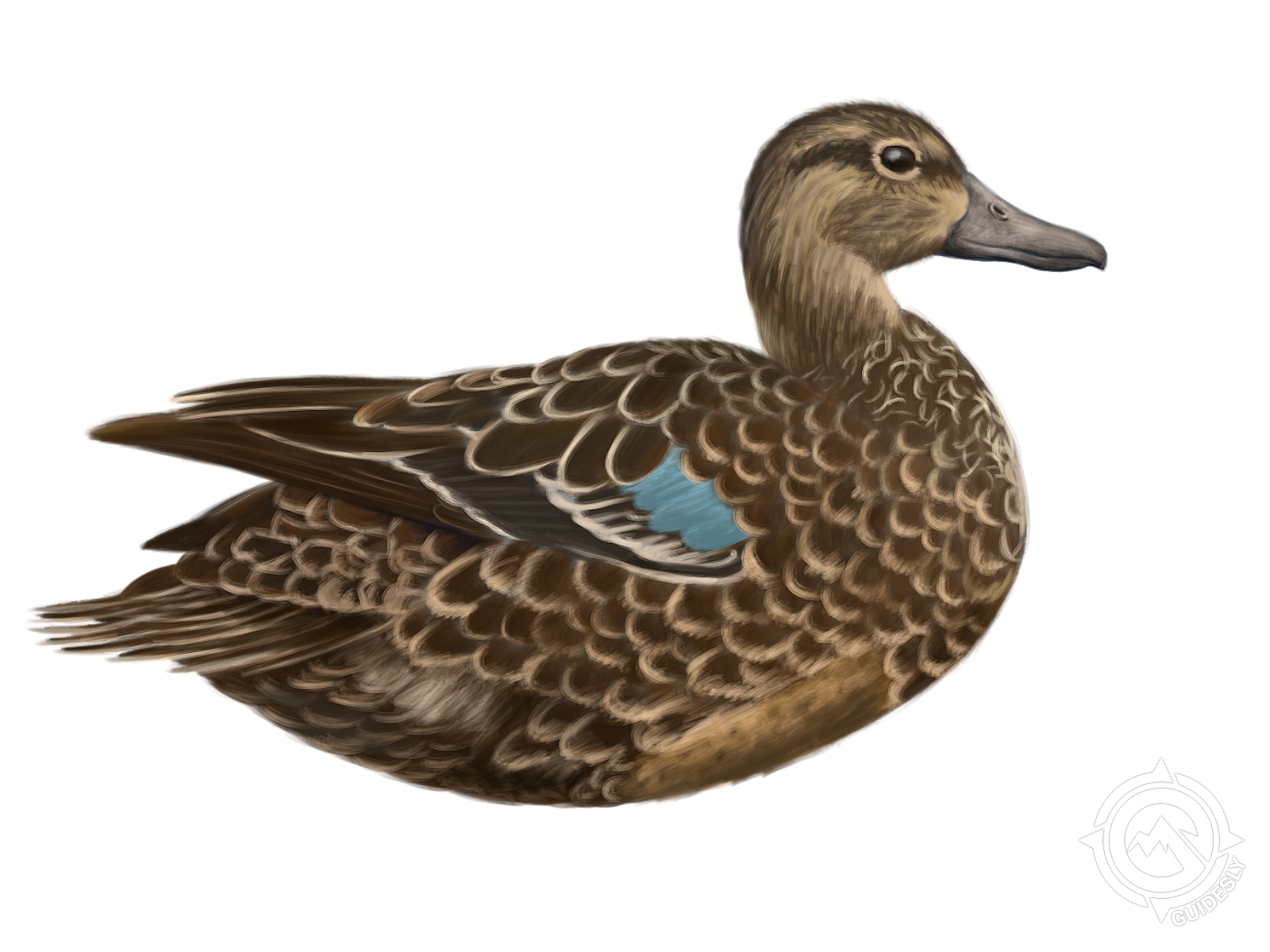
 Three-hour guided duck hunting across South Carolina coastal marshes