Inshore Charter Marathon: Trophy Fish Await
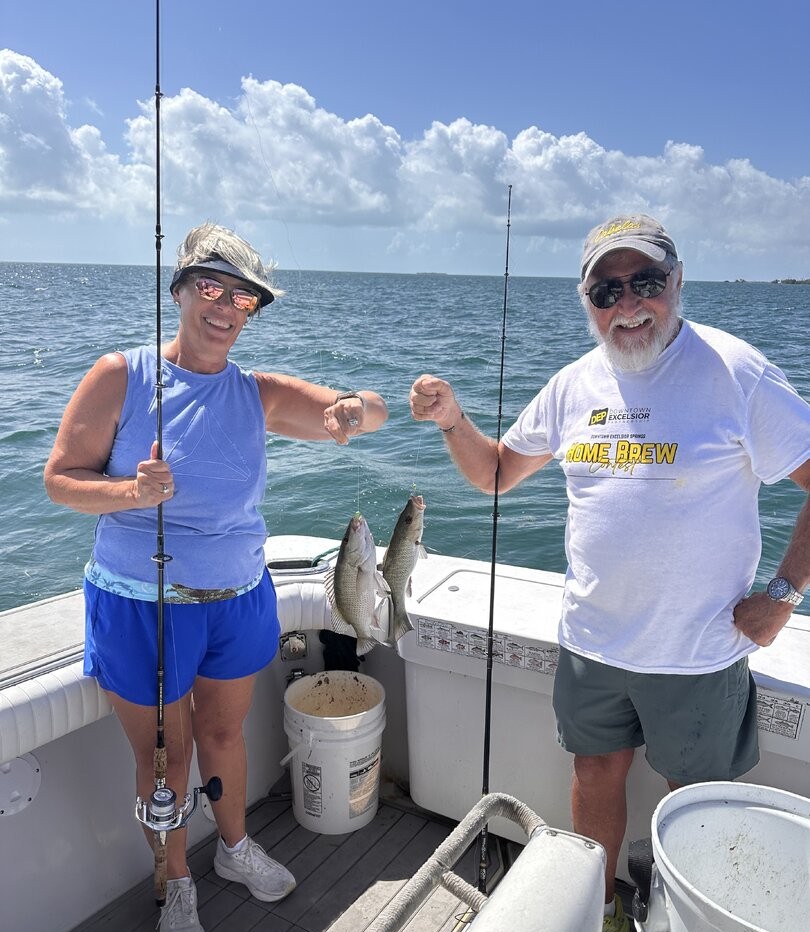
Captain Joel Brandenburg and Ana Banana Fishing Company know Marathon's inshore waters better than most anglers know their home lakes. This isn't your typical charter where you sit back and hope for the best—Joel puts you on fish using decades of local knowledge and proven techniques. Whether you're after that first cobia of your life or looking to add a gag grouper to your personal best collection, these 4 to 10-hour trips deliver consistent action in some of Florida's most productive fishing grounds. The boat accommodates up to six anglers, making it perfect for family trips or groups of fishing buddies ready to test their skills against Marathon's legendary inshore species.
What to Expect on the Water
Your day starts early at Marathon's harbor, where Captain Joel has already prepped the boat and rigged the gear based on current conditions and target species. The vessel is maintained to Coast Guard standards and equipped with quality tackle that can handle everything from finicky permit to bruiser gag grouper. Joel doesn't just hand you a rod and point—he actively coaches throughout the trip, sharing local techniques that separate successful anglers from those who go home empty-handed. The inshore waters around Marathon offer incredible variety, from shallow grass flats where permit cruise to deeper structure holding snapper and grouper. You'll move between spots based on tide, wind, and fish activity, with Joel reading the water like a road map. The atmosphere stays relaxed but focused, perfect for beginners learning the ropes and experienced anglers looking to refine their approach to these challenging species.
Proven Tactics & Local Spots
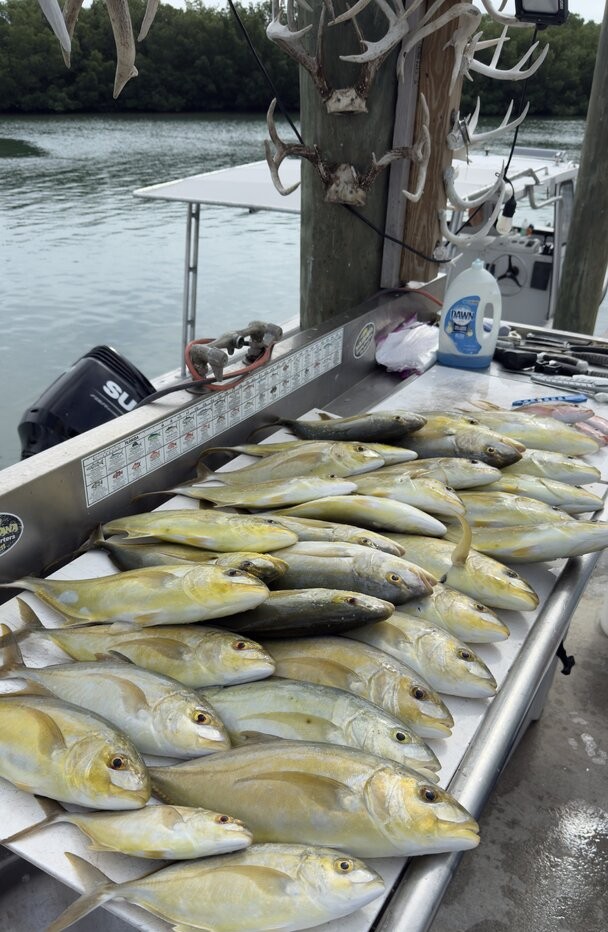
Marathon's inshore fishing success comes down to understanding structure, current, and bait movement. Joel employs a mix of live bait fishing, artificial lures, and sight fishing depending on conditions and target species. For cobia, you might find yourself sight-casting to fish cruising the surface or working structure with live crabs. Grouper fishing often means dropping baits to specific ledges and holes that Joel has marked over years of fishing these waters. The permit game requires a different skill set entirely—long, accurate casts with live crabs or shrimp to spooky fish in shallow water. Snapper fishing combines both finesse and power, requiring precise bait presentation followed by strong hook sets and steady pressure. The tackle includes quality spinning and conventional reels matched to appropriate rods, with everything from 20-pound spinning gear for permit to heavier tackle for pulling grouper off structure. Circle hooks are standard for most applications, improving hook-up ratios while supporting catch-and-release practices.
Species You'll Want to Hook
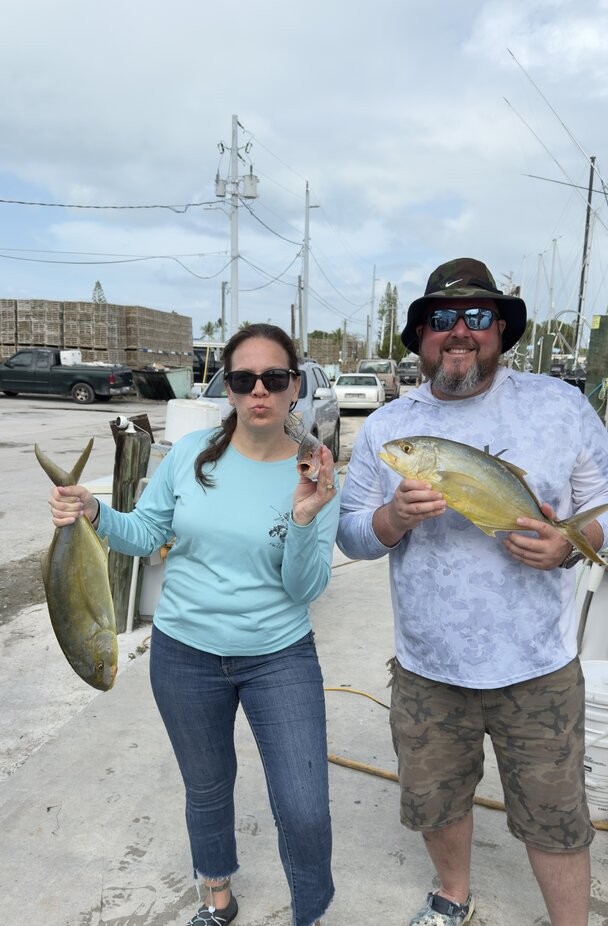
Permit are the holy grail of inshore fishing, and Marathon's flats hold some of the best populations in Florida. These silver ghosts cruise shallow grass beds and sand flats, feeding on crabs and shrimp while staying incredibly alert to any disturbance. They average 15-25 pounds but fight like fish twice their size, making blistering runs and using their disc-shaped bodies to leverage against anglers. Peak permit season runs from March through September, though these fish can be caught year-round in Marathon's consistent climate. Landing your first permit is a rite of passage that changes how you view inshore fishing—they're that challenging and rewarding.
Cobia are the bulldogs of the inshore world, aggressive feeders that grow fast and fight hard. Marathon's cobia typically range from 20-40 pounds, with bigger fish showing up during spring migration periods. These brown sharks (as some locals call them) cruise structure, following rays and sharks while hunting crabs and small fish. They're curious by nature, often approaching the boat for a closer look before deciding whether to eat your offering. The best cobia action happens from March through June, when migrating fish stack up around local structure. Their fights are straight power—no fancy jumps or tricks, just bulldozing runs that test your drag and arm strength.
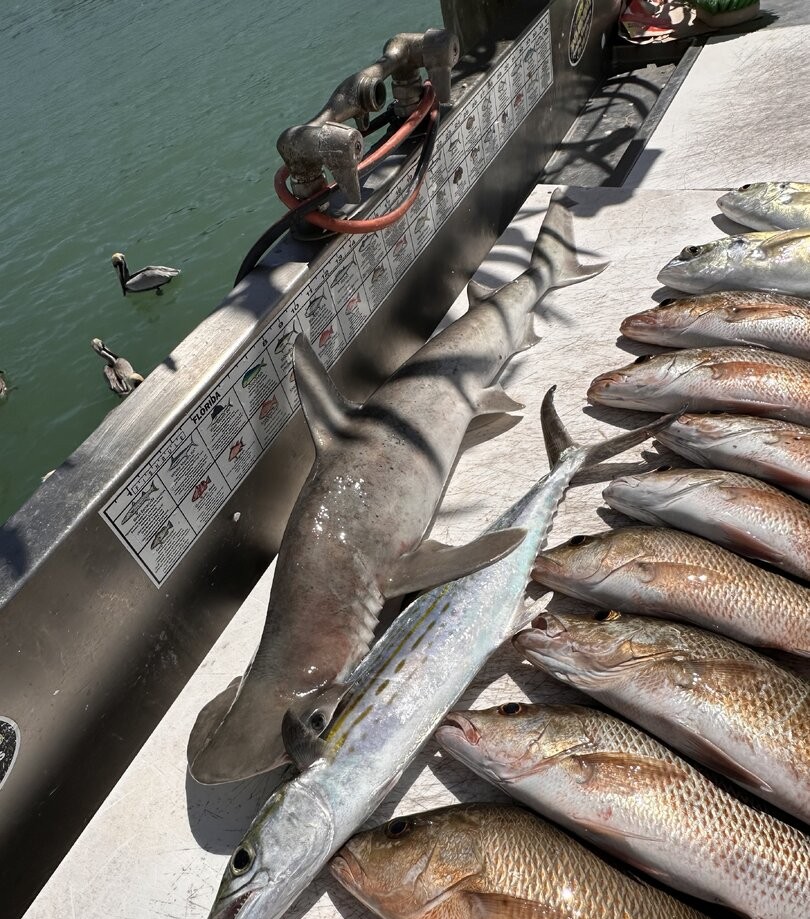
Red snapper bring both beauty and excellent table fare to your cooler. Marathon's offshore structure holds good populations of these crimson fighters, typically ranging from 2-8 pounds with occasional larger fish keeping things interesting. They're structure-oriented fish that respond well to fresh cut bait, though they can be selective about presentation. Red snapper season follows federal regulations, but when open, these fish provide consistent action and some of the best eating you'll find. Their initial run toward structure tests your reflexes, while their steady pulling power makes every fish feel bigger than it actually is.
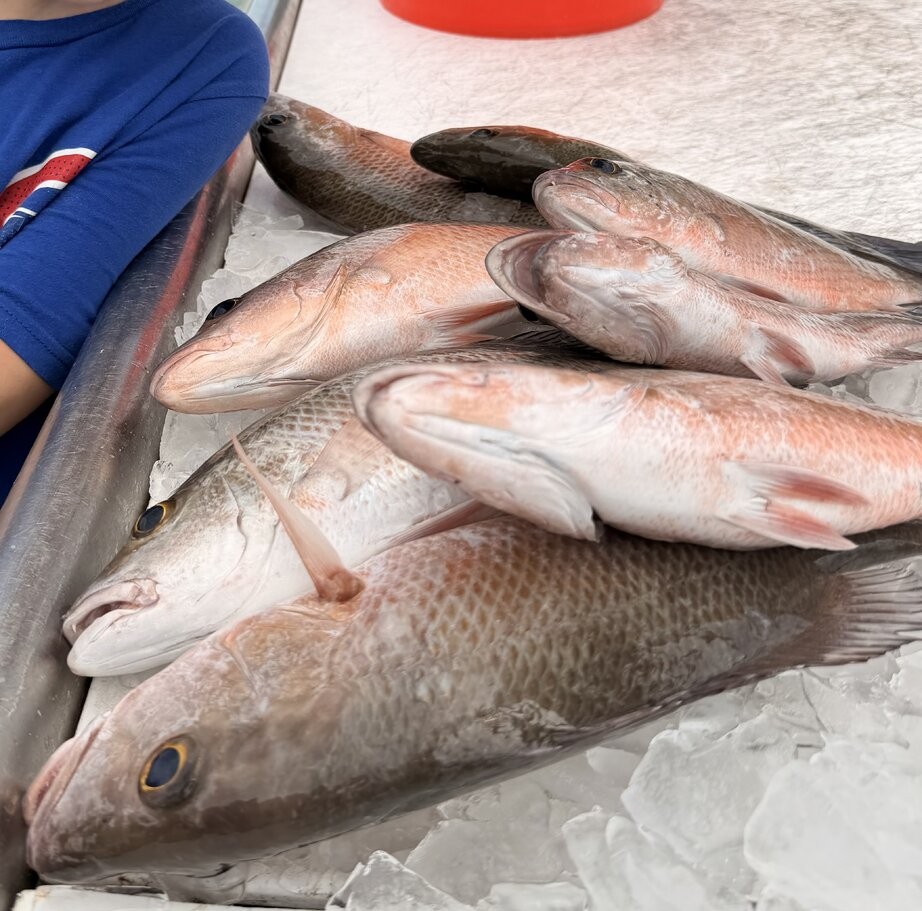
Mutton snapper are the prettier cousins in the snapper family, sporting olive backs with yellow sides and that distinctive black spot. They grow larger than reds, with fish over 10 pounds not uncommon around Marathon's reefs and wrecks. Muttons are more willing to move off structure than other snapper species, sometimes feeding in open water or along channel edges. They're available year-round but feed most aggressively during warmer months. Their fight combines the initial structure-diving tendency of all snappers with surprising stamina that keeps you working throughout the battle.
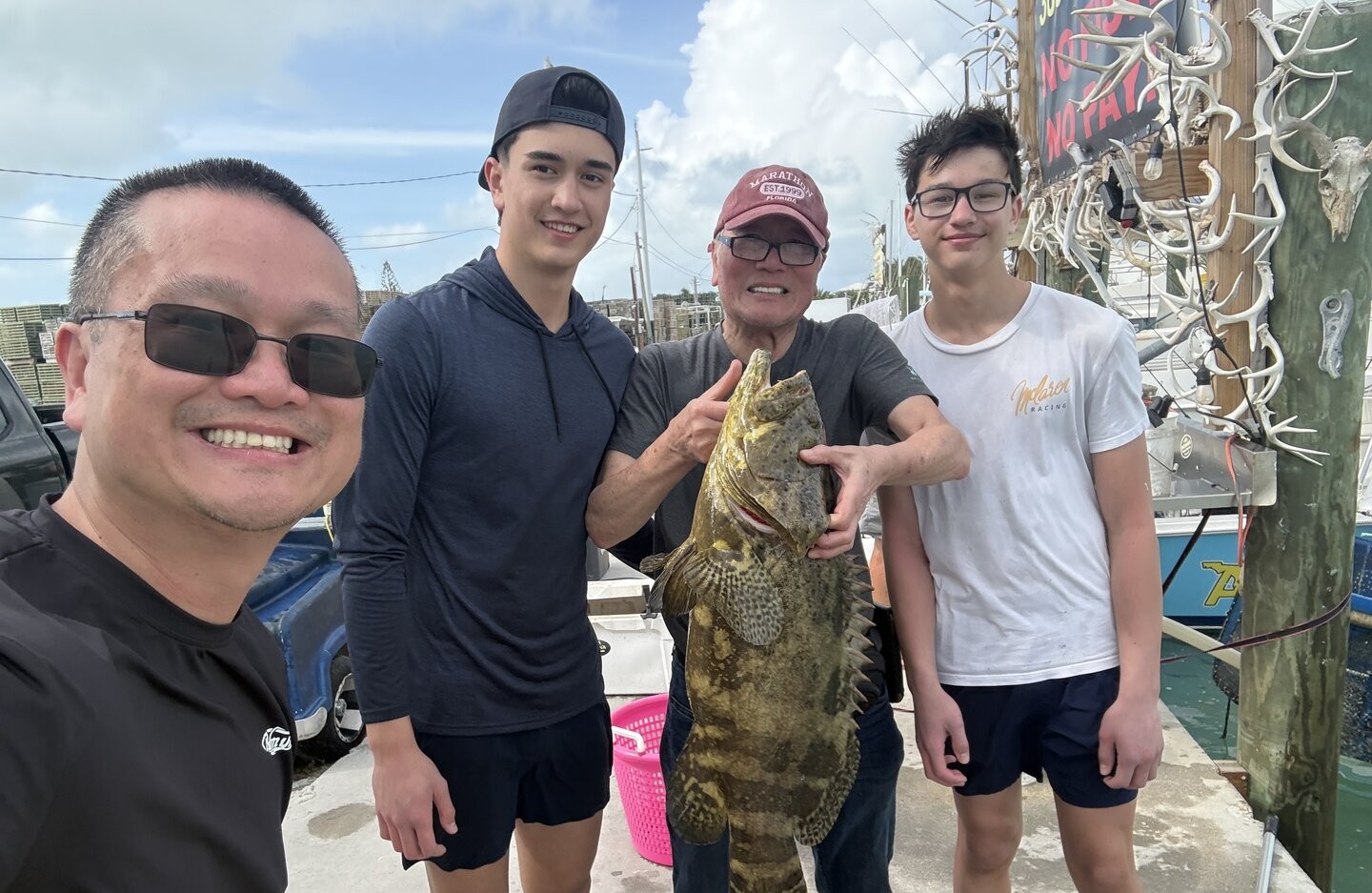
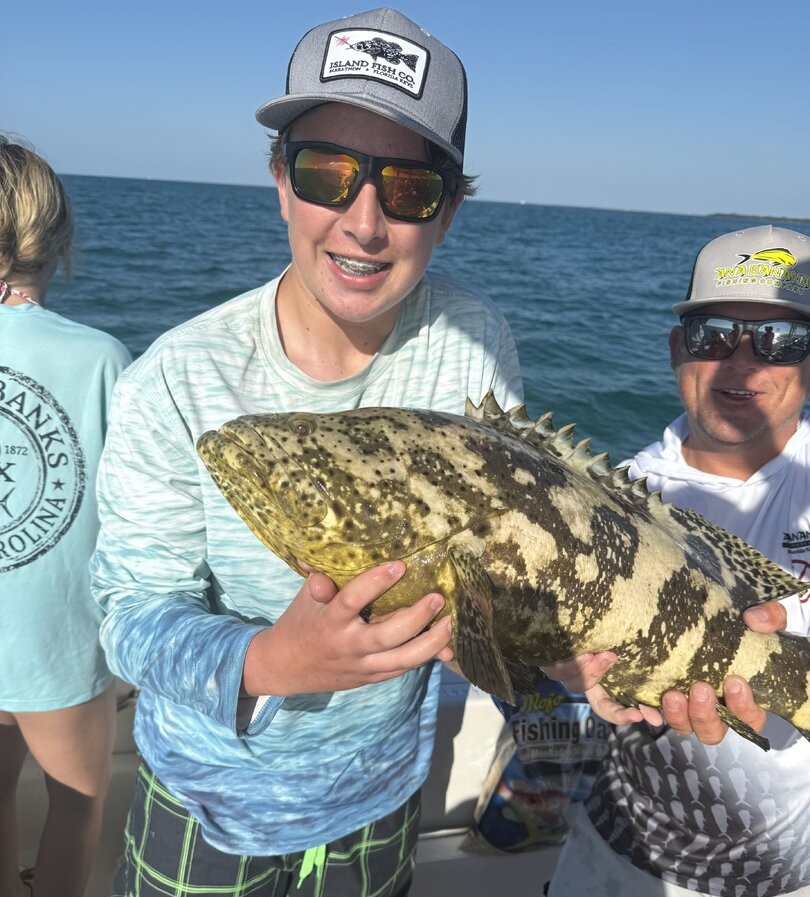
Gag grouper represent the apex predator of Marathon's inshore structure, with fish ranging from 3-15 pounds testing your tackle and technique. These mottled brown fighters live around ledges, holes, and artificial reefs, ambushing prey with surprising speed for such stocky fish. Gags require immediate pressure after hook-up to prevent them from reaching their rocky homes and cutting you off. They're most active during cooler months, from October through March, when they feed heavily before spawning season. The combination of their initial power and structure-diving tendencies makes every gag grouper a memorable catch, whether it's your first or fiftieth.
Time to Book Your Spot
Marathon's inshore fishing stays productive year-round, but the best trips book weeks in advance, especially during peak seasons. Captain Joel's combination of local knowledge, quality equipment, and hands-on instruction creates the kind of fishing experience that turns good days into great memories. The flexible trip length means you can match your charter to your schedule
 Private Trip
 Inshore Fishing
 Marathon


 Target cobia, gag grouper, and snapper in Marathon waters