Marathon Inshore Fishing for Big Game Species
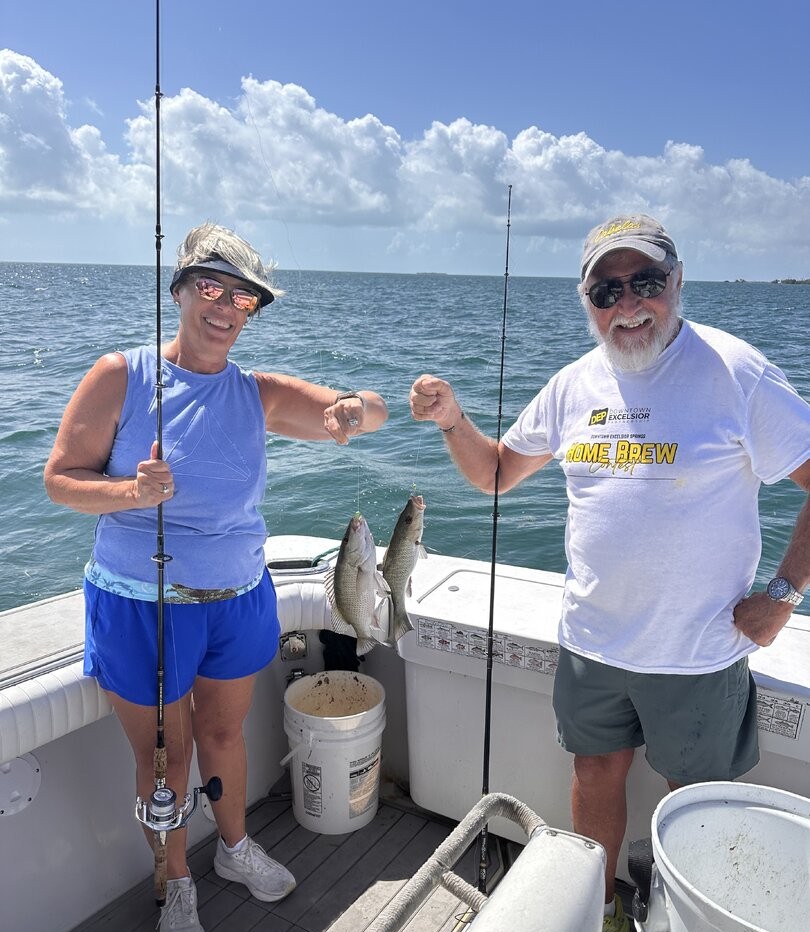
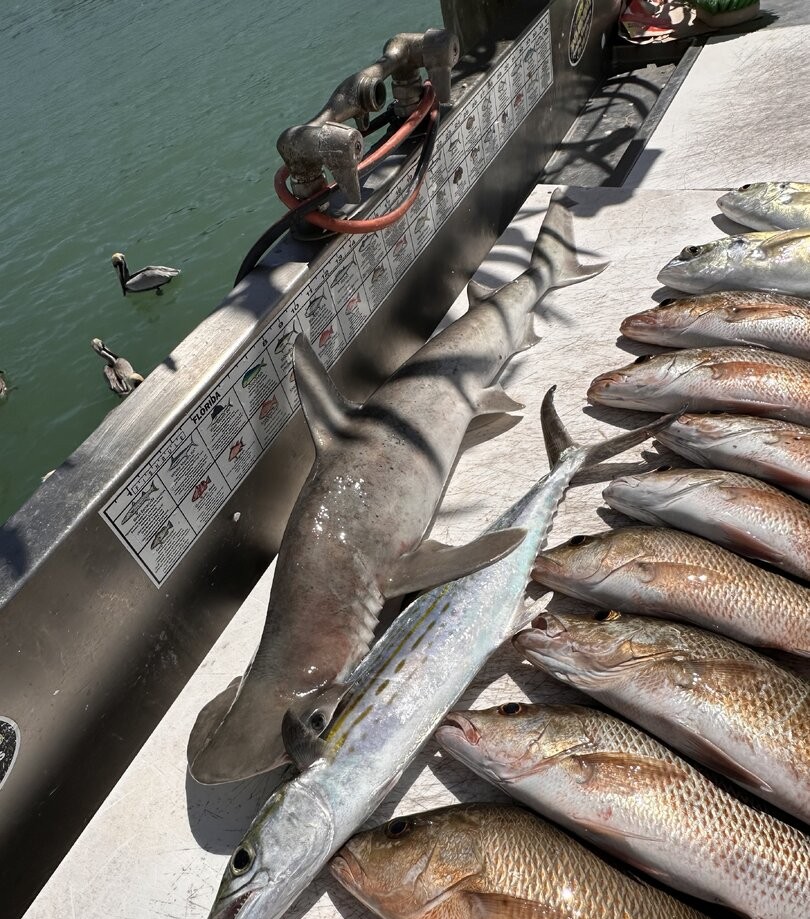
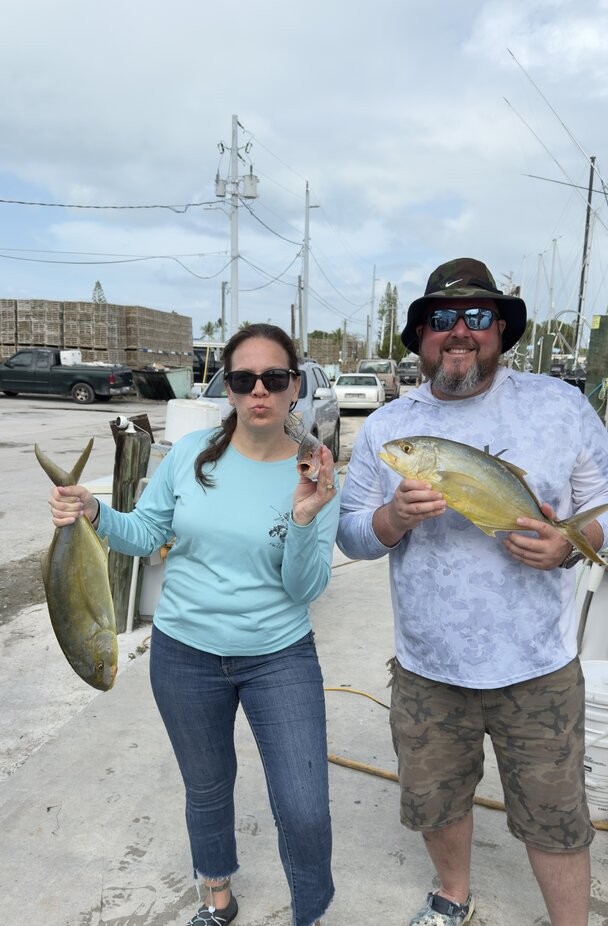
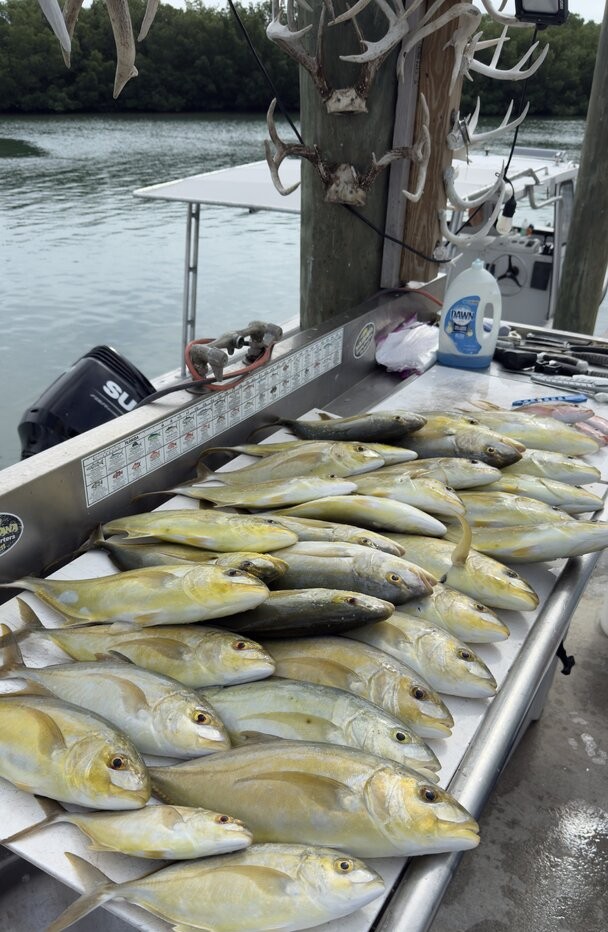
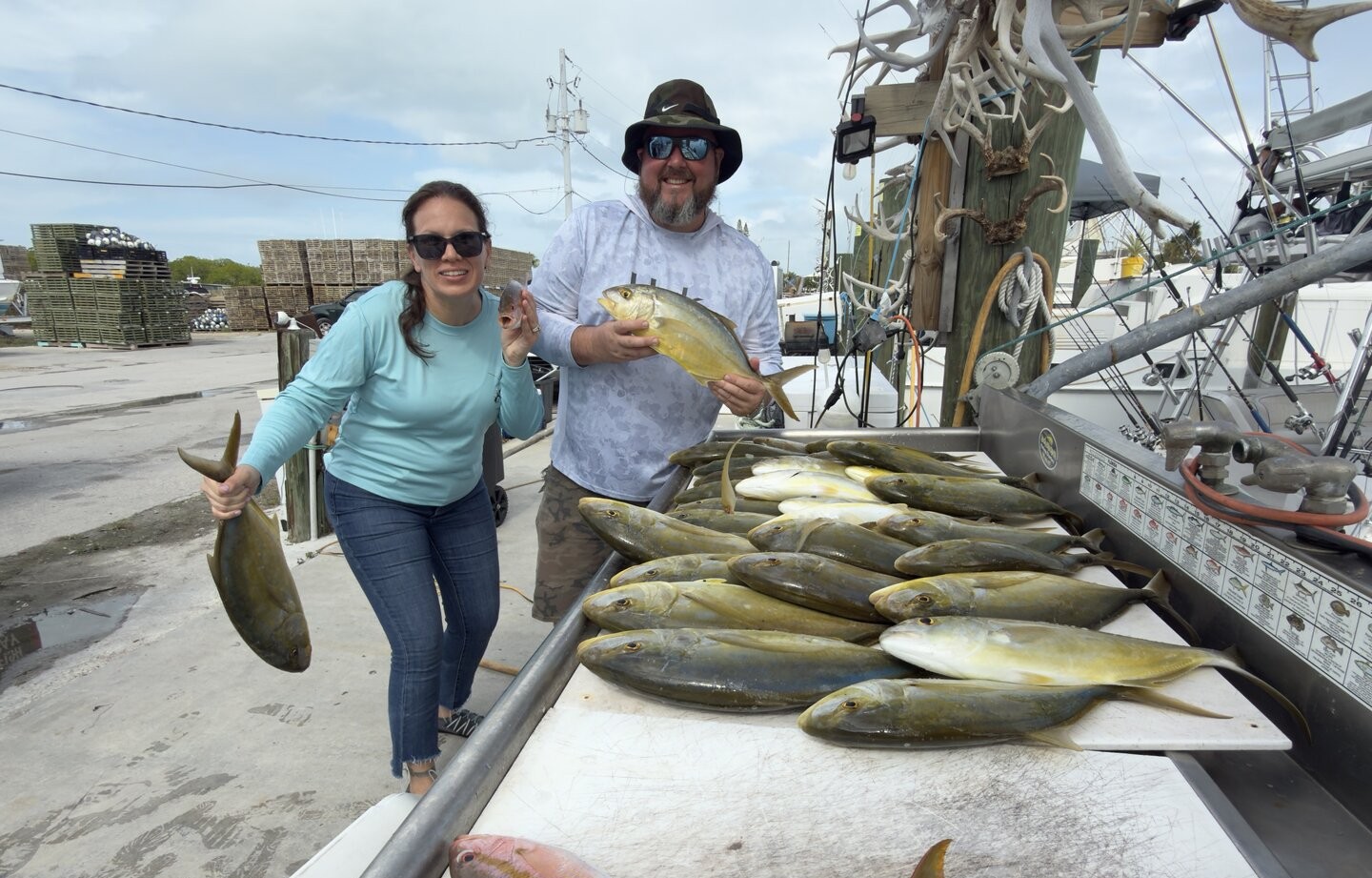
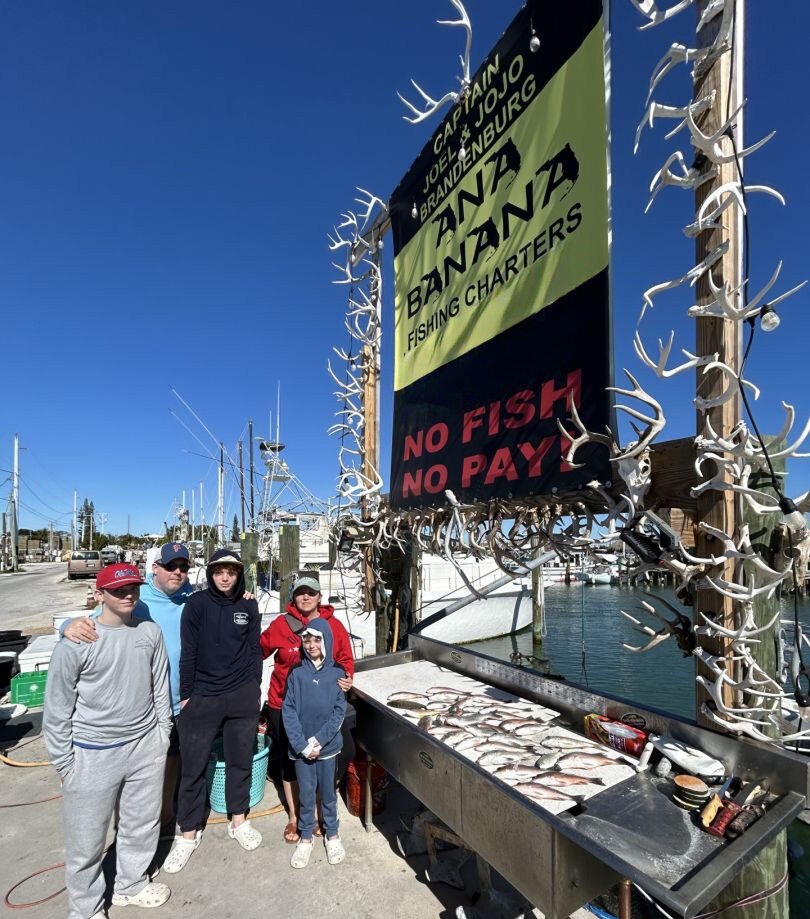
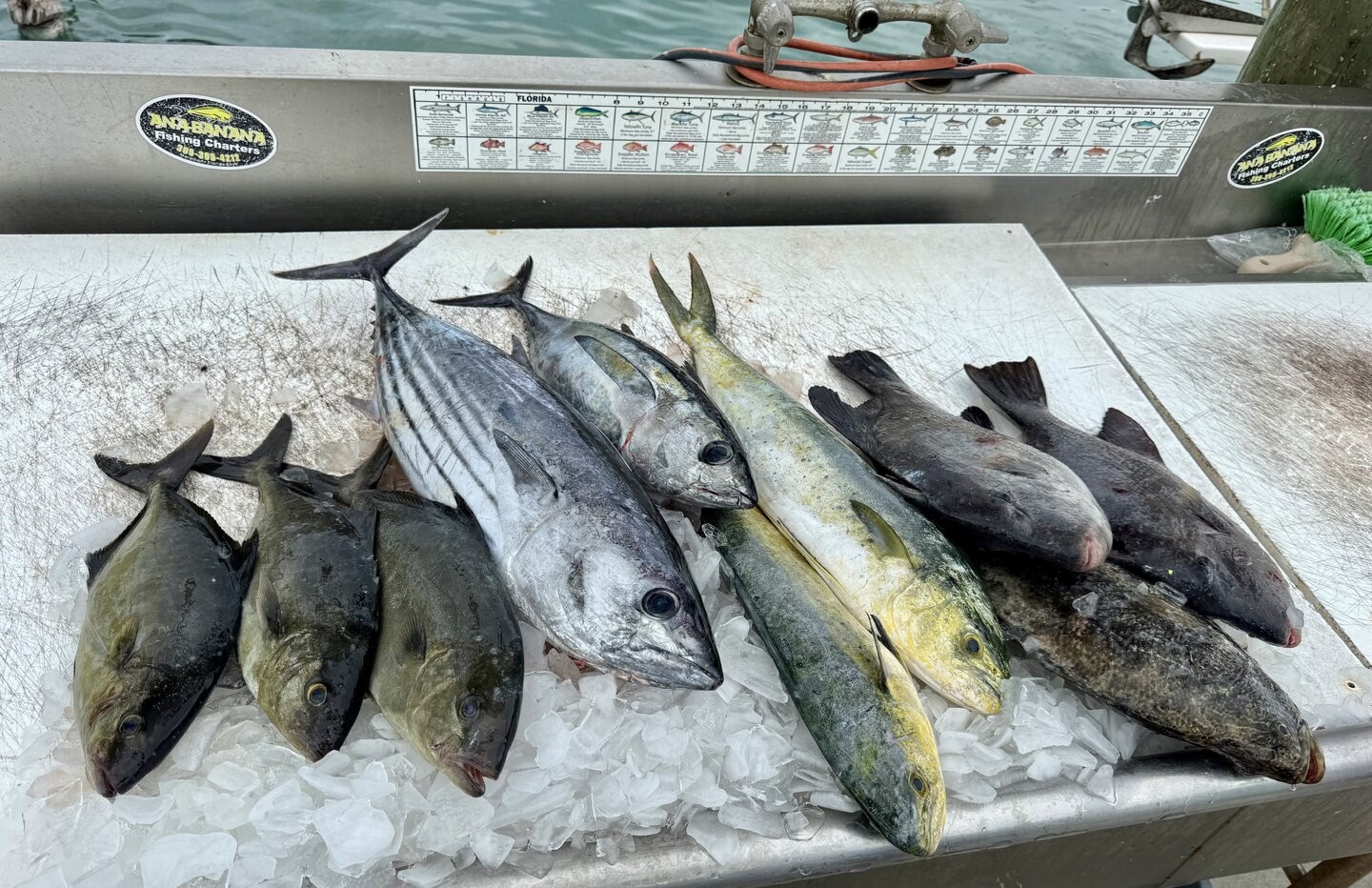
Captain Joel Brandenburg and Ana Banana Fishing Company deliver one of the most productive inshore fishing experiences in the Florida Keys. This Marathon-based charter runs 4 to 10 hours aboard a spacious 50ft Bertram, targeting some of the most sought-after species in these waters - gag grouper, lemon sharks, red snapper, mutton snapper, and even the occasional shortfin mako. With room for up to 6 anglers, this trip combines the excitement of big game fishing with the accessibility of inshore waters, making it perfect for both seasoned anglers and newcomers looking to land their personal best.
What to Expect on the Water
Your day starts at Marathon's harbor, where Captain Joel will brief you on the game plan based on current conditions and seasonal patterns. The 50ft Bertram provides plenty of room to spread out, with professional-grade tackle and all the gear you'll need for a successful day. Marathon's inshore waters offer incredible diversity - from shallow grass flats where snapper cruise to deeper ledges where grouper hold tight to structure. You'll be fishing productive areas that locals have relied on for generations, spots where the Gulf Stream's influence creates perfect conditions for both resident and migratory species. Captain Joel knows these waters like the back of his hand, reading currents, baitfish activity, and bottom structure to put you on fish consistently throughout the day.
Techniques and Tactics
This charter employs a variety of fishing methods depending on your target species and conditions. For gag grouper, you'll be bottom fishing around wrecks and ledges using heavy tackle and live or cut bait, dropping lines in 40-80 feet of water where these bruisers like to ambush prey. Snapper fishing involves both bottom rigs and light tackle techniques, often around structure where schools congregate. When targeting sharks, Captain Joel switches to wire leaders and circle hooks, using fresh-cut bait or live offerings. The boat carries everything from spinning reels for lighter work to heavy conventional setups for the big fish. You'll learn proper hook-setting techniques, how to fight fish effectively, and the best ways to handle different species once they're boatside. The captain provides hands-on instruction throughout the trip, helping you improve your technique while maximizing your chances of landing quality fish.
Species You'll Want to Hook
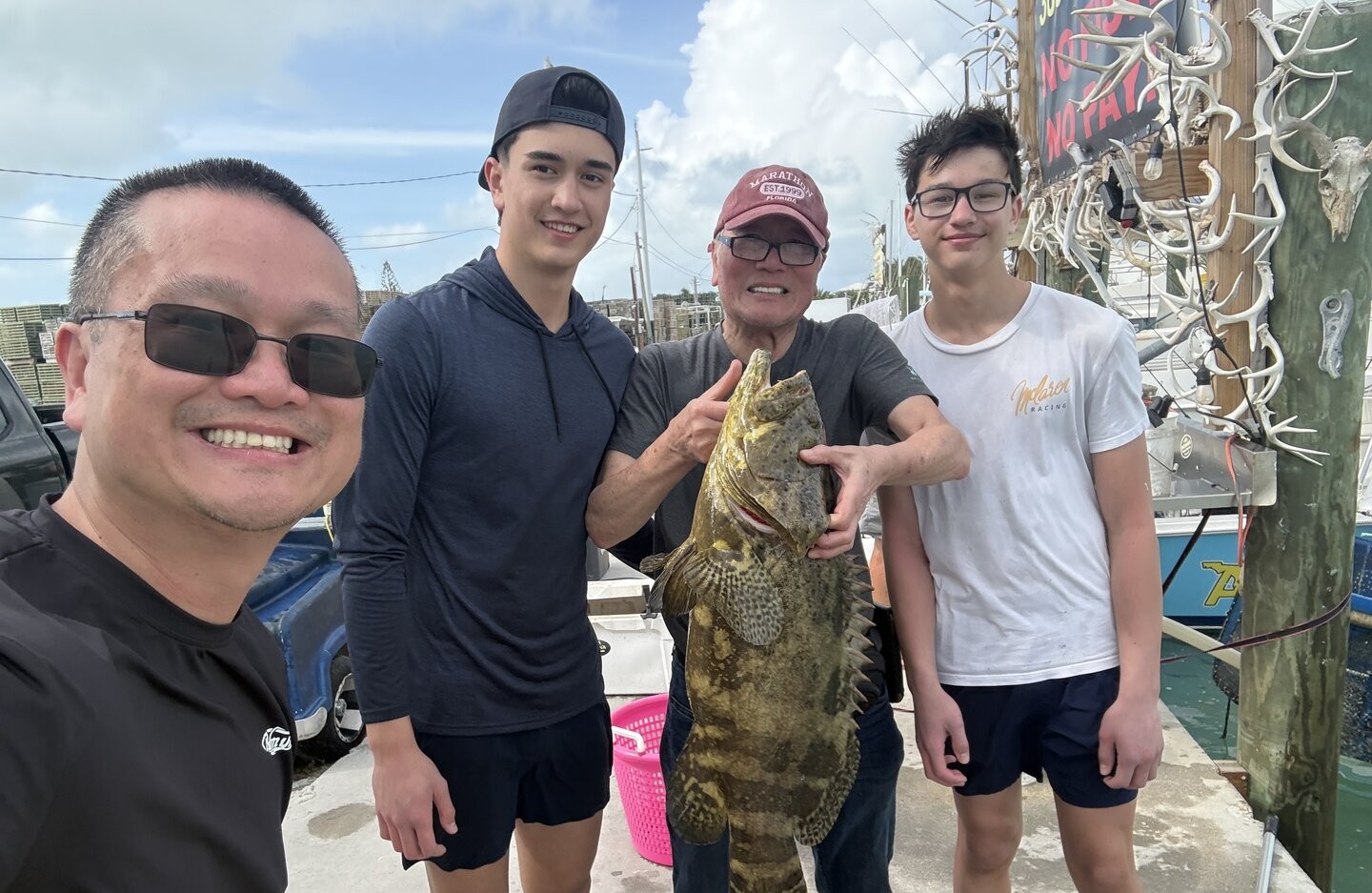
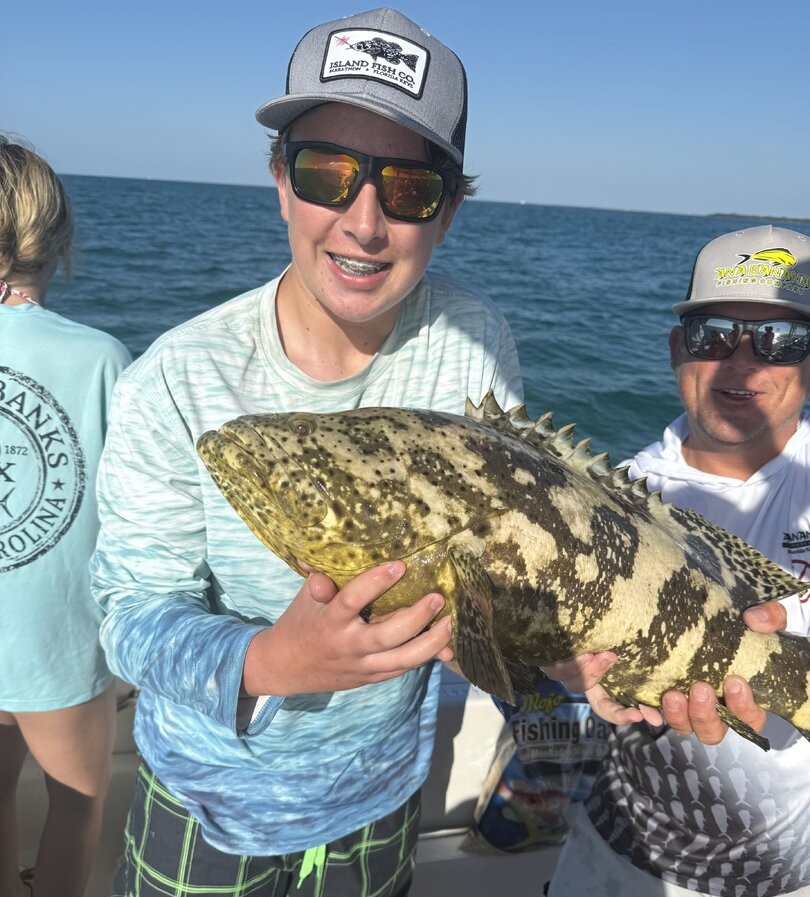
Gag grouper are the crown jewel of Marathon's inshore scene, with fish ranging from keeper-sized 24-inchers up to true giants pushing 40 pounds or more. These powerful fish live around hard bottom, wrecks, and ledges, ambushing prey with lightning speed. Peak season runs from late fall through early spring when cooler water temperatures bring them into shallower areas. What makes gag grouper so exciting is their initial run - they'll try to get back to their hole immediately after being hooked, testing your drag and technique. Plus, they're fantastic table fare when prepared fresh.
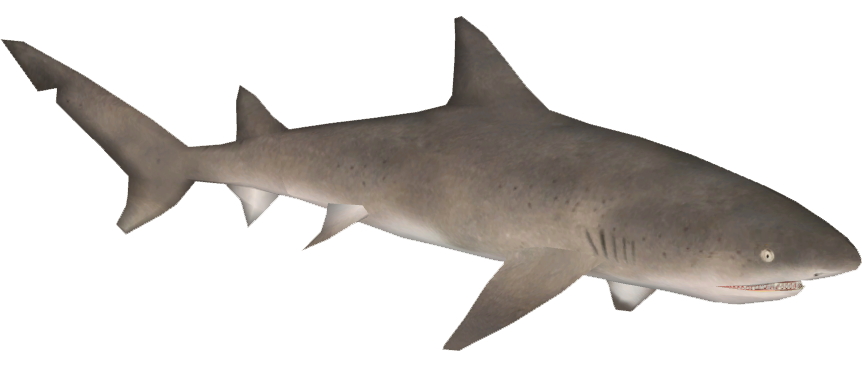
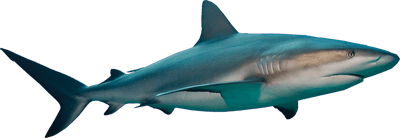
Lemon sharks patrol Marathon's inshore waters year-round, but summer months offer the most consistent action. These impressive predators can reach 6-8 feet and provide an amazing fight on appropriate tackle. Lemons are known for their endurance rather than flashy jumps, taking long, powerful runs that will test your stamina. They're typically found cruising flats and channels, especially around areas with good baitfish concentrations. What anglers love about lemon sharks is their predictable behavior - once you locate feeding fish, you can often catch multiple sharks in the same area.
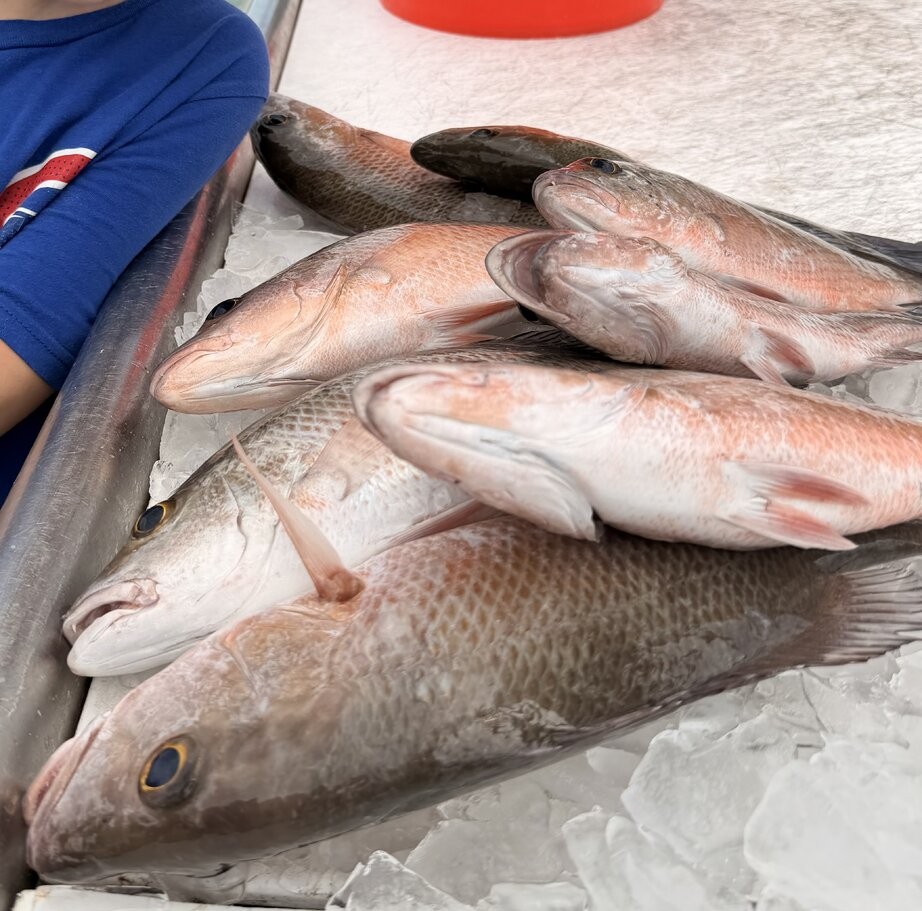
Red snapper fishing in Marathon offers both quantity and quality, with fish ranging from smaller schoolies to trophy-sized specimens over 10 pounds. These bright red beauties live around structure in 30-60 feet of water, forming schools that can provide non-stop action when conditions are right. Summer months are prime time, though good fishing can extend into fall. Red snapper are prized for their excellent taste and the challenge they present - they're notorious bait stealers with sharp teeth and quick reflexes.
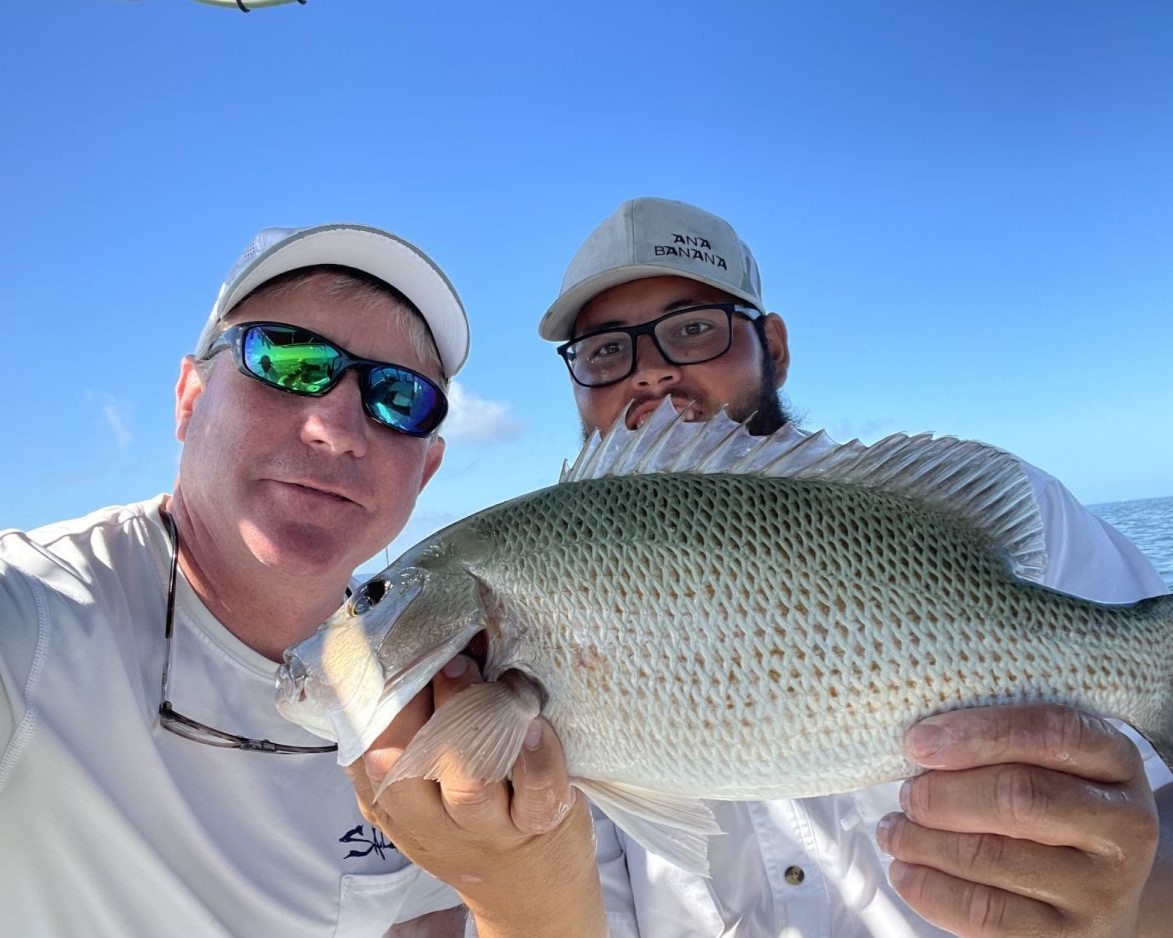
Mutton snapper represent the bigger, smarter cousin of the snapper family, with mature fish reaching 15-20 pounds or more. These olive-and-red colored fish are more solitary than reds, often requiring finesse presentations and fresh bait. Spring and summer offer the best opportunities, particularly around full moon periods when they move shallow to spawn. Mutton snapper are incredibly strong fighters that make long runs and test your tackle to the limit.
Shortfin mako sharks are the wildcards of this charter - fast, aggressive, and absolutely explosive when hooked. These open-water predators occasionally venture into inshore areas, particularly when following baitfish schools. Makos are known for their spectacular aerial displays and incredible speed, reaching up to 45 mph in short bursts. Landing a mako on inshore tackle is considered one of the ultimate achievements in Florida Keys fishing, combining luck, skill, and proper tackle selection.
Time to Book Your Spot
Ana Banana Fishing Company's Marathon inshore charter delivers consistent action targeting some of Florida's most prized game fish. Captain Joel's local knowledge, combined with quality tackle and a well-maintained vessel, gives you the best shot at landing trophy catches while learning techniques you can use for years to come. Whether you're after a cooler full of snapper for dinner or hoping to tangle with a big shark, this charter adapts to your goals and skill level. With flexible trip lengths from 4 to 10 hours, you can choose the experience that fits your schedule and budget. Remember that deposits are non-refundable, so book early to secure your preferred dates for what could be your best fishing trip in the Florida Keys.
 Private Trip
 Inshore Fishing
 Marathon


 Target gag grouper, lemon sharks, and snapper inshore