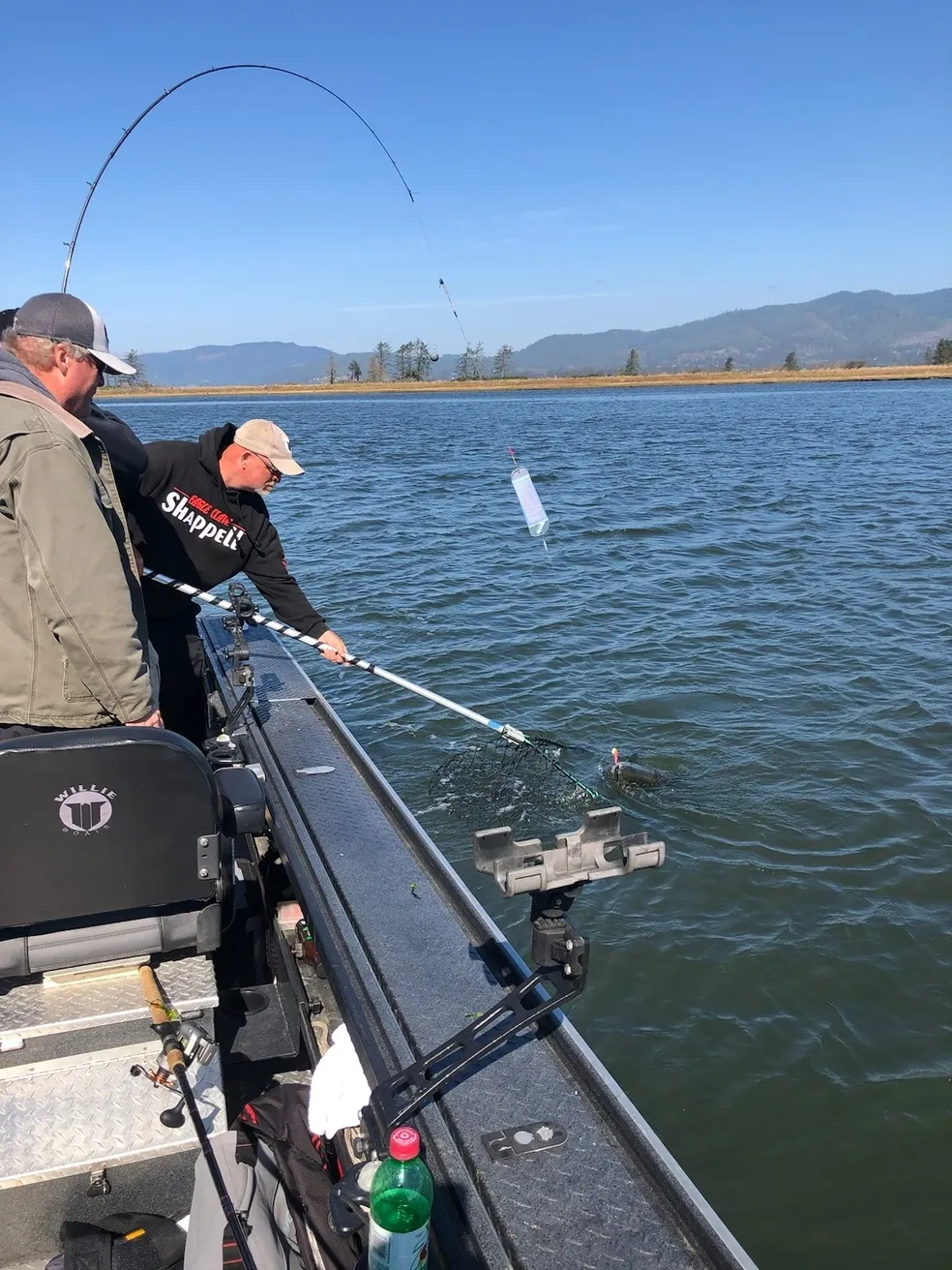
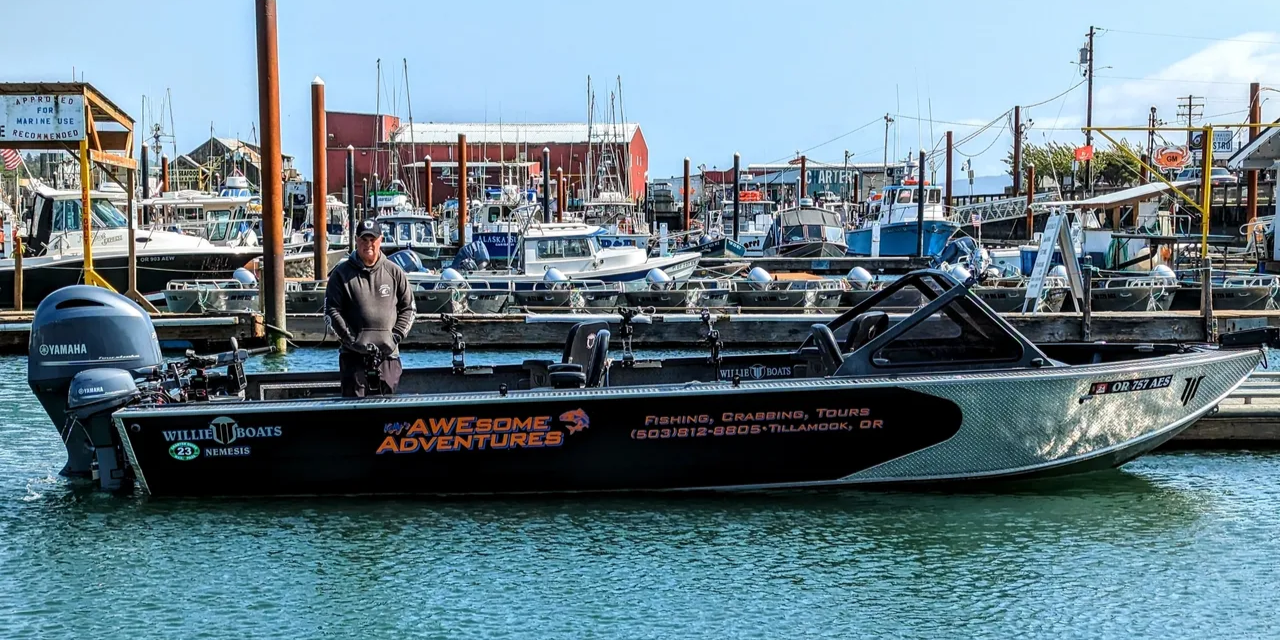
Twin Rocks Flats Fishing Adventure
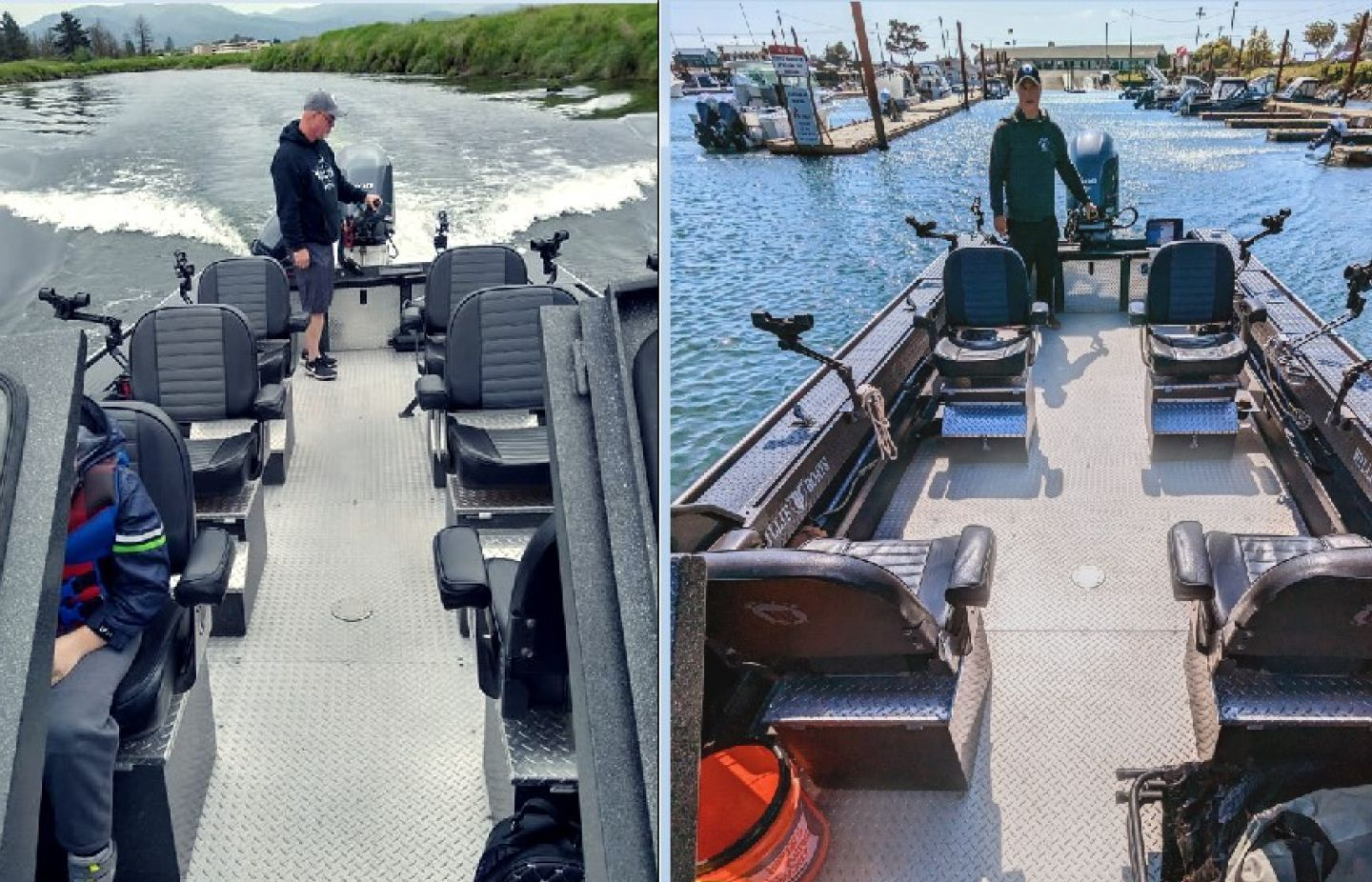
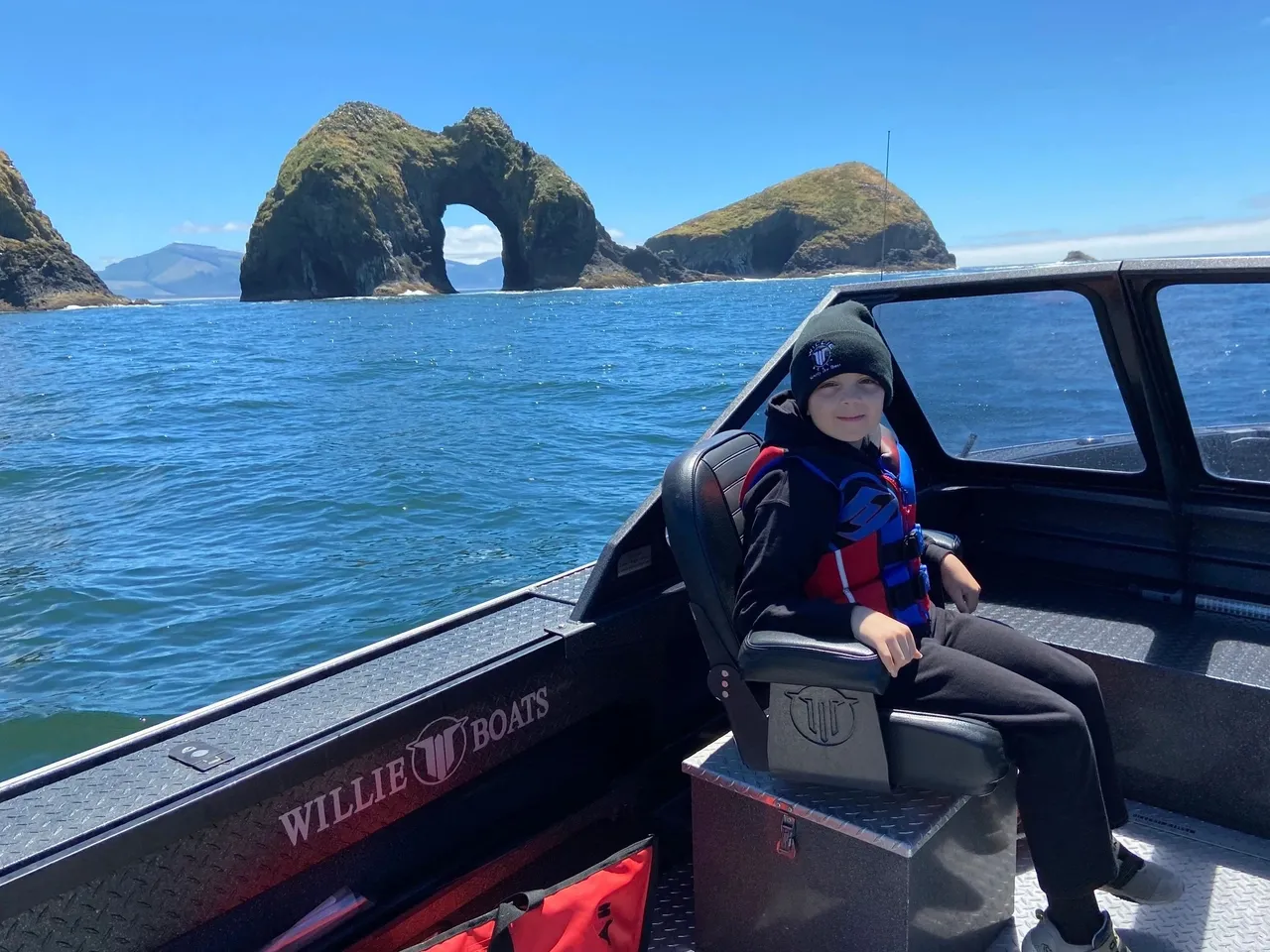
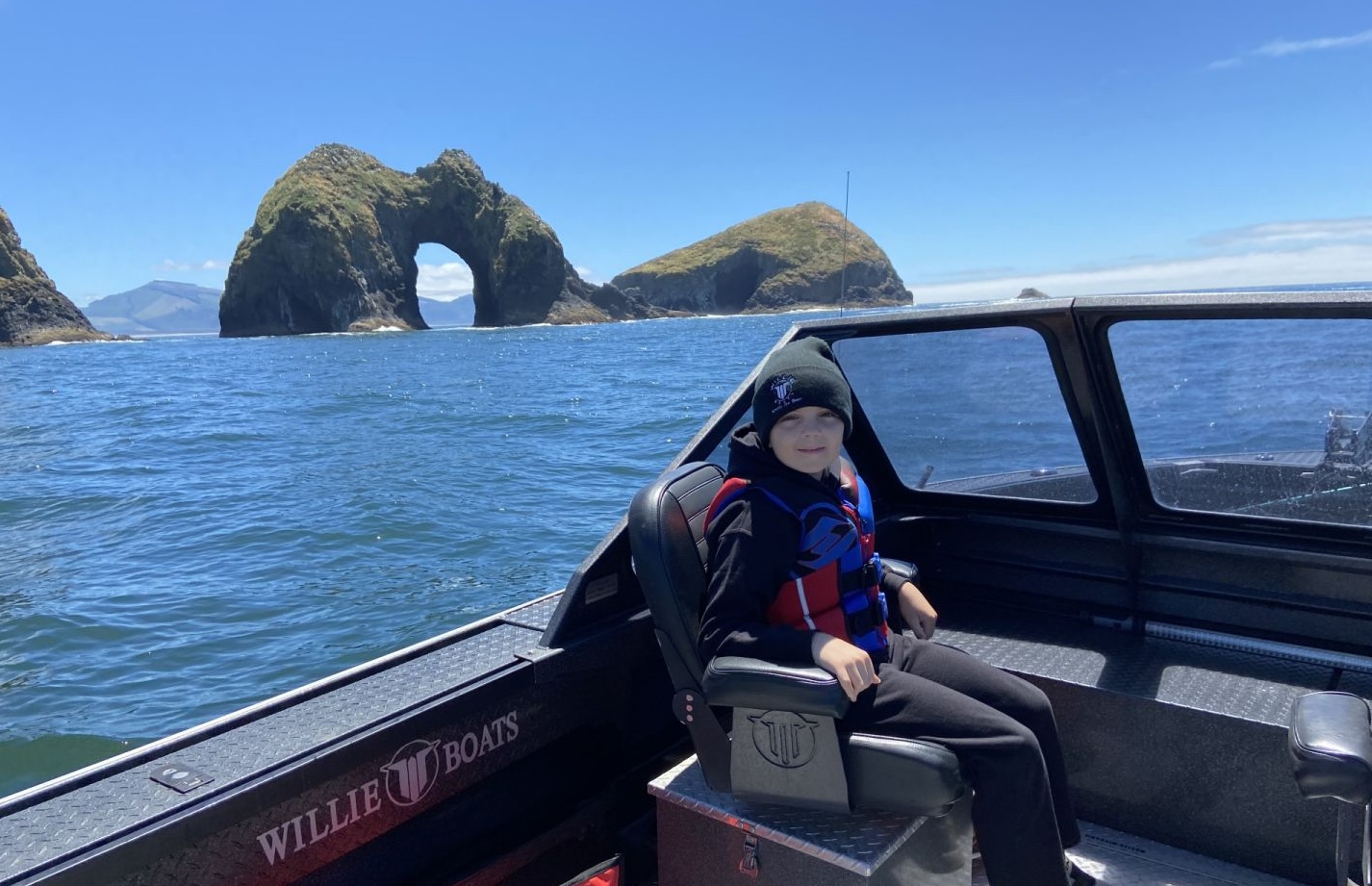
Picture this: you're standing on pristine flats with Twin Rocks and the iconic 3 Arch Rock formations as your backdrop, casting into gin-clear water where fish cruise just feet away. This isn't your typical charter boat experience – it's an intimate 2-3 hour flats fishing adventure designed for one angler who wants the full attention of a seasoned guide. The rocky coastline creates natural channels and drop-offs that attract baitfish, and where bait goes, predators follow. You'll be sight fishing in water so clear you can watch your target's reaction to every cast, making this a top-rated experience for anglers who want to test their skills in challenging, crystal-clear conditions.
What to Expect on the Water
This is pure sight fishing at its finest. We'll position ourselves around the Twin Rocks area where the unique rock formations create current breaks and feeding zones that fish can't resist. The 3 Arch Rock structures act like underwater highways, funneling baitfish through predictable channels. You'll be wading or fishing from strategic positions along the flats, watching for shadows, wakes, and the telltale signs of cruising fish. The water clarity here is world-class – on most days you can spot fish from 50 yards out. I'll be right there coaching you through each cast, helping you read the water, and positioning you for the best shots. Since it's just you and me, we can move quickly between spots and adapt our strategy based on what the fish are doing that day.
Flats Techniques & Gear
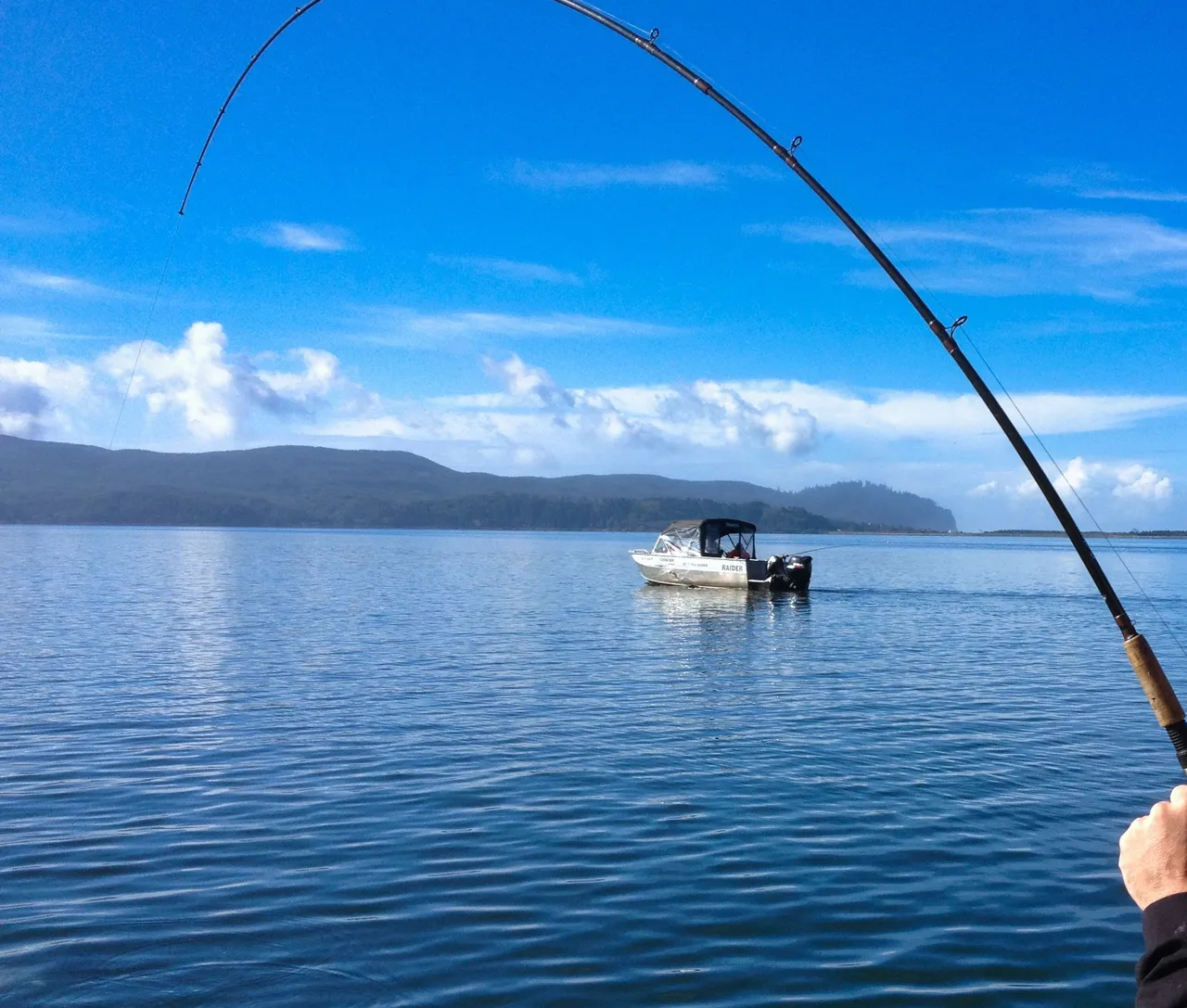
We're talking light tackle sight fishing here – typically 8-10 weight fly rods or spinning gear with 10-15 lb test. The key is precision over power since you're often casting to specific fish rather than blind casting. I provide all the tackle, but if you've got a favorite rod setup, bring it along. We'll be using a mix of techniques depending on conditions: sight casting to cruising fish, working the edges where the flats drop into deeper water, and targeting the current lines created by the rock formations. The bottom composition around Twin Rocks varies from sandy patches to rocky structure, so we'll adjust our approach accordingly. Stealth is everything out here – one wrong step or heavy landing can spook fish for hundreds of yards. I'll teach you how to move quietly, read fish behavior, and make the kind of accurate casts that turn follows into hook-ups.
Target Species
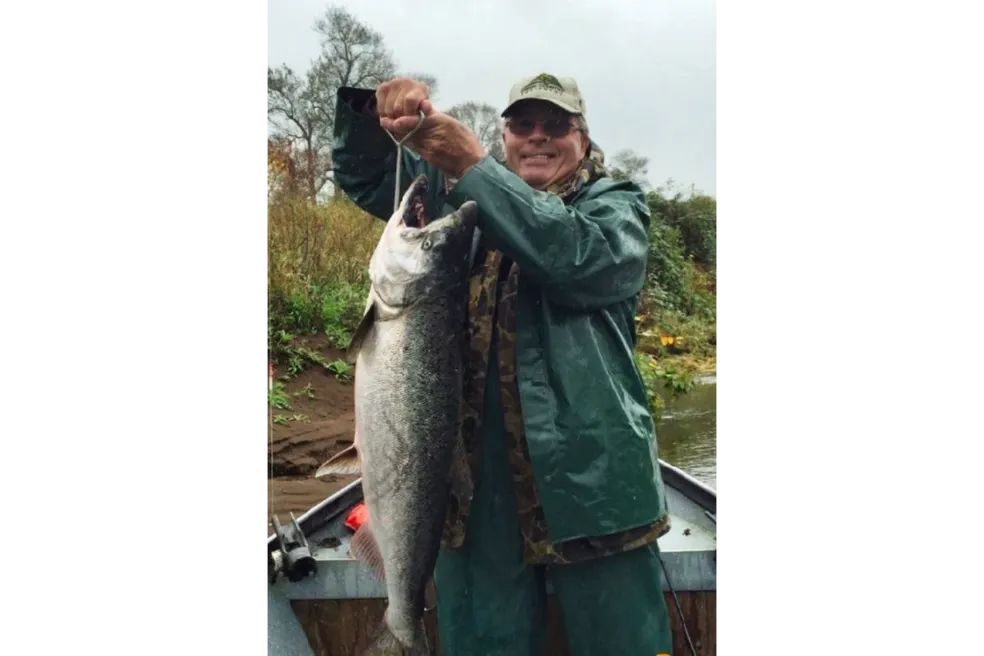
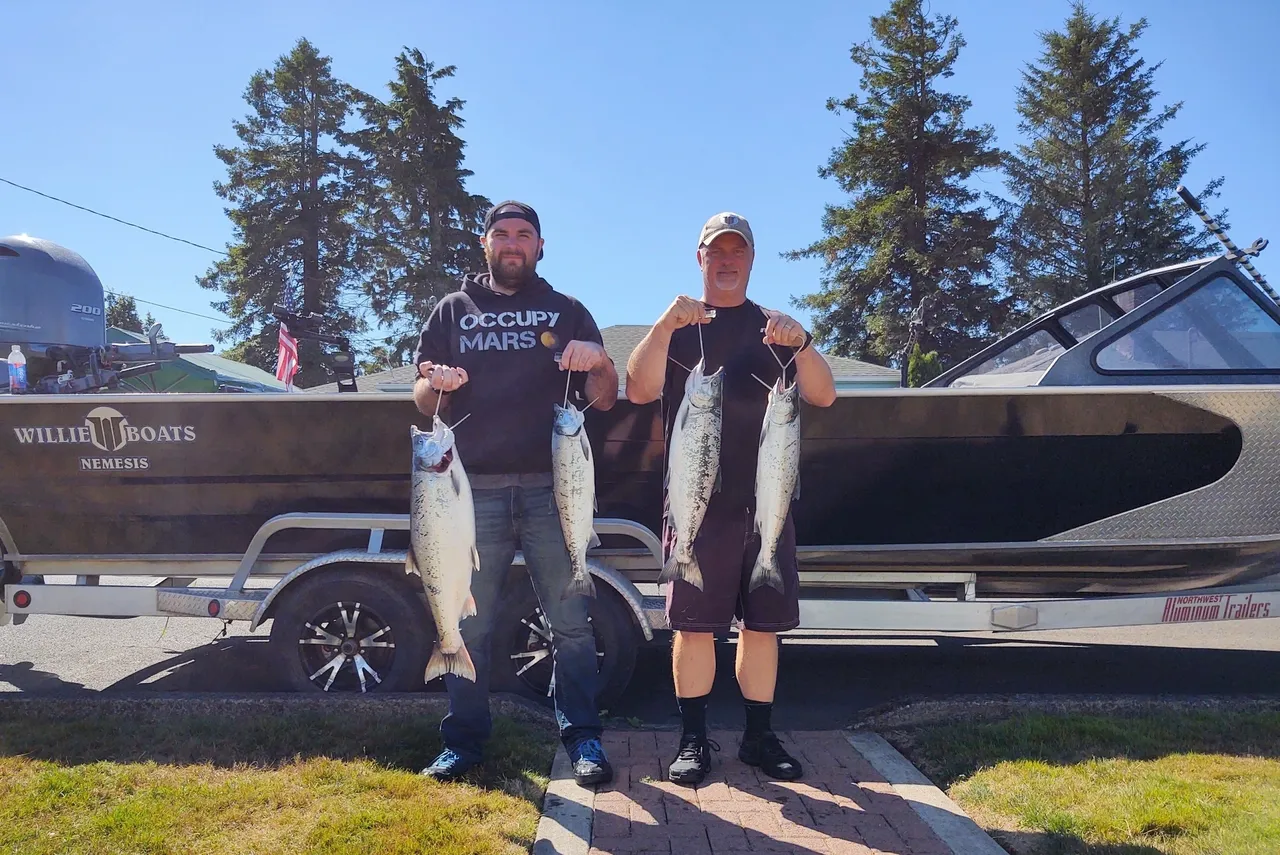
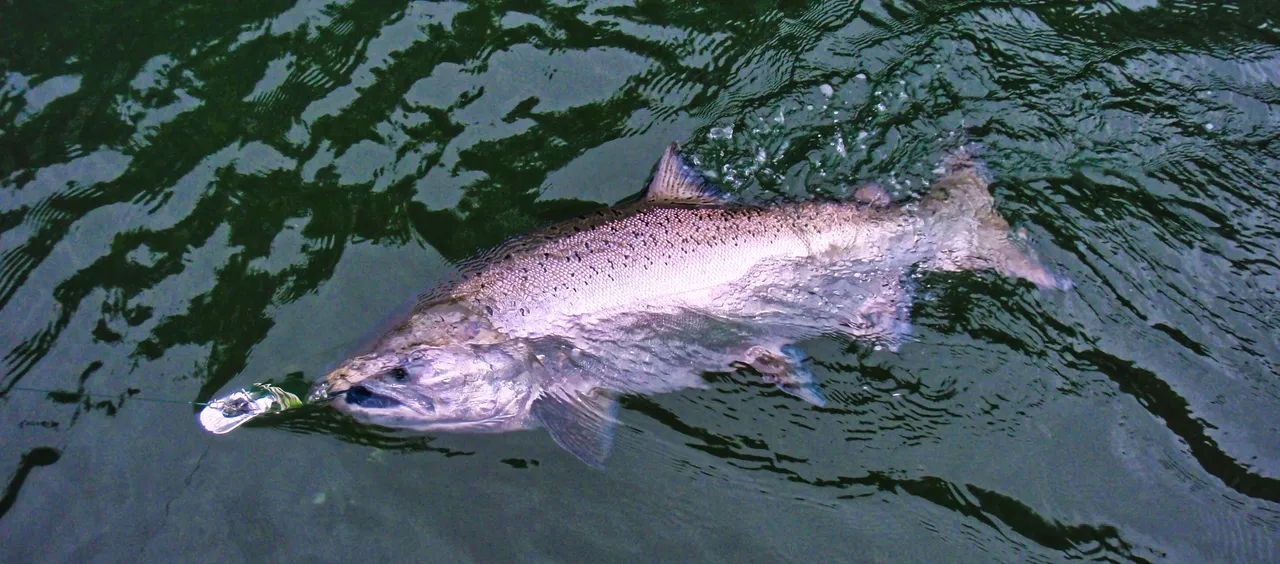
While the trip details don't specify our target species, these coastal flats around Twin Rocks and 3 Arch Rock typically hold some serious predators. The rocky structure and clear water create perfect ambush points for fish that cruise the shallows looking for an easy meal. The unique geography here – with its mix of sandy flats, rocky outcrops, and deeper channels – supports a diverse ecosystem that attracts both resident and migratory species. What makes fishing these formations special is the way the rocks create current breaks and eddies that concentrate baitfish. Predators know this and patrol these areas regularly, especially during tide changes when bait gets pushed through the channels. The clear water means you'll often see your target long before you cast, turning each encounter into a chess match between angler and fish.
Time to Book Your Spot
This customer favorite flats experience books up fast, especially during prime fishing seasons when the water clarity is at its best. With only one angler per trip, you're getting personalized instruction and the kind of focused attention that makes the difference between a good day and an amazing one. The 2-3 hour format is perfect – long enough to really get into the rhythm of sight fishing but short enough to maintain that edge-of-your-seat intensity that makes flats fishing so addictive. Whether you're new to sight fishing or a seasoned flats angler looking for a new challenge, the Twin Rocks area offers the kind of clear water and diverse structure that keeps things interesting. Don't wait – these single-angler spots fill up quickly, and the best fishing windows are limited by tides, weather, and seasonal patterns.
 Private Trip
 Flats/Shallows Fishing
 Tillamook
 Guided 2-3 hour tour exploring Twin Rocks and 3 Arch Rock formations