Cast and Blast Duck Hunt & Redfish Combo
Here in Port Mansfield, we've got something special for hunters who want to make the most of their South Texas adventure. Our Cast and Blast combo gives you the best of both worlds – a solid morning duck hunt followed by an afternoon chasing redfish in some of the most productive waters on the Texas coast. Bay Feather Outfitters has been running these dual-action trips for years, and they've become a customer favorite for good reason. You'll start before dawn in a well-positioned blind, then switch gears completely to target reds in the shallow flats. It's a full day that showcases why this stretch of coastline is legendary among serious outdoorsmen.
Inside the Hunt
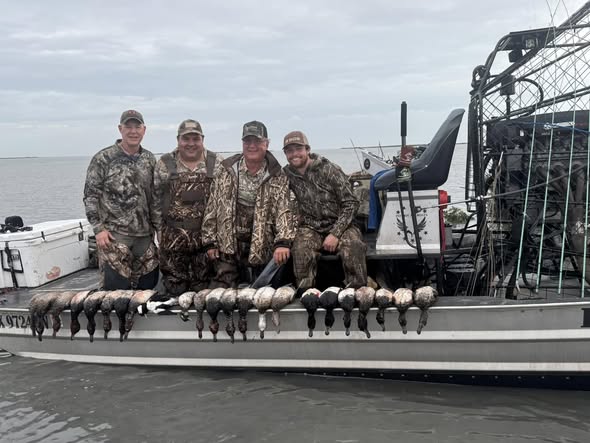
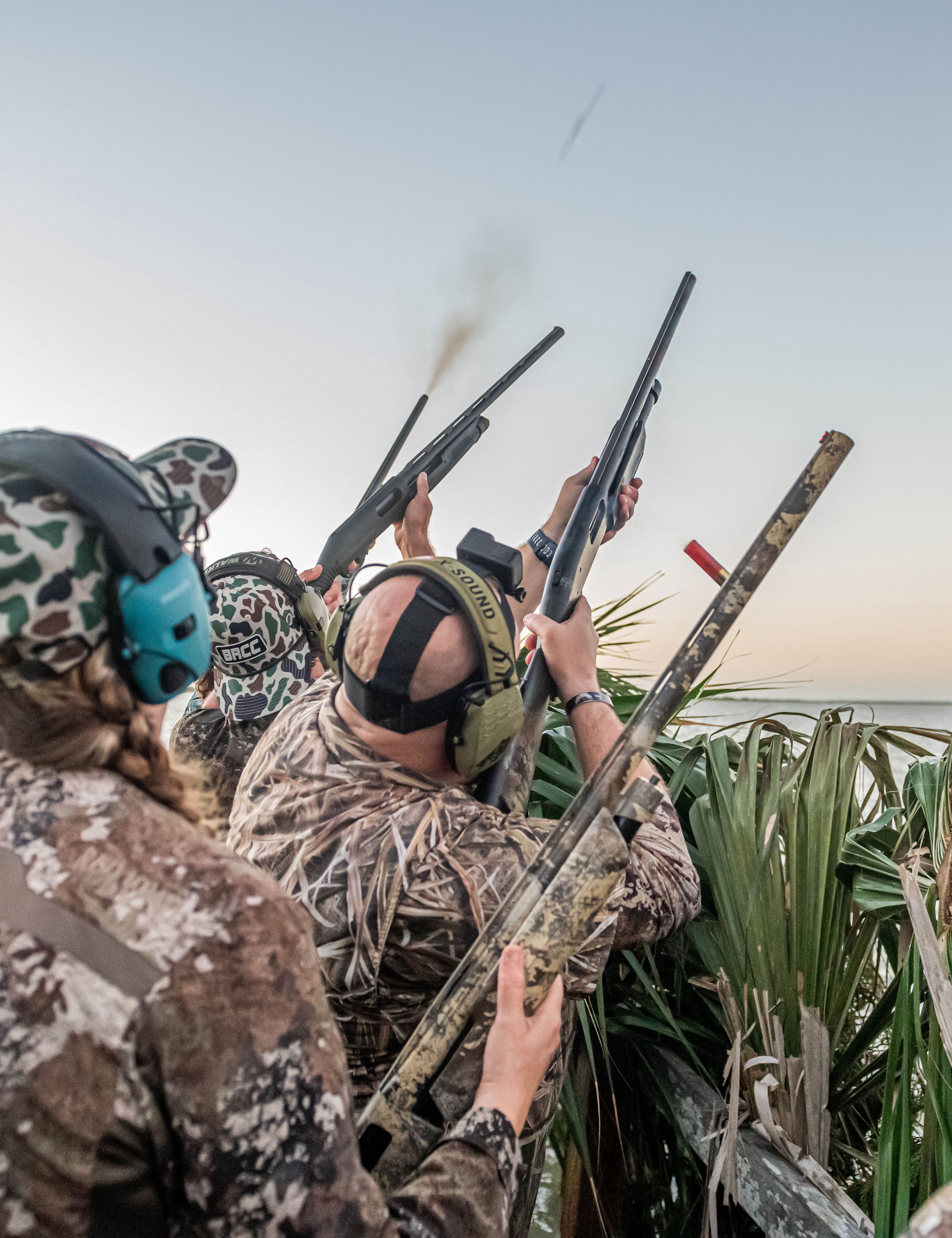
Your day kicks off early with coffee and a quick brief before we head to the blinds. The morning duck hunt takes advantage of prime feeding times when birds are moving between roost and feeding areas. We've got blinds positioned in key flyways where redheads, teal, and pintails funnel through regularly. The setup here is top-rated – these aren't makeshift hides but proper blinds that keep you concealed while giving clear shooting lanes. After the morning flight winds down, we'll head back to switch gear and grab a quick bite before launching for the redfish portion. The afternoon shift puts you in shallow water where reds cruise the flats looking for baitfish and crabs. This isn't just two separate trips thrown together – it's a carefully planned day that maximizes your time in the field and on the water.
Tracking Tips & Terrain
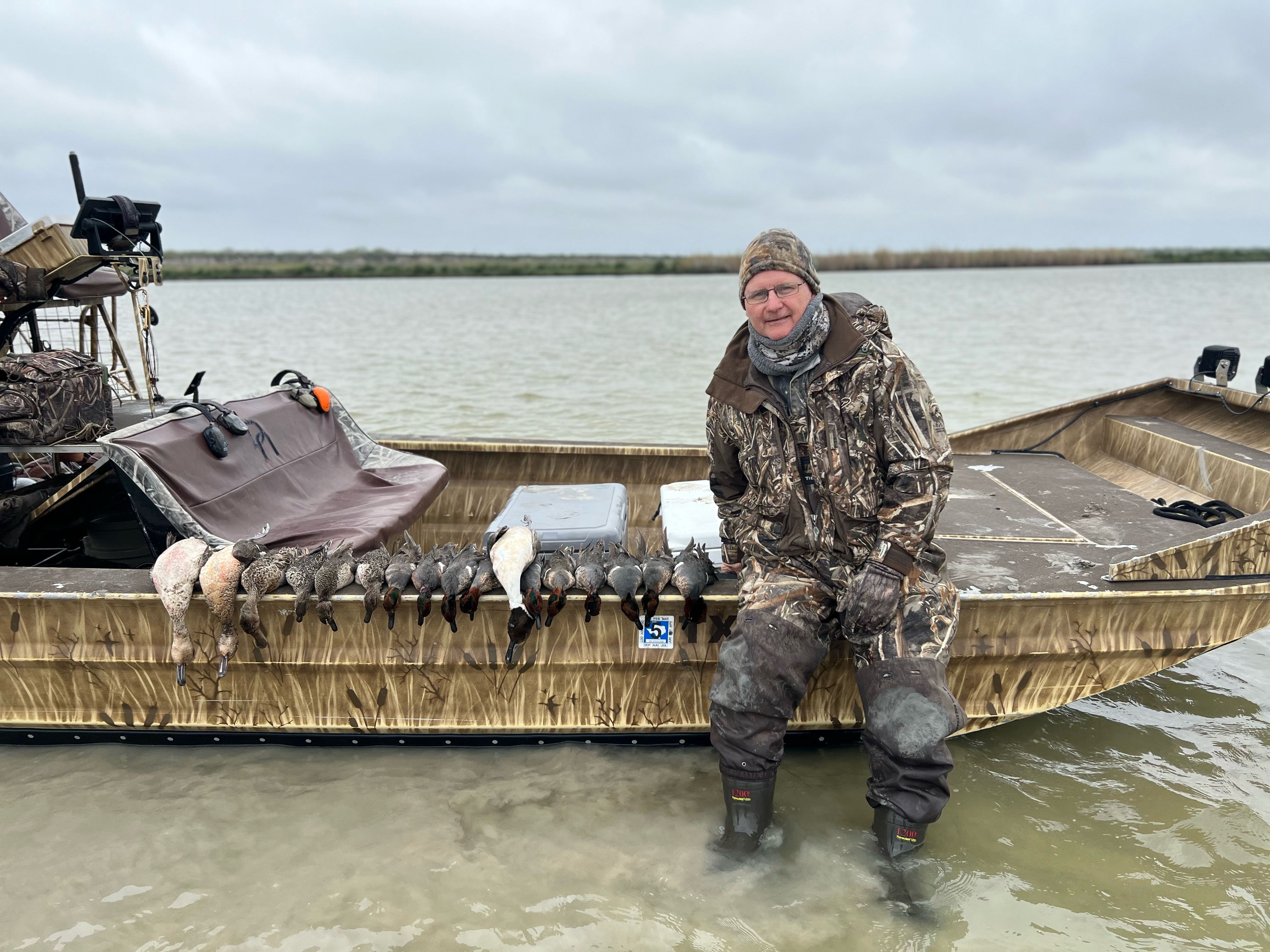
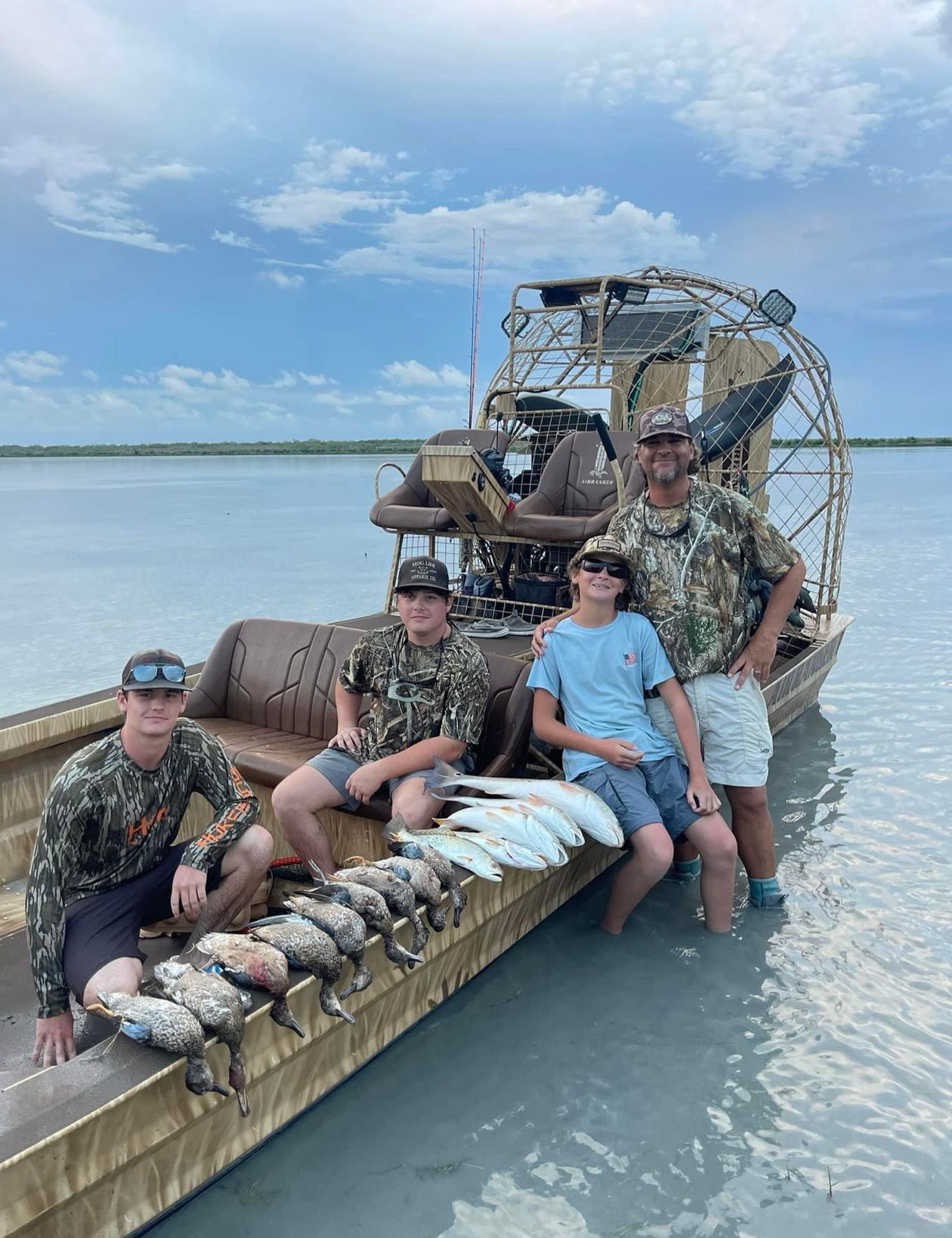
The duck hunting portion relies on reading weather patterns and wind direction. South winds push birds inland from the Gulf, while north winds concentrate them in protected bays and marshes around Port Mansfield. We use a mix of decoy spreads depending on conditions – sometimes a small pocket of dekes for nervous birds, other times larger spreads to pull in high flyers. The airboat gets us into spots other hunters can't reach, accessing remote ponds and backwater areas where pressure is minimal. For the redfish segment, we're working shallow flats in 12 to 24 inches of water. These reds are sight-fishing targets, so polarized glasses are essential. The technique switches from calling and concealment to stealth and presentation. Water clarity here is generally good, meaning you can spot fish before they see you – if you know how to read the signs. Look for nervous bait, subtle wakes, or the telltale copper flash when a red turns on its side to feed.
Target Game Breakdown
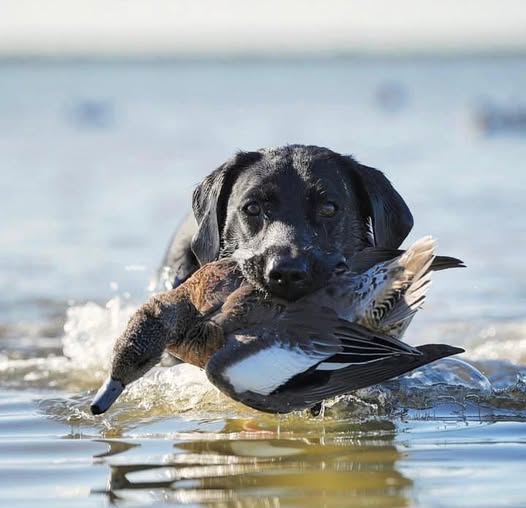
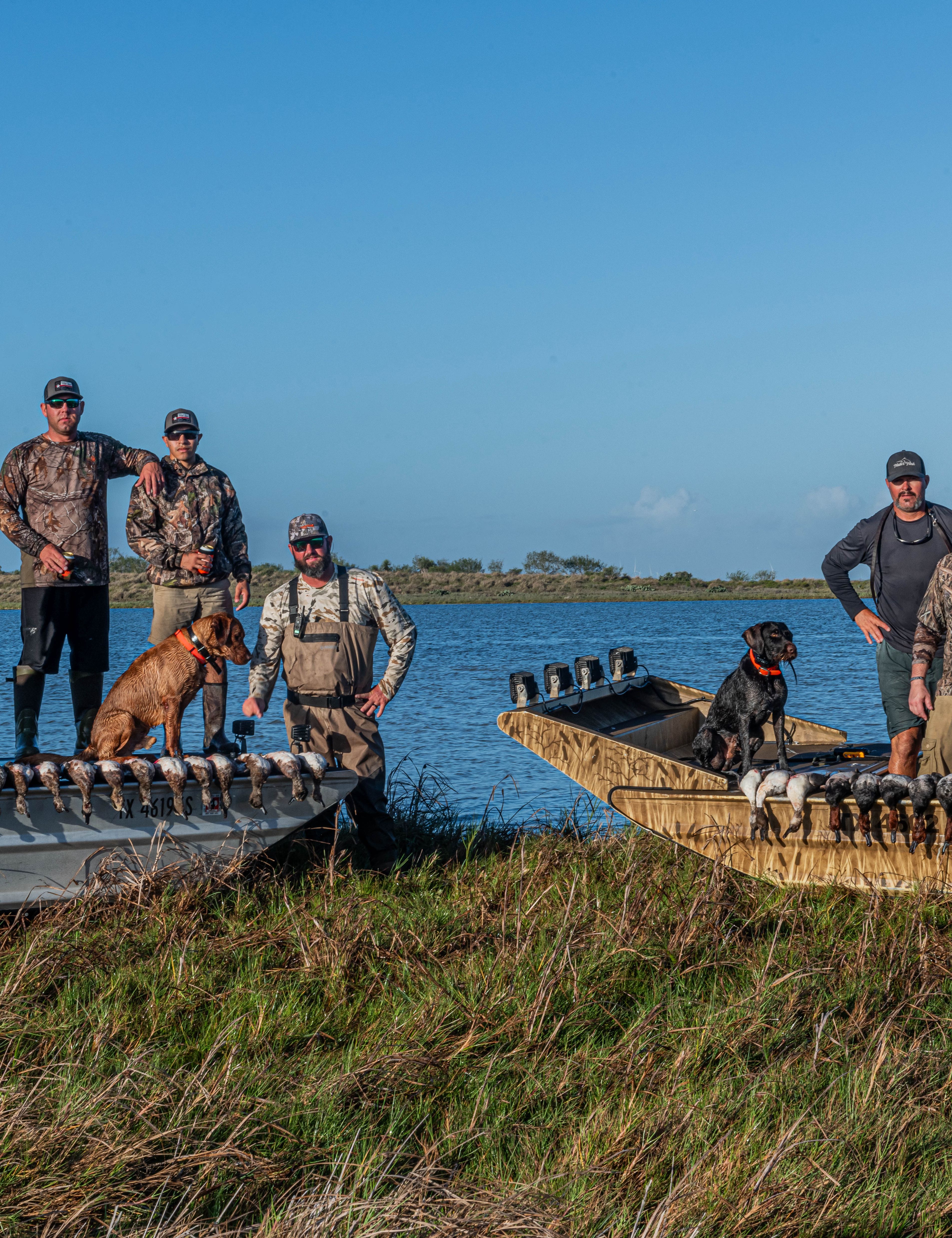
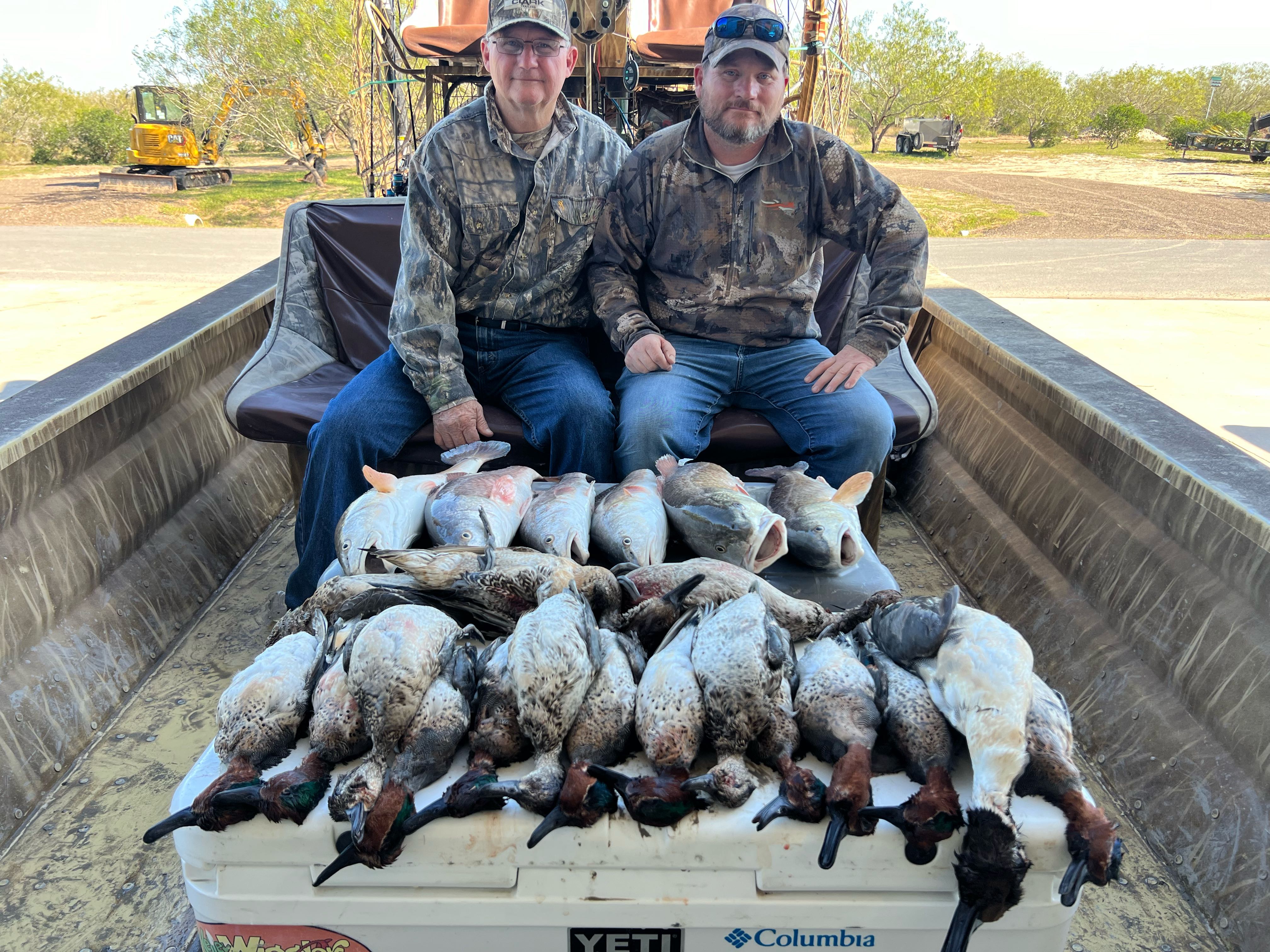
Redhead ducks are the stars of our morning show, and for good reason. These diving ducks migrate through Port Mansfield in serious numbers from November through February, with peak action typically hitting in December and January. Redheads are bigger than teal – mature drakes push two and a half pounds – and they decoy beautifully when conditions are right. They prefer deeper water than puddle ducks, which is why our blind placement is so critical. These birds commit hard once they decide to work your spread, giving you clean shots at reasonable ranges. Blue-winged and green-winged teal show up earlier in the season and provide fast-action shooting. They're smaller targets but make up for it with aggressive feeding behavior and willingness to buzz the decoys multiple times.
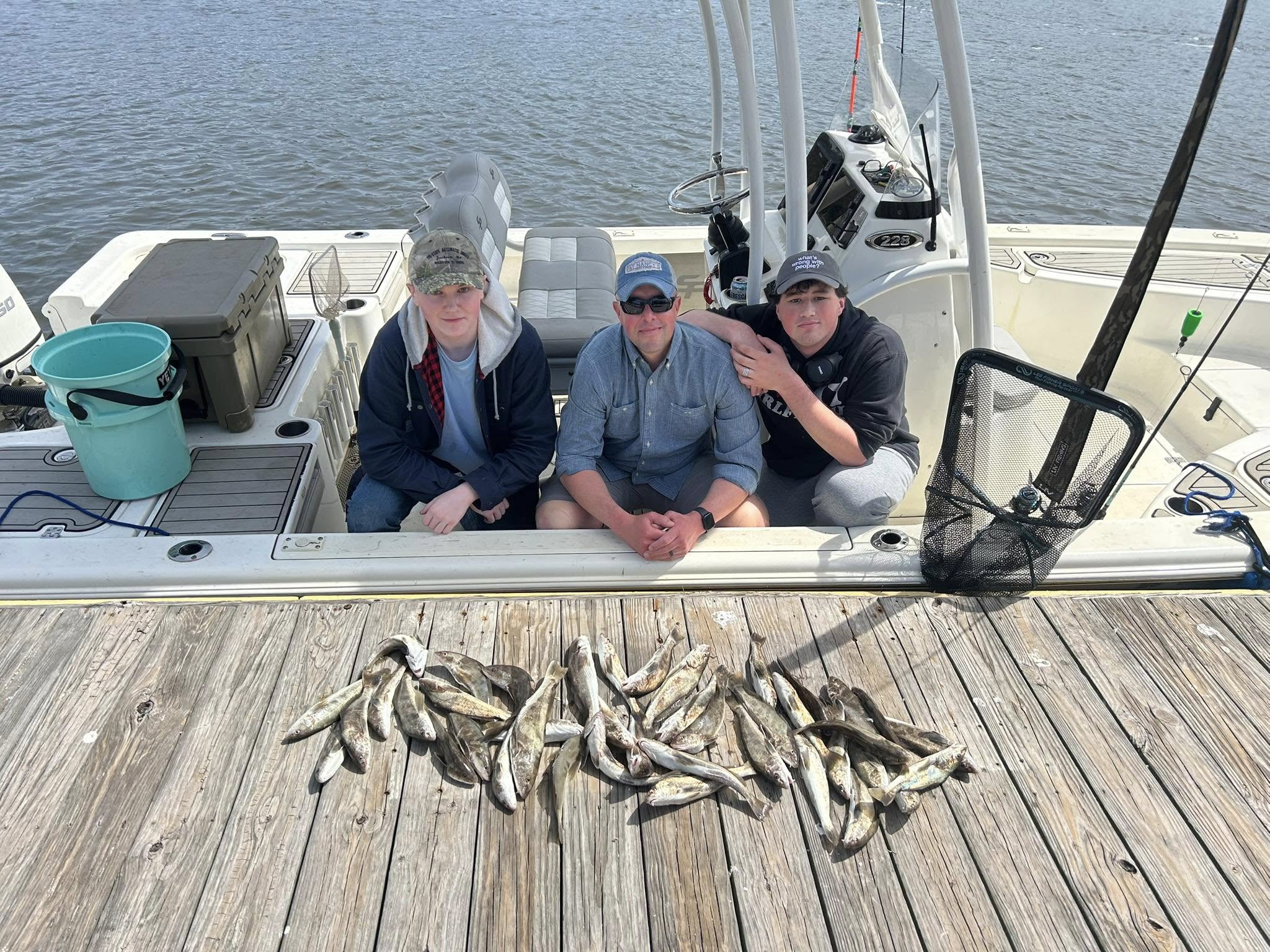
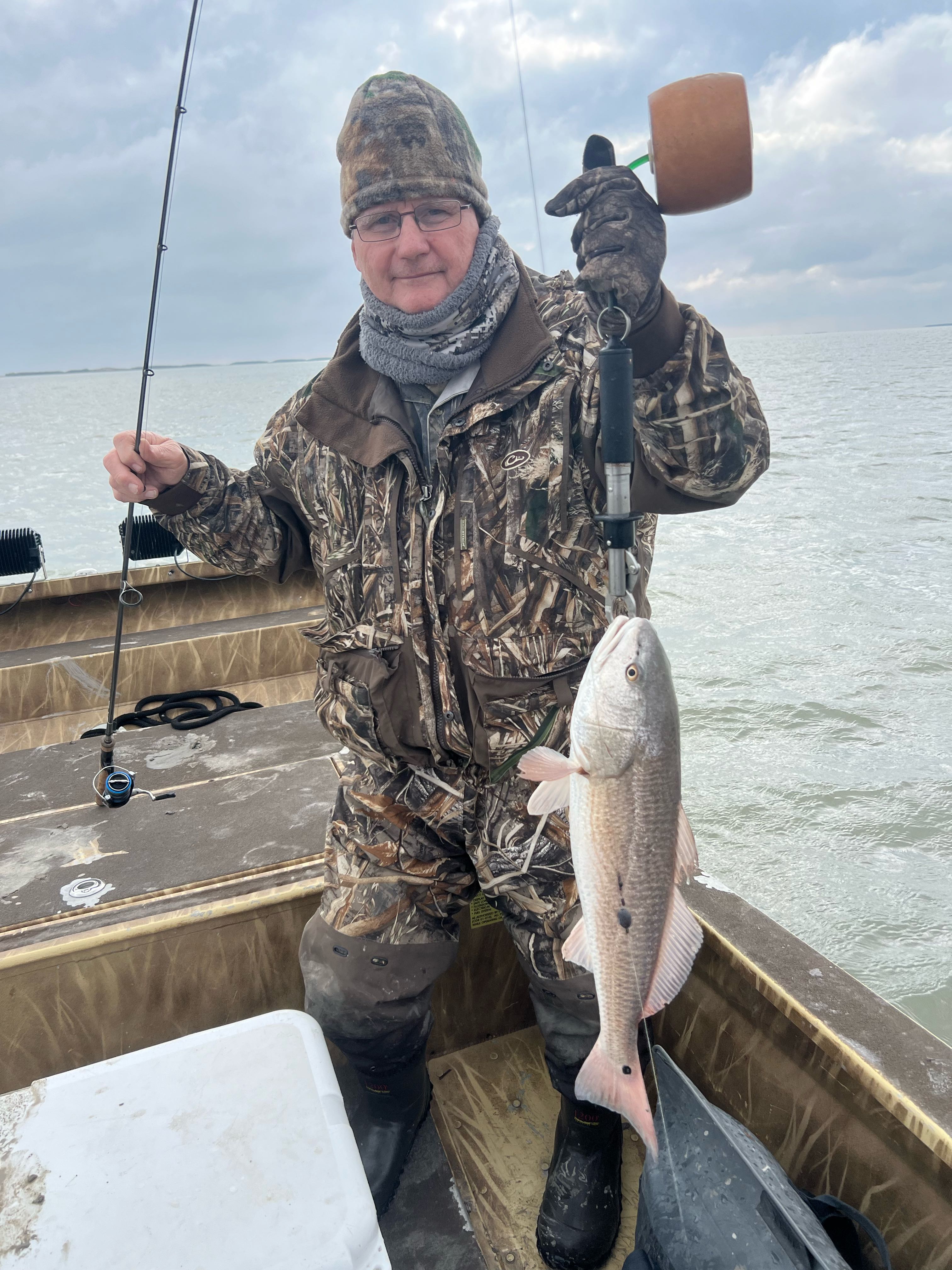
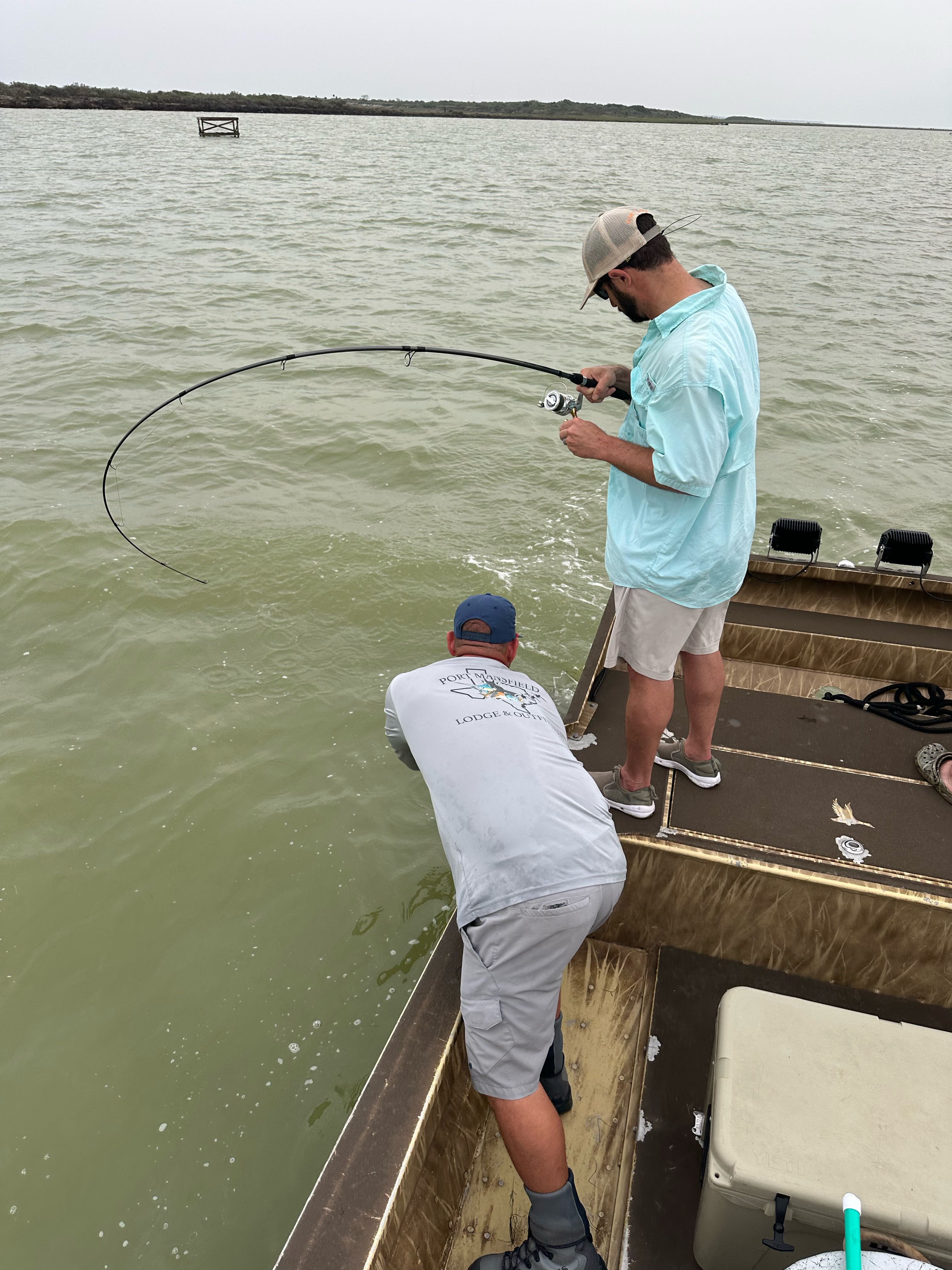
Redfish are the afternoon headliners, and South Texas reds are world-class game fish. These copper-colored bruisers average 24 to 28 inches in our waters, with plenty of slot-sized fish and the occasional bull red mixed in. What makes Port Mansfield reds special is their aggressive feeding behavior in shallow water. Unlike deeper-water fish that you might never see, these flats reds give you visual fishing opportunities. You'll watch them cruise the shallows, tails waving above the surface as they root for crabs and shrimp. The fight is remarkable – a good red will strip line and make multiple runs in the shallow water. They're notorious for their stamina, often making strong runs right to the boat. Peak redfish activity here runs from September through November and again in March through May, though we catch fish year-round when weather permits.
Pintails round out our waterfowl targets and represent some of the most challenging and rewarding duck hunting on the coast. These elegant birds are extremely wary and have exceptional eyesight, making proper concealment crucial. Northern pintails start showing up in good numbers by late October, with the best hunting typically from November through January. Mature pintail drakes are stunning birds with their chocolate-colored heads and distinctive white breast stripes. They're also excellent table fare, prized by hunters who appreciate wild game cooking. Pintails respond well to calling but require patience – they'll circle and study your setup more than other species before committing to the decoys.
Book Your Next Tag
This Cast and Blast combo represents serious value for hunters who want to experience the best of South Texas in a single day. At $325 per person with a minimum of three hunters, you're getting two guided trips with experienced local guides who know these waters intimately. The 4-hunter maximum keeps groups manageable and ensures everyone gets quality shooting opportunities. Bay Feather Outfitters provides all the specialized equipment for both portions of the trip, from decoys and blinds to fishing tackle and airboat transport. What you need to bring is your hunting license, duck stamp, fishing license, and the desire for a full day of outdoor action. Weather can change plans quickly on the coast, but that's part of what makes each trip unique. Book now to secure your dates – the best hunting and fishing windows fill up fast, especially during peak migration periods.
 Private Trip
 Airboat Hunts
 Port Mansfield
 Morning duck hunt targeting redheads, teal, and pintails.