Offshore Fishing Trip in Freeport, Texas
When you're ready to leave the crowds behind and fish where the big boys live, Capt. Scott Pierce has your ticket to the deep blue. His offshore fishing trips out of Freeport put you in prime Gulf of Mexico waters where serious anglers come to test their skills. Whether you've got 8 hours or want to go all-out with a 36-hour adventure, these private charters are built for folks who understand that the best fishing happens when you're willing to run past the weekend warriors. With room for up to 6 anglers, you'll have plenty of space to work without bumping elbows. Just remember to grab your Texas fishing license before you hit the dock.
What to Expect on the Water
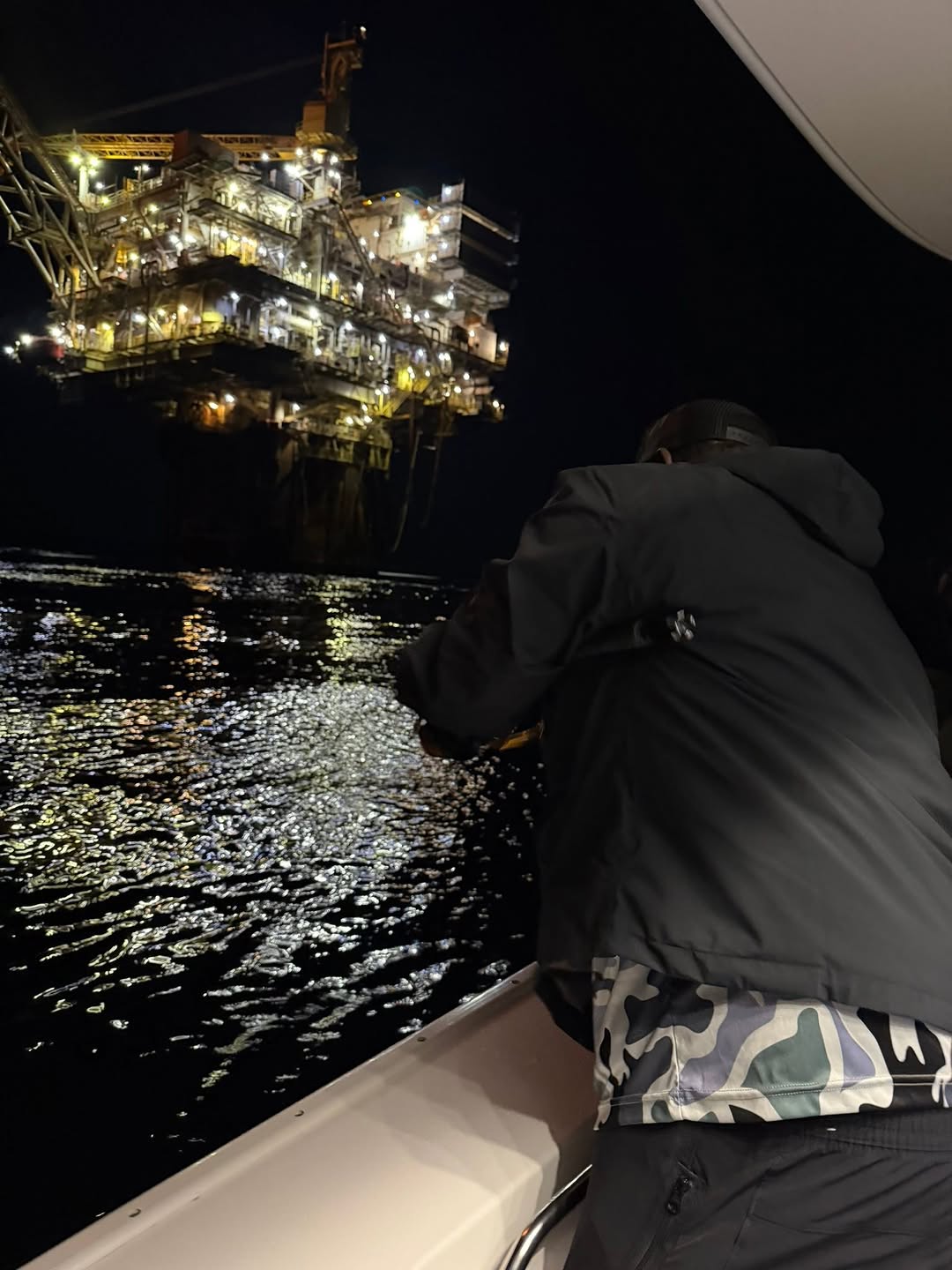
Capt. Scott knows these Gulf waters like the back of his hand, and he's not the type to waste your time or fuel running to spots that aren't producing. Depending on which trip length you choose, you'll be targeting different zones and different species. The 8-hour trips get you out to the near-shore structure and artificial reefs where the action can be fast and furious. Step up to the 12-hour option, and you're looking at deeper water with bigger fish and more elbow room. The 24 and 36-hour trips? That's when things get really interesting. You'll be hitting the deep-water rigs, natural banks, and blue water where the pelagics cruise. These longer trips aren't just about fishing time – they're about being out there when the fish are most active, especially during those magic hours at dawn and dusk. The captain runs a tight ship when it comes to safety, but he's also focused on putting fish in the box. Expect to move around based on what the fish are telling you, and don't be surprised if you end up trying techniques you've never used before.
Techniques and Tackle
Out in the Gulf, versatility is king. Depending on what's biting and where you're fishing, you might find yourself bottom fishing heavy structure with 8-ounce sinkers and stout tackle, or working the surface with topwater plugs when the fish are busting bait. Live bait is often the ticket – fresh-caught pogies, cigar minnows, and ribbonfish that the captain nets up on the way out. When you're working the deep rigs, you'll be dropping big baits on heavy conventional reels spooled with 50 to 80-pound line. The structure down there eats light tackle for breakfast, so don't expect to horse fish up on your bass gear. For the pelagic action, trolling is the name of the game. Spreader bars, naked ballyhoo, and diving plugs cover water efficiently and trigger strikes from fish that might otherwise cruise right past. Circle hooks are the standard for most applications – they hook fish in the corner of the mouth and dramatically improve survival rates for anything you're releasing. The captain provides all the tackle you need, but if you've got favorite rods or reels, feel free to bring them along. Just make sure your drag systems are smooth and your reels are serviced – a seized reel 40 miles offshore is nobody's idea of fun.
Species You'll Want to Hook
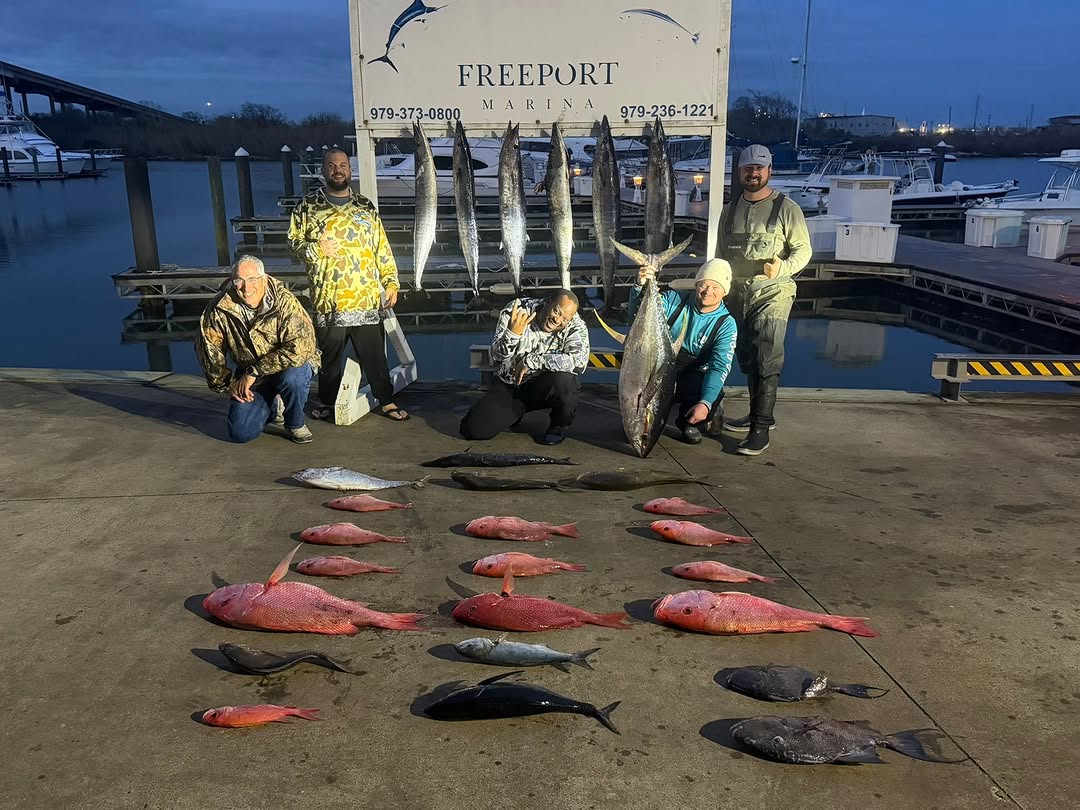
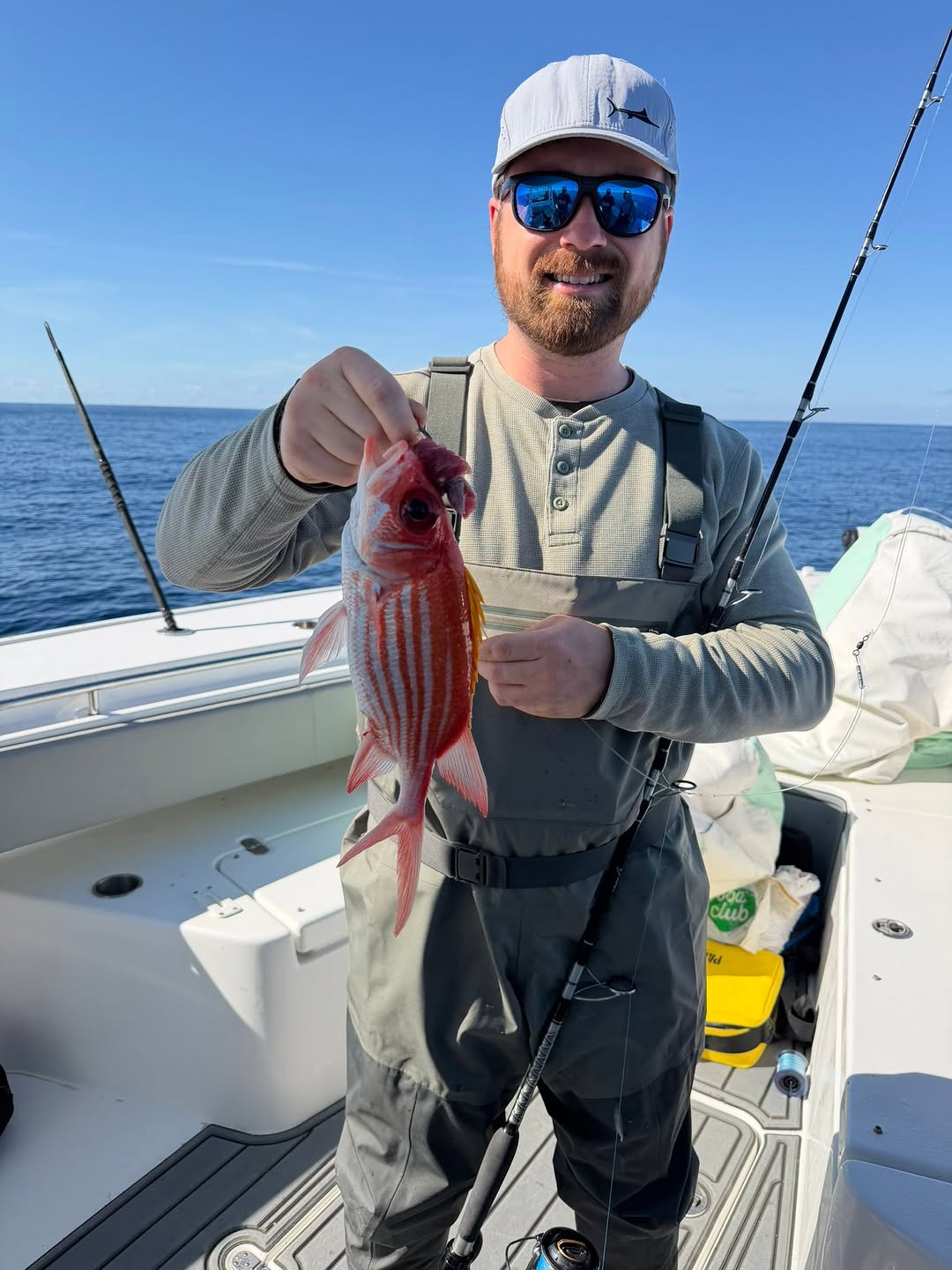
The Gulf of Mexico off Freeport serves up a menu of hard-fighting fish that'll test every bit of tackle and technique you can throw at them. Red snapper are the bread and butter of many trips, especially around the artificial reefs and natural hard bottom. These crimson bruisers average 5 to 15 pounds, with legitimate 20-pounders showing up regularly. They're structure-oriented fish with an attitude – they'll hit hard, dive straight back to cover, and test your drag system every time. Peak season runs from June through August during federal waters seasons, but when they're open, the action can be absolutely lights-out. What makes snapper so addictive isn't just their fight – they're absolutely delicious, with firm white meat that's perfect for the dinner table.
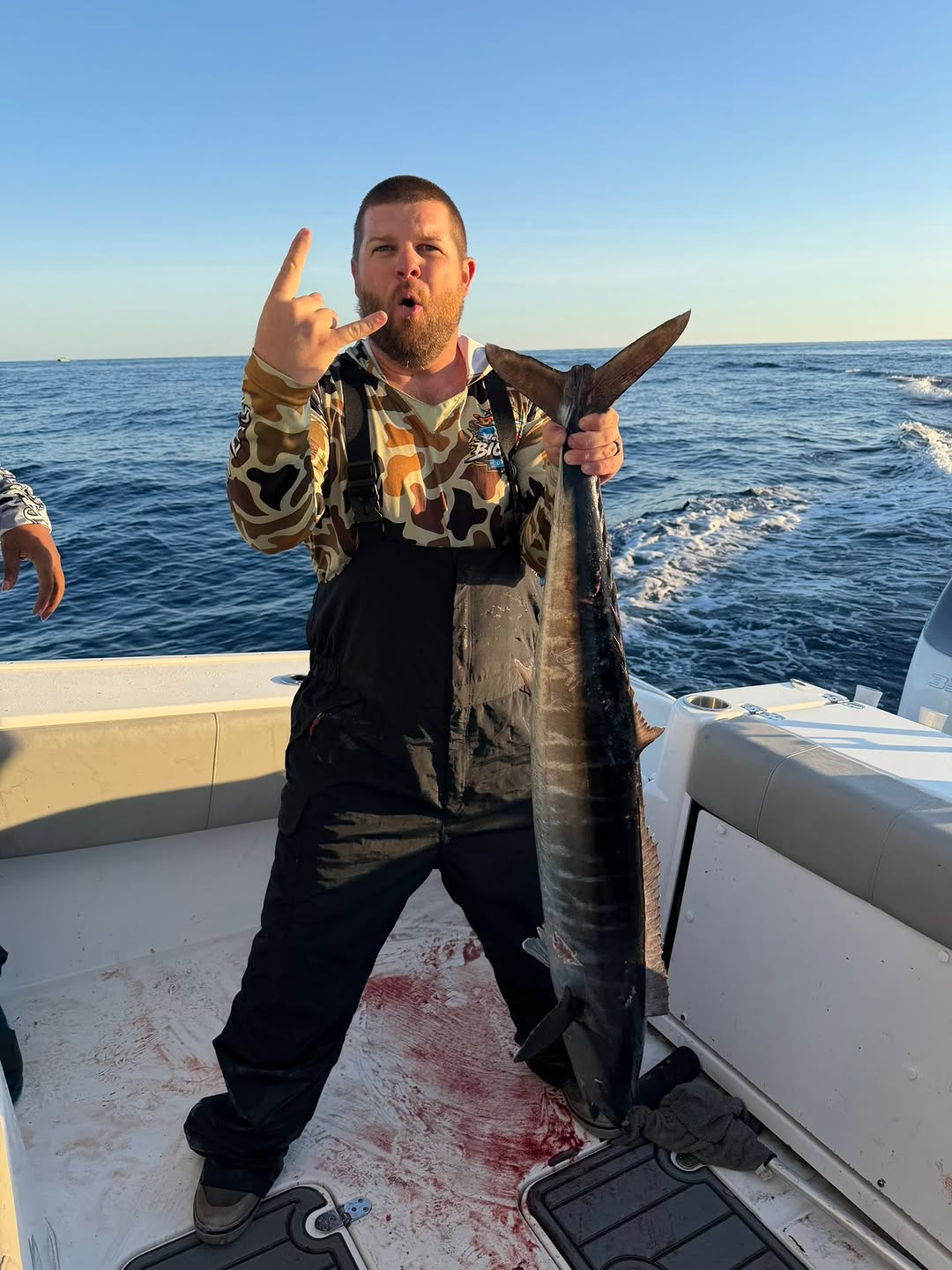
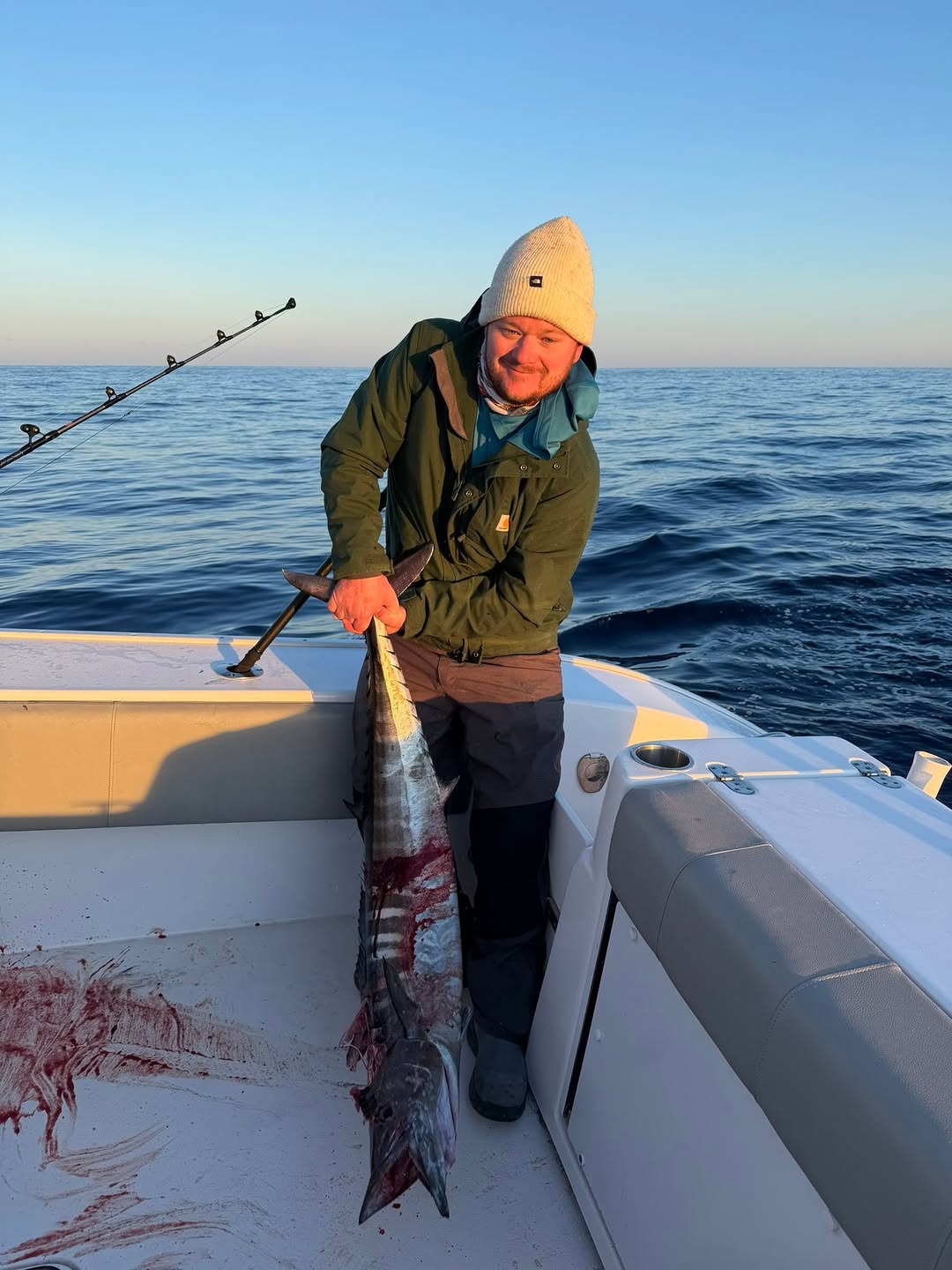
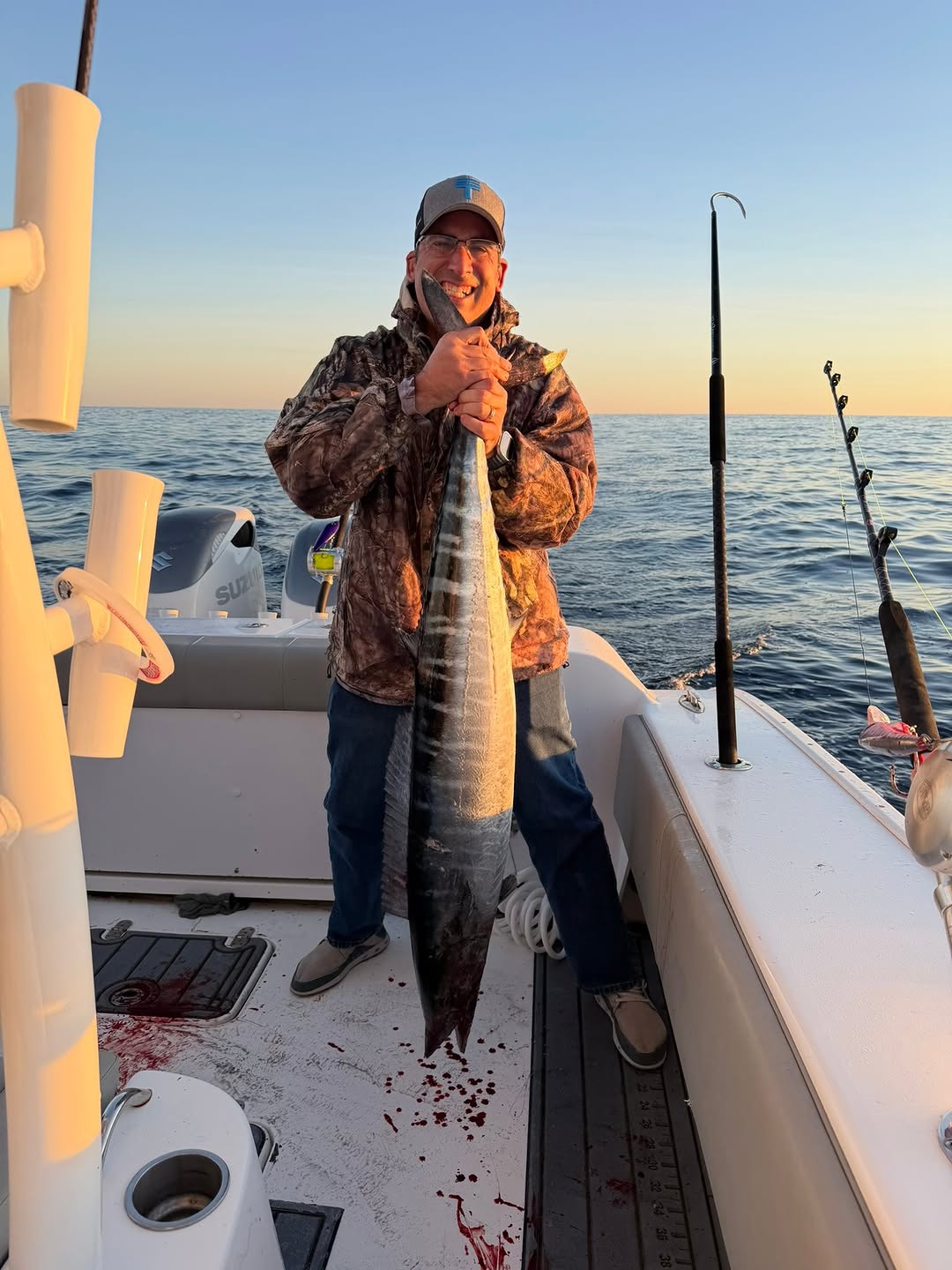
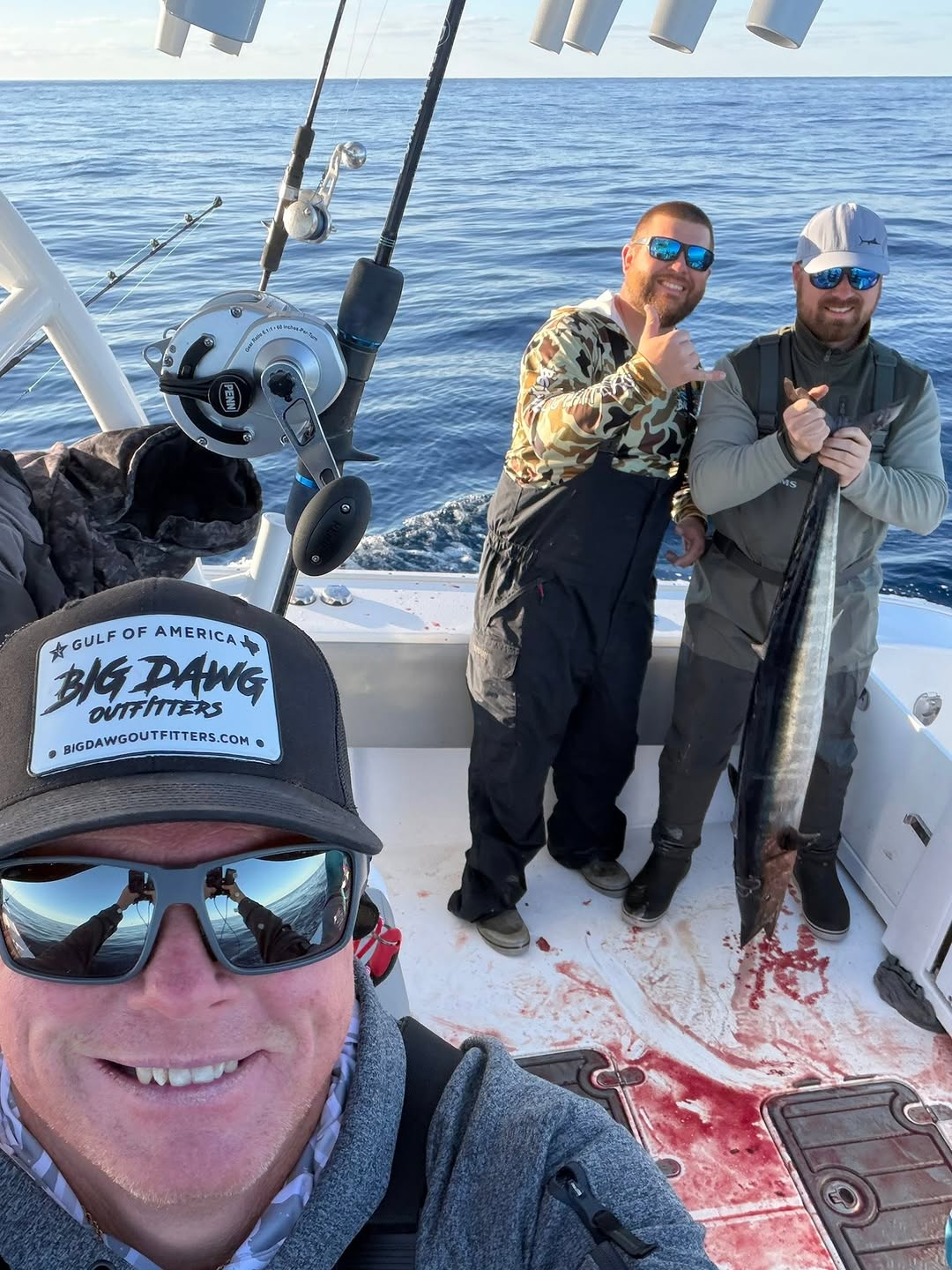
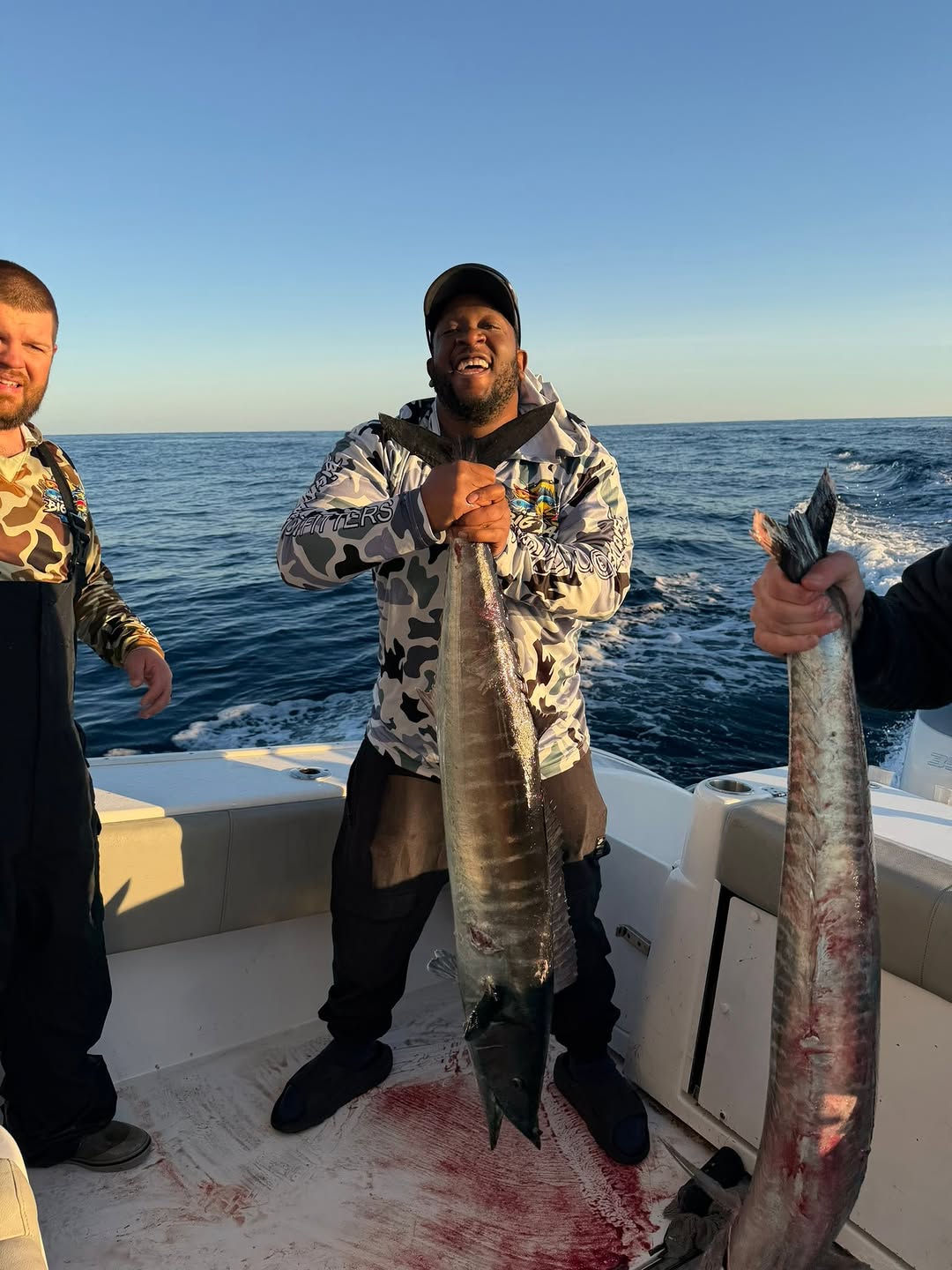
King mackerel patrol the deeper waters and structure edges, and when they're feeding, it's some of the most exciting fishing in the Gulf. These silver bullets can stretch 20 to 40 inches and weigh anywhere from 10 to 30 pounds, with occasional giants pushing 50 pounds or more. Kings are speed demons – they'll hit a trolled bait at 15 knots and peel 200 yards of line before you can blink. Spring and fall are prime time, when bait schools are thick and the kings are aggressive. They're ambush predators that use their razor-sharp teeth to slash through schools of Spanish mackerel, ribbonfish, and other baitfish. The fight is all about that initial run – if you can turn them, you're usually in good shape, but if they get their head down and start moving, you're along for the ride.
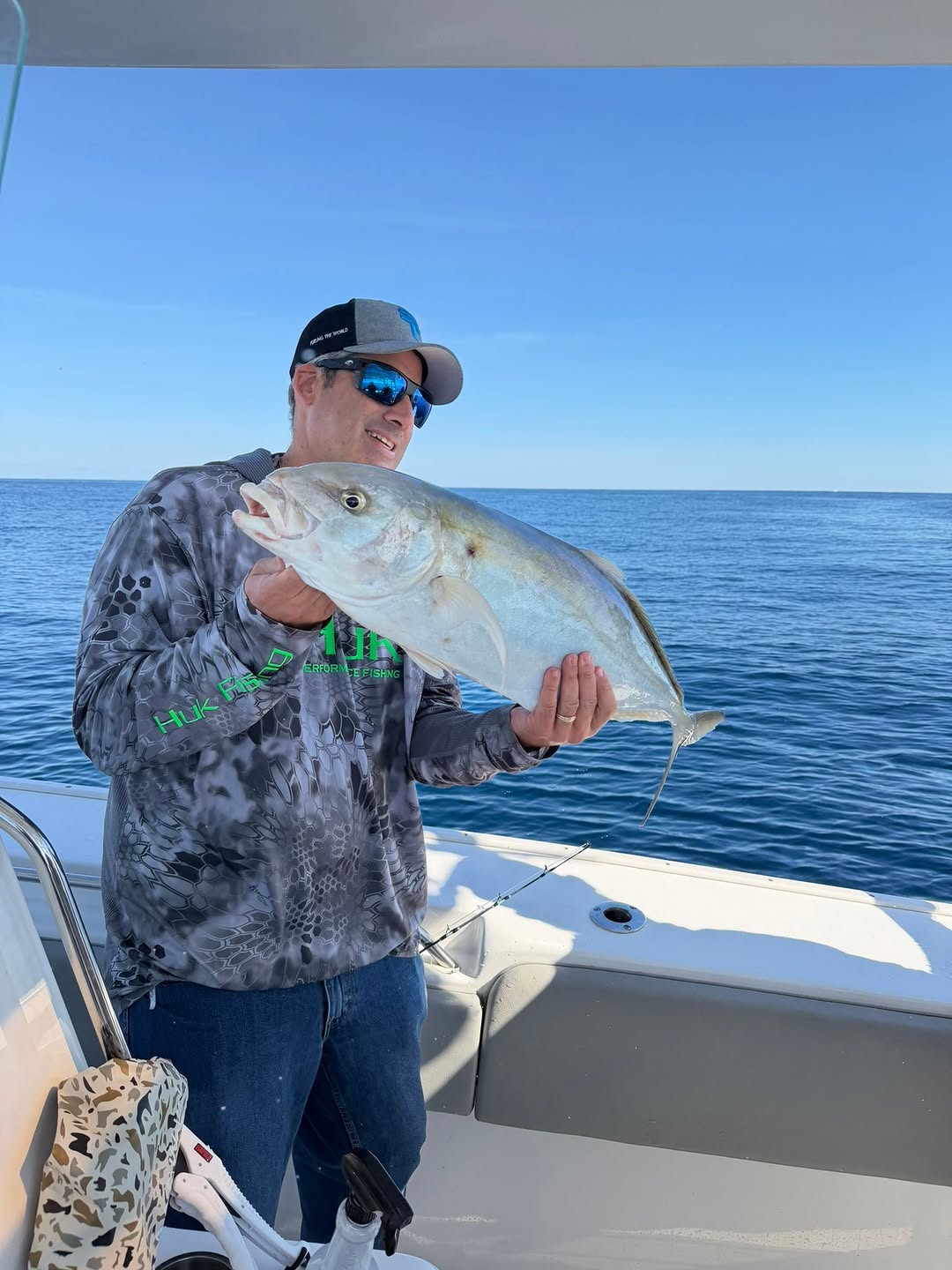
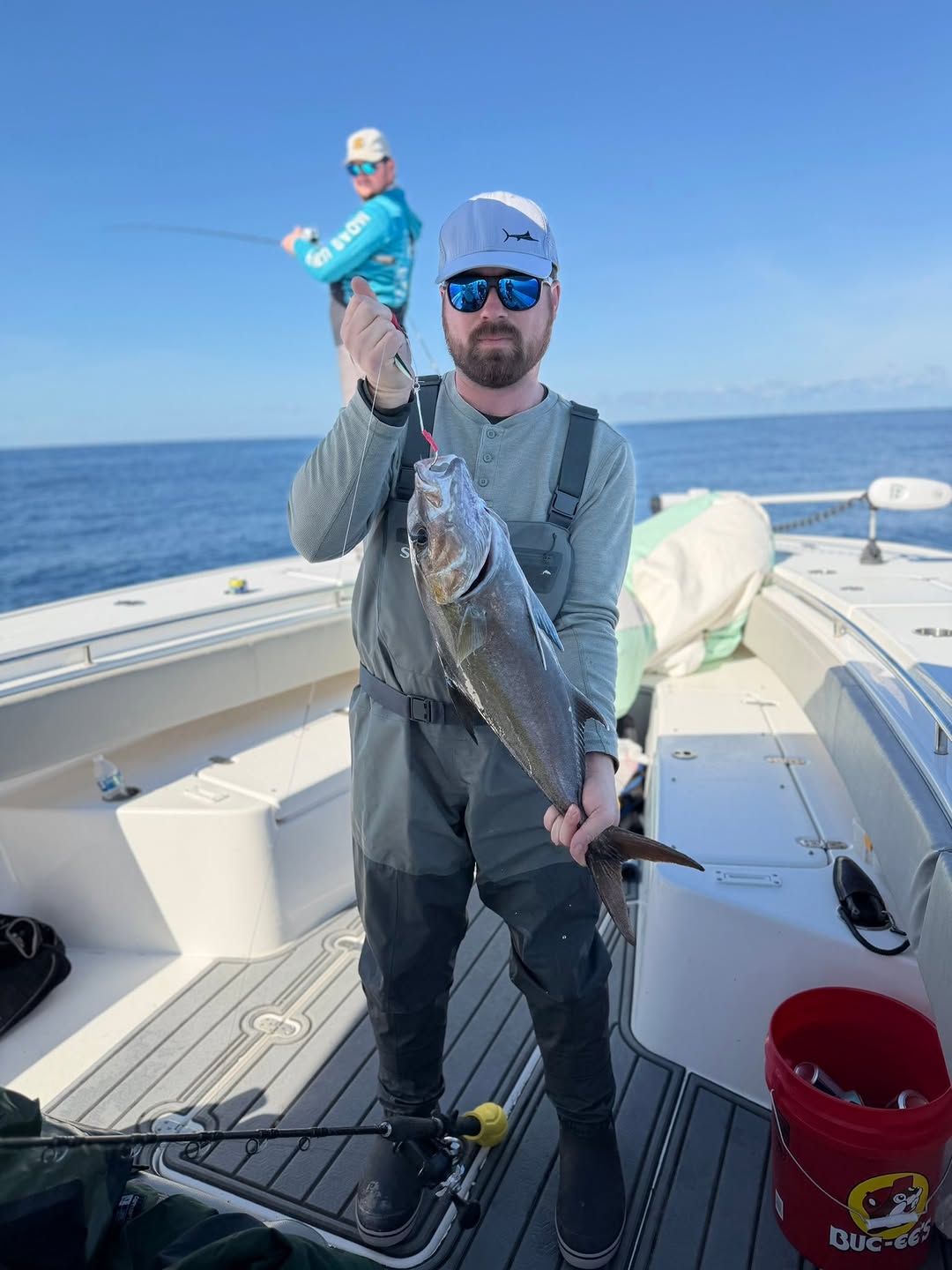
Amberjack are the bullies of the deep structure, and they'll give you a workout that rivals any fish in the Gulf. These bronze bruisers live around the deep rigs and wrecks, often in 100 to 200 feet of water. A good jack can weigh 40 to 80 pounds, and they use every ounce of that weight to try to get back to their structure. The fight is straight down, pure power, and absolutely relentless. They're year-round residents, but spring and fall offer the most consistent action. What makes jacks so challenging is their stamina – they'll fight hard for 20 minutes straight, and just when you think you've got them whipped, they'll make another powerful run toward the bottom.
Cobia are the wild cards of offshore fishing – they show up when you least expect them and disappear just as quickly. These brown sharks-lookalikes can exceed 50 pounds and are curious fish that will often follow hooked fish to the boat. They're structure-oriented but also cruise open water, especially around floating debris or weed lines. Spring migration brings the biggest numbers, usually
 Private Trip
 Offshore Fishing
 Lake Livingston
 Private offshore fishing trips with flexible 8-36 hour options