Fernandina Charter Fishing
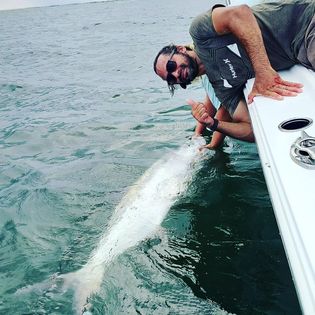
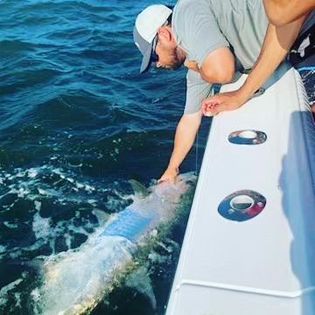
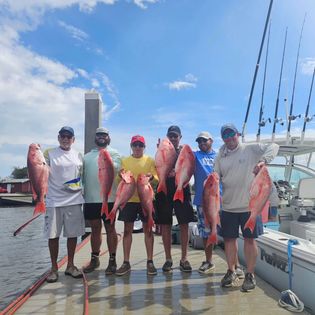
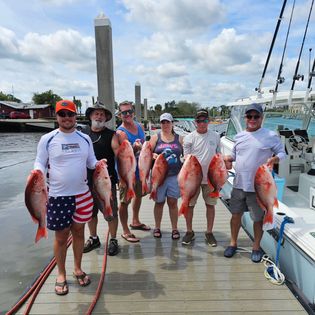
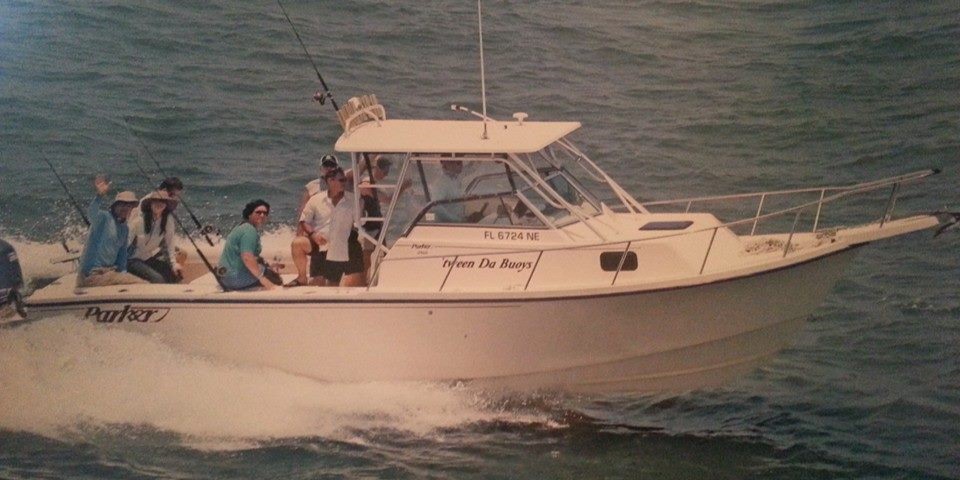
When you're looking for serious offshore action, Big Fin Charters delivers the kind of fishing that keeps anglers talking long after they're back on dry land. Our Fernandina Beach charters take you 20 to 50 miles out into the Atlantic, where the big fish roam and the water runs deep blue. With flexible departure times and room for up to 6 anglers, this isn't your typical inshore trip – we're talking about real offshore fishing where the pelagics cruise and the bottom dwellers stack up on structure.
What to Expect on the Water
Once we clear the inlet and head offshore, you'll feel the difference as the continental shelf drops away beneath us. The Gulf Stream influence brings baitfish close to our fishing grounds, and where there's bait, there's big fish. Our captains know these waters like the back of their hand – every ledge, every temperature break, every piece of structure that holds fish. We'll be running multiple techniques depending on what's biting: trolling spread for pelagics, dropping bottom rigs on structure, and adjusting our approach based on what the fish are telling us. The boat's rigged with quality tackle, but if you've got your own setup and prefer using it, that's fine by us. Just remember, this is offshore fishing – the fish are bigger and stronger out here, so make sure your drag is set right and you're ready for a fight.
Techniques and Tackle
Offshore fishing demands different approaches than what you'd use closer to shore. We'll typically start with a trolling spread using ballyhoo, cedar plugs, and diving plugs to cover water and locate active fish. Once we mark fish or hit a productive area, we might switch to live bait fishing or drop down to the bottom with heavy tackle. The depth out here ranges from 60 feet on the nearshore reefs to over 200 feet on the deeper structures, so we're using appropriate weights and sinkers to get down fast. Our reels are spooled with 30-50 pound test, and we've got wire leaders ready for the toothy critters like kings and barracuda. Circle hooks are the standard for bottom fishing – they hook fish in the corner of the mouth and reduce gut hooking, which means better survival rates for released fish. When we're targeting cobia or mahi, we might sight fish if conditions are right, which adds a whole different level of excitement to the day.
Species You'll Want to Hook
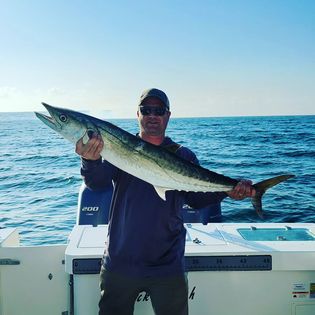
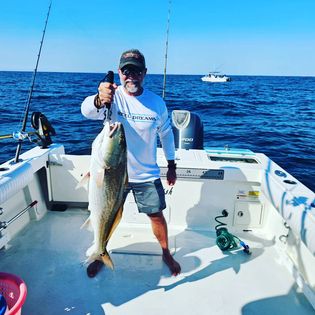
King Mackerel are the bread and butter of our offshore trips, and these silver rockets will test your reflexes and your tackle. These fish cruise the 40-80 foot range most of the year, with peak action from April through October. They'll hit a trolled bait at 15 knots without warning, and that first run will strip line off your reel faster than you'd expect. Kings average 15-30 pounds out here, but we see plenty of fish in the 40+ pound range. What makes them special is their speed and their teeth – razor-sharp choppers that'll cut through mono in a heartbeat, which is why we use wire leaders.
Mahi Mahi are the most colorful fight you'll experience offshore, and when we find them, they're usually traveling in schools. These fish love floating debris, weed lines, and temperature breaks, typically in 100+ feet of water. Spring through fall is prime time, with the bigger bulls showing up in late spring. A mahi will light up in electric blues and greens when it's fighting, putting on a show as it jumps and bulldogs near the boat. They're also excellent table fare, which makes them a favorite among anglers who like to take fish home.
Great Barracuda are the aggressive predators that'll hit just about anything that moves too fast near them. These toothy missiles can exceed 4 feet in length and they're found around structure and in open water. They're ambush predators with incredible acceleration, and they'll often follow a hooked fish right to the boat before deciding to strike. The bite is explosive and the initial run is blistering fast. Most anglers target them while fishing for other species, but when you hook into a big cuda, you'll know it immediately.
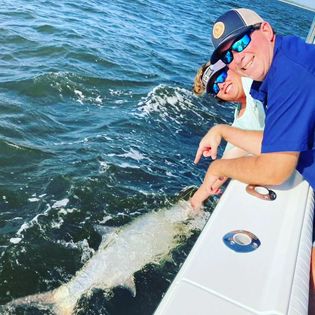
Cobia are the gentle giants that cruise our offshore waters, especially around structure and floating debris. These bronze-colored fish can reach 50+ pounds and they're known for their curious nature – they'll often swim right up to the boat to investigate. Spring migration brings the big fish through our area, typically April through June. They're sight fish much of the time, which means you'll see them swimming near the surface before you cast. The fight is more of a power struggle than speed, and they're considered some of the best eating fish in the ocean.
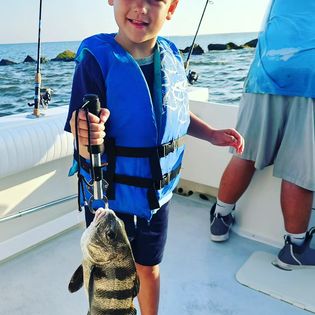
Gag Grouper are the bottom dwellers that test your ability to turn a fish's head before it reaches structure. These guys live around rocks, ledges, and wrecks in 60-200 feet of water, and they know exactly where to run when hooked. The key is putting maximum pressure on them immediately – hesitate and they'll wrap you around structure faster than you can blink. They're most active during cooler months, roughly October through March, and they're prized for their firm white meat. A good gag will thump your rod tip before the bite, giving you a split second warning before the fight begins.
Time to Book Your Spot
This is the kind of offshore fishing that separates the casual anglers from the serious ones. When you're 30 miles offshore with the coast just a thin line on the horizon, surrounded by deep blue water and the possibility of hooking into the fish of a lifetime, you'll understand why offshore fishing gets into your blood. Our flexible departure times mean we can work around your schedule, and with space for 6 anglers, you can bring your crew or join other serious fishermen for the day. The fish are out there year-round, but they're not going to wait forever. Book your Fernan
 Private Trip
 Offshore Fishing
 Jacksonville


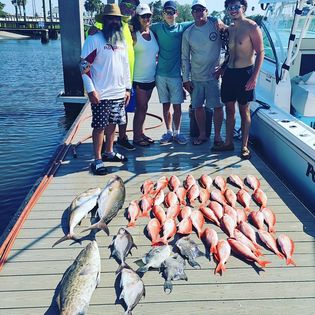
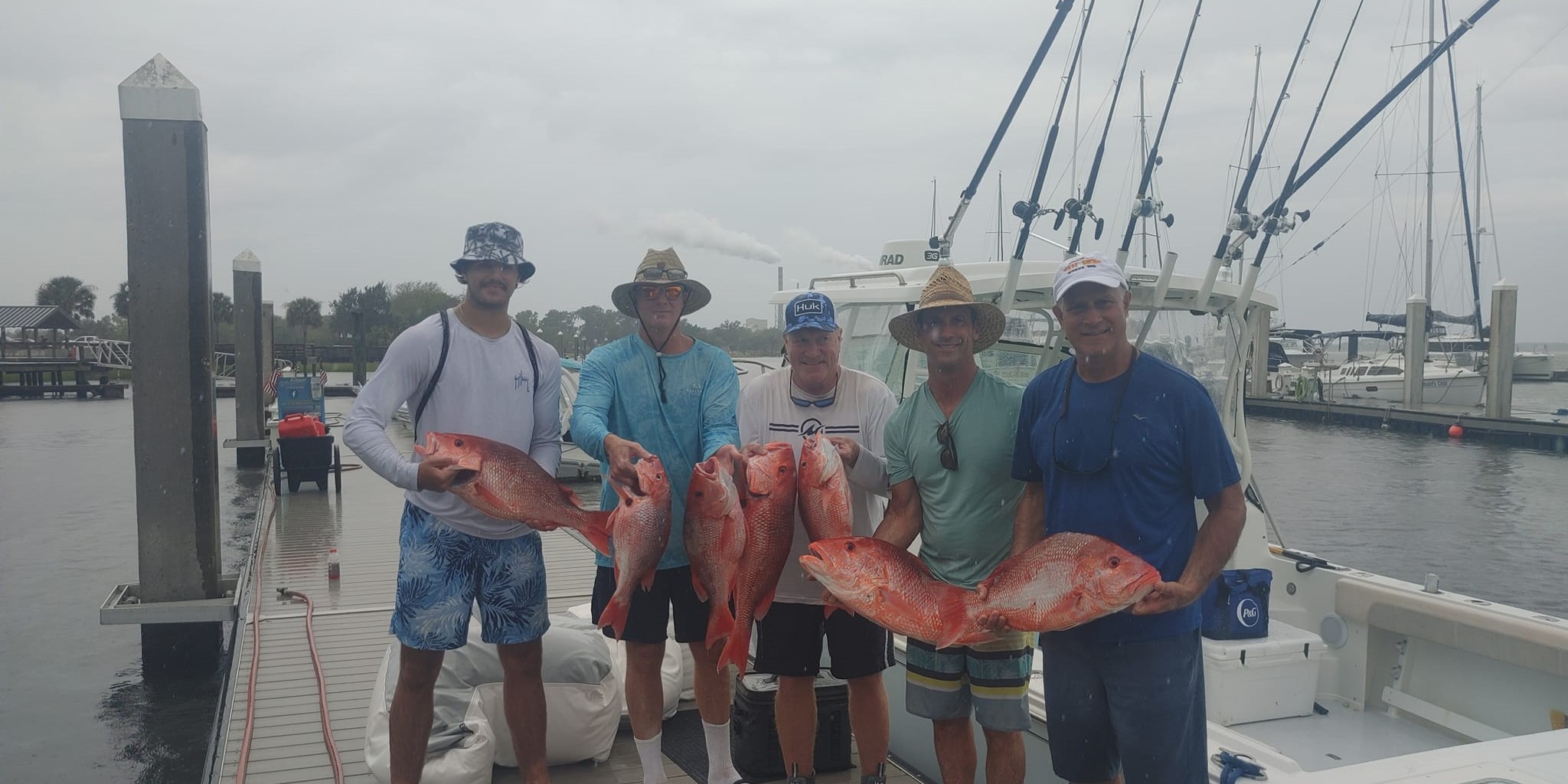
 Offshore fishing adventure targeting Mahi, Snapper, and Grouper species