Deep Sea Fishing Little River
Picture this: you're eight hours deep into some of the most productive offshore waters along the South Carolina coast, and your drag is screaming as something big takes off with your bait. That's exactly what you're signing up for with Big O's Fishing Charters out of Little River. This isn't your typical half-day trip where you're rushing back to the dock just when the bite gets hot. We're talking a full day of serious fishing in waters that consistently produce trophy-class fish. Little River sits perfectly positioned between the Gulf Stream influence and the productive nearshore ledges, giving you access to both pelagic species and bottom dwellers that call these reefs home. Captain Big O knows these waters like the back of his hand, and he's got the track record to prove it. You'll be fishing from a well-maintained charter boat that's built for comfort during those long runs to the fishing grounds. The best part? Everything's included except your lunch – licenses, tackle, bait, and they'll even clean your catch so you can head home with fillets ready for the grill.
What to Expect on the Water
Your day starts early – and I mean early. Most offshore trips leave the dock before sunrise to maximize your time on the productive fishing grounds. The ride out can take anywhere from 45 minutes to over an hour depending on where the fish are biting, but that's part of the game when you're chasing quality fish. Big O runs a comfortable boat that handles the Atlantic swells well, so even if you're not the strongest sea legs, you'll be fine once you get your bearings. The captain keeps tabs on water temps, bait movements, and recent reports to put you on the most active spots. Some days that means hitting the nearshore reefs in 60-80 feet of water, other days you might find yourself in 120+ feet working the deeper ledges where the big grouper hang out. The crew knows how to read the conditions and adjust the game plan accordingly. Weather plays a huge role in offshore fishing, so flexibility is key. If the seas are lumpy, they might focus more on bottom fishing in protected areas. When it's slick calm, that's prime time for trolling and covering water to find the pelagics.
Techniques and Tackle
Big O's crew runs a mixed bag approach that gives you the best shot at multiple species throughout the day. You'll spend time bottom fishing with heavy conventional tackle, dropping live or cut bait down to structure where grouper, snapper, and other reef fish congregate. The boat carries quality Penn and Shimano reels spooled with heavy braided line – usually 50-80 pound test depending on what you're targeting. For bottom fishing, you're looking at circle hooks ranging from 5/0 to 8/0, with enough weight to hold bottom in the current. When conditions are right, they'll break out the trolling spread using a combination of ballyhoo, cedar plugs, and diving plugs to cover different parts of the water column. Trolling speed typically runs between 6-8 knots, with lines set at various distances behind the boat to avoid tangles. The captain adjusts the spread based on what's been producing – sometimes that means pulling deep diving plugs for kings, other times it's surface baits for mahi. Live bait fishing is another weapon in the arsenal, especially when they mark bait schools on the fish finder. Fresh caught cigar minnows, blue runners, or pogies can be absolute dynamite when fished around structure or in open water where predators are hunting.
Top Catches This Season
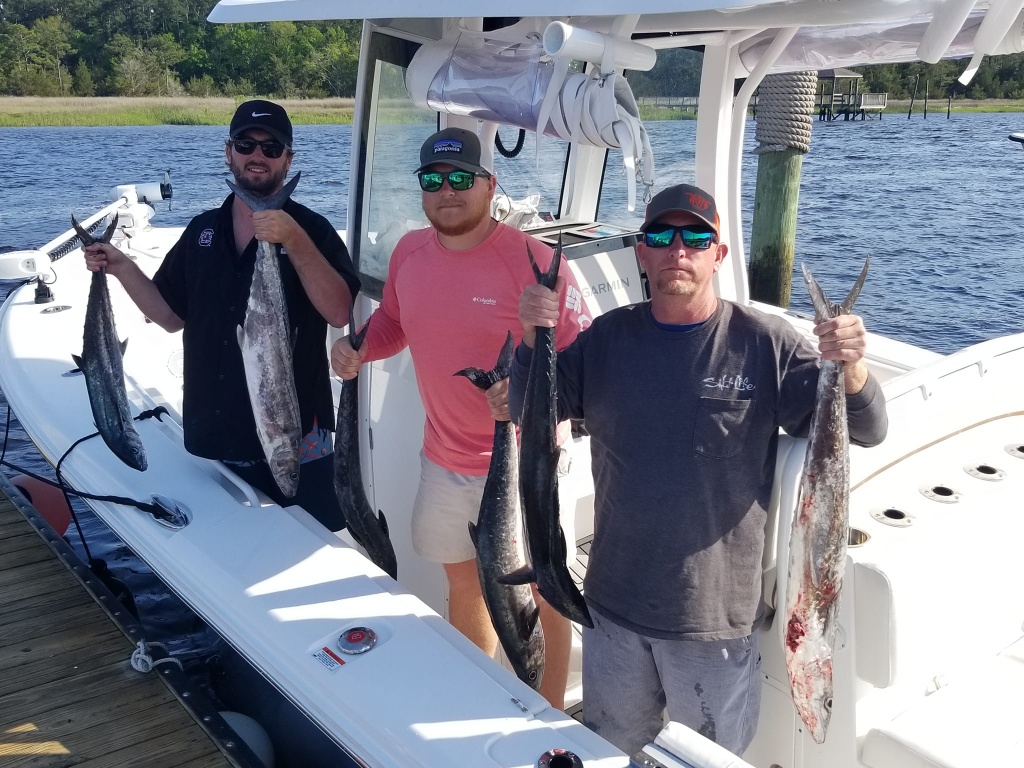
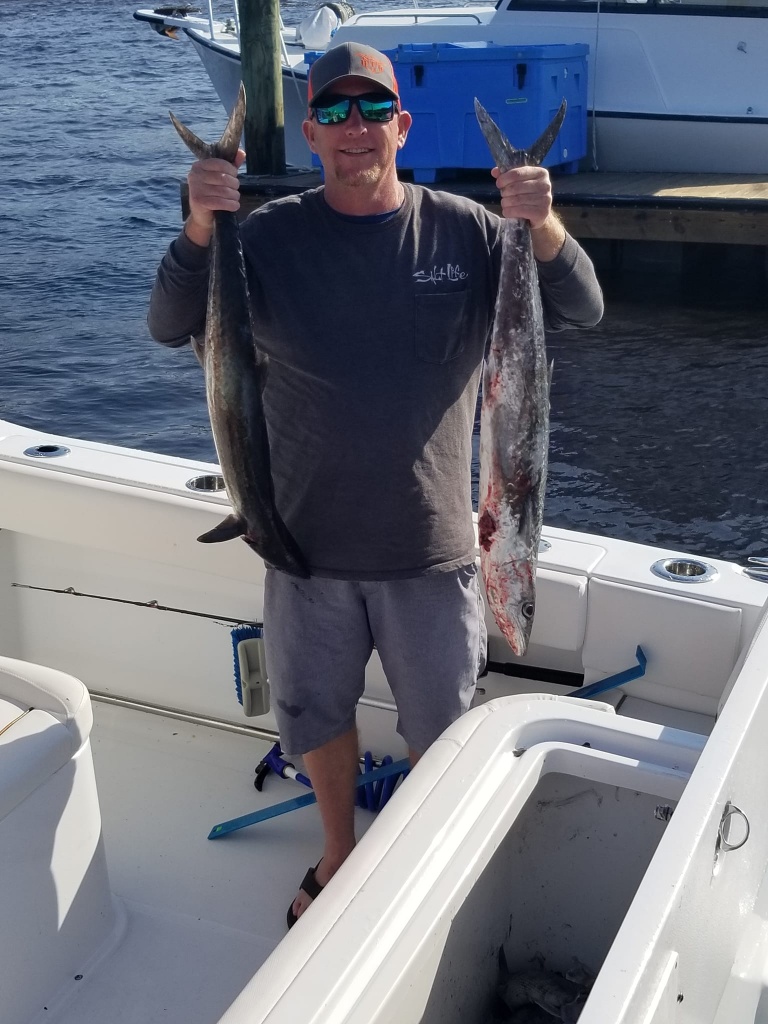
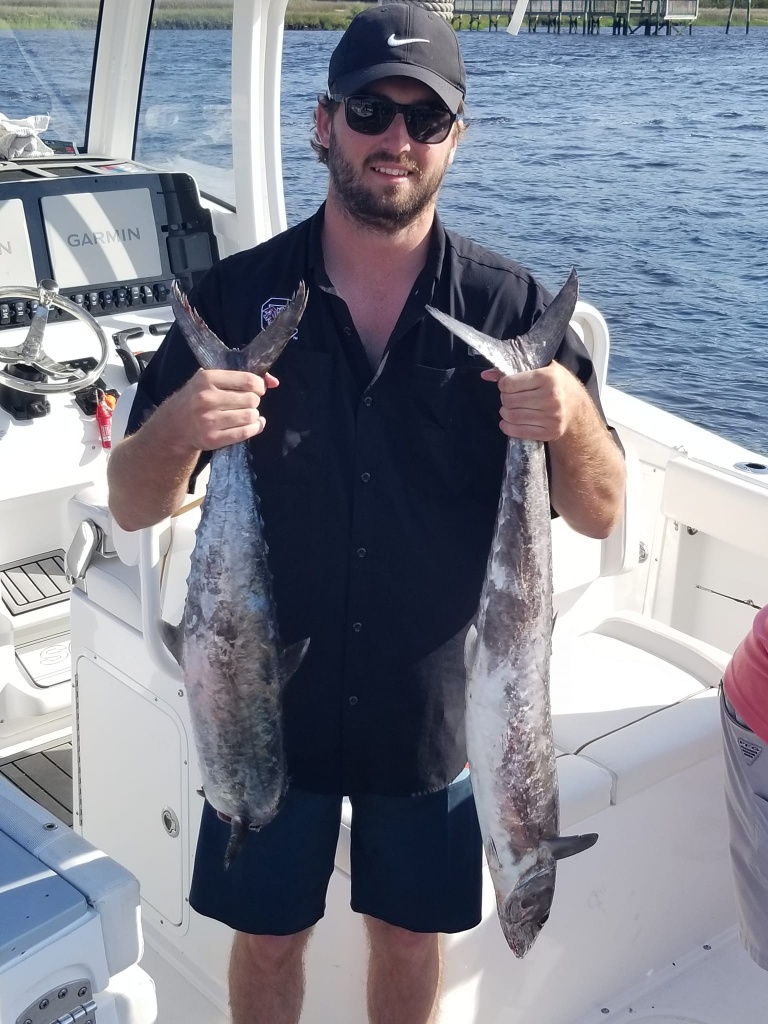
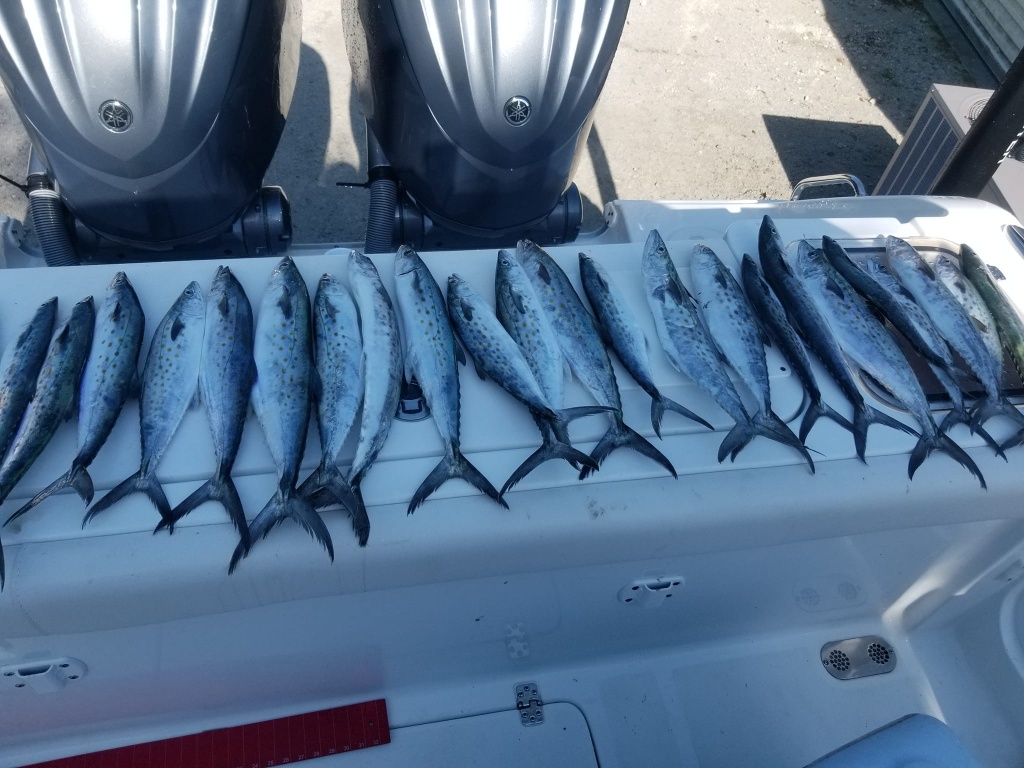
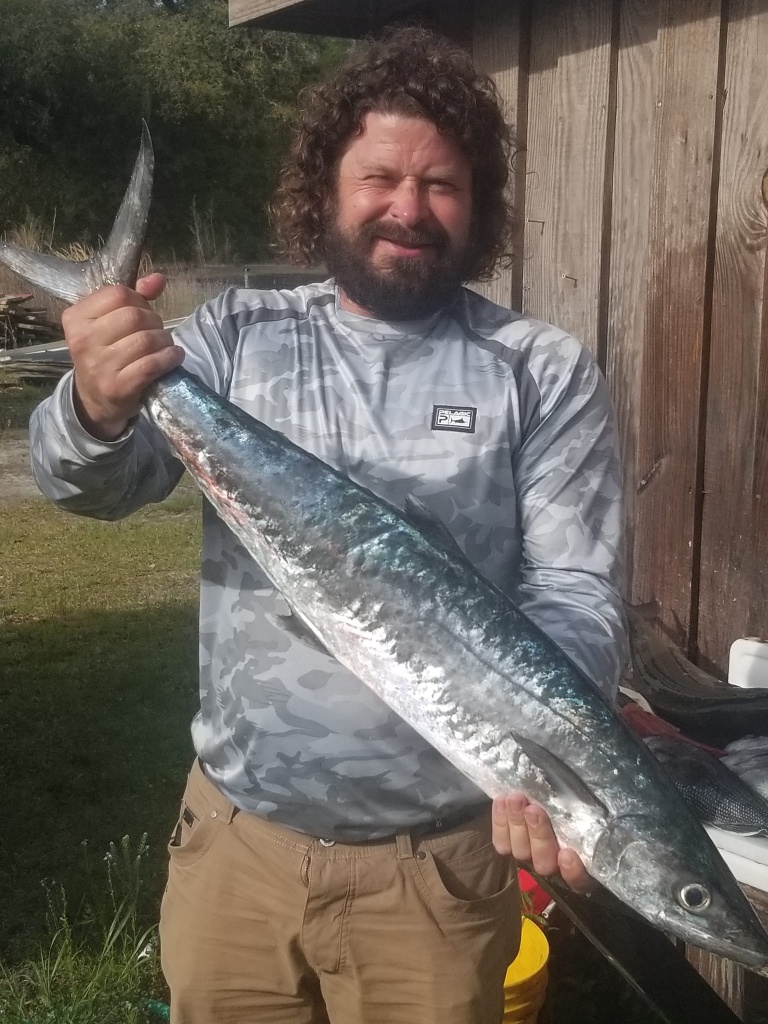
King mackerel are the bread and butter of Little River offshore fishing, and these waters consistently produce fish in the 15-40 pound range with occasional monsters pushing 50+ pounds. Kings are most active during the warmer months from late spring through early fall, and they respond well to both trolled baits and live bait fishing. These fish are pure speed and power – when a big king takes off on its initial run, it's game on. They're notorious for their acrobatic jumps and blistering runs that can peel off 100+ yards of line in seconds. The key to landing kings is keeping steady pressure without horsing them, as their mouths are relatively soft and hooks can pull free if you get too aggressive.
Mahi mahi, or dolphinfish as they're known locally, are absolute favorites among anglers for good reason. These gorgeous fish typically range from 10-25 pounds in these waters, with the occasional bull pushing 30+. Mahi are most abundant during the summer months when water temperatures climb into the upper 70s and 80s. They're often found around floating debris, weed lines, or temperature breaks where baitfish concentrate. What makes mahi special is their incredible colors – brilliant greens, blues, and golds that light up when they're fighting. They're also excellent table fare, with firm white meat that's perfect for grilling or blackening.
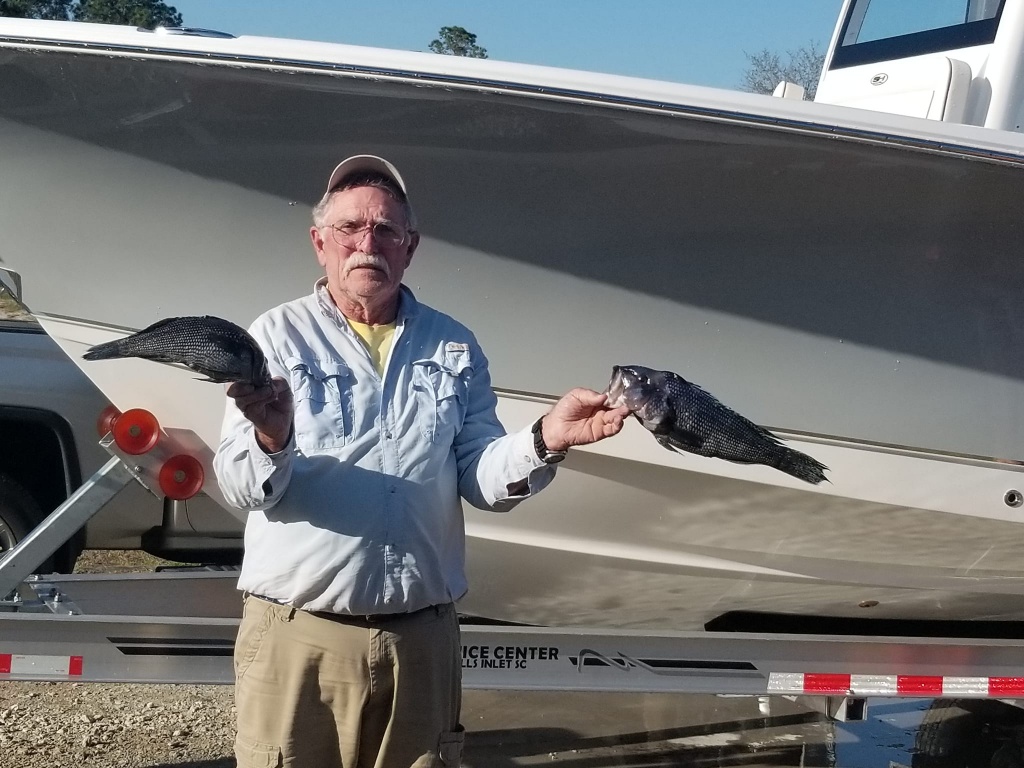
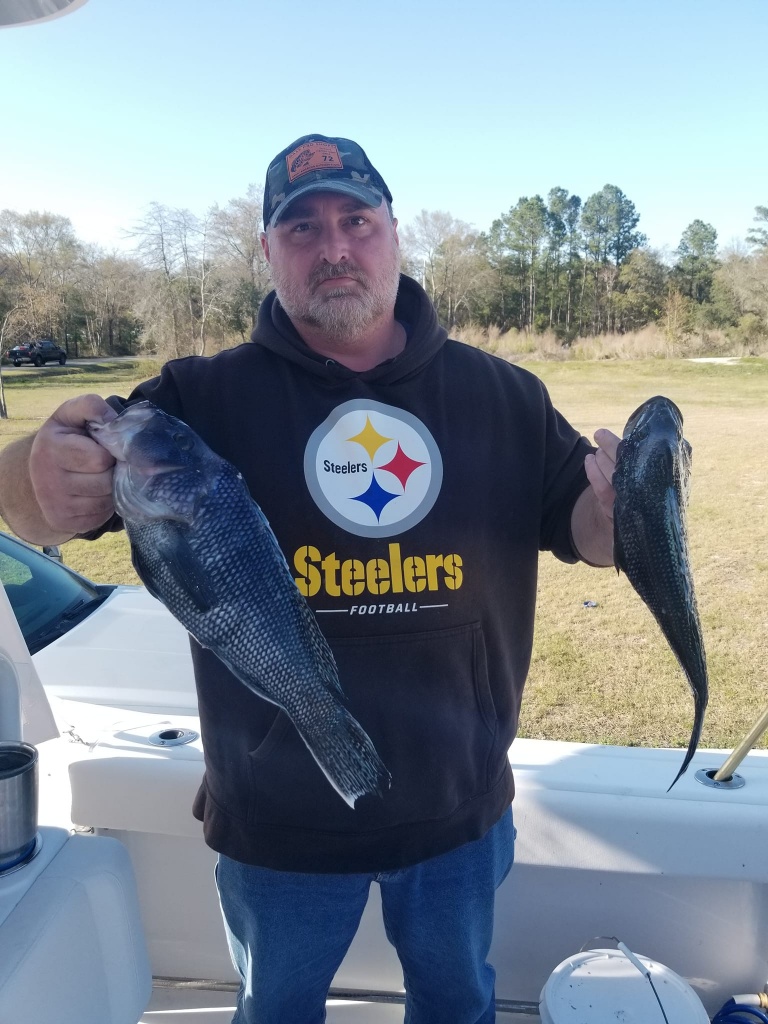
Mutton snapper are considered one of the premier eating fish in these waters, and they put up a surprisingly strong fight for their size. Most muttons run between 3-8 pounds, but the occasional slab can push 10+ pounds and really test your drag system. These fish are structure-oriented, hanging around ledges, rocks, and artificial reefs in 40-100 feet of water. They're most active during the warmer months and can be finicky feeders, often requiring lighter leaders and smaller hooks than you'd expect. The reward is worth the effort – mutton snapper have some of the best-tasting meat you'll find in saltwater.
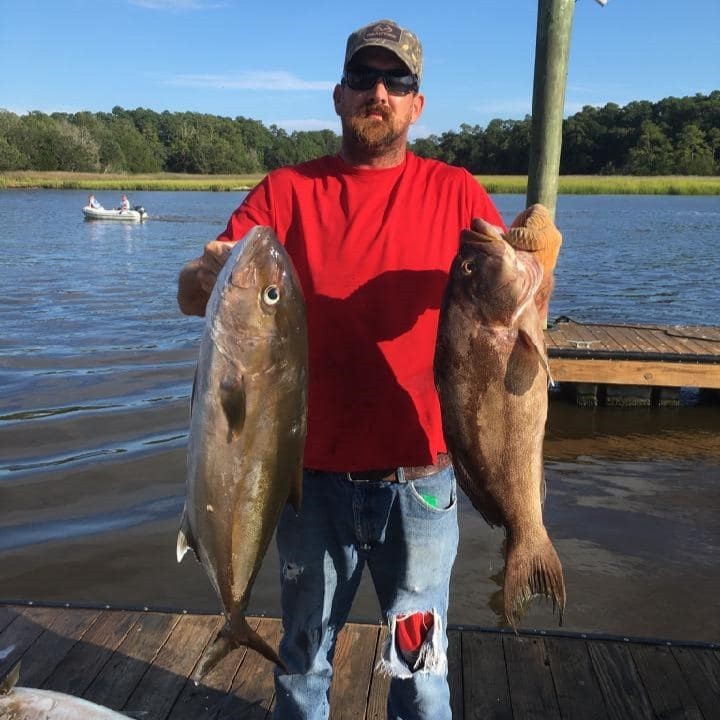
Gag grouper are the heavyweight champions of the bottom fishing game in these waters. Most gags run between 5-15 pounds, but mature fish can easily exceed 20 pounds and provide an arm-burning fight from the depths. These fish are ambush predators that lurk around structure, waiting for an easy meal to swim by. When you hook into a quality gag, they'll immediately head for the rocks or structure, using their powerful bodies and broad tails to try an
 Private Trip
 Offshore Fishing
 Little River, SC


 8-hour offshore fishing charter accommodates up to 6 guests