7-Day Guided Trapping Adventure in Northern Maine
Northern Maine's wilderness holds some of the best trapping opportunities in the Northeast, and this week-long guided trip puts you right in the heart of it. Running November 1-7, you'll work alongside seasoned guides who know these woods like the back of their hand, targeting prime fur-bearing species when their pelts are at their finest. With heated wall tent accommodations and all meals covered, this isn't your typical rough-it trapping experience – it's a well-organized adventure that lets you focus on what matters most: learning the craft and filling your trap line.
Inside the Hunt
This shared trip caps at 6 trappers, creating a tight-knit group where everyone gets plenty of individual attention from the guides. Each morning kicks off at 9 AM with a hearty breakfast before heading out to check lines and reset traps. You'll be working both land and water sets, targeting everything from martin in the dense spruce stands to beaver along the countless streams and ponds that dot this remote country. The guides bring decades of experience to the table, showing you both old-school techniques passed down through generations and modern methods that increase your success rates. Expect to cover serious ground each day, learning to read sign, identify travel corridors, and understand what makes each species tick. The $3,500 per person investment includes everything – instruction, meals, lodging, and access to prime trapping territory that most folks never get to see.
Tracking Tips & Terrain
The Ashland area offers the perfect mix of habitat types that make for world-class trapping. You'll be working dense coniferous forests where martin and fisher travel the canopy highways, alongside beaver flowages and creek systems that hold mink, otter, and muskrat. The guides focus heavily on reading the landscape – teaching you to spot the subtle trails, feeding areas, and bottlenecks that concentrate animal movement. Traditional foothold traps, conibears, and snares all have their place in the trapline you'll be running. Water trapping gets special attention here, with techniques for setting beaver colonies, mink runs along the shoreline, and the patience required for river otter. Land sets focus on scent stations, trail sets, and den sites that produce consistent results. The terrain can be challenging with thick cover, swampy areas, and steep ridges, but that's exactly what keeps these populations strong and the fur quality high. You'll learn to move quietly through the woods, set traps with minimal disturbance, and approach each location with the mindset of a predator.
Target Game Breakdown
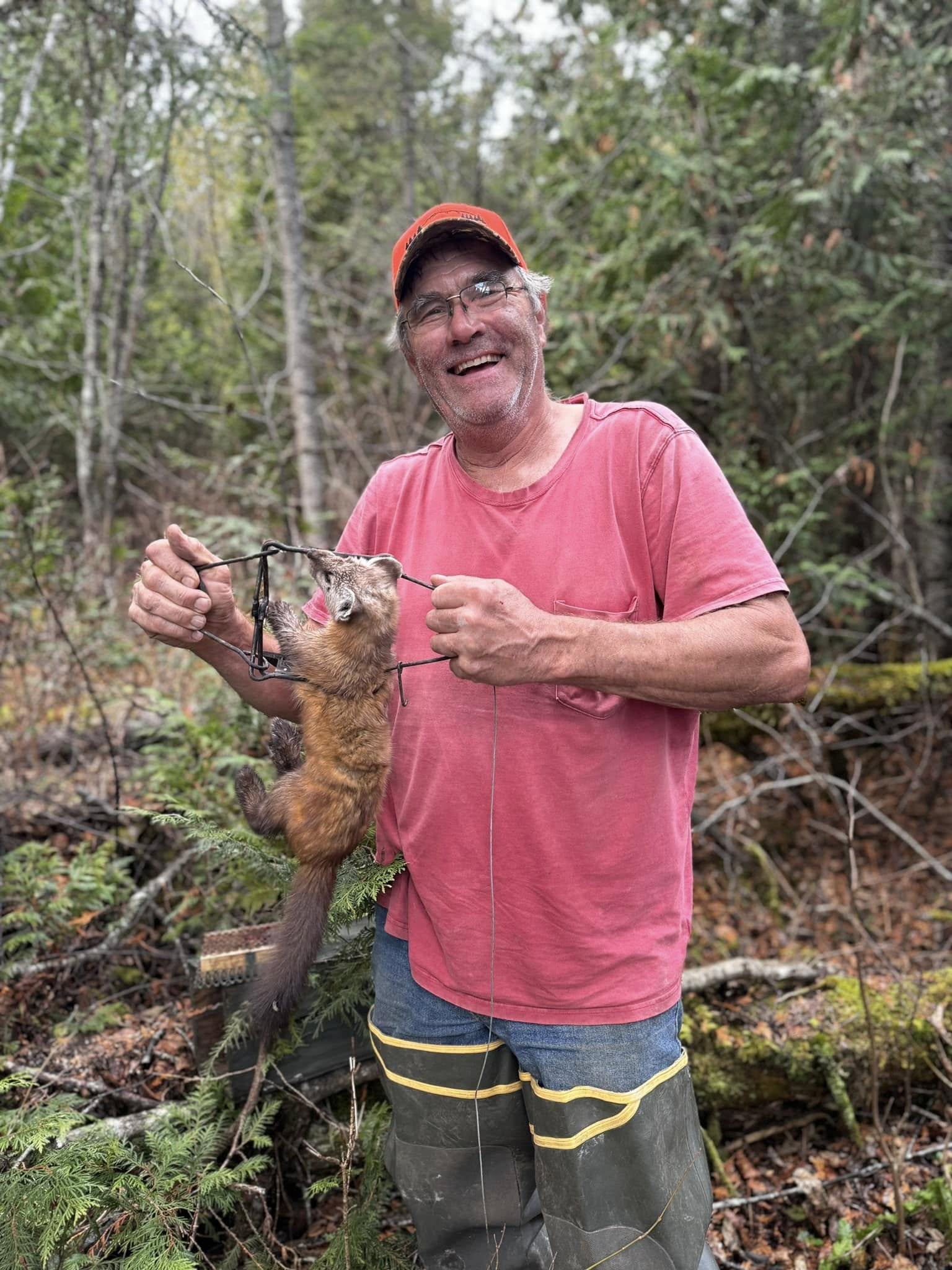
American Marten represent the crown jewel of this trapline, with November being prime time as their winter coats reach full density. These cat-sized members of the weasel family prefer old-growth spruce and fir forests, traveling through the trees as much as on the ground. Marten are curious by nature but incredibly wary, making them a challenging and rewarding species to trap. Their thick, silky fur commands top dollar, and the satisfaction of outsmarting one of the woods' smartest predators keeps trappers coming back year after year.
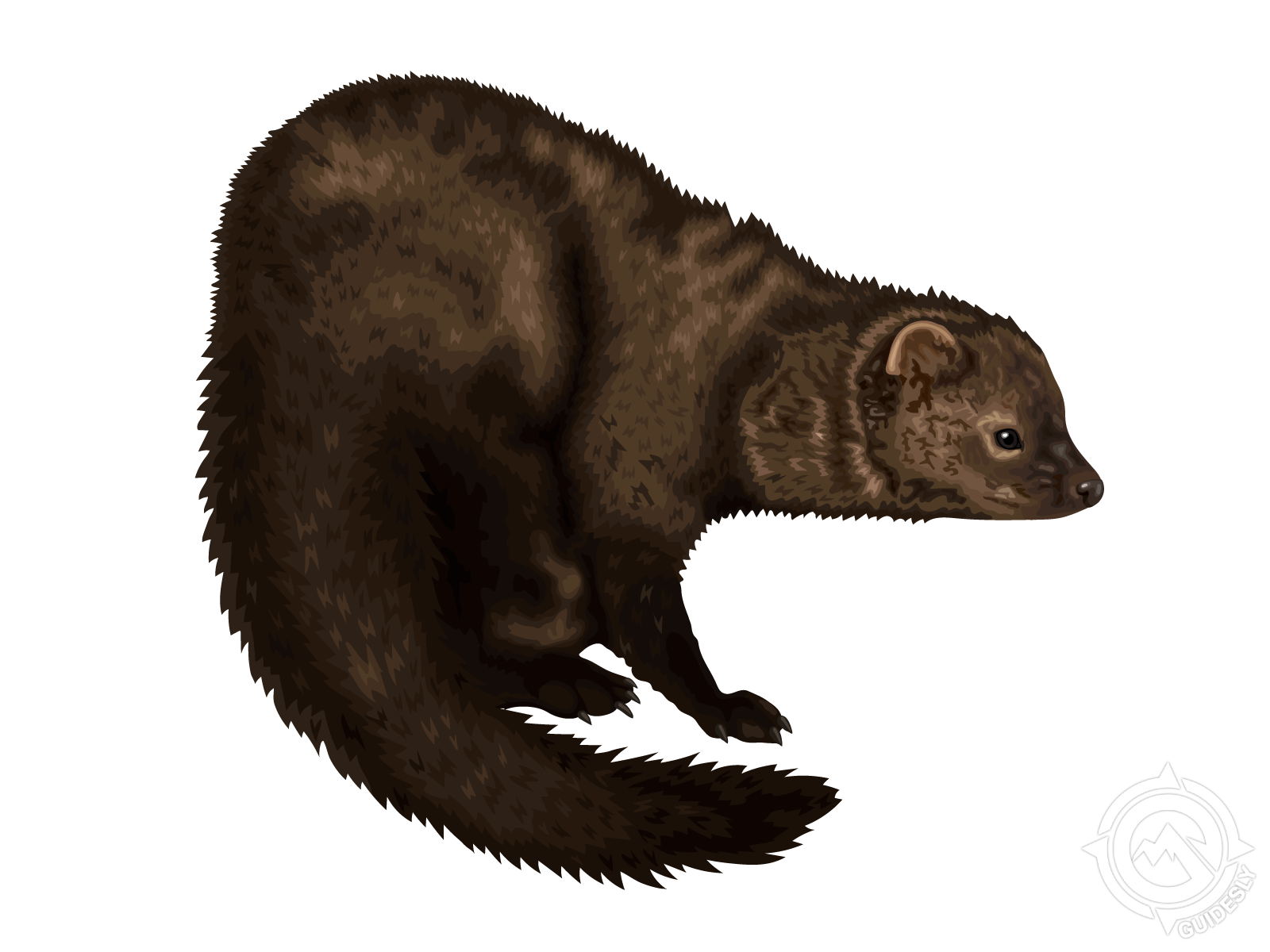
Fisher are the larger cousins of marten, weighing 8-15 pounds and known for their aggressive hunting style. These powerful predators can take down porcupines and compete directly with bobcats for territory. November finds them actively hunting before winter sets in hard, following ridge lines and dense cover where prey concentrates. Fisher sign is distinctive – large tracks with visible claw marks and scat filled with quills and bones. Their dark, dense fur makes them highly sought after, and their intelligence makes them a true test of trapping skill.
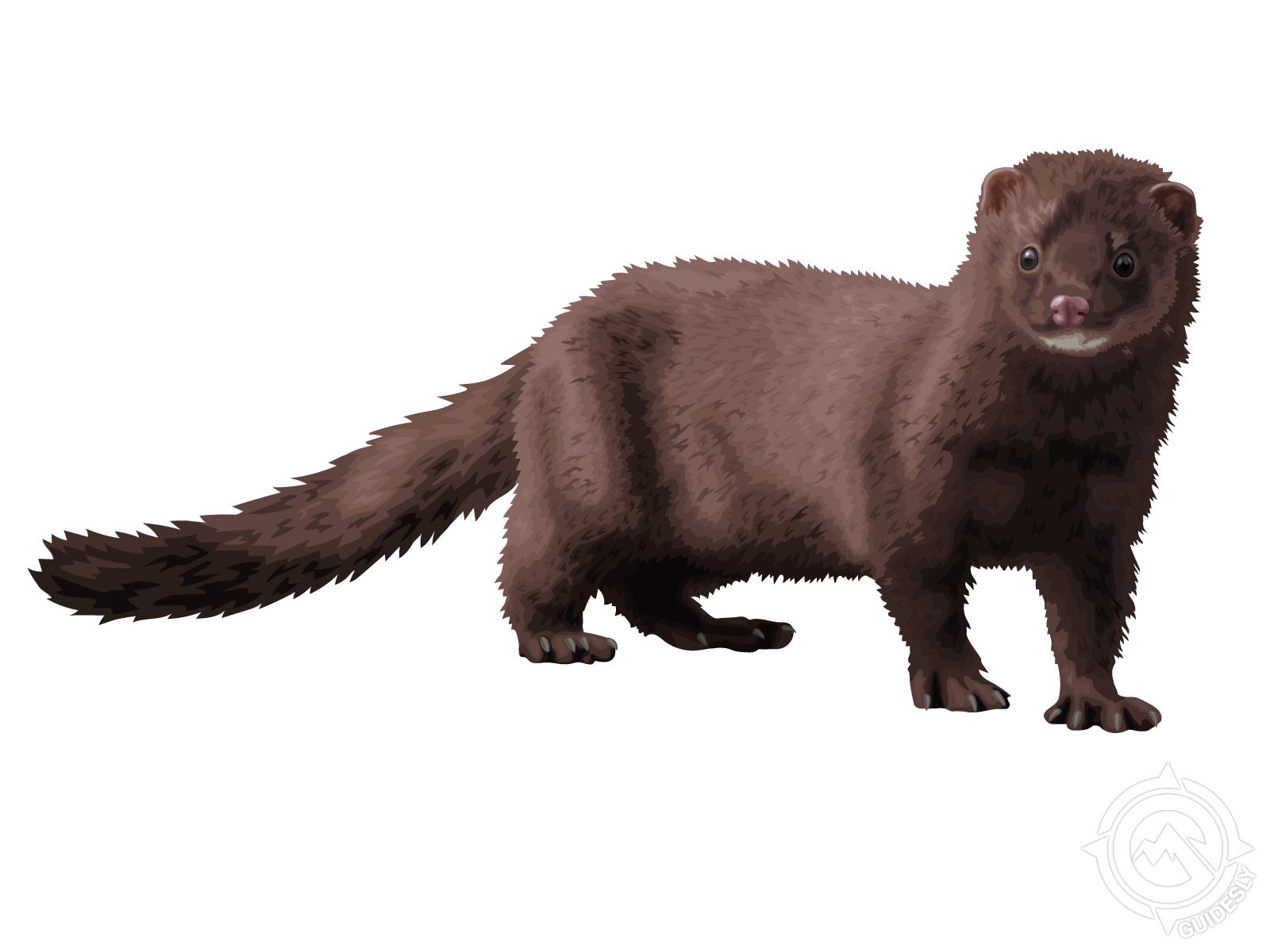
Mink stick close to water year-round, hunting everything from frogs to muskrats along Maine's countless streams and pond edges. These streamlined hunters are most active at dawn and dusk, following the same routes night after night. Their lustrous fur has been prized for centuries, and mink respond well to both scent lures and visual attractants. Look for their distinctive tracks in mud along the water's edge – five toes with a bounding gait pattern that's unmistakable once you know what to watch for.
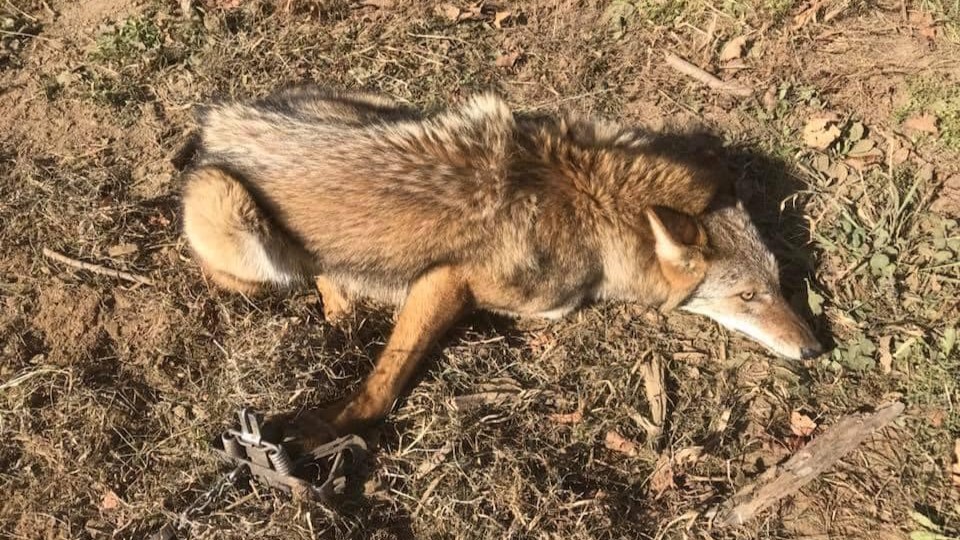
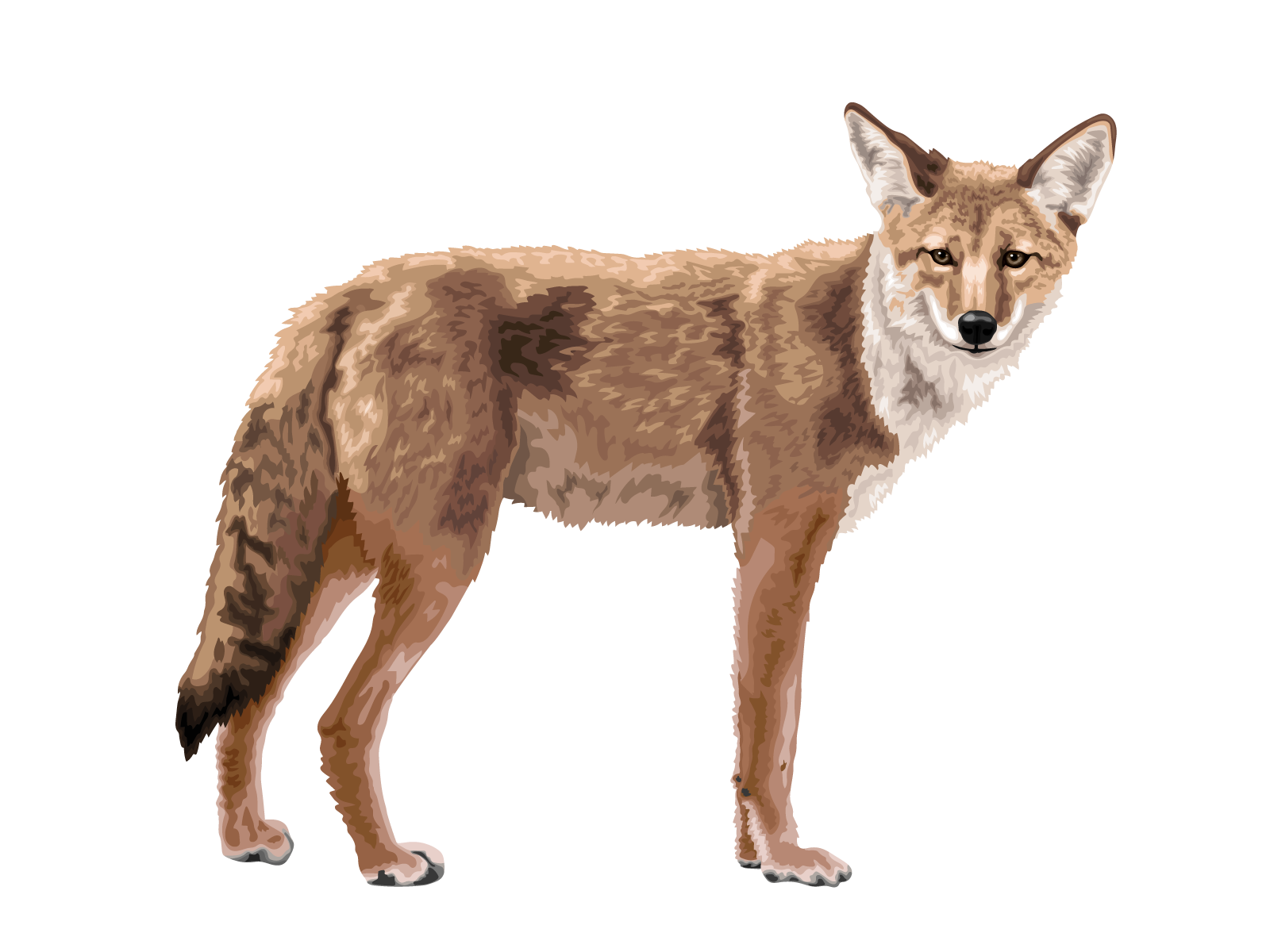
Coyotes have expanded their range throughout Maine and adapted to everything from deep woods to suburban edges. November puts them in prime condition as they prepare for winter territories and mating season approaches. These intelligent predators require different strategies than smaller furbearers – larger traps, careful scent control, and an understanding of their pack dynamics. Their thick winter coats and large size make them valuable catches, plus removing pressure from other wildlife populations benefits the entire ecosystem.
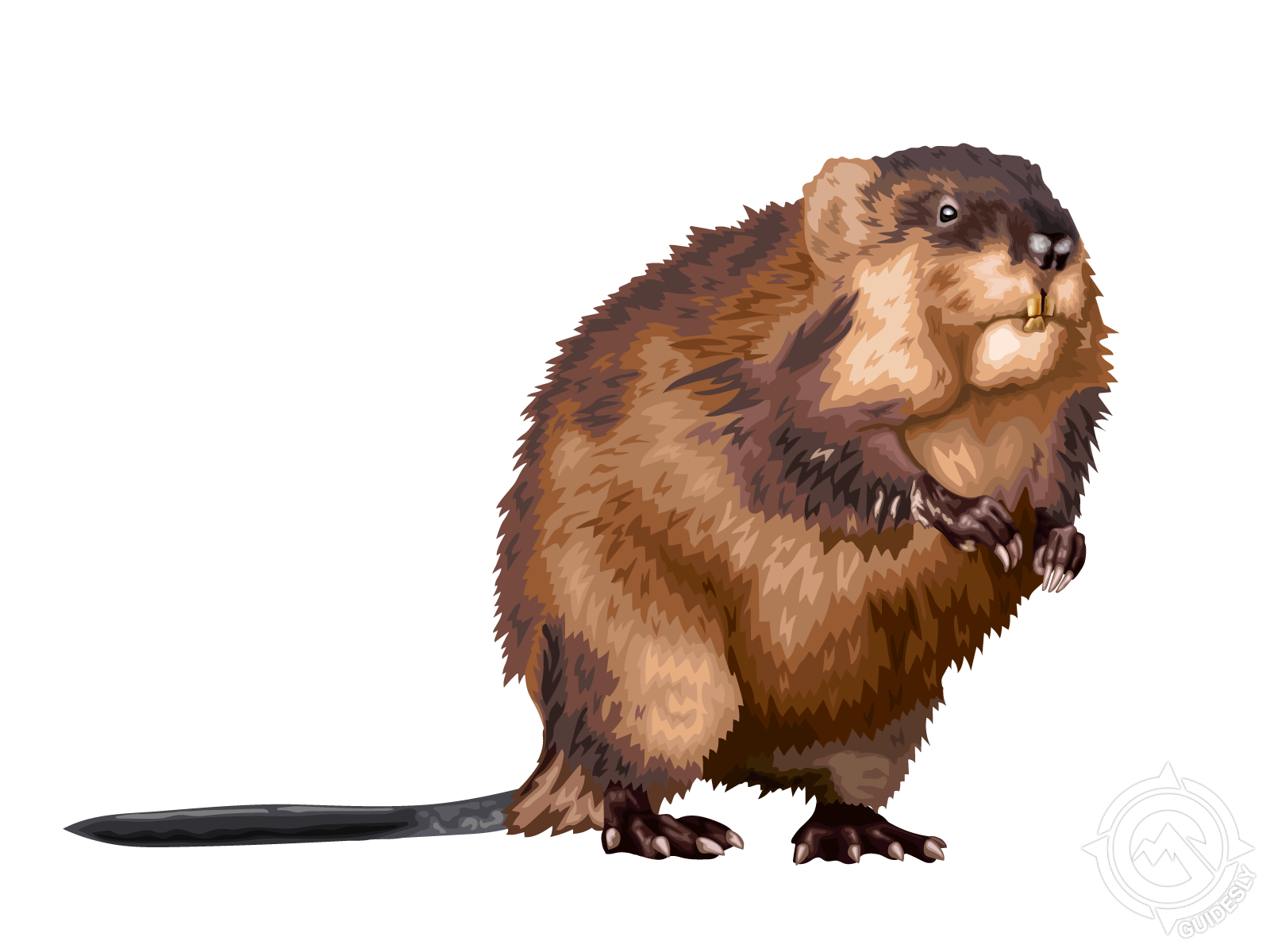
Muskrat populations peak in good habitat, and Northern Maine's wetlands provide ideal conditions. These prolific breeders create extensive lodge and den systems in beaver ponds and slow-moving streams. Their predictable travel patterns and preference for specific feeding areas make them excellent species for learning water trapping fundamentals. While individual pelts aren't as valuable as some species, consistent muskrat catches add up quickly and provide steady action throughout the week.
Book Your Next Tag
This top-rated trapping experience fills up fast among serious trappers who want to learn from the best guides in the business. With only 6 spots available and a 2-person minimum, you're looking at an intimate group setting where every question gets answered and every technique gets hands-on instruction. The combination of expert guidance, prime habitat, and comfortable accommodations makes this a customer favorite that delivers both education and results. Northern Maine's November trapping season waits for no one – these fur-bearers are in their prime right now, and the guides at Black Stream Outfitters know exactly where to find them. Whether you're looking to sharpen your skills or experience some of the Northeast's best trapping country, this week-long adventure puts you in the right place at the right time with the right people.
 Shared Trip
 Small game hunting
 Maine
Maine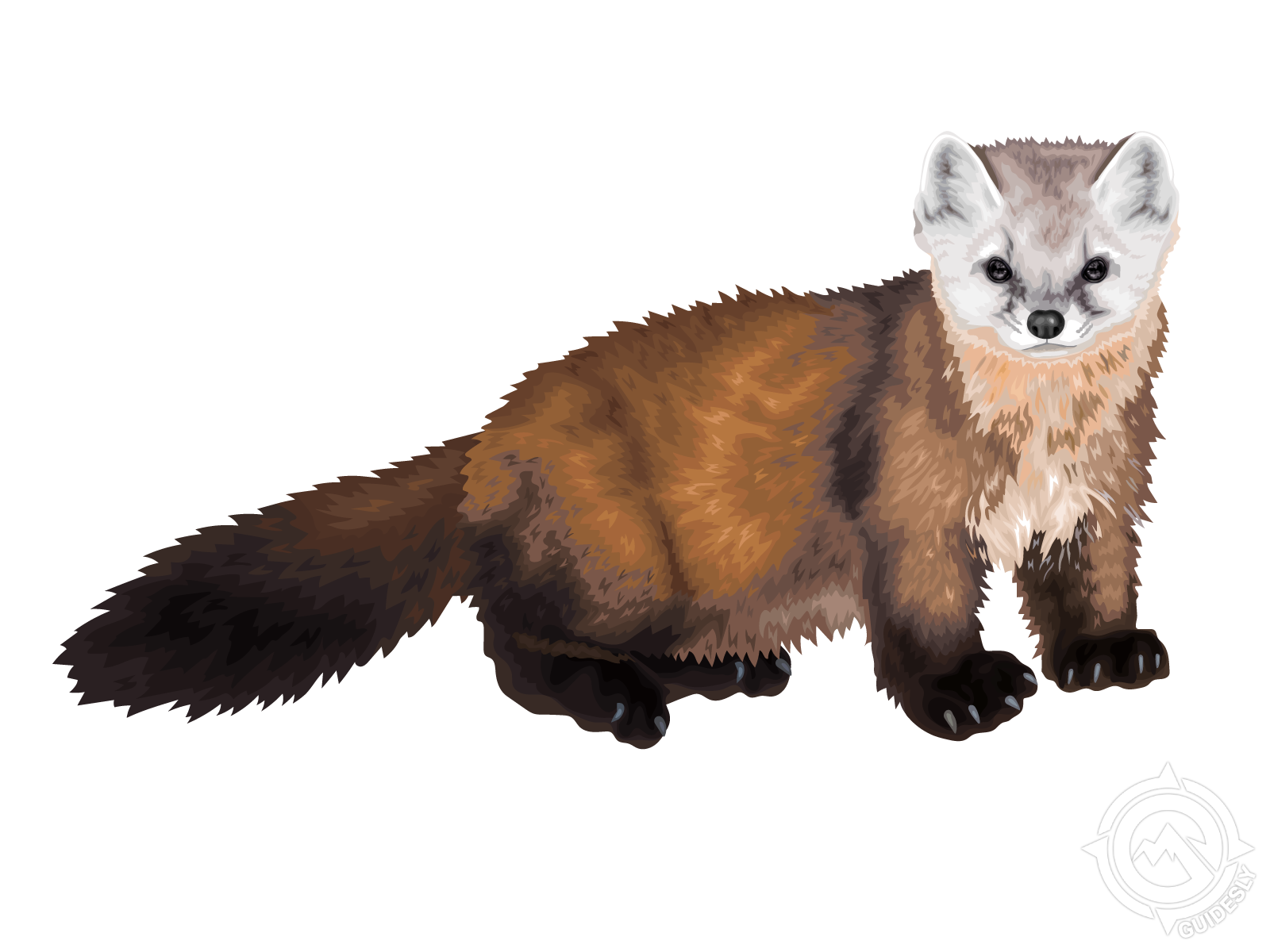
 Seven-day guided trapping experience in remote Northern Maine wilderness