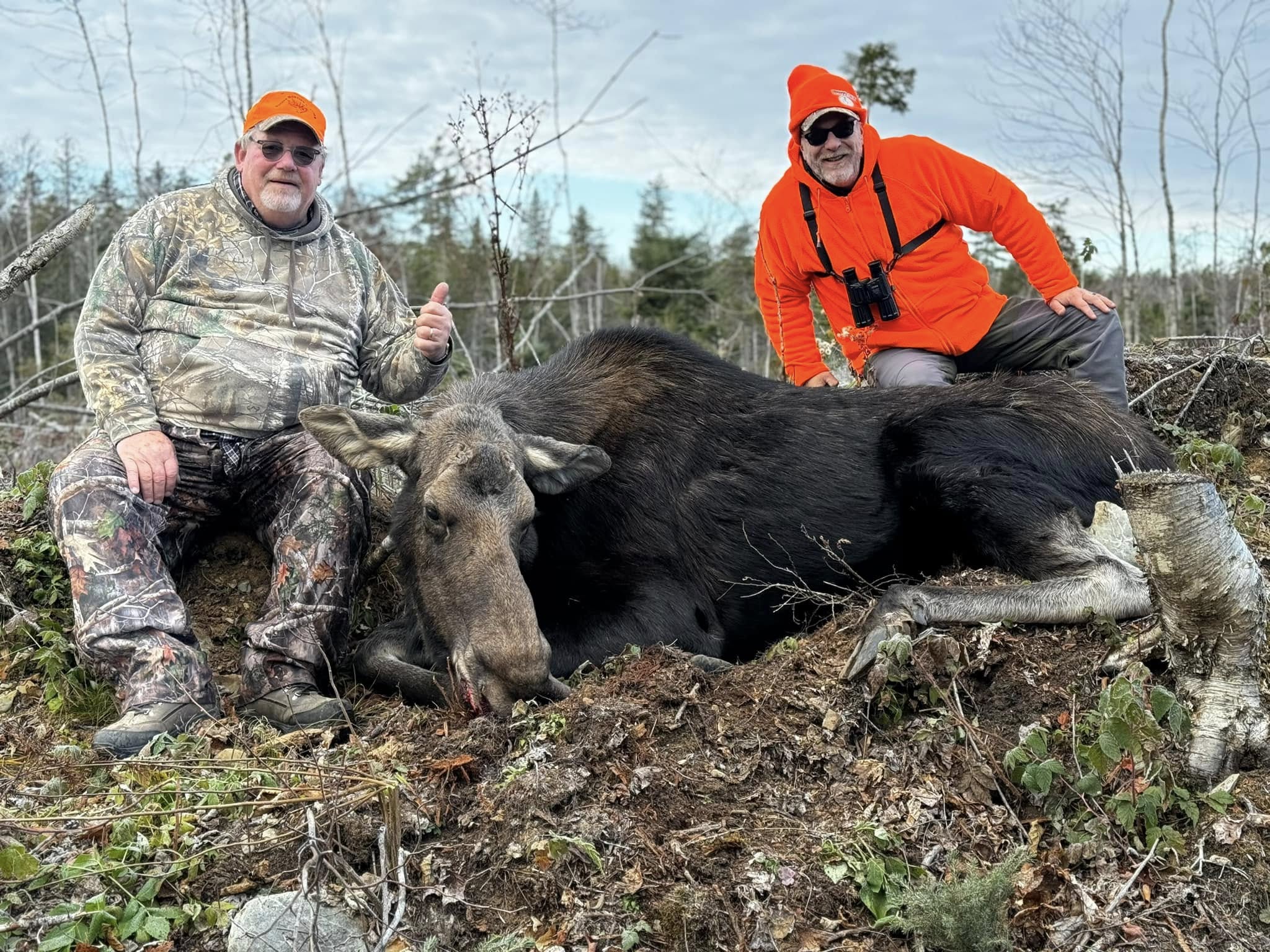
Sea Duck Hunting Guided Trip in Coastal Maine
If you're serious about sea duck hunting, Maine's rugged coastline around Belfast delivers some of the most consistent waterfowl action on the East Coast. This isn't your typical pond shoot – we're talking about hunting hardy sea ducks in their natural saltwater habitat, where the birds are flying strong and the hunting is as authentic as it gets. Black Stream Outfitters runs these 3-day guided hunts from November through January when the birds are moving heavy along the coast. At $1,200 per person for the full experience, you're getting expert local knowledge, safe boat handling in challenging waters, and access to productive hunting spots that most hunters never see. We keep groups small – minimum two hunters, max six – so everyone gets quality shooting opportunities without the circus atmosphere you'll find elsewhere.
Inside the Hunt
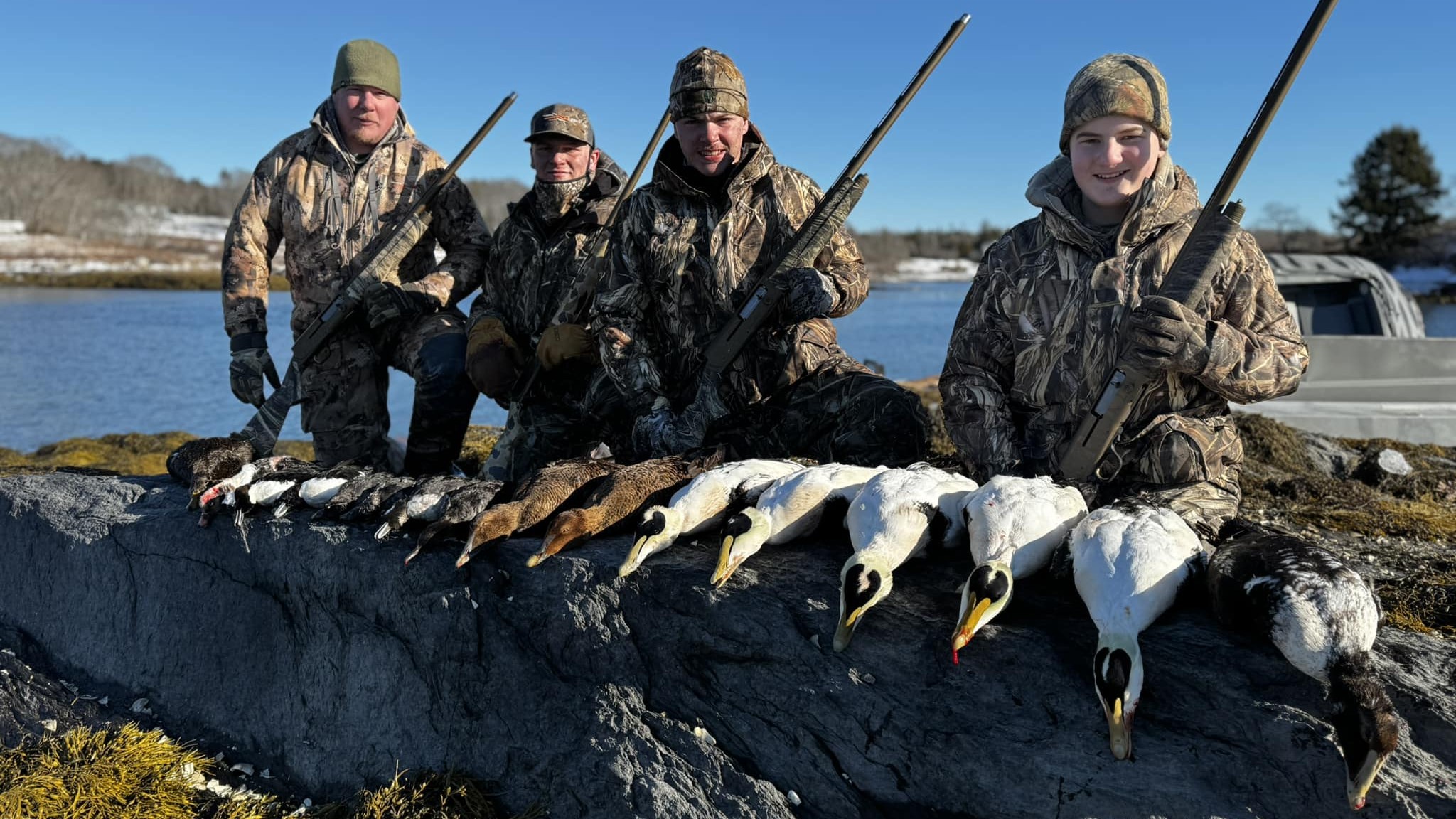
Your hunting day starts at 9:00 AM sharp, which might seem late compared to freshwater duck hunting, but sea ducks operate on a different schedule. These birds move with the tides and weather patterns, not just sunrise and sunset. Our licensed guides know exactly when and where to position the boat for optimal shooting. We're hunting from layout boats and positioning in flight corridors where eiders, scoters, and other sea ducks naturally travel between feeding and roosting areas. The coastal waters around Belfast offer protected coves and open water options, so we can adapt to weather conditions and bird movement patterns. Each morning, your guide will assess wind direction, tide charts, and recent scouting reports to put you in the best possible position. This is pass shooting at its finest – birds coming in fast and low over the water, giving you the kind of challenging shots that separate experienced waterfowlers from weekend warriors. Bring your own shotgun, ammunition, and gear – we'll handle everything else including decoy spreads, boat positioning, and reading the birds.
Tracking Tips & Terrain
Sea duck hunting requires a completely different approach than hunting mallards in a marsh. The terrain here is rocky coastline, tidal flats, and open ocean waters that can turn rough without warning. Your guide will position the boat using GPS coordinates and local knowledge of underwater ledges where sea ducks feed heavily on mussels, crabs, and other shellfish. We use long lines of decoys – sometimes 100 or more – spread in specific patterns that mimic rafting sea ducks. The key is understanding how these birds use different water depths throughout the tidal cycle. During incoming tides, eiders move closer to shore to feed on exposed mussel beds. Outgoing tides push them toward deeper water drop-offs. Wind direction matters huge here – sea ducks prefer to fly into headwinds, so we position accordingly. Your shots will typically be at birds flying 20-40 yards over the water, often in small groups of 2-6 birds. Steel shot is mandatory for waterfowl, and most guides recommend 3-inch shells in BB or BBB size for the larger sea ducks. Modified or improved cylinder chokes work best for the crossing shots you'll encounter. The boat setup includes comfortable seating, storage for gear, and safety equipment required for offshore hunting.
Target Game Breakdown
Common Eider ducks are the crown jewel of Maine sea duck hunting, and Belfast's coastal waters host some of the largest concentrations on the eastern seaboard. These impressive birds are massive – mature drakes can weigh up to 5 pounds and span nearly 3 feet wingtip to wingtip. The males are gorgeous with their distinctive black and white plumage, bright orange bills, and that characteristic wedge-shaped head profile. Females are smaller but equally challenging, with intricate brown barring that provides perfect camouflage against rocky shorelines. Eiders feed primarily on blue mussels, sea urchins, and crabs, diving down 10-60 feet to forage on the ocean floor. This diet gives their meat a unique, rich flavor that's prized by hunters who know how to prepare it properly. Peak hunting occurs during November and December when northern birds migrate south along the Maine coast, joining year-round residents in massive rafts that can number in the thousands. What makes eider hunting so addictive is their flight pattern – they fly low and fast over the water, often appearing suddenly from behind islands or around rocky points. Their large size can be deceiving, making them appear slower than they actually are. Many hunters underestimate the lead required, especially on windy days when eiders really pour on the speed. These birds are incredibly hardy, adapted to survive harsh North Atlantic conditions, so clean shots are essential for ethical hunting.
Book Your Next Tag
This top-rated sea duck hunting experience fills up fast once word gets around about the bird numbers we're seeing. The combination of expert guiding, productive hunting waters, and the challenge of pursuing hardy sea ducks in their natural habitat makes this a customer favorite among serious waterfowlers. You're not just booking a hunt – you're getting access to decades of local knowledge about tides, weather patterns, and bird behavior that you can't learn from books or videos. The 3-day format gives you multiple opportunities to connect with birds and adapt your shooting to different conditions. Whether the eiders are flying tight to the water on calm days or bombing through in rough weather, you'll come away with a deeper appreciation for these remarkable birds and the skills needed to hunt them successfully. Spots are limited to maintain the quality experience that keeps hunters coming back year after year. Don't wait until the last minute – peak season dates book solid by early fall, and the best hunting coincides with the weather patterns that bring the most birds down from Canada.
 Shared Trip
 Bird hunting
 Maine
Maine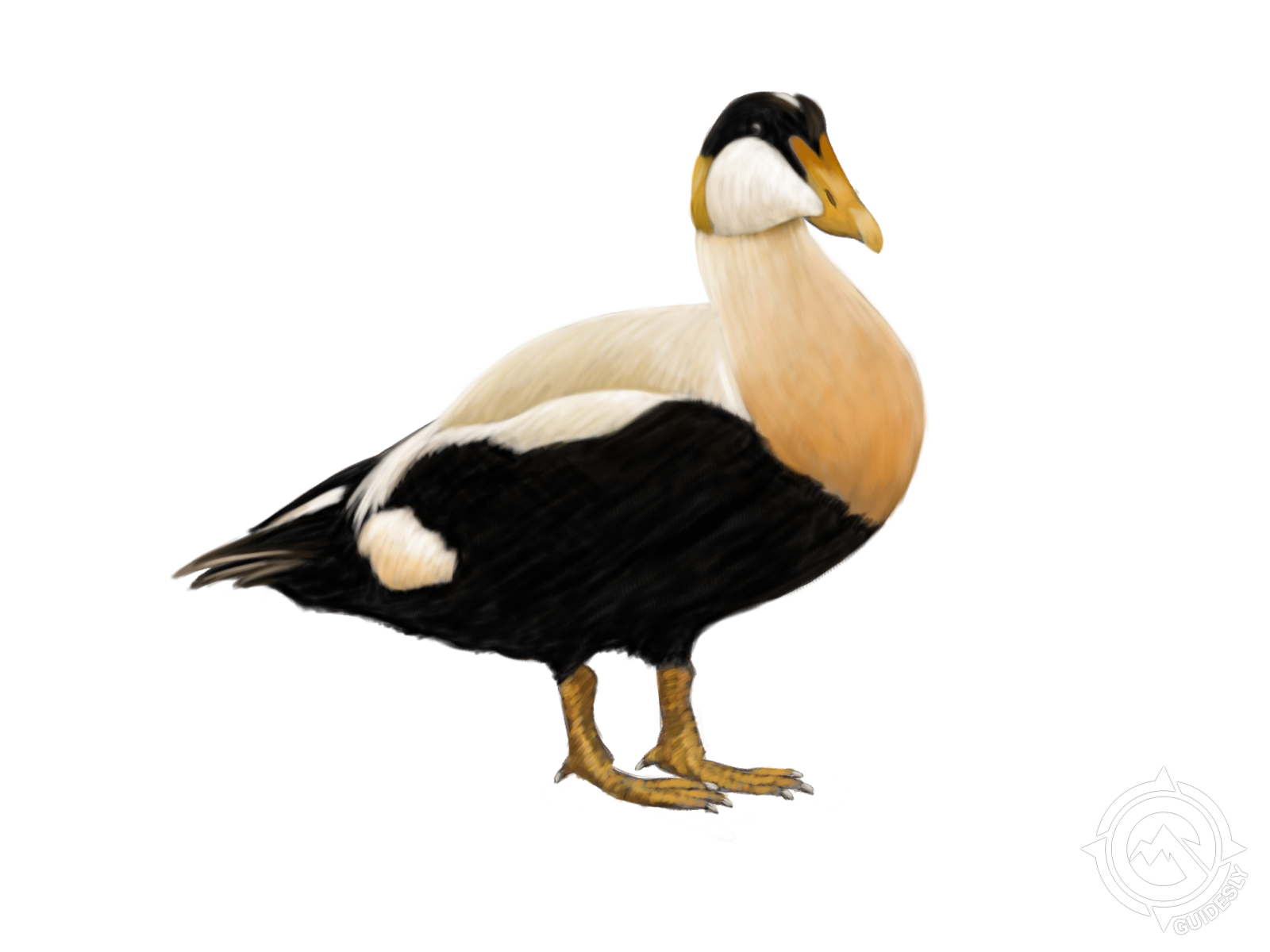
 Three-day guided sea duck hunting along Maine's productive coastal waters