Homer Halibut & Rockfish Spring Fishing
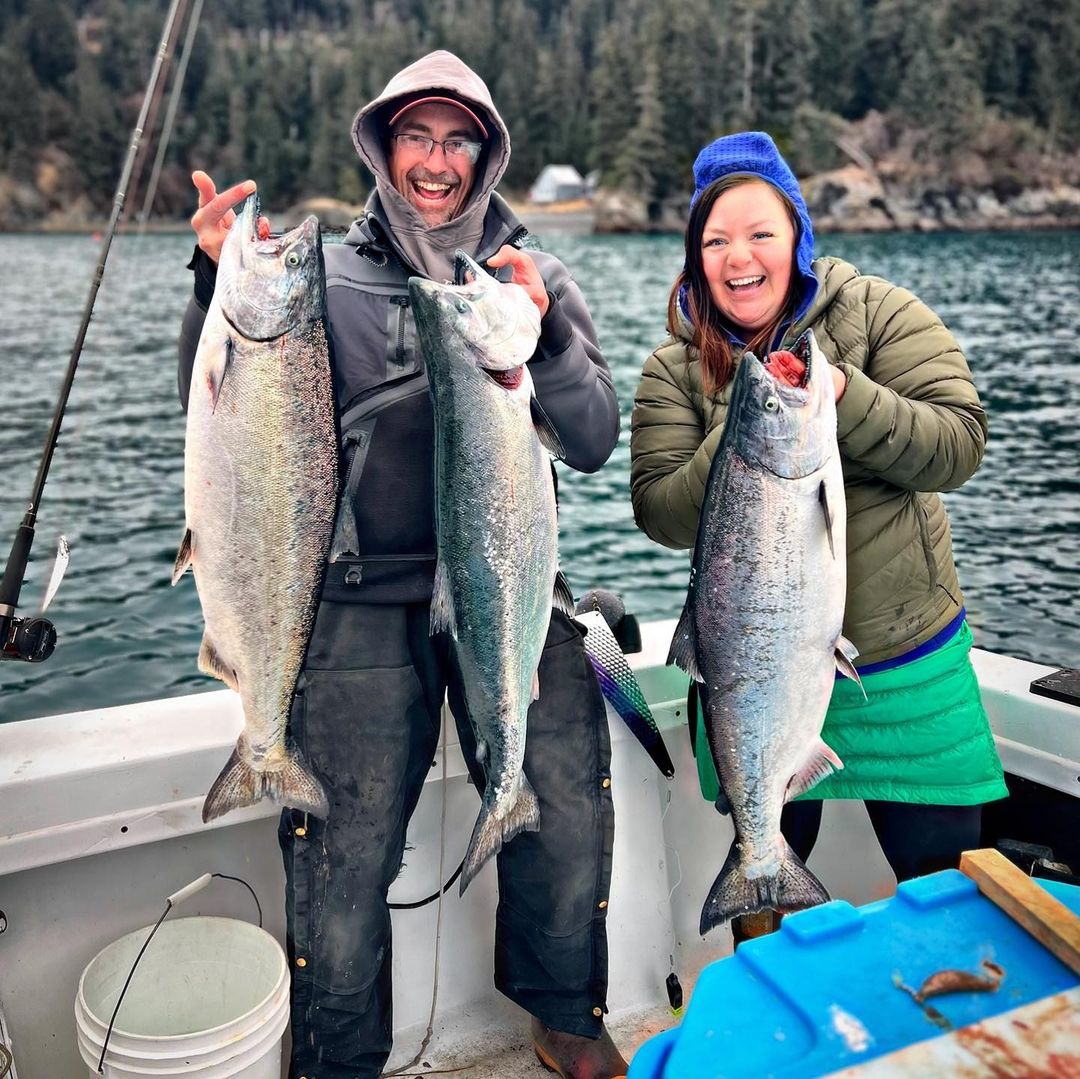
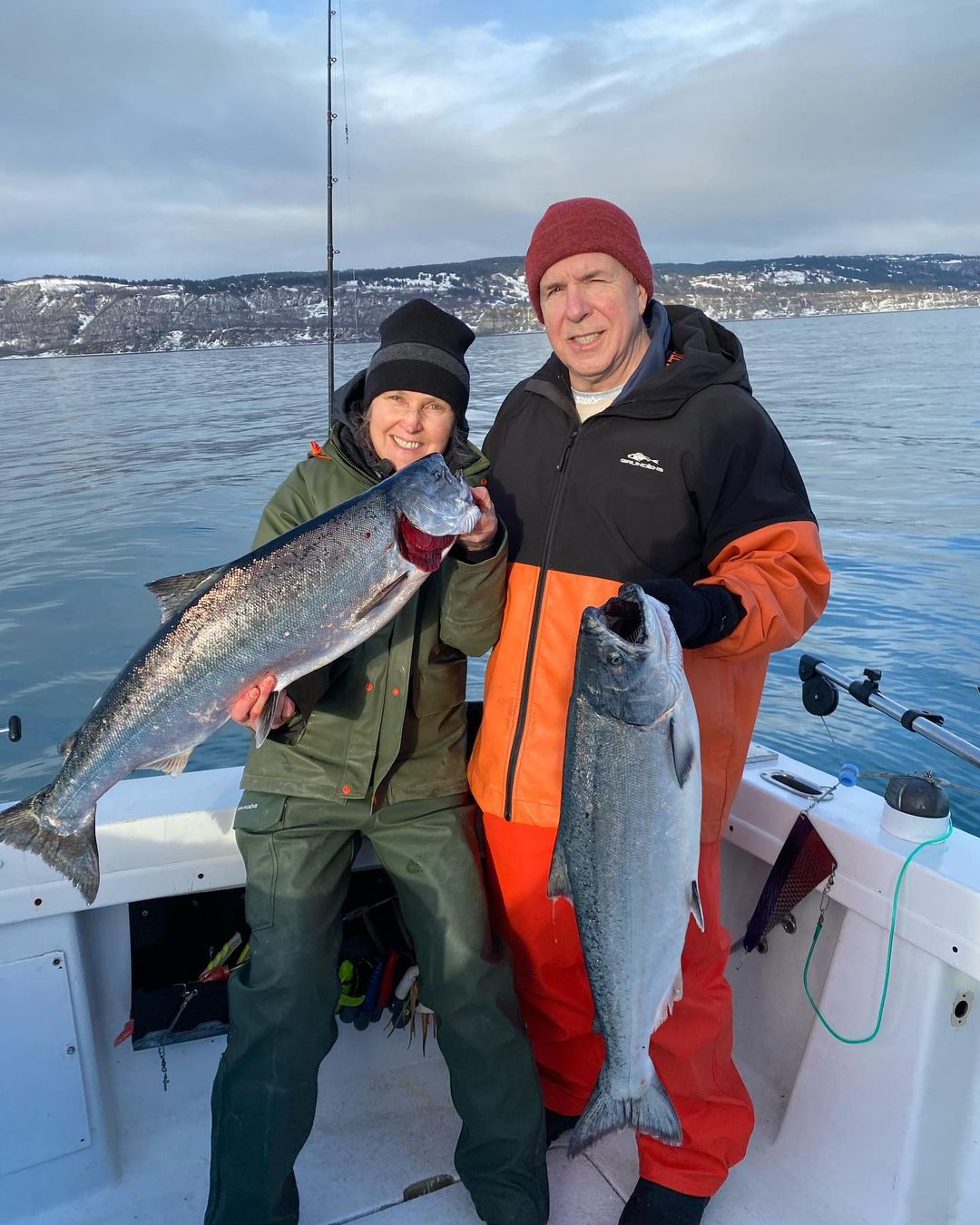
Picture this: you're drifting in the crystal-clear waters off Homer, Alaska, watching your rod tip dance as something big tests your drag system. That's exactly what you'll get with Blount Adventures Cruises' top-rated halibut and rockfish combo trip. Running from May 1st through June 15th, this spring fishing adventure takes advantage of one of Alaska's best fishing windows when both halibut and rockfish are actively feeding in the shallows. Homer's reputation as the "Halibut Fishing Capital of the World" isn't just marketing talk – these waters consistently produce barn door halibut and colorful rockfish that make every angler's day memorable.
What to Expect on the Water
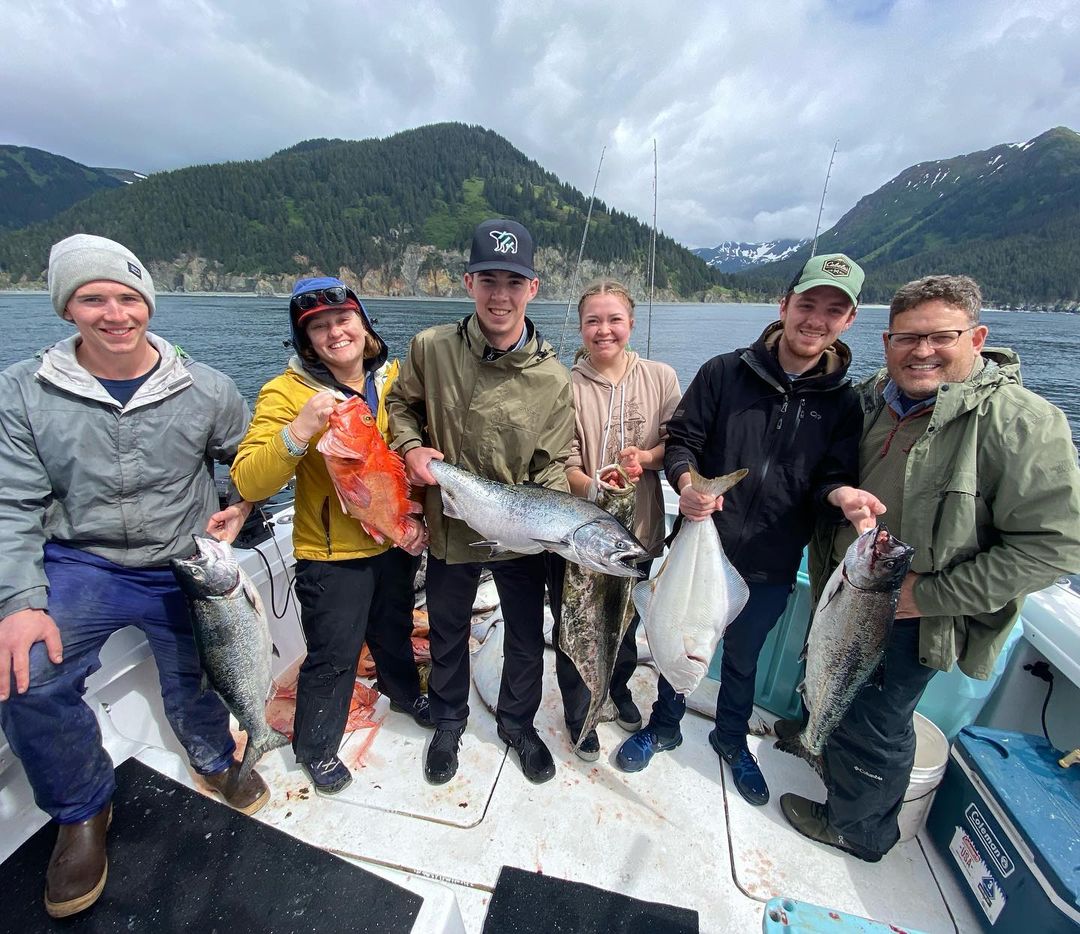
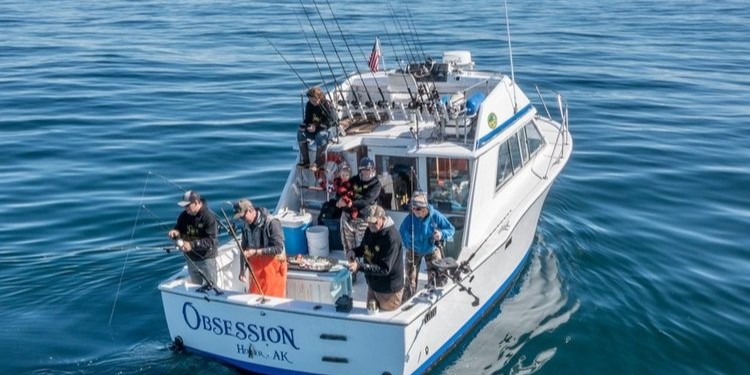
Your fishing day starts early at Homer's bustling harbor, where you'll meet your captain and get the rundown on what's been biting lately. This isn't your typical crowded charter boat experience – with just one angler on board, you get personalized attention and can fish at your own pace. The boat heads out into Kachemak Bay, where the captain uses fish finder technology and years of local knowledge to position you over productive halibut holes and rocky structure where the rockfish hang out. Spring conditions in Homer are generally calmer than summer, making it perfect for focused fishing without fighting crowds or rough seas. You'll spend the day switching between bottom fishing techniques, with the captain adjusting tactics based on what's working best. The backdrop of snow-capped mountains and glaciers makes every moment on the water feel special, even when the fish aren't cooperating.
Gear Setup & Bottom Techniques
This combo trip relies heavily on bottom fishing methods that work for both target species. Your captain provides heavy tackle suited for Alaska's big fish – typically 50-80 pound class rods with powerful reels that can handle long fights. For halibut, you'll drop heavy sinkers (often 16-32 ounces depending on current) with circle hooks baited with herring, salmon bellies, or other oily baits that halibut can't resist. The rockfish setup uses lighter weights but similar bait, targeting the rocky ledges and drop-offs where these colorful fish live. Expect to fish in 60-200 feet of water, depending on where the fish are holding. The captain handles all the technical stuff like reading the sonar and positioning the boat, while you focus on feeling for bites and working fish up from the depths. Don't worry about bringing gear – everything's provided, from rods and reels to tackle and bait.
Species You'll Want to Hook
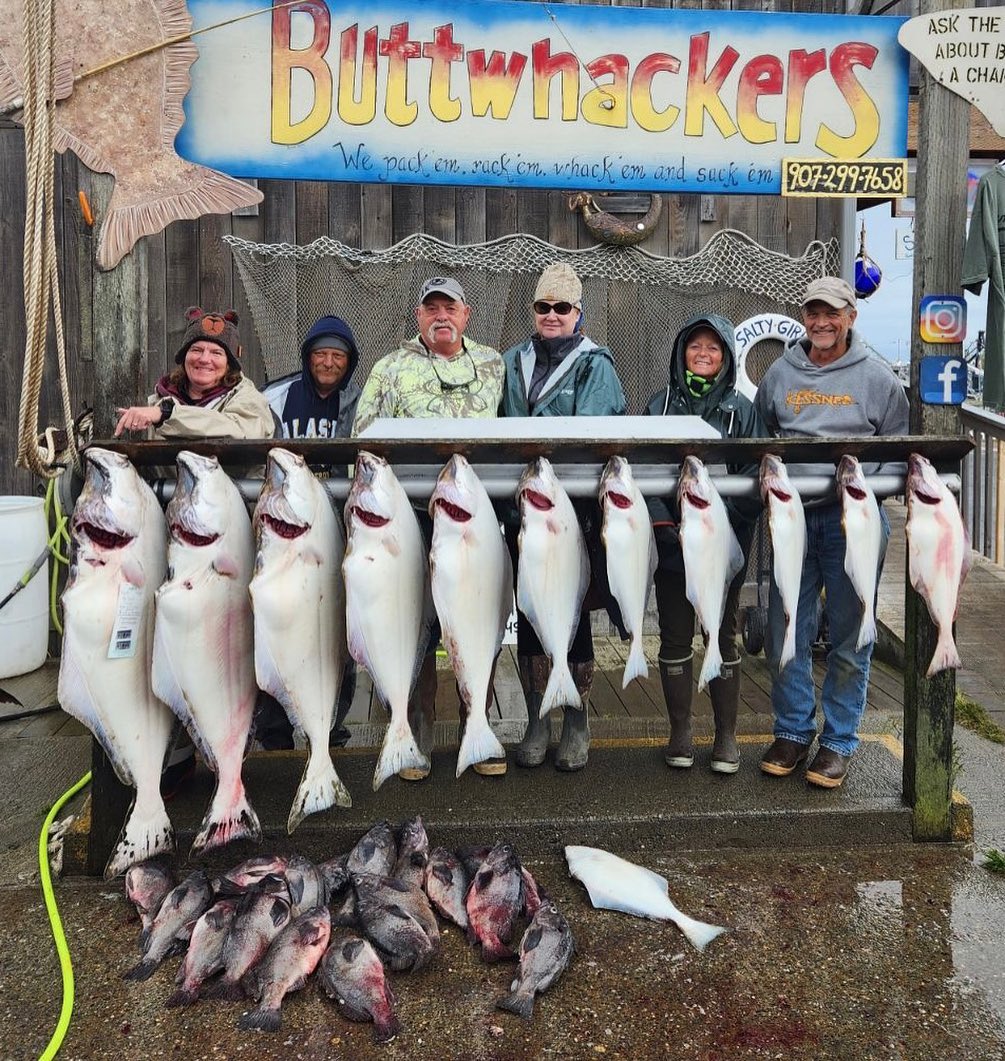
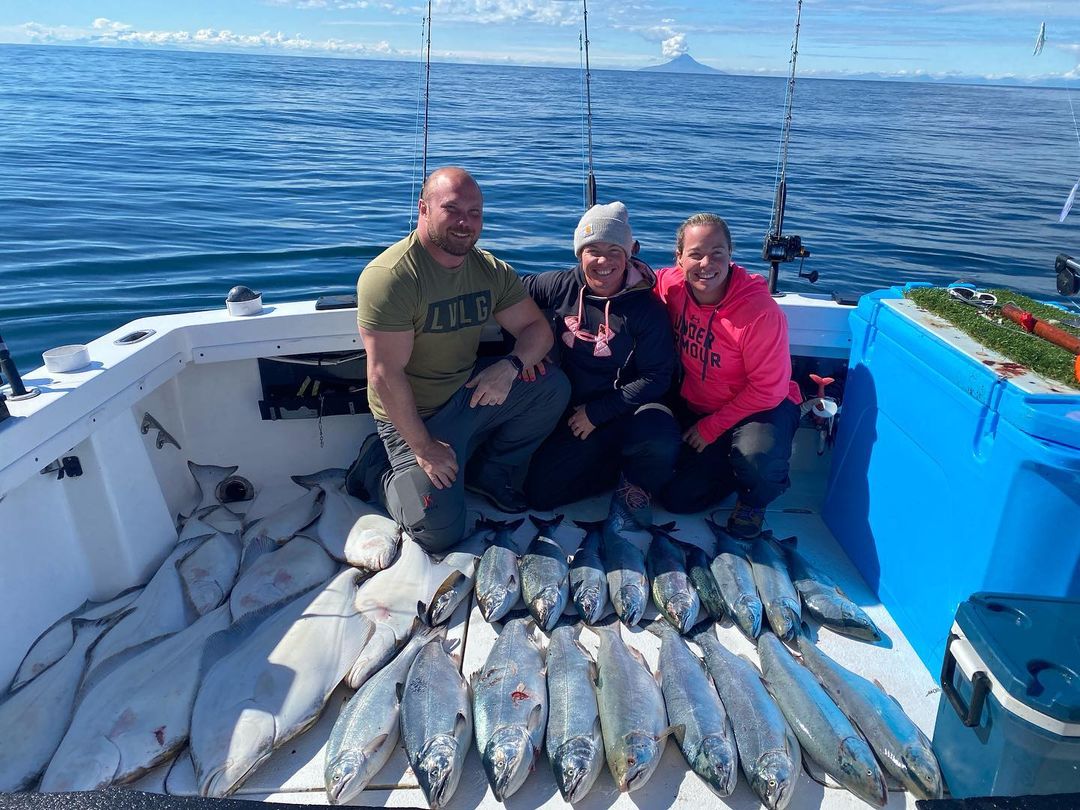
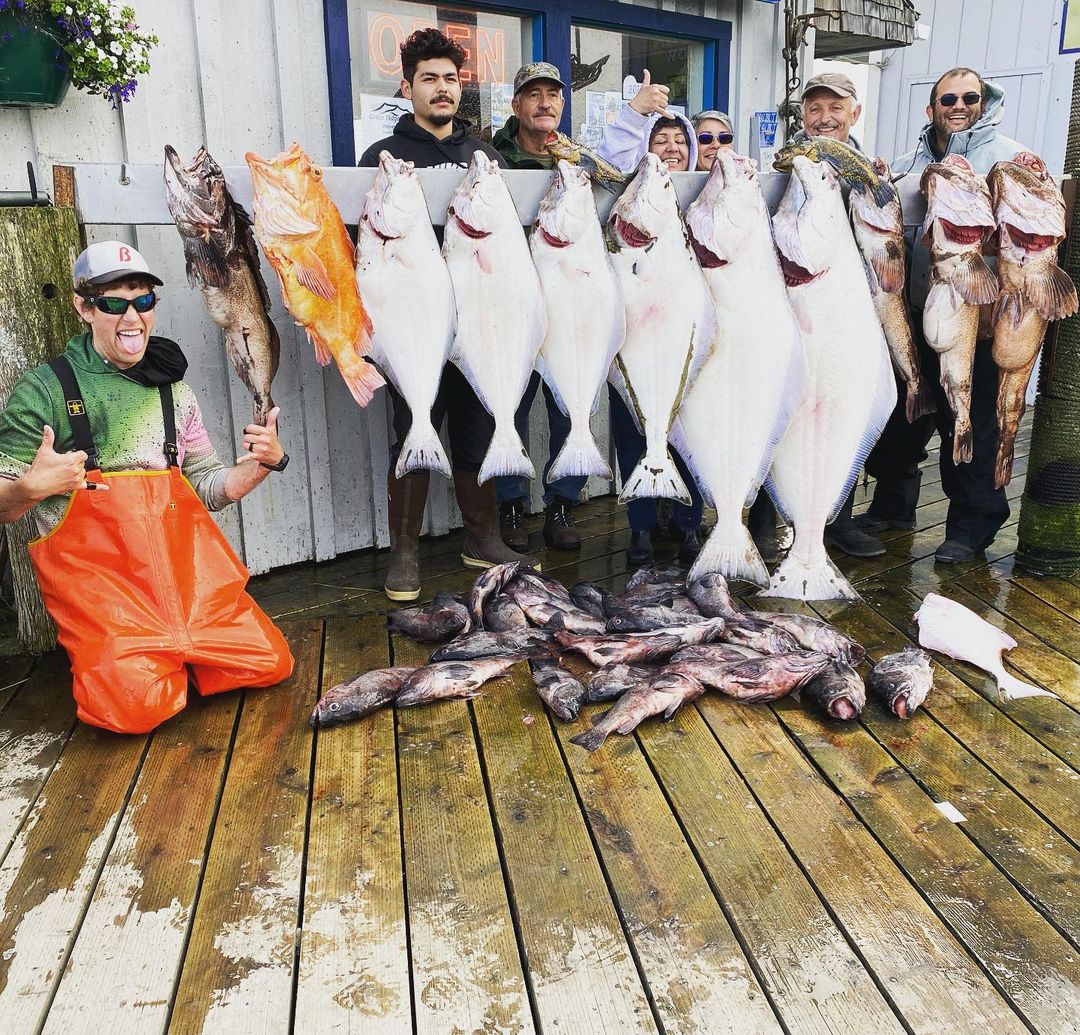
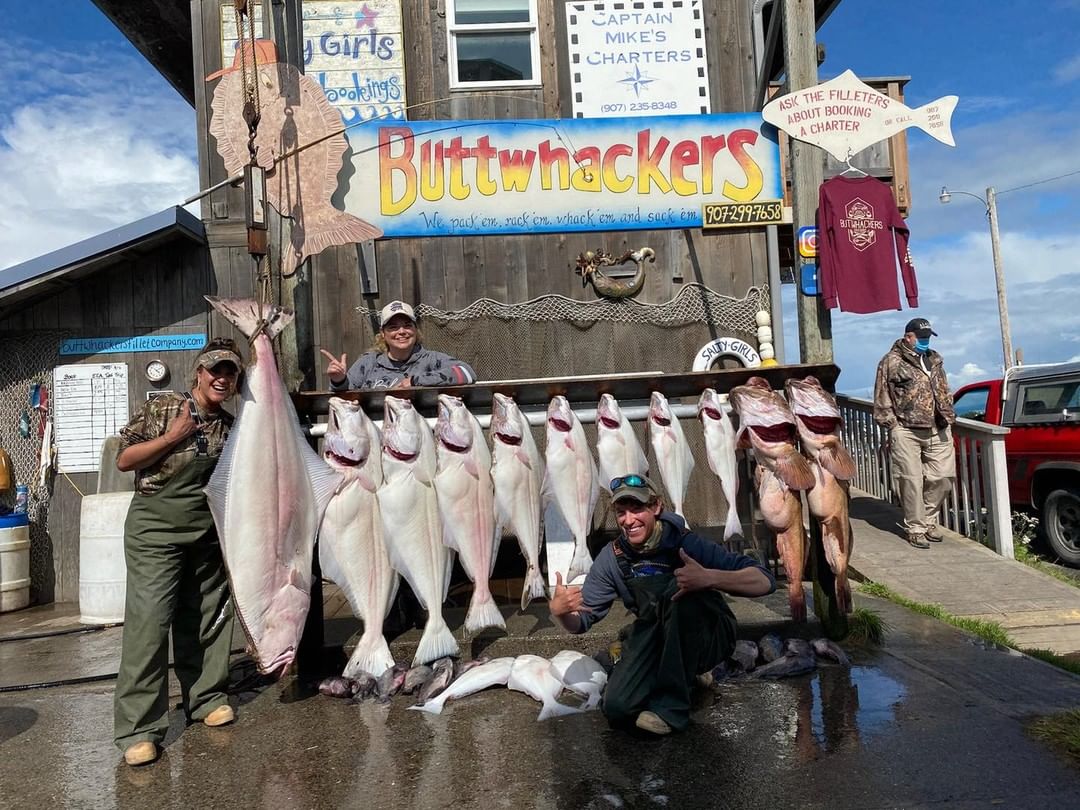
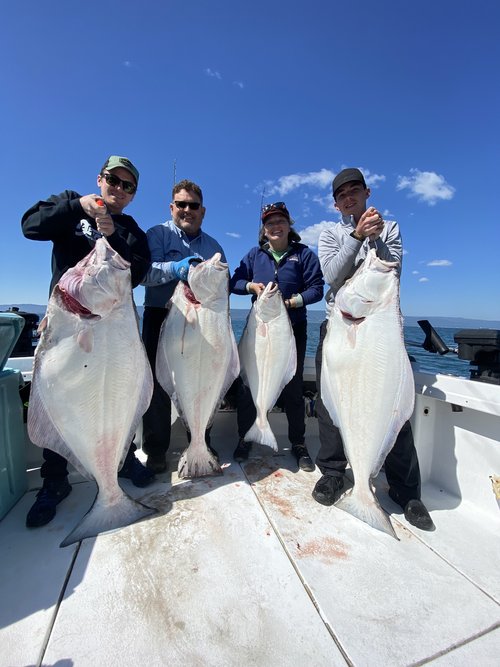
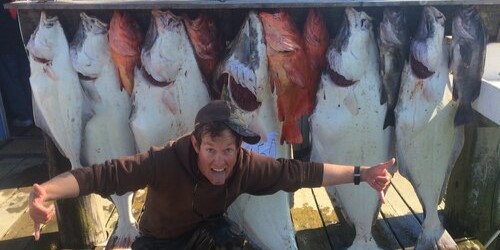
Atlantic Halibut are the main draw here, and Homer's spring run produces some genuine monsters. These flatfish can range from "chicken" halibut around 10-20 pounds up to barn doors pushing 100+ pounds or more. Halibut are ambush predators that lie on the bottom waiting for baitfish, and they hit with surprising force for a flatfish. Spring is prime time because they're moving into shallower water to feed after winter, making them more accessible to anglers. The fight is legendary – they make long, powerful runs and then turn into dead weight that tests your back muscles on the way up. Landing a big halibut is a bucket list experience that keeps anglers coming back year after year.
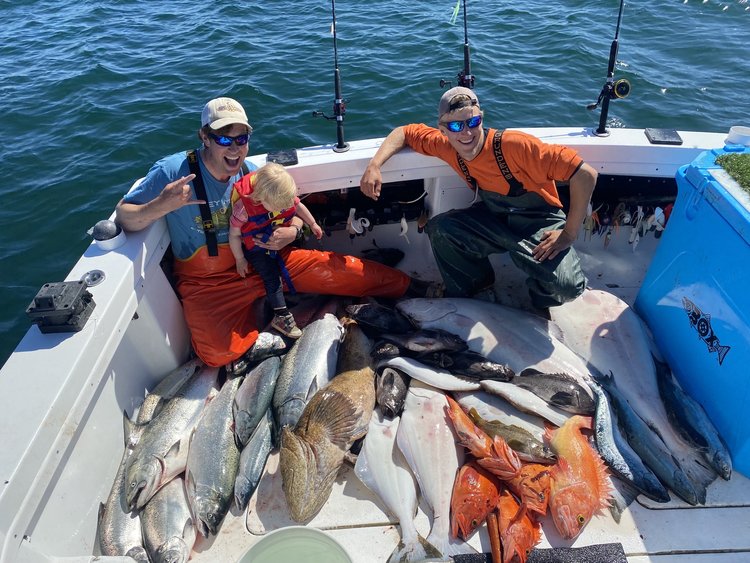
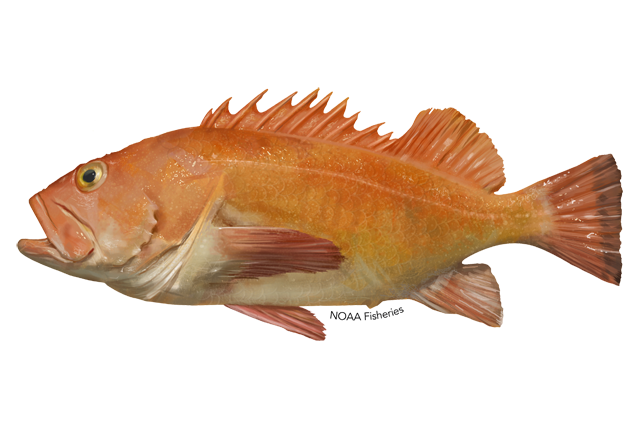
Vermilion Rockfish add serious color to your catch, with their bright red and orange hues making them one of the prettiest fish in Alaska waters. They typically run 2-8 pounds and live around rocky structure in 100-300 feet of water. These fish are scrappy fighters that use the rocks to their advantage, trying to cut your line on sharp edges. Vermilions are schooling fish, so when you find one, there are usually more in the area. They're curious by nature and often come up to investigate baits, making them a reliable target when halibut fishing slows down.
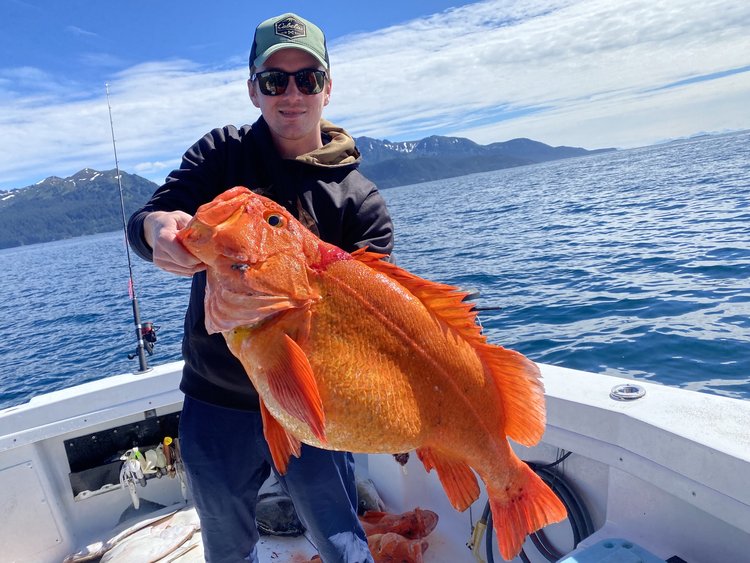
Yelloweye Rockfish are the giants of the rockfish family, with some specimens reaching 20+ pounds and living for decades. Their golden-yellow coloration and bulging eyes make them unmistakable, and they're prized by anglers for both their size and excellent table fare. Yelloweyes are deeper water fish that prefer steep rocky walls and underwater pinnacles. They're slower growing than other rockfish species, which makes catching a big one even more special. These fish have a unique behavior where they'll often follow your bait up for 50+ feet before deciding to bite, creating some exciting visual fishing opportunities.
Time to Book Your Spot
Homer's spring fishing window is short but sweet, and this combo trip maximizes your chances of getting into both halibut and rockfish during their most active period. The personalized, single-angler setup means you're not competing for rod space or waiting for others to land their fish. Blount Adventures Cruises has built their reputation on putting anglers on fish while providing the local knowledge that makes the difference between a good day and a great day on the water. With the seasonal nature of this trip running only through mid-June, spots fill up fast among anglers who know this is prime time. Book now to secure your date for what could be the fishing trip that sets the bar for all future Alaska adventures.
 Shared Trip
 Inshore Fishing
 Homer, AK

 Target halibut and rockfish in Homer's productive waters