Pompano Beach Guided Fishing Trip
Captain Scott knows these waters like the back of his hand, and he's ready to put you on some serious fish off Pompano Beach. This isn't your typical half-day charter – we're talking about a full day of bottom fishing and trolling where the Gulf Stream meets the continental shelf. With room for up to 6 anglers, all tackle included, and a captain who's been working these reefs for years, you're looking at one of the most productive fishing experiences South Florida has to offer. Whether you're a weekend warrior or someone who's never held a rod, Scott's got the patience and know-how to make sure everyone goes home with stories worth telling.
What to Expect on the Water
We'll head out early from Pompano Beach, running about 3-5 miles offshore to hit the prime structure where these grouper and snapper like to hang out. The boat's rigged with everything you need – conventional reels spooled with heavy braid, circle hooks, and plenty of lead to get your bait down in the current. Scott's been building his numbers over the years, marking productive ledges, wrecks, and natural bottom that consistently hold fish. Expect to spend most of your day anchored up over structure, dropping baits to the bottom where the big boys live. When conditions are right, we'll also pull some baits behind the boat targeting pelagics like mahi and cobia that cruise the blue water. The Gulf Stream influence here means clear water and strong currents, so you'll feel that pull on your line when a fish picks up your bait.
Bottom Fishing Techniques
This is classic South Florida bottom fishing at its finest. We're using conventional tackle with 50-80 pound braid, dropping circle hooks baited with cut fish, squid, and live bait when available. Scott will have you fishing multiple rods per person, spreading baits at different depths to cover the water column. The key out here is understanding the current – sometimes fish are holding tight to the bottom, other times they're suspended 20-30 feet up feeding on baitfish. We'll adjust our sinker weights based on the flow, and Scott's always watching the electronics to see where fish are marking. When something big picks up your bait, you'll know it immediately. These grouper don't mess around – they'll try to get back to their hole fast, so you've got to put some muscle into it and turn their head before they cut you off on the structure.
Species You'll Want to Hook
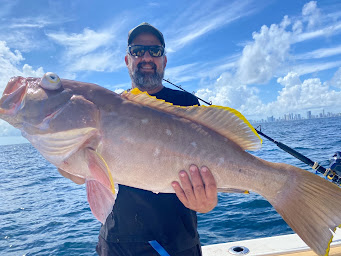
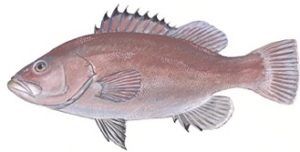
Snowy Grouper are the deep water kings out here, usually found in 300+ feet of water along the continental shelf. These fish can push 20-30 pounds easily, and they're absolute bulldogs once hooked. Best fishing for snowies runs from late fall through early spring when they move up from the depths to spawn. What makes them special is their fight – they'll use every inch of structure to try and break you off, and when you finally get one to the surface, that white and red coloration is something to see.
Black Grouper are year-round residents on the offshore reefs, typically hanging around ledges and wrecks in 80-200 feet of water. These fish are smart – they've seen plenty of baits over the years. The bigger ones, 15-25 pounders, are usually the most cautious. Summer months can be tougher due to regulations, but when they're open, there's nothing like the thump of a big black grouper picking up your bait. They're excellent eating and put up a serious fight in the current.
Gag Grouper prefer slightly shallower structure, often found in 60-150 feet mixing with the black grouper population. They're aggressive feeders and will often be the first to hit your baits when you set up on a new spot. Gags typically run smaller than blacks, but a 10-15 pound gag is still a handful on conventional tackle. They're known for their lighter coloration and tendency to suspend off the bottom more than other grouper species.
Cobia are the wildcard species – these brown sharks cruise the offshore waters looking for easy meals. Spring and fall migrations bring the biggest fish through, and when you hook into a 40-50 pound cobia, you better hold on tight. They're sight fishing opportunities when they come up to the surface, and Scott always keeps a few rods rigged with jigs ready to cast when we spot them. What makes cobia fishing exciting is their unpredictability – they might show up anywhere from 30 feet to 300 feet of water.
Mutton Snapper are the most colorful fish you'll encounter on this trip, with their bright red fins and distinctive black spot. They school up around structure and can be incredibly aggressive when feeding. Most muttons run 3-8 pounds, but the bigger ones over 10 pounds are legitimate trophy fish in South Florida. They're excellent table fare and provide steady action when other species aren't cooperating. Look for them around natural ledges and artificial reefs where they feed on small fish and crustaceans.
Time to Book Your Spot
Captain Scott's Pompano Beach fishing trip delivers exactly what serious anglers are looking for – productive fishing, quality equipment, and local knowledge that comes from years of working these waters. With all gear included and space for your whole crew, this is how offshore fishing should be done. The grouper bite has been solid, the cobia are starting to show up in better numbers, and those mutton snapper are always ready to cooperate. Don't wait around – the best fishing days fill up fast, and you don't want to miss your chance to get on some of the best bottom fishing South Florida has to offer. Book your trip with Captain Scott and see why anglers keep coming back to fish these productive Pompano Beach waters.
 Private Trip
 Offshore Fishing
 undefined, undefined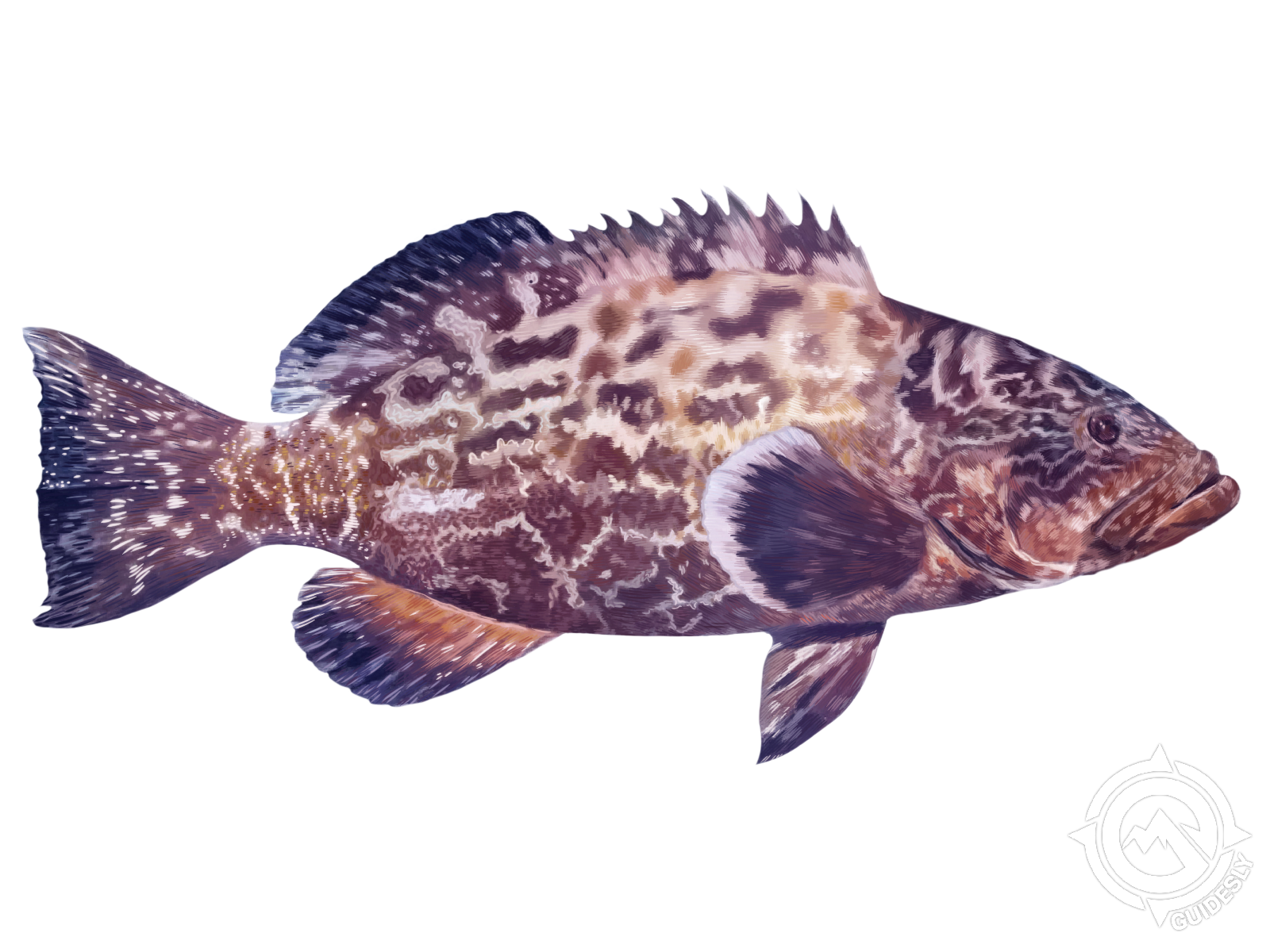


 Target grouper, mahi mahi, and snapper offshore Pompano Beach