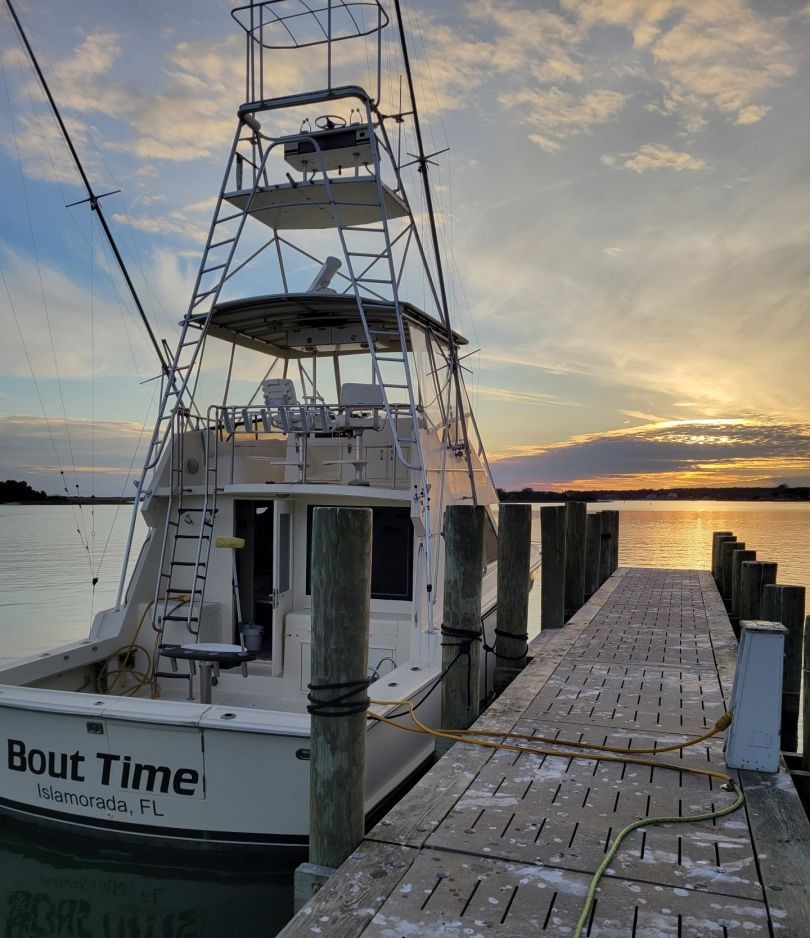
Full-Day Offshore Fishing Charter in Islamorada
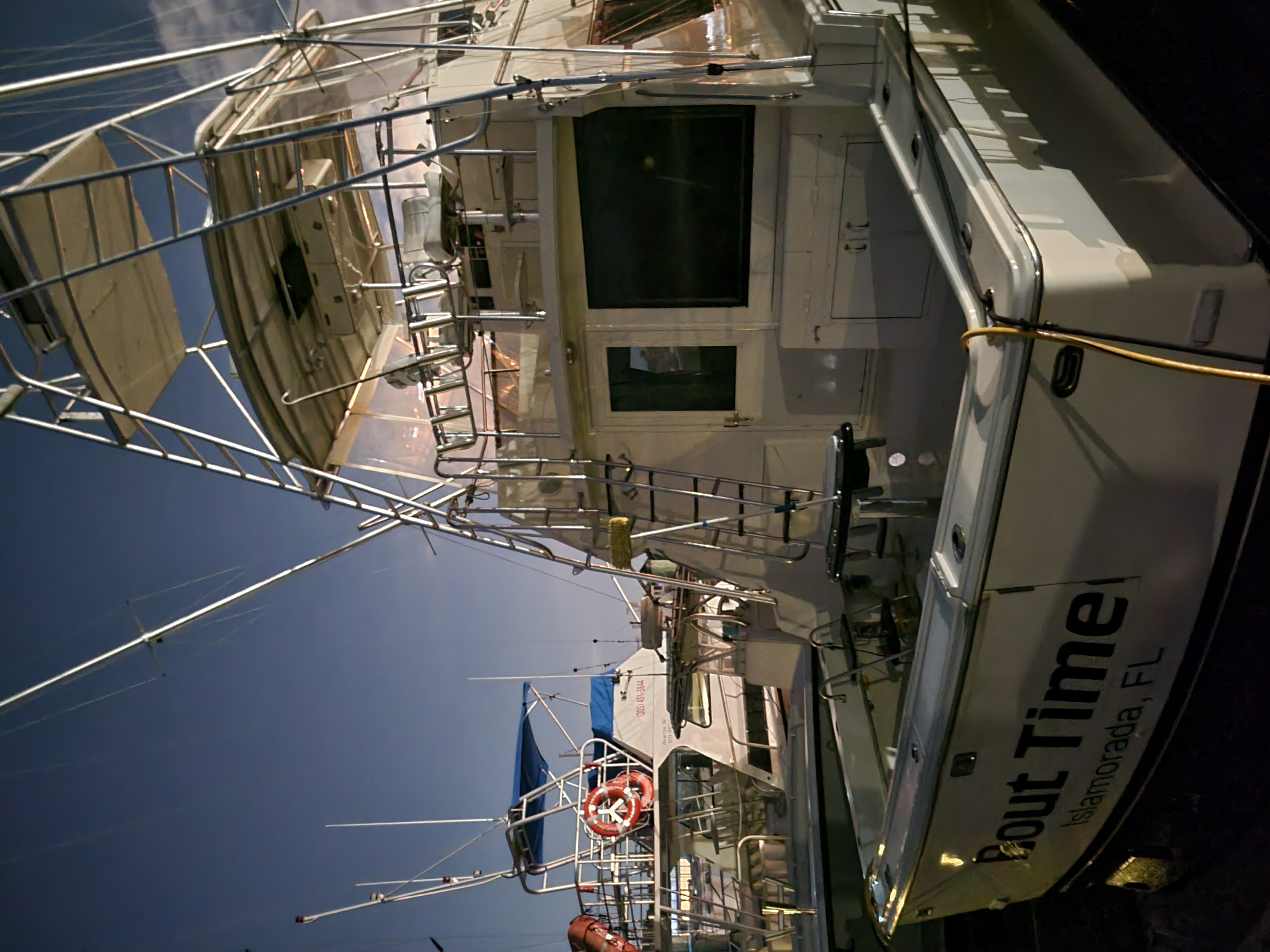
Captain TJ knows these waters like the back of his hand, and he's ready to put you on some serious fish. This full-day offshore charter out of Islamorada takes you beyond the reef line where the big boys live – we're talking sailfish, king mackerel, mahi mahi, amberjack, and barracuda. You'll spend the day working different depths and structure, from the edge drops to the blue water columns where pelagics cruise. With all your gear, tackle, live bait, and fishing license covered, you just need to show up ready to fish. Six anglers max means everyone gets plenty of rod time and personal attention from one of the Florida Keys' top-rated captains.
What to Expect on the Water
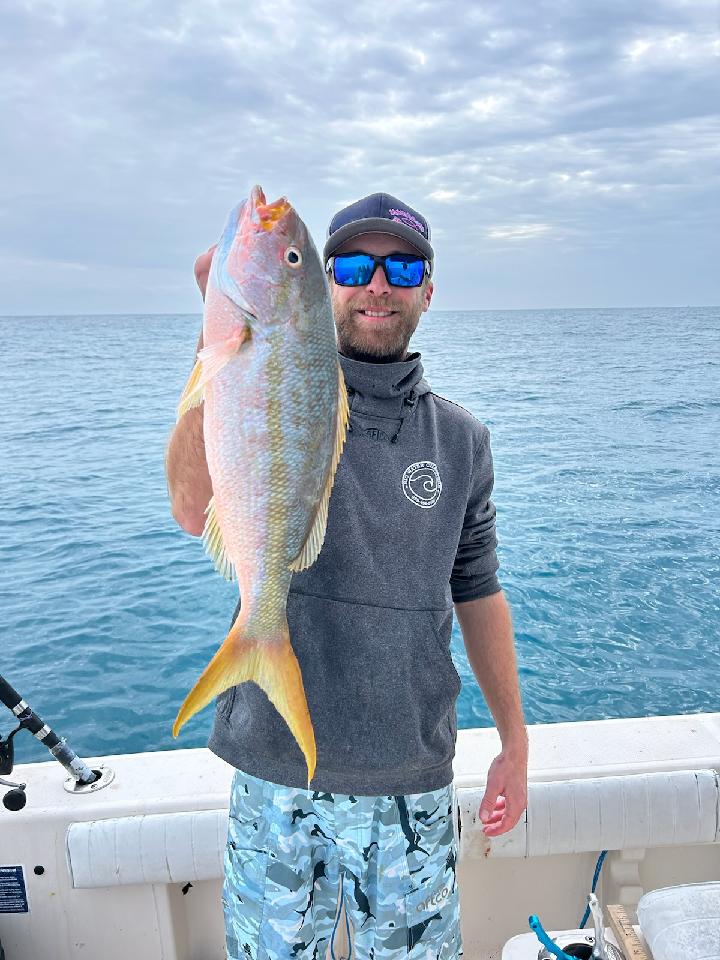
Your day starts early at the dock where Captain TJ will brief you on the game plan based on current conditions and what's been biting. The boat heads out through the mangrove creeks and flats before hitting the offshore grounds 3-8 miles out. You'll be fishing multiple techniques throughout the day – live bait fishing over structure for snapper and grouper, trolling the edges for kings and mahi, and working the current breaks where sailfish and amberjack patrol. The captain reads the water constantly, looking for birds, bait schools, temperature breaks, and color changes that signal fish. This isn't a park-and-fish operation – you'll cover ground and adapt tactics as the day unfolds. The offshore grounds here drop from 40 feet to over 200 feet quickly, creating the perfect ambush points that attract both baitfish and the predators that follow them.
Trolling the Edge and Live Bait
Captain TJ runs a mix of trolling and live bait fishing to maximize your shots at different species. The trolling spread typically includes a combination of ballyhoo, diving plugs, and skirted baits pulled at varying depths to cover the water column. When the sonar marks bait or structure, it's time to break out the live stuff – pilchards, goggle eyes, and blue runners that get the big fish fired up. The boat carries quality Penn and Shimano reels matched with appropriate rods for different target species. You'll fish everything from 20-pound tackle for mahi and kings up to 50-pound gear when targeting big amberjack and sailfish. The captain provides all terminal tackle, leaders, and hooks, plus he's constantly retying rigs and adjusting presentations based on what the fish want. Live wells keep the bait frisky, and the captain knows exactly where to catch fresh bait when needed.
Target Species
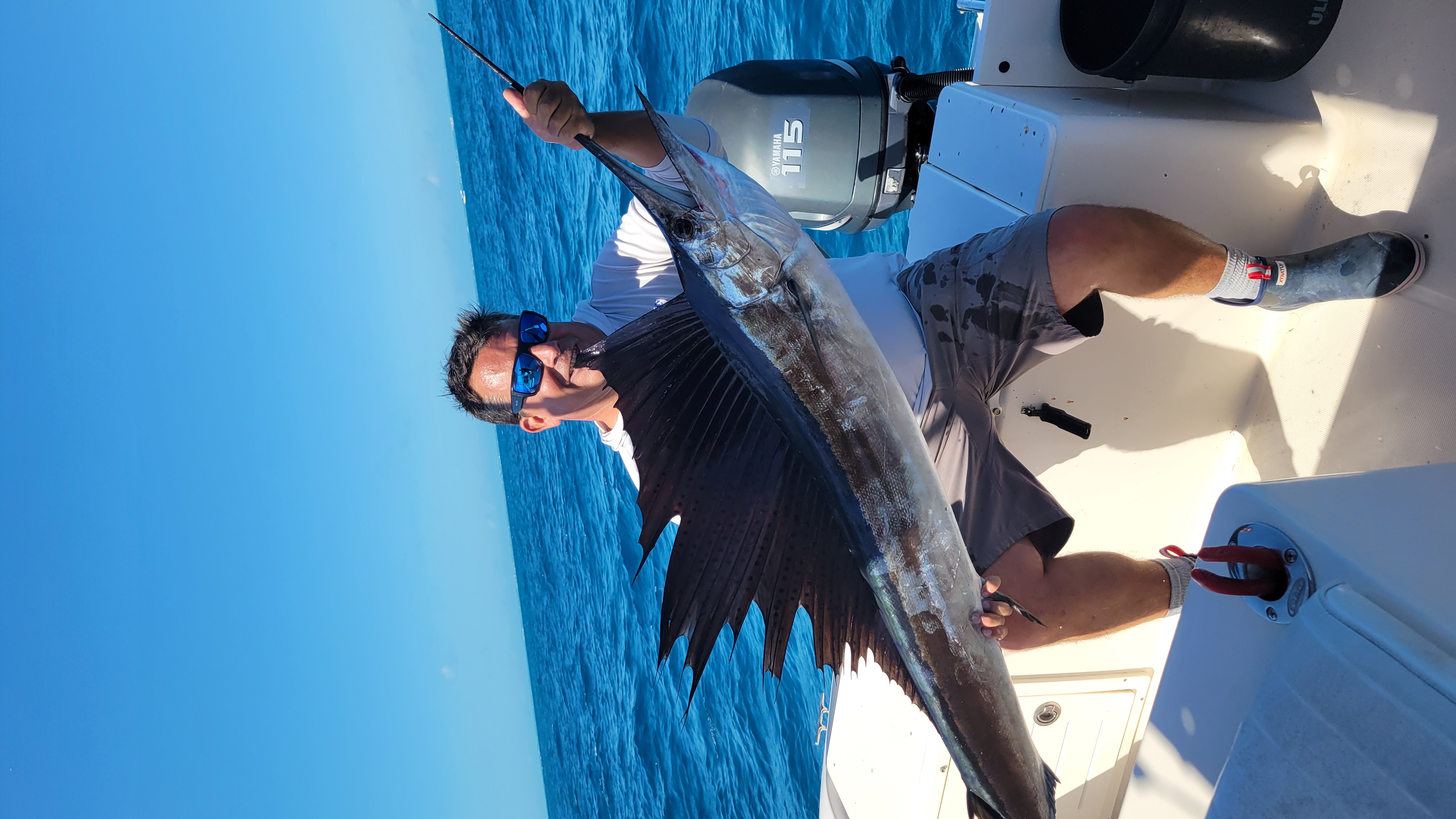
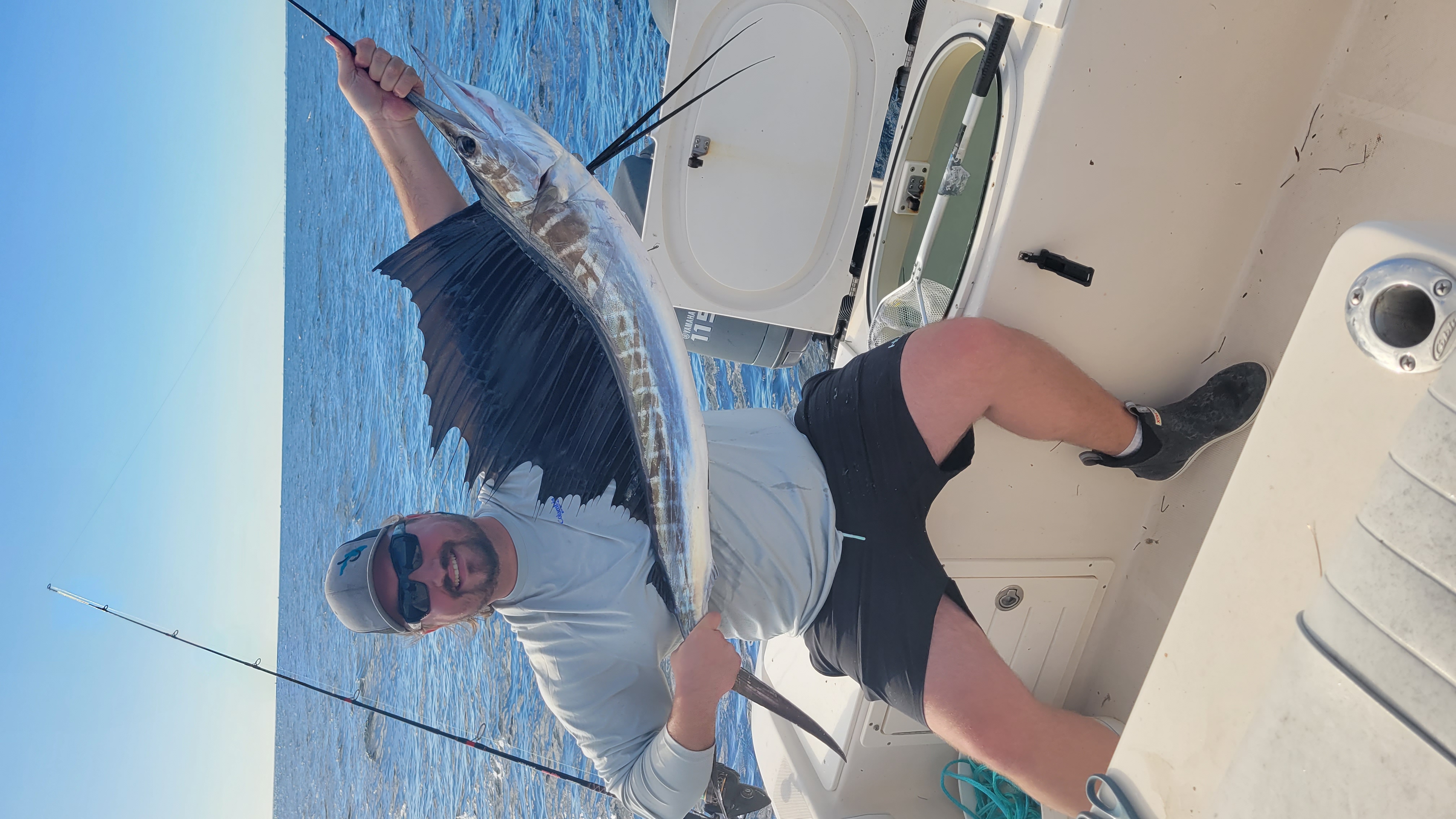
Atlantic Sailfish are the crown jewel of these offshore waters, typically showing up in good numbers from December through April when the water temps drop into the mid-70s. These acrobatic fighters average 40-60 pounds and put on an aerial display that'll get your heart pumping. They cruise the edges looking for schools of ballyhoo and sardines, often showing themselves by tailing or free-jumping before you even hook up. What makes sailfish special here is the consistency – Islamorada sits right in their migration corridor, and Captain TJ knows the specific depths and bottom contours they prefer.
King Mackerel patrol these same waters year-round but peak during the cooler months when they move in closer to shore. These speed demons can stretch the tape from 15 to 40-plus pounds, with the occasional smoker king pushing 50. They're aggressive trolling fish that hit fast and run hard, often making multiple blistering runs before you get them to the boat. Kings love the reef edges and drop-offs where smaller fish get ambushed, making them perfect targets when you're working structure for other species.
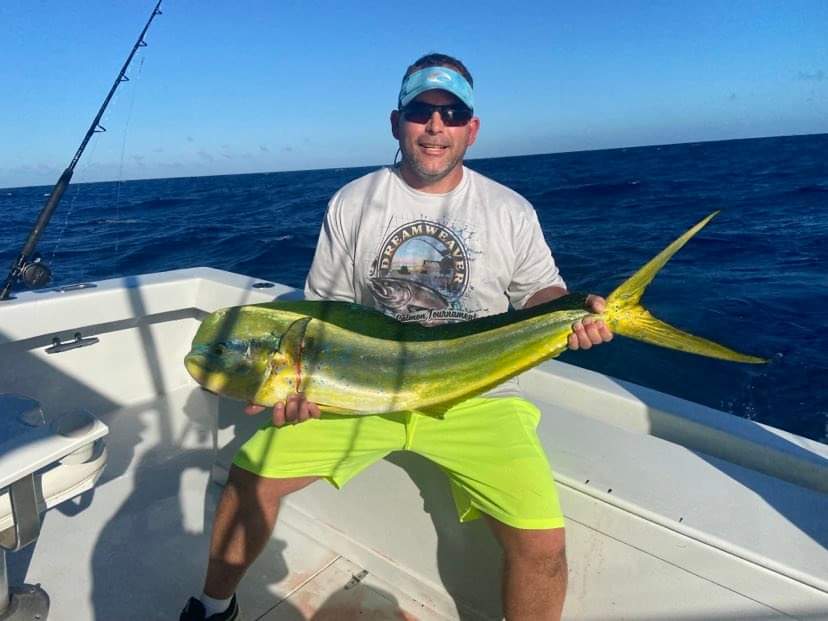
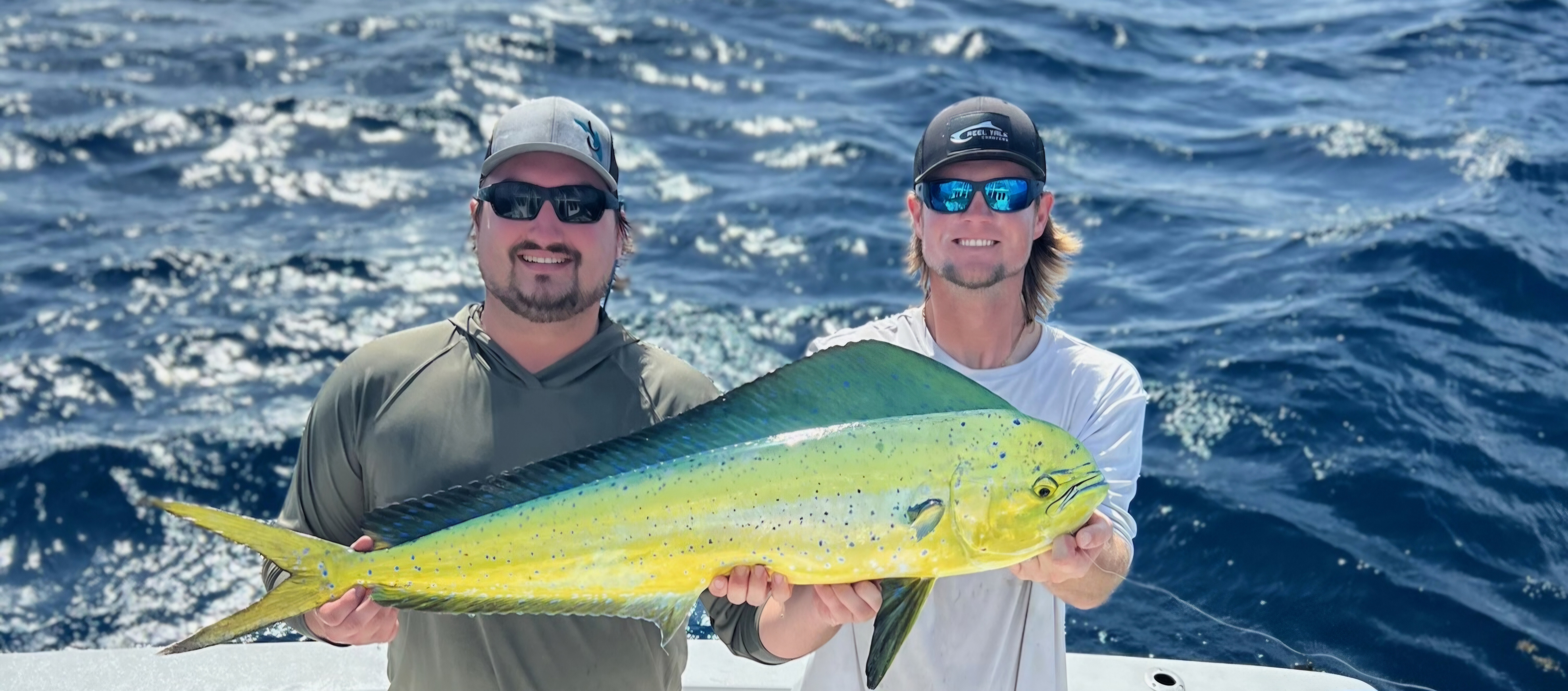
Mahi Mahi or Common Dolphinfish are pure gold when you find them, and Captain TJ has a knack for locating the floating debris and weed lines where they congregate. These colorful fighters range from schoolie-size "chickens" up to bull dolphins pushing 30-40 pounds. What's awesome about mahi is they're willing biters on both trolled baits and live offerings, plus they often travel in schools so one fish can turn into a boat-load quickly. Their striking colors and aggressive fighting style make them a customer favorite, especially for families and first-time offshore anglers.
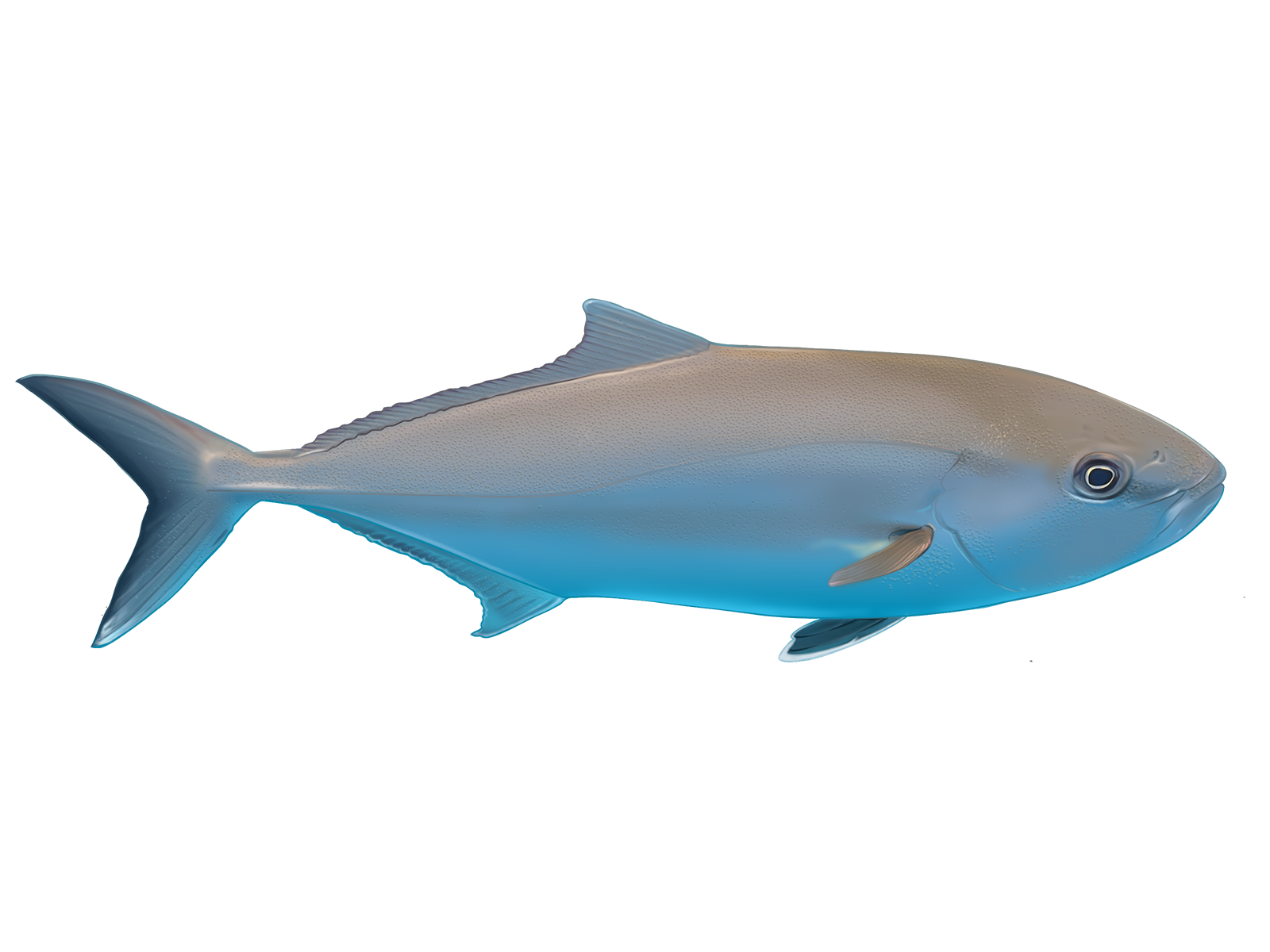
Greater Amberjack are the bulldogs of the deep, using their broad sides and powerful tails to test your drag system and shoulder muscles. These reef dwellers can exceed 50 pounds and fight dirty, trying to wrap you around structure or simply out-muscle you in a straight tug-of-war. They're year-round residents that respond well to live bait dropped over wrecks and hard bottom, making them reliable targets when other species are finicky. The bigger jacks provide some of the strongest fights you'll experience in these waters.
Great Barracuda add an element of surprise to every offshore trip, appearing like silver missiles to slash at trolled baits or ambush live offerings near structure. These toothy predators can stretch over four feet long and provide explosive strikes followed by jumping, head-shaking battles. While they're often considered bonus fish, the bigger barracuda are legitimate gamefish that test your tackle and provide plenty of excitement. They're also excellent table fare when prepared properly, despite what some people think.
Time to Book Your Spot
Captain TJ's full-day offshore charters book up quickly, especially during peak season when the fishing is red-hot. This is hands-down one of the best values in the Keys – you get a full day with an experienced local captain, all your gear and bait covered, plus the chance at multiple world-class gamefish species. Whether you're an experienced angler looking to check some species off your list or a family wanting to experience the best offshore fishing the Keys has to offer, this trip delivers. The boat accommodates up to six anglers comfortably, making it perfect for groups who want a private charter

 Private Trip
 Offshore Fishing
 Islamorada



 Full-day offshore charter targeting Mahi, Snapper, Grouper, and Tuna