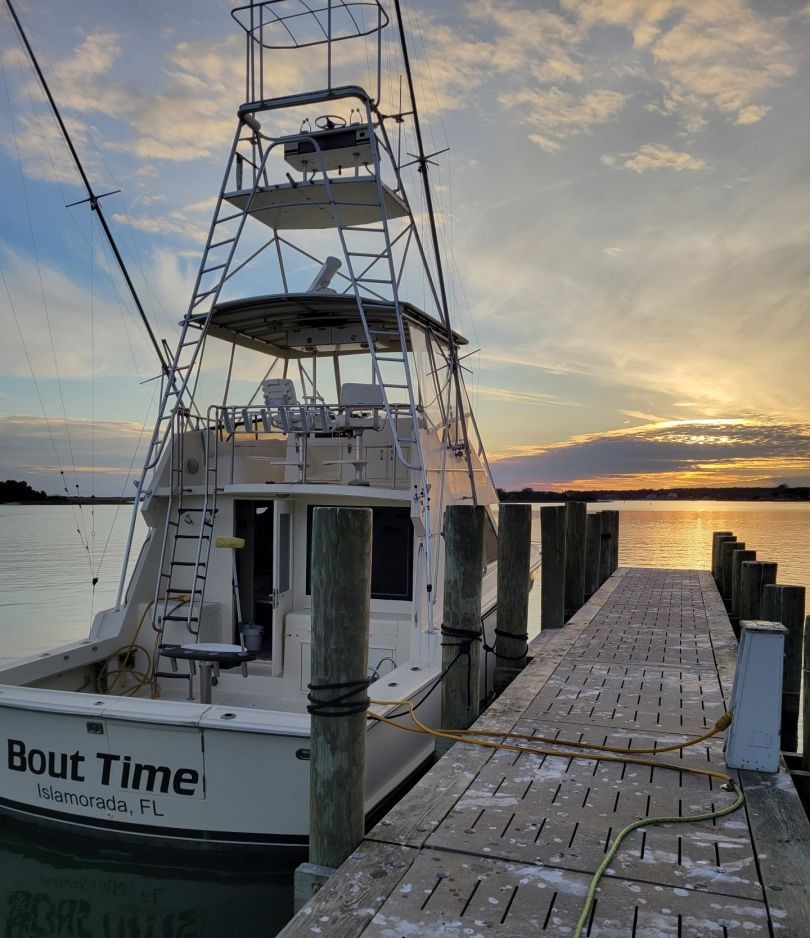
Half-Day Reef & Wreck Fishing in Islamorada
Picture this: you're cruising through the crystal-clear waters off Islamorada as the afternoon sun starts its descent, casting perfect shadows over some of the most productive fishing grounds in the Florida Keys. Captain TJ knows these reefs and wrecks like the back of his hand, and he's ready to put you on fish that'll have you talking about this trip for years. This isn't just another charter – it's your chance to experience what makes the Upper Keys a world-class fishing destination, with everything you need included and a captain who genuinely wants to see you succeed.
What to Expect on the Water
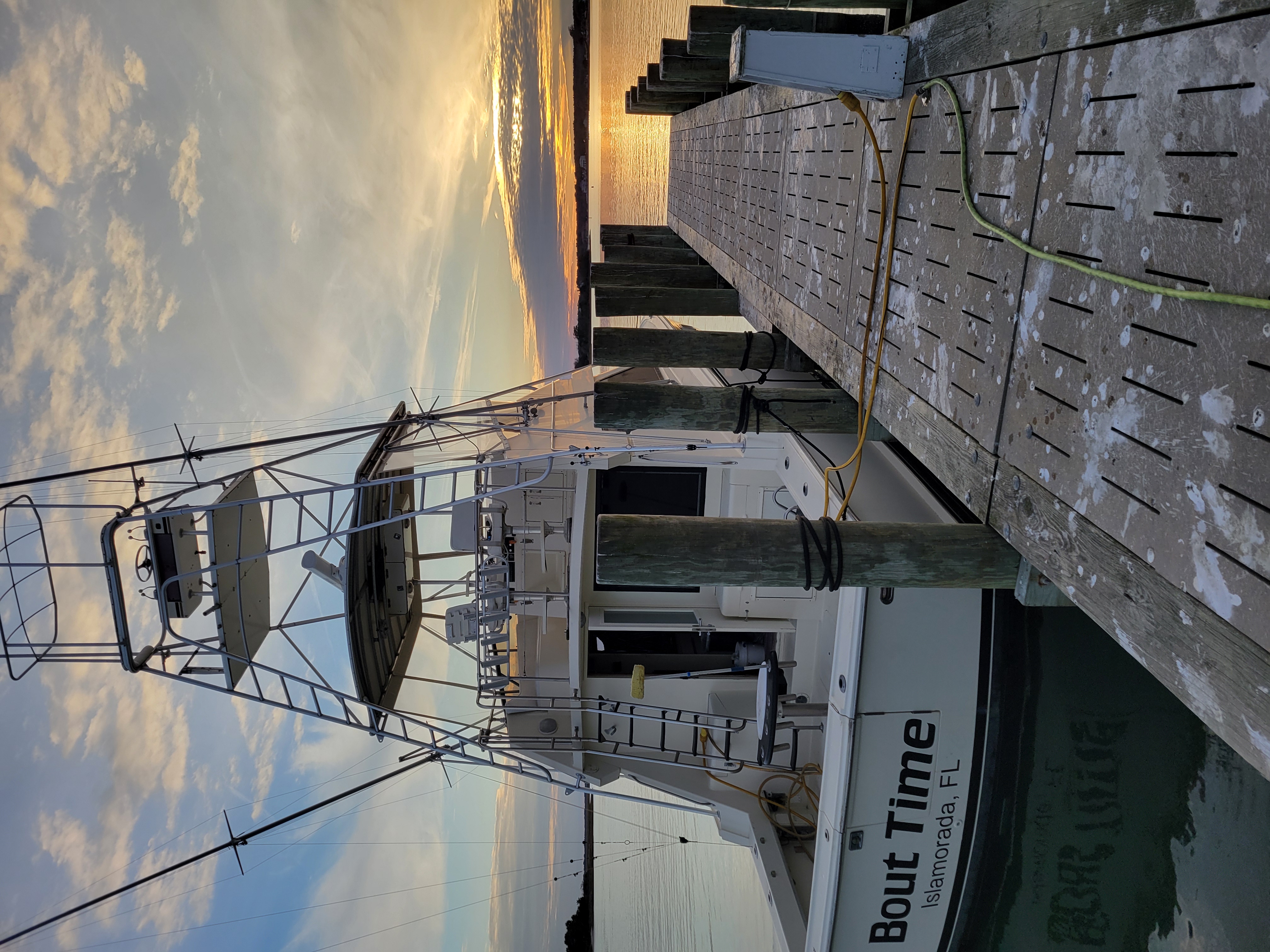
Your afternoon adventure kicks off from Islamorada's marina, where Captain TJ will have the boat rigged and ready to roll. We're talking about a solid 4-hour window when the fish are actively feeding and the afternoon bite is heating up. The beauty of this PM trip is that you're hitting the water when a lot of other boats are heading in, giving you more elbow room on the best spots. You'll be targeting structure – both natural reefs and artificial wrecks that have become fish magnets over the years. The ride out is comfortable, and Captain TJ uses this time to go over safety basics and game plan for the day based on current conditions. Don't worry about bringing anything except your enthusiasm – rods, reels, tackle, live bait, and even your fishing license are all covered. This is a top-rated family-friendly operation, so whether you're a seasoned angler or someone who's never held a fishing rod, you're in good hands.
Reef & Wreck Tactics
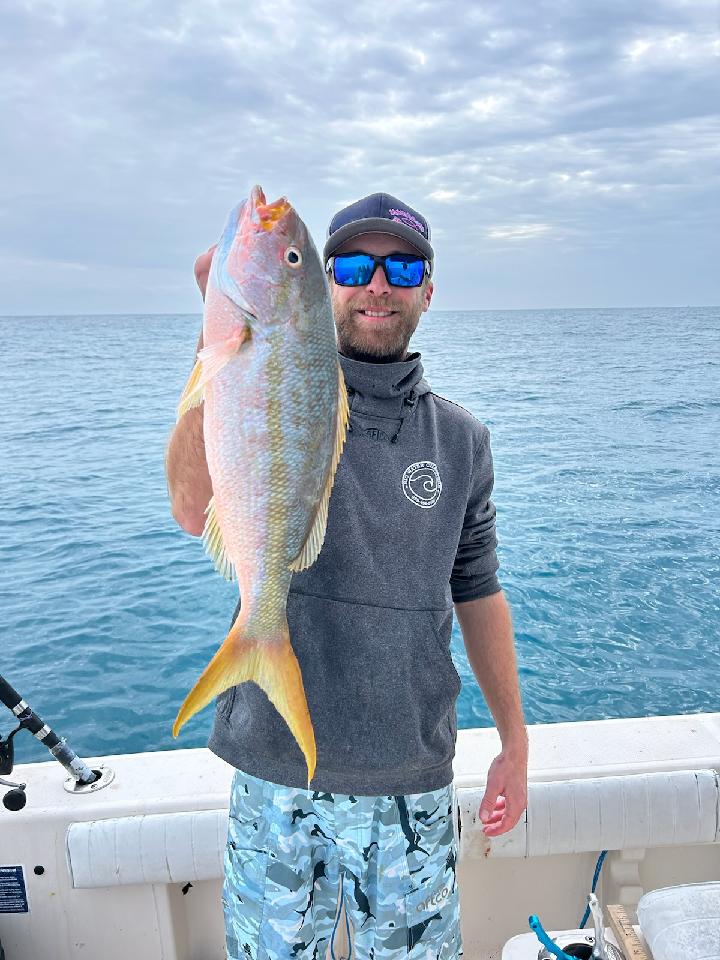
Fishing reefs and wrecks is all about precision and patience. Captain TJ positions the boat using GPS coordinates and his fish finder to locate the sweet spots where structure meets current. You'll be dropping baits down to depths ranging from 40 to 120 feet, depending on which spots are producing. The technique here is mainly bottom fishing with circle hooks and enough weight to get your bait down through the current. Live pilchards, sardines, and ballyhoo are the go-to baits, presented on fluorocarbon leaders that won't spook the fish. The captain reads the drift and adjusts positioning constantly – this isn't anchor fishing where you sit and wait. When you hook up on structure, the fight becomes a chess match between you and the fish as they try to get back to their rocky hideouts. Captain TJ coaches you through proper rod technique and when to apply pressure versus when to let them run. The gear is medium to heavy action, perfect for handling anything from a scrappy yellowtail snapper to a hefty grouper that doesn't want to leave home.
Species You'll Want to Hook
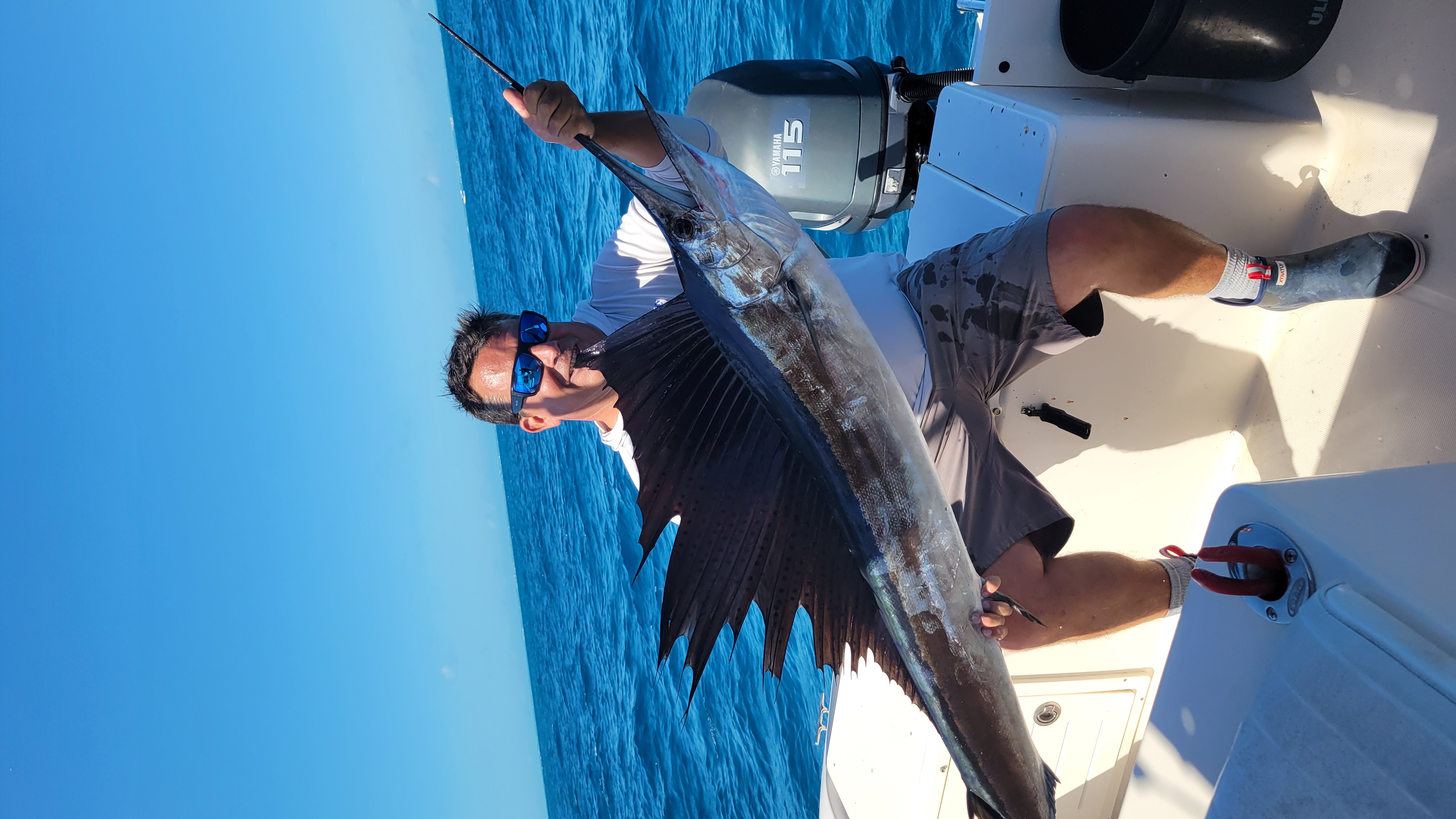
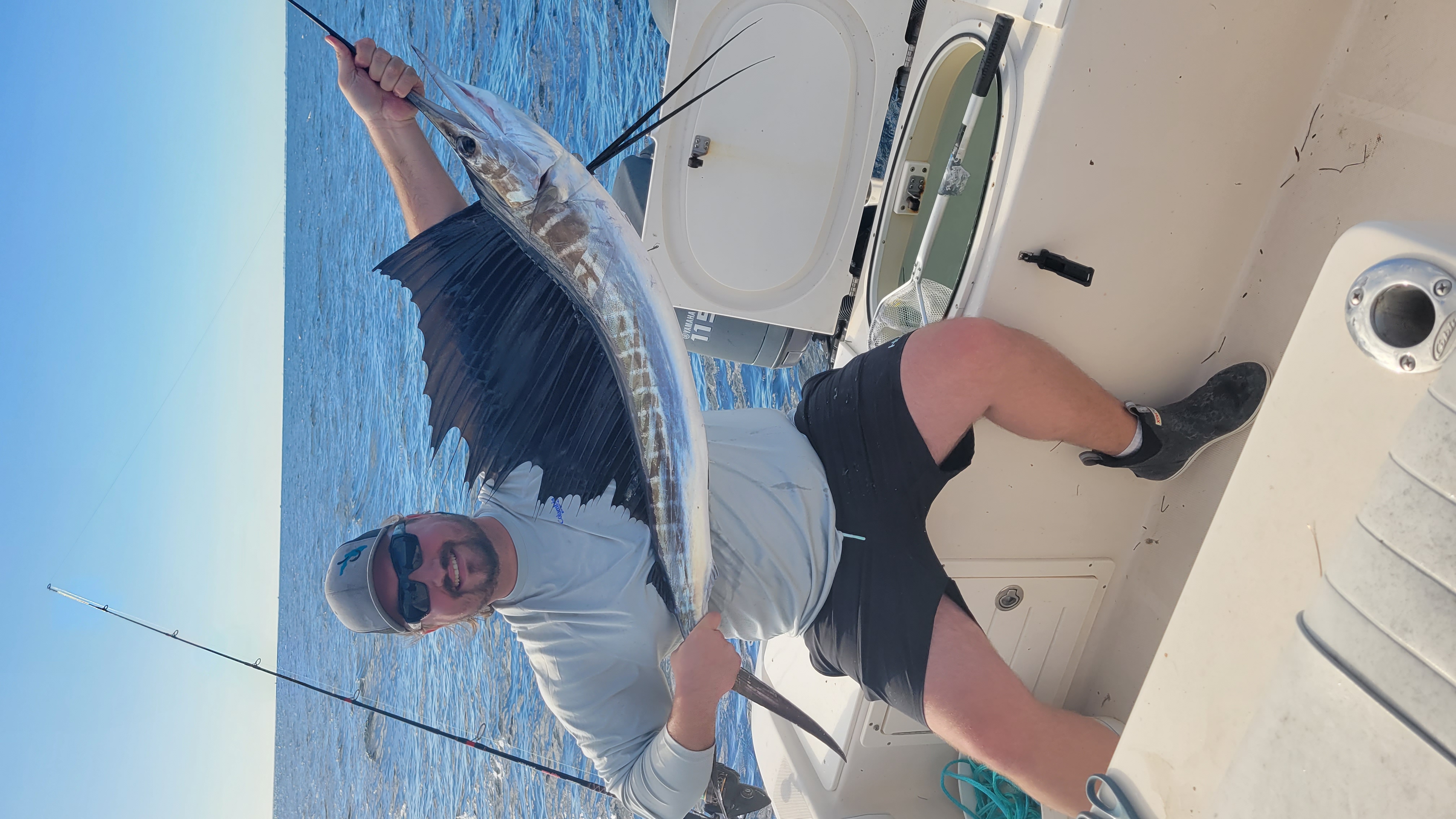
Atlantic Sailfish are the crown jewel of offshore fishing here in Islamorada, and while they're typically associated with deeper water trolling, these acrobatic billfish sometimes hunt around the outer reefs and wrecks. Peak season runs from December through April, when cooler water temperatures bring them closer to shore. When you hook a sailfish, get ready for the show of a lifetime – they'll jump, tail-walk, and put on an aerial display that'll leave your jaw on the deck. Most sailfish here run 6 to 8 feet long and 40 to 60 pounds, making them a perfect challenge on medium tackle. The thrill isn't just in the fight; it's watching that distinctive sail light up electric blue as they dance across the surface.
King Mackerel, or "kings" as we call them, are speed demons that patrol these waters year-round, with peak action from October through March. These silver bullets can reach speeds of 40 mph and grow up to 40 pounds in local waters. They're aggressive predators that love live bait, and when they hit, they hit hard. The initial run on a king mackerel is something every angler needs to experience – your drag will be screaming as they peel off 100 yards of line in seconds. What makes kings special is their unpredictability; they might jump, they might sound, or they might just make a blazing run toward the horizon. Captain TJ knows how to rig for kings with wire leaders to prevent their razor-sharp teeth from cutting you off.
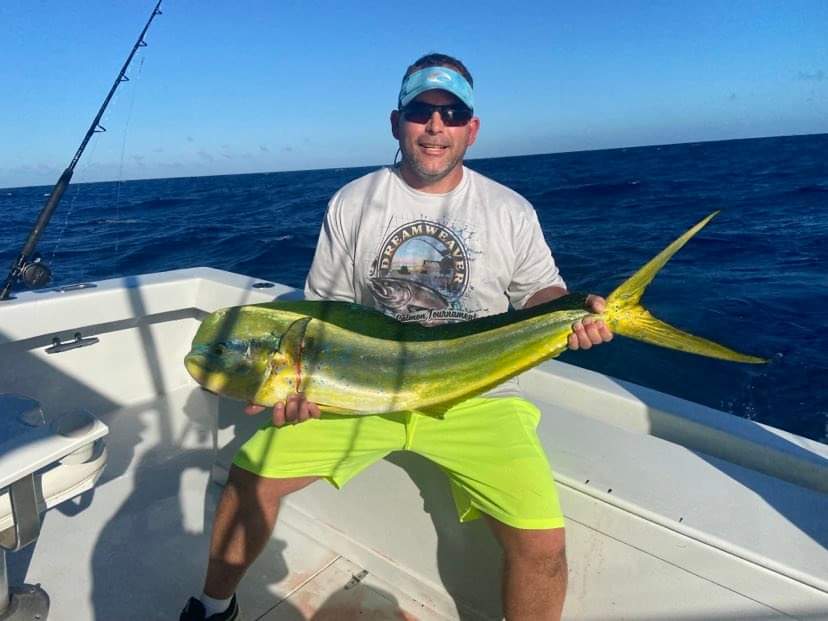
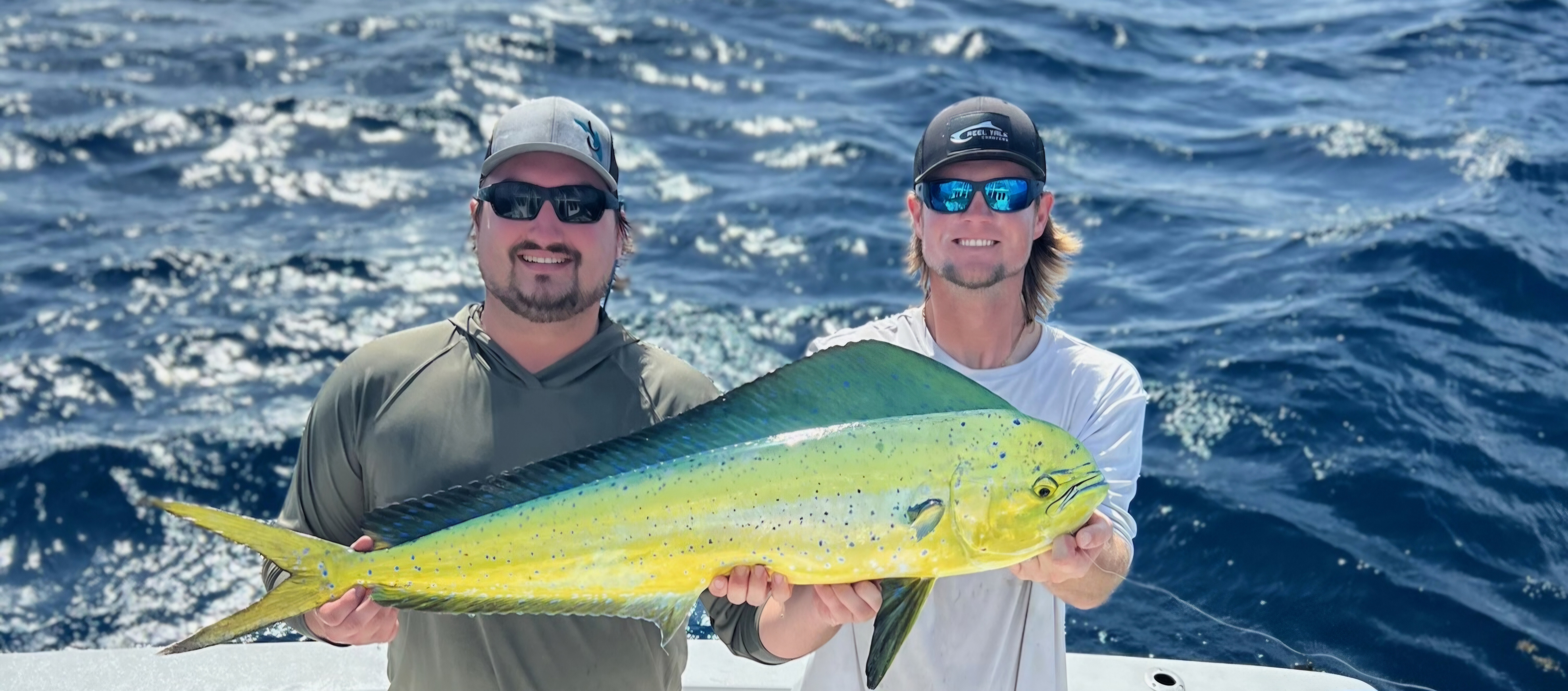
Mahi Mahi, also known as dolphinfish or dorado, are probably the most beautiful fish you'll encounter out here. These golden-green beauties love structure and floating debris, making them regular visitors to our local wrecks. They're most abundant from April through September, but you can find them year-round in South Florida. Mahi are acrobats – when hooked, they'll jump repeatedly and change colors from brilliant gold to electric green. School-size fish run 5 to 15 pounds, while the larger bulls can push 30 pounds or more. What anglers love about mahi is their willingness to bite and their spectacular fight combined with excellent table fare. They're also one of the fastest-growing fish in the ocean, reaching maturity in just four to five months.
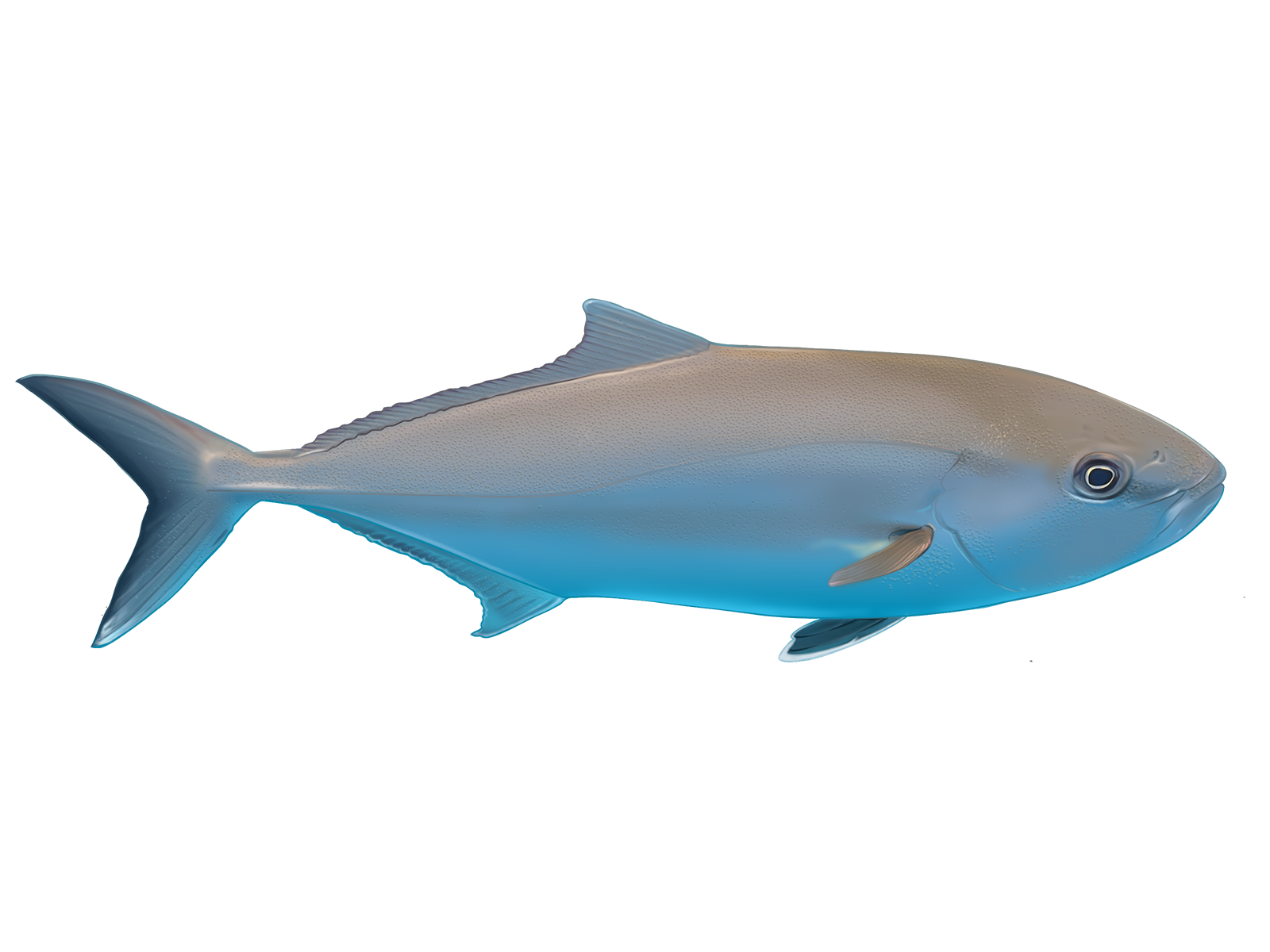
Greater Amberjack are the bulldogs of the reef, and they'll test your arms and your drag system. These powerful fish can exceed 100 pounds, though most caught here range from 20 to 60 pounds. They're year-round residents but are most active during warmer months from May through September. Amberjack are notorious for their strong, straight-down runs – they use their broad sides and powerful tails to fight you every inch of the way to the surface. What makes them customer favorites is their predictable behavior around structure and their willingness to eat a variety of baits. The fight is all about endurance, and when you finally get a big AJ to the boat, you'll understand why they're called the "reef donkeys."
Great Barracuda are the toothy predators that add excitement to every reef trip. These silver missiles can reach 5 feet in length and are present year-round, though they're most active during warmer months

 Private Trip
 Offshore Fishing
 Islamorada



 Four-hour afternoon charter targeting reef and wreck species