Deschutes River Steelhead Day Trip
Picture this: you're standing waist-deep in the legendary Deschutes River, a two-handed rod in your grip, watching your spey line unfurl in a perfect arc across Oregon's most famous steelhead water. Brian Silvey's guided day trips focus on mastering the art of spey fishing for chrome-bright steelhead, and there's honestly no better classroom than the Deschutes. This isn't your typical guided fishing trip where you cast where someone points – this is hands-on education in one of the most technical and rewarding forms of angling. We keep groups small at just two anglers, so you get real one-on-one instruction that'll change how you approach steelhead fishing forever. Plus, we handle lunch so you can stay focused on perfecting that double spey cast without worrying about anything else.
What to Expect on the Water
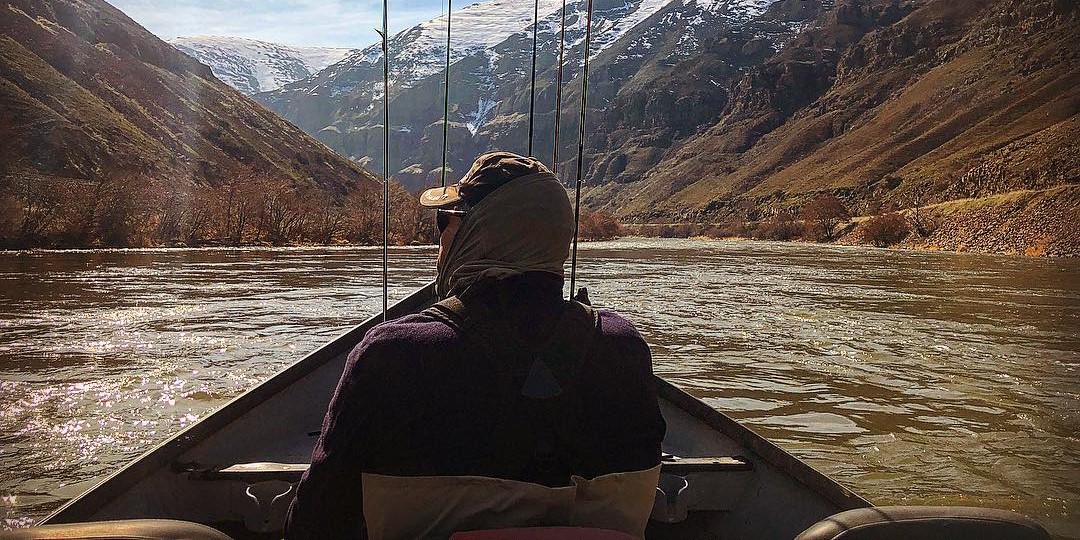
The Deschutes has earned its reputation as a world-class steelhead destination, and for good reason. This river demands respect and rewards skill, making it the perfect place to learn proper spey techniques. Your day starts early – steelhead don't sleep in, and neither should we. The morning bite can be absolutely electric when conditions line up right. Brian will meet you at one of several prime access points along the river, depending on current flows, weather, and where the fish have been showing up. The Deschutes changes personality throughout the day, and part of becoming a better steelhead angler is learning to read these moods. We'll work different runs and pools, each offering unique challenges and lessons. The river's gradient creates that perfect steelhead habitat – deep pools for holding fish, rocky ledges for cover, and the kind of flowing water that gets chrome steelhead moving upstream. By the end of the day, you'll understand why so many top-rated guides consider the Deschutes their home water and why anglers travel from across the country just to fish here.
Mastering the Spey Rod
Here's where things get interesting – spey casting isn't just about looking cool on the water, though you definitely will. Two-handed rods let you cover water that single-hand rods simply can't reach effectively, and on a river like the Deschutes, that extra distance often means the difference between a great day and going home empty-handed. Brian specializes in breaking down spey casting into manageable pieces. We start with basic anchor placement and work up to full shooting heads and long belly lines. The beauty of spey fishing is that it's all about efficiency – no more false casting over your shoulder or getting tangled in streamside brush. Instead, you're using the water's surface tension and rod loading to generate incredible line speed and distance. We'll cover different cast types throughout the day: the single spey for tight spots, double spey for wind, and snap-T for quick direction changes. Don't worry if you've never touched a two-handed rod before – that's exactly why we're here. The Deschutes teaches patience, and by lunch time, you'll be laying out casts that would make seasoned spey anglers jealous. All gear is provided, including a selection of rods so you can find what feels right in your hands.
Species You'll Want to Hook
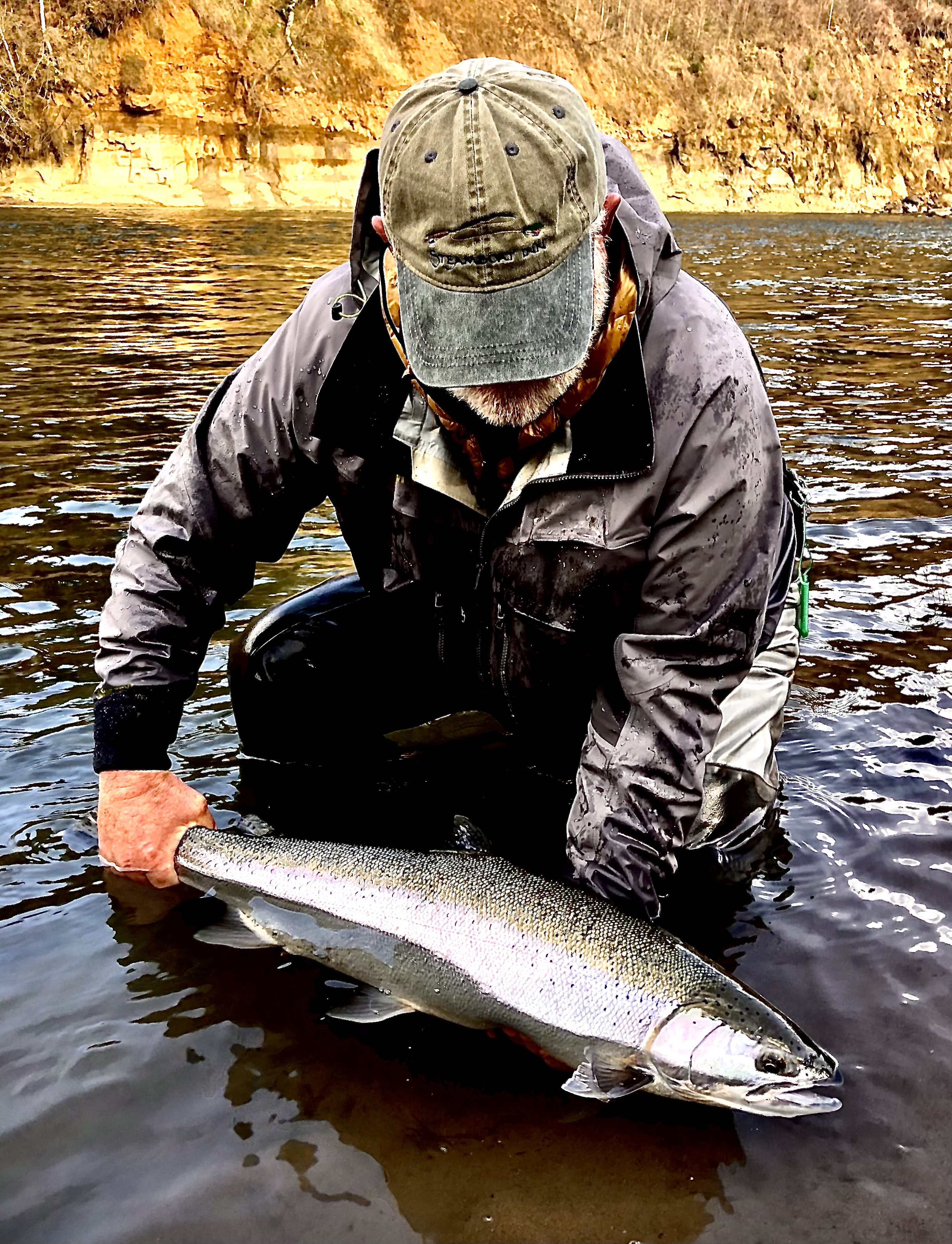
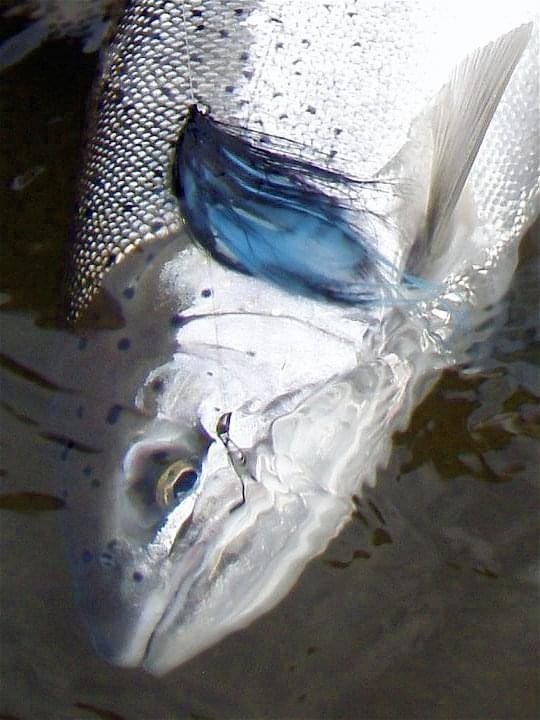
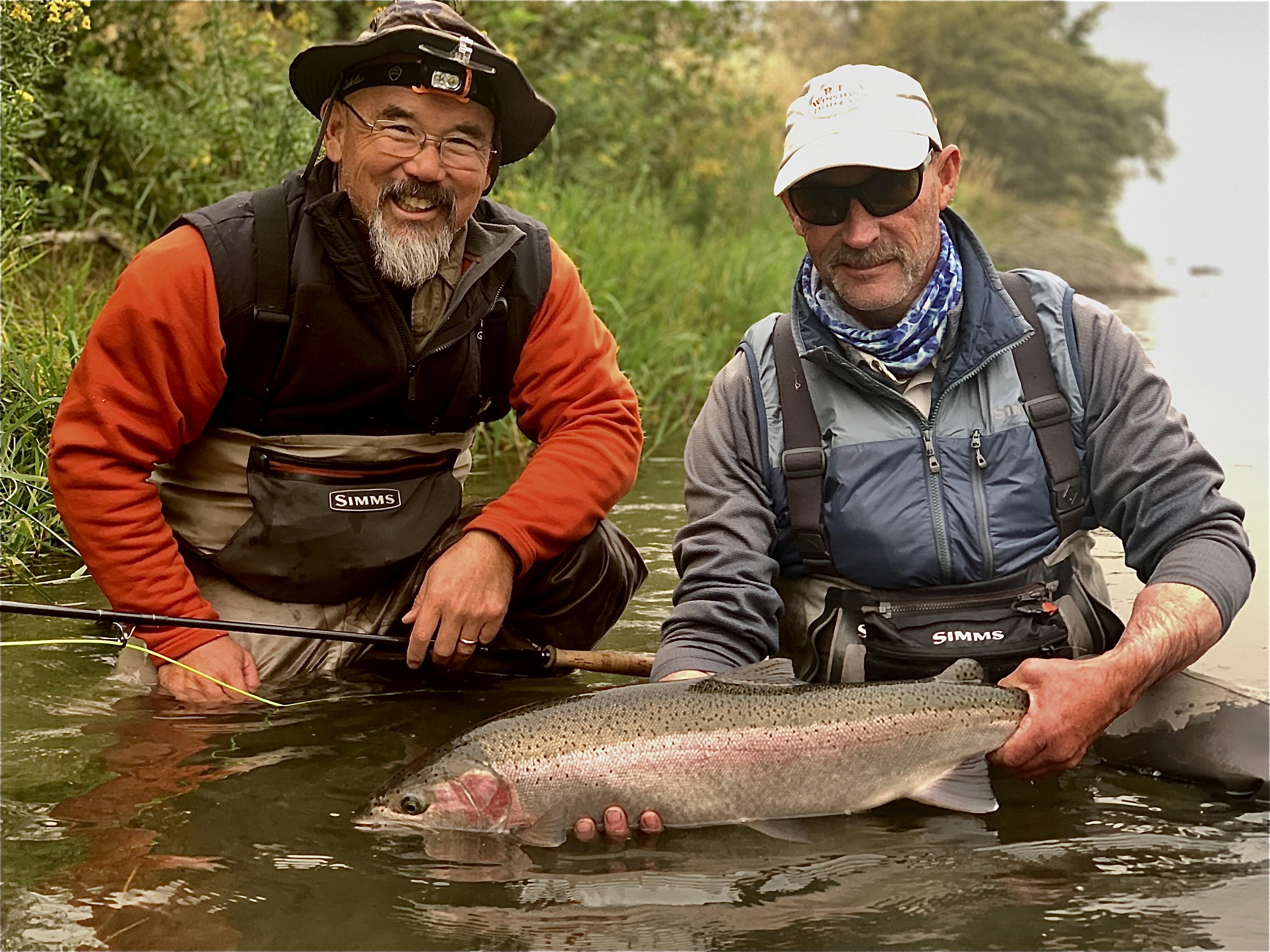
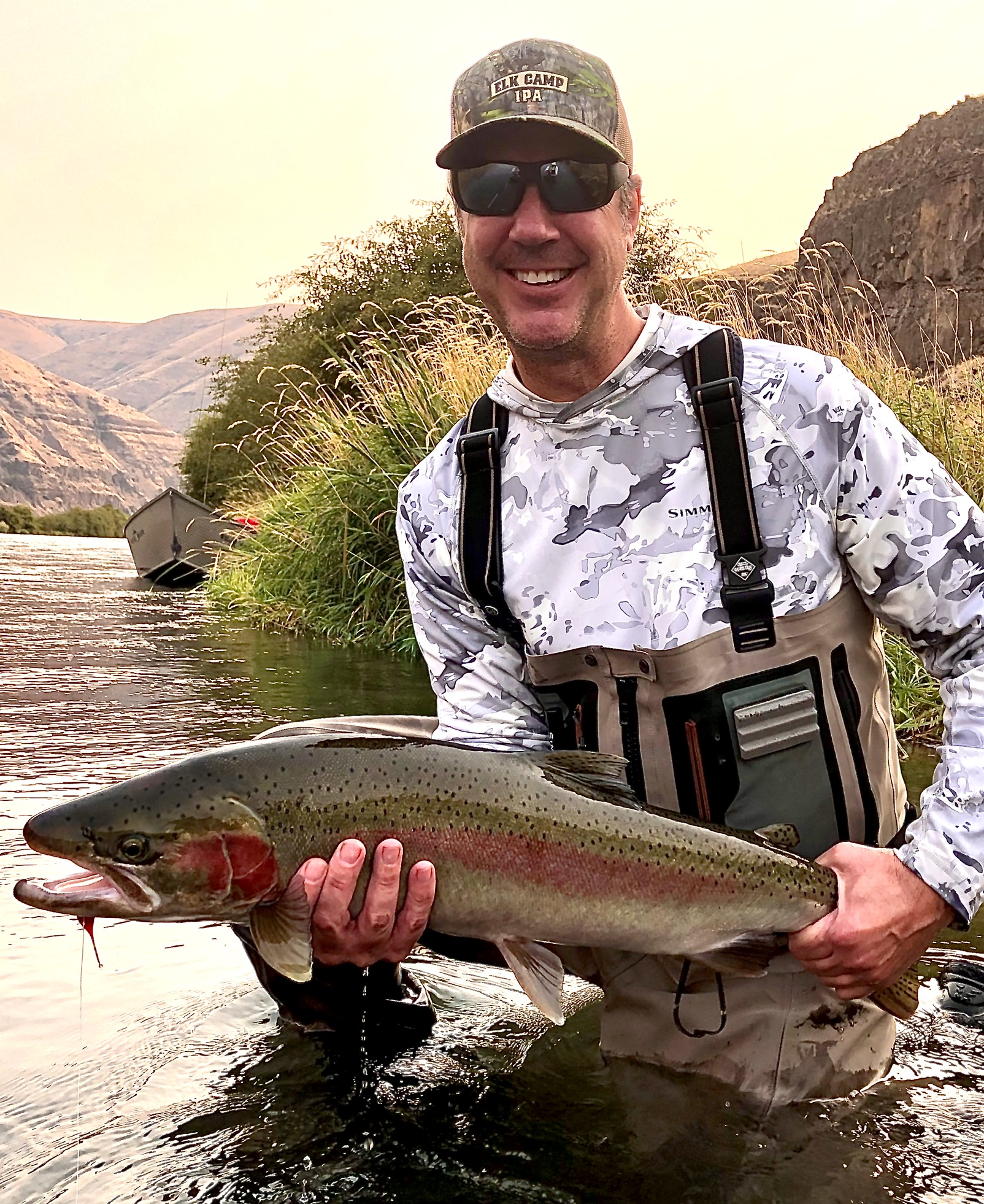
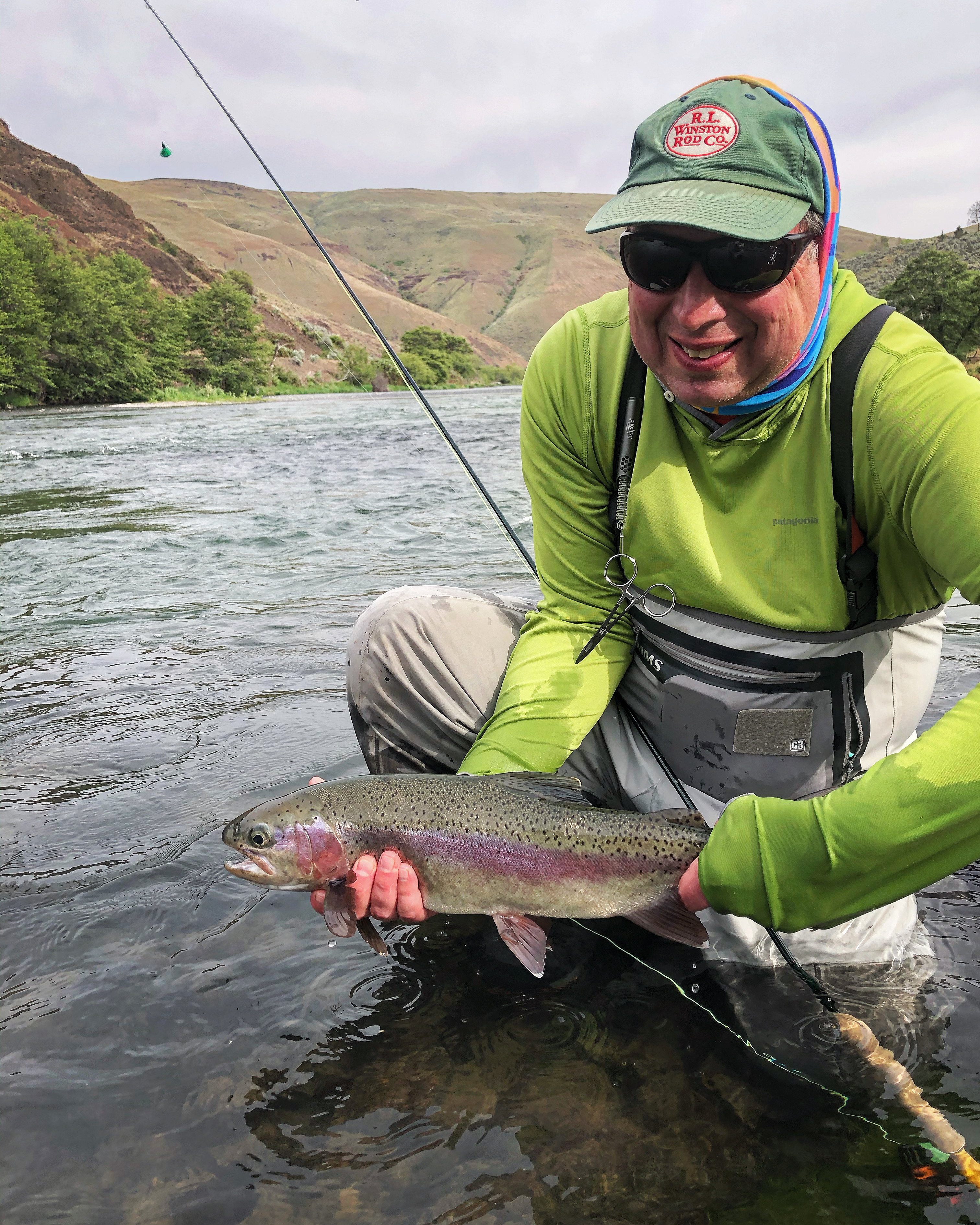
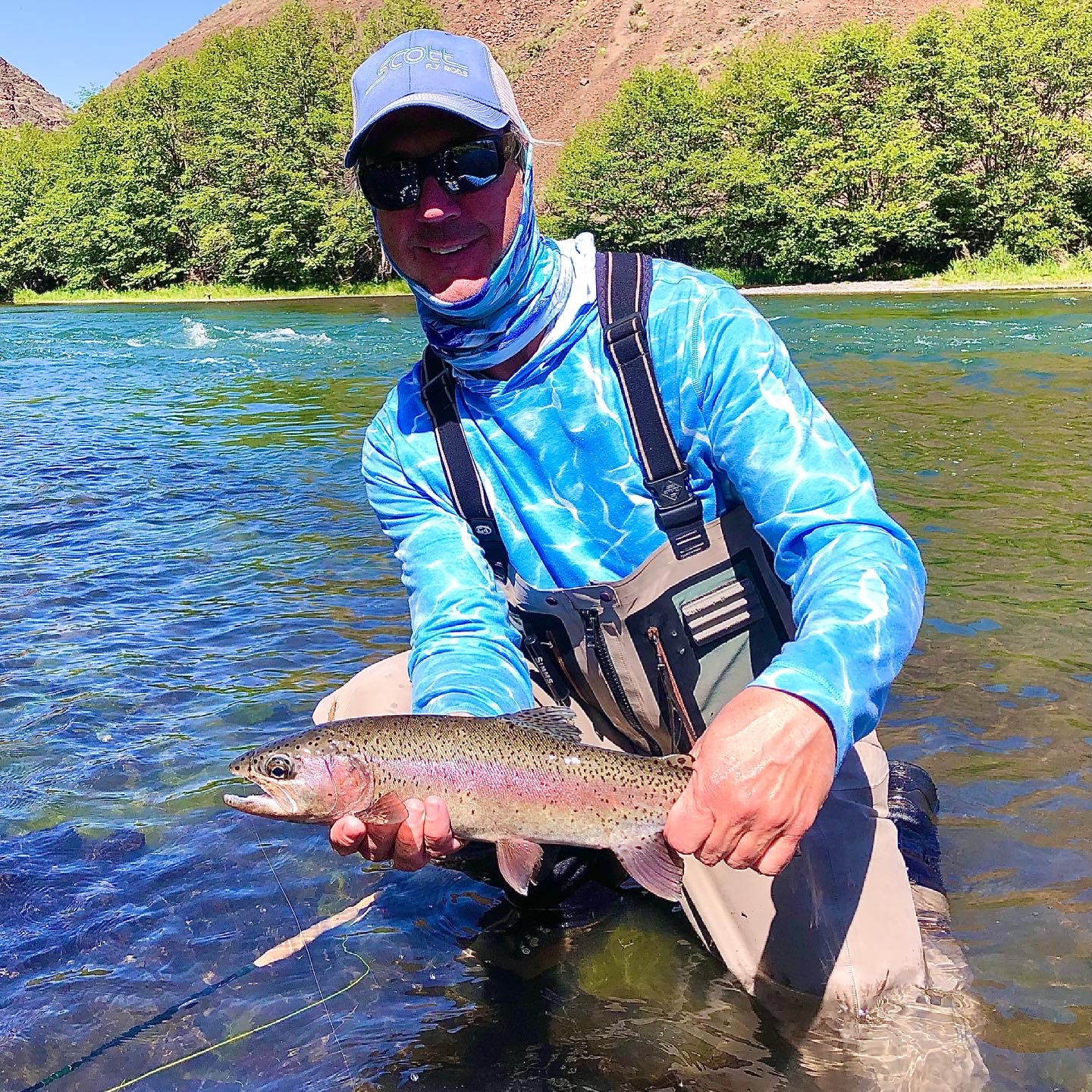
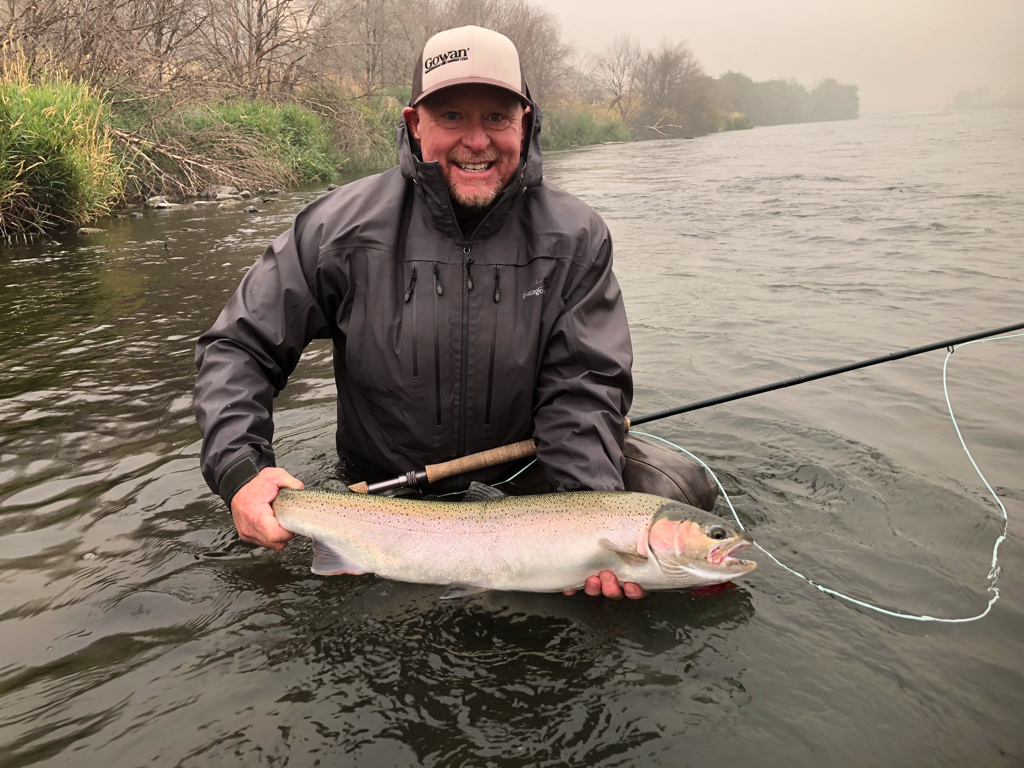
Steelhead are the ultimate prize fish, and the Deschutes population is something special. These aren't your typical hatchery fish – we're talking about wild, ocean-bright steelhead that have traveled hundreds of miles to reach these spawning grounds. Summer-run steelhead start entering the system in late spring and continue through fall, with peak fishing typically hitting its stride from July through October. These fish average 6 to 12 pounds, but don't let those numbers fool you – a fresh steelhead fights like nothing else in freshwater. They're famous for their aerial displays, long runs, and ability to find every snag in the river. What makes Deschutes steelhead particularly exciting is their aggressive nature. These fish have been traveling for months and are actively feeding, making them more likely to chase a well-presented fly. The chrome-bright sides and that distinctive steelhead head shake when they're hooked creates moments you'll replay in your mind for years. Fall fish tend to be a bit more colored up but fight just as hard. Winter steelhead also run the Deschutes, typically from December through March, and these fish are absolute tanks – bigger, stronger, and even more determined. The key to consistent steelhead success is understanding their behavior patterns, which change based on water temperature, flow levels, and time of year. That's knowledge that comes from spending serious time on the water, and it's exactly what Brian brings to every trip.
Time to Book Your Spot
The Deschutes isn't going anywhere, but prime steelhead fishing windows definitely have their seasons. Fall booking fills up fast because that's when everything comes together – stable flows, cooling water temps, and fresh fish pushing upriver. This customer favorite trip combines technical skill building with real fishing in renowned steelhead water, making it perfect whether you're completely new to spey casting or looking to dial in your technique. The personal instruction you get in a small group setting is worth its weight in silver, and the fact that you're learning on one of the best steelhead rivers in the Pacific Northwest makes this a no-brainer. Brian's approach focuses on building real skills that transfer to other steelhead rivers, so you're not just catching fish today – you're becoming a better angler for life. The lunch break gives you time to process what you've learned and talk through strategy for the afternoon session. Most guests leave with a completely different understanding of how steelhead think and move, plus the casting skills to actually reach them. Whether you hook your first steelhead or your fiftieth, there's something magical about doing it with a spey rod on the Deschutes. Don't wait for next season to get started – the best time to learn these techniques is now, while you've got the motivation and before the prime runs start showing up.
 Private Trip
 River Fishing
 Baker City
 Learn spey rod techniques for Deschutes River steelhead fishing