Sandy River Winter Steelhead
When December rolls around and most anglers hang up their rods, that's when the Sandy River really comes alive. This top-rated winter steelhead fishery offers some of the Pacific Northwest's most rewarding spey casting opportunities, and Brian Silvey's guide service puts you right in the thick of it. Picture yourself standing knee-deep in Oregon's pristine waters, working a two-handed rod through classic steelhead runs while snow dusts the Cascade foothills. This isn't your typical fair-weather fishing trip – it's a customer favorite among serious anglers who understand that winter steelhead are worth every cold morning and every perfect cast.
What to Expect on the Water
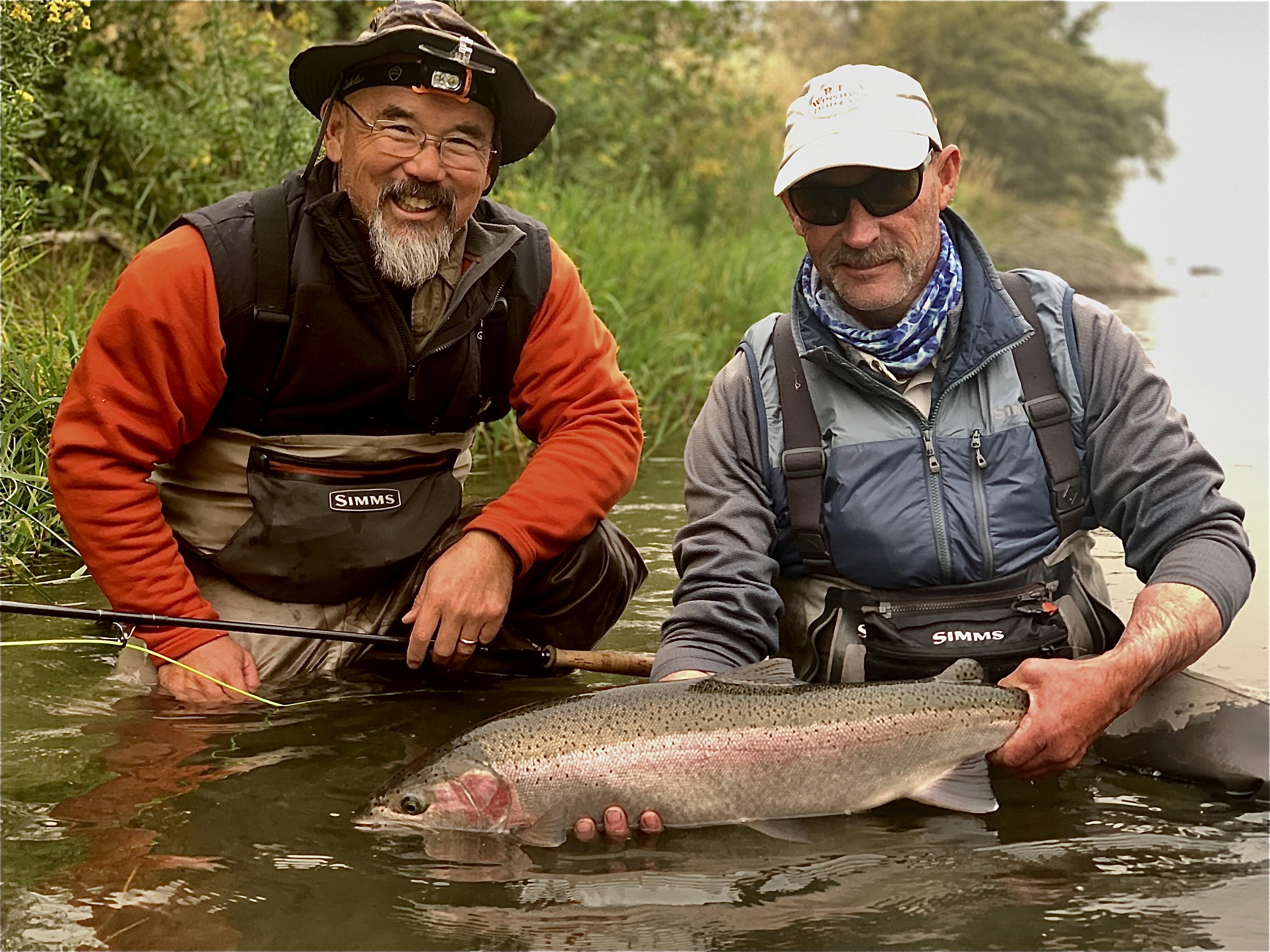
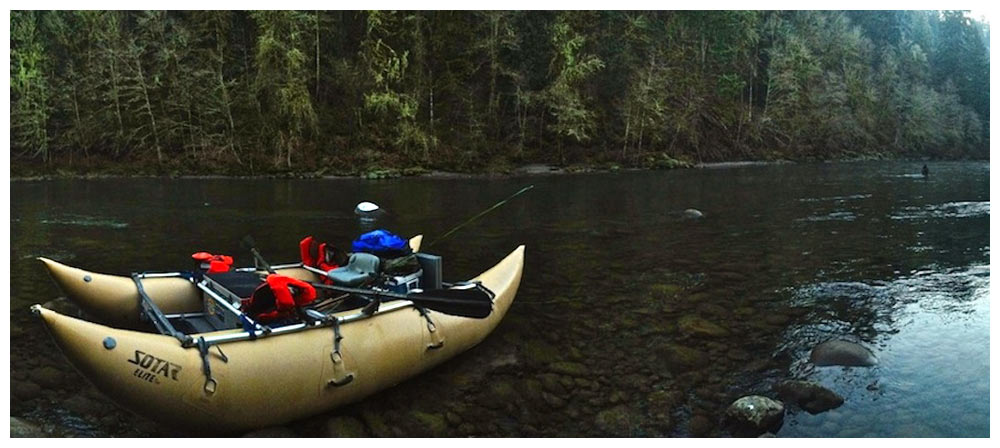
The Sandy River delivers world-class winter steelhead action from December through April, peaking during those gray January and February days when the fish are pushing hard upstream. You'll be fishing with just one other angler, keeping things intimate and giving everyone plenty of water to work. Brian provides lunch to keep you fueled during those long stretches when the bite is hot, because trust me – when winter steelhead are moving, you don't want to waste time driving to town for a sandwich. The Sandy's got that perfect blend of accessible runs and backcountry feel, with crystal-clear water that lets you see every piece of structure and holding spot. Don't expect tropical conditions, but the reward of hooking a chrome-bright winter steelhead makes every chilly morning worth it. The river runs clean most of the winter, fed by Cascade snowmelt and spring water that keeps fish active even when temperatures drop.
Spey Casting Techniques
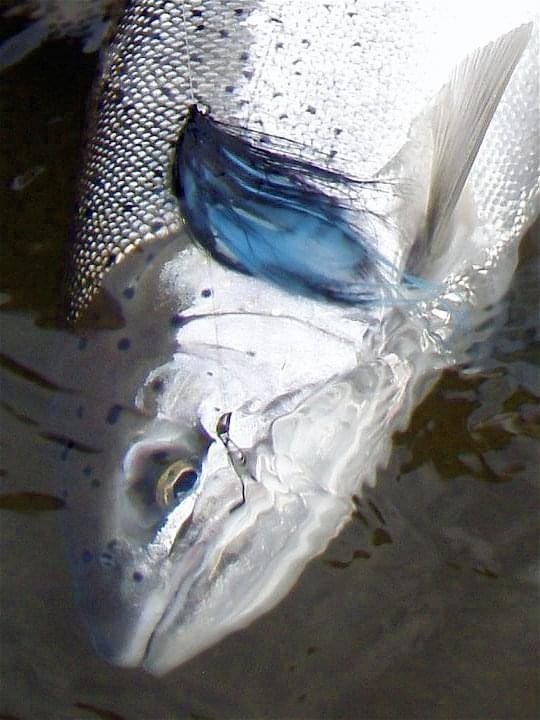
This trip is all about mastering the two-handed rod and learning why spey casting is the best way to cover winter steelhead water. Brian will have you working through classic spey techniques – the double spey, snap-t, and circle spey – depending on wind conditions and which bank you're fishing from. The Sandy's medium-sized flows are perfect for learning these casts without feeling overwhelmed by massive water. You'll be swinging flies through textbook steelhead lies, letting the current work your offering across the fish's nose at just the right speed. The gear setup is straightforward but specific – we're talking 13 to 15-foot spey rods matched with sink-tip lines that get your flies down to where winter steelhead are holding. Intruder-style flies and traditional patterns like the Purple Peril and Green Butt Skunk are go-to choices when the water's running right. The key is learning to read the water and understanding how winter steelhead use different parts of the river depending on flow levels and weather patterns.
Target Species
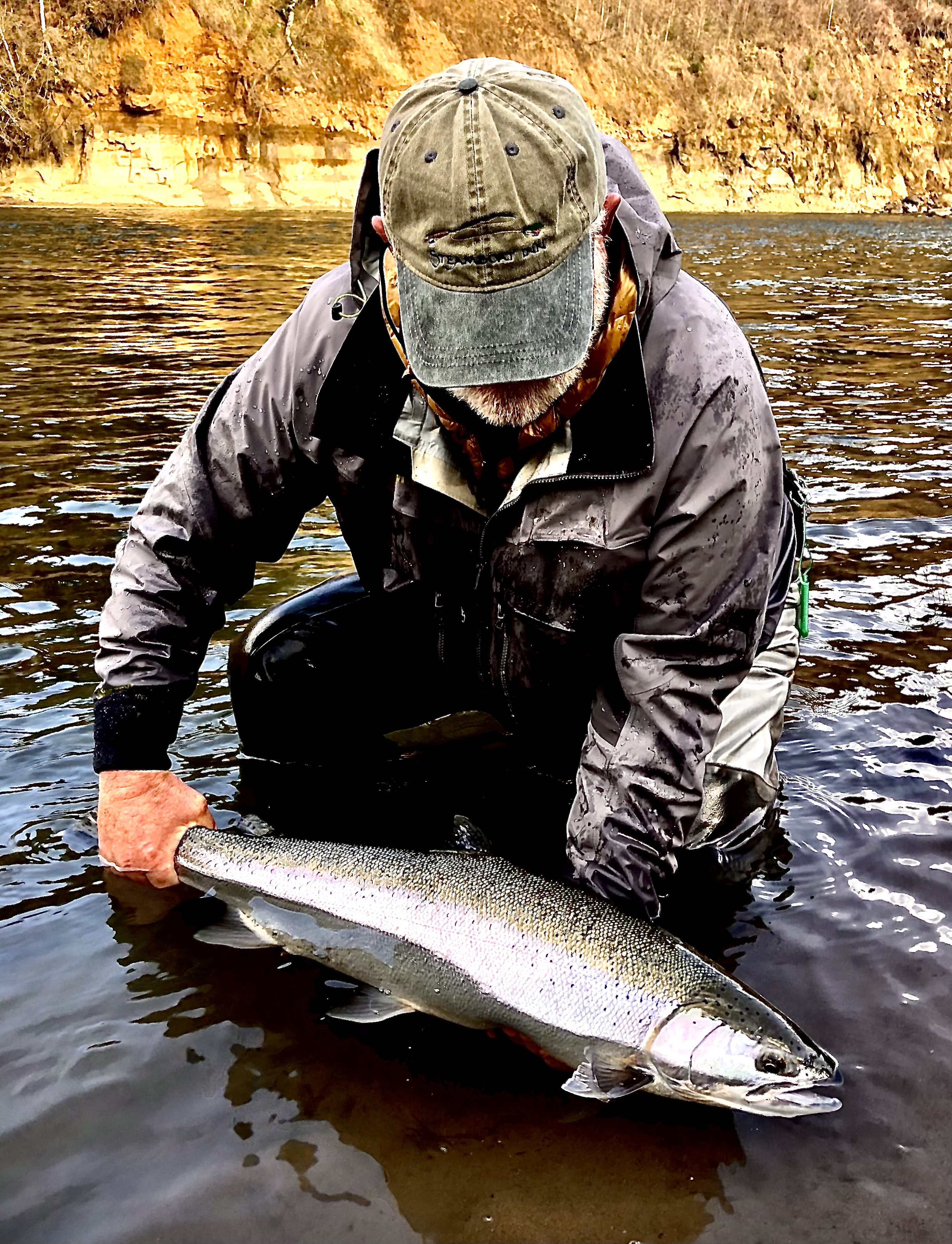
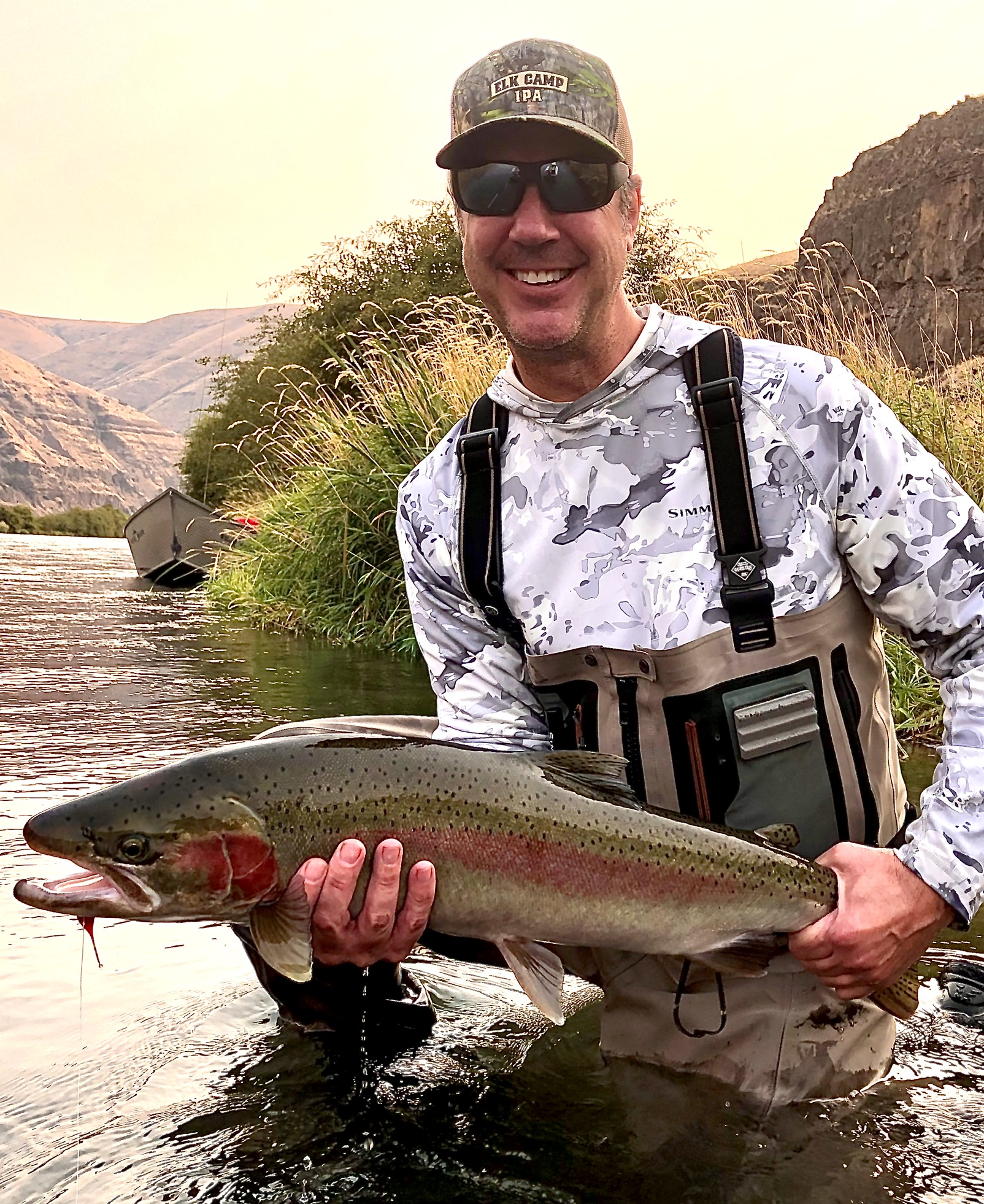
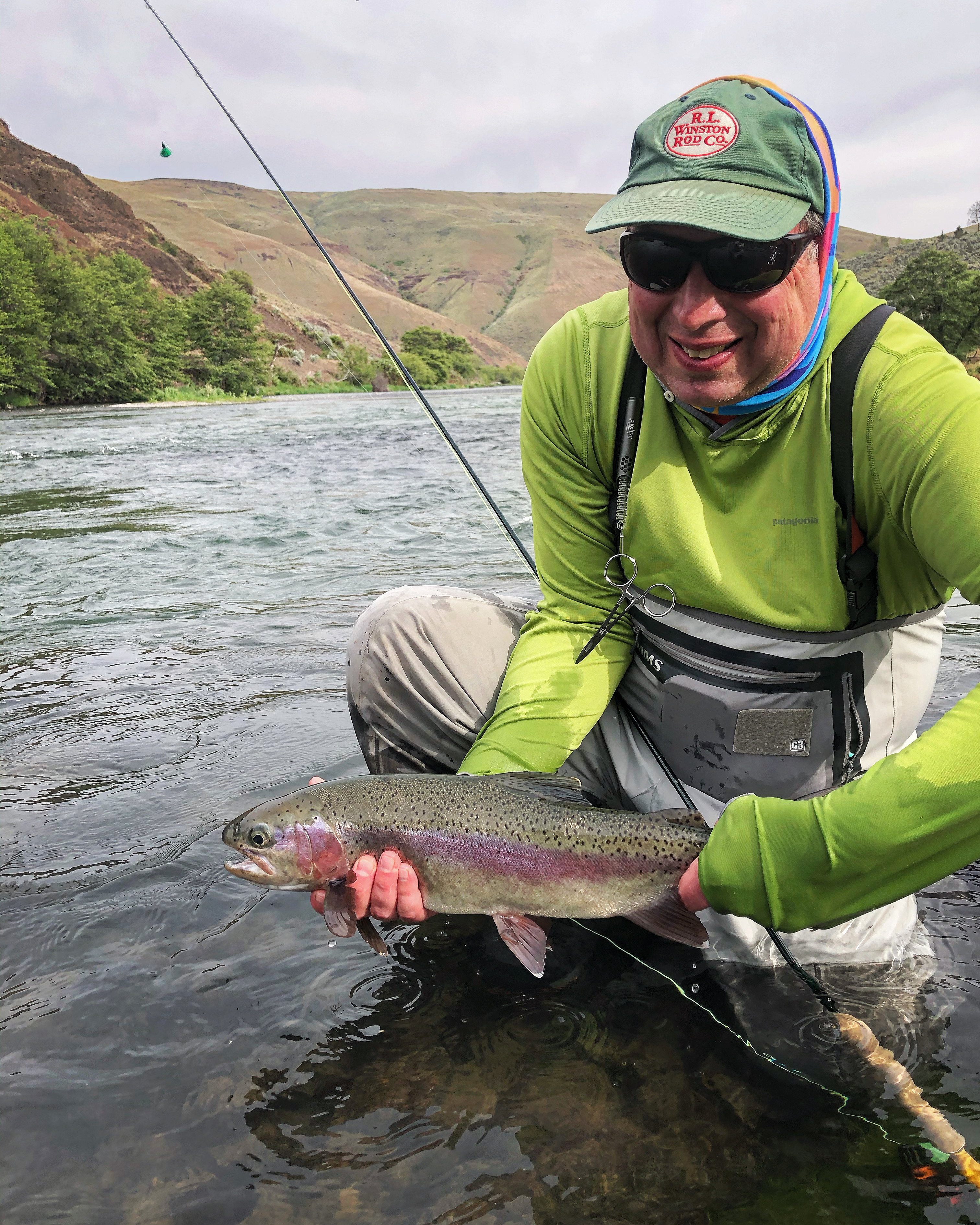
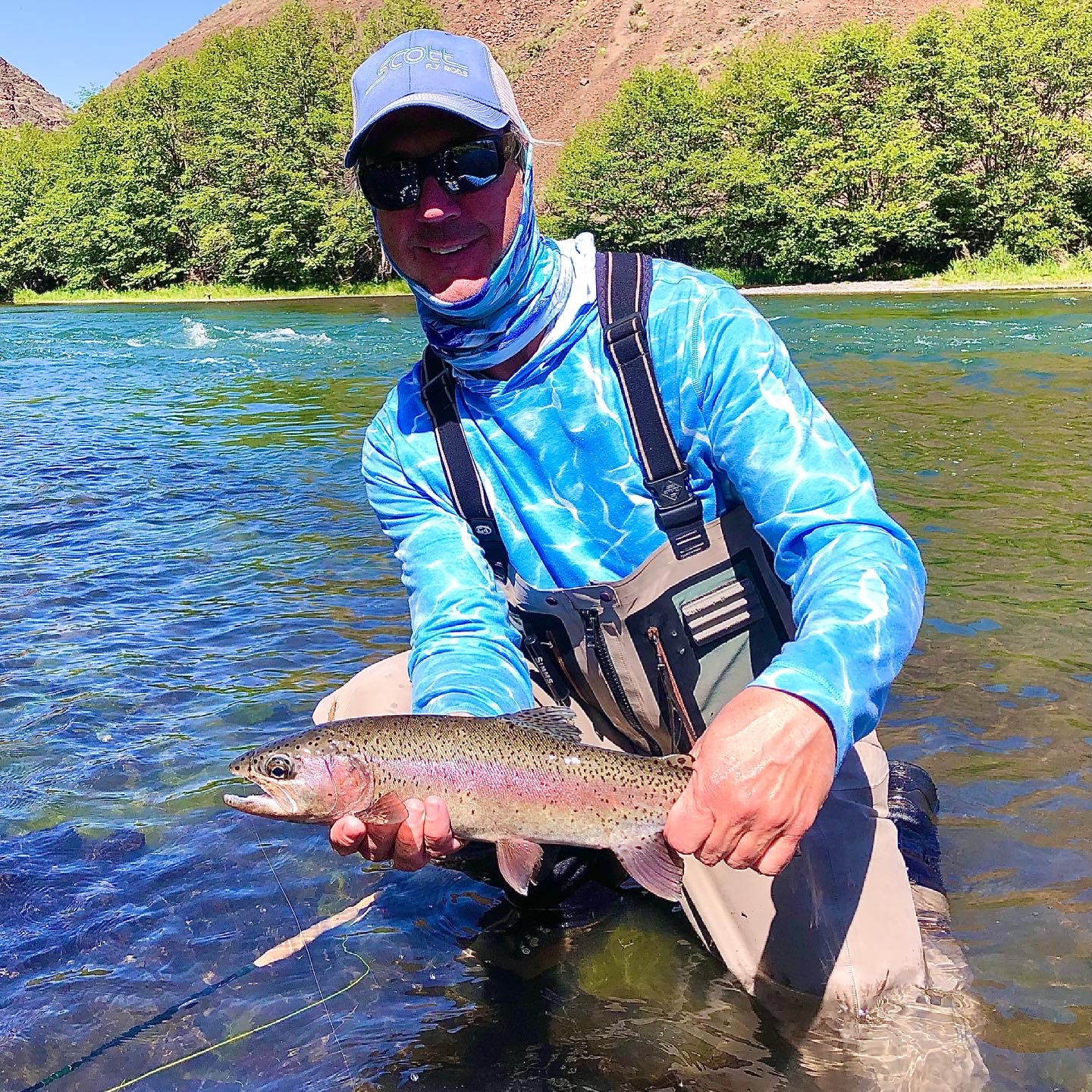
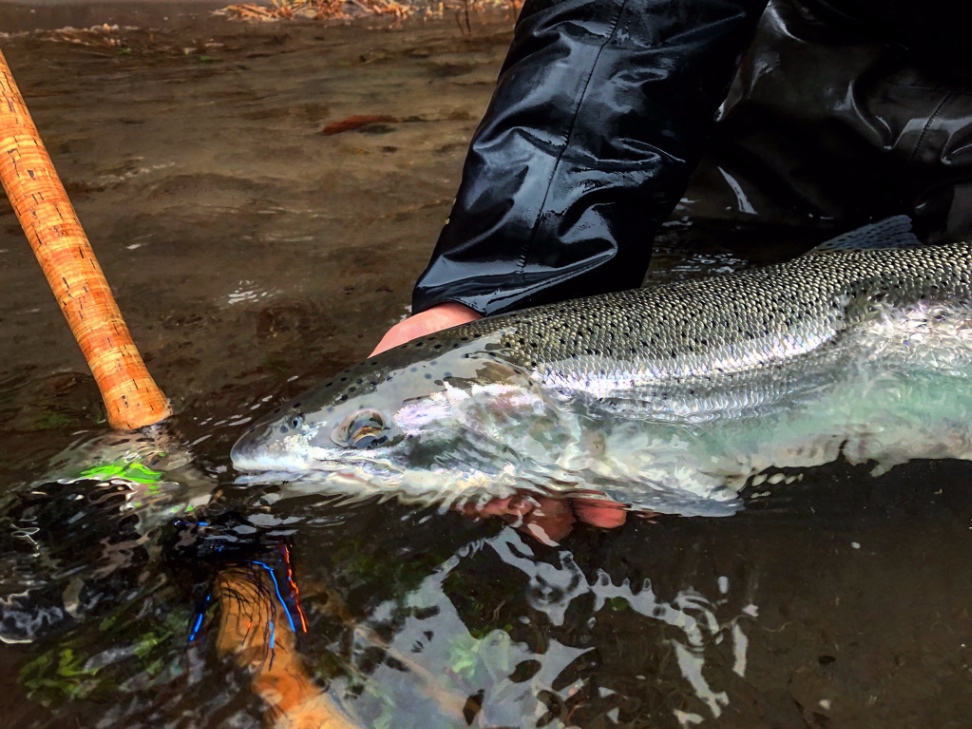
Winter steelhead are the crown jewel of Pacific Northwest fishing, and the Sandy River's run is legendary among those in the know. These aren't your summer-run cousins – winter steelhead show up ocean-bright and aggressive, having spent extra time in saltwater packing on muscle and attitude. They typically range from 6 to 12 pounds on the Sandy, with the occasional bruiser pushing 15 pounds that'll test every knot and connection on your setup. What makes winter steelhead so special is their timing and behavior. They're moving upstream during the worst weather, which means they're incredibly fresh and fight with that raw ocean strength. December through February fish are absolute chrome missiles, while March and April steelhead start showing spawning colors but still pack serious power. The Sandy's winter fish are known for their acrobatic fights – expect multiple jumps, long runs, and that heart-stopping moment when a big hen shakes her head and goes airborne. These fish have traveled hundreds of miles to reach the Sandy's spawning grounds, navigating dams and dodging seals, so they've earned every ounce of respect. Landing one on a spey rod after a perfect swing is what keeps steelheaders coming back winter after winter, even when the rain's sideways and your fingers are numb.
Time to Book Your Spot
The Sandy River's winter steelhead season is short but sweet, and the best fishing coincides with some of Oregon's wildest weather. That's exactly why you want an experienced guide who knows every run, every rock, and every trick for staying comfortable when conditions get tough. Brian's been working these waters long enough to know where fish hold during different flow levels and how to adjust techniques when the river changes overnight. With only two anglers per trip, you're getting personalized instruction that'll make you a better spey caster and steelhead angler for life. This renowned fishery draws anglers from across the country, but locals know the Sandy offers some of the most consistent winter steelhead action in the Northwest. Don't wait until March to book – the prime January and February dates fill up fast among serious steelheaders who plan their entire winter around these trips. Whether you're new to spey casting or looking to dial in your technique on world-class steelhead water, the Sandy River delivers the kind of fishing that creates lifelong memories and maybe even a winter steelhead addiction.
 Private Trip
 River Fishing
 Baker City
 Spey casting techniques for winter steelhead on Sandy River