Duck Hunting Trip In North Carolina
When the morning mist rolls off the marshes and flooded timber of Eastern North Carolina, there's no place I'd rather be than setting up decoys with hunters who understand what real waterfowling is all about. Our duck hunting trips put you right in the heart of some of the most productive flyways on the East Coast, where generations of waterfowl have followed the same migration routes through our coastal plains and inland waters. We're not just guides here at Buffalo Creek Guide Service – we're locals who've spent decades reading these waters, studying bird behavior, and perfecting setups that put ducks in range. Whether you're looking to fill your limit or just want to experience the rush of wings whistling overhead at first light, this hunt delivers the authentic North Carolina waterfowling experience you've been searching for.
Inside the Hunt
Your hunt begins well before sunrise, meeting at our staging area where we'll load up the boat and review the morning's game plan. I scout these waters constantly, checking wind direction, water levels, and bird movement patterns to determine the best spots for each hunt. Some mornings we'll be setting up in flooded agricultural fields where the ducks come to feed on leftover grain, while other days find us tucked into natural marsh pockets where birds feel secure enough to work close. The beauty of hunting Eastern North Carolina is the variety – we've got everything from shallow impoundments to tidal creeks, and each location offers different opportunities depending on weather conditions and migration timing. You'll be hunting from comfortable blinds that keep you concealed while providing clear shooting lanes, and I'll be right there calling birds and reading their behavior to help you make the most of every opportunity. The pace can vary dramatically from hunt to hunt – some mornings are steady action from legal shooting time until we limit out, while others require patience as we wait for the right flock to commit to our spread.
Tracking Tips & Terrain
The terrain we hunt varies significantly throughout Eastern North Carolina, and understanding these different environments is crucial for consistent success. Our flooded timber areas require different techniques than open water hunts – in the woods, ducks tend to circle more before committing, so we use smaller spreads with realistic movement and focus on subtle calling to avoid spooking nervous birds. When we're hunting agricultural fields, the setup changes completely. These birds are coming to feed, so we spread decoys to simulate a large, content flock with plenty of landing room. The key here is reading wind direction and positioning ourselves so incoming ducks naturally want to land within gun range. Coastal marsh hunting presents its own challenges, with tidal movements affecting water depth and bird behavior throughout the morning. I carry multiple call setups depending on conditions – everything from aggressive hail calls to bring distant flocks in closer, to soft feeding calls that reassure birds already working the decoys. Shot placement is critical in waterfowling, and I'll coach you on lead distances and timing throughout the hunt. The most important thing is staying still and letting the birds come to you – movement in the blind is the fastest way to flare a flock that's ready to land.
Target Game Breakdown
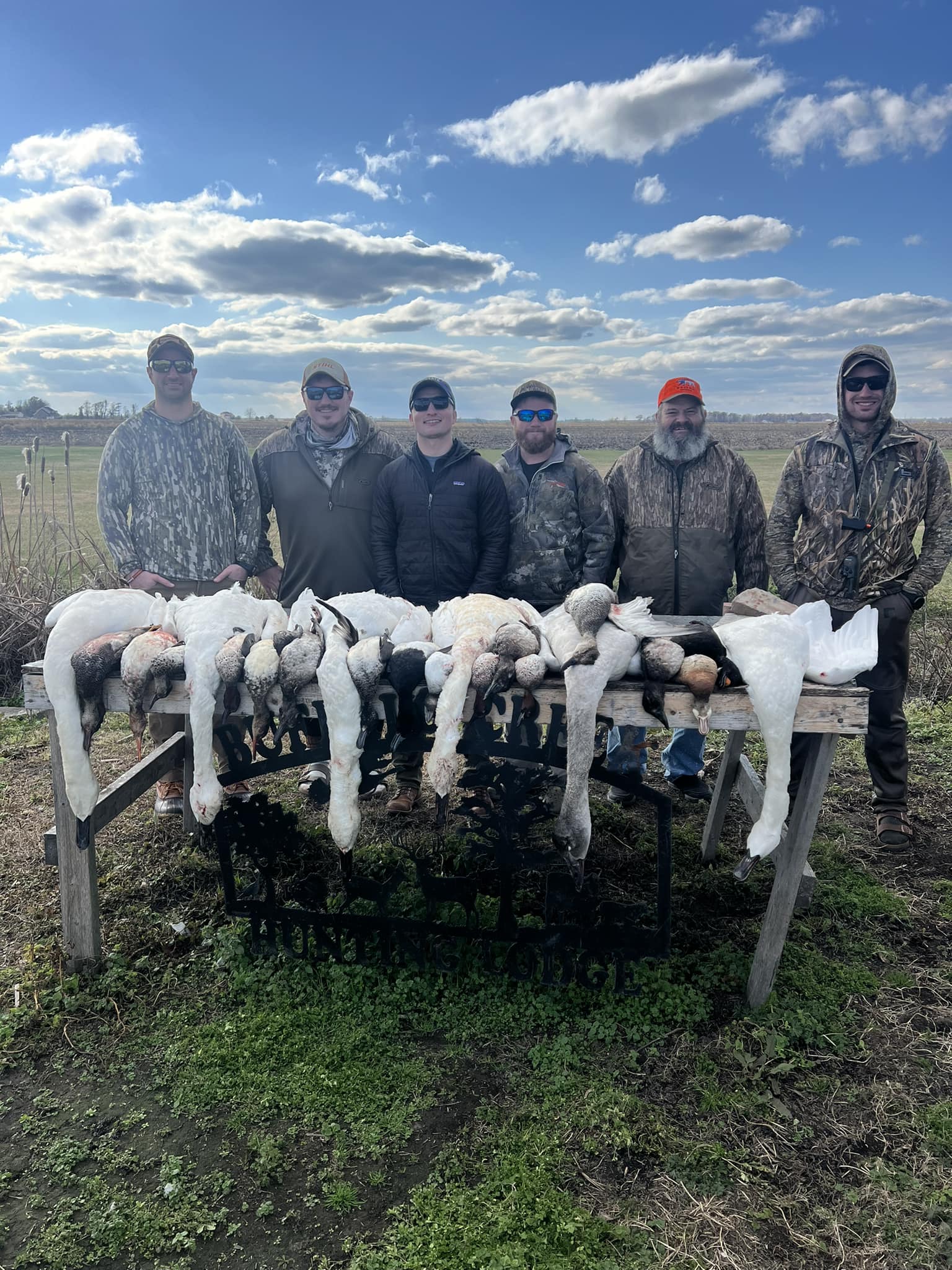
Pintails are among the most elegant ducks you'll encounter in our marshes, with their long necks and distinctive profile making them easy to identify even at distance. These birds typically show up during our colder months, from December through February, and they're absolute suckers for realistic decoy spreads in shallow water. What makes pintails special is their wariness – they'll circle your setup multiple times before committing, giving you plenty of time to appreciate their graceful flight patterns. When they do decide to land, pintails cup their wings and drop almost vertically into the decoys, creating picture-perfect shooting opportunities that waterfowlers dream about.
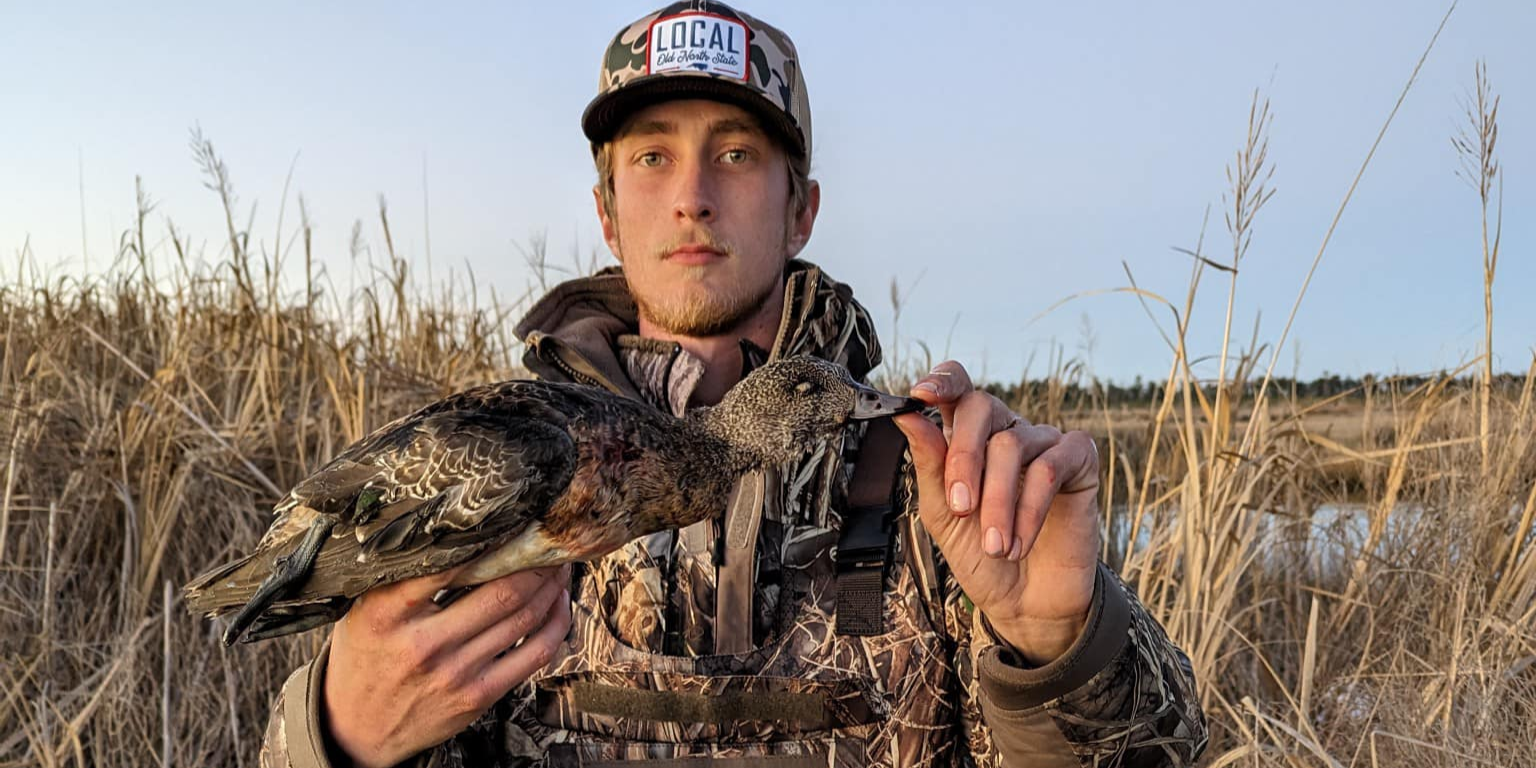
Teal hunting in Eastern North Carolina is fast-paced action that gets your heart pumping from the moment legal shooting time arrives. Blue-winged teal dominate our early season hunts in September, while green-winged teal stick around much later into the winter months. These small, agile ducks fly in tight formations and can change direction instantly, making them challenging targets that sharpen your wing shooting skills. What hunters love most about teal is their tendency to work decoys aggressively – they'll often buzz the spread multiple times, giving you several opportunities for clean shots. The key to consistent teal hunting is being ready when they commit, because these birds don't hesitate once they've decided to land.
Gadwall might not win any beauty contests, but they're reliable performers that form the backbone of many successful hunts throughout our season. These gray ducks are incredibly adaptable, equally at home in flooded timber, open marshes, or agricultural fields. Gadwall respond well to calling and will often work decoys with confidence, especially when mixed with other species. What makes gadwall hunting enjoyable is their predictable behavior – they typically approach in small groups, circle once or twice to check out your setup, then commit fully to landing among the decoys. They're also excellent table fare, with a mild flavor that even non-hunters appreciate.
American wigeon bring a unique energy to any duck hunt with their distinctive whistling calls and social behavior. These birds love shallow water areas where they can tip up to feed on aquatic vegetation, making our marsh locations perfect habitat. Wigeon are notorious followers – they'll often join other species already working your decoys, creating mixed bag opportunities that keep the action interesting. Their copper-colored heads and white crowns make drakes easy to identify, and they're known for being vocal throughout the hunt, adding to the overall atmosphere of a successful morning on the water.
Book Your Next Tag
Eastern North Carolina's waterfowl hunting represents some of the finest duck hunting opportunities on the Atlantic Flyway, and our hunts consistently deliver the action and memories that bring hunters back season after season. Every hunt is a custom experience tailored to current conditions and your skill level, ensuring you get the most out of your time in the blind. The combination of diverse habitat, abundant bird populations, and expert guidance creates a duck hunting experience that showcases why this region has such a strong waterfow
 Shared Trip
 Active hunting
 North Carolina
 Expert guides target pintail, teal, gadwall, and wigeon waterfowl