Eastern Turkey Hunting in North Carolina
Spring mornings in North Carolina's hardwood ridges offer some of the finest Eastern turkey hunting you'll find anywhere. When that first gobble echoes through the pre-dawn darkness, your heart rate jumps and the hunt is on. Buffalo Creek Guide Service puts you right in the thick of prime turkey country, where seasoned gobblers respond to calls and the action happens fast. With daily scouting and a 100% opportunity rate, this isn't just another turkey hunt—it's your best shot at putting a mature tom within range. You handle your own meals and lodging, giving you complete control over your hunting schedule and letting you focus on what matters: connecting with a hard-gobbling bird.
Inside the Hunt
Your Eastern turkey hunt kicks off in the dark, well before first light. We'll meet at predetermined locations that our guides have scouted the day before, listening for roosted birds and identifying travel patterns. The beauty of hunting solo with one of our experienced guides means total flexibility—we can move quickly when birds shift locations, set up in tight spots, and adjust calling strategies on the fly. North Carolina's mixed hardwood forests provide perfect turkey habitat with oak ridges, creek bottoms, and open feeding areas that keep gobblers moving throughout the morning. Our guides know these woods inside and out, reading terrain features and predicting where birds want to be. You'll learn to work with the landscape, using natural funnels and setting up where toms feel comfortable approaching. The spring hunting season here runs from mid-April through mid-May, when birds are fired up and responding aggressively to calling sequences.
Tracking Tips & Terrain
Successful turkey hunting in North Carolina's terrain requires understanding how these birds use the landscape. Our guides focus on reading sign—scratching patterns in leaf litter, droppings, feathers, and tracks that tell the story of daily turkey movement. The rolling hills and creek systems create natural travel corridors where turkeys move between roosting areas and feeding zones. We'll position you along these routes, often on ridges where your calling carries farther and birds can spot decoys from greater distances. Calling techniques vary throughout the morning hunt, starting with soft tree yelps before flydown, then switching to more aggressive sequences as birds hit the ground. Our guides excel at reading turkey behavior, knowing when to call frequently and when to stay quiet and let curiosity bring birds within range. The diverse habitat here includes everything from mature hardwood stands to younger growth areas, giving us multiple setup options depending on weather conditions and bird activity.
Target Game Breakdown
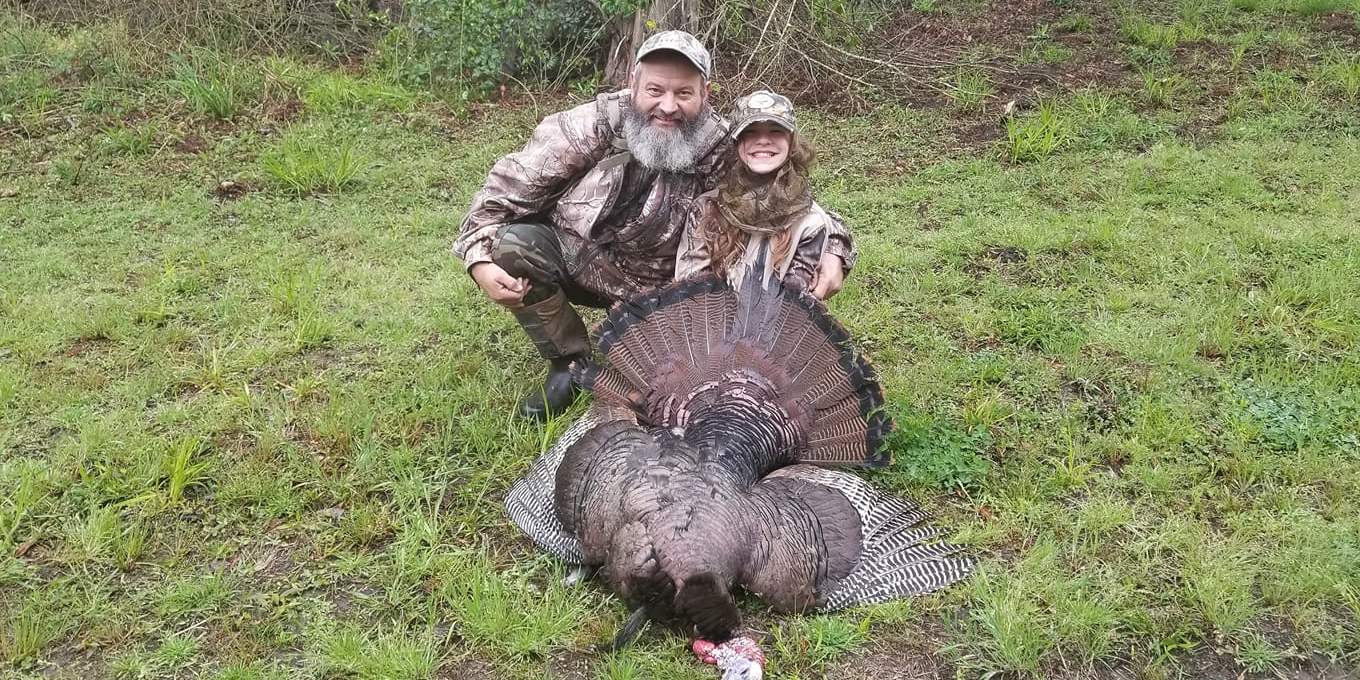
Eastern wild turkeys in North Carolina represent some of the finest examples of this subspecies anywhere in their range. Mature toms here regularly tip the scales at 18-22 pounds, sporting impressive beards that often exceed 9 inches and razor-sharp spurs that can stretch over an inch long. Spring gobbling activity peaks during the breeding season when dominant birds establish territories and respond aggressively to hen calls and gobbler challenges. These birds are incredibly smart, using their excellent eyesight and hearing to detect danger from remarkable distances. What makes hunting them so exciting is their unpredictable nature—one moment they're charging toward your setup, the next they've gone silent and disappeared into thick cover. North Carolina's Eastern turkeys have adapted to diverse habitat types, making them equally comfortable in steep mountain terrain and rolling piedmont country. The combination of size, intelligence, and wariness makes every encounter a chess match between hunter and bird, where patience and precision determine success.
Book Your Next Tag
Spring turkey season waits for no one, and prime hunting dates fill up fast with serious hunters who know quality when they see it. Buffalo Creek Guide Service delivers the complete package—experienced guides who live and breathe turkey hunting, daily scouting that keeps you on fresh birds, and the kind of personalized attention you only get with single-hunter trips. Our 100% opportunity rate speaks for itself, putting you in position to connect with mature Eastern turkeys in some of North Carolina's best hunting country. Whether you're looking to fill your first turkey tag or add another longbeard to your collection, this hunt delivers the real deal. The flexibility of handling your own meals and lodging means you can hunt your way, staying as long as you want and focusing entirely on the experience. Don't wait until the season opener to start planning—contact Buffalo Creek Guide Service today and secure your spot for what could be the turkey hunt of a lifetime.
 Shared Trip
 Active hunting
 North Carolina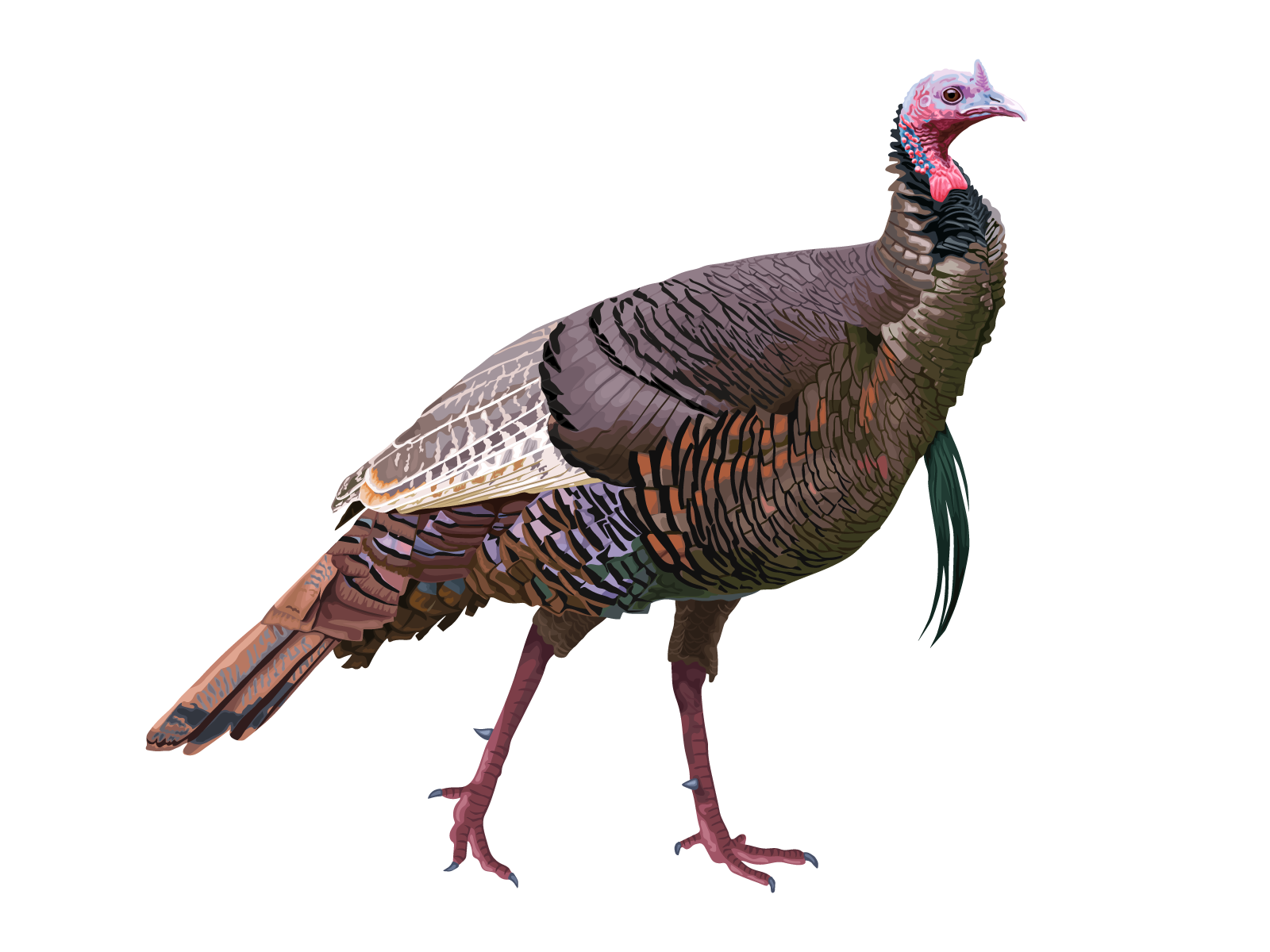
 Guided Eastern Turkey hunts with 100% opportunity rate