Tennessee River Catfish Charter - Lenoir City
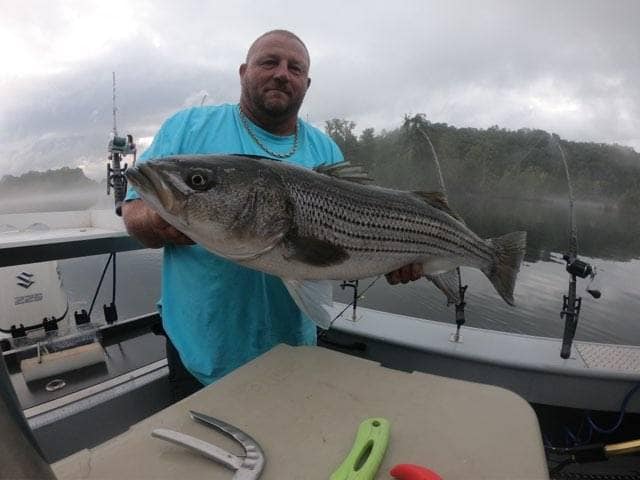
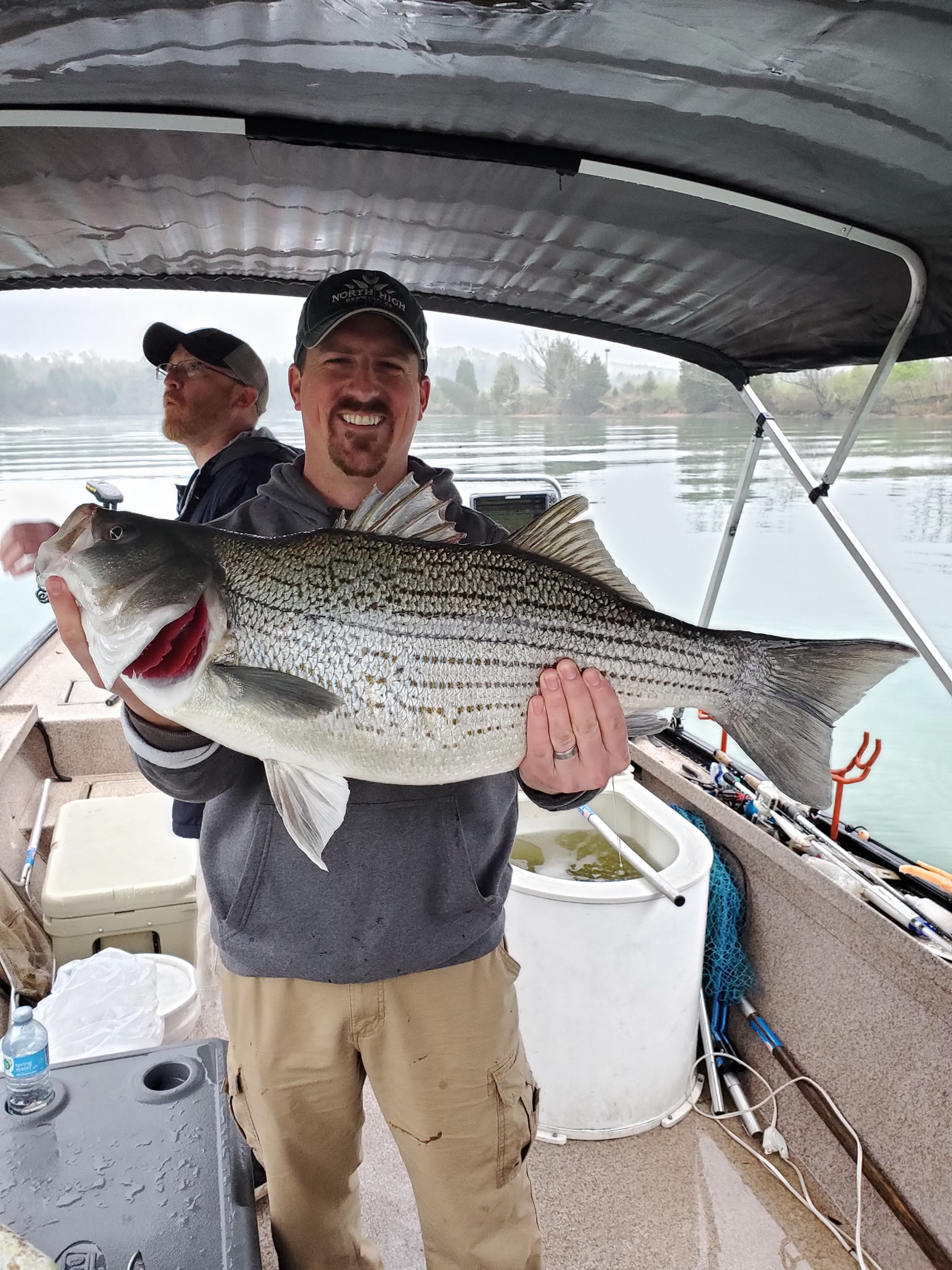
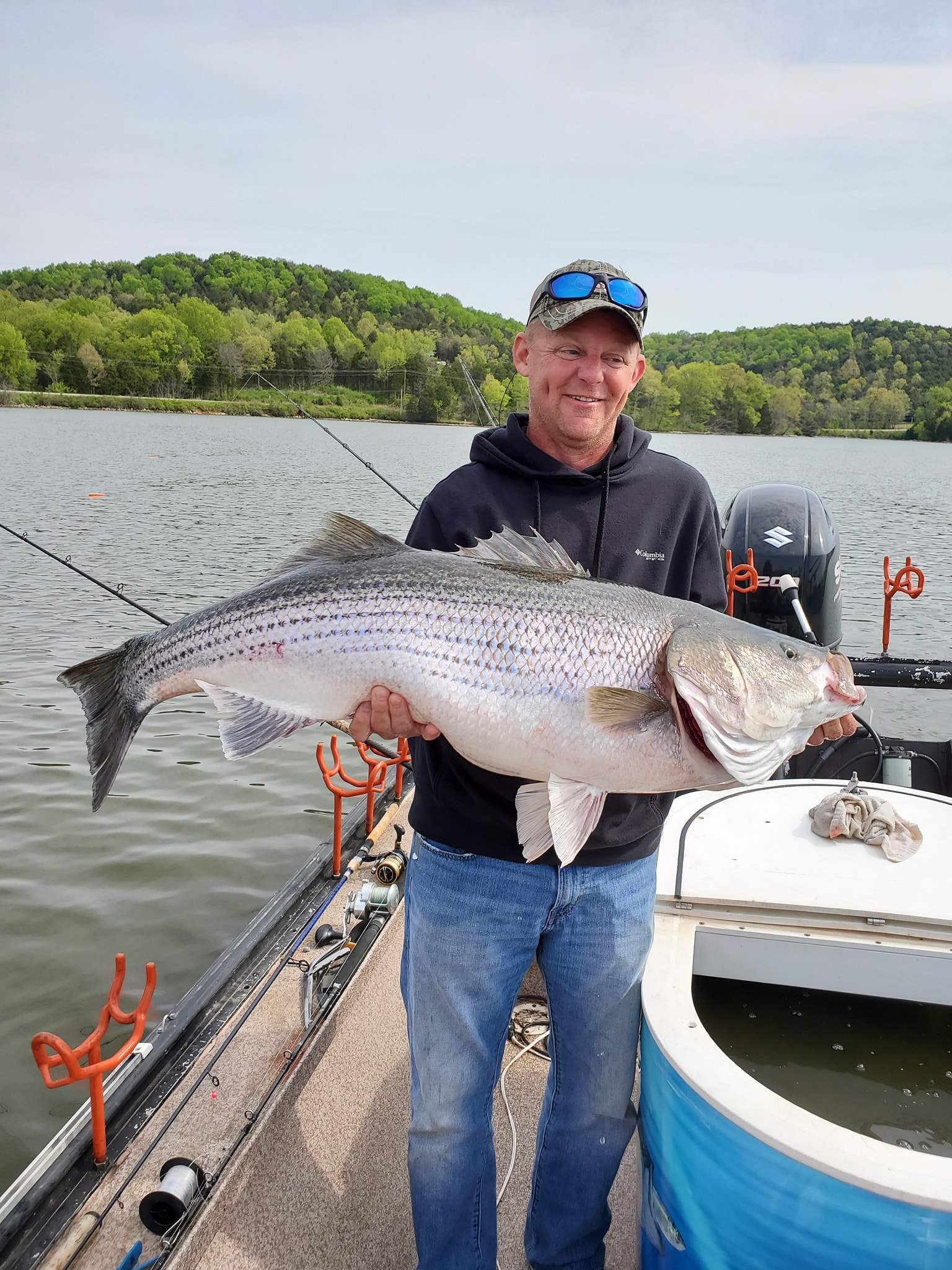
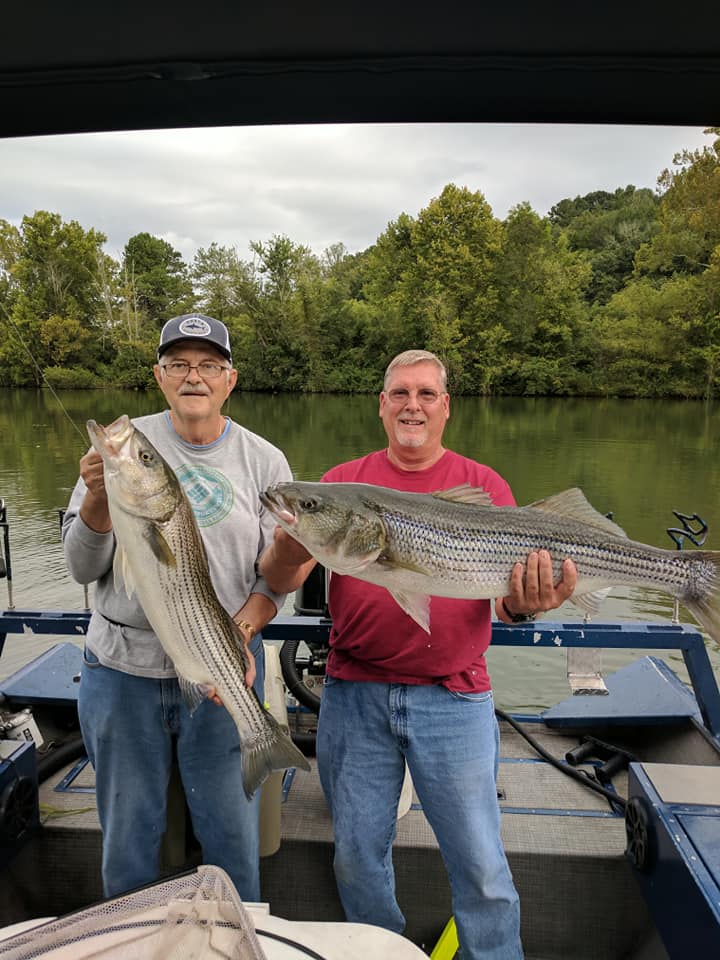
Looking for solid catfish action without burning your whole day? Our half-day Tennessee River catfish charter puts you right where the whiskers are biting. We're talking about some of the most productive catfish waters in East Tennessee - the Clinch River, Little Tennessee River, and Cherokee Lake. These waters hold serious numbers of channel cats, blues, and flatheads, and we know exactly where to find them. Whether you're new to catfishing or you've been at it for years, this four-hour trip delivers consistent action that'll have you planning your next visit before we even tie up at the dock.
What to Expect on the Water
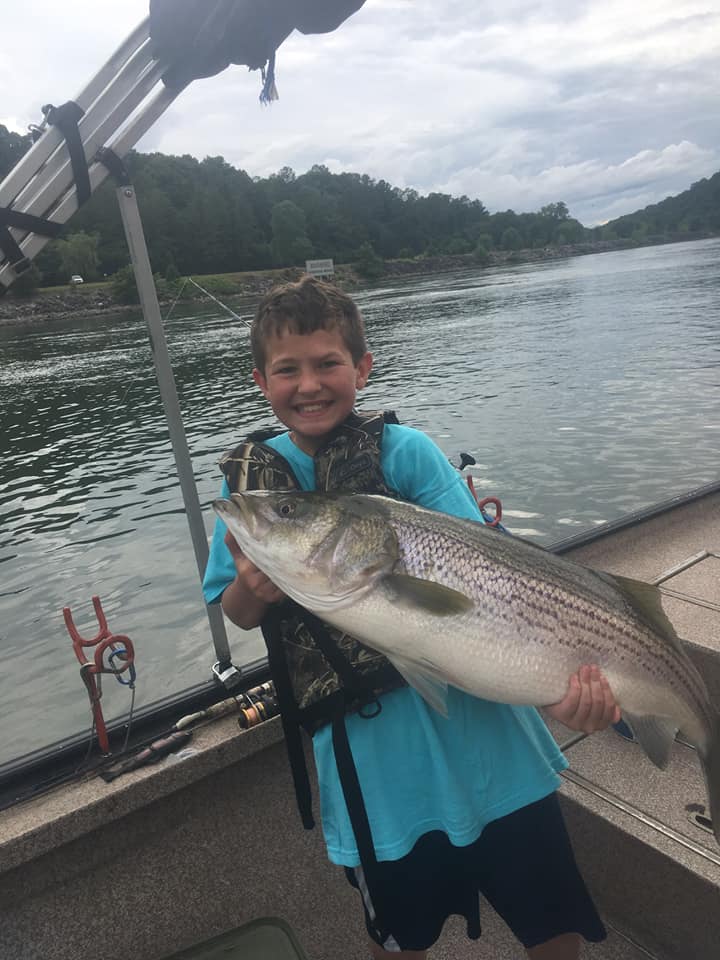
This isn't some cookie-cutter fishing trip where you're stuck in one spot all day. We fish smart, moving between prime catfish holes based on current conditions and what's been producing. The beauty of fishing these connected waterways is the variety - one day we might be working deep ledges on Cherokee Lake where the big blues stack up, and the next we're drifting the current breaks on the Clinch where channel cats hammer live bait. Our departure point changes based on where the fish are most active, so you're always fishing the hot bite. We keep groups small at just three anglers max, which means plenty of room to fish and personal attention from your captain. Kids are more than welcome - there's nothing quite like watching a youngster battle their first Tennessee River catfish. Just remember to grab your Tennessee fishing license before we head out, and if you want to take your catch home, we can clean them for a small fee.
Proven Catfish Techniques
We stick with what works - live bait presentations that Tennessee River catfish can't resist. Depending on conditions and target species, we'll be using everything from live shad and skipjack to crawfish and nightcrawlers. The key is matching your bait to what the cats are feeding on and presenting it where they're holding. We provide all the gear - quality rods and reels spooled with the right line weights, plus a full selection of weights, hooks, and terminal tackle. You'll learn proper bottom fishing techniques, how to detect those subtle catfish bites, and the right way to fight these powerful fish in current. The Clinch River's flow from Norris Dam creates perfect feeding conditions, while the backwaters and creek mouths on Cherokee Lake offer different opportunities. We read the water and adjust our approach accordingly, whether that means anchoring on structure or drifting with the current.
Target Species You'll Want to Hook
Channel catfish are the bread and butter of this fishery, and for good reason. These scrappy fighters typically run 2-8 pounds in our waters, with plenty of bigger ones mixed in. They're active year-round but really turn on during spring and fall when they're feeding heavily before and after spawning. Channels are perfect for families because they bite consistently and fight hard without being too overwhelming for younger anglers. They're also excellent eating, with firm white meat that's perfect for the dinner table.
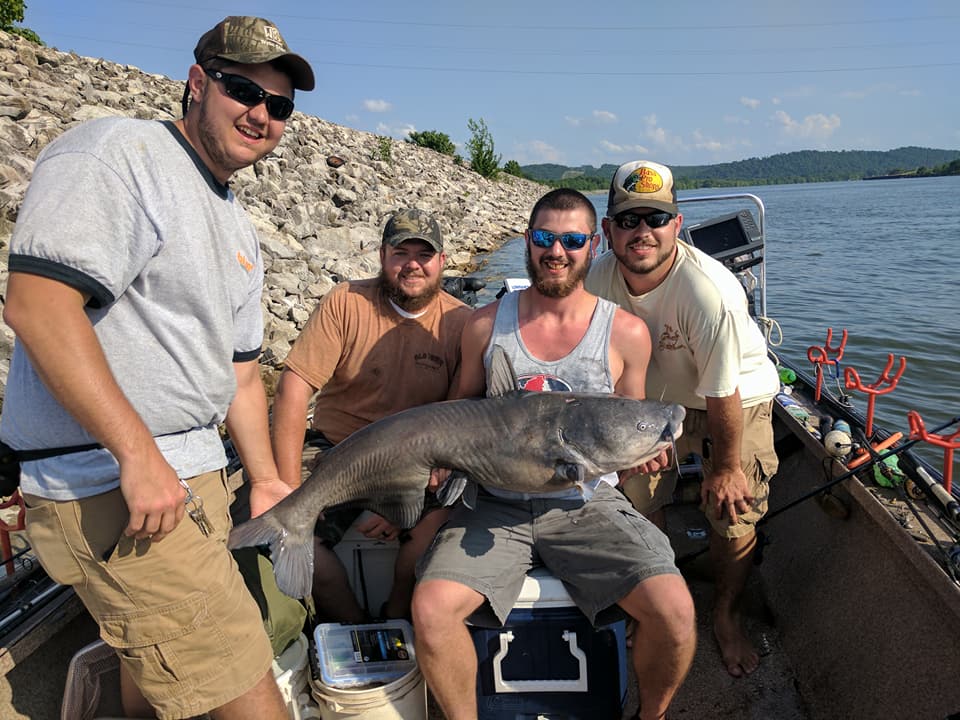
Blue catfish are the heavyweights you'll be hoping for. These monsters can push 20, 30, even 40+ pounds in Tennessee River system waters. Blues love deeper holes and current breaks where they can ambush baitfish. Summer and fall are prime time when they school up in predictable spots. When a big blue takes your bait, you'll know it - they make long, powerful runs that'll test your drag and your arm strength. Landing a trophy blue is a bucket list experience that keeps anglers coming back season after season.
Flathead catfish are the wildcards that make every trip interesting. These ambush predators prefer live bait and are most active during low-light periods. Flatheads are loners that hold tight to cover like fallen trees, rock piles, and undercut banks. They can grow massive - 40 and 50-pounders aren't unheard of in these waters. Hooking into a big flathead is like wrestling with a underwater bulldozer. They don't give up easy, and that's what makes them so addictive to target. Spring through early fall offers the best flathead action when water temperatures are optimal.
Time to Book Your Spot
Four hours of guided catfish action on some of Tennessee's most productive waters - that's what you get with Bushwacker Guide Service. We've got the local knowledge, quality equipment, and proven techniques that put fish in the boat consistently. Whether you're looking to introduce the family to catfishing or you want to target some Tennessee River giants, this charter delivers the goods. The half-day format is perfect for fitting fishing into busy schedules without sacrificing quality time on the water. Book your trip and see why these waters have built such a solid reputation among catfish anglers throughout the Southeast.
 Private Trip
 River Fishing
 Tennessee River

 Half-day catfish charter on Tennessee River waters near Lenoir City