Duck Hunting Guide Louisiana | Deluxe Package
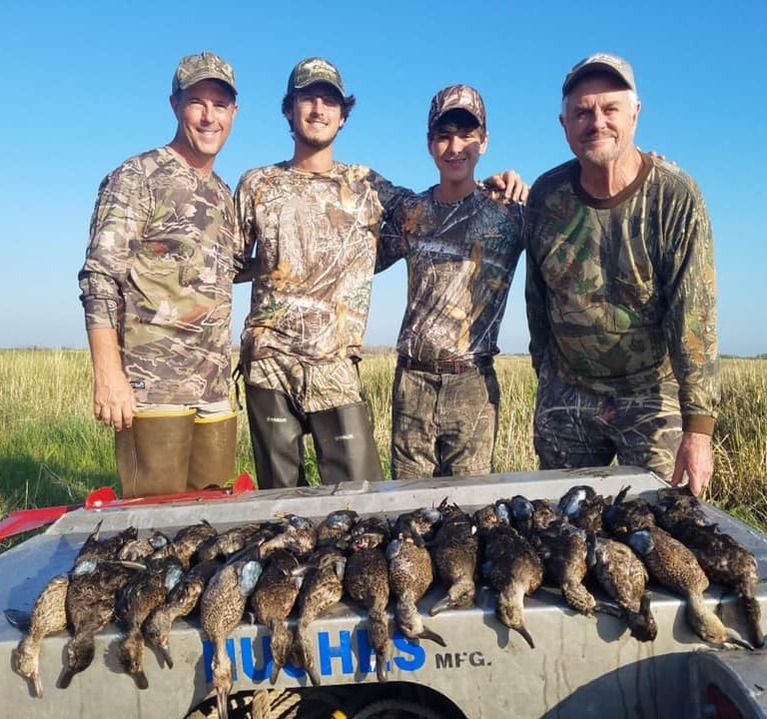
Looking for the ultimate Louisiana duck hunting experience that goes way beyond your typical marsh trip? Our "cast and blast" special with Calcasieu Charter Service delivers exactly what serious hunters want – premium duck hunting paired with solid fishing action, all wrapped up in a deluxe package that takes care of every detail. From November through February, when the ducks are flying thick and the fishing stays hot, you'll get the best of Louisiana's legendary hunting and fishing in one killer trip. We're talking three square meals, open bar, comfortable lodging, and guides who know these marshes like the back of their hand. At $825 per person with a two-person minimum, you're getting world-class hunting without the hassle of planning every little thing yourself.
Inside the Hunt
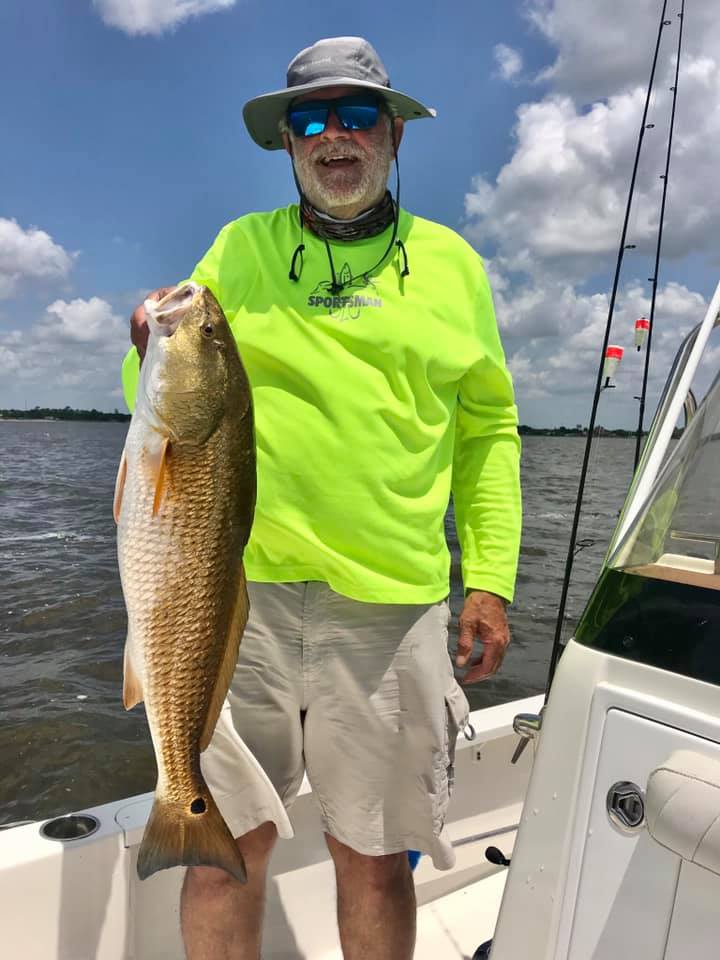
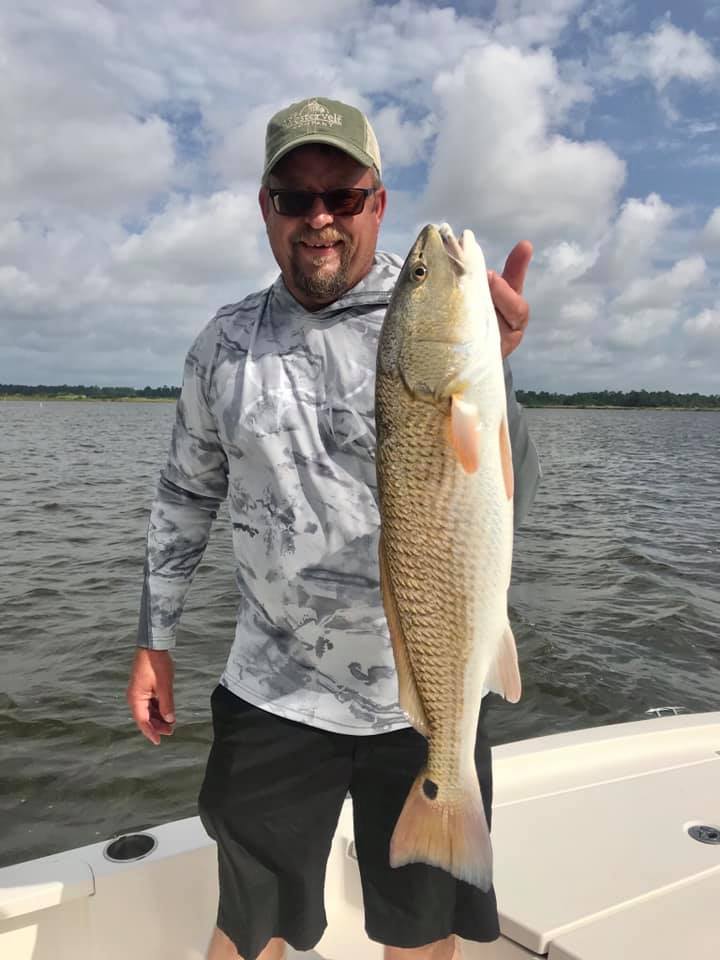
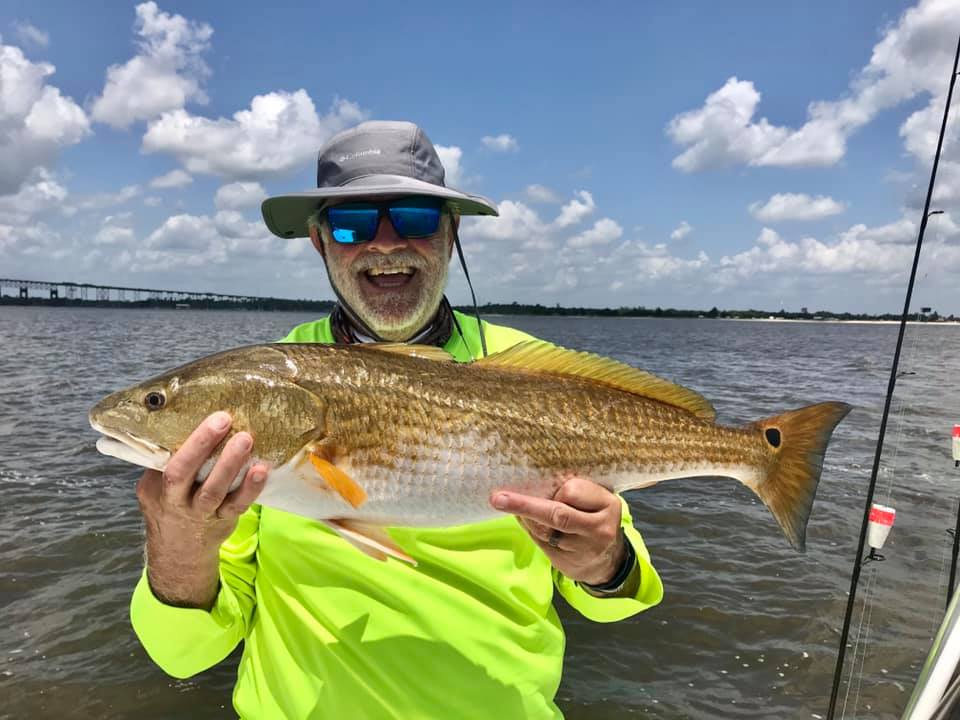
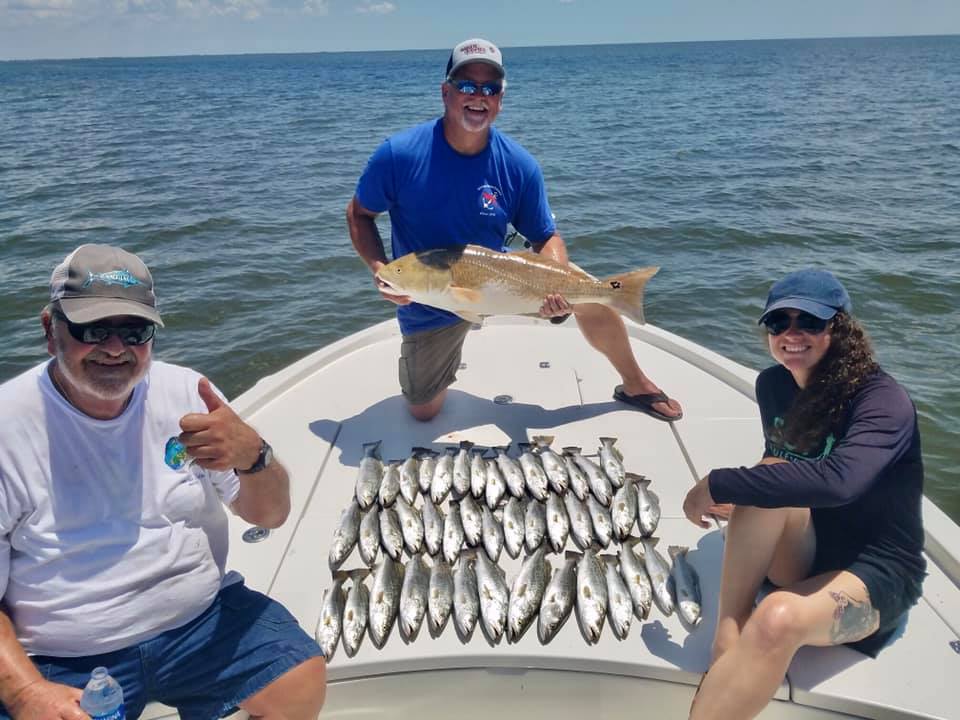
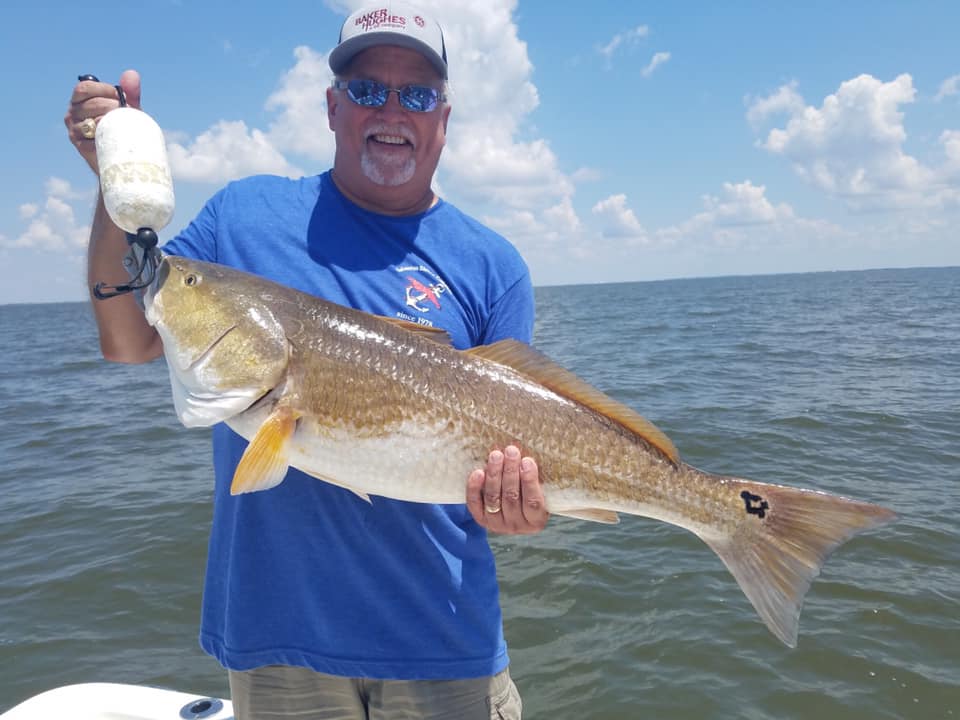
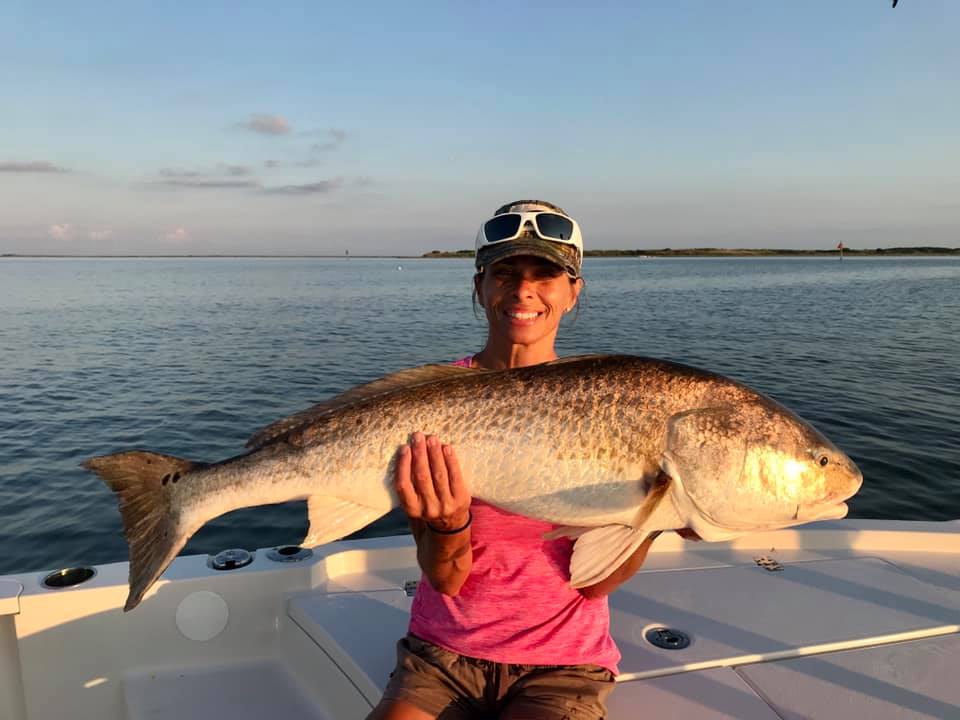
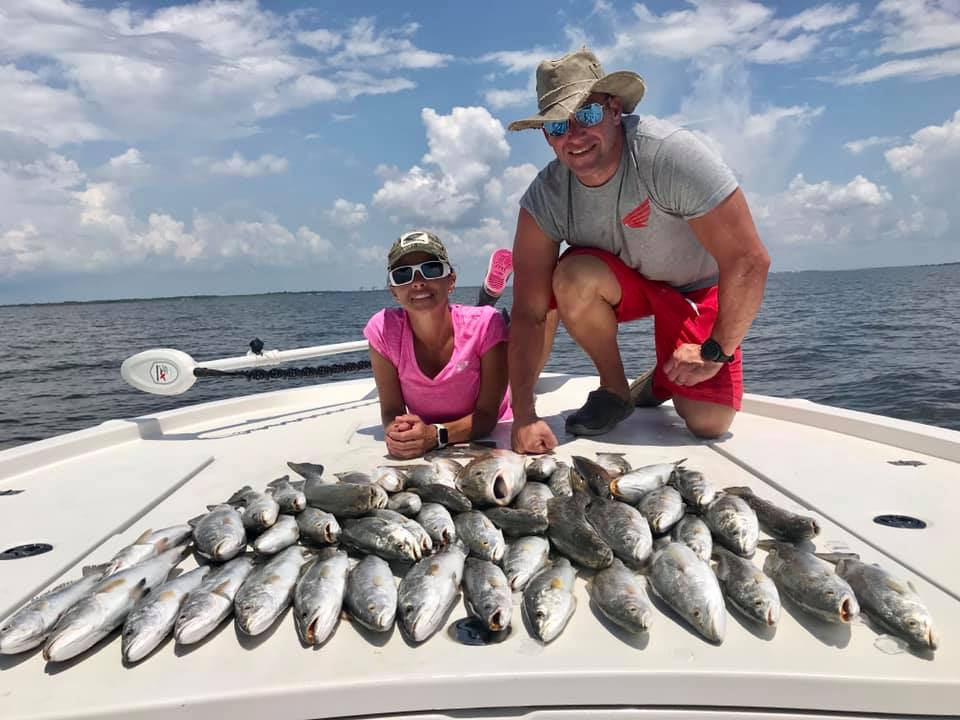
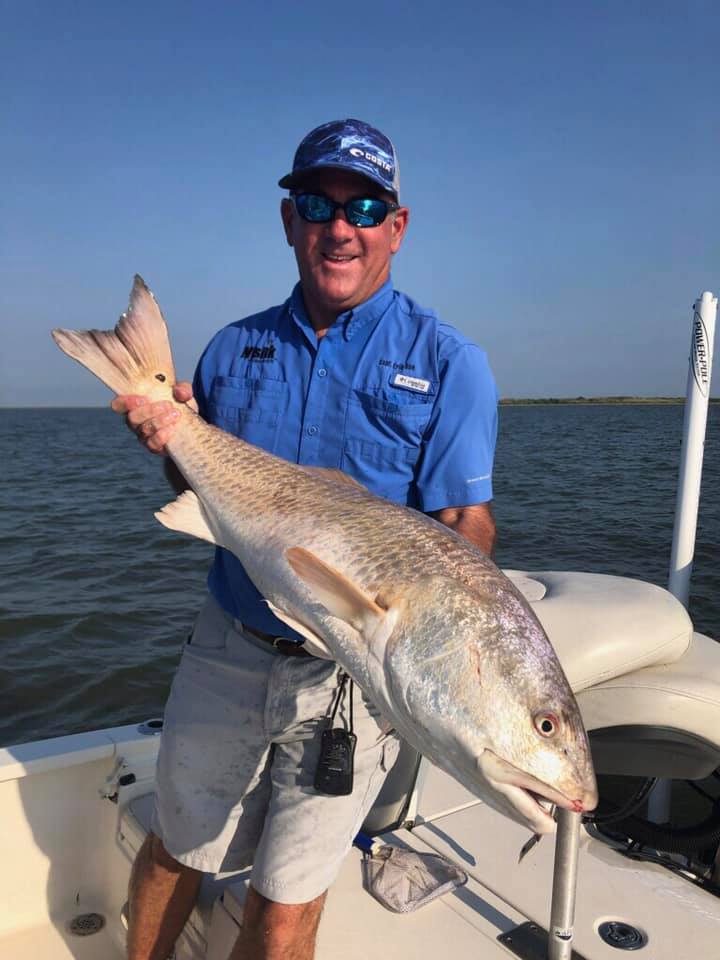
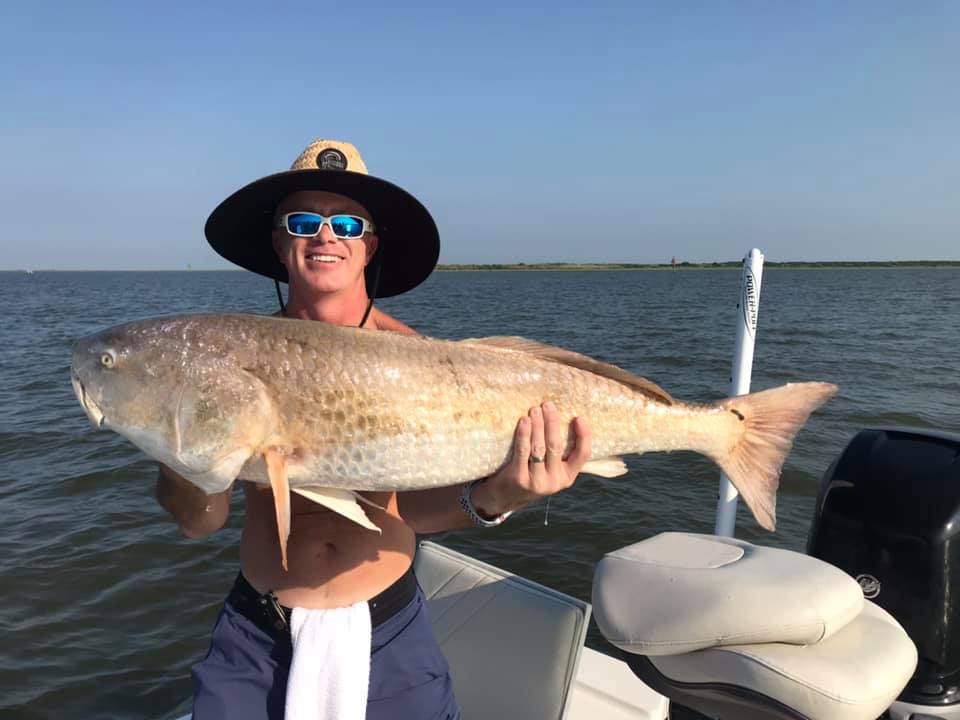
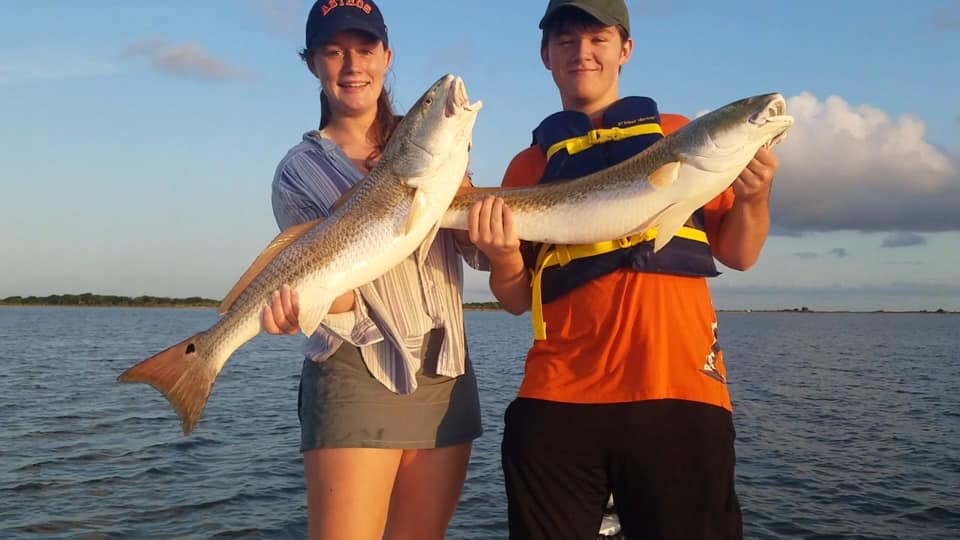
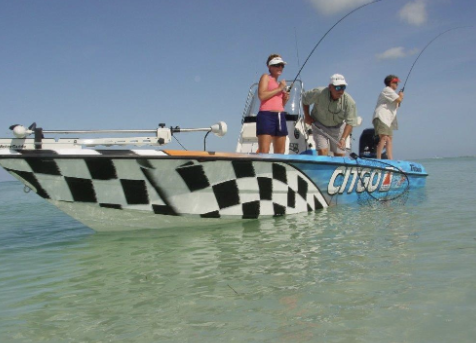
This isn't your run-of-the-mill duck hunt – we've built this package for hunters who want the complete Louisiana experience. You can structure this trip however works best for your crew. Roll in early and split the action over two days, or kick things off with dinner and make it an all-day adventure that'll have you talking for years. The morning hunt starts before dawn in some of the most productive marsh country Louisiana has to offer. We're hunting prime habitat where ducks have been using the same flyways for generations. Your guide will have the decoys set and the blind ready while you're still finishing your coffee. The afternoon fishing component isn't just a bonus – it's legitimately good action on redfish, speckled trout, and whatever else is biting. All your fishing gear is included, but bring your favorite rods if you've got them. For the hunt, you'll need to pack your own shotgun, shells, and any personal gear you can't live without. We handle everything else, including cold drinks and hot meals that actually taste good.
Tracking Tips & Terrain
Louisiana's coastal marshes are duck hunting heaven, but they require local knowledge to hunt effectively. We're working tidal marshes, shallow ponds, and managed impoundments that hold birds throughout the season. The key to success here is reading the weather and wind patterns – something our guides have been doing for decades. When a front pushes through, the ducks move, and we move with them. You'll be hunting from well-built blinds that keep you concealed and comfortable, even when the weather turns nasty. The terrain changes with the tides, so your guide will position you based on water levels, wind direction, and where the birds have been working. Bring your 12-gauge with 3-inch capability – you'll want the reach when those high-flying birds decide to test your shooting skills. Steel shot only, of course, and bring plenty of shells because when the action heats up, you'll go through them faster than you think. Waders are essential, and make sure they're in good shape because you'll be doing some walking through marsh terrain that can be tough on gear. Layer your clothing because Louisiana weather in duck season can swing from cold and nasty to warm and humid in the same morning.
Target Game Breakdown
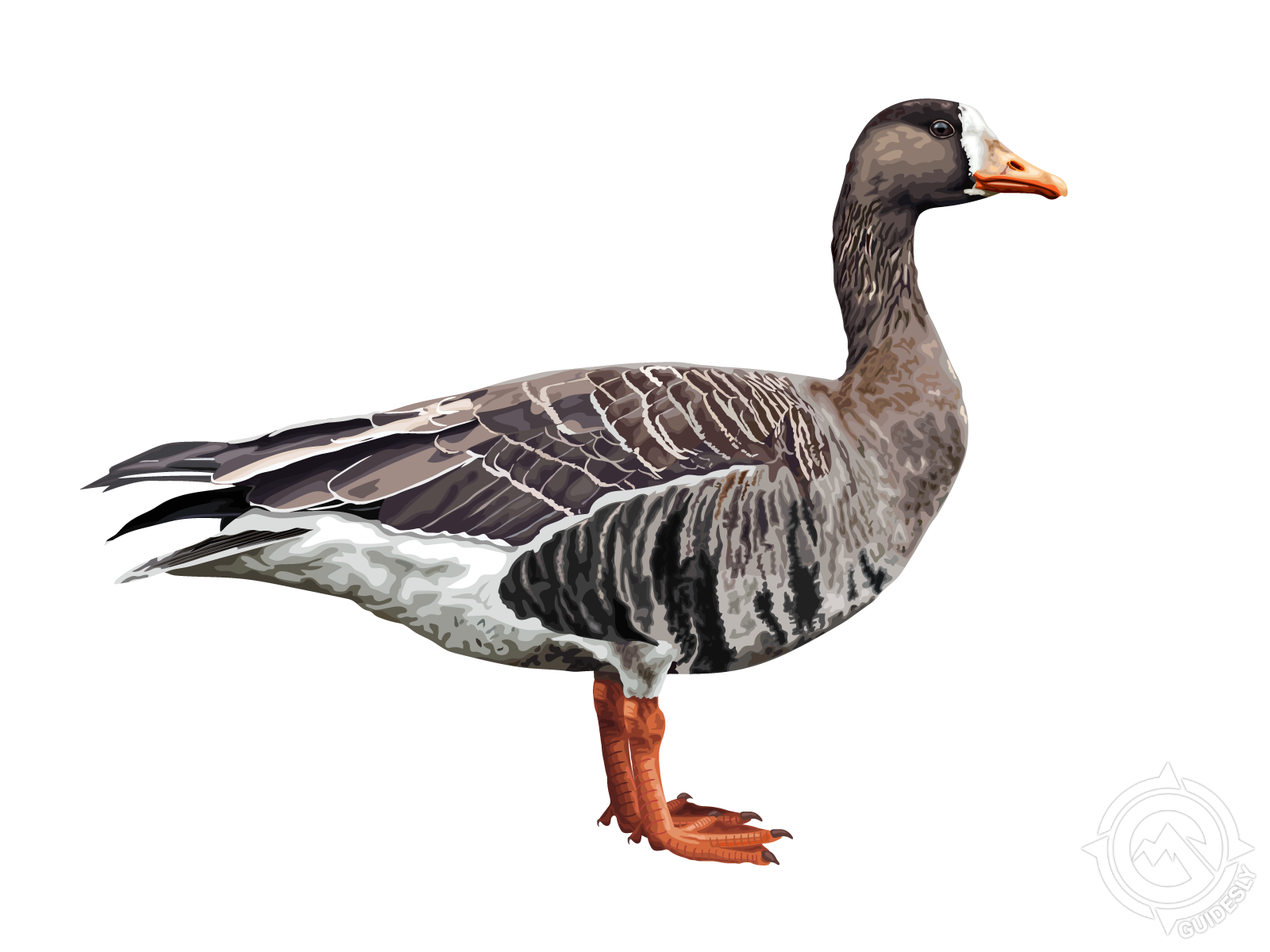
White-fronted Goose hunting in Louisiana is something special. These big, smart birds show up in good numbers during peak season, and they'll test every skill you've got as a hunter. Specklebellies, as we call them locally, are wary and vocal, often circling multiple times before committing to the decoys. They're substantial birds, with mature geese weighing 4-6 pounds, and they're absolutely delicious on the table. Peak season runs from late December through January, when cold fronts push fresh birds down from the north. What makes hunting them exciting is their intelligence – they'll spot a bad decoy spread or poor blind placement from a mile away.
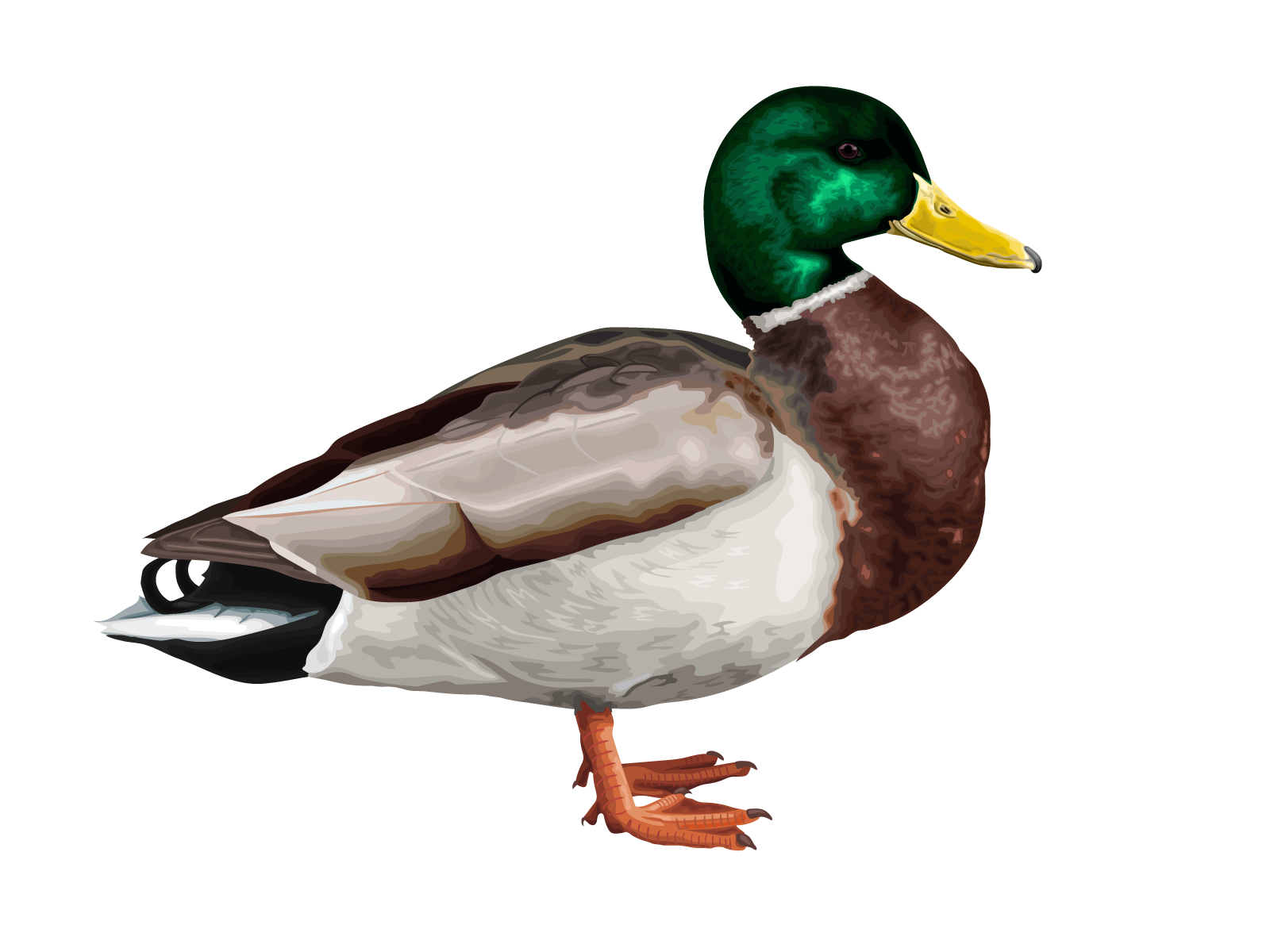
Mallards are the bread and butter of Louisiana duck hunting, and for good reason. These birds are everywhere during season, from the big showy greenheads to the crafty hens that seem to know exactly when shooting time ends. Mallards respond well to calling, especially on cold, overcast mornings when they're actively feeding. The drake mallards are what every duck hunter wants to see cupping into the decoys, wings set, feet down, ready to land right in your lap. They're active throughout the entire season, but the best hunting happens after cold fronts when fresh birds move in from up north.
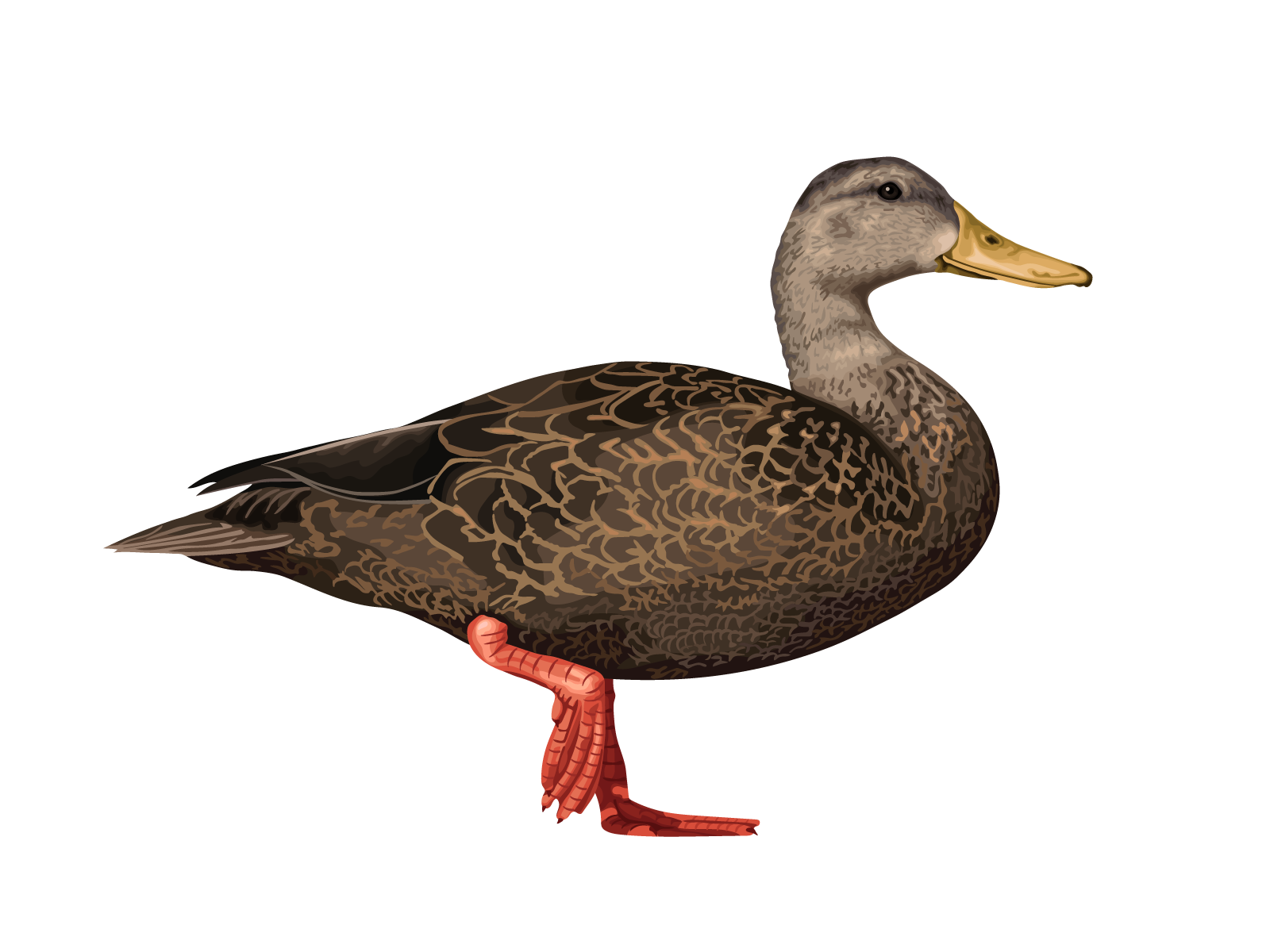
Mottled Duck hunting offers a unique Louisiana experience since these birds are year-round residents that know every trick in the book. They're beautiful birds with distinctive mottled plumage, and they're perfectly adapted to coastal marsh life. Mottled ducks are extremely wary because they live here year-round and see hunting pressure regularly. When you connect on a mature mottled duck, especially a big drake, you've accomplished something that takes real skill and patience. They're most active during early morning and late afternoon, making them perfect for our hunt timing.
Blue-winged Teal provide some of the fastest shooting you'll find in duck hunting. These small, quick birds fly in tight flocks and can turn on a dime, making them a real challenge for even experienced shooters. Early season is prime time for blue-wings, particularly September through November, when they're moving through in large numbers. What makes teal hunting so exciting is the speed and unpredictability – one minute the marsh is quiet, the next minute you've got a flock of 20 birds buzzing the decoys at light speed.
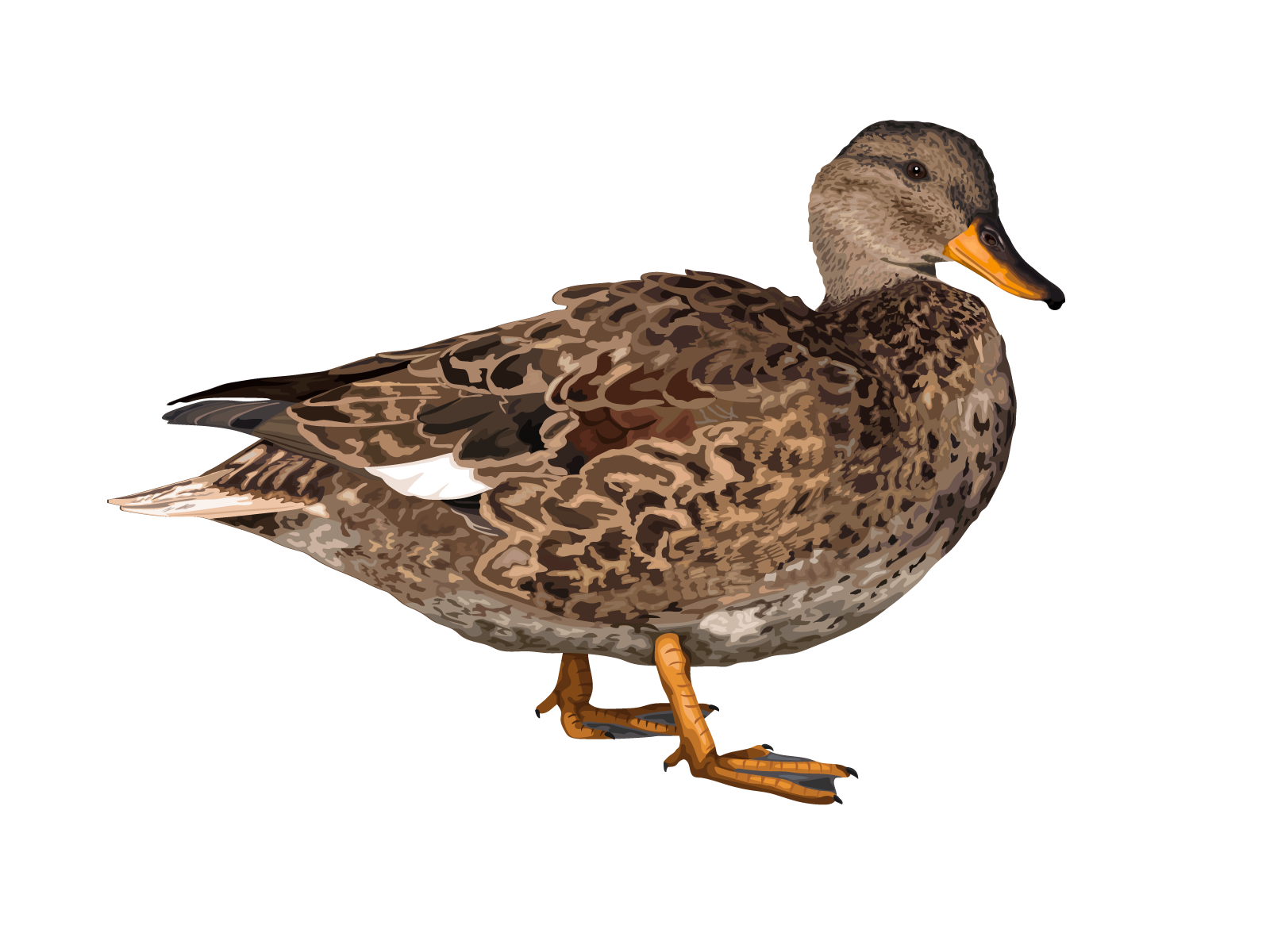
Gadwall Duck hunting often gets overlooked, but these birds are numerous in Louisiana waters and provide consistent action throughout the season. They're medium-sized ducks with subtle but beautiful plumage, and they're excellent on the table. Gadwalls are less wary than some species and often decoy readily, especially in mixed flocks with other puddle ducks. They prefer shallow water areas with plenty of vegetation, exactly the type of habitat we hunt regularly. The drake gadwalls are particularly handsome birds with intricate feather patterns that really show up when you get them in hand.
Book Your Next Tag
 Private Trip
 Bird hunting
 Lafayette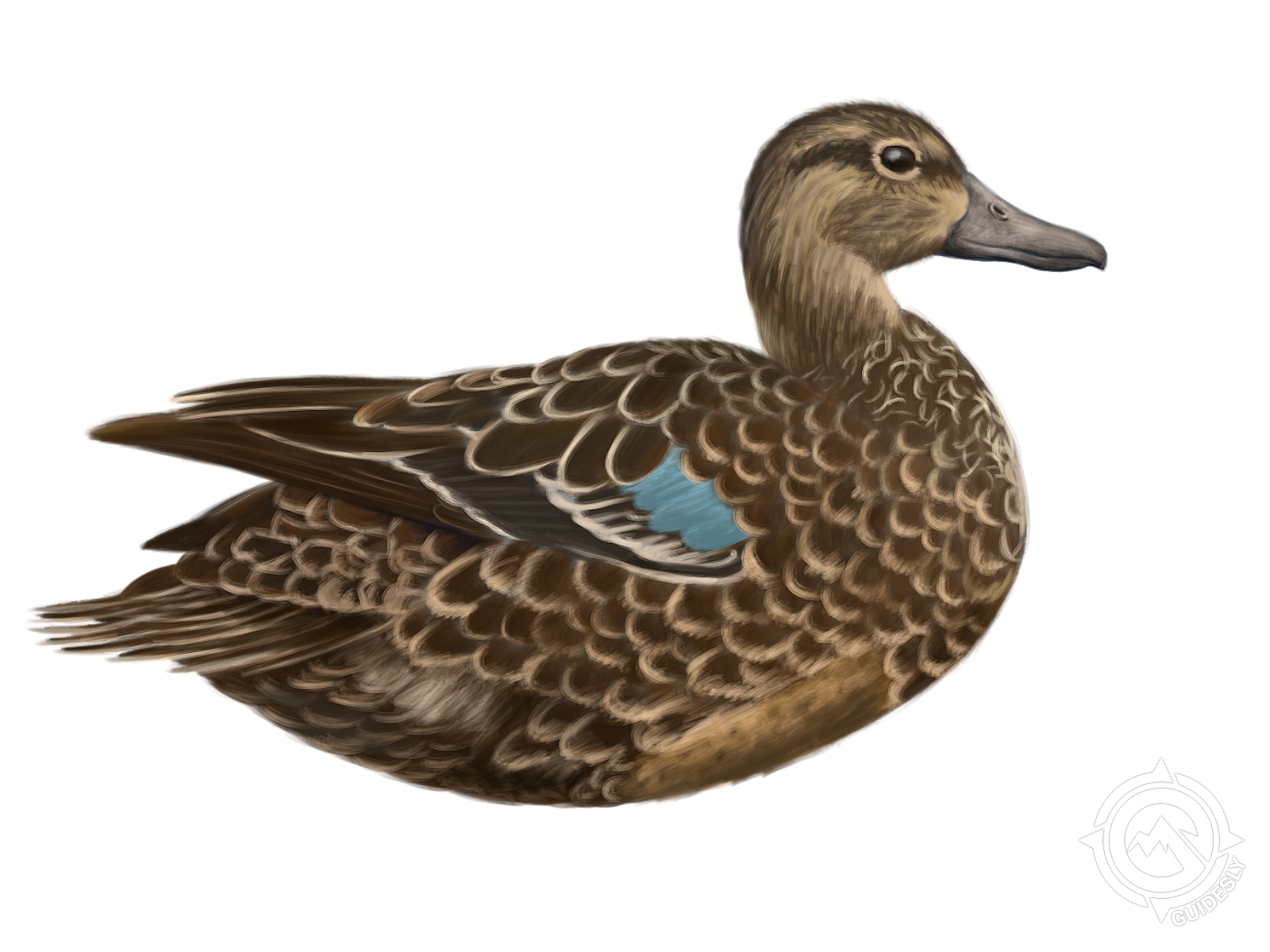
 Cast and blast package combines fishing with deluxe duck hunting