Louisiana Duck Hunts Near Lacassine Refuge
Looking for the real deal when it comes to Louisiana waterfowl hunting? You've found it. Our Seasonal Hunting Package #1 puts you in prime position for some of the best duck and goose hunting in the state, just minutes from the legendary Lacassine Refuge. This isn't your typical weekend hunt – we're talking about a full season commitment that'll have you waking up before dawn with a grin on your face, knowing you're about to experience what Louisiana hunting is all about. For $7800, you get up to 30 guided hunts from our top-notch pit blinds, and here's the kicker – you can split this package with up to two buddies, making it one heck of a deal for serious hunters.
Inside the Hunt
When you roll up to our meeting spot in the pre-dawn darkness, you'll know you're in for something special. We've been working these marshes and rice fields around Lacassine for years, and our guides know every flyway, every roost, and every trick these birds use. You'll be hunting from comfortable pit blinds that keep you concealed while giving you the perfect shooting angles when the birds start working. The beauty of our setup is that you're hunting the same productive blind throughout your package – no guessing games, no switching locations hoping for better luck. We've done the scouting, we know where the birds want to be, and that's exactly where we'll put you. Each hunt starts early, usually well before sunrise, so we can get you set up and ready when shooting light breaks. Our guides handle all the calling, decoy placement, and field preparation – your job is to be ready when those wings are cupped and feet are down.
Tracking Tips & Terrain
The country around Lacassine Refuge is waterfowl paradise – a mix of flooded rice fields, shallow marshes, and open water that draws birds from across the flyway. Our pit blinds are strategically placed in these productive areas, dug deep enough to keep you completely hidden but comfortable enough for those long sits when the birds are being finicky. We use large spreads of realistic decoys, mixing different species depending on what's flying that day. The calling here is an art form – our guides know when to be aggressive with the calls and when to stay quiet and let the decoys do the work. Weather plays a huge role in our success, and cold fronts pushing down from the north are pure gold for duck hunting. Those bluebird days might be pretty, but give us overcast skies, a little wind, and dropping temperatures, and you'll see why Louisiana has such a reputation for world-class waterfowl hunting. We'll teach you to read the birds' behavior – how they respond to different calls, what their flight patterns tell us about their intentions, and when to take the safety off because a shot is coming.
Target Game Breakdown
Specklebelly geese are the crown jewel of Louisiana waterfowl hunting, and they're regular visitors to our hunting areas. These smart, wary birds migrate down from their Arctic breeding grounds starting in October, and when they decide to work your decoy spread, your heart will be pounding. Specks are talkers – they're constantly chattering to each other, and a good guide who can speak their language can pull them right into your lap. They're larger than ducks but smaller than Canada geese, typically weighing 4-6 pounds, and they're absolutely delicious on the table. The best hunting for specks usually runs from November through January, with peak action often coming after cold fronts. What makes them so exciting is their intelligence – they'll circle your spread multiple times, talking it over, before committing. When they finally cup their wings and drop those landing gear, you better be ready.
Snow geese bring a different kind of excitement to Louisiana hunting. These birds travel in huge flocks, sometimes numbering in the thousands, and when they're moving, you can hear them coming from miles away. They're predominantly white with black wingtips, making them easy to identify against Louisiana's often overcast winter skies. Snows can be challenging to hunt because they're extremely social and suspicious – one nervous bird can flare an entire flock. But when everything comes together and a group commits to your spread, the shooting can be fast and furious. Peak snow goose hunting typically runs from December through February, with some of the best action happening during their spring conservation season when limits are relaxed. These birds are slightly smaller than specklebellies but make up for it in numbers and attitude.
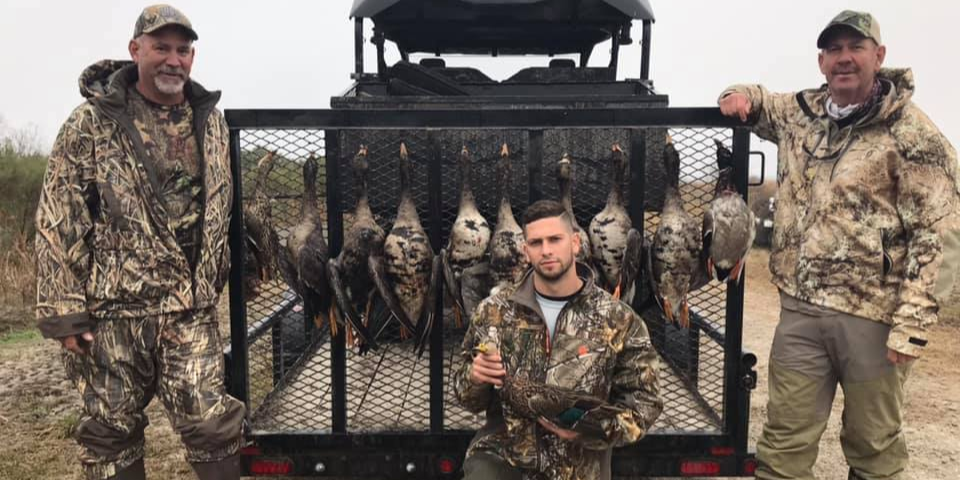
Mallards are the classic duck that most hunters cut their teeth on, and Louisiana's rice country produces some beautiful greenheads. Our local mallards are joined by northern birds throughout the season, creating excellent hunting opportunities from opening day through late January. A drake mallard in full plumage is a sight to behold – that iridescent green head catches the light like nothing else. Mallards are great birds for our pit blind setup because they respond well to calling and decoys, often making multiple passes before committing. They're adaptable birds that feed in both shallow water and dry fields, which is why our location near the refuge is so productive. The Louisiana mallards tend to be a bit larger than their northern cousins, and they know every trick in the book for avoiding hunters.
Pintails are the speed demons of the duck world, and watching a group of pins lock up and drop into your decoys is pure poetry. These elegant birds have longer necks and more pointed wings than mallards, and the drakes sport a distinctive chocolate-colored head with a white stripe. Pintails are typically some of the first ducks to arrive each season, often showing up in good numbers by early November. They're prairie birds at heart, so our flooded rice field locations are perfect habitat for them. What makes pintail hunting so exciting is their unpredictability – they might buzz your decoys at 40 mph without slowing down, or they might circle once and drop right in. When the weather conditions are right and the pintails are moving, you'll have some of
 Private Trip
 Active hunting
 Lafayette
 Up to 30 guided duck hunts near Lacassine Refuge