3-Day Lake St Clair Duck and Goose Hunt
When you're looking for a world-class waterfowl hunting experience that gives you time to really work the birds, this three-day guided hunt on Lake St Clair delivers everything serious hunters want. Working with Canvasback Outfitters means you're hunting with guides who've spent years learning every flight pattern, weather shift, and feeding area these ducks and geese use. You'll have three full days to adapt your strategy, move setups based on what the birds are doing, and really make the most of this top-rated hunting destination. Perfect for hunters who want more than just a quick morning shoot – this is your chance to dive deep into proper waterfowl hunting.
Inside the Hunt
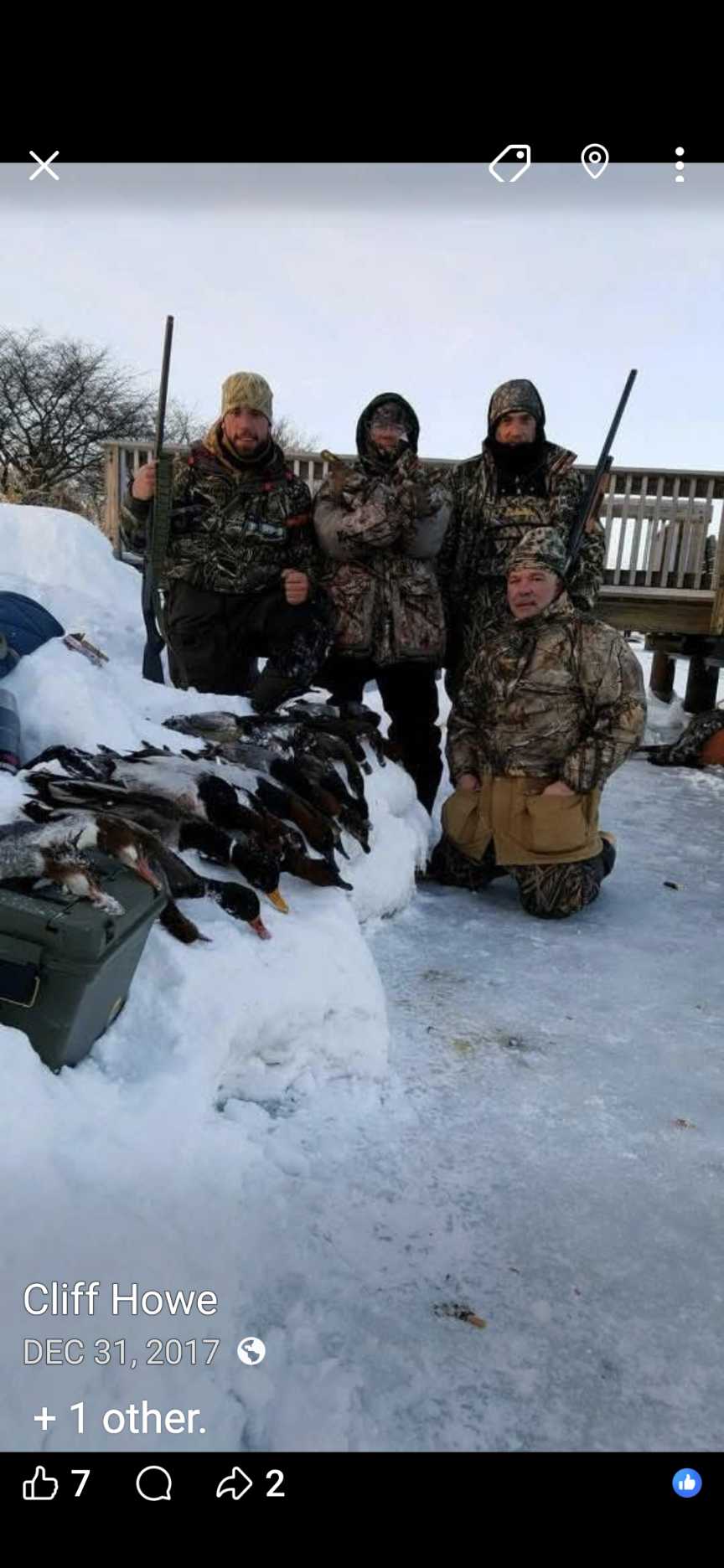
This hunt runs as a flat-rate experience designed for groups up to four hunters, giving you flexibility to bring your regular hunting crew or join up with other serious waterfowl hunters. Lake St Clair sits right in the heart of a major flyway, which means you're hunting birds that have been pressured elsewhere and are looking for safe water to rest and feed. Your guides know exactly where these birds want to be based on wind direction, weather patterns, and the time of season you're hunting. Each day starts with scouting – checking where birds roosted overnight and figuring out their flight patterns before you set up. You'll be hunting from strategically placed blinds that let you work incoming flights without spooking birds that might be feeding or resting nearby. The beauty of a three-day hunt is that you can adjust your approach. If birds are flying high on day one, you've got time to relocate and try different tactics on days two and three.
Tracking Tips & Terrain
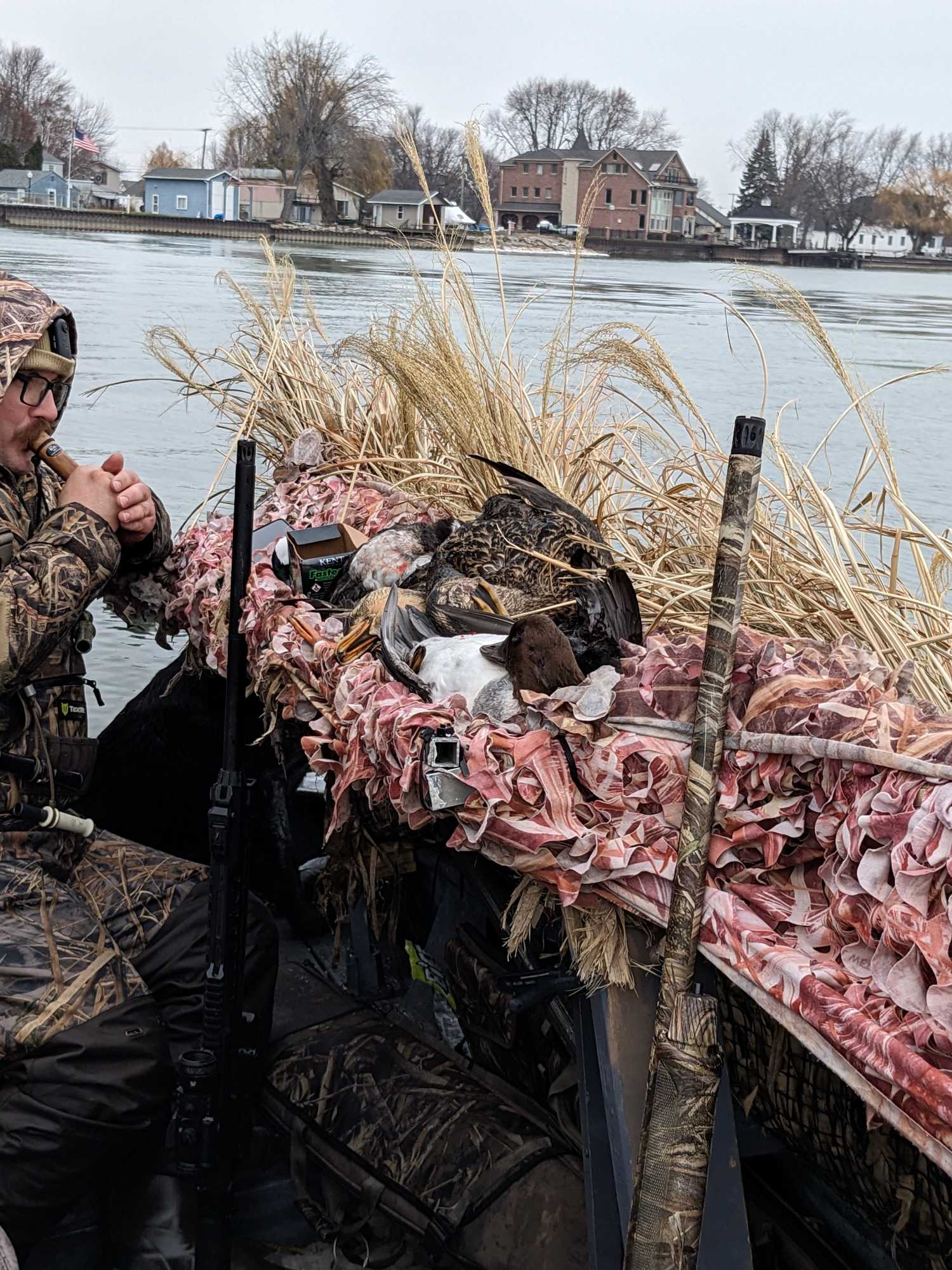
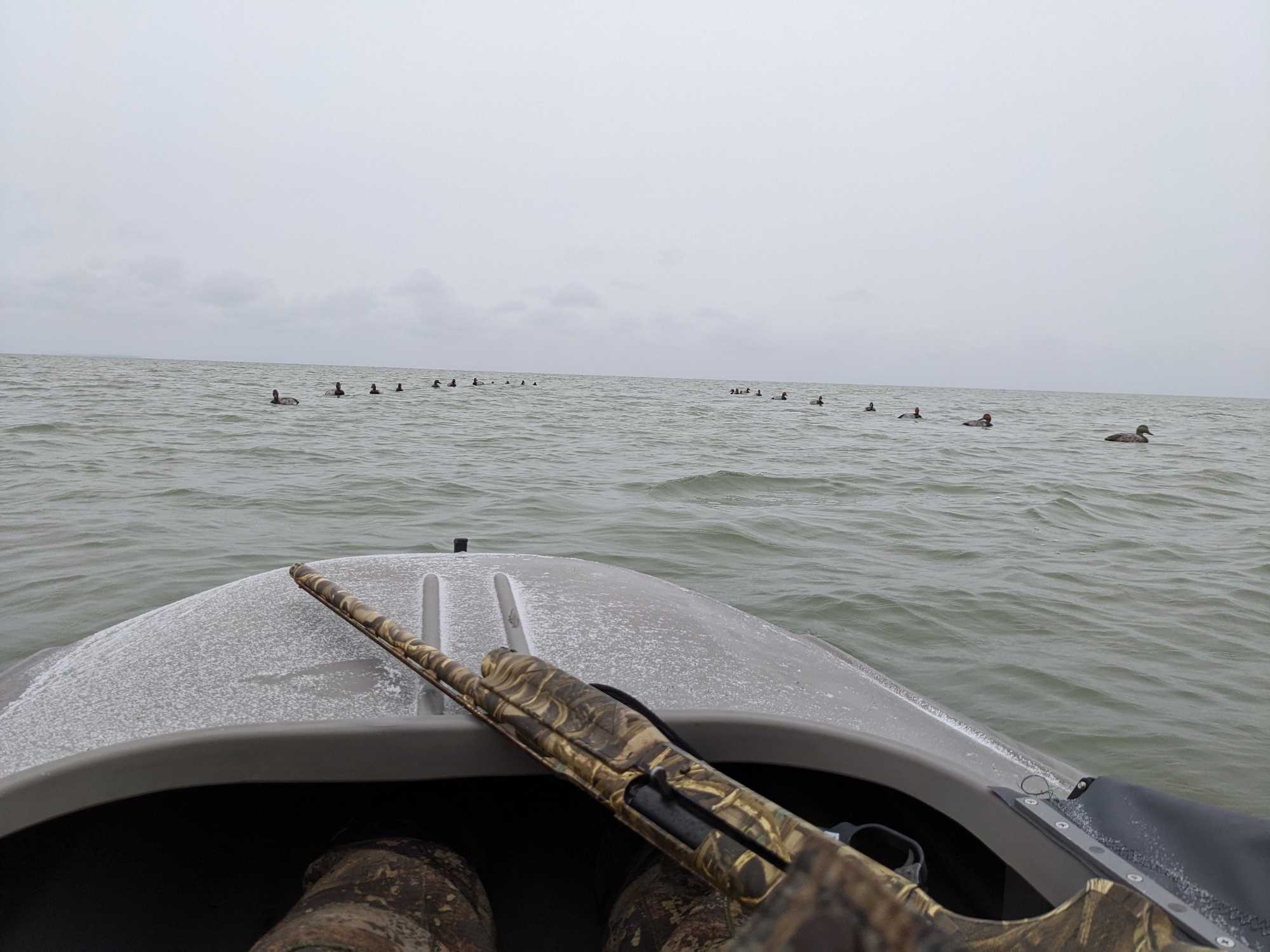
Lake St Clair's shallow bays and protected coves create perfect staging areas for diving ducks, while the open water attracts huge rafts of birds during migration. Your guides position blinds based on prevailing winds and current bird behavior – sometimes you'll be tucked into cattail edges working birds as they move between roosting and feeding areas, other times you'll be set up on points where birds naturally swing close as they navigate the shoreline. The key technique here is reading the water and weather together. When northwest winds push birds toward the eastern shores, that's where you want your spread. During calm conditions, birds often work the deeper drop-offs where they can dive for food without fighting current. Your guides bring layout blinds for open-water setups and permanent blinds for marsh edges, switching tactics based on what's working each day. Decoy spreads vary from tight groups of divers to long lines that mimic natural rafts, and your guide adjusts the setup throughout the hunt as conditions change.
Target Game Breakdown
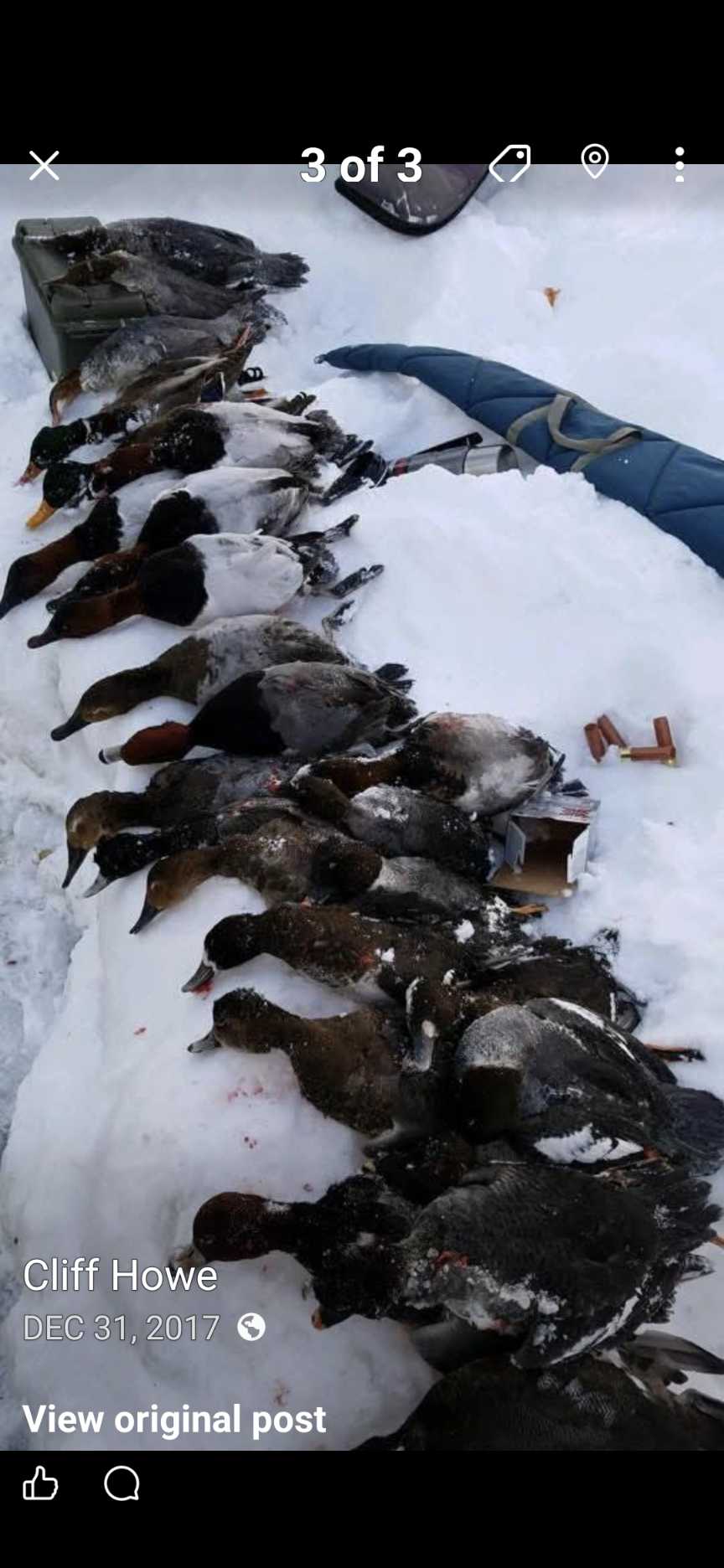
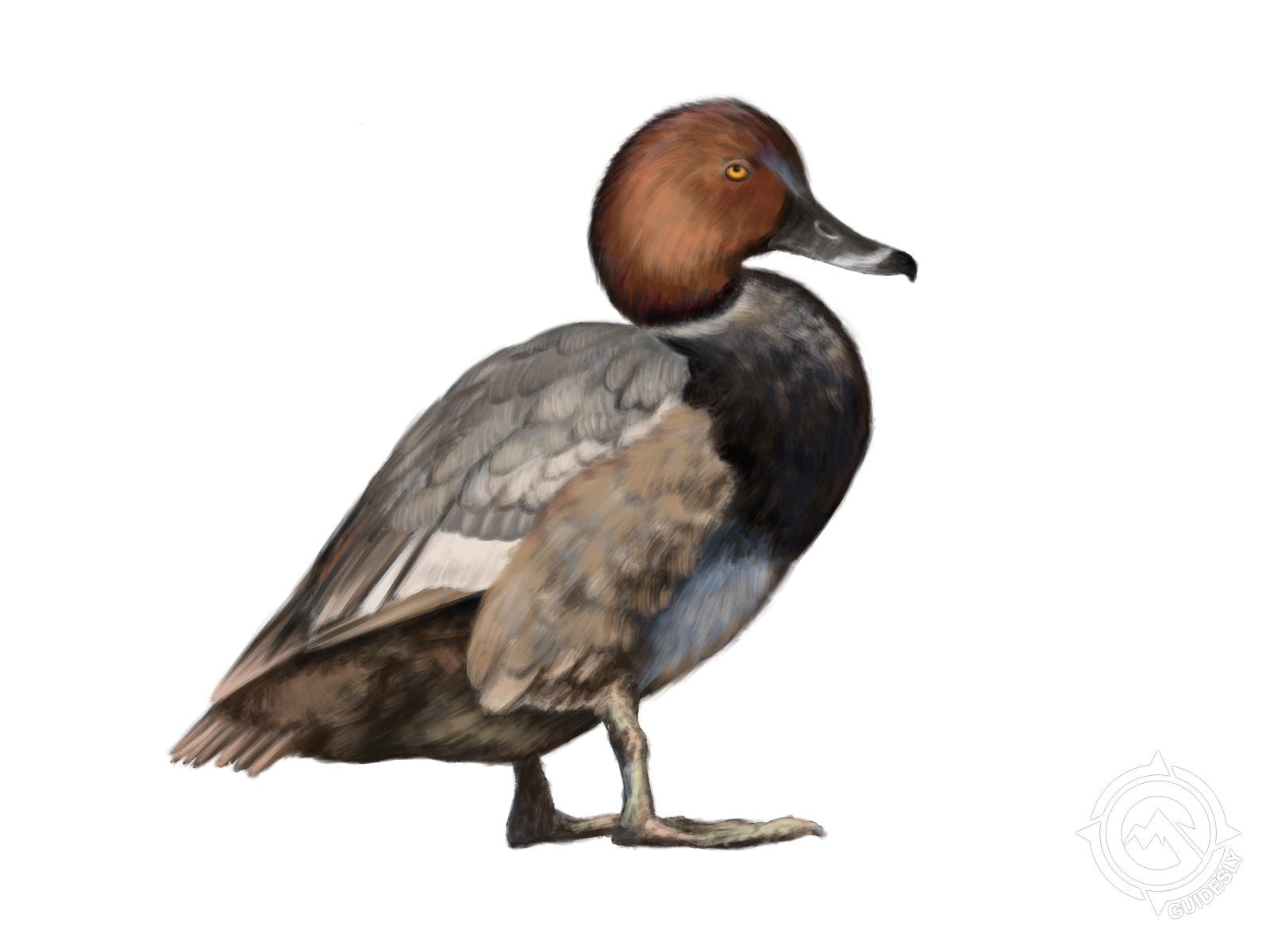
Redhead ducks are the bread and butter of Lake St Clair hunting, and for good reason. These medium-sized divers show up in huge numbers during peak migration, typically mid to late October through November. Redheads love the lake's extensive beds of wild celery and other aquatic vegetation, often feeding in water 8-15 feet deep. What makes hunting them exciting is how they respond to calling – a good guide can work a flock of redheads from half a mile away, calling them in with the right sequence of feeding chuckles and comeback calls. They decoy beautifully when you've got the spread positioned right, often cupping wings and dropping right into the pocket.
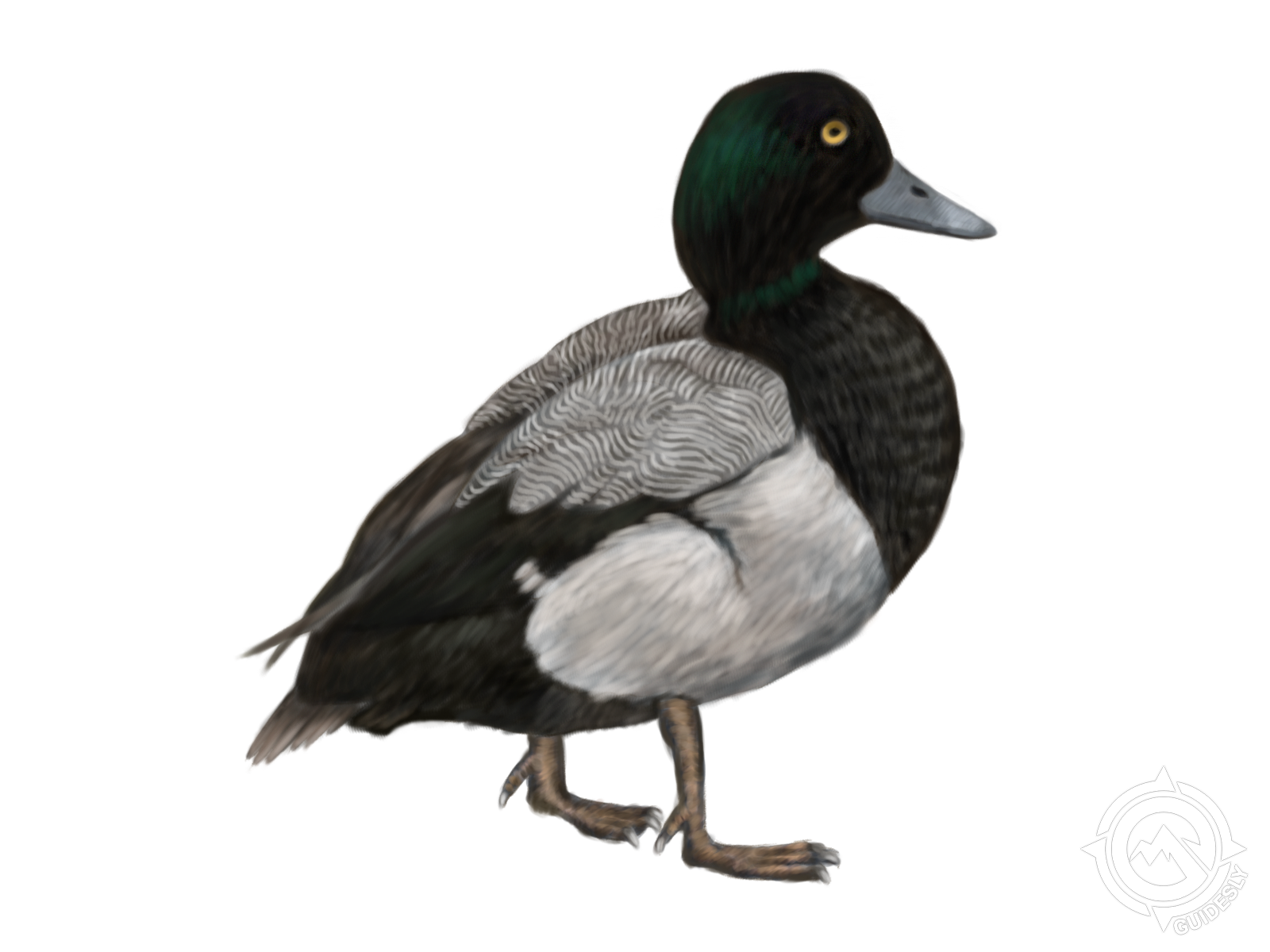
Greater Scaup bring a different challenge to your Lake St Clair hunt. These larger diving ducks are incredibly wary and often travel in massive flocks that can stretch for hundreds of yards. Peak season runs from late October through December, with the biggest numbers showing up after the first serious cold snaps up north. Scaup are notorious for circling multiple times before committing to a decoy spread, testing your patience and your guide's calling skills. When they do commit, though, it's spectacular – dozens of birds can pour into your spread at once. The key is having enough decoys to look like a natural raft and being ready for fast shooting when they finally decide to work.
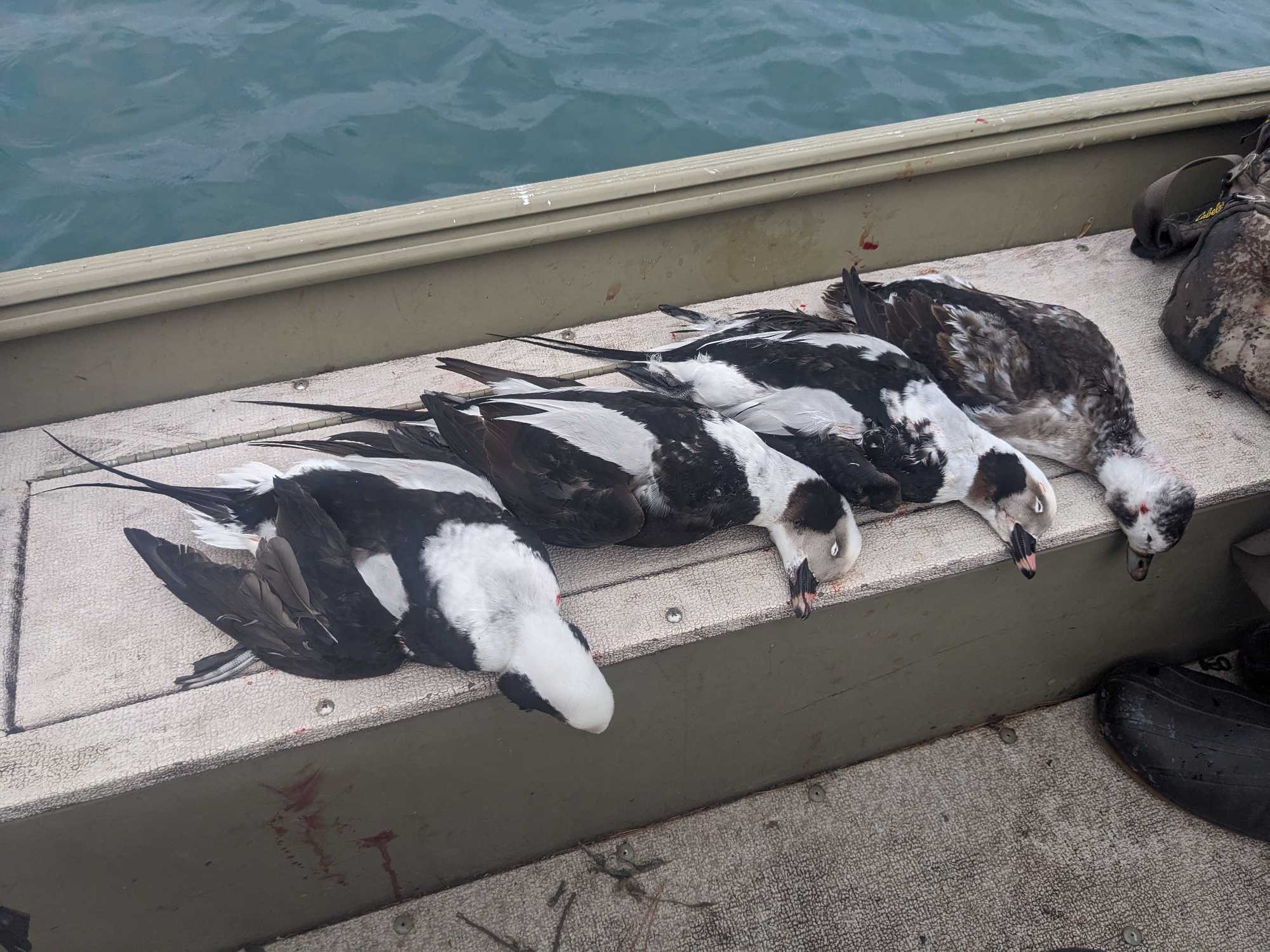
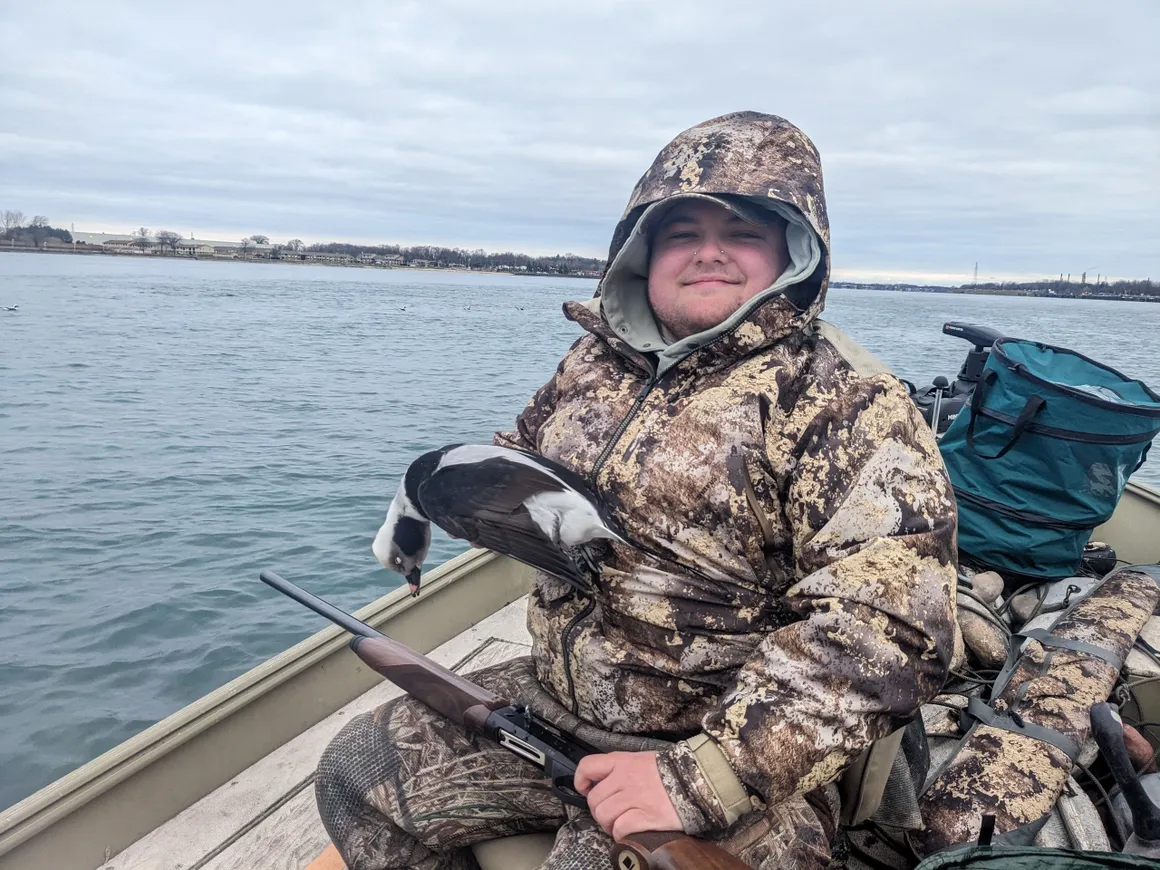
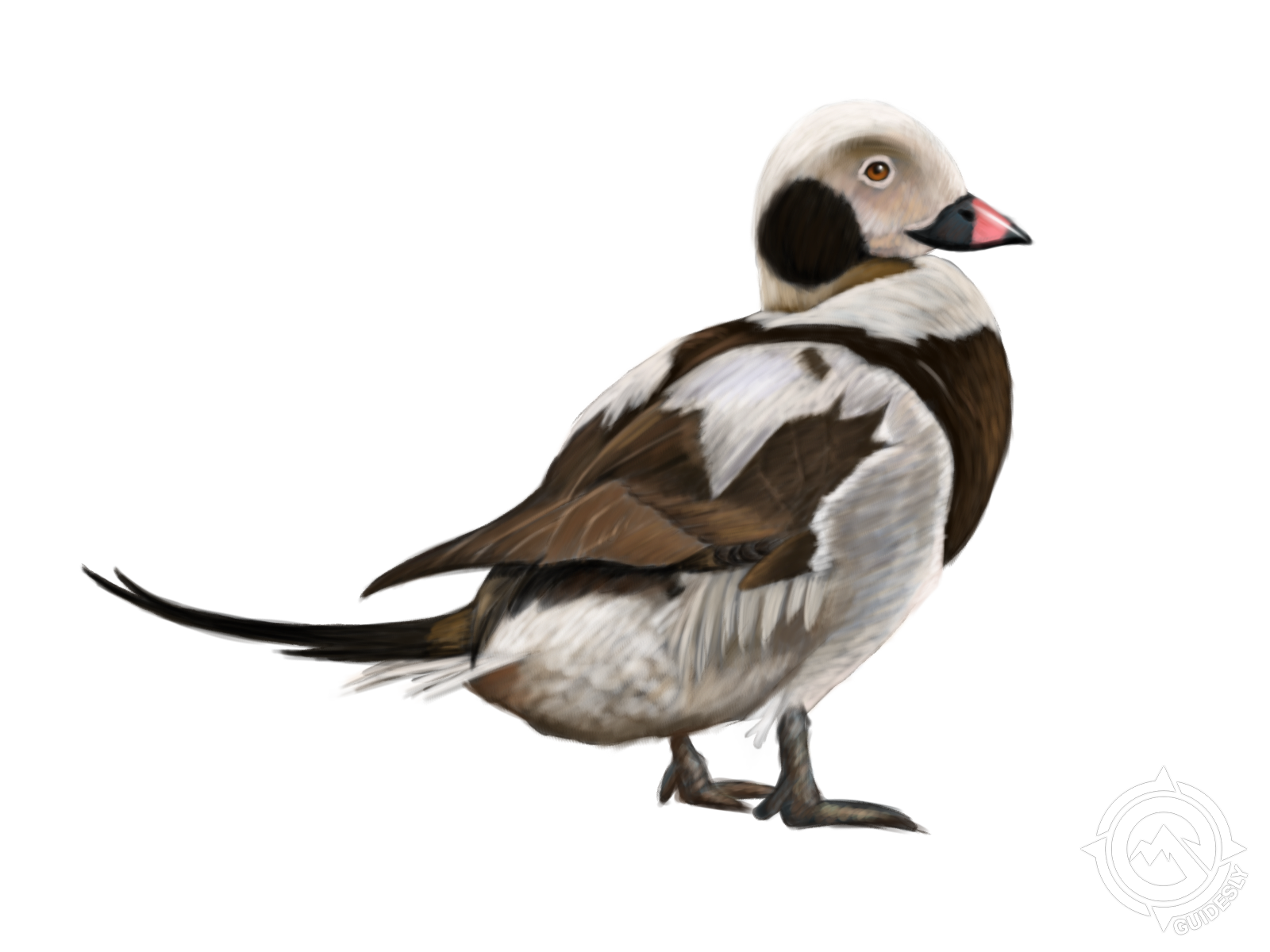
Oldsquaw, now called Long-tailed Duck, are the wildcard species that can make your hunt memorable. These sea ducks show up sporadically throughout the late season, often mixed in with other divers or flying in their own tight flocks. Long-tailed ducks are incredibly vocal, with a unique call that experienced hunters learn to pick out from miles away. They're also some of the fastest flying waterfowl you'll encounter, requiring quick reflexes and good lead. Most hunters consider them a bonus bird, but when conditions are right – usually during rough weather with strong winds – they can provide some of the most challenging and rewarding shooting of your trip.
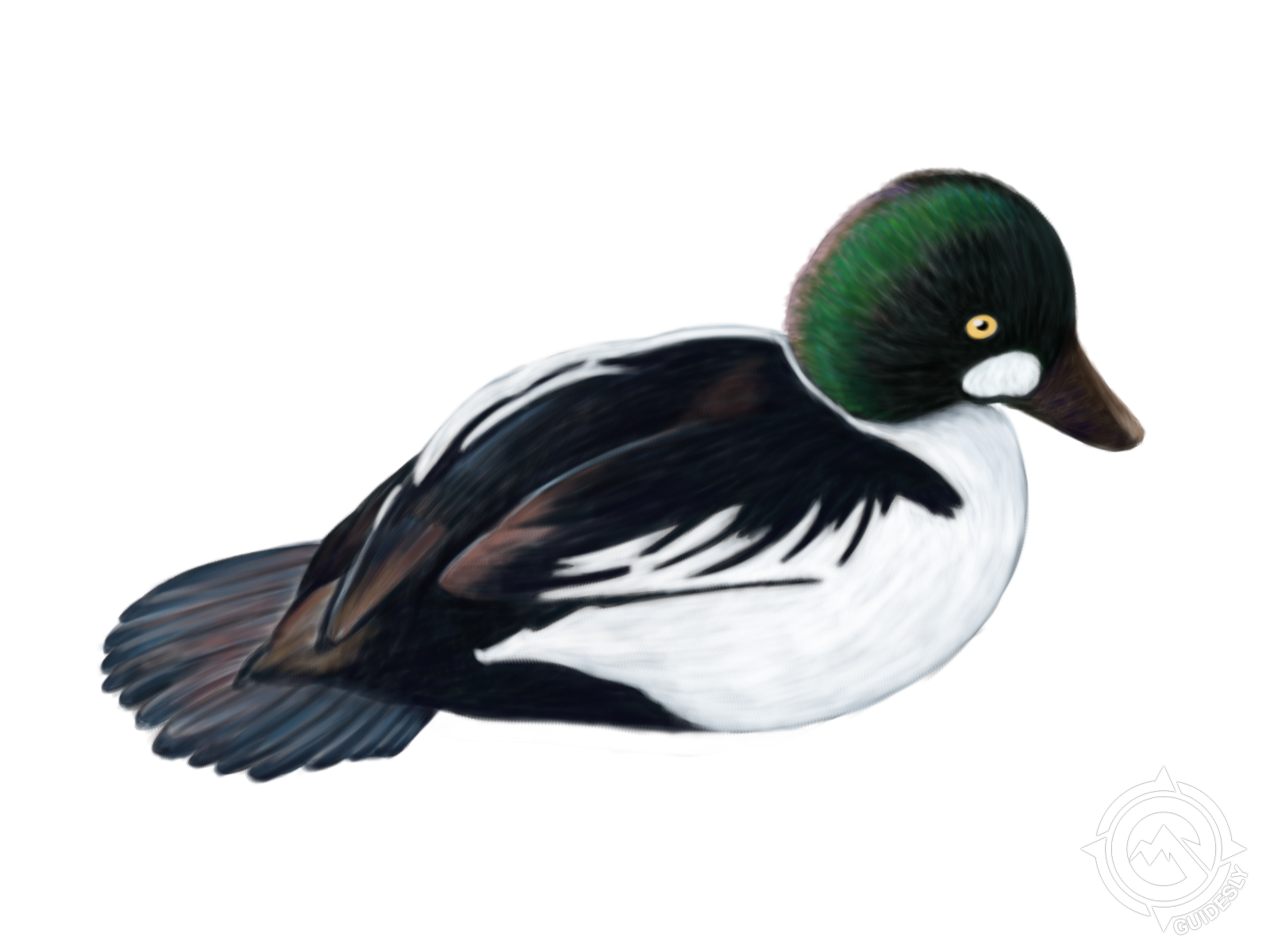
Common Goldeneye add another dimension to the hunt, especially during late season when ice starts forming on northern lakes. These compact, powerful divers are known for their distinctive whistling wing beats that you can hear long before you see the birds. Goldeneye are particularly active during overcast days and often fly in small groups of 4-8 birds. They respond well to aggressive calling and tend to work decoys quickly once they commit. The drakes are absolutely stunning birds with their bright white sides and distinctive head pattern, making them a favorite for hunters who appreciate the beauty of waterfowl as much as the challenge of hunting them.
Canvasback represent the premium target species for serious waterfowl hunters, and Lake St Clair consistently produces opportunities at these legendary birds. Known as the "King of Ducks" for their size, speed, and wariness, canvasback require perfect conditions and expert calling to hunt successfully. Peak canvasback hunting typically occurs during November when birds are moving through in good numbers but haven't been heavily pressured. These large divers are incredibly strong fliers, often passing through at high speeds and requiring precise shooting. When your guide spots a flock of canvasback working your area, everything else takes a back seat – these birds demand your full attention and reward successful hunters with one of North America's most prized waterfowl.
 Private Trip
 Hunting from Blinds
 undefined, undefined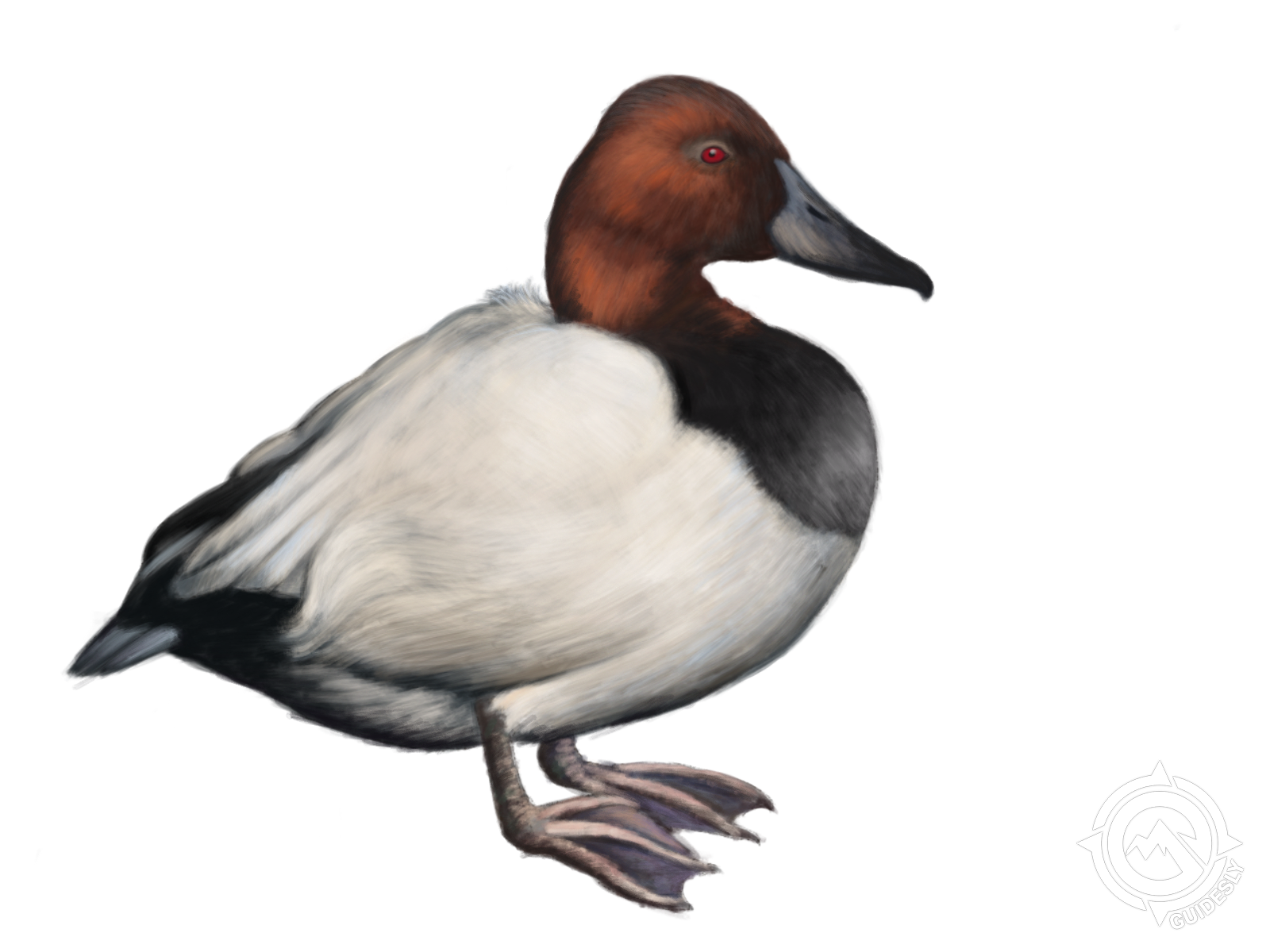
 Three-day guided waterfowl hunting on Lake St Clair waters