Lake St Clair Duck and Goose Guided Hunt
Lake St Clair has earned its reputation as one of the Great Lakes' premier waterfowl hunting destinations, and for good reason. This massive body of water sits perfectly positioned along the Atlantic Flyway, making it a crucial staging area for ducks and geese traveling south. When you hunt with Canvasback Outfitters, you're tapping into decades of local knowledge about bird patterns, weather conditions, and the subtle art of reading water. Our guides have been working these waters long enough to know exactly where the birds want to be on any given day, and we've got the blinds and boats to get you there.
Inside the Hunt
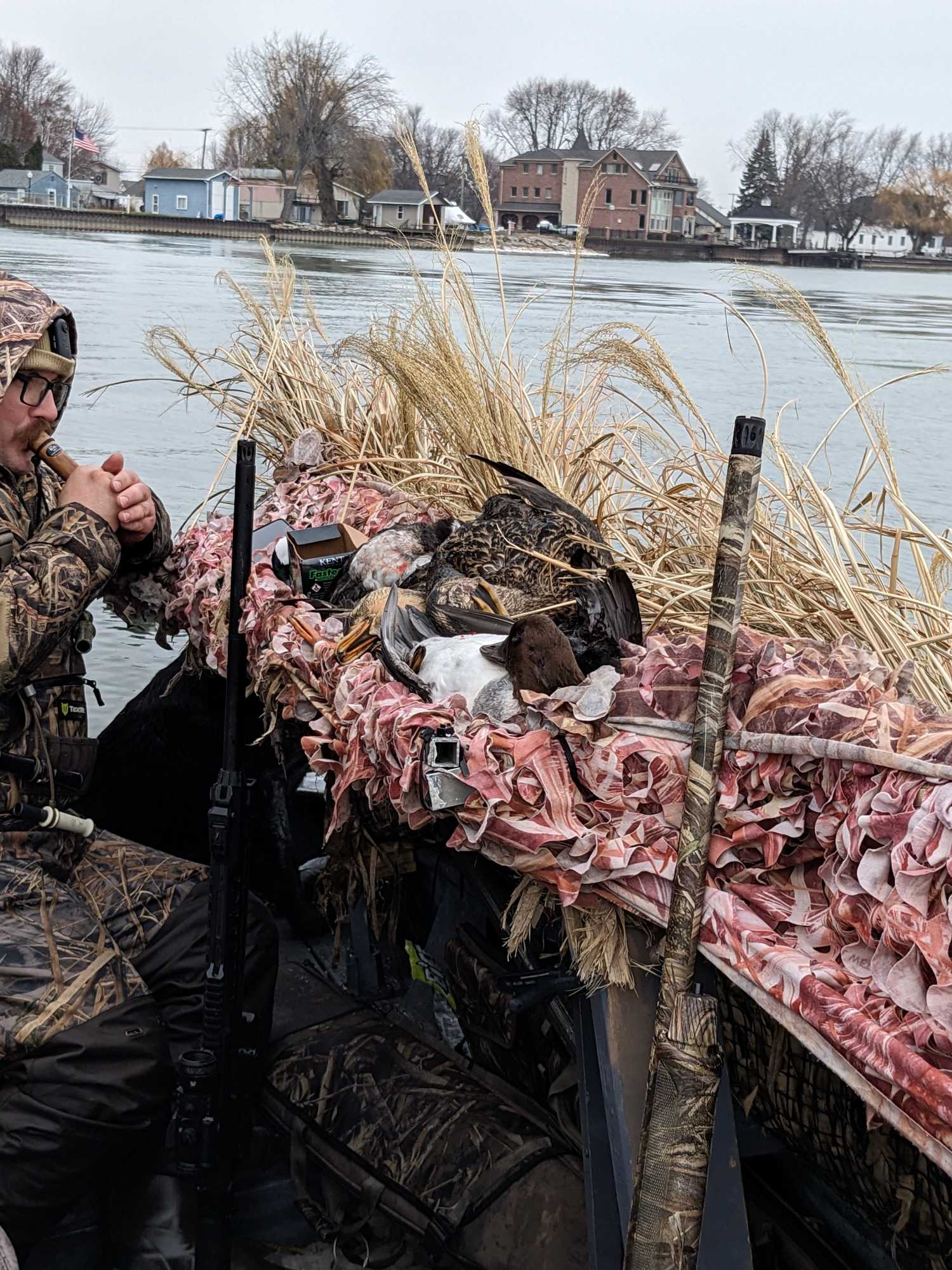
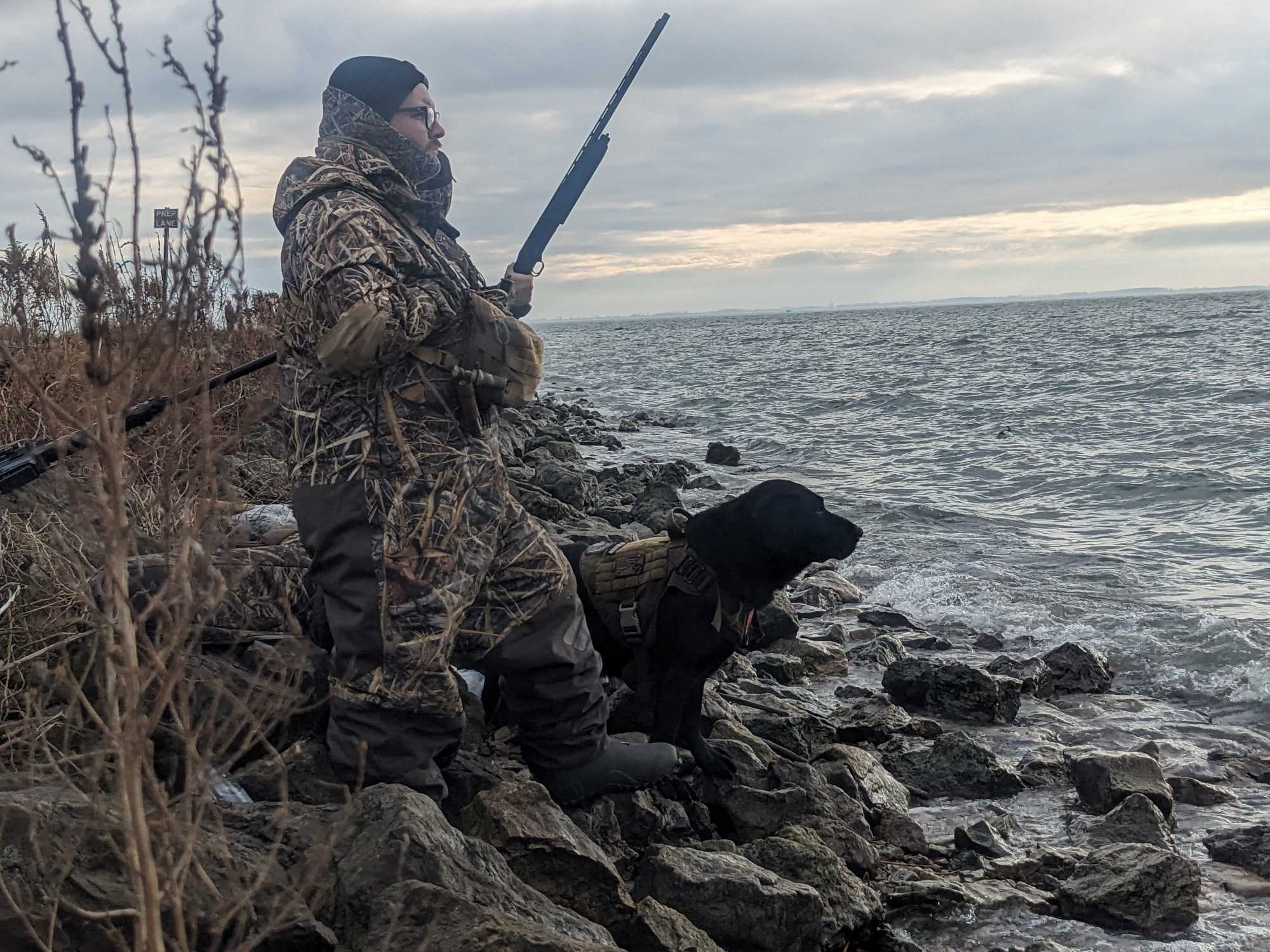
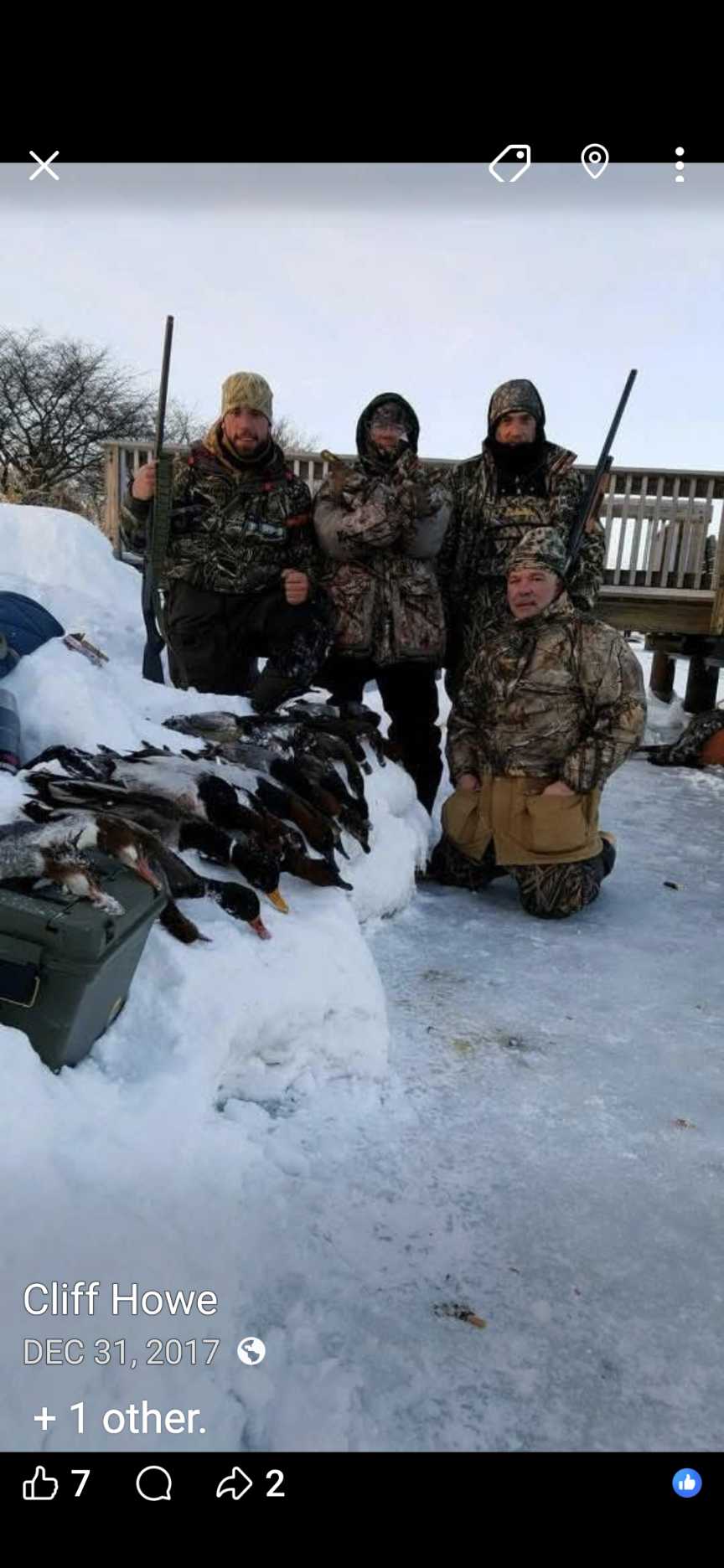
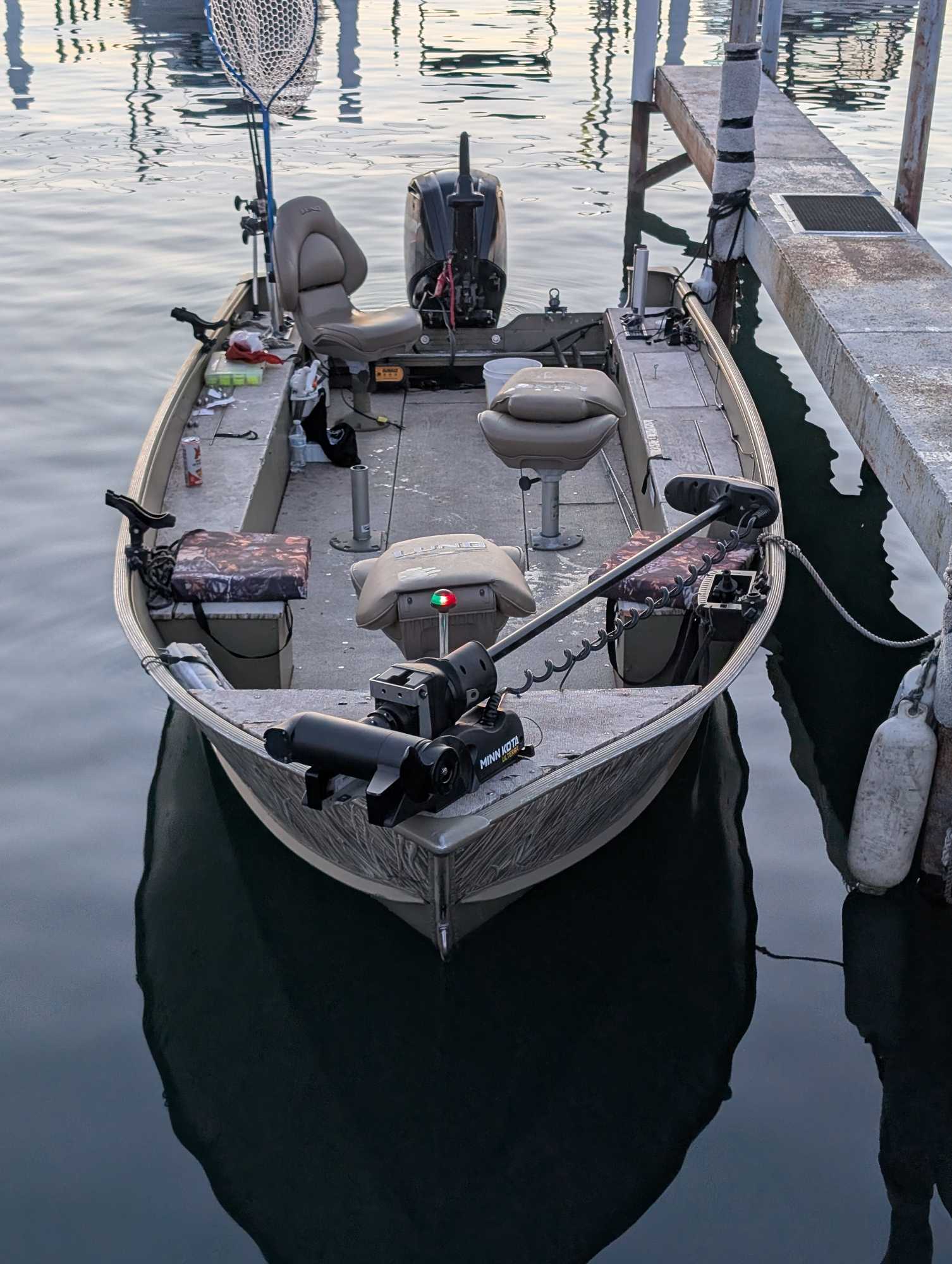
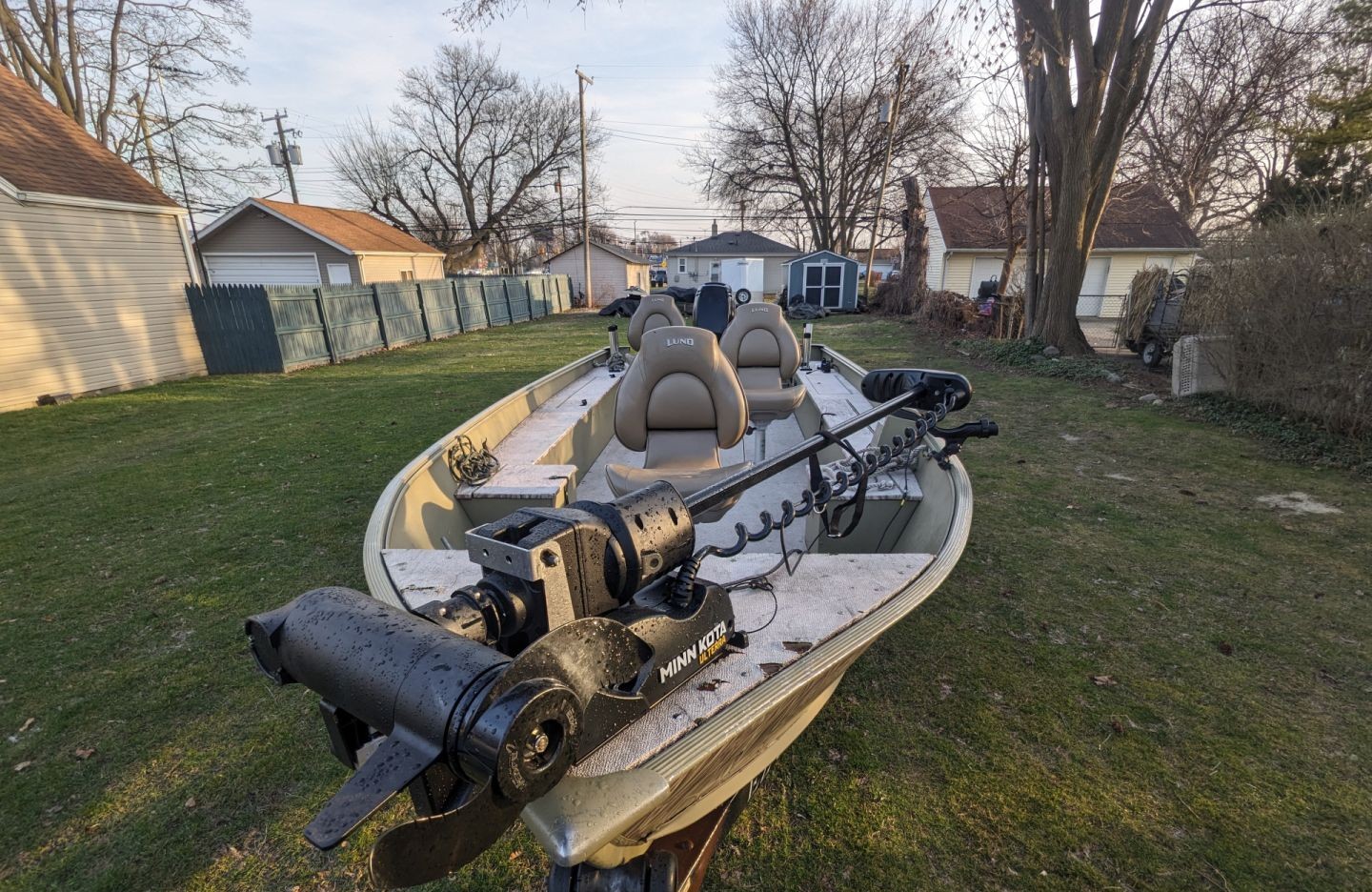
Every hunt starts before dawn with a weather check and a quick rundown of the game plan. Lake St Clair's conditions change fast, so we stay flexible with our approach. Some days call for our fixed blinds positioned along key feeding areas, while rough weather might mean running layout boats to intercept birds in open water. Our boat blinds give us the mobility to follow the action when birds shift locations throughout the day. You'll be hunting solo or with a small group, which means more shooting opportunities and personalized attention from your guide. We provide all the decoy spreads, calling, and positioning strategy - your job is to stay ready and make the shots count. The season runs strong through ice-up, with peak action typically hitting during migration pushes when weather fronts move through the region.
Tracking Tips & Terrain
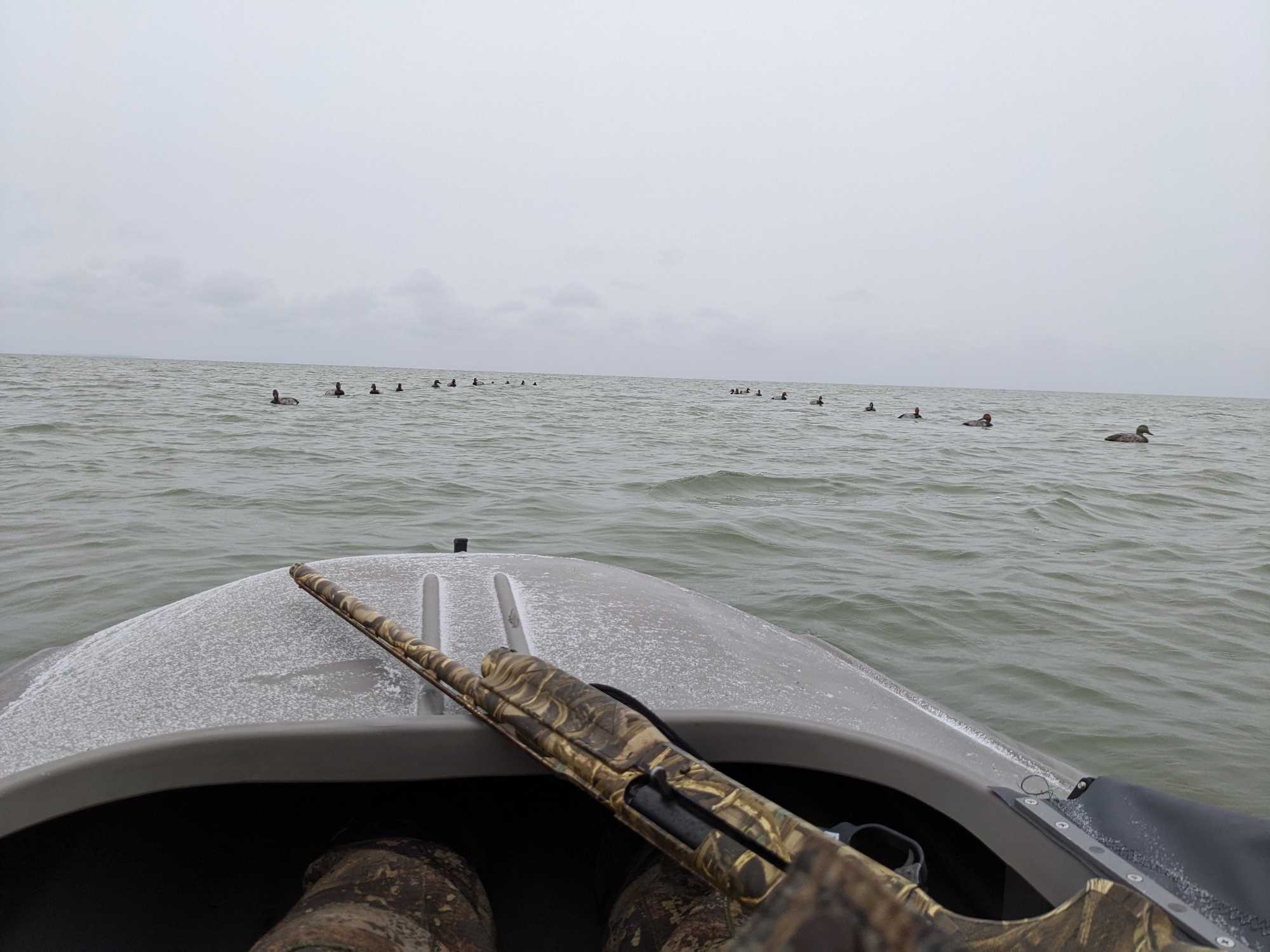
Lake St Clair's hunting success comes down to understanding the water and the birds that use it. The lake's shallow bays and protected coves create perfect feeding grounds for diving ducks, while the open water serves as a safe roosting area. Our boat blinds are designed low-profile to blend with the water's surface, and we position them based on wind direction, bird movement, and feeding patterns we've observed over the years. Layout boats come into play when birds are working the deeper water - it's a more active style of hunting that puts you right in the flight path. Fixed blinds offer comfort and concealment in high-traffic areas where we know birds consistently move. Your guide handles all the calling and decoy work, but don't be surprised if they teach you a few tricks about reading bird behavior and timing your shots. The key to success here is patience and letting the birds work naturally into range.
Target Game Breakdown
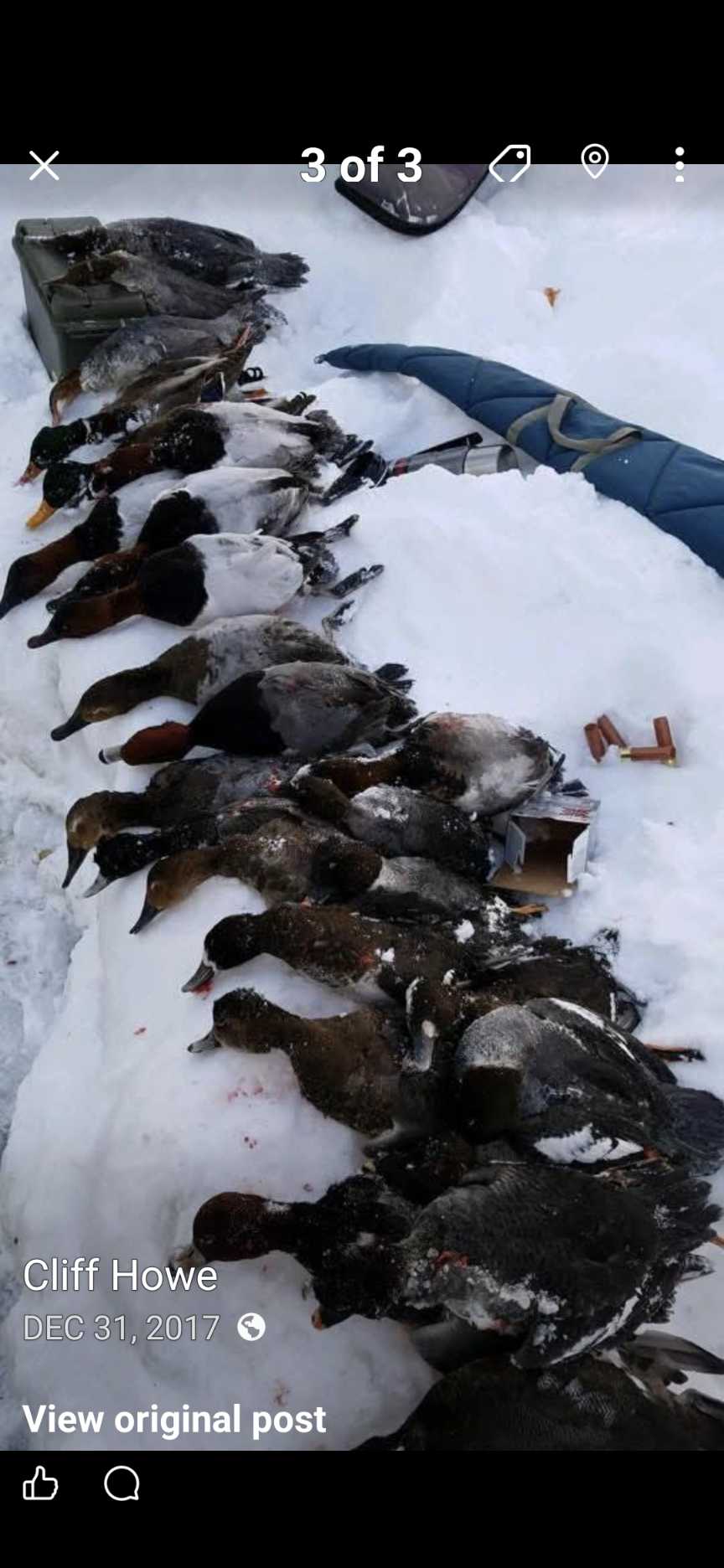
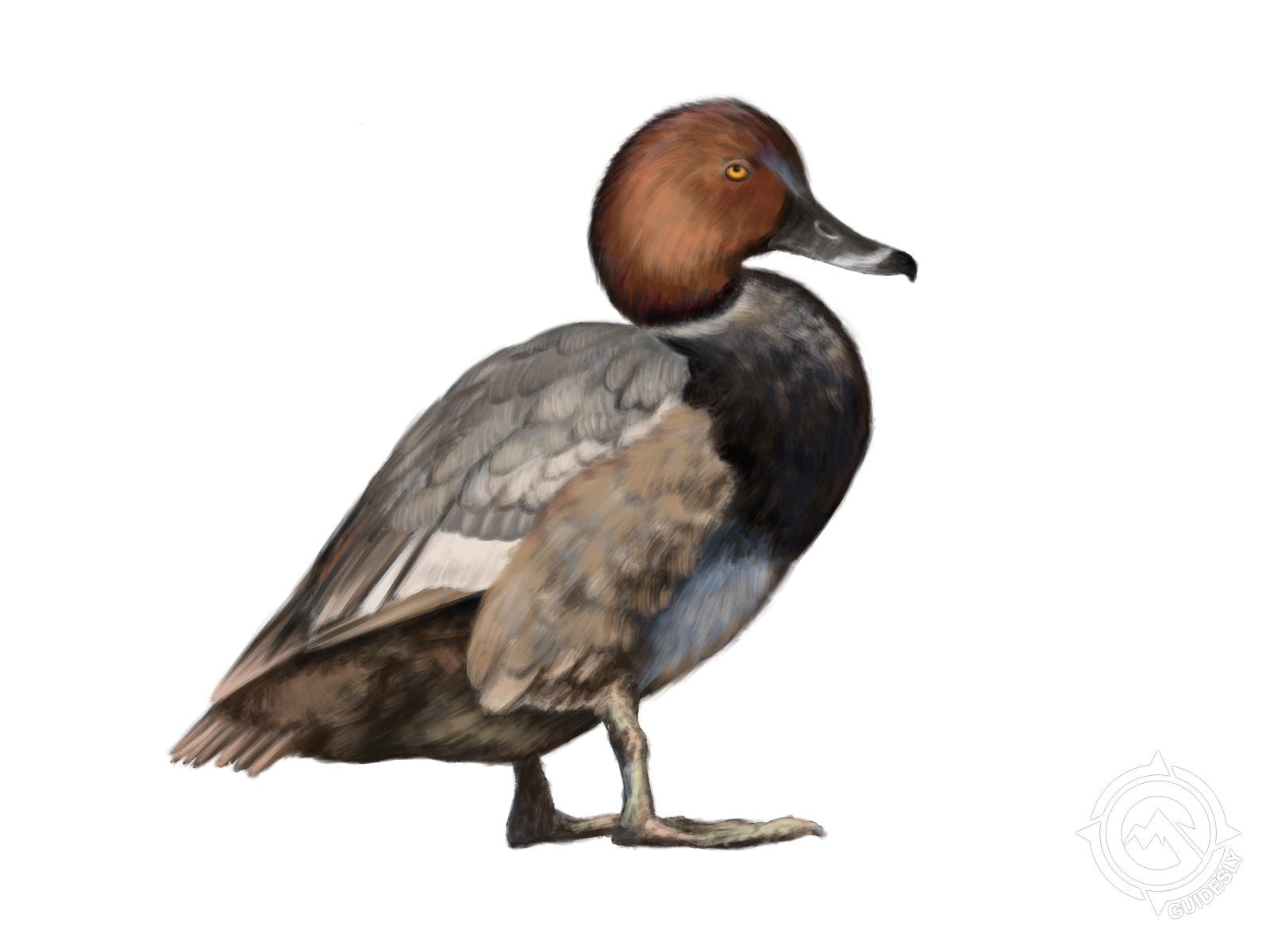
Redheads are the bread and butter of Lake St Clair hunting, and these diving ducks know how to test your shooting skills. They typically show up in good numbers by mid-October and stick around through November, feeding heavily on the lake's abundant vegetation. Redheads have this habit of flying fast and low over the water, often swinging wide before committing to decoys. When they do decide to work your spread, they come in with purpose, making for exciting shooting. These medium-sized ducks are built for diving and can disappear underwater for surprisingly long stretches while feeding.
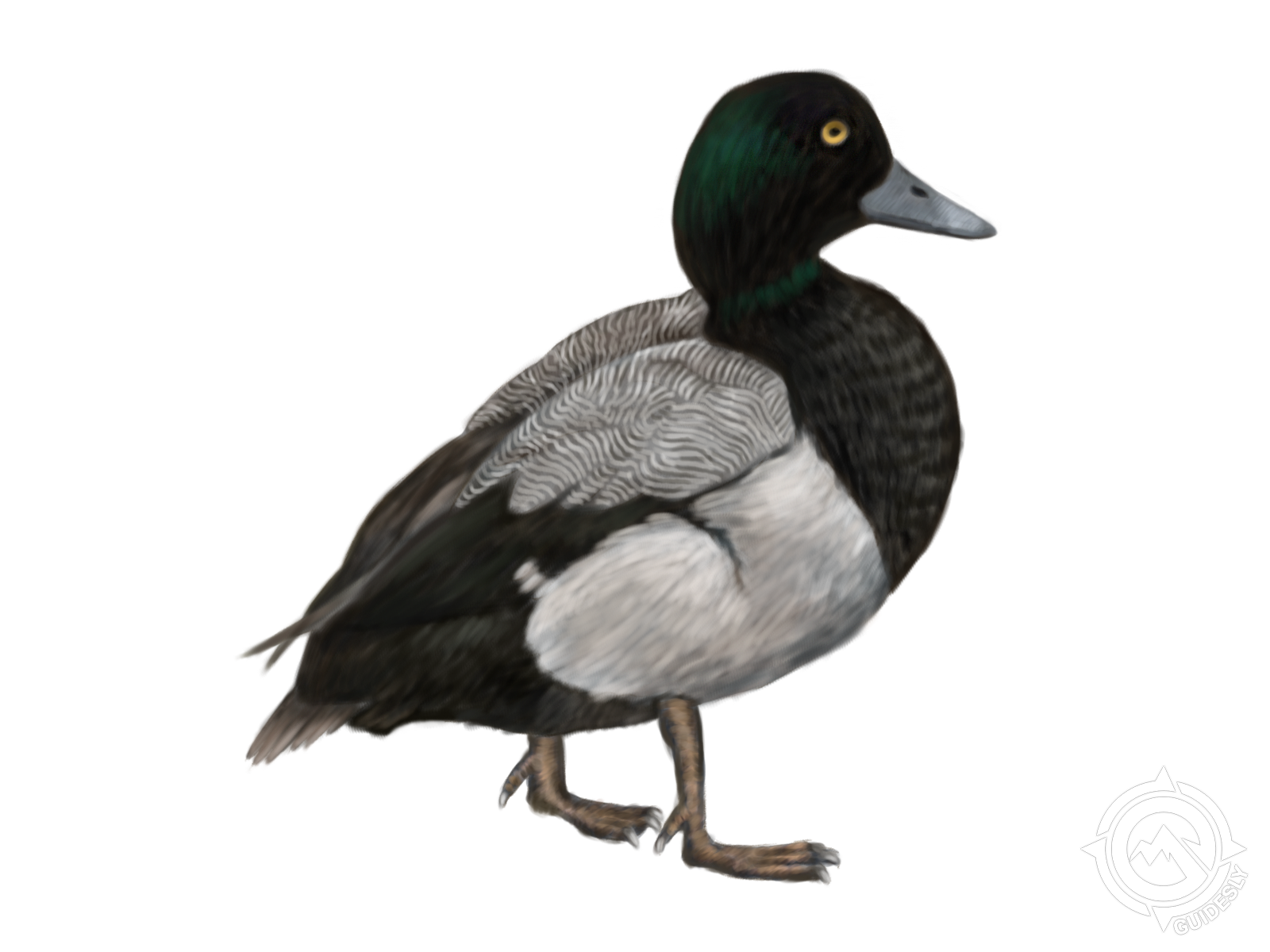
Greater Scaup arrive with the cold weather and often travel in large rafts across the open water. These black-and-white divers are slightly smaller than redheads but make up for it with their unpredictable flight patterns. Scaup can be picky about decoy spreads, sometimes circling multiple times before committing. They're most active during overcast days and seem to move more freely when there's a good chop on the water. Late season hunts often produce the best scaup action as birds concentrate before ice forms.
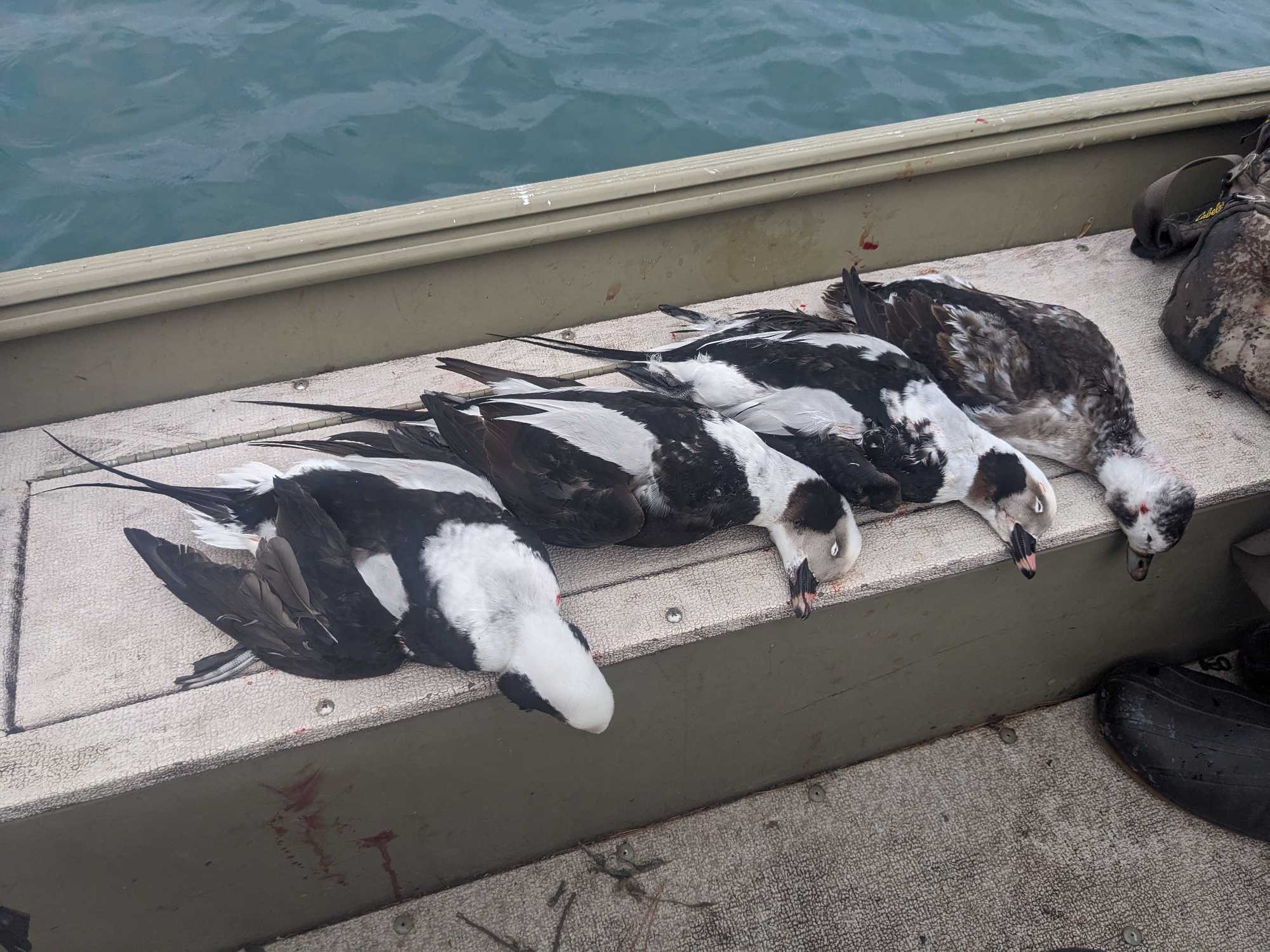
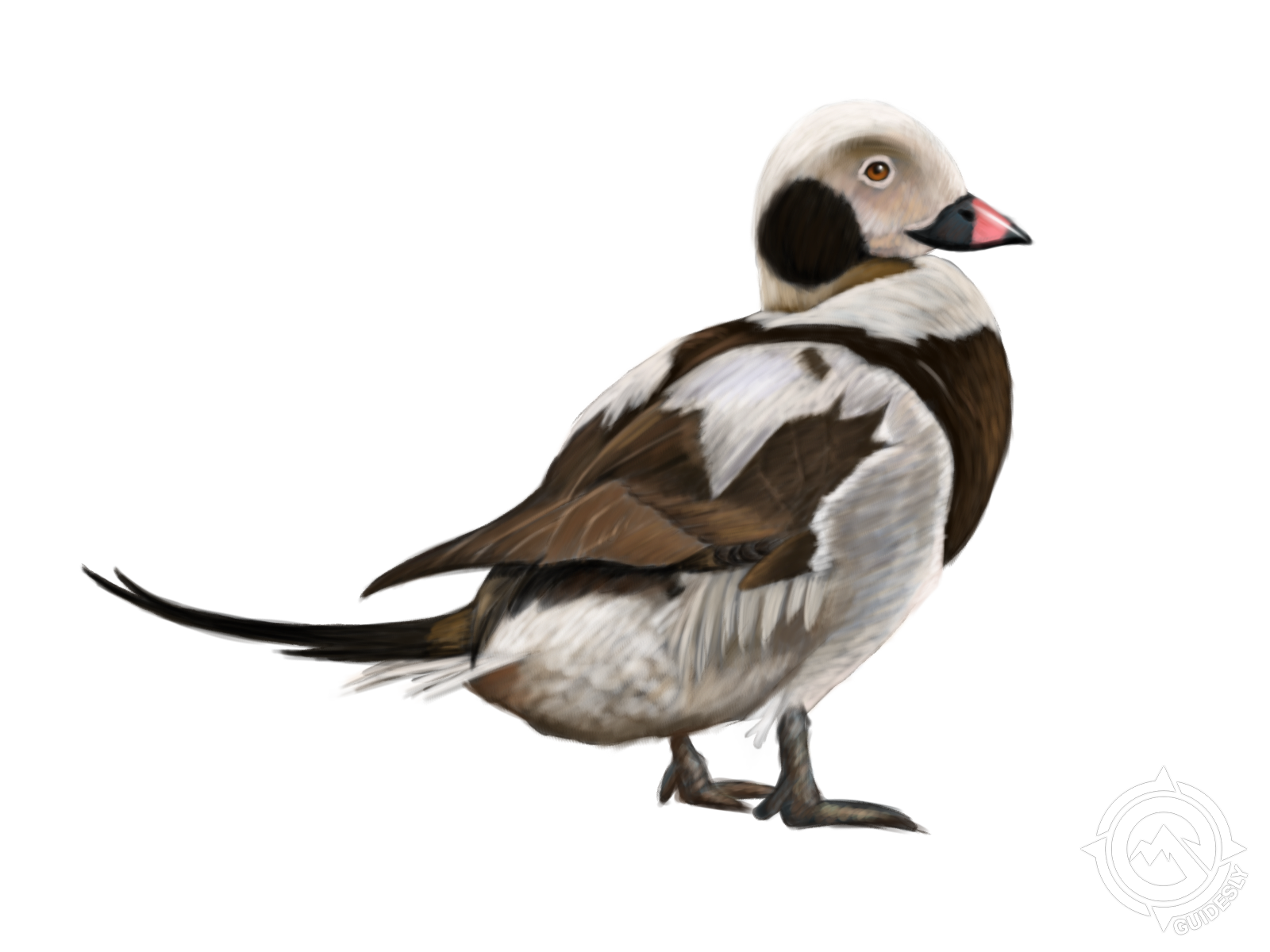
Oldsquaw, now called Long-tailed Duck, are the wildcard species that keep every hunt interesting. These sea ducks are incredibly hardy and often the last to leave when winter sets in. They're fast fliers with erratic patterns that can challenge even experienced hunters. Long-tailed ducks are vocal birds with distinctive calls, and they often announce their presence well before you see them. Their diving ability is impressive, and they're perfectly adapted for the rough water conditions that other ducks avoid.
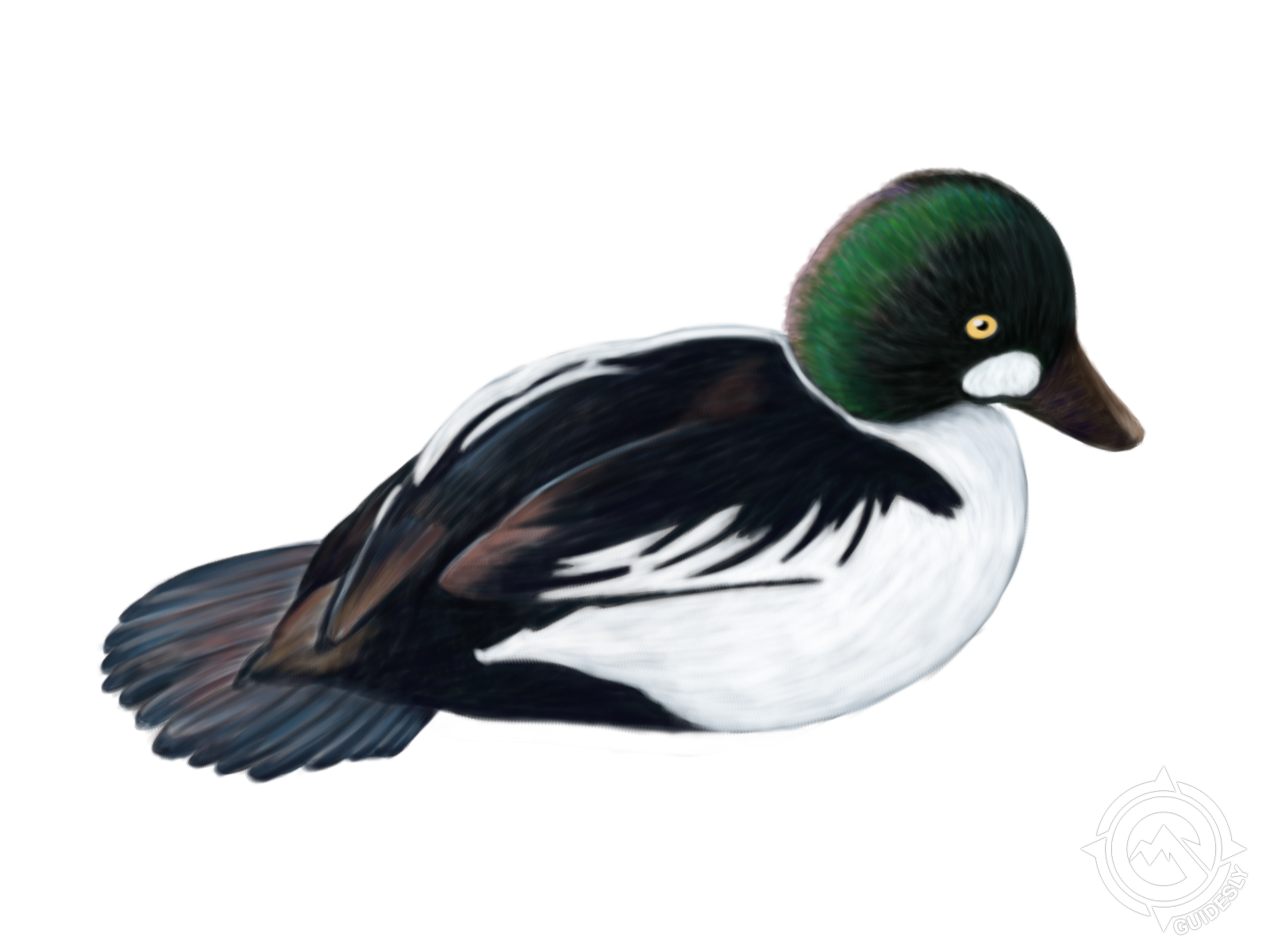
Common Goldeneye bring their own unique energy to Lake St Clair hunts. These compact divers are known for their whistling wing beats that you can hear from a distance. Goldeneye typically arrive with the first cold snaps and prefer areas with rocky bottoms where they can feed on mollusks and crustaceans. They're methodical in their approach to decoys, often making several passes before settling in. Male goldeneye are particularly striking with their bright white sides and distinctive head pattern.
Canvasback represent the premium target for any serious waterfowl hunter, and Lake St Clair hosts some of the best canvasback hunting in the region. These large diving ducks are built for speed and endurance, often flying at impressive heights before dropping into decoy spreads. Canvasback timing is crucial - they move through in waves during peak migration periods, usually coinciding with major weather systems. When conditions align and canvasback are moving, there's no better hunting experience on the Great Lakes. They're wary birds that require perfect concealment and precise shooting, making every bird earned a real trophy.
Book Your Next Tag
Lake St Clair waterfowl hunting with Canvasback Outfitters delivers the kind of authentic Great Lakes experience that keeps hunters coming back year after year. Our guides know these waters intimately, our equipment is maintained for reliability in tough conditions, and our commitment to putting you on birds is backed by generations of local hunting knowledge. Whether you're looking for a single day of action-packed hunting or want to book a multi-day package to really immerse yourself in the experience, we've got options that work for your schedule and budget. The 20% discount on multi-day packages makes it easy to extend your stay and increase your chances of connecting with multiple species. Don't wait too long to book - prime dates fill up fast, especially during peak migration windows when the hunting is at its absolute best.
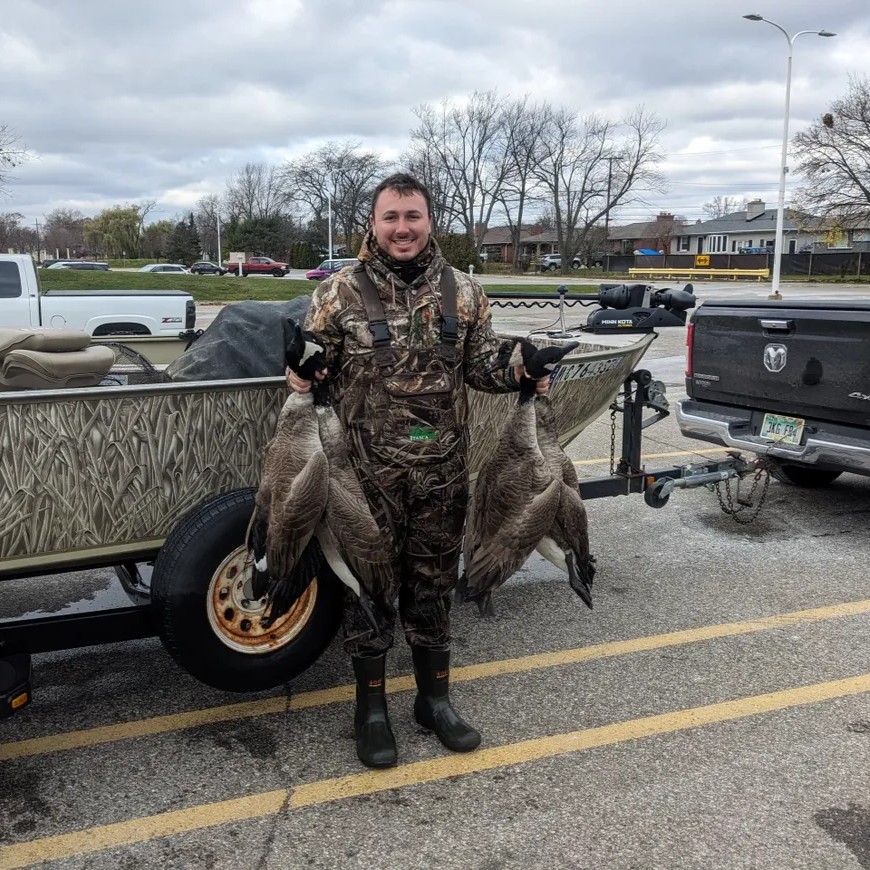
 Private Trip
 Hunting from Blinds
 undefined, undefined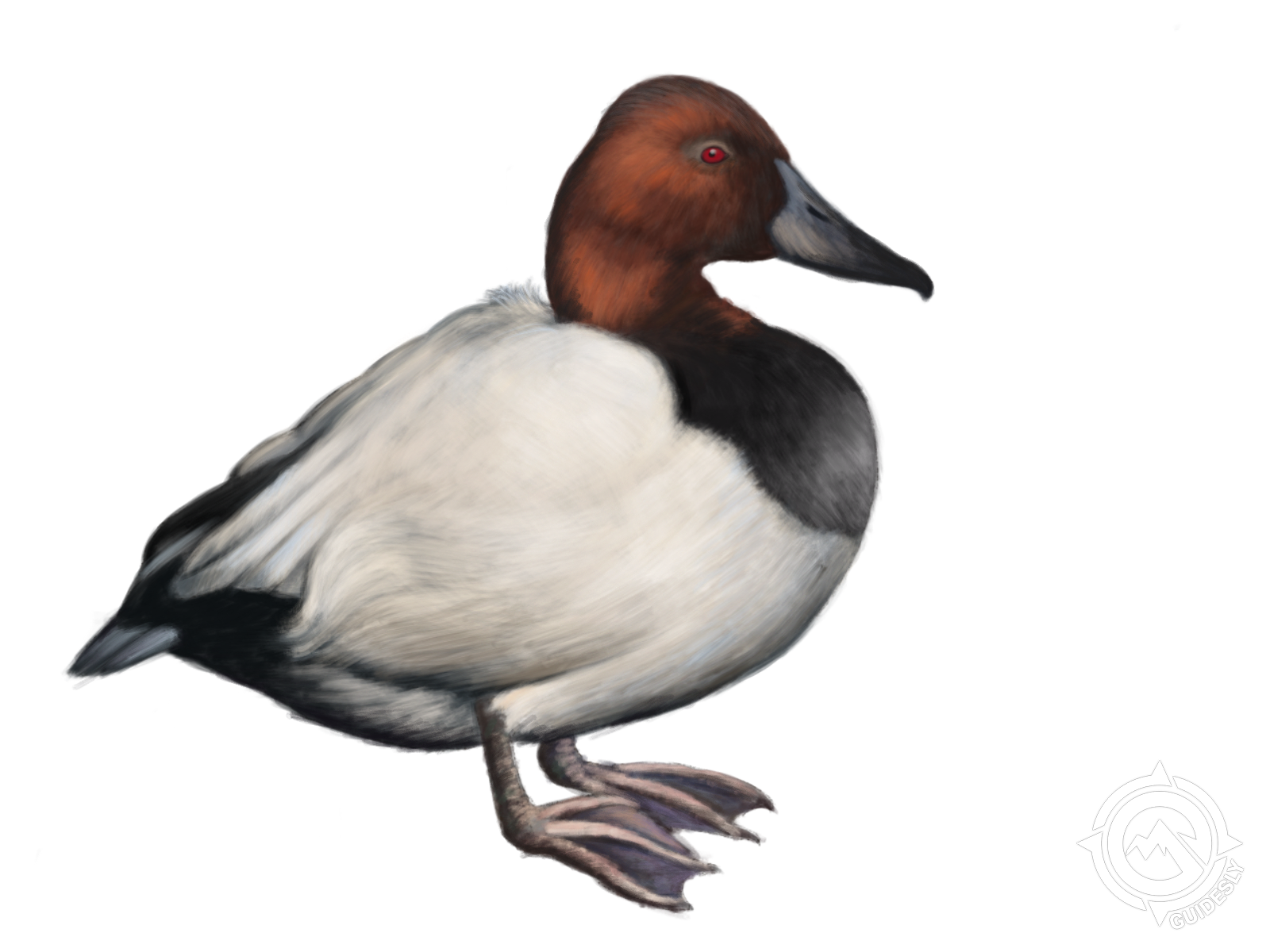
 Professional waterfowl hunting on Lake St Clair's prime flyways.