Texas Coastal Flats Duck Hunting Adventures
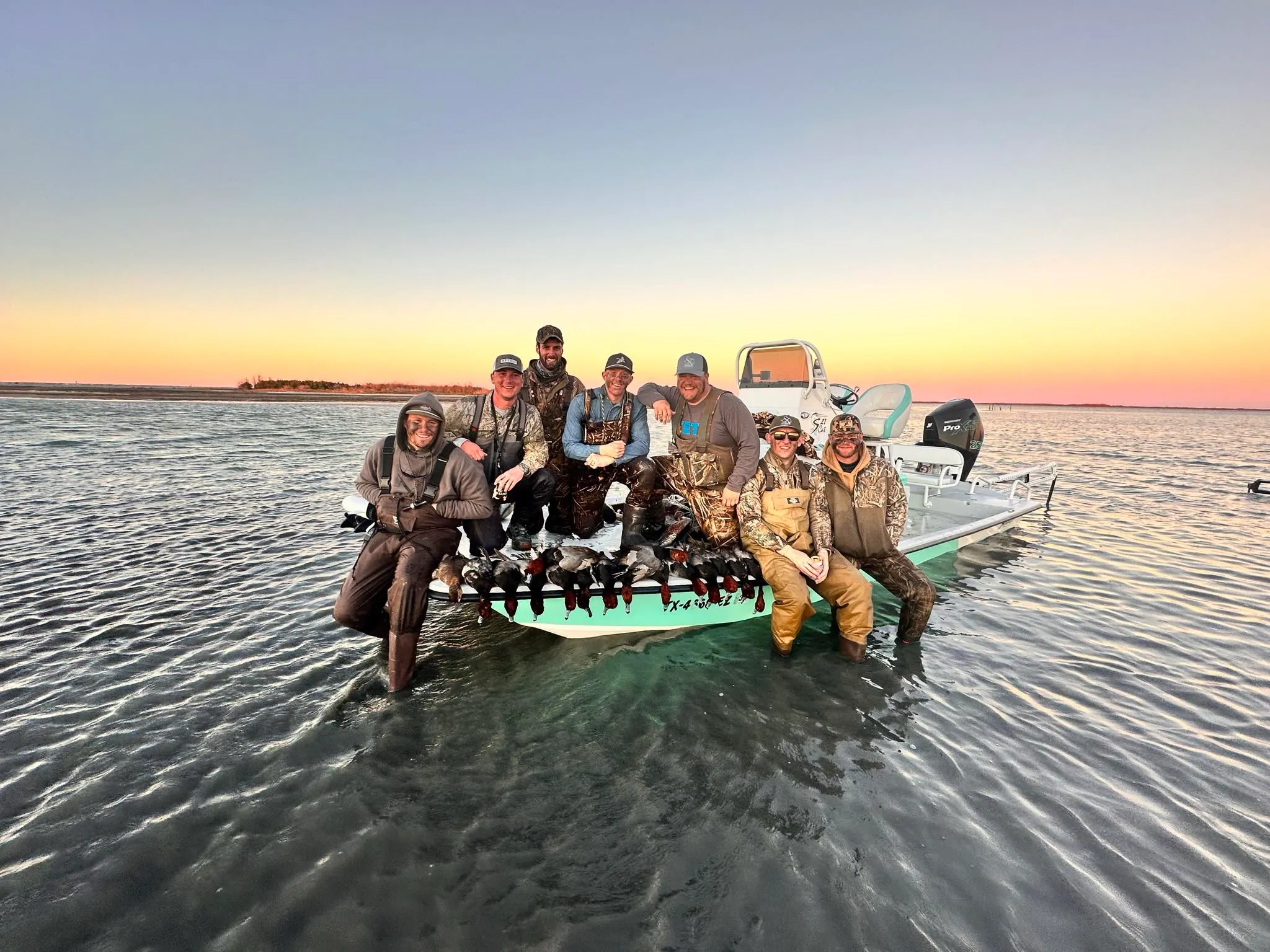
If you're looking for some of the best waterfowl hunting Texas has to offer, Captain Ryan's Guide Services has you covered. We're talking prime coastal flats hunting right out of Corpus Christi, where the ducks funnel through during migration like clockwork. This isn't your typical pond hunting – we're working the shallow bays and flats where redheads, pintails, and mixed bag puddle ducks come to feed and rest during their journey south. Morning and afternoon hunts mean you can pick what works for your schedule, and with groups up to six hunters, it's perfect whether you're flying solo or bringing the whole crew.
Inside the Hunt
These coastal flats hunts are all about reading the conditions and being where the birds want to be. We're not sitting in a permanent blind hoping ducks show up – we're mobile, setting up where the wind, tide, and bird movement tell us to be. The Texas coast gives us a massive advantage during migration season because these flats are natural stopping points for waterfowl moving down the Central Flyway. You'll be hunting in layouts or portable blinds, staying low and blending into the coastal environment. The setup changes based on weather and bird patterns, which keeps every hunt fresh and gives you the best shot at success. We run both morning and afternoon hunts because different species have different feeding patterns, and sometimes that evening hunt can be absolutely lights out when everything else has been quiet.
Tracking Tips & Terrain
The coastal flats around Corpus Christi are shallow, wind-swept areas that can change dramatically with tide and weather. We're talking water depths from just a few inches to maybe three feet, scattered with grass beds and shell reefs that ducks love to work. The key to hunting these flats successfully is understanding how wind direction pushes birds around and where they feel comfortable landing. Decoy spreads need to look natural in this open water – no massive Texas rigs here, just realistic setups that match what ducks expect to see. You'll need to bring your own gun and shells, and steel shot is mandatory for waterfowl. A 12-gauge with modified or improved cylinder chokes works best for the ranges we typically shoot on these flats. Don't forget your Texas hunting license, hunter safety card, and both state and federal duck stamps – game wardens are active in these areas and we run a clean operation.
Target Game Breakdown
Redheads are the stars of the show on these coastal flats hunts. These diving ducks absolutely love the shallow bay systems around Corpus Christi, especially areas with good grass beds where they can find the small mollusks and aquatic vegetation they're after. Redheads are decent-sized ducks, and drakes have that distinctive rounded red head that makes them easy to identify. They typically show up in good numbers from November through January, and they're not as spooky as some other species, which makes for great shooting opportunities. What hunters love about redheads is they decoy well and provide excellent table fare.
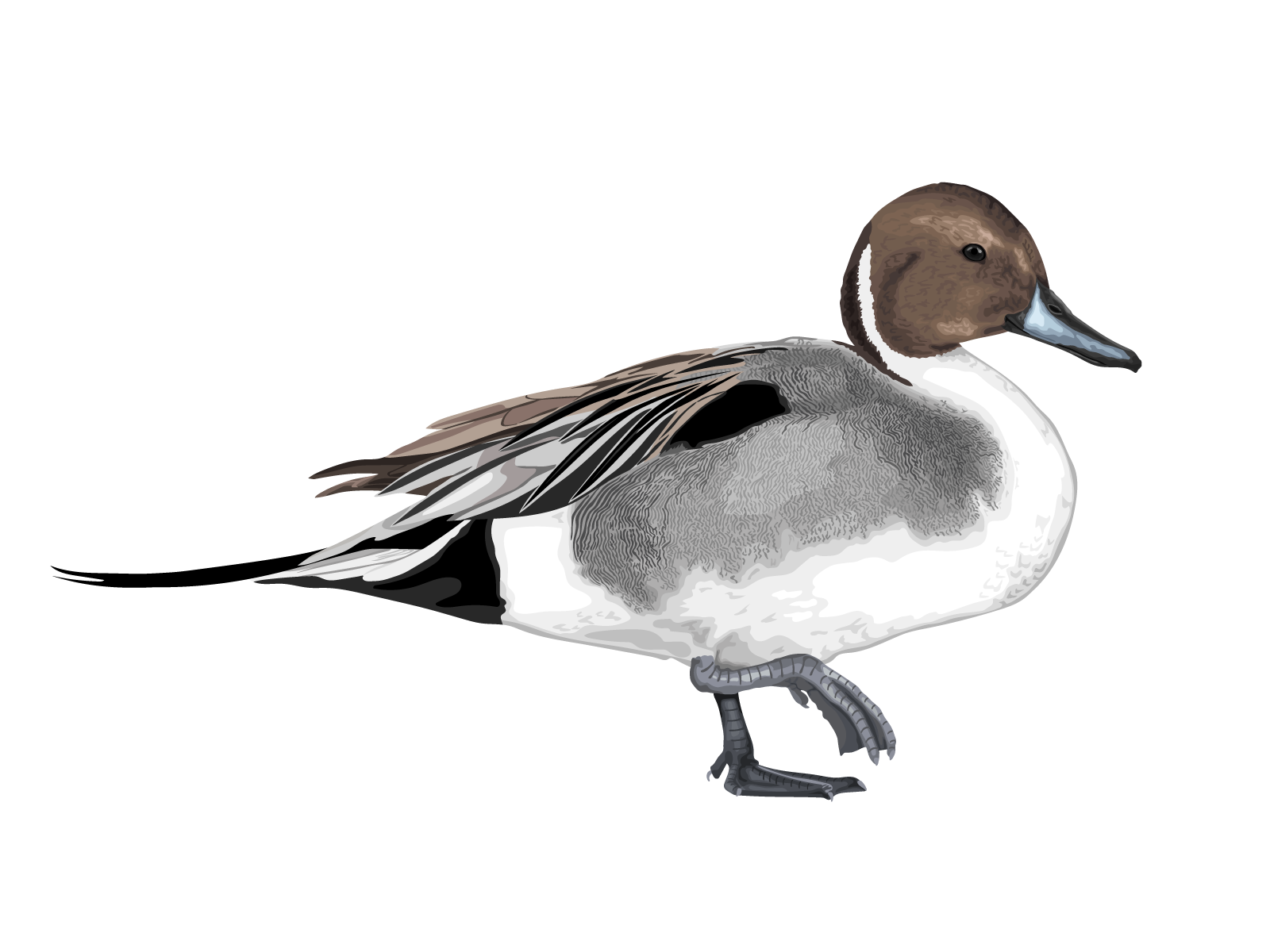
Northern pintails are probably the most elegant ducks you'll encounter on these flats. The drakes have those long, graceful necks and distinctive chocolate-brown heads with white stripes. Pintails are early migrants, often showing up in decent numbers by October and peaking in November and December. They're puddle ducks that love shallow water where they can tip up and feed on seeds and aquatic plants. Pintails can be a bit more wary than other species, but when they commit to your spread, they come in with wings set and provide some of the most satisfying shooting you'll find. They're also considered one of the best-eating ducks out there.
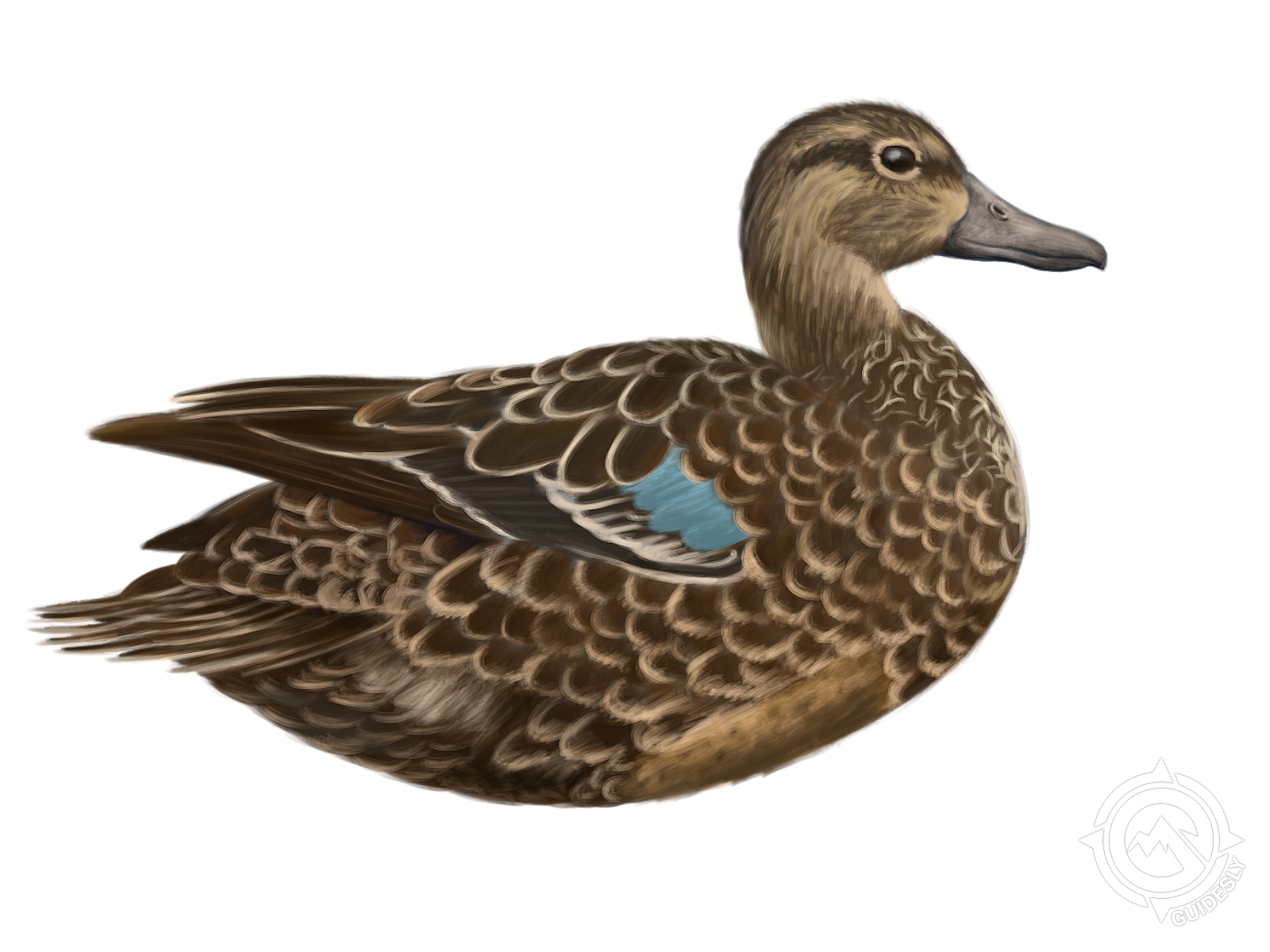
Blue-winged teal are speed demons that'll test your shooting skills. These small ducks are early migrants, typically moving through in September and October before the weather gets cold. They're fast, erratic flyers that often travel in tight flocks, making for some exciting pass shooting opportunities. Blue-wings love shallow, muddy areas where they can filter-feed on seeds and small invertebrates. What makes them fun to hunt is their unpredictable flight patterns – they'll buzz your decoys, flare off, circle back, and keep you guessing. Despite their small size, they're excellent on the table.
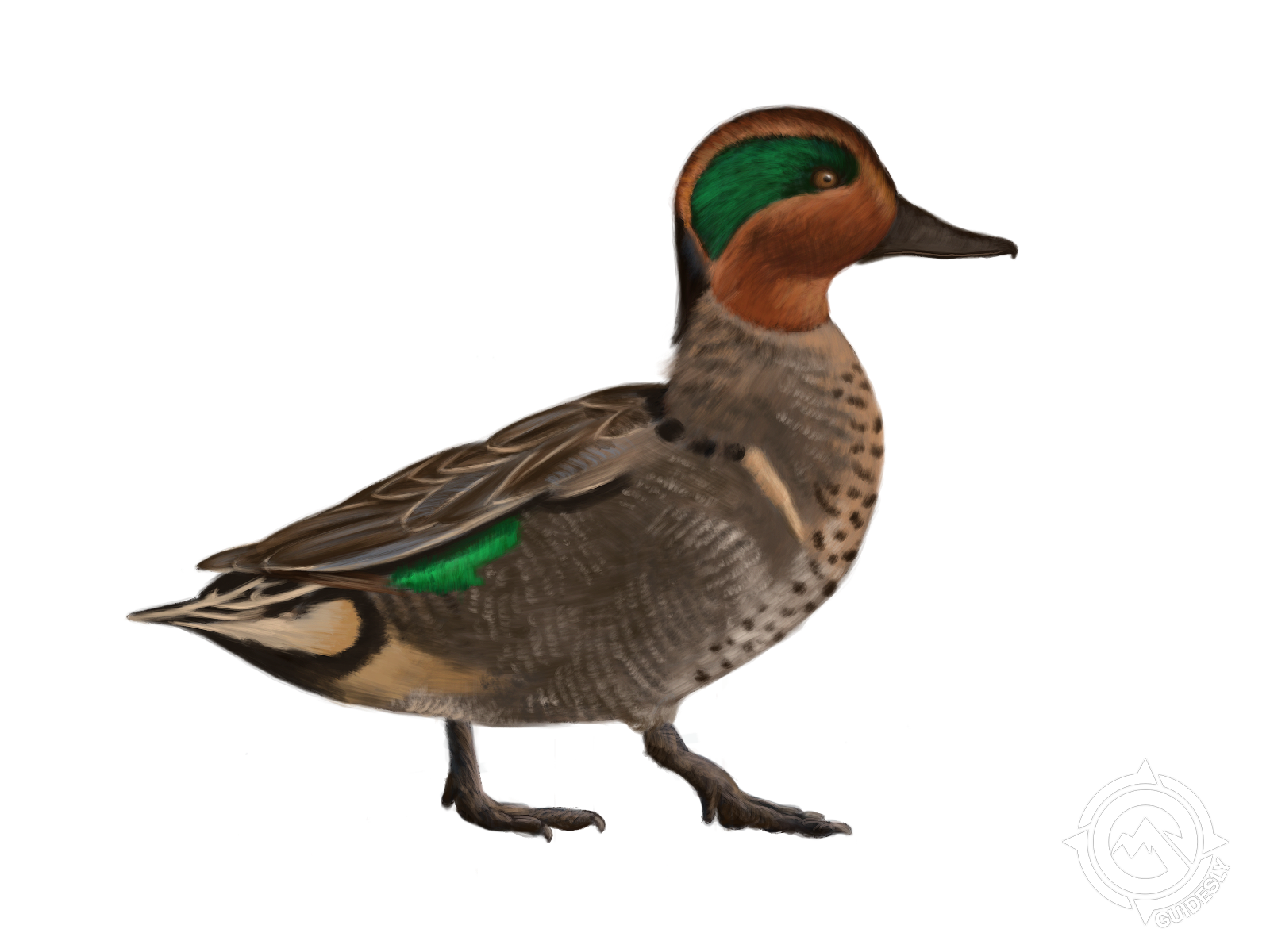
Green-winged teal are the smallest ducks you'll encounter, but don't let that fool you – they're tough little birds that can handle cold weather better than their blue-winged cousins. Green-wings typically show up later in the season, from November through February, and they're incredibly fast flyers. They love shallow water with muddy bottoms where they can dabble for seeds and small crustaceans. These little rockets often fly in tight formations and can change direction on a dime. Hunters love green-wings because they decoy well once they commit, and their late-season timing means you can chase them when other species have moved on.
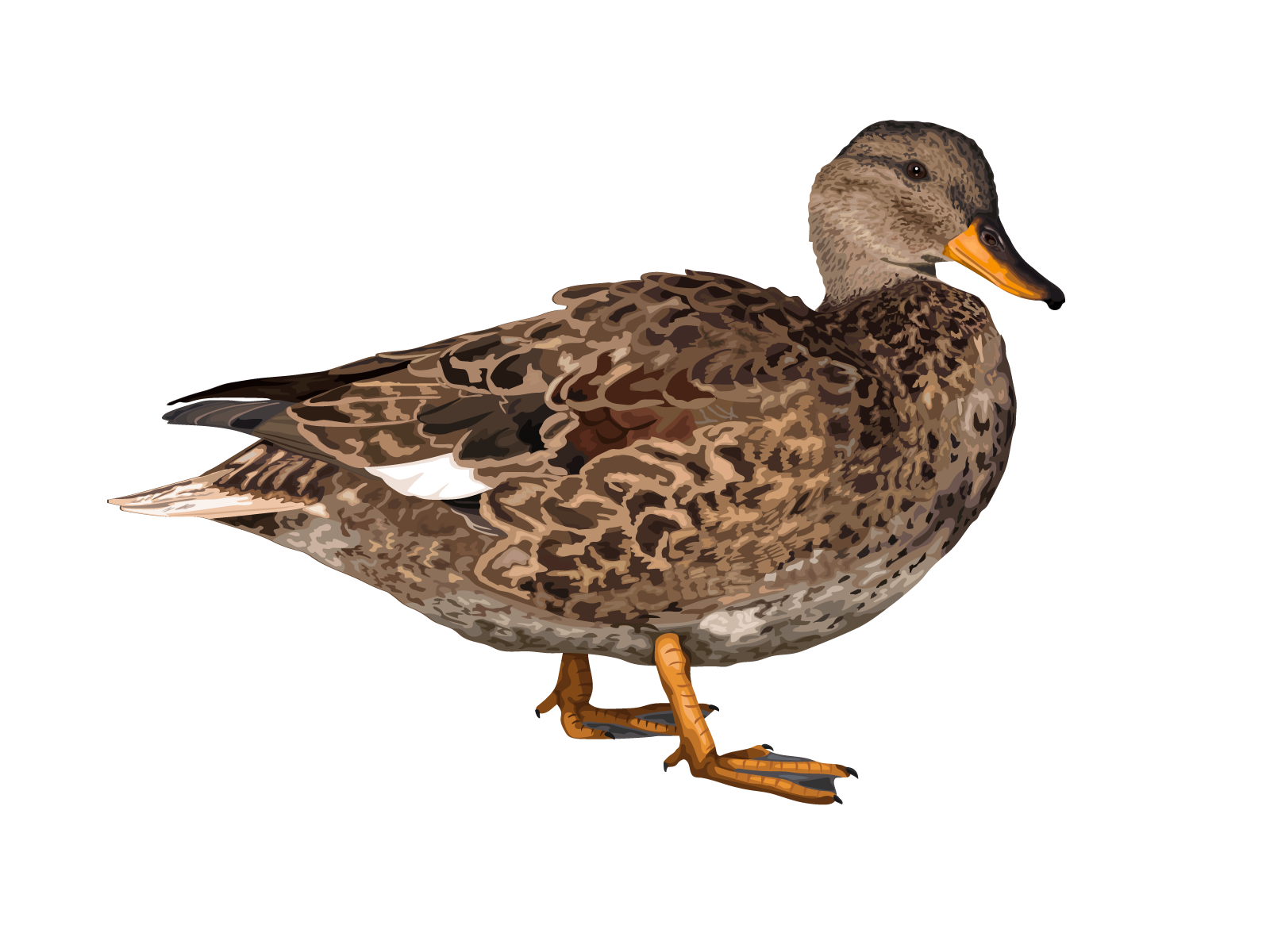
Gadwall might not be the prettiest ducks in the marsh, but they're reliable performers on these coastal flats. Often called "gray ducks," gadwall are underrated puddle ducks that love the same shallow, weedy areas that pintails frequent. They're present from October through February, with peak numbers usually in December and January. Gadwall are steady, predictable flyers that work decoys well and aren't as flighty as some other species. What hunters appreciate about gadwall is their consistency – when other ducks are being difficult, gadwall often keep the action going.
American wigeon, or "baldpate" as old-timers call them, are distinctive ducks with that white crown on the drakes and their habit of grazing like little feathered cows. Wigeon are present from October through March, with good numbers typically showing up in November. They love areas with submerged aquatic vegetation, and they're known for stealing food from diving ducks like redheads and canvasback. Wigeon have a unique whistling call and often travel in mixed flocks with other puddle duck species.
 Private Trip
 Bird hunting
 Corpus Christi, TX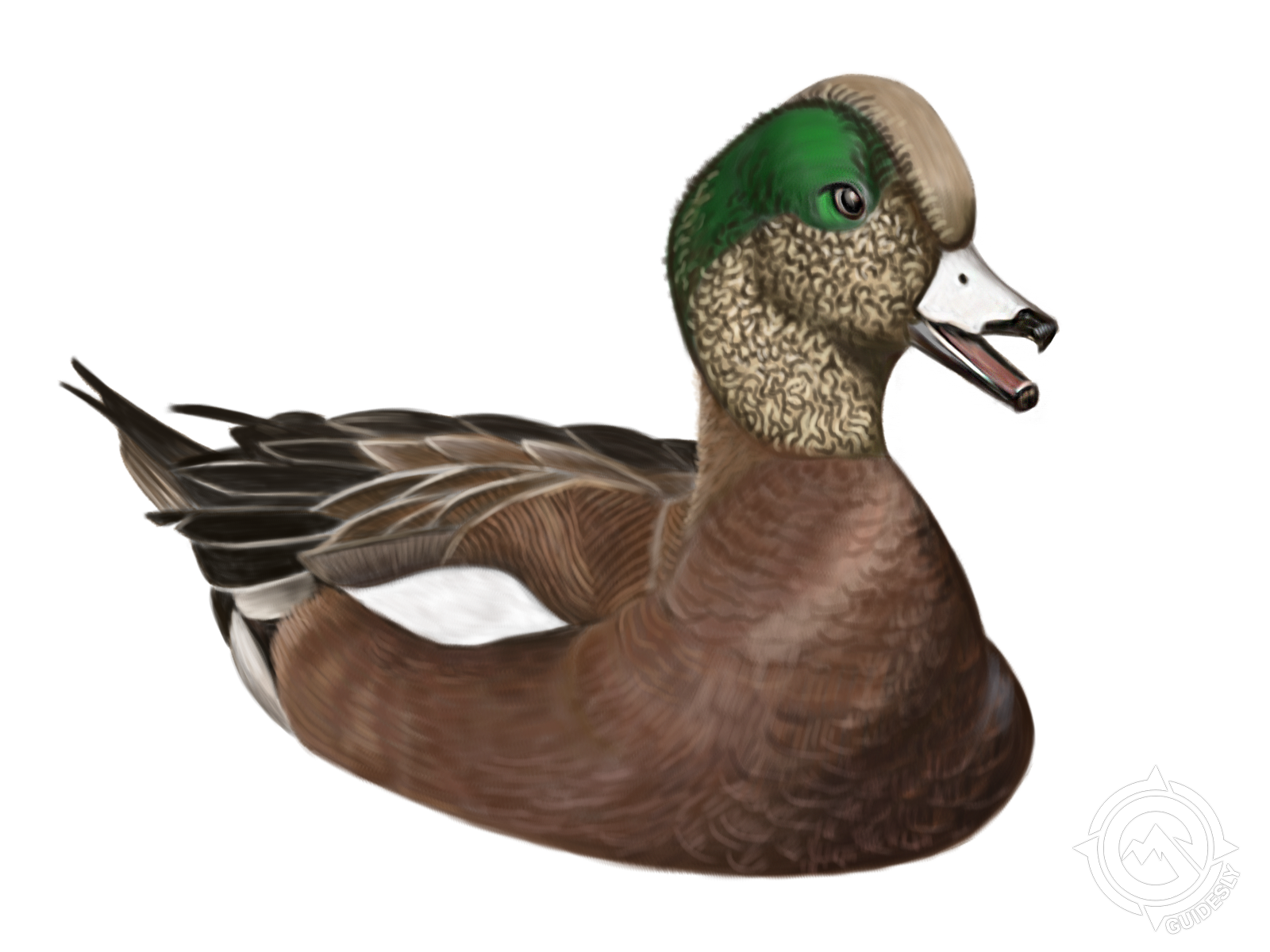
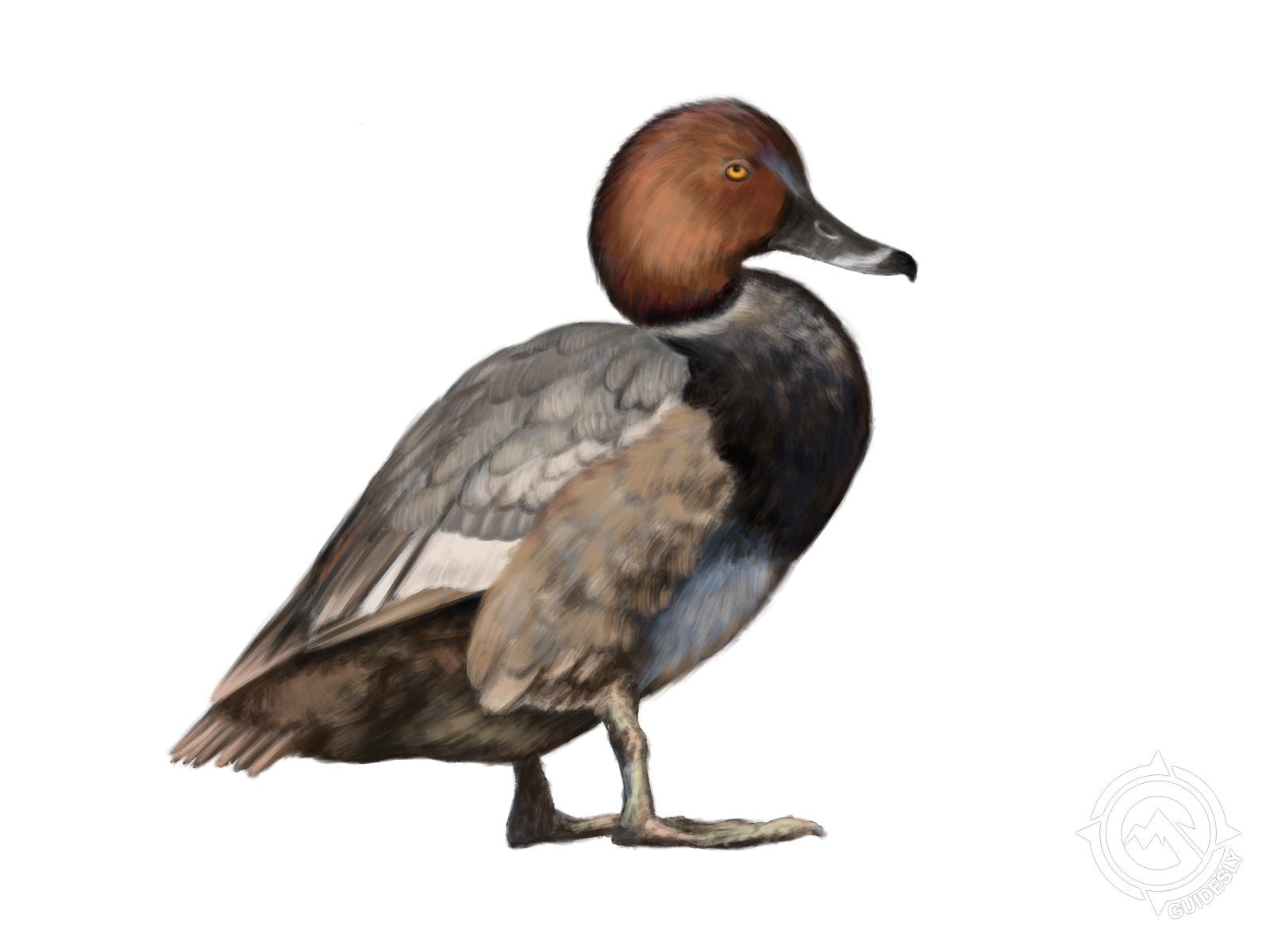
 Target redheads, pintails, and mixed puddle ducks on coastal flats