South Texas Duck Hunt with Captain Ryan
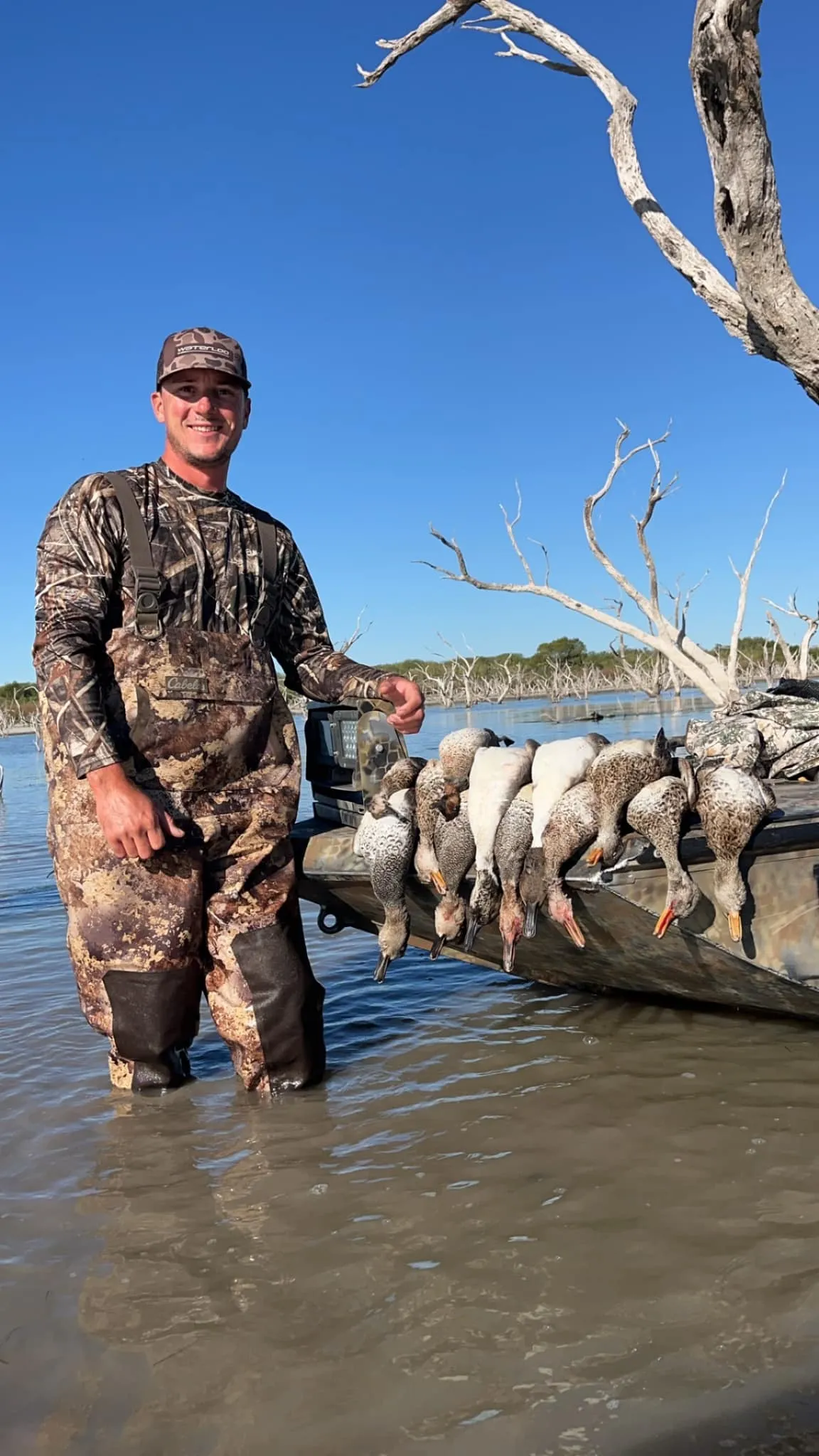
Let me be straight with you about this hunt—South Texas has been hit hard by drought conditions this season, which means our freshwater puddle duck opportunities are limited. But here's the thing: when conditions align and these birds do show up, you're looking at some of the most productive duck hunting in the state. I'm Captain Ryan, and I've been guiding hunters through these South Texas wetlands for years. When the ducks are here, they're here in numbers that'll make your trigger finger itch. This is a morning and afternoon hunt targeting classic puddle ducks, and while Mother Nature's been stingy with the rain lately, I always tell my hunters it's worth checking conditions before you write off the season entirely.
Inside the Hunt
This freshwater paddle duck hunt runs both morning and afternoon sessions, giving you two solid chances to fill your limit. We're targeting puddle ducks in whatever water we can find—and trust me, I know where every stock tank, creek bend, and seasonal pond holds birds when they're around. The drought's been tough, but it's also concentrated the birds into predictable spots. You'll be hunting from layout blinds or natural cover, depending on what the specific location calls for. Weather and water levels change fast out here, so I'm constantly scouting new areas. Some days we're hunting flooded rice fields, other days it's stock tanks that have been holding birds for weeks. The beauty of South Texas hunting is adaptability—you never know exactly what setup you're walking into, but that's half the excitement. Plan on being in position well before legal shooting time, and bring layers because South Texas mornings can be deceivingly cool before the sun starts working.
Gear & Legal Requirements
You're responsible for bringing your own shotgun and shells—no exceptions. I recommend 12 or 20 gauge with 3-inch chambers if you've got them, loaded with steel shot in BB, 2, or 3 shot sizes. Texas requires a valid hunting license, your hunter safety certification, plus both state and federal duck stamps. Don't show up without these—game wardens are active, and I won't put you in the blind without proper documentation. Waders are essential since we're often walking through shallow water and marsh to reach prime spots. Bring a good headlamp, calls if you know how to use them (though I'll handle most of the calling), and a thermos of coffee never hurt anybody on a cold morning. Face mask and gloves in earth tones help with concealment, especially when birds are working close. Pack light but smart—you might be walking a quarter mile through uneven terrain carrying your gear and hopefully some birds on the way back.
Target Game Breakdown
Gadwall are the bread and butter of South Texas puddle duck hunting. These gray ducks might not be the flashiest birds in the marsh, but they decoy beautifully and provide consistent action when other species are scarce. They're dabbling ducks that love shallow water with plenty of vegetation, making them perfect for our drought-affected hunting spots. Gadwall respond well to soft feeding calls and rarely spook from the blind if you stay still.
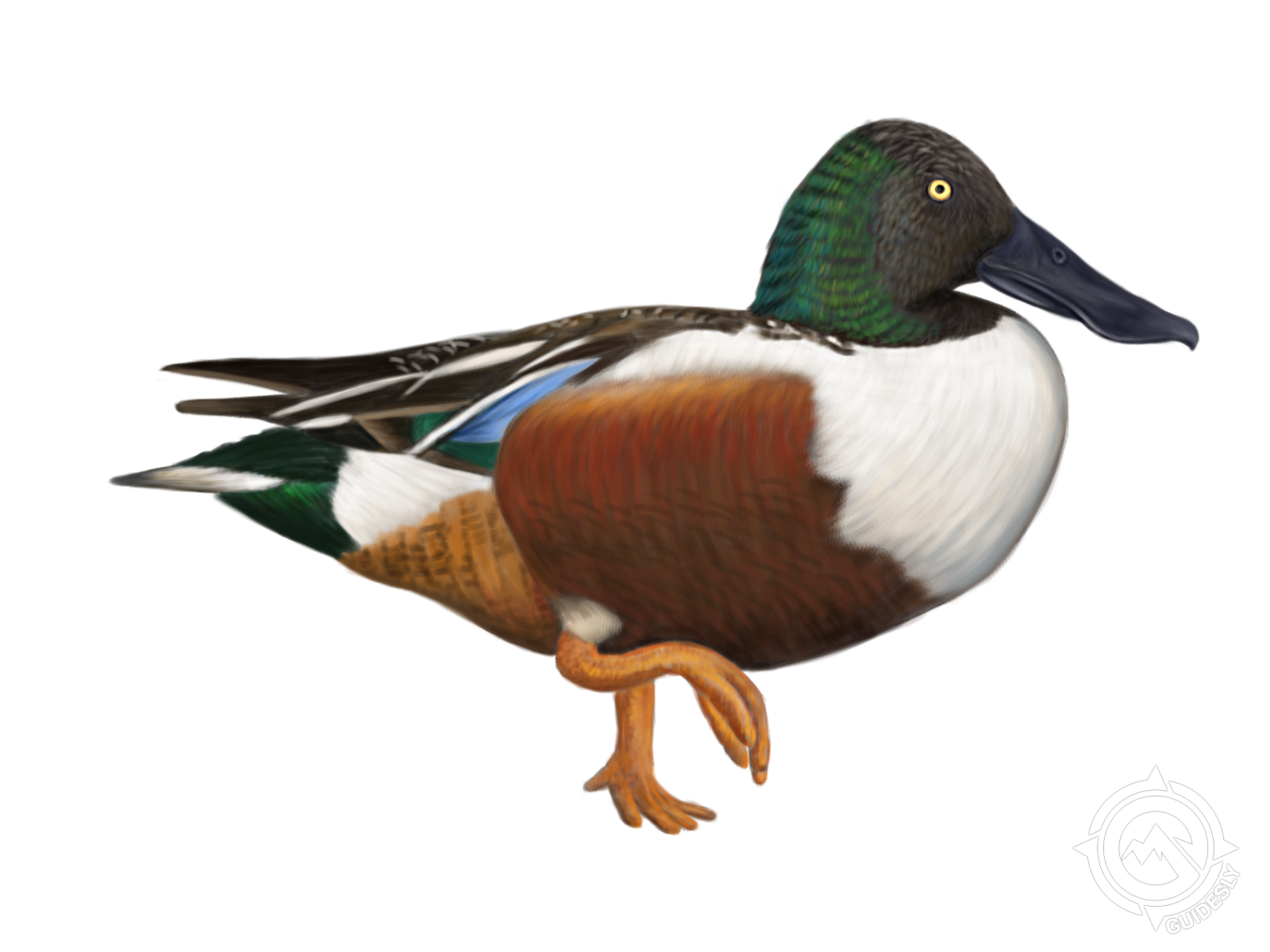
Northern Shoveler are easily recognized by their oversized bills and are absolute suckers for a good decoy spread. These birds show up in South Texas during peak migration, usually traveling in small flocks. They're not the strongest fliers, so shooting opportunities tend to be more forgiving than with other species. Shovelers love stirring up muddy water looking for invertebrates, so they're often the first ducks to find newly flooded areas after rare rain events.
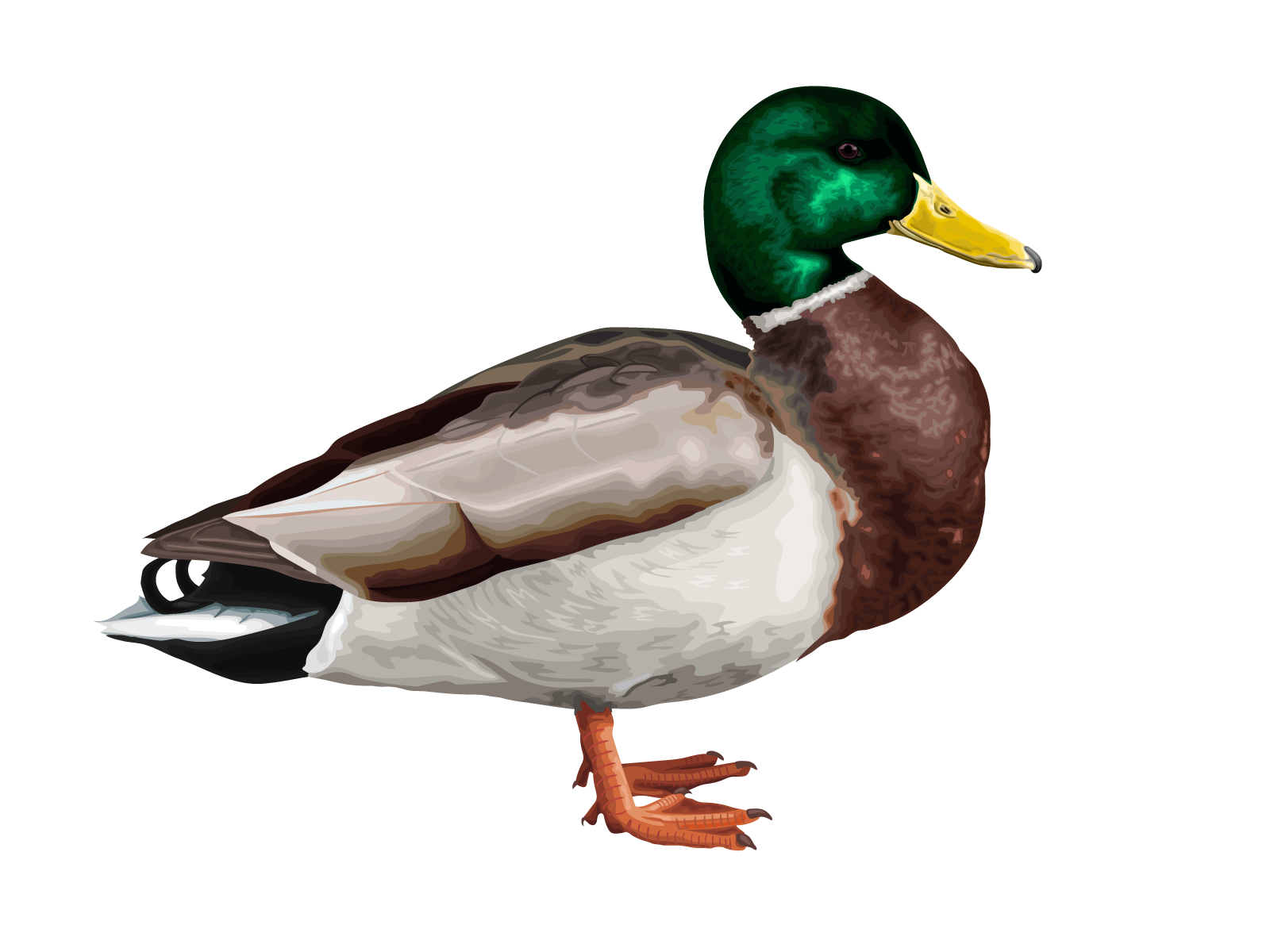
Mallards are the gold standard—everyone wants to take home a greenhead. In South Texas, our mallards tend to be more educated than their northern cousins, having survived the gauntlet of hunters from Canada to here. They require perfect calling and solid concealment, but when you do everything right and a flock of mallards commits to your decoys, there's no better feeling in waterfowl hunting. Drake mallards in full winter plumage are absolutely stunning birds.
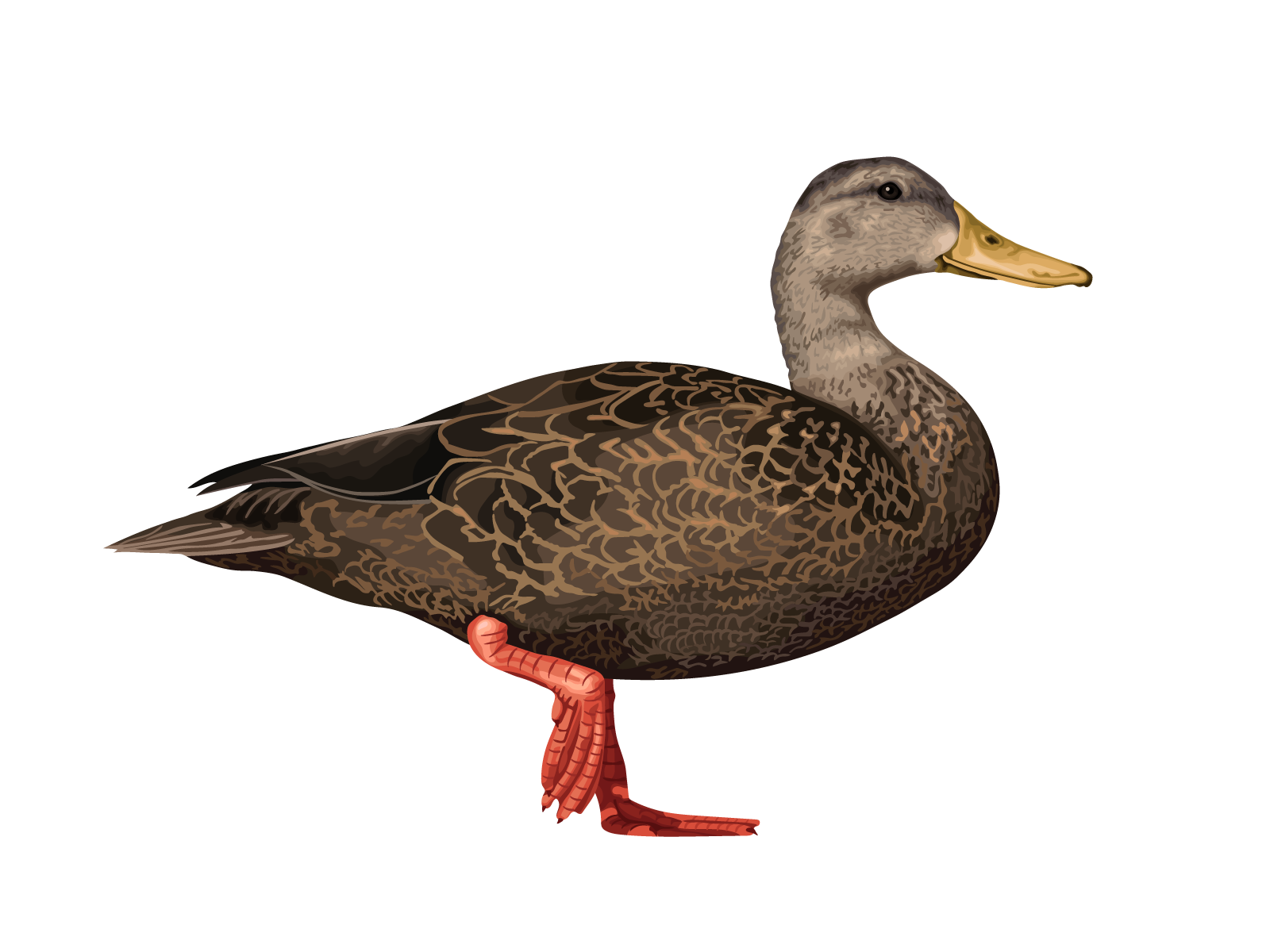
Mottled Duck are our year-round residents and arguably the wariest ducks you'll encounter. These birds know every hunting trick in the book because they live here permanently. They look similar to female mallards but are typically found in coastal marshes and prairie potholes. Mottled ducks are incredibly vocal, and if you can get your hen mallard call sounding just right, they'll respond from surprising distances. Taking a mottled duck is a mark of a skilled waterfowler.
Blue-winged Teal are speed demons of the duck world. These small ducks fly in tight formations and can change direction instantly, making them challenging but rewarding targets. Early season is best for blue-wings before they continue their migration south. When teal are working, the action can be fast and furious—blink and you'll miss your shot opportunity. They're also excellent table fare, making them a favorite among hunters who appreciate good eating.
Book Your Next Tag
Look, I won't sugarcoat it—this season's been tough with the drought conditions. But South Texas duck hunting has a way of surprising you when you least expect it. One good rain system can completely change the game, bringing in fresh birds and opening up hunting spots that have been dry for months. My rates are $275 per gun with a 2-gun minimum, or $250 per gun for groups of 3-5 hunters. Before you book, give me a call to check current conditions—I'm out scouting constantly and I'll give you the honest truth about what we're seeing. When the ducks are here, this hunt delivers the kind of South Texas waterfowl experience that keeps hunters coming back year after year. The anticipation makes those successful hunts even sweeter.
 Private Trip
 Bird hunting
 Corpus Christi, TX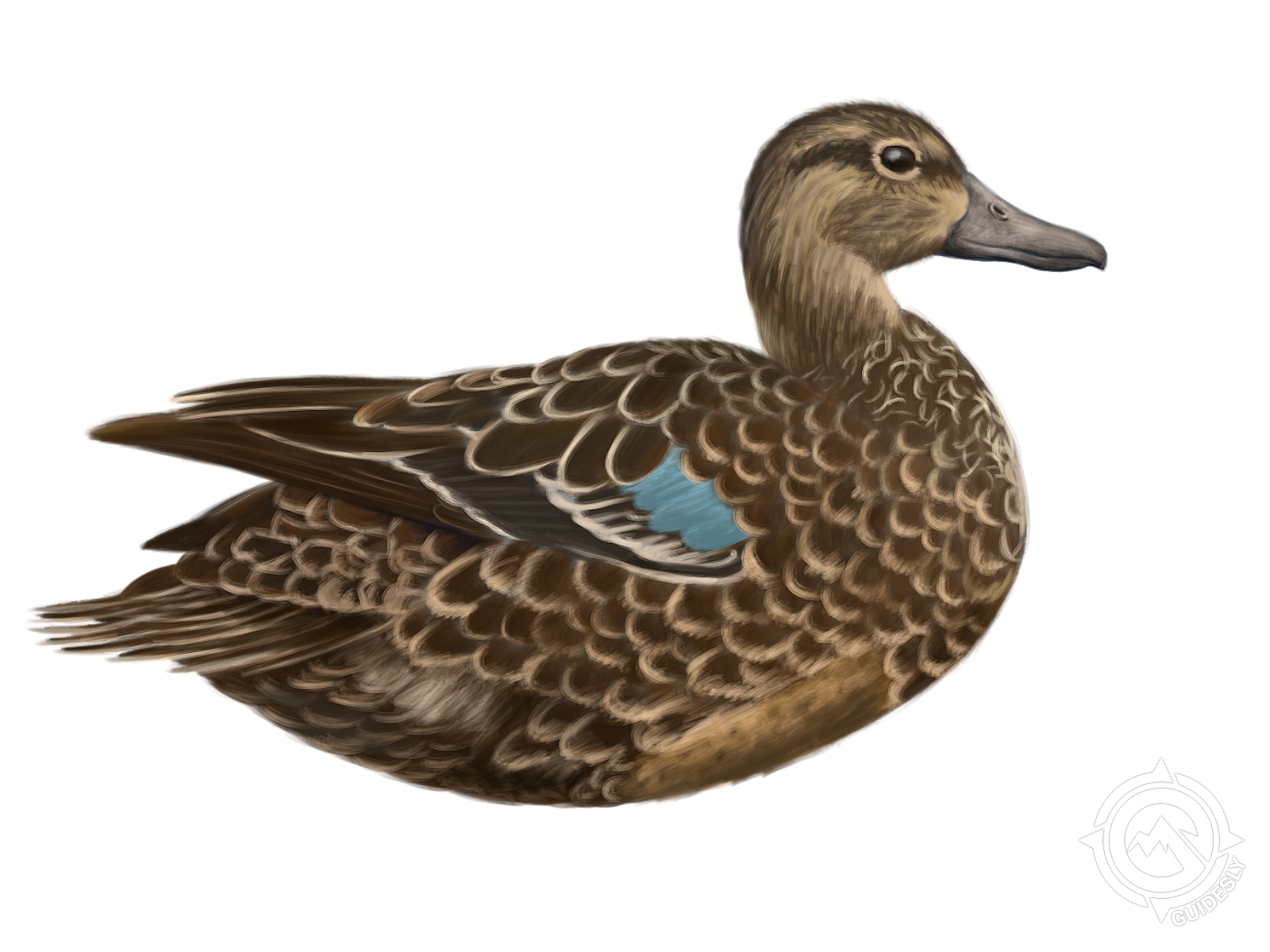
 Target puddle ducks in South Texas freshwater locations