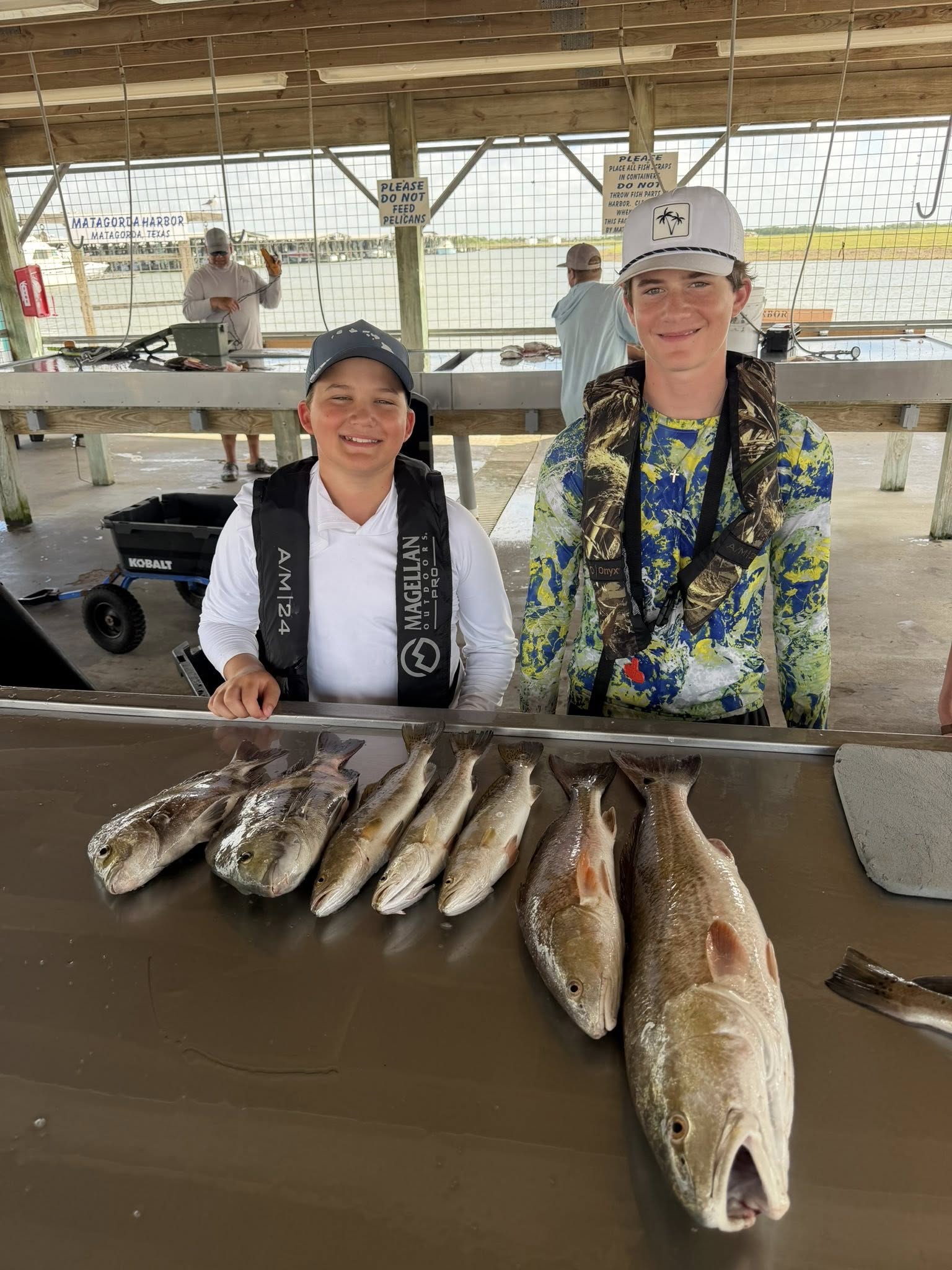
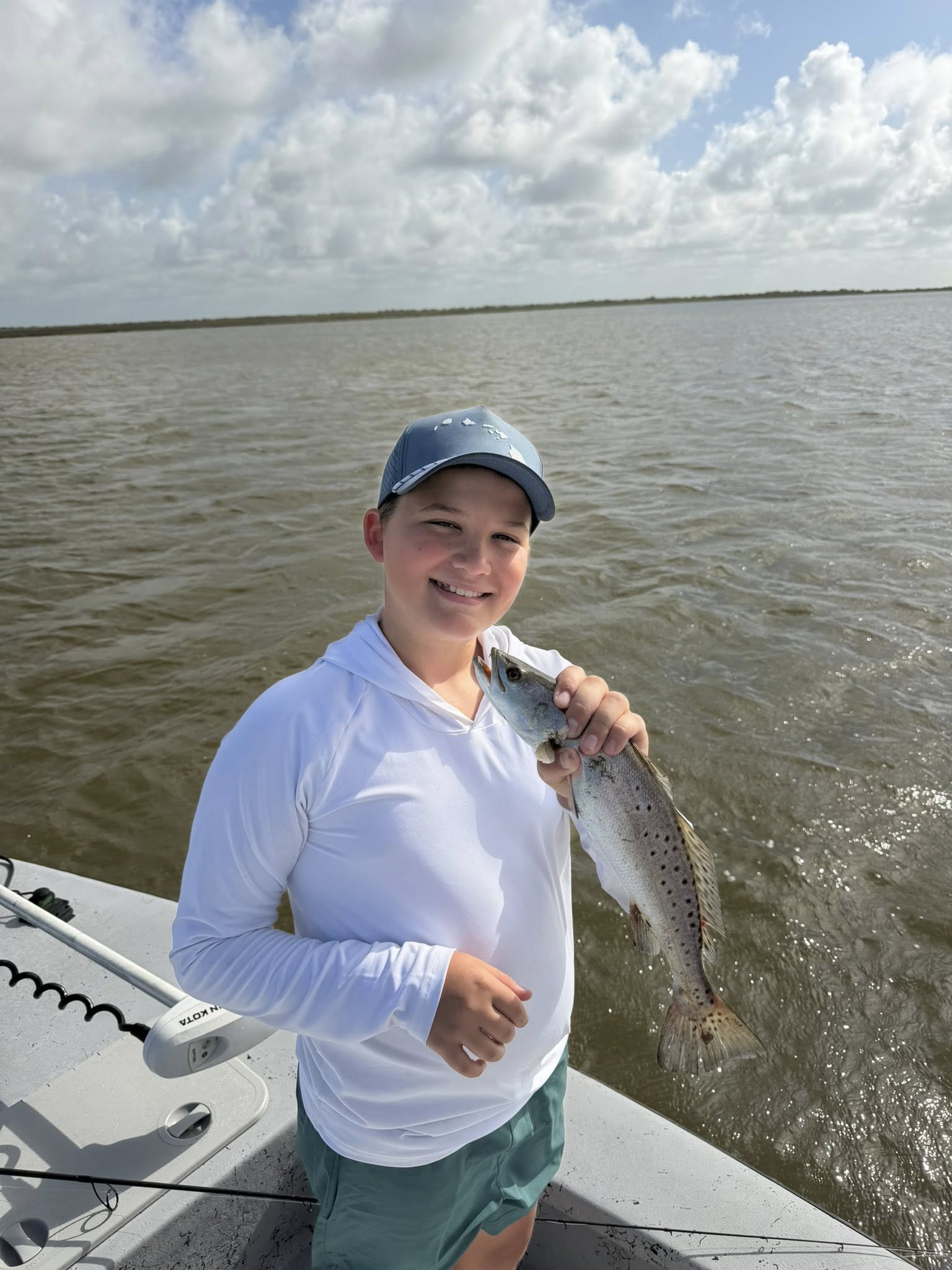
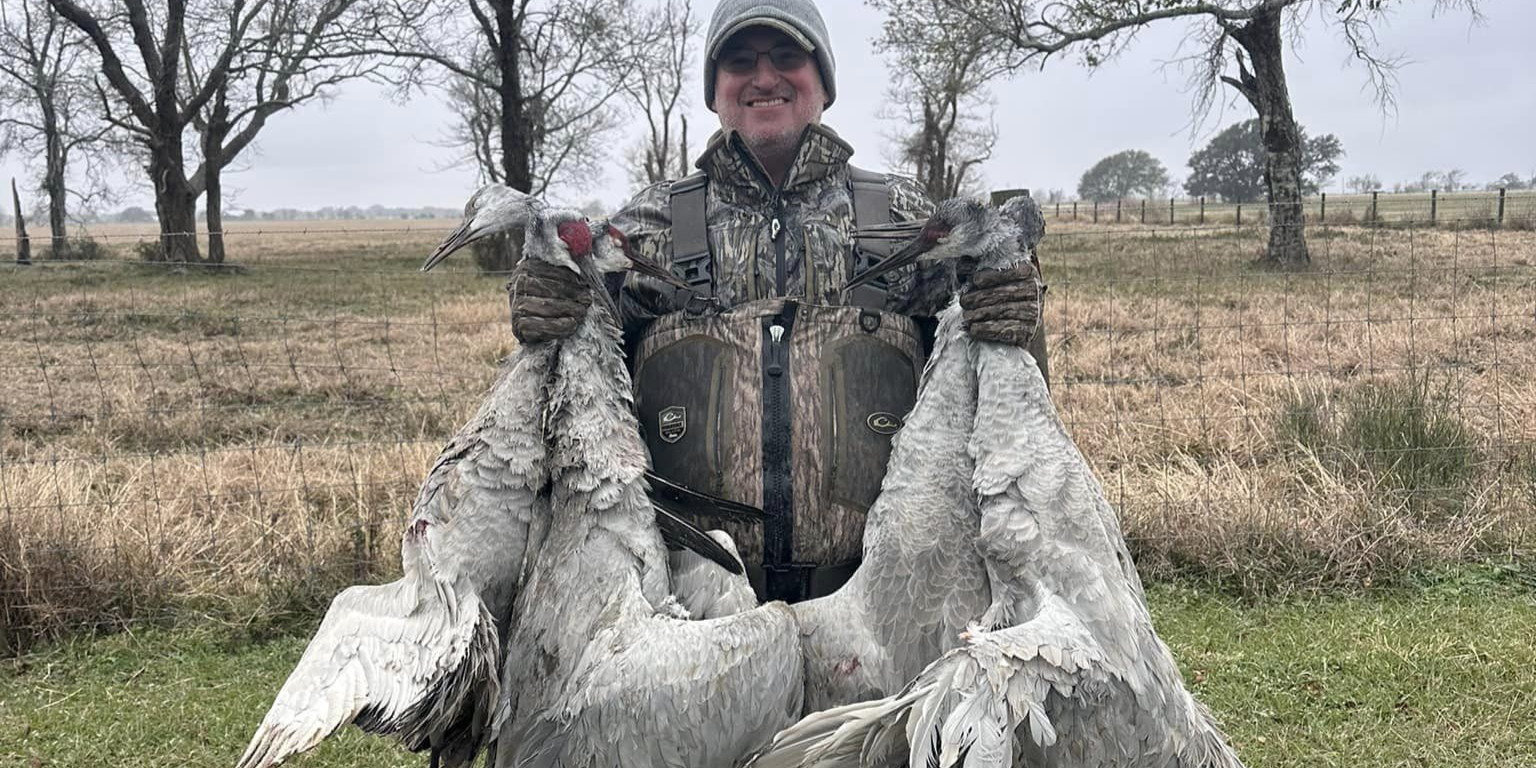
Sandhill Crane Hunting Trip in Matagorda TX
When folks think about top-tier crane hunting along the Texas Gulf Coast, Matagorda Bay consistently comes up in conversation. Captain Shannon's Charters has been putting hunters on these magnificent birds for years, and this 8-hour hunt gives you the full experience. Whether you're a seasoned waterfowl hunter looking to add cranes to your bag or a newcomer ready to tackle one of the most rewarding hunts in Texas, this trip delivers. The Matagorda region sits right in the heart of the Central Flyway migration corridor, making it prime real estate when these birds are moving through. You'll hunt proven locations where cranes regularly feed and roost, guided by someone who knows every field, pond, and flight pattern in the area.
Inside the Hunt
This isn't your typical duck blind setup - crane hunting requires a different approach entirely. Captain Shannon runs a focused operation that starts early and runs for a full 8 hours, giving you maximum time in the field when these birds are most active. The hunt takes place in carefully scouted locations throughout the Matagorda Bay region, where agricultural fields meet coastal marshes and cranes find everything they need. You'll be hunting from ground blinds positioned along known flight paths and feeding areas. The captain provides all necessary hunting gear, so you don't need to worry about hauling decoy spreads or specialized equipment. Layout blinds, decoys, and calling equipment are all part of the package. What makes this hunt special is the personal attention - with just one hunter per trip, you get individualized instruction and the flexibility to adjust tactics based on bird behavior and weather conditions. Captain Shannon's local knowledge spans years of hunting these waters and fields, and he'll share insights about crane behavior, migration patterns, and effective calling techniques throughout the day.
Tracking Tips & Terrain
Sandhill crane hunting in the Matagorda region requires understanding both the birds and the landscape. These hunts typically involve early morning setups in agricultural fields where cranes come to feed, followed by potential afternoon hunts near roosting areas. The terrain here is relatively flat coastal prairie mixed with rice fields, pastures, and shallow wetlands - perfect habitat for cranes. Captain Shannon uses a combination of full-body decoys and silhouettes to create realistic spreads that pull birds within range. Calling is crucial for crane hunting, and you'll learn the difference between location calls, feeding chatter, and comeback calls that bring circling birds back for another pass. The key to success often lies in reading flight patterns and understanding how cranes respond to weather changes. On clear days, birds might fly high and cover ground quickly, while overcast conditions often bring them lower and make them more responsive to calling. Layout blinds are positioned based on wind direction and known flight corridors, and you'll learn how to stay hidden while tracking incoming birds. Shot placement is critical with cranes due to their size and thick plumage, and Captain Shannon provides guidance on effective shooting angles and ranges. The terrain allows for good retrieves, but wounded bird tracking skills come in handy with these tough, large birds.
Target Game Breakdown
Sandhill cranes are among the most impressive birds you'll encounter in North American hunting. These ancient birds stand nearly four feet tall with wingspans reaching seven feet, and their distinctive rattling call can be heard from miles away. In the Matagorda Bay region, cranes are typically present from late October through February, with peak hunting usually occurring from December through January when migration numbers are highest. What makes crane hunting so appealing is the combination of their wariness, size, and the challenge they present. These birds are incredibly intelligent and have excellent eyesight, making concealment and calling skills essential. They're strong fliers that can cover vast distances, but when they commit to a decoy spread, the action can be fast and furious. Cranes are social birds that often travel in family groups or large flocks, and they communicate constantly through calls and body language. Their feeding behavior is methodical - they'll work fields systematically, probing for waste grain, invertebrates, and small amphibians. This predictable feeding pattern creates hunting opportunities for those who understand their habits. The meat is excellent table fare, often compared to beef in texture and flavor. What hunters love most about targeting sandhill cranes is the combination of waterfowl hunting skills with the excitement of pursuing such a large, challenging game bird. The sight and sound of a flock of cranes working your spread is something every serious hunter should experience.
Book Your Next Tag
If you're ready to experience world-class crane hunting in one of Texas's premier hunting destinations, Captain Shannon's Charters offers the local expertise and proven results you're looking for. This 8-hour hunt provides excellent value with professional guidance, quality equipment, and access to prime hunting locations throughout the Matagorda Bay region. The personalized approach means you'll get the most out of your time in the field, whether you're learning new techniques or applying years of hunting experience to a new species. Crane hunting is a customer favorite for good reason - these birds provide an exciting challenge and excellent table fare when you're successful. The Matagorda region's position along the Central Flyway makes it a trending destination for serious waterfowl hunters, and booking early ensures you'll secure your spot during prime migration periods. Remember that deposits are non-refundable, so check the Trips & Rates page for full details before booking. Don't miss your chance to hunt one of North America's most sought-after migratory birds with a captain who knows how to put you in the right place at the right time.
 Private Trip
 Active hunting
 Matagorda
 8-hour Sandhill Crane hunt in prime Matagorda Bay habitat