Wilmington Inshore Fishing for Skilled Anglers
If you're looking for a top-rated inshore fishing experience that lets you really dial in your technique, this private 4-hour charter with Carolina Charters is exactly what you need. Running Fridays through Sundays from mid-April through December, this trip is designed for serious anglers who want focused time on the water without the distractions of a crowded boat. With just 4 guests max, you'll get plenty of one-on-one guidance from the captain while targeting some of the Cape Fear region's most sought-after species. At $400 for the charter, it's a solid value for experienced fishermen who want to sharpen their skills and put multiple species in the boat.
What to Expect on the Water
This isn't your typical tourist fishing trip – it's built for anglers who already know their way around a rod and reel but want to take their inshore game to the next level. You'll spend your 4 hours working the productive waters around Wilmington's extensive dock systems, grass flats, and creek mouths where Black Drum, Redfish, Flounder, Sheepshead, and Speckled Trout hang out. The captain knows these waters like the back of his hand and will put you on structure and cover that consistently produces fish. With the small group size, you'll have time to really work each spot thoroughly instead of rushing from location to location. The vibe is relaxed but focused – perfect for anglers who want to learn advanced techniques while actually catching fish. Spring through fall fishing here is world-class, with each season offering different opportunities as fish move through their annual patterns.
Advanced Techniques & Tactics
This charter is all about refining your approach to inshore fishing. You'll work with light tackle setups that let you feel every bite and fight, using everything from live shrimp and mud minnows to soft plastics and topwater plugs depending on conditions and target species. The captain will show you how to read structure on the fish finder, identify productive dock pilings, and work grass edges where predator fish ambush baitfish. You'll learn proper drift techniques for different bottom types, how to adjust your presentation based on tidal movement, and when to switch up your approach if the bite slows down. Sight fishing opportunities are common, especially for Redfish cruising shallow flats during higher tides. The hands-on guidance means you'll leave with techniques you can apply on your own fishing trips long after this charter ends. Carolina's inshore waters offer perfect conditions for mastering these skills, with varied structure and consistent fish populations.
Species You'll Want to Hook
Black Drum are one of the most underrated fighters in these waters, and Wilmington's inshore areas hold some real bruisers. These fish love structure – dock pilings, oyster beds, and channel edges where they root around for crabs and shellfish. They're year-round residents but really turn on during spring and fall when water temperatures are in their sweet spot. What makes Black Drum so appealing is their incredible pulling power once hooked, plus they're excellent table fare when handled properly. You'll typically find them in 6-15 feet of water, and they respond well to fresh shrimp or blue crab fished near the bottom.
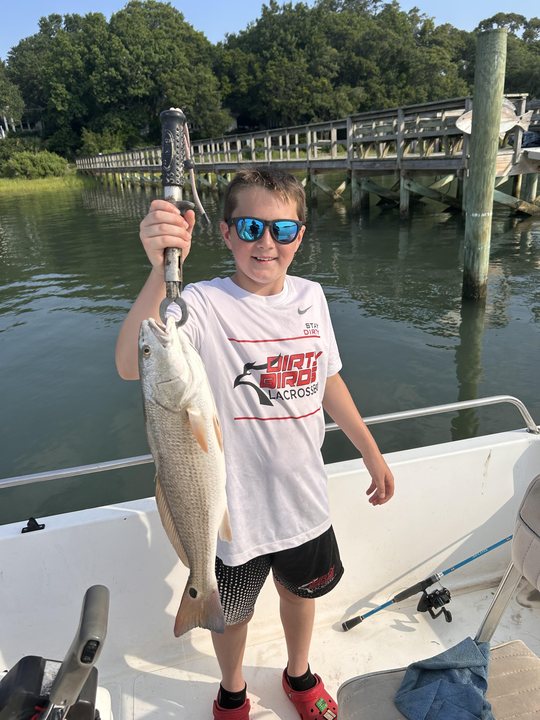
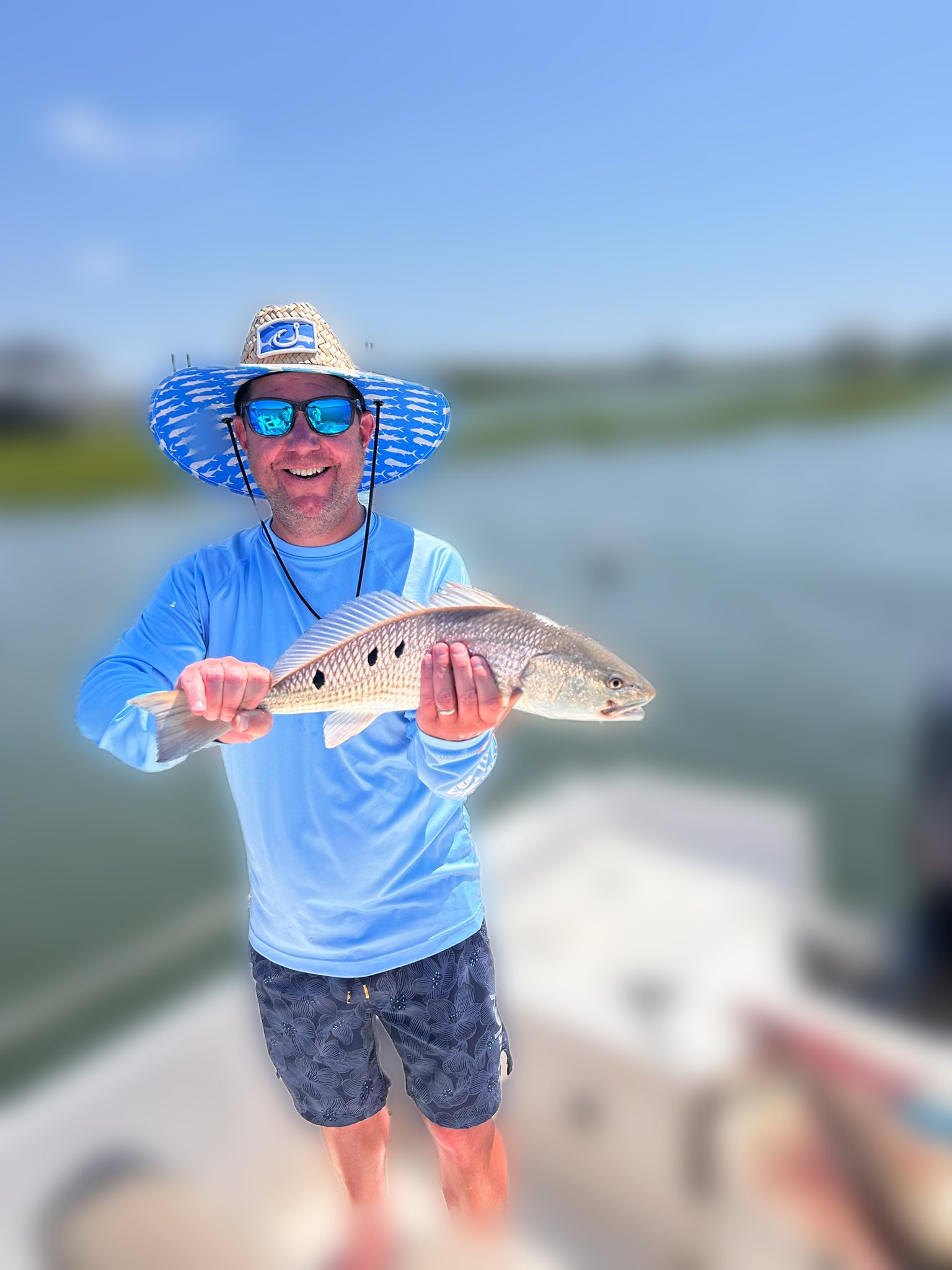
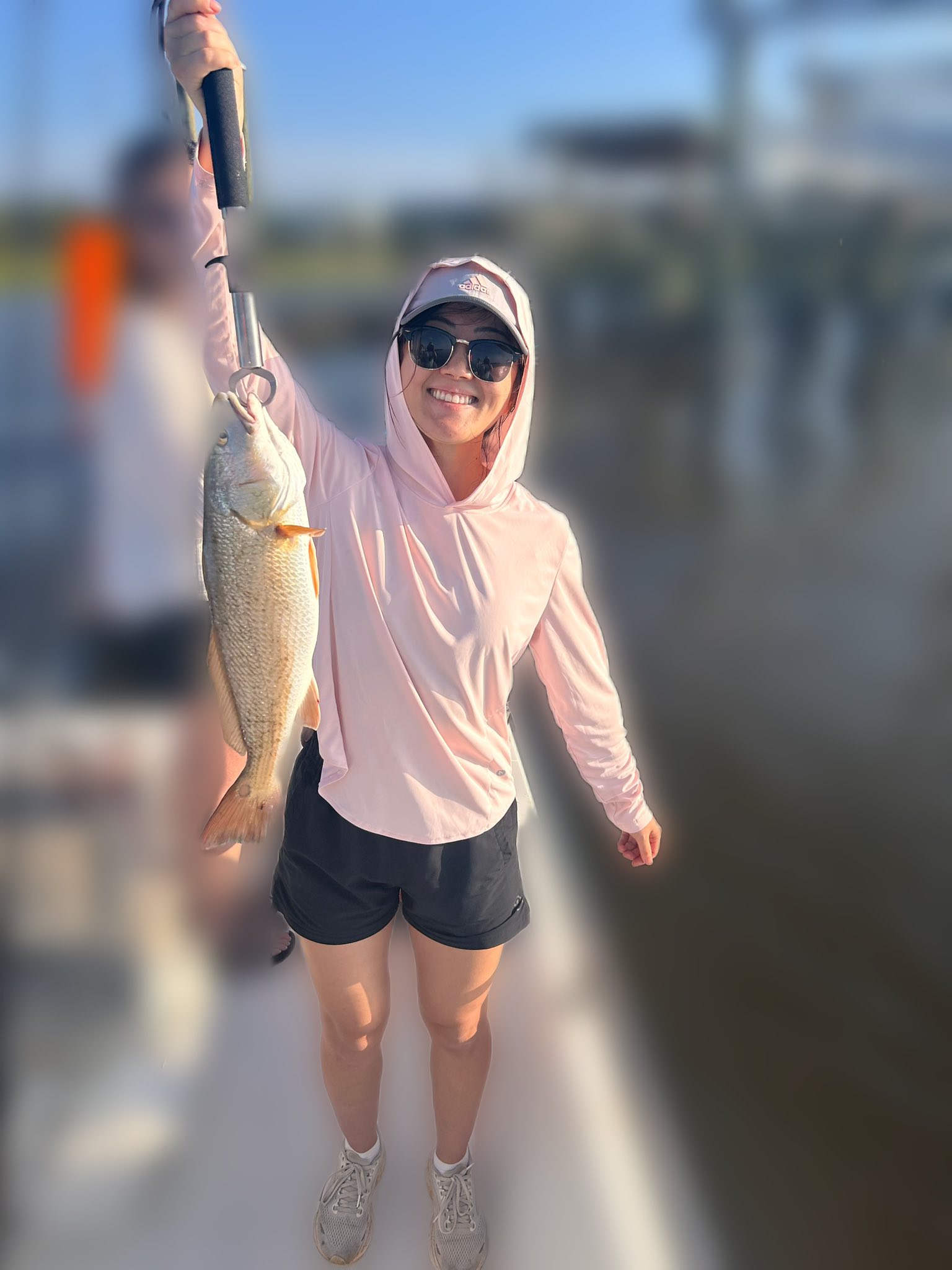
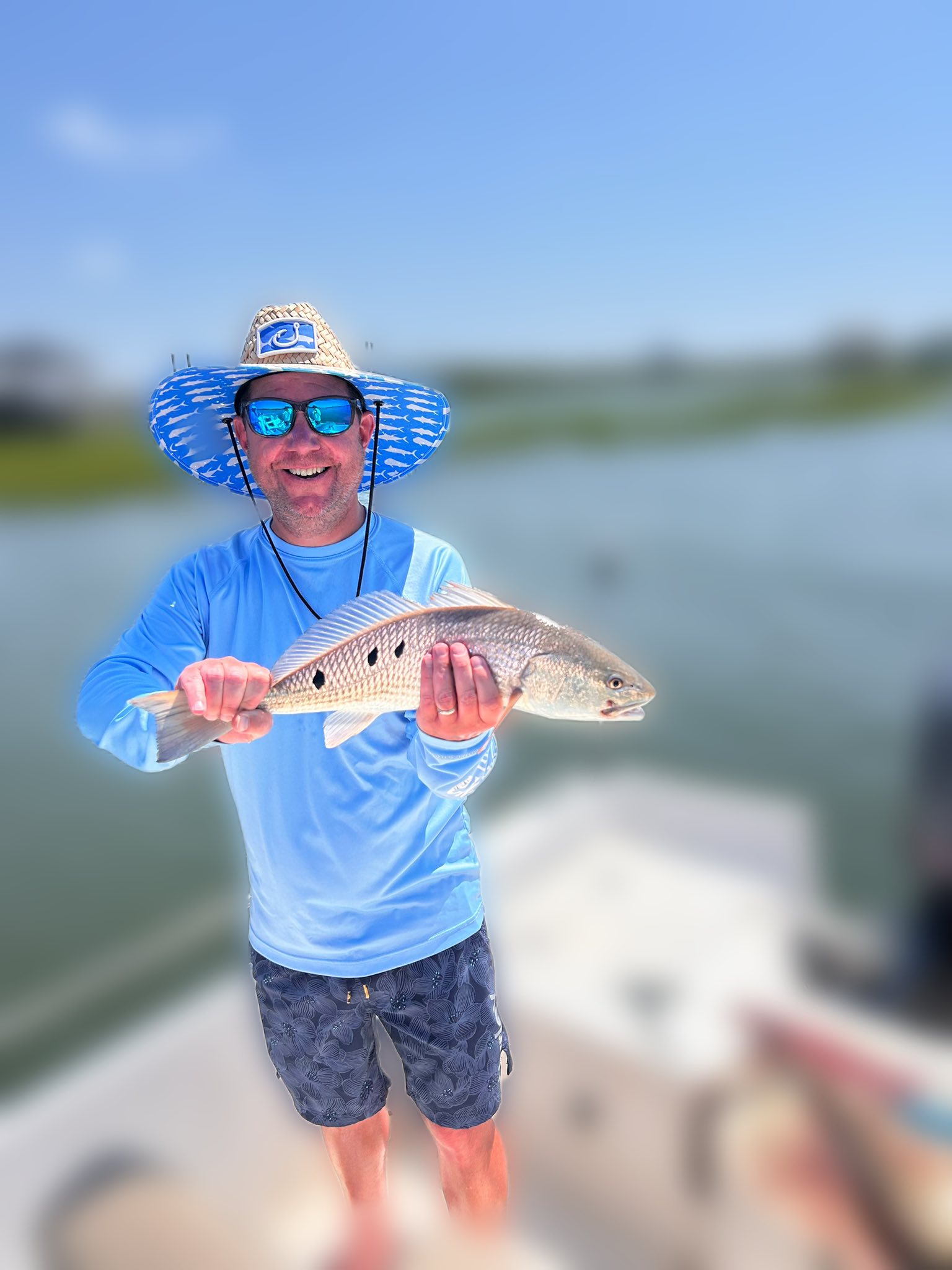
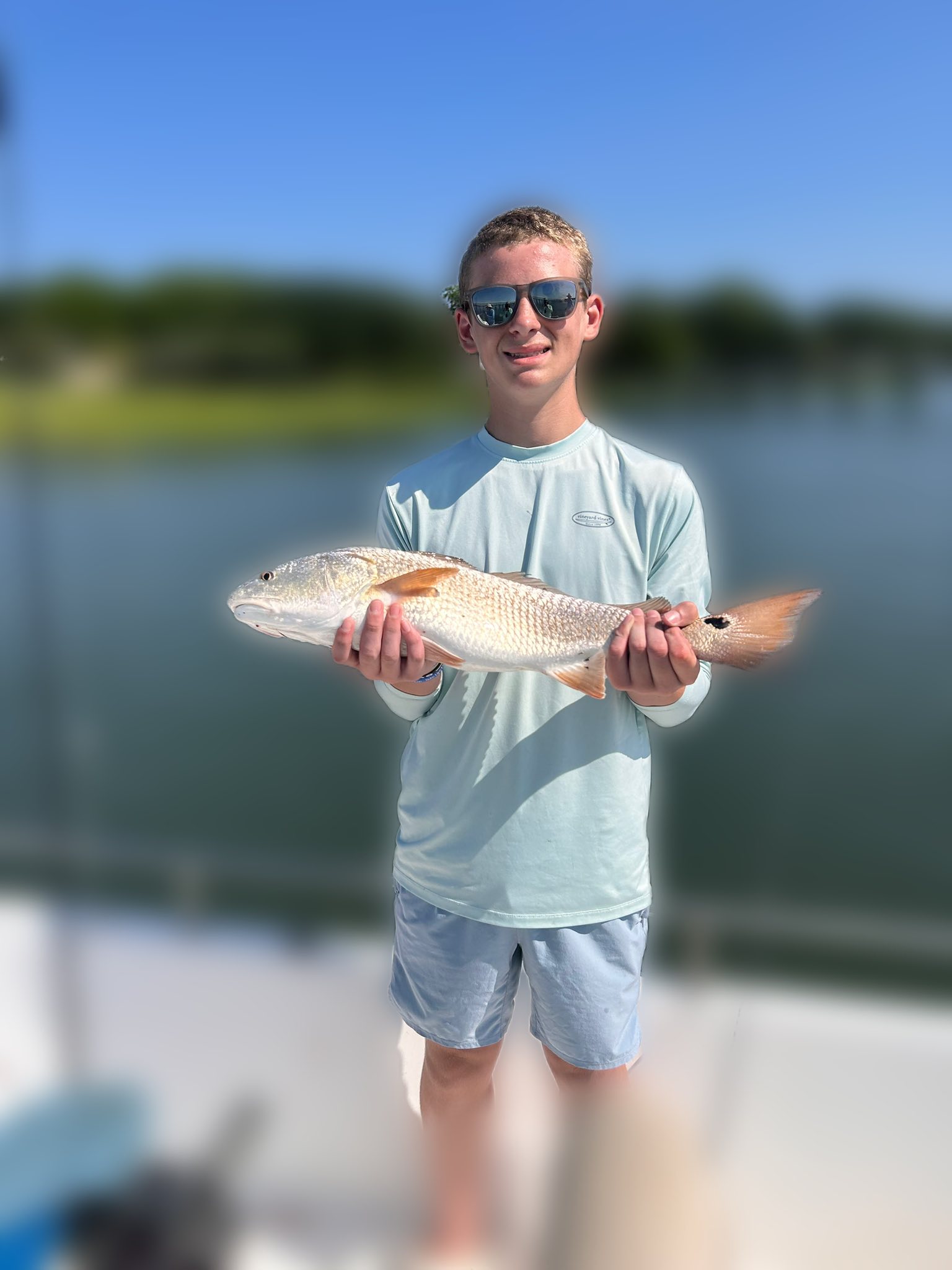
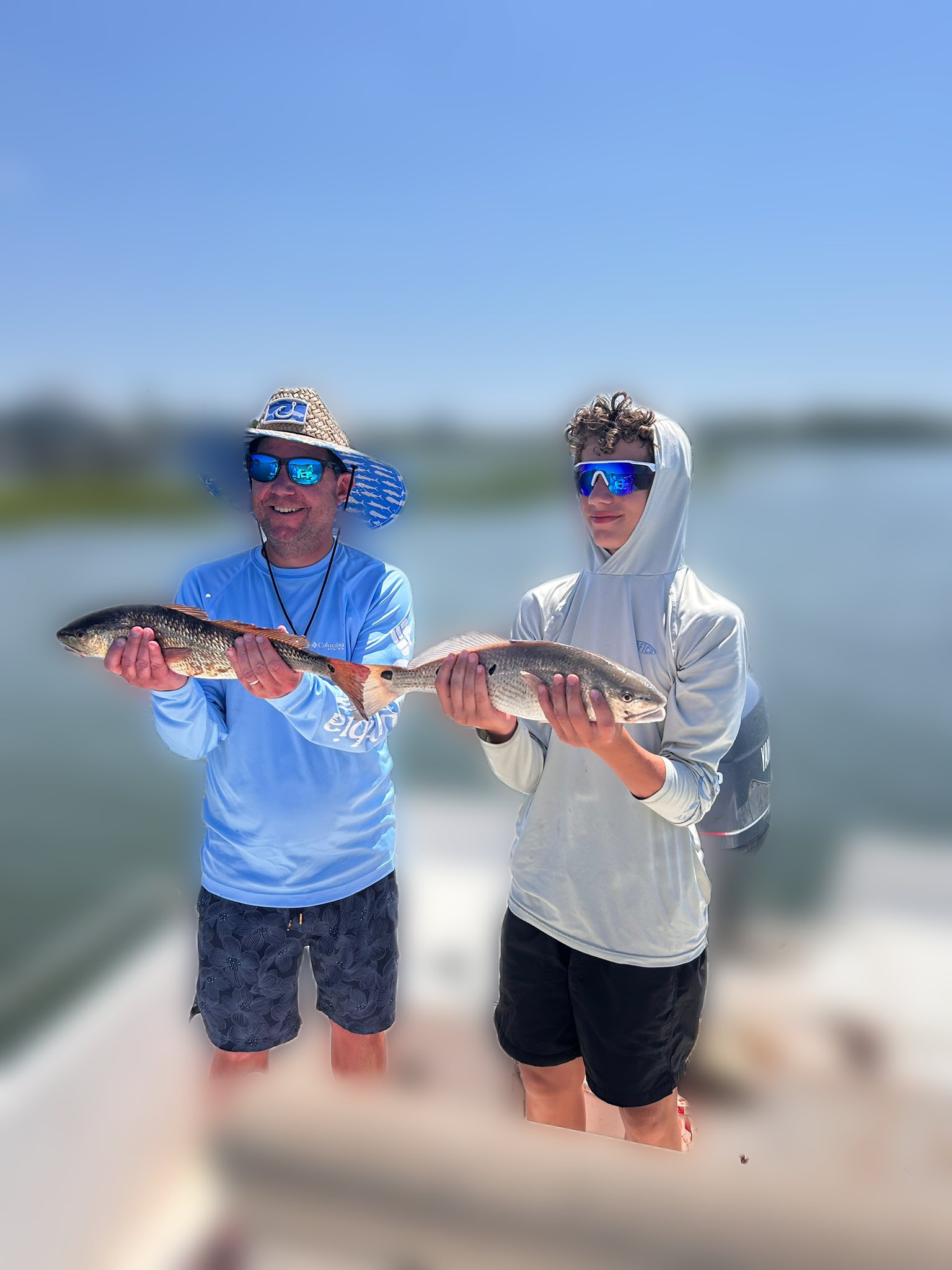
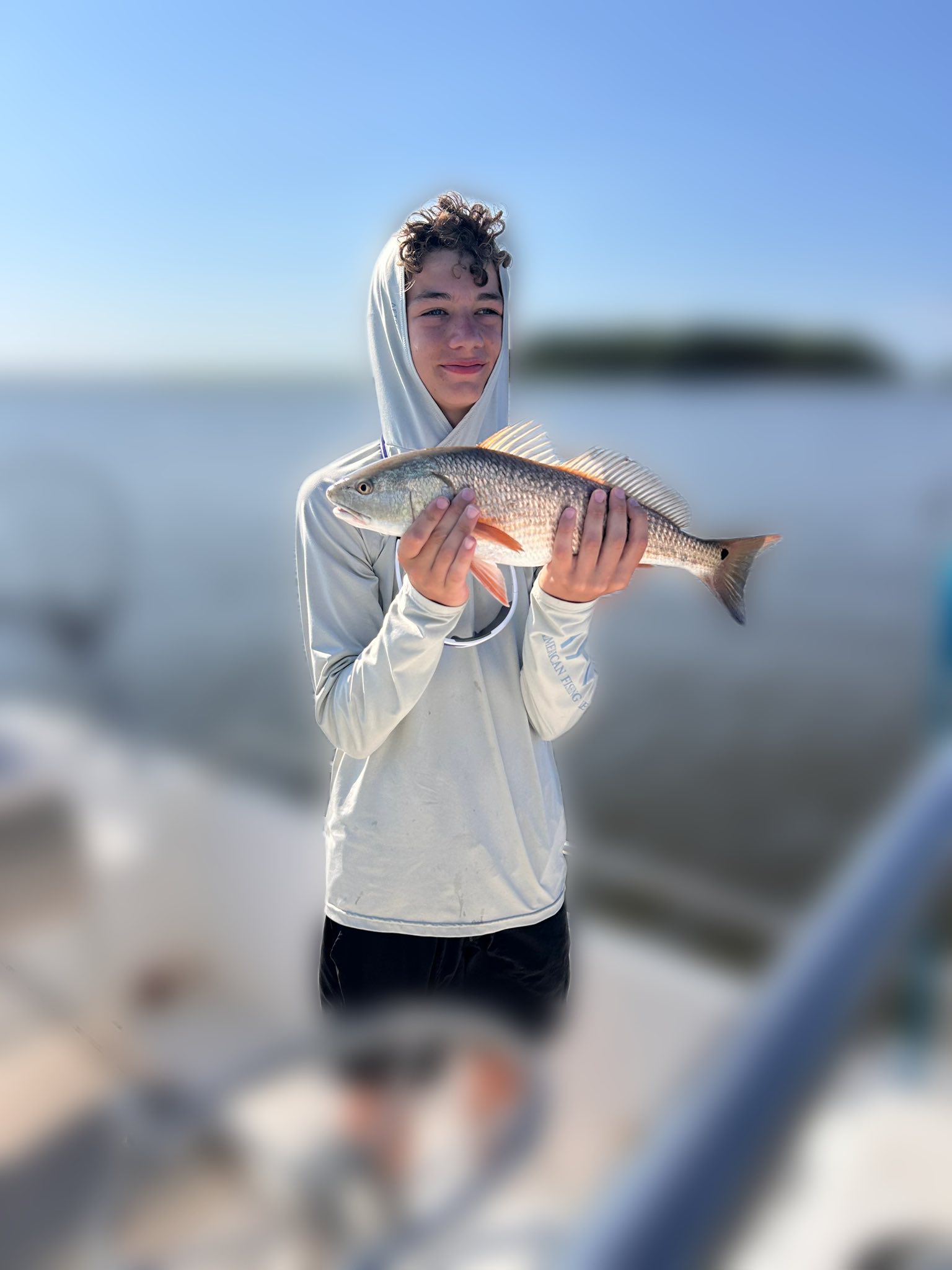
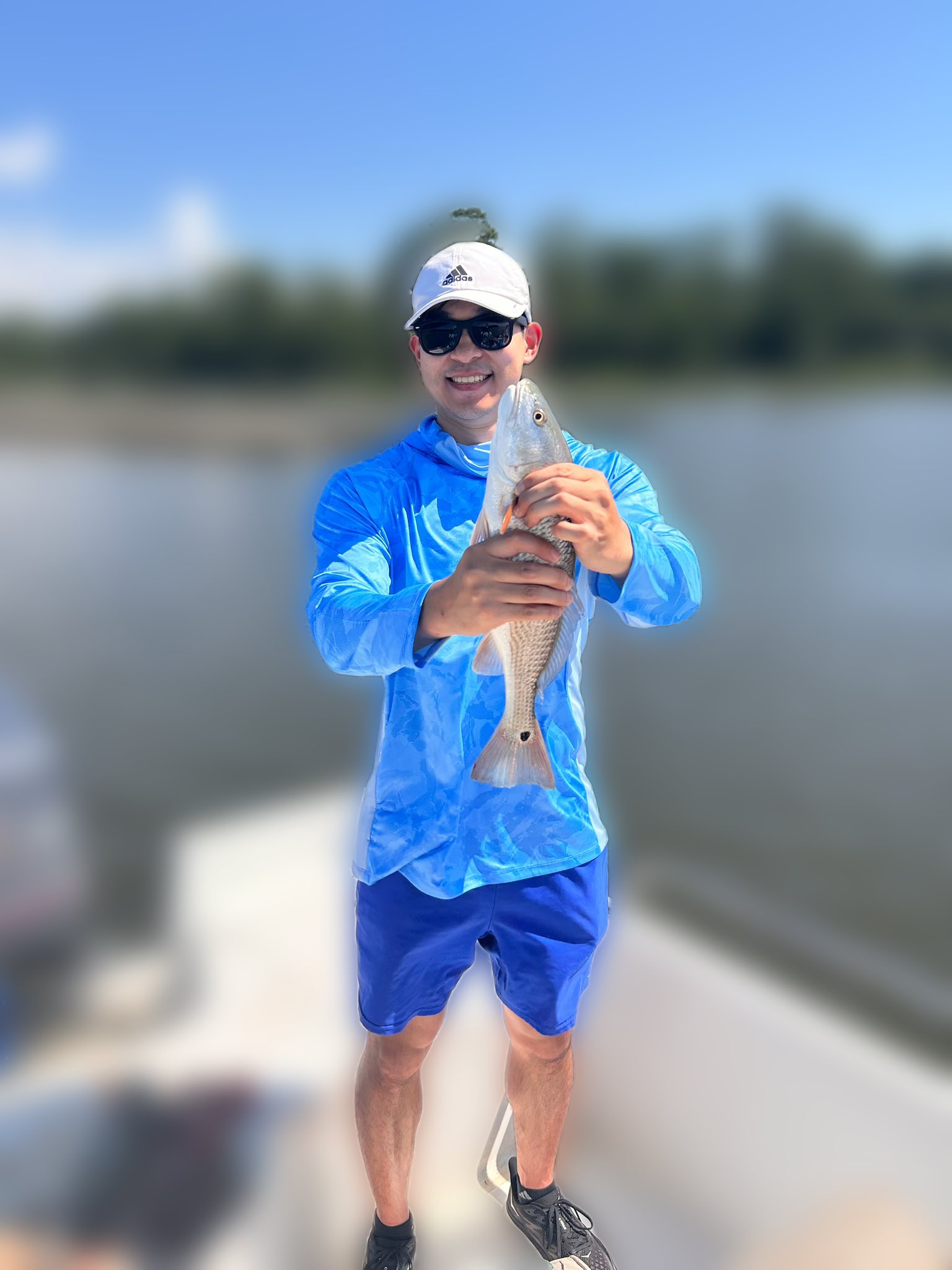
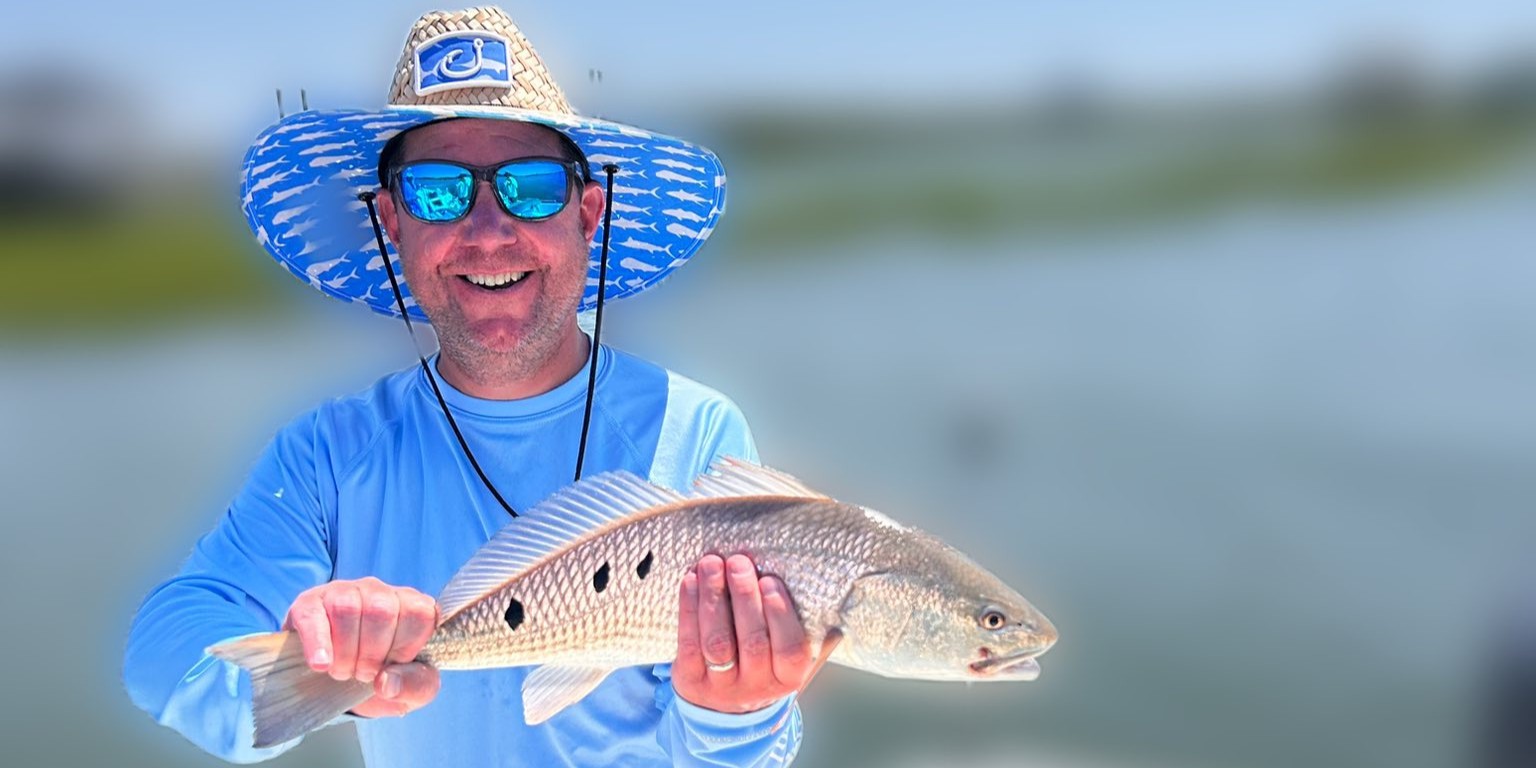
Redfish are the crown jewel of inshore fishing here, and for good reason. These copper-colored beauties are aggressive feeders that will take everything from live bait to topwater plugs with explosive strikes. Peak season runs from late spring through early fall when they school up in shallow water and provide some of the most visual fishing you'll experience. Adult Reds average 20-30 inches and fight like fish twice their size, making long runs and using their broad sides to leverage against your drag. They're also surprisingly smart fish that will test your skills, especially in clear, shallow water where they can see you coming.
Flounder fishing around Wilmington is legendary among East Coast anglers, particularly during their fall migration when big doormat-sized fish move through local waters. These ambush predators lie camouflaged on sandy bottoms near structure, waiting for baitfish to swim within striking distance. Summer months offer consistent action with keeper-sized fish, but fall is when the real trophies show up. Flounder require patience and precise presentation – you'll learn to work soft plastics or live finger mullet slowly along the bottom, feeling for that distinctive tap-tap bite that signals a fish has picked up your bait.
Sheepshead are the technical challenge of inshore fishing – they're notorious bait stealers with incredible precision when it comes to nibbling offerings clean off your hook. Found around dock pilings, jetties, and oyster bars, these black-and-white striped fish have human-like teeth that they use to crush barnacles and shellfish. Peak season runs from late winter through spring when they move inshore to spawn. Landing a nice Sheepshead requires sharp reflexes and the right technique, making them a favorite target for skilled anglers who enjoy the mental chess match these fish provide.
Speckled Trout complete the inshore slam and offer some of the most consistent action in local waters. These beautiful fish are active year-round but really shine during spring and fall when they school up over grass flats and around creek mouths. Specks are willing biters that respond well to both live and artificial baits, making them perfect for practicing different presentation techniques. They're also excellent table fare, which adds to their appeal among serious anglers. The key to consistent Trout fishing is understanding how they relate to grass beds and tidal movement – something you'll master during this focused charter experience.
Time to Book Your Spot
Carolina Charters has built a reputation for delivering quality fishing experiences that focus on skill development rather than just putting fish in the boat. This private 4-hour trip gives you the personalized attention needed to really improve your inshore fishing game while targeting some of the region's best species. The weekend-only schedule from April through
 Private Trip
 Inshore Fishing
 Wilmington
 Private 4-hour inshore fishing charter for skilled anglers