Cape Lookout False Albacore Charter
Picture this: you're standing on the bow of a 27' Contender at first light, scanning the waters off Cape Lookout for nervous bait and diving birds. The fall air is crisp, the coffee's hot, and somewhere out there, schools of false albacore are tearing up the surface. This isn't your typical inshore grind – it's sight casting at its finest, and when these speedsters show up, you better be ready. Our full-day charter runs eight solid hours from September 15 through November 15, giving you the best shot at these fall favorites when they're feeding heavy before their winter migration.
What to Expect on the Water
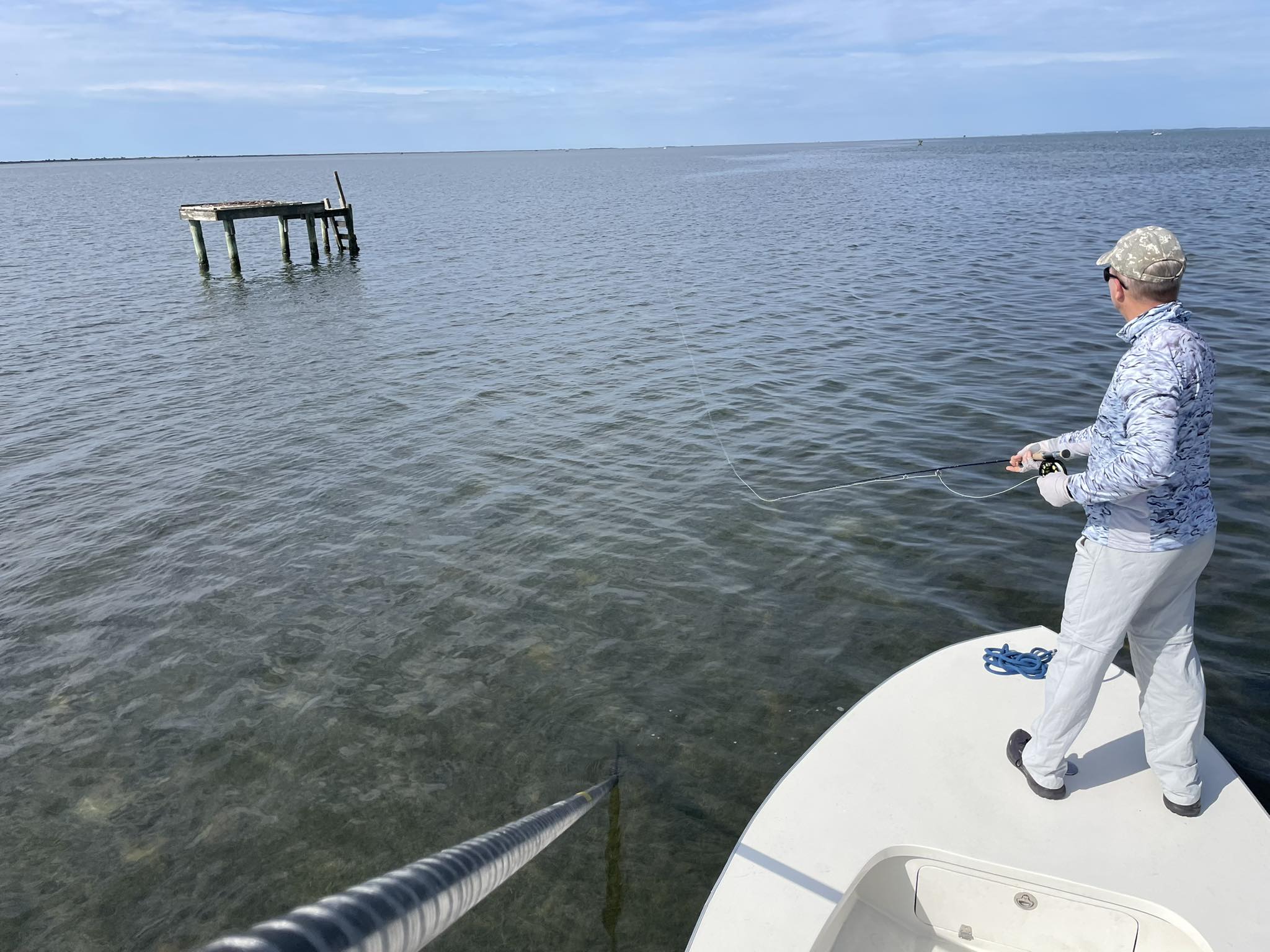
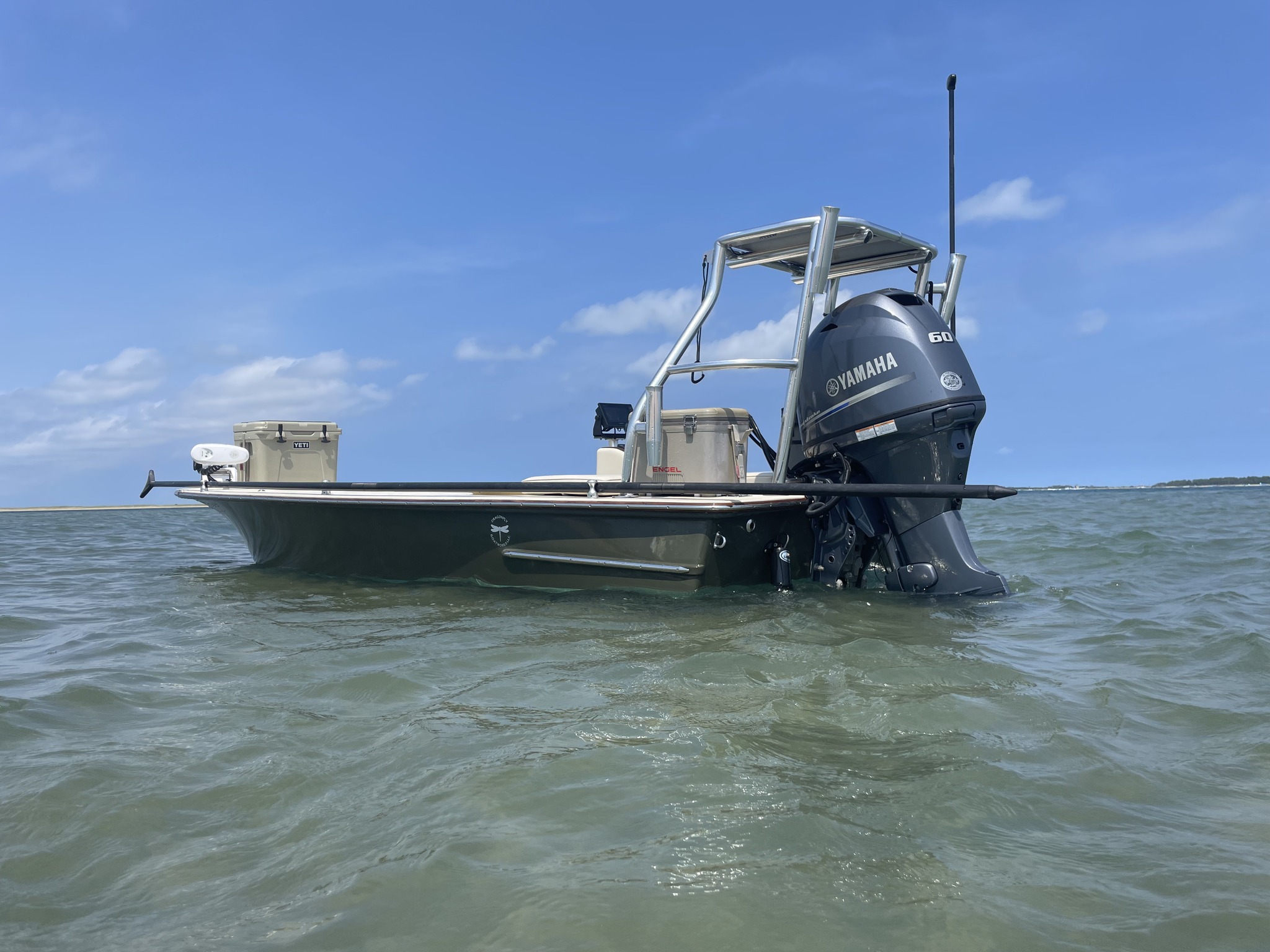
We're talking about a proper fishing day here – none of this half-hearted tourist stuff. Your captain meets you at the Beaufort docks at 6 AM sharp, and by 6:15 we're cutting through Taylor Creek toward Cape Lookout. The 27' Contender handles the nearshore chop like a champ, and with only four anglers max, everyone gets prime real estate on deck. You'll spend the day sight casting to feeding schools, watching your captain read the water like a book. When birds start working and bait starts flipping, that's when things get interesting. We're talking light tackle and fly gear – this is finesse fishing that'll test your skills and reward good casting. The boat comes loaded with everything you need: rods, reels, lures, and flies, plus drinks to keep you going through the day.
Sight Casting Techniques
False albacore fishing is all about being in the right place when the bite turns on. These fish hunt in schools, pushing bait to the surface in feeding frenzies that can last anywhere from five minutes to over an hour. Your captain positions the boat upwind or up-current from the action, then it's game time. We're casting small jigs, spoons, and flies into the chaos – think 1/4 oz to 1/2 oz lures that match the size of whatever bait they're hammering. On fly gear, we're throwing 8 to 10 weight rods with intermediate lines and small Clousers or Deceivers. The key is getting your offering into the strike zone fast and keeping it moving. These aren't lazy redfish – albies move with purpose, and your retrieve better match their energy level.
Species You'll Want to Hook
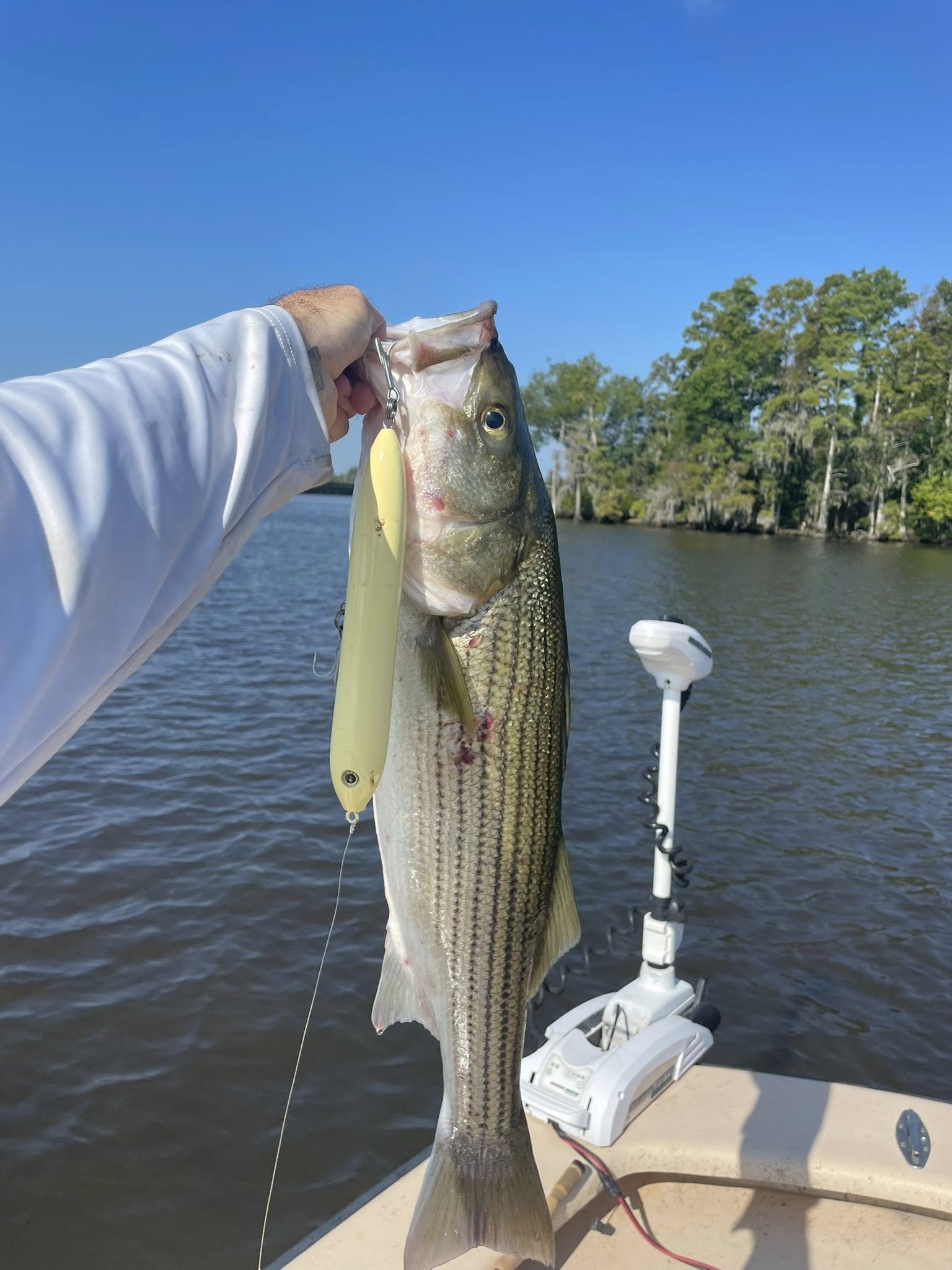
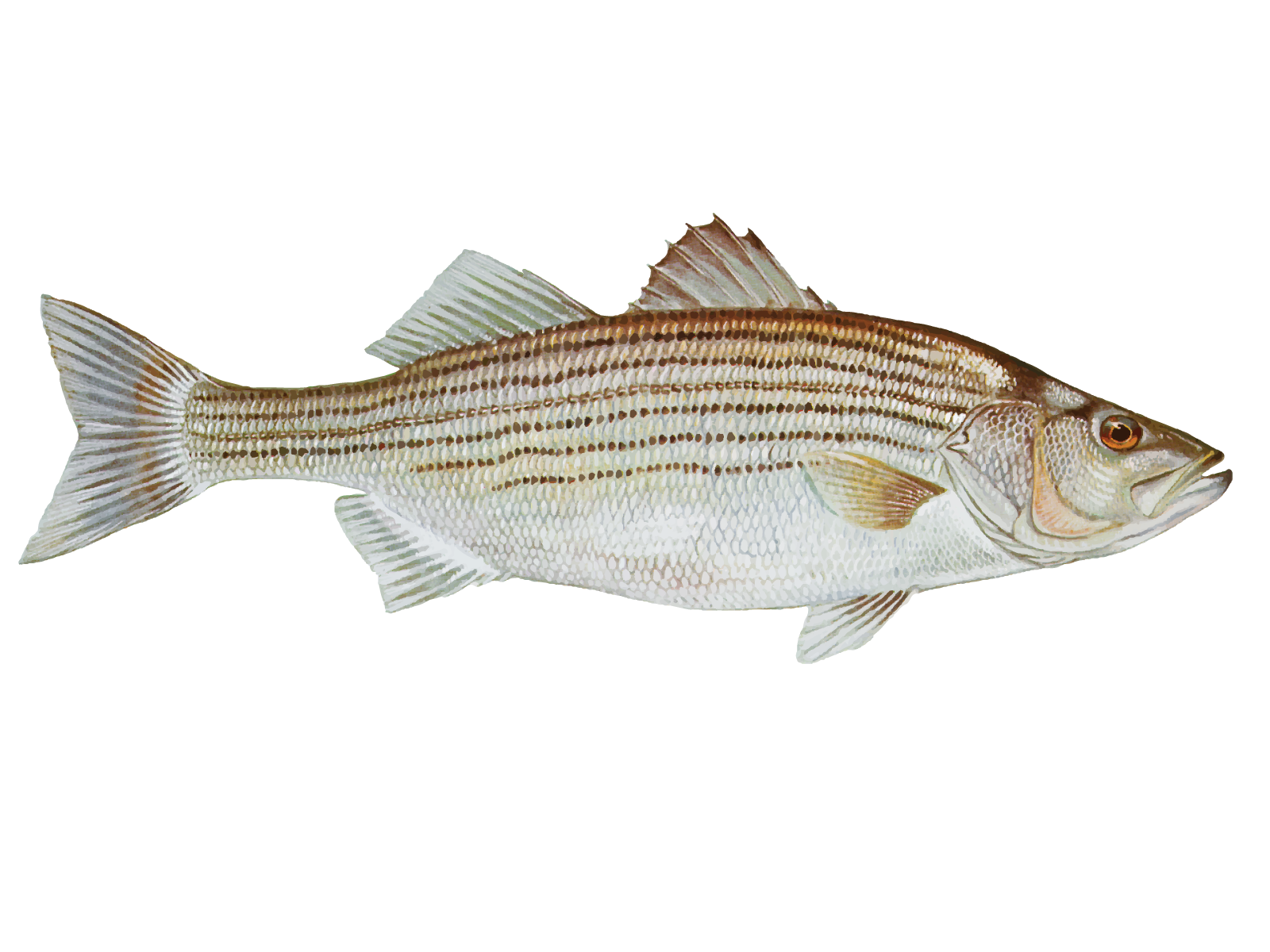
Striped bass are the bonus fish that make this trip even better. Fall brings good numbers of schoolies and keeper-sized fish to the Cape Lookout area, often mixed right in with the albacore schools. These aren't the monsters you might find further north, but 20 to 28-inch fish are common, and they fight with that classic striper head-shaking power. What makes them special here is the clear water and light tackle – you can actually watch them inhale your lure. They're opportunistic feeders during the fall migration, bulking up on the same baitfish the albies are chasing. The best part? Stripers are less spooky than albies, so when the false albacore fishing slows down, you can often pick up a few stripers from the same schools.
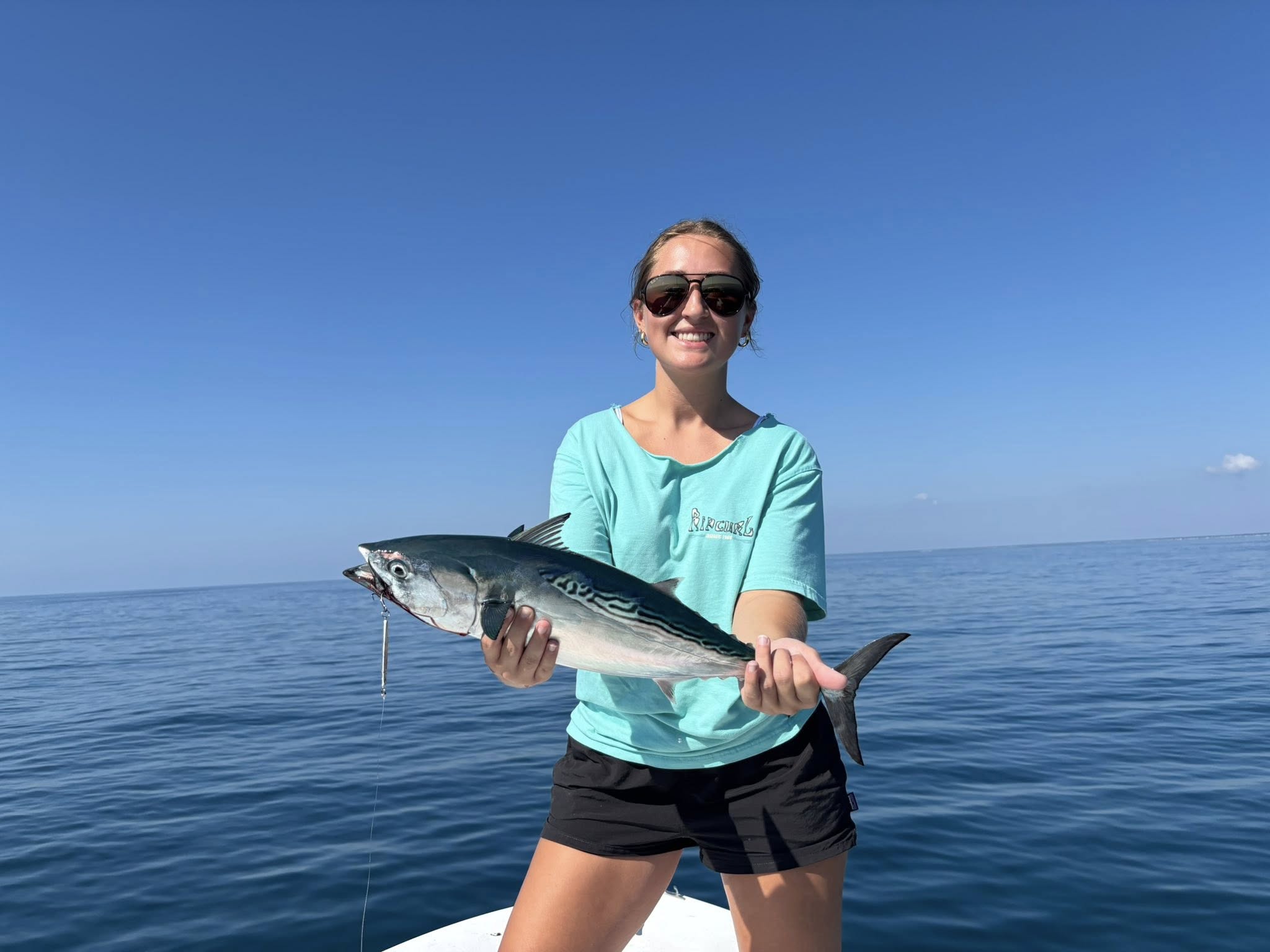
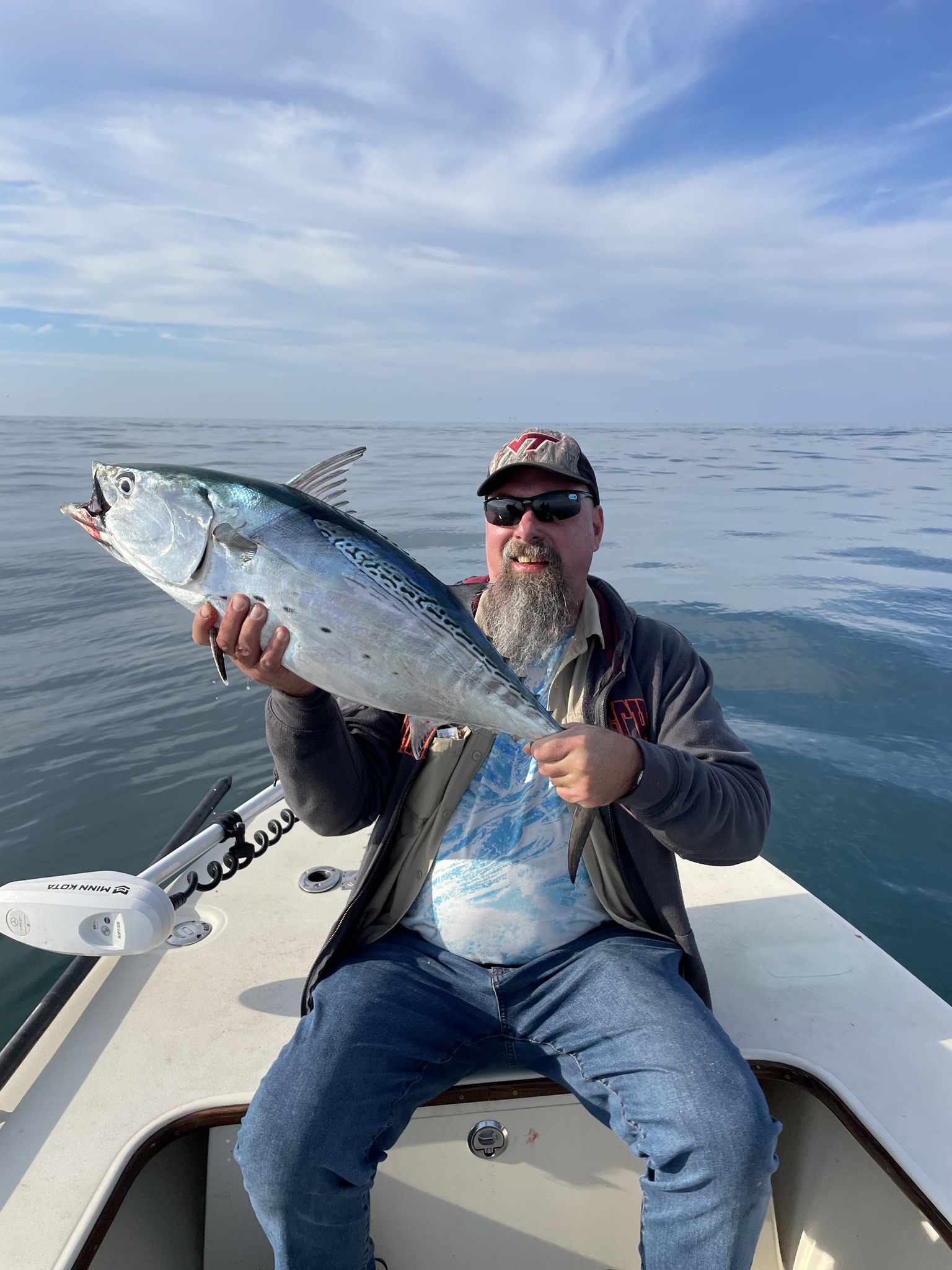
Little tunny, or false albacore as most folks call them, are the stars of this show. These 5 to 15-pound speedsters show up off Cape Lookout like clockwork each fall, usually starting in late September and running strong through early November. They're built for speed – think miniature bluefin with attitude. What makes them so addictive is the visual nature of the fishing. You're literally watching schools tear up the surface, casting into the mayhem, and hoping your lure doesn't get lost in the chaos. When you hook up, these fish make blistering runs that'll test your drag and your backing. They're also incredibly predictable once you learn their patterns – they'll often circle back to the same feeding areas, giving you multiple shots at the same school.
Time to Book Your Spot
This is hands-down one of the best sight fishing opportunities on the entire North Carolina coast. The Cape Lookout area offers the perfect mix of structure, current, and bait that draws these fish in huge numbers each fall. With only a two-month season, dates fill up fast – especially weekends and the prime October weeks when the fishing peaks. You're getting eight full hours with a captain who knows these waters inside and out, aboard a boat that's built for this type of fishing. Bring your NC fishing license, good sunglasses, and sunscreen, then get ready for some of the most visual and exciting fishing you'll find anywhere. When the albies are up and feeding, there's nothing quite like it.
 Private Trip
 Inshore Fishing
 undefined, undefined
 Full-day False Albacore charter departing 6 AM from Beaufort.