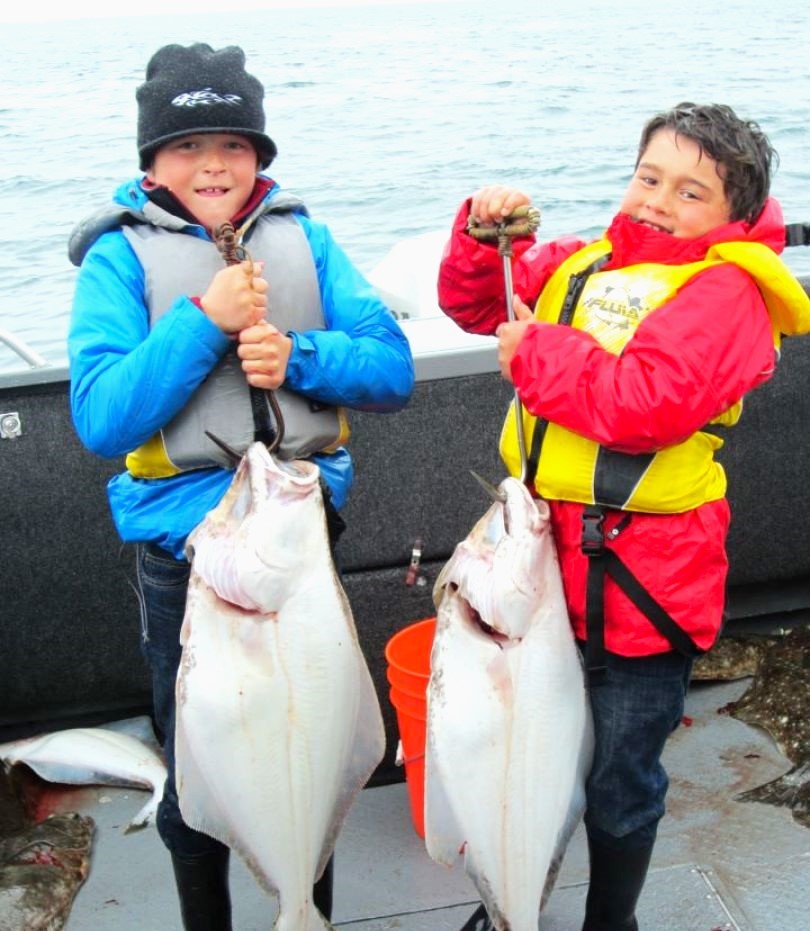
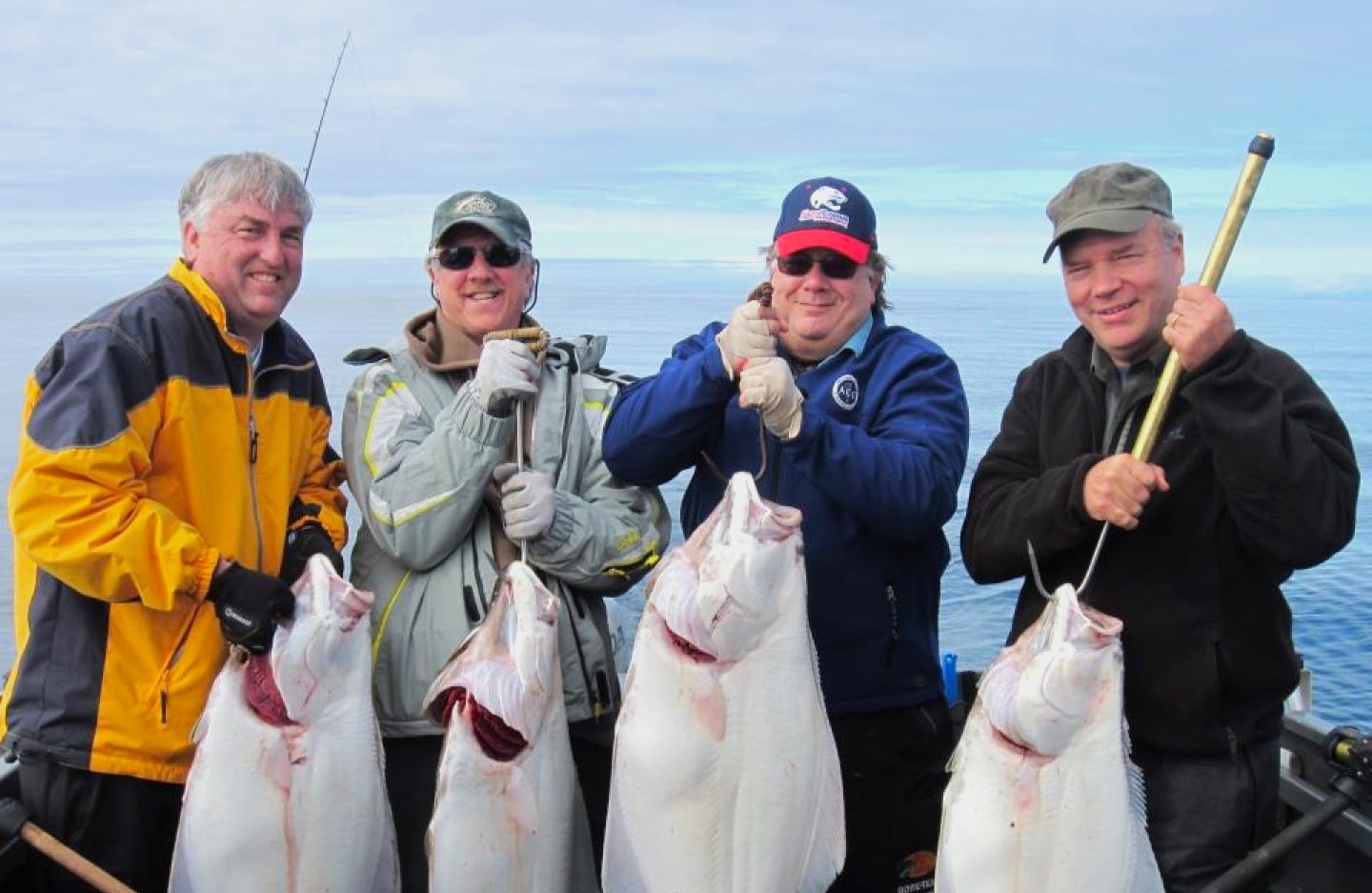
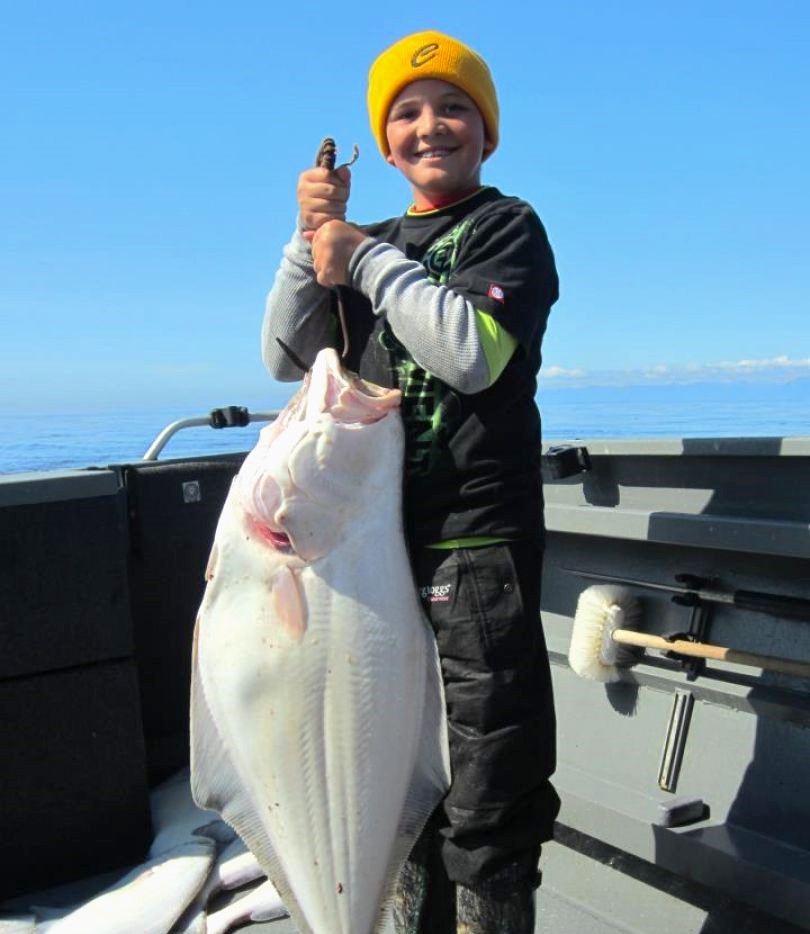
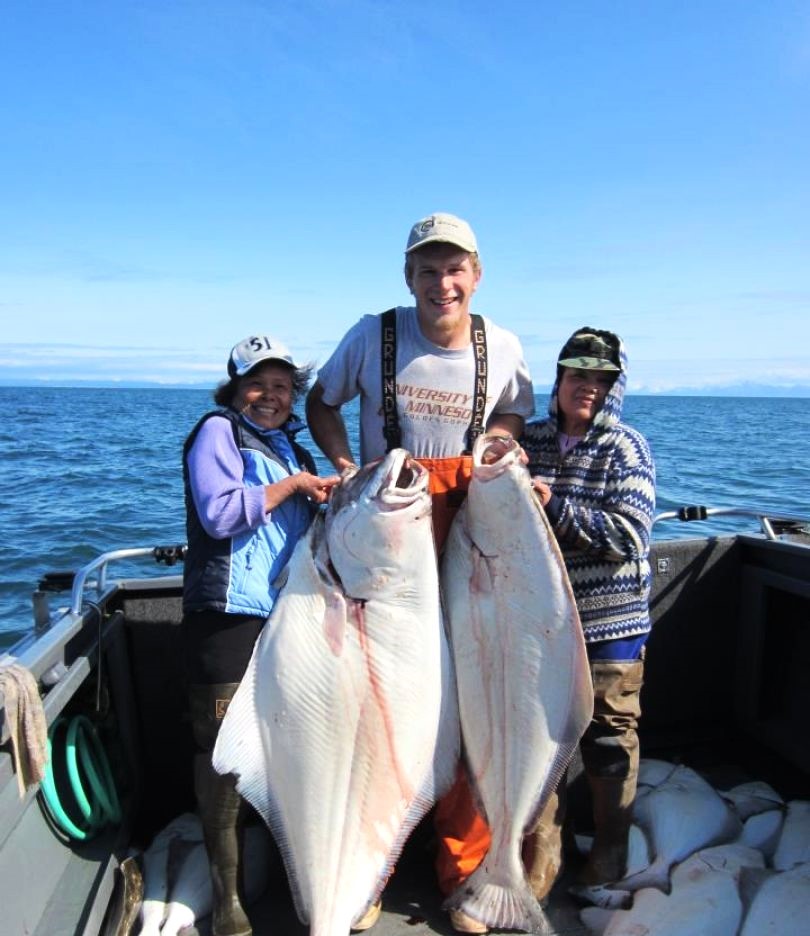
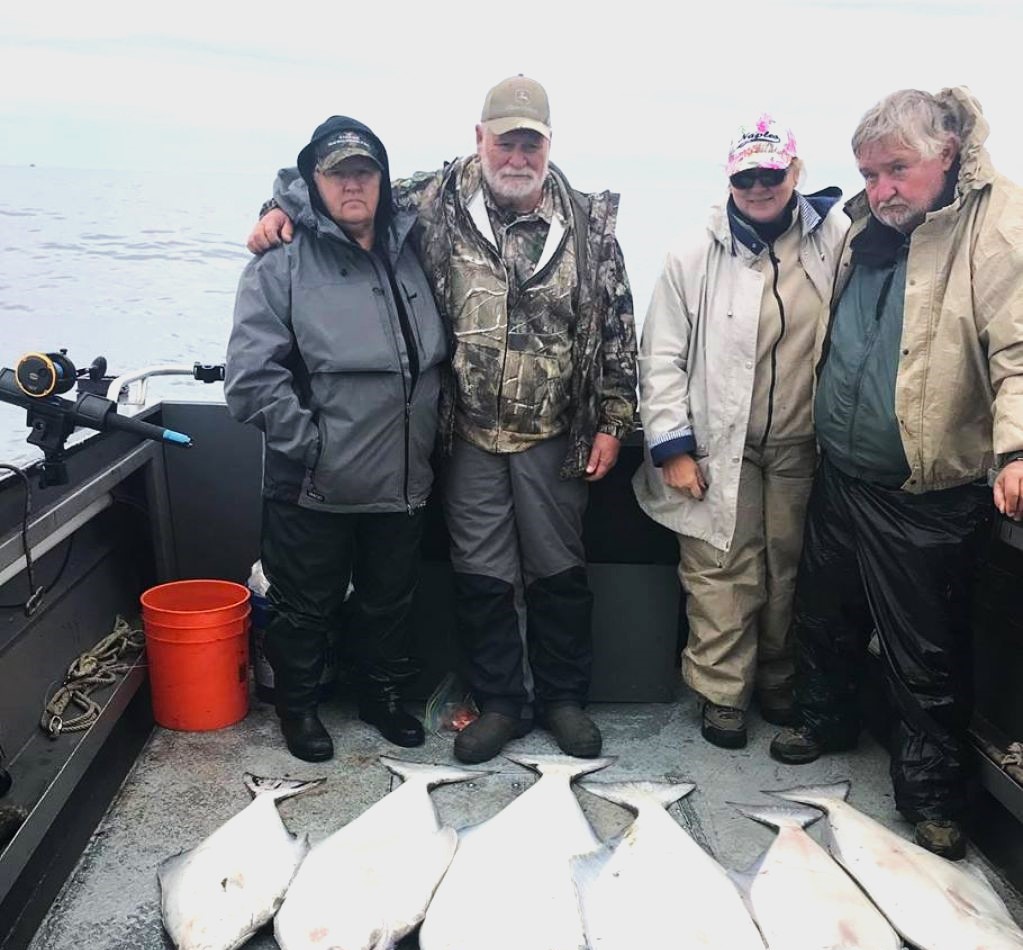
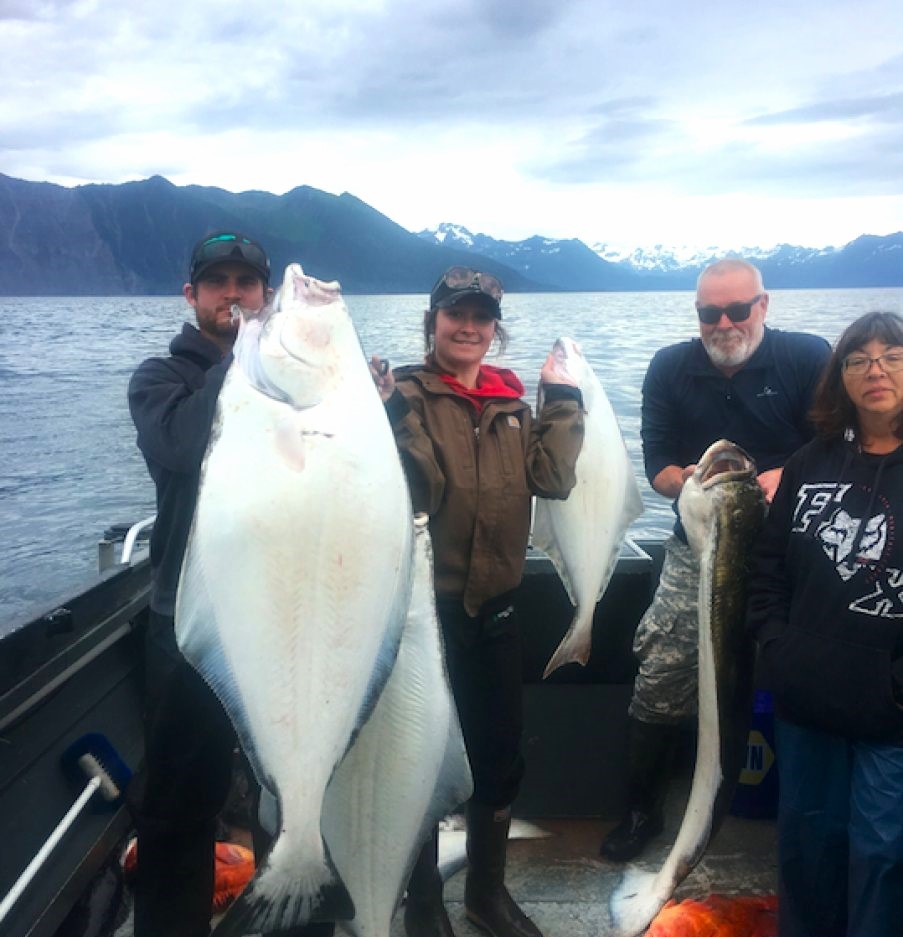
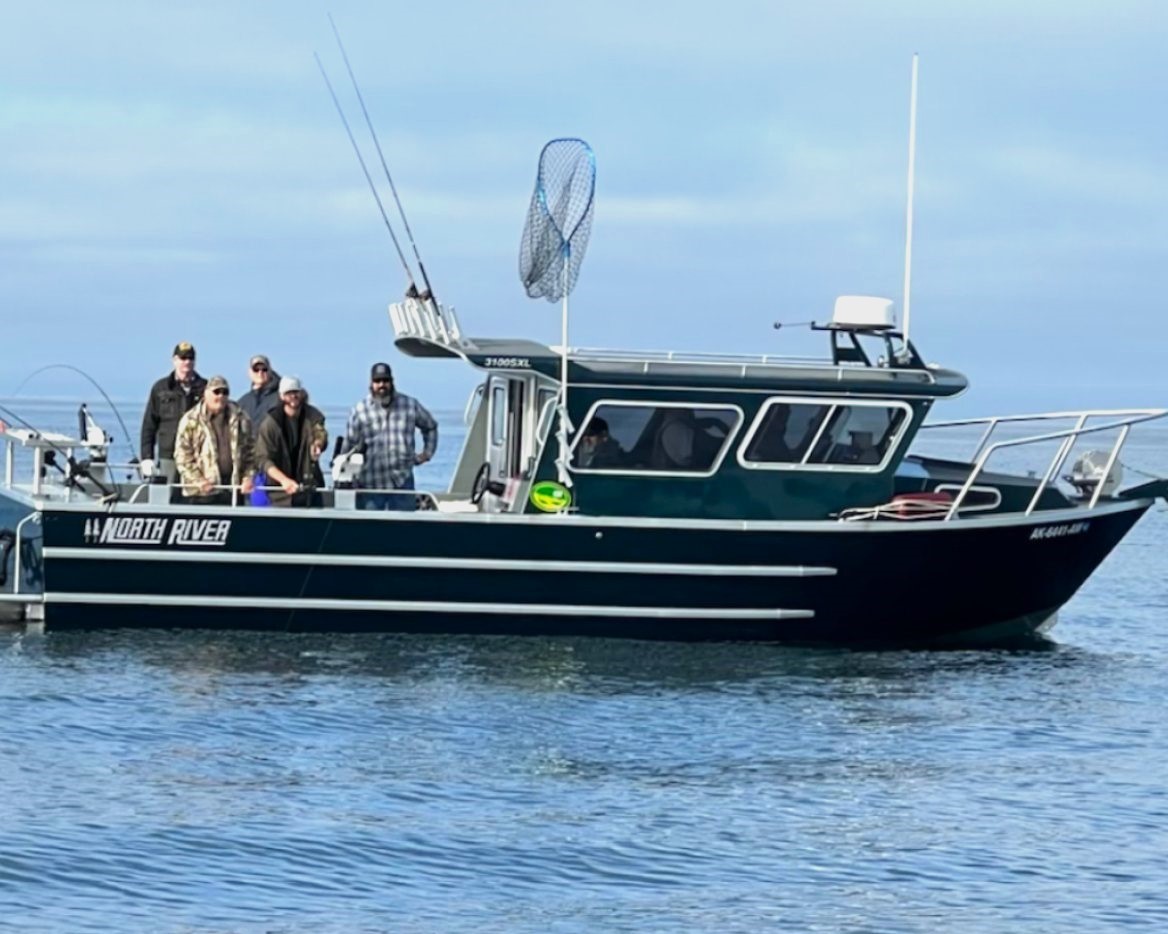
Homer Halibut Fishing at Its Finest
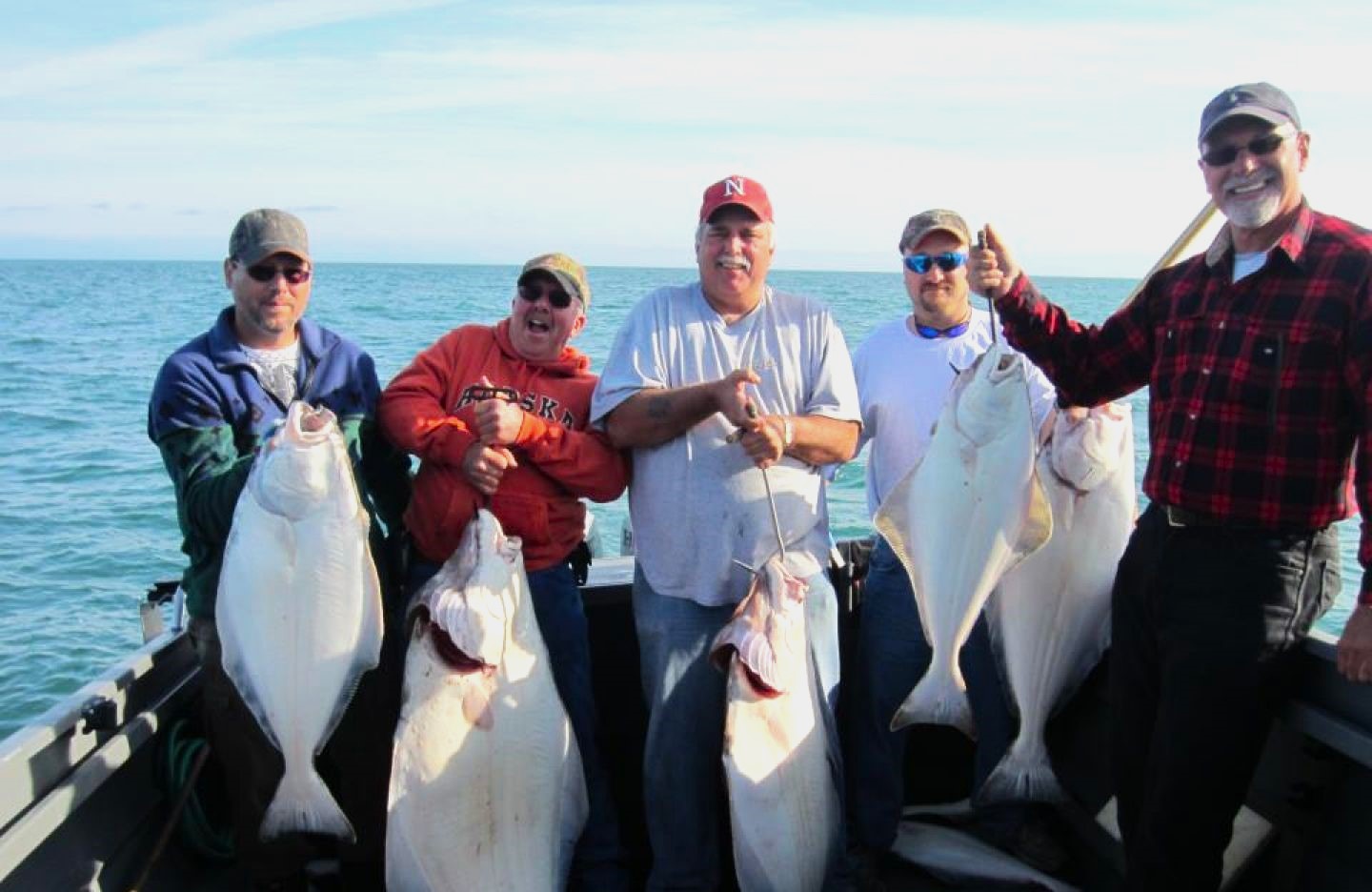
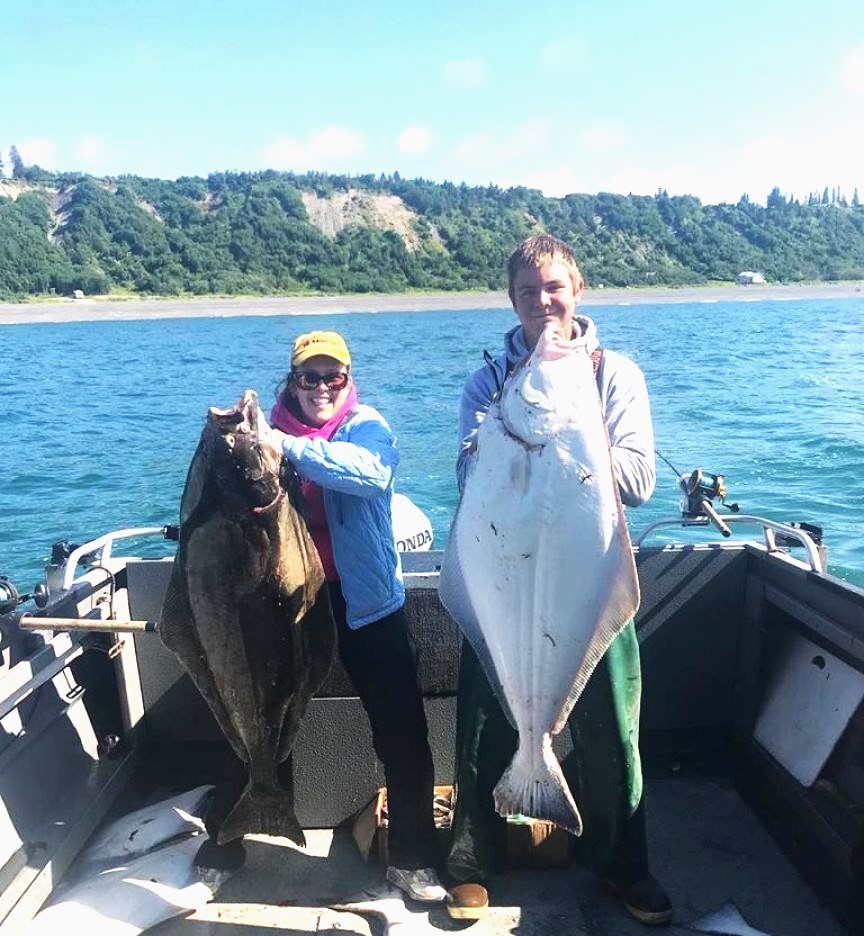
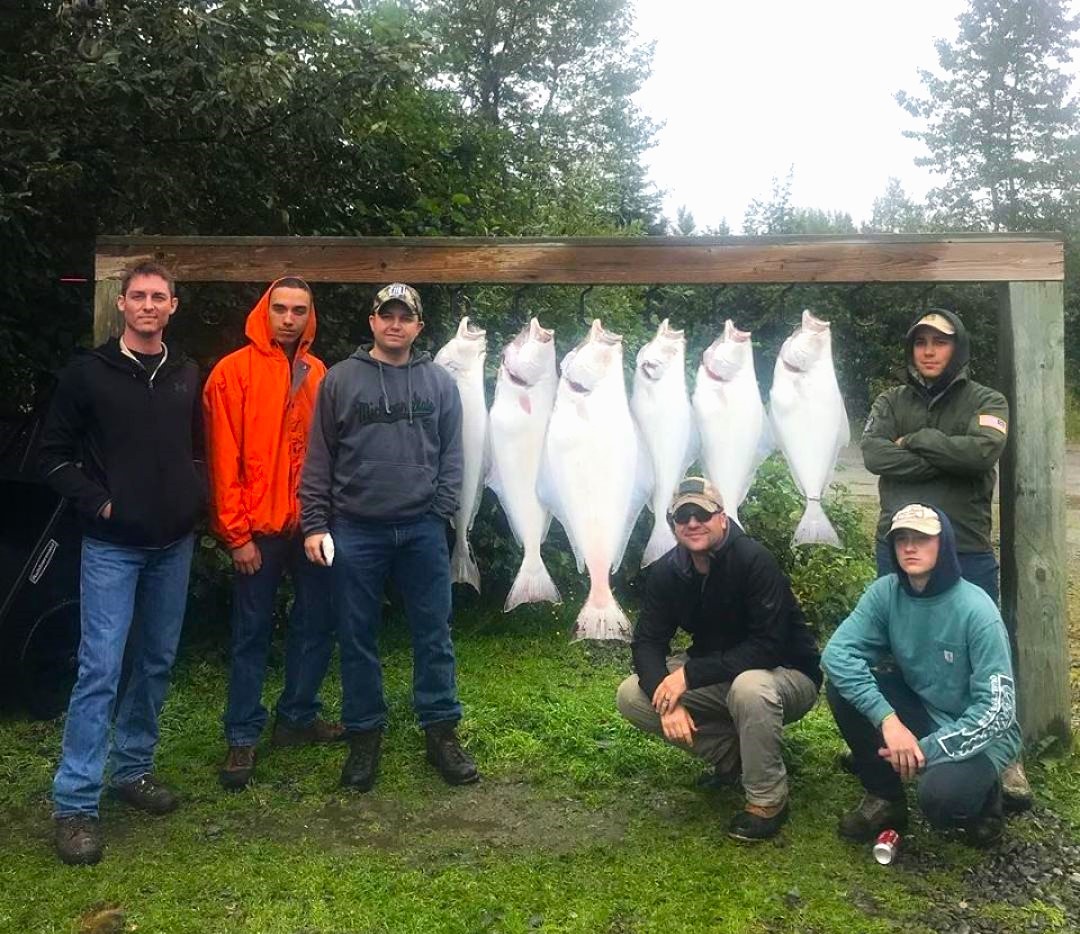
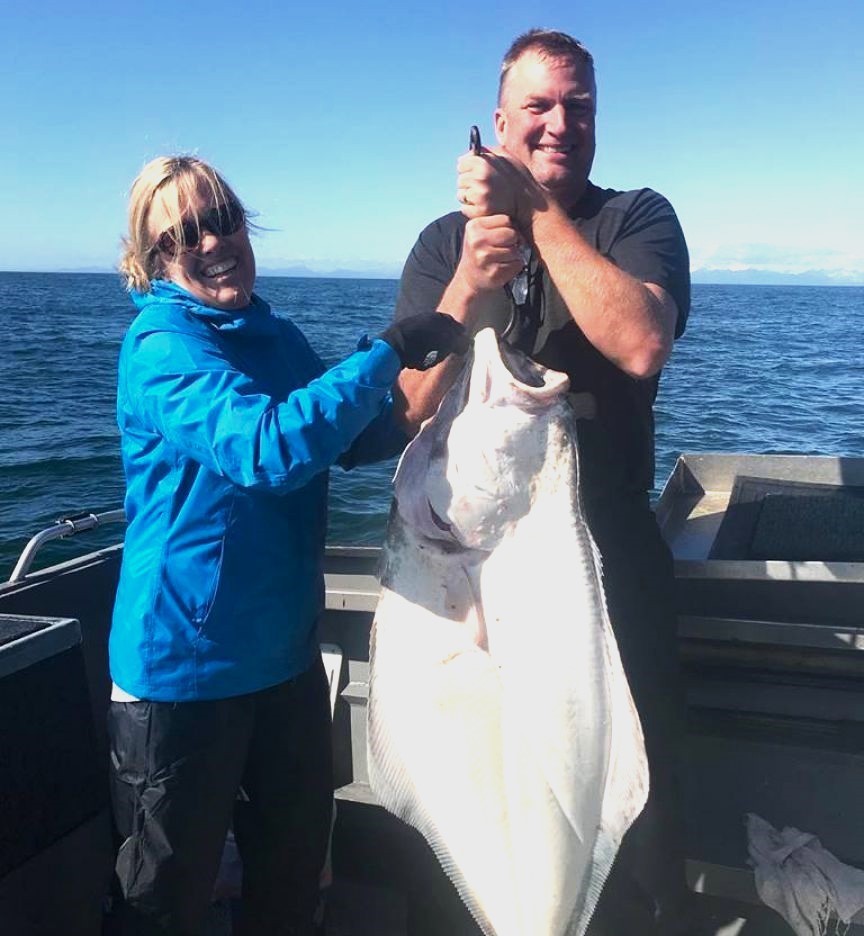
There's nothing quite like hauling up a barn door halibut from the depths of Cook Inlet, and that's exactly what you'll get to experience on this shared charter trip. Captain and crew at Catch A Lot Charters have been working these waters for years, and they know where the big flatfish like to hang out. This isn't some touristy cruise around the bay – we're talking serious offshore bottom fishing where you'll drop lines in 100-300 feet of water and feel that unmistakable thump when a Pacific halibut decides your bait looks tasty. The trip runs eight solid hours, giving you plenty of time to work multiple spots and dial in your technique.
What to Expect on the Water
We're talking early start here – 7 AM sharp, so grab your coffee before you show up at the dock. The boat heads out into Cook Inlet where the real action happens, and you'll be fishing alongside other anglers who are just as pumped to get into some fish. Don't worry if you're new to this game; the crew will get you sorted with everything you need to know about reading your rod tip and working a halibut up from the bottom. The shared charter setup means you're splitting costs with other fishing enthusiasts, making this top-rated experience accessible without breaking the bank. Weather can change fast out here, so dress in layers and bring rain gear even if the morning looks perfect. Cook Inlet doesn't mess around, and neither do the fish that call it home.
Bottom Fishing Techniques
Halibut fishing is all about patience and feeling what's happening down below. You'll be using heavy tackle – we're talking 2-4 ounce weights depending on current and depth – with circle hooks and big chunks of herring or salmon belly for bait. The key is getting your offering right to the seafloor where these flatfish cruise around looking for an easy meal. You'll learn to work that bait slowly, lifting and dropping to create movement that triggers strikes. When a halibut picks up your bait, you might not feel much at first – they're sneaky that way. But once you set the hook and that fish realizes it's in trouble, get ready for a serious tug-of-war. The crew will coach you through the whole process, from the initial hookset to getting that fish boat-side for photos and measurements.
Pacific Halibut Breakdown
Pacific halibut are the reason anglers travel from all over the world to fish Alaska waters, and Cook Inlet serves up some real beauties. These flatfish can live over 50 years and grow to massive proportions – we're talking fish that can weigh 200, 300, even 400 pounds if you're really lucky. What makes them so fun to target is their feeding behavior; they're ambush predators that lie camouflaged on the bottom, then explode upward to grab prey. Summer months from May through September offer the best action, when halibut move into shallower waters to feed heavily before winter. The fish you'll encounter on this trip typically range from 20 to 100 pounds, perfect eating size with that sweet, flaky white meat that makes halibut so prized. They fight differently than most fish – it's more of a bulldogging, head-shaking battle that tests your endurance and gear. Landing a 50-pound halibut on rod and reel is something you'll be talking about for years, and Cook Inlet consistently produces fish in that size class.
Time to Book Your Spot
This customer favorite trip runs Monday, Tuesday, Thursday, Friday, Saturday, and Sunday, giving you plenty of options to work around your Alaska travel schedule. With only limited spots available on each charter, this world-class halibut fishing experience books up fast, especially during peak summer months. The combination of expert local knowledge, prime fishing grounds, and affordable shared charter pricing makes this the best trip for anyone serious about catching Pacific halibut in Homer. Whether you're planning to ship fish home or just want to experience the rush of battling these renowned Alaskan gamefish, this eight-hour adventure delivers the goods. Don't wait – halibut season waits for no one, and the best fishing days fill up weeks in advance.
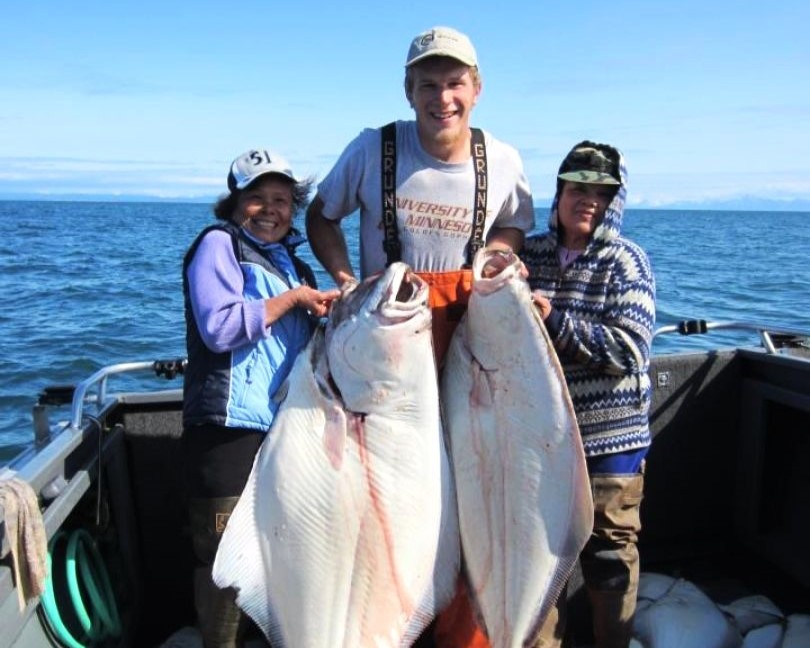
 Shared Trip
 Offshore Fishing
 Fairbanks
 Full-day halibut fishing adventure in Cook Inlet waters