Spring Chinook Fishing on Oregon's Best Tributaries
Looking for the ultimate spring chinook experience in Oregon? You've found it. This full-day guided trip takes you to the productive tributary waters of the Santiam or McKenzie river systems, where spring chinook salmon stage before their final spawning push. These aren't your typical crowded main stem spots – we're talking about smaller, more intimate waters where you can really dial in your technique and connect with some of the best eating salmon in the Pacific Northwest. With all gear and bait provided, you just need to show up ready to fish and learn from a guide who knows these waters like the back of his hand.
What to Expect on the Water
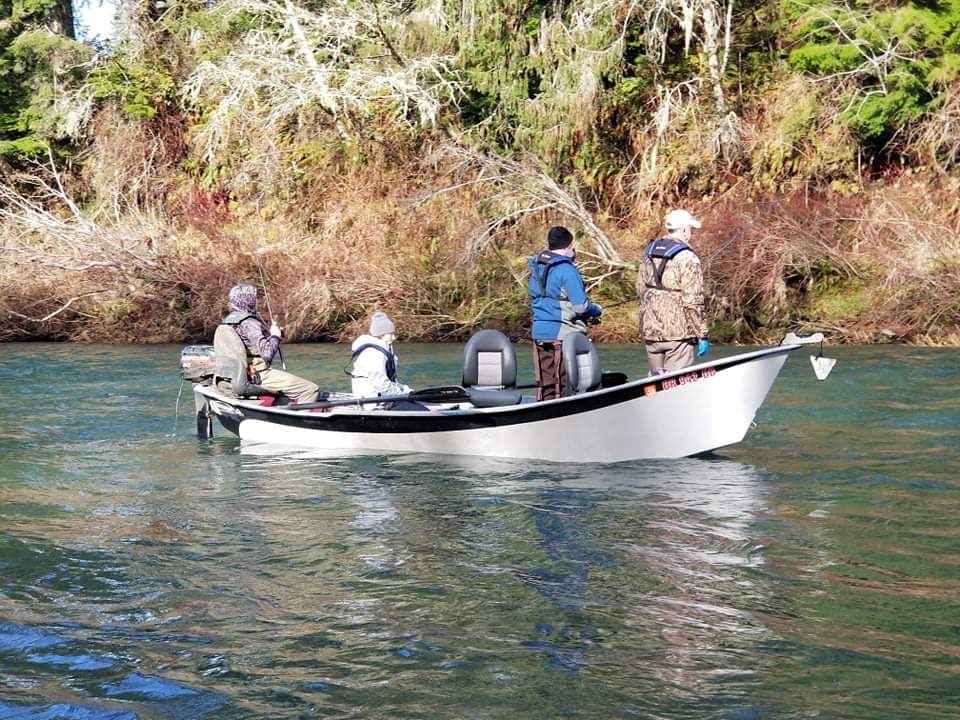
This is a hands-on fishing experience designed for one angler, which means you get personalized instruction and plenty of rod time. We'll meet early and head to whichever tributary system is fishing best – could be a classic Santiam spot or one of the McKenzie's productive side channels. The beauty of fishing these tributaries is the variety of water types you'll encounter. One moment you're working a deep slot behind a boulder, the next you're drifting your bait through a classic tailout where chinook love to hold. The guide will read the water for you, explaining why fish position themselves in certain spots and how seasonal conditions affect their behavior. Spring chinook are fresh from the ocean, chrome bright and full of fight, making every hookup memorable. You'll learn proper drift fishing techniques, how to read water like a local, and why these particular river systems produce such consistent results year after year.
Gear Setup & Techniques
All your gear is dialed in and ready – we're talking quality rods matched to the conditions, reels with smooth drags that can handle a hot chinook, and terminal tackle that's been tested on these waters. The guide provides everything from weights and swivels to fresh bait that these fish can't resist. Techniques vary based on conditions, but expect to master the art of drift fishing with bait. You'll learn how to feel the bottom, detect subtle takes, and set the hook when a chinook picks up your offering. The rod work is active – you're constantly adjusting your drift, reading the current, and staying connected to your bait as it tumbles downstream. These tributary systems require finesse over power, and the guide will teach you how to present your bait naturally in the current while avoiding snags. By the end of the day, you'll understand why experienced salmon anglers prefer these smaller waters over the circus atmosphere of some main stem fisheries.
Top Catches This Season
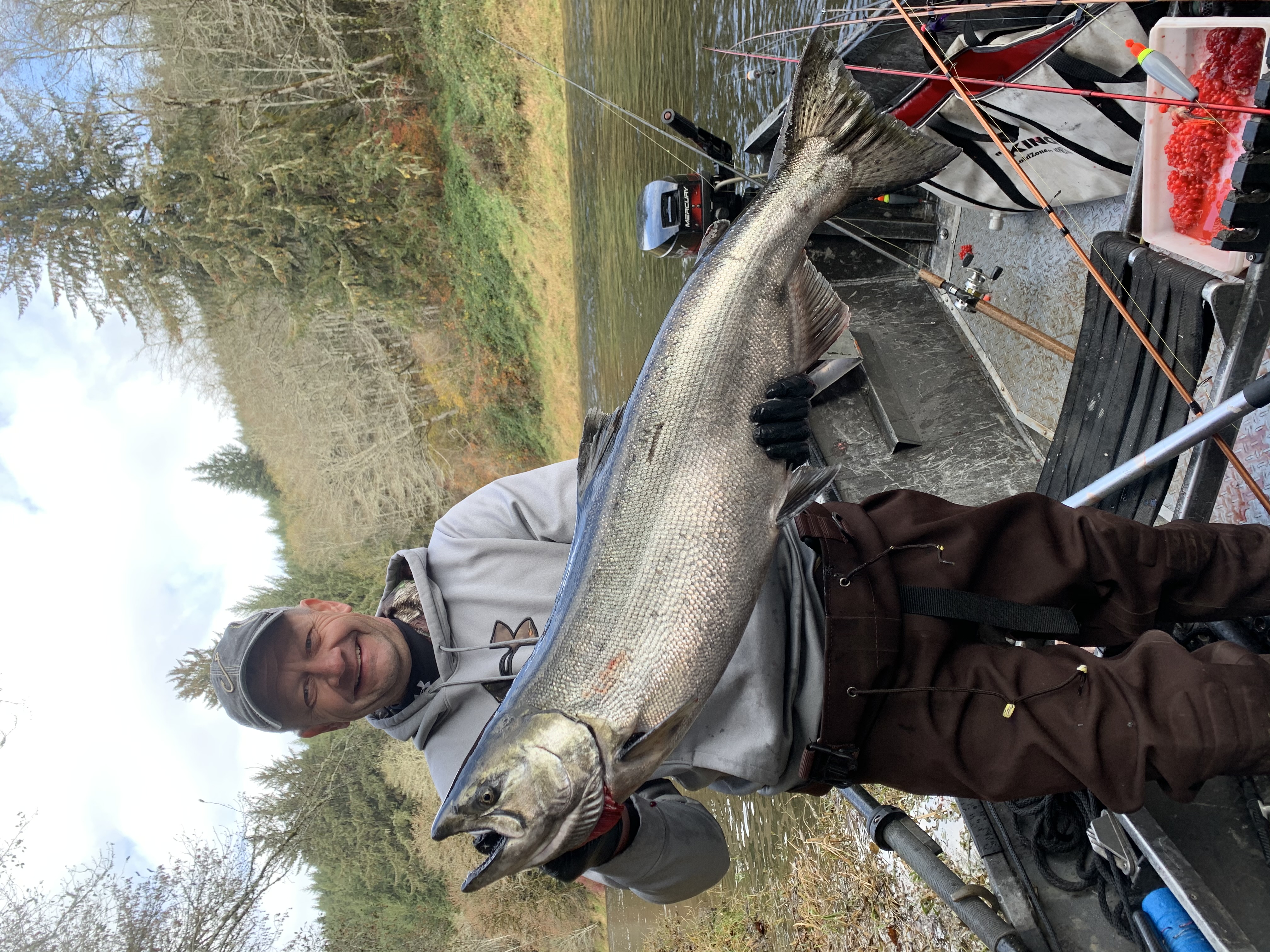
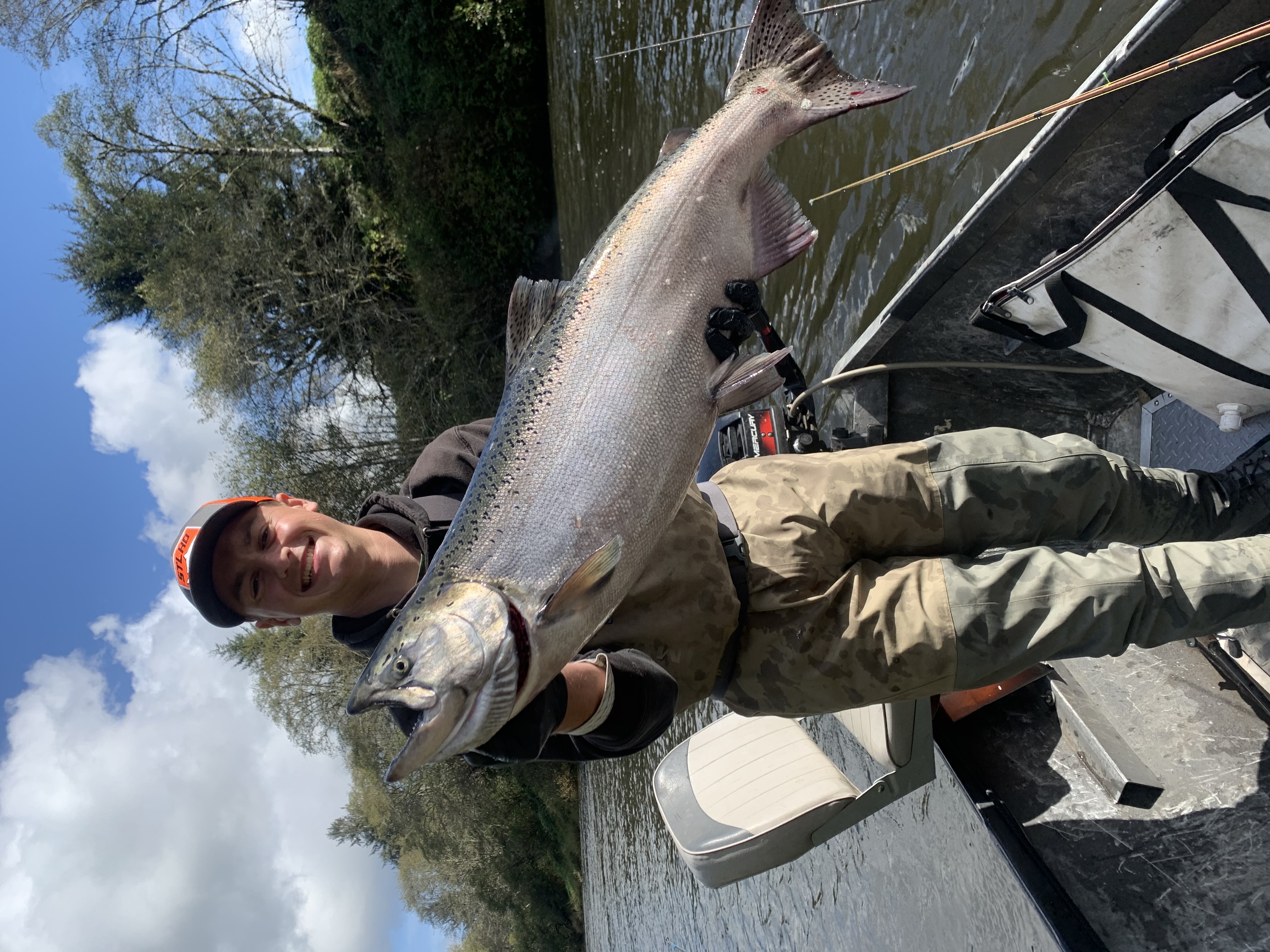
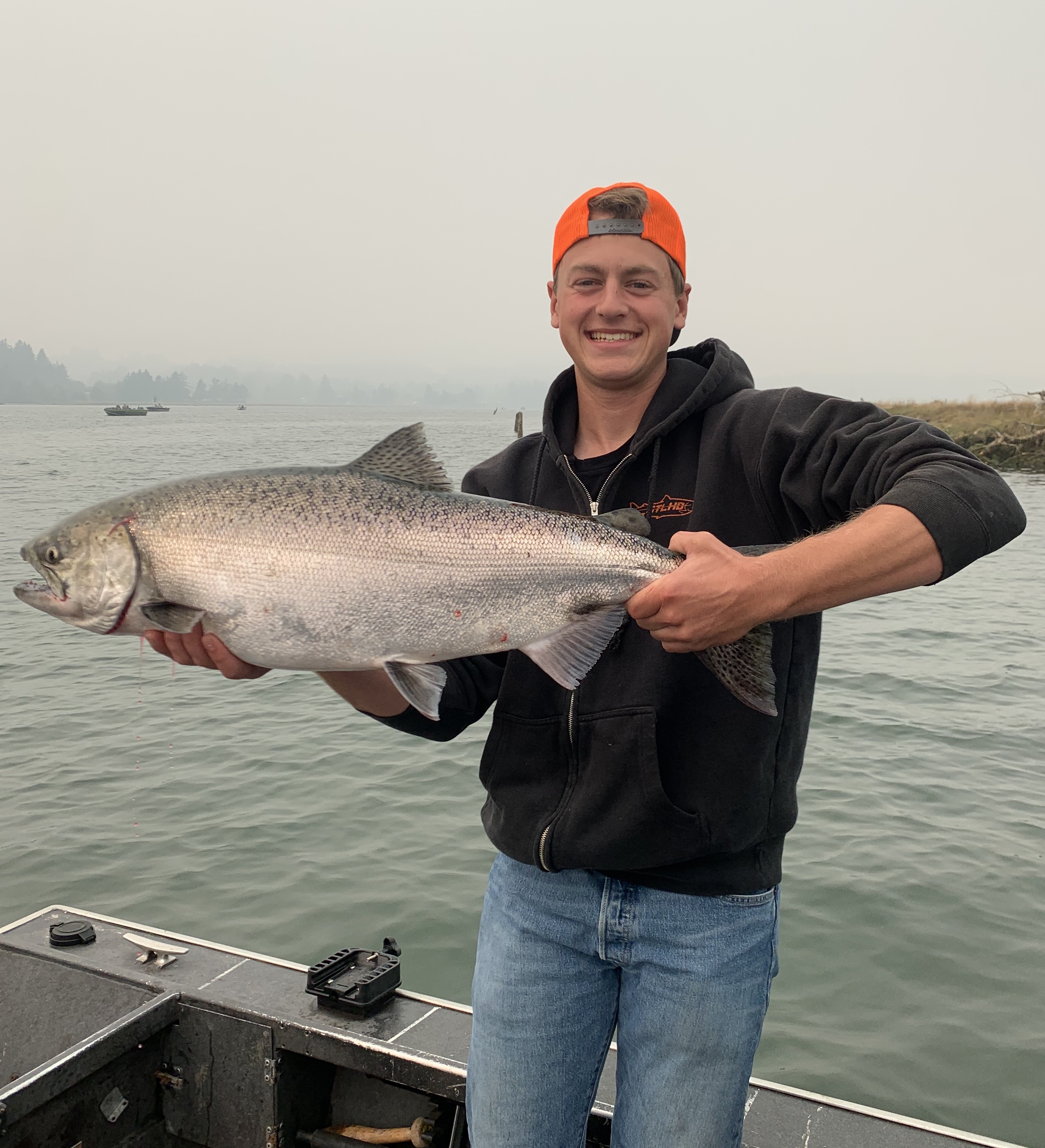
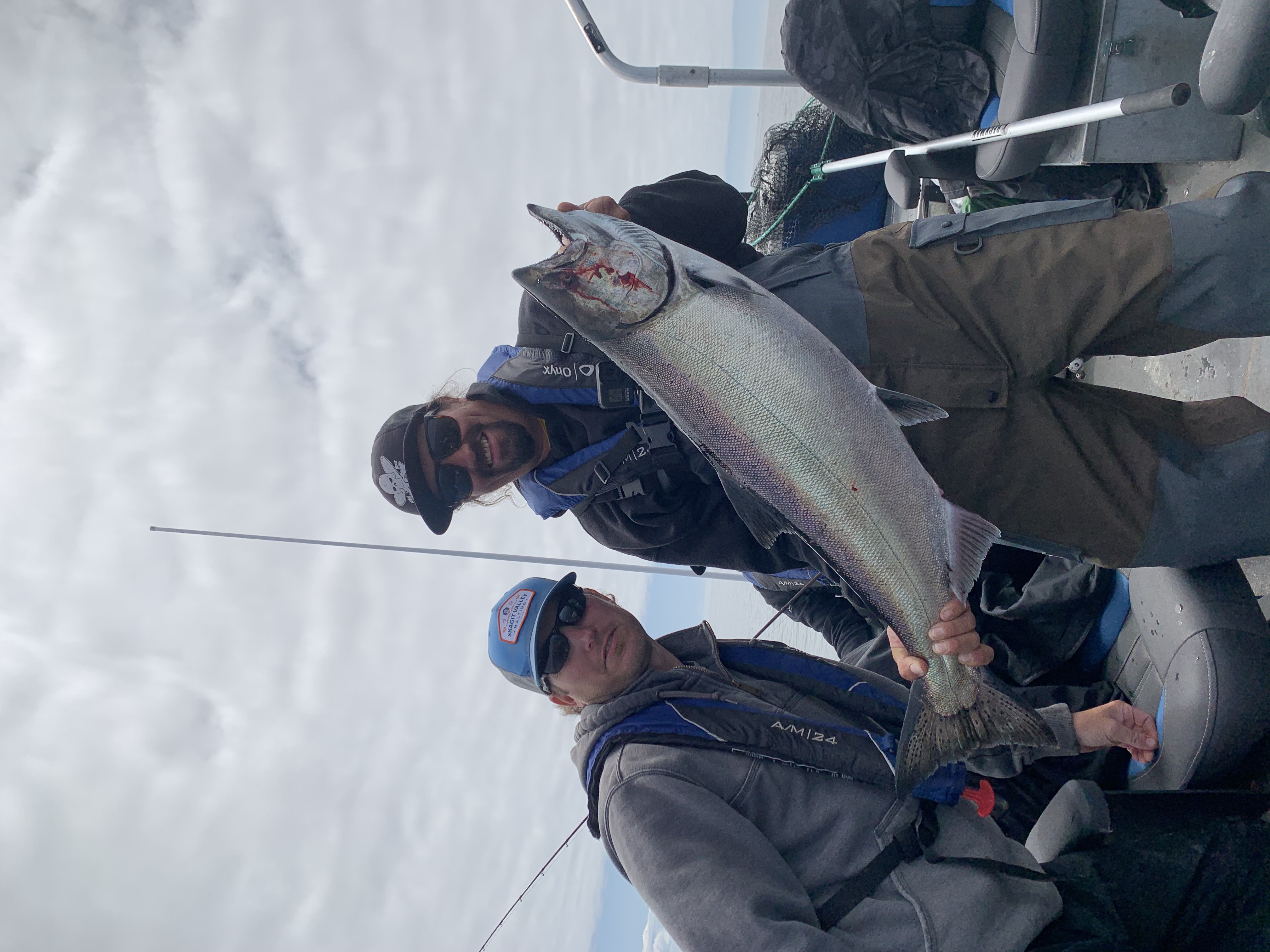
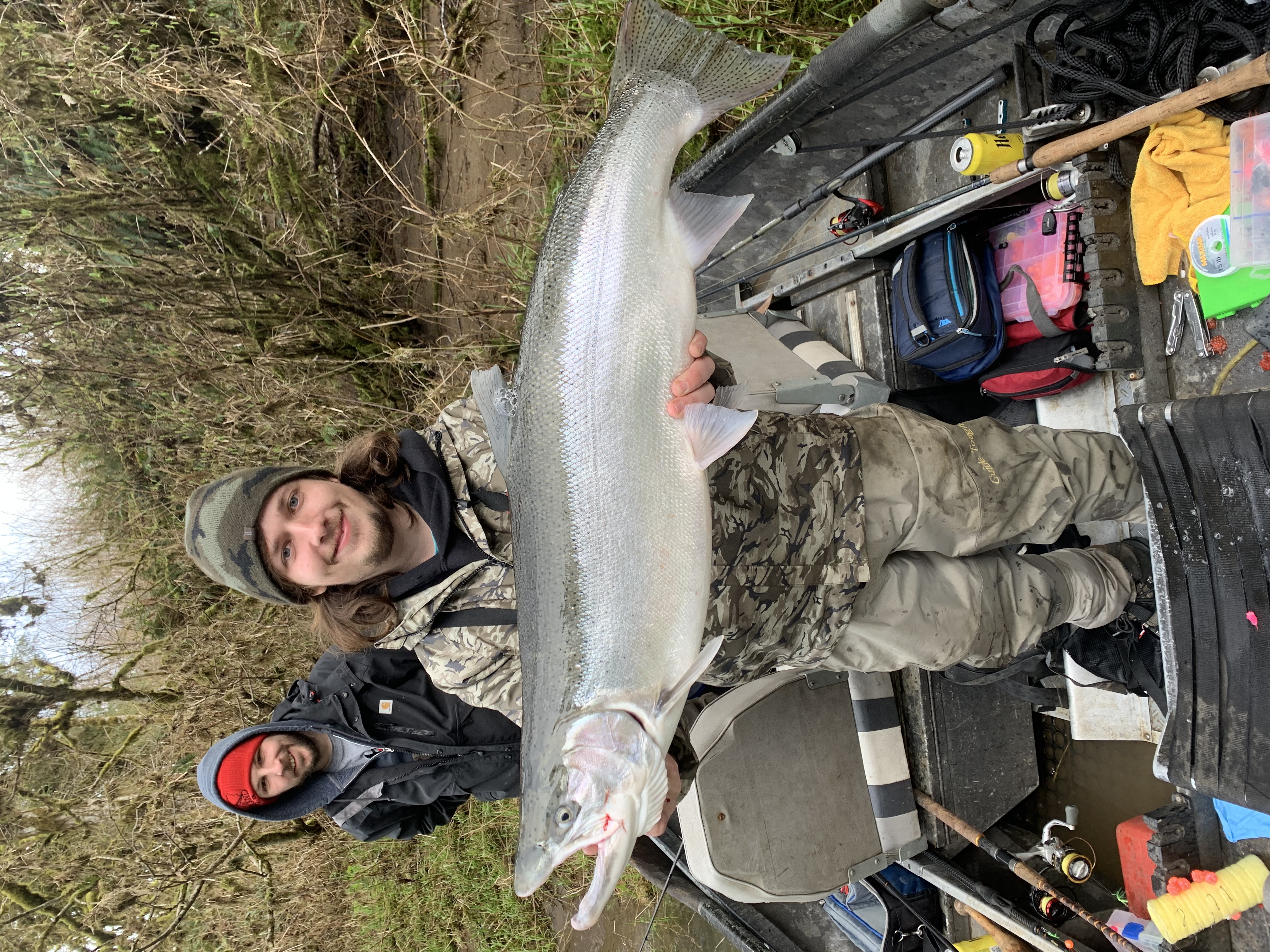
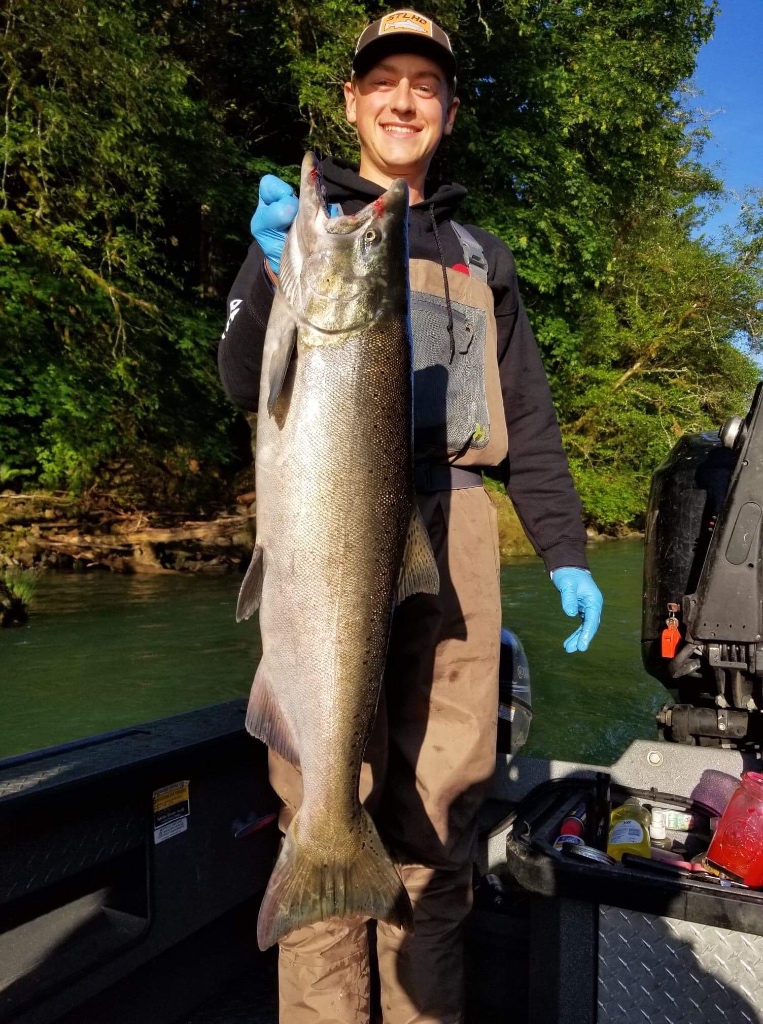
Spring chinook salmon are the crown jewel of Pacific Northwest fishing, and these Oregon tributaries offer some of the most consistent action you'll find. These fish typically range from 15 to 30 pounds, with the occasional larger specimen that'll test your skills and your drag system. What makes spring chinook special isn't just their size – it's their incredible eating quality and the way they fight. Fresh from the ocean, they're loaded with energy and will make long, powerful runs that get your heart pumping. The tributary systems we fish see good runs from March through May, with peak action often occurring in April when water conditions stabilize. These aren't hatchery fish either – many of the chinook in these systems are wild stock with generations of river knowledge bred into their genes. They're smart, they're strong, and they know how to use the current to their advantage. The guide's knowledge of seasonal patterns and daily timing windows gives you the best shot at connecting with these world-class salmon.
Chinook Salmon Insights
Spring chinook salmon represent the pinnacle of West Coast fishing, and understanding their behavior makes each encounter more meaningful. These fish spend several years in the ocean, building size and strength before returning to their natal streams to spawn. In the tributaries, they're holding in deeper pools and runs, often relating to structure like boulders, undercut banks, or log jams that provide cover from the current. Spring chinook are notoriously moody – they might be aggressive one day and completely shut down the next, which is why having an experienced guide reading conditions makes all the difference. Their feeding behavior in freshwater is opportunistic rather than aggressive, so presentation becomes critical. These fish have excellent vision and can detect unnatural bait movement or poor line positioning. What makes targeting spring chinook so rewarding is their combination of size, fight, and table quality. The meat is rich and flaky, perfect for the grill or smoker, and the satisfaction of landing a 20-plus pound salmon on medium tackle in a tributary setting is something every serious angler needs to experience at least once.
Time to Book Your Spot
Spring chinook season moves fast in Oregon, and the best fishing windows can be brief but intense. This single-angler format means you get the guide's full attention, personalized instruction, and maximum rod time – no sharing prime spots or waiting for your turn. The Santiam and McKenzie tributary systems offer some of the most reliable spring chinook fishing in the state, but local knowledge is everything when it comes to timing and technique. Whether you're new to salmon fishing or looking to up your game on these technical waters, this trip delivers the hands-on experience you need. Just bring your fishing license, weather-appropriate clothing, and a lunch – everything else is handled. These tributary chinook trips fill up quickly once word gets out about good fishing, so don't wait until the season is in full swing to secure your date.
 Private Trip
 River Fishing
 Salem, OR
 Full day guided Spring Chinook fishing on tributary rivers