Sunset Wildlife Tour in Yankeetown, Florida
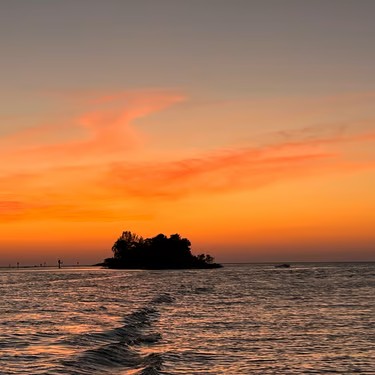
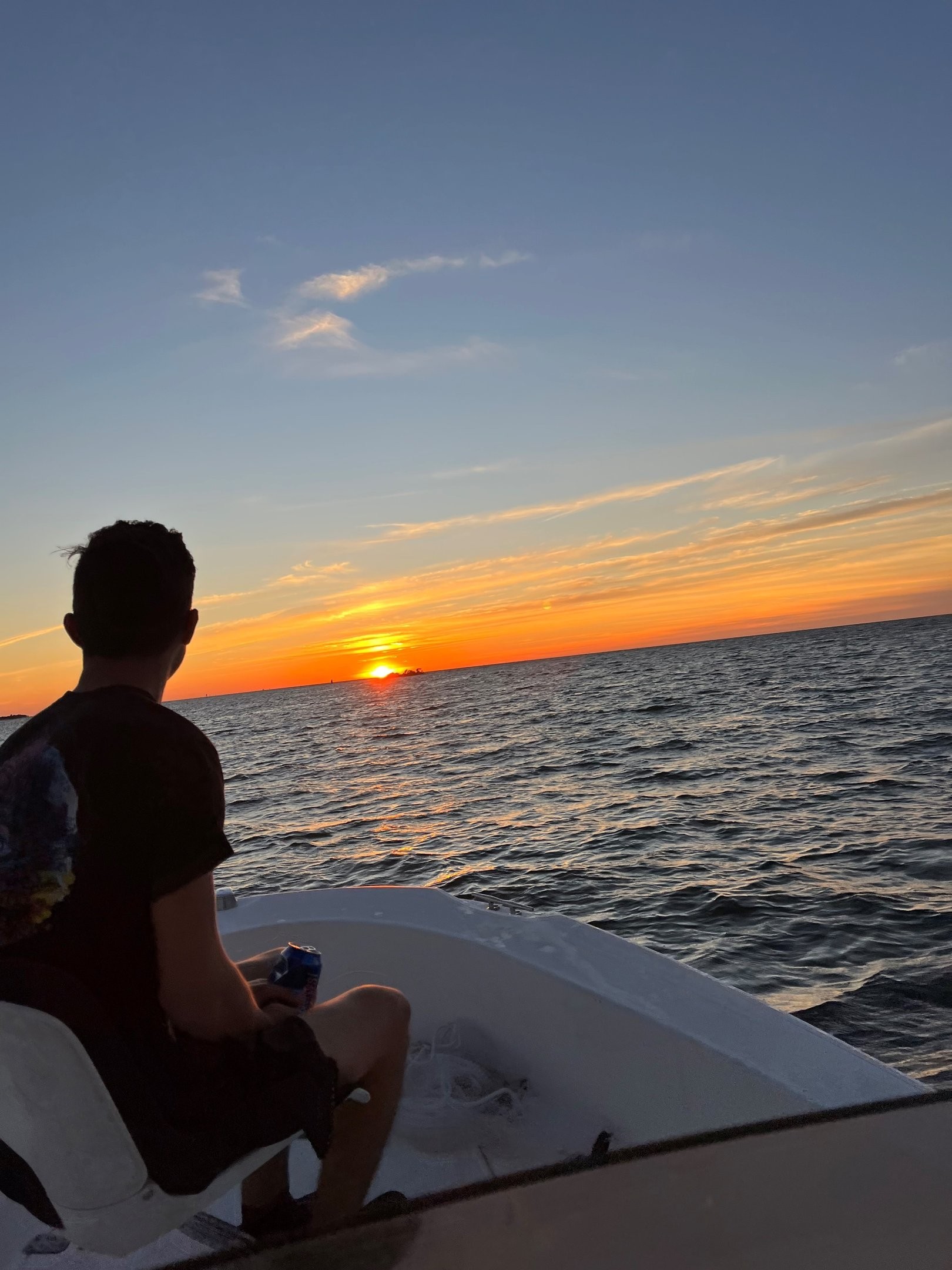
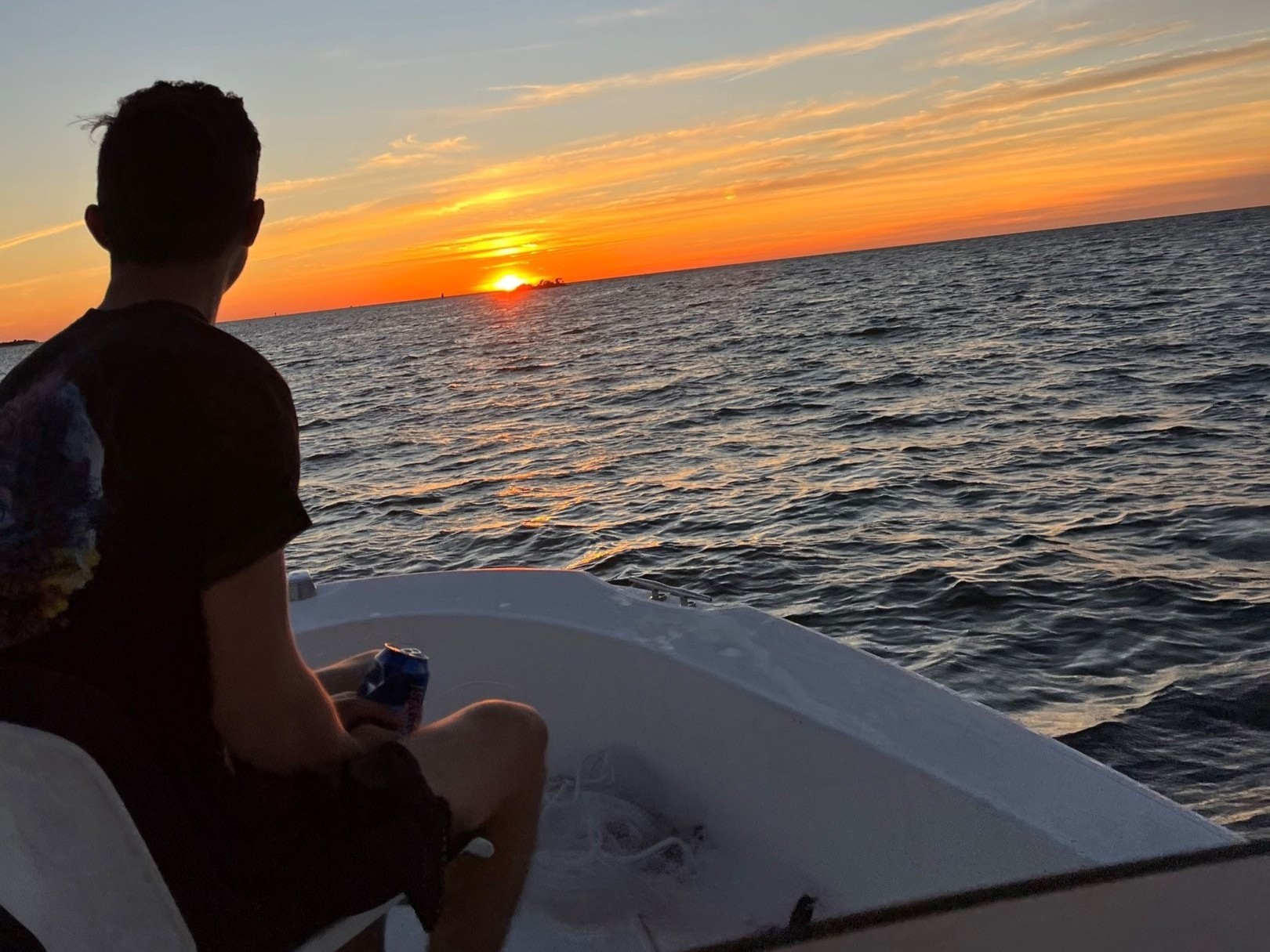
Picture this: you're cruising the calm waters of the Withlacoochee River as the sun starts its golden descent toward the Gulf of Mexico. Our shared sunset and nature boat tour gives you front-row seats to one of Florida's most spectacular evening shows, complete with dolphins playing in the wake and manatees surfacing just yards from your boat. This isn't your typical rushed tourist trip – we're talking about a genuine 2-hour journey through some of the Nature Coast's most pristine waterways, where wildlife sightings are the norm rather than the exception. Captain Ron has been navigating these waters for years, and his local knowledge transforms what could be just another boat ride into a personalized nature documentary happening right before your eyes.
What to Expect on the Water
Your evening adventure starts from Yankeetown's quiet marina, where you'll board our stable 22-foot Godfrey Pontoon – a boat specifically chosen for comfort and wildlife viewing rather than speed. The shallow draft design lets us glide through marshes and backwaters where the big boats can't go, getting you closer to the action without disturbing the natural environment. As we head out into the Withlacoochee River system, the pace is deliberately relaxed. This gives you time to spot movement in the water, listen for bird calls, and actually enjoy conversation with your fellow passengers. The tour route changes based on tides, weather, and recent wildlife activity, but you can count on cruising through protected mangrove tunnels, open river stretches, and coastal marshes that serve as nurseries for countless species. Captain Ron keeps the engine quiet during wildlife encounters, so you'll hear the splash of a jumping mullet or the distinctive blow of a surfacing manatee. The pontoon's open layout means everyone gets great views and photo opportunities, whether you're tracking a great blue heron along the shoreline or watching bottlenose dolphins hunt in the channel.
Tour Style & Equipment
This is wildlife touring at its most authentic – no gimmicks, no guaranteed sightings, just patient observation and respect for the animals we encounter. The pontoon setup works perfectly for this style of nature watching because everyone can move around freely, and the low freeboard puts you close to the water's surface. Captain Ron carries binoculars for guests who want a closer look at distant birds, and the boat's stability makes it easy to use cameras with longer lenses. We navigate using a combination of GPS technology and old-school local knowledge, reading the water conditions and animal behavior to position the boat for optimal viewing. The tour timing is crucial – we launch about two hours before sunset to catch the transition from day to evening when many species are most active. Dolphins often feed more aggressively as the light changes, wading birds move to roosting areas, and manatees surface more frequently in the warming shallows. The return journey happens during the actual sunset, when the western sky explodes in colors that reflect perfectly off the calm river surface. This isn't about covering maximum distance; it's about being in the right place when nature puts on its best show.
Wildlife You'll Encounter
Bottlenose dolphins are the stars of most tours, and the Withlacoochee River system supports a healthy resident population year-round. These aren't the performing dolphins you see at marine parks – they're wild animals going about their daily business of hunting, socializing, and raising their young. You'll often see them working together to corral schools of fish against shallow banks, a behavior called cooperative feeding that's fascinating to watch. Adults typically measure 8-12 feet and can weigh up to 500 pounds, but they move through the water with surprising grace. The best sightings happen during incoming tides when baitfish are pushed into the river system, usually from late afternoon into early evening. What makes dolphin encounters special here is their curiosity about the boat – they'll often approach to investigate, sometimes bow-riding or swimming alongside for several minutes.
West Indian manatees use these waters as both feeding grounds and warm-water refuges, particularly during cooler months from November through March. These gentle giants can reach 13 feet in length and weigh over 1,000 pounds, but they're surprisingly hard to spot until they surface to breathe. Look for the telltale circular ripples when they come up, or the distinctive rounded snout and whiskers when they're feeding in shallow grass beds. Manatees are most active during warmer parts of the day, which makes evening tours perfect for encounters. They're completely harmless and naturally curious, sometimes approaching the boat if we remain still and quiet. Captain Ron knows their preferred feeding areas and can often predict where they'll surface next based on current and grass bed locations. Spring months offer the best chances for sightings as they become more active after winter.
American alligators are permanent residents of the Withlacoochee system, and while some guests are initially nervous, these encounters are completely safe from the boat. Adult gators range from 6-14 feet in length, and they're most visible during warmer months when they're actively hunting and sunning on banks. You'll typically spot them floating motionless near shorelines or partially submerged with just their eyes and nostrils showing. During cooler weather, they become less active but can still be seen basking on mudbanks during warm afternoon hours. What's really cool about gator sightings here is observing their natural behavior – hunting, territorial displays, or simply thermoregulating. Captain Ron can distinguish between males and females by size and behavior patterns, and he'll explain their important role in the ecosystem's balance.
Bald eagles have made a remarkable comeback in this region, and the Withlacoochee area now supports several nesting pairs year-round. Adult eagles are unmistakable with their white heads and tails, massive 6-8 foot wingspans, and distinctive flight patterns. The best eagle activity happens during their nesting season from October through May, when you might witness territorial flights, fishing behavior, or adults returning to massive stick nests with food for their young. Juveniles lack the white plumage
 Shared Trip
 Wildlife
 undefined, undefined
 Two-hour sunset cruise along Withlacoochee River and marshes