Tamarindo Full Day Offshore Fishing Charter
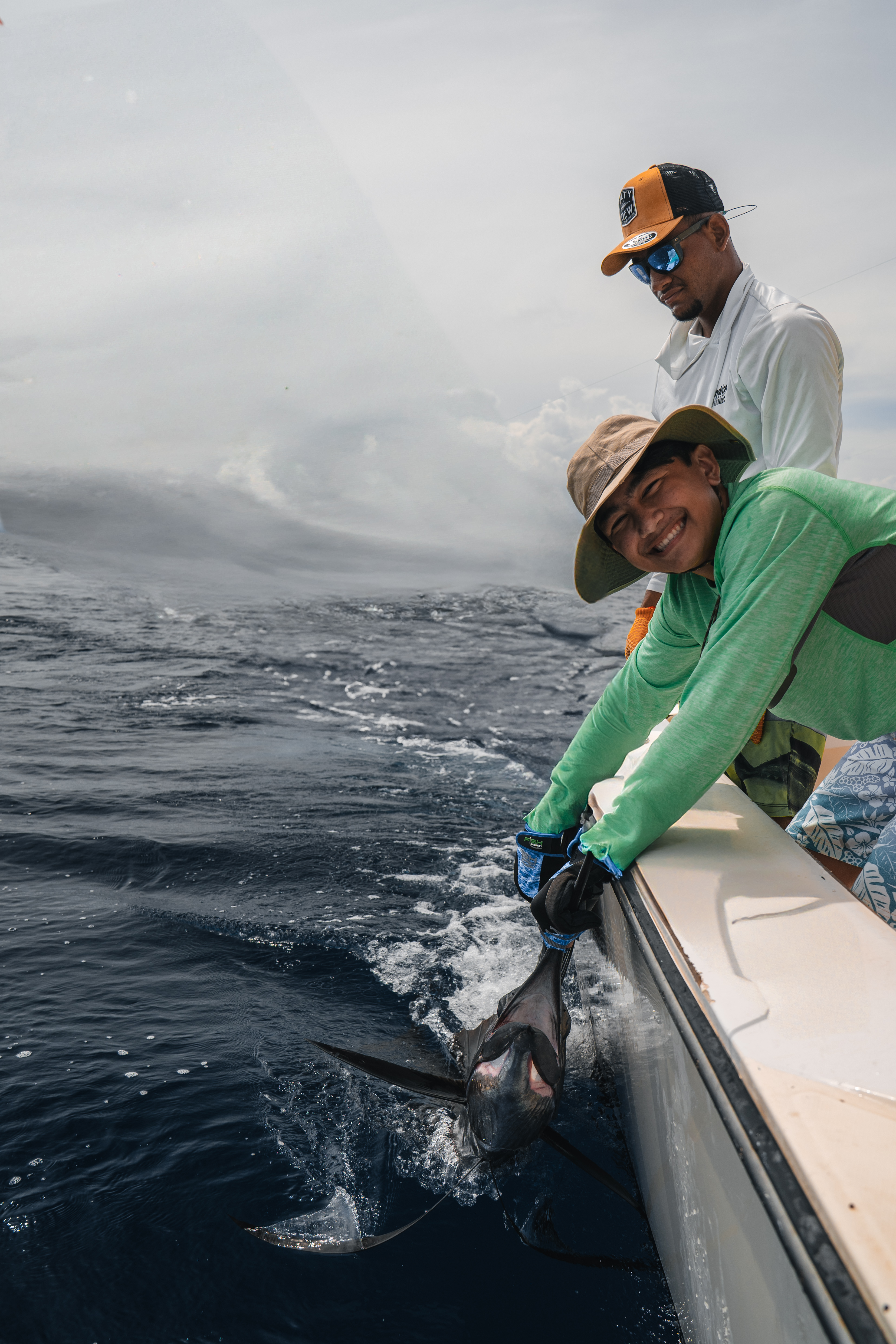
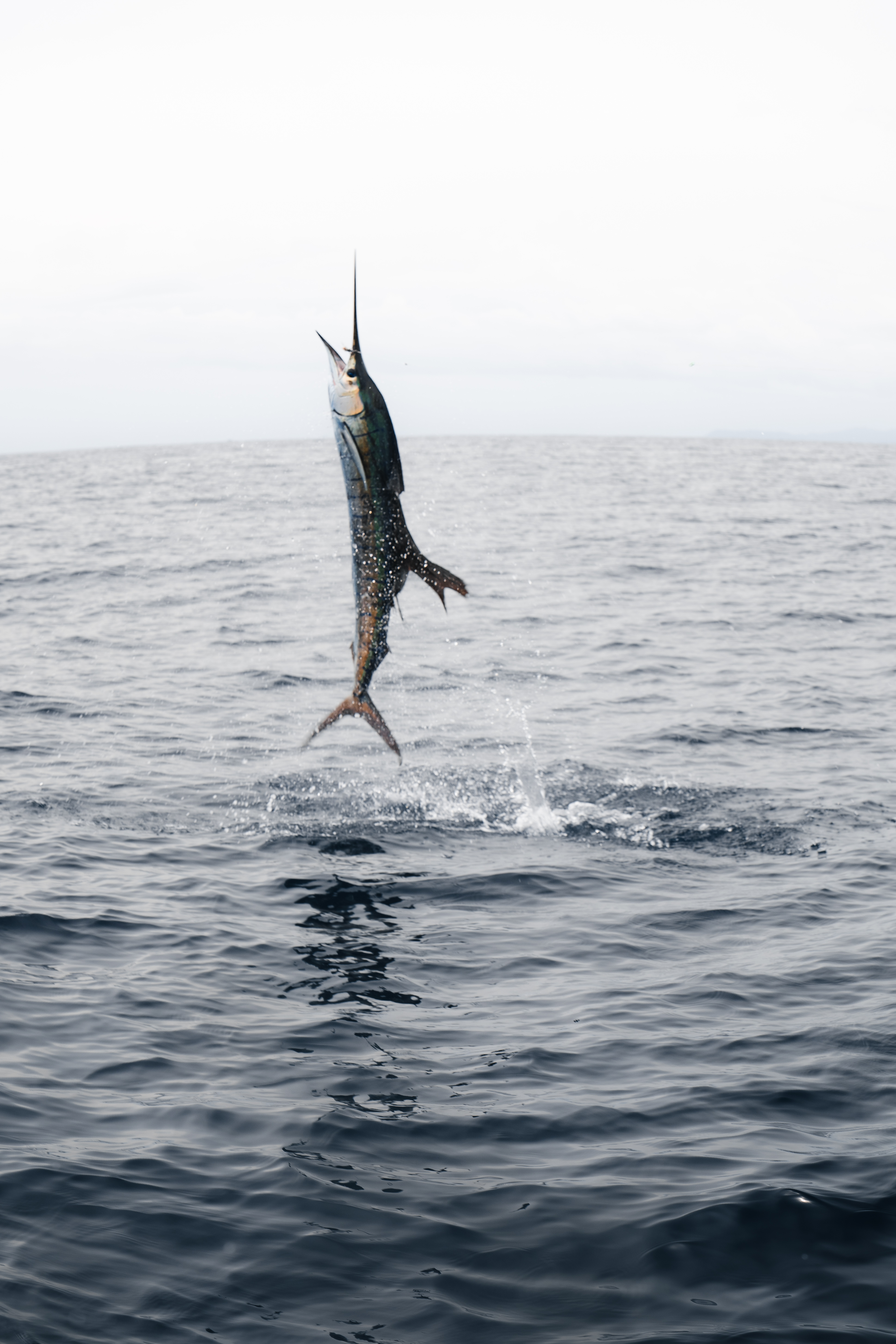
Captain Frank's full-day offshore charter gives you the freedom to chase whatever's biting in Costa Rica's world-class Pacific waters. With 9 hours on the water and the range to work up to 40 miles from Tamarindo, this private trip puts you in the driver's seat for one of the best fishing experiences on the Guanacaste coast. Whether you're after a trophy sailfish or filling the cooler with mahi and wahoo, Frank knows exactly where to put you on the fish. The boat handles up to six anglers comfortably, so bring your crew and get ready for some serious fishing time.
What to Expect on the Water
This charter starts before sunrise when the fishing is prime and the water's still calm. Frank typically begins the day working the nearshore reefs for red snapper and roosterfish before making the run to deeper water where the real action happens. You'll cover a lot of ground in 9 hours, switching between trolling for pelagics and working live bait around structure depending on what's showing up on the fish finder. The boat's equipped with quality Penn and Shimano gear, but seasoned anglers often bring their favorite rods for the big ones. There's plenty of shade when you need a break from the Costa Rican sun, plus onboard facilities that make the long day comfortable. Frank adjusts the game plan throughout the day based on water temperature, current breaks, and bird activity – that's what separates the top-rated captains from the rest.
Techniques and Tackle
Frank runs a mix of trolling patterns and live bait fishing depending on conditions and target species. For the offshore run, expect to pull a spread of lures at varying depths – typically rigging ballyhoo, cedar plugs, and diving lures to cover the water column where wahoo, tuna, and marlin cruise. When the bite slows on artificials, Frank switches to live bait fishing around FADs (fish aggregating devices) and current edges where mahi mahi and sailfish stack up. The boat carries circle hooks in various sizes, fluorocarbon leaders from 60 to 200 pounds, and enough terminal tackle to handle anything from schoolie tuna to blue marlin. You'll work with conventional reels loaded with 30 to 80-pound line, and Frank's not shy about putting guests on the heavy gear when something big shows up on the sonar. The key to success out here is reading the water – watching for temperature breaks, bird activity, and debris lines where baitfish concentrate.
Species You'll Want to Hook
Roosterfish are the crown jewel of Costa Rican inshore fishing, and Tamarindo's rocky points and sandy beaches create perfect rooster habitat. These fish hit live bait and lures with serious attitude, often jumping clear out of the water when hooked. You'll find them in 30 to 100 feet of water, especially around the seasonal baitfish schools that move through from December to April. What makes roosters special isn't just their iconic dorsal fin – they're smart fighters that use their broad sides and the current to their advantage. Most fish run 15 to 40 pounds, but 50-pounders show up regularly during peak season.
Mahi mahi are the workhorses of offshore fishing here, schooling around floating debris and current lines year-round. These fish grow fast in Costa Rica's nutrient-rich waters, with bulls reaching 30 to 50 pounds by their second year. They're suckers for trolled ballyhoo and live sardines, often traveling in schools where you can boat multiple fish quickly. The best action happens when you find a log or debris line holding bait – mahi will stack up underneath and feed aggressively throughout the day. Their bright colors and acrobatic fights make them a customer favorite, plus they're excellent table fare.
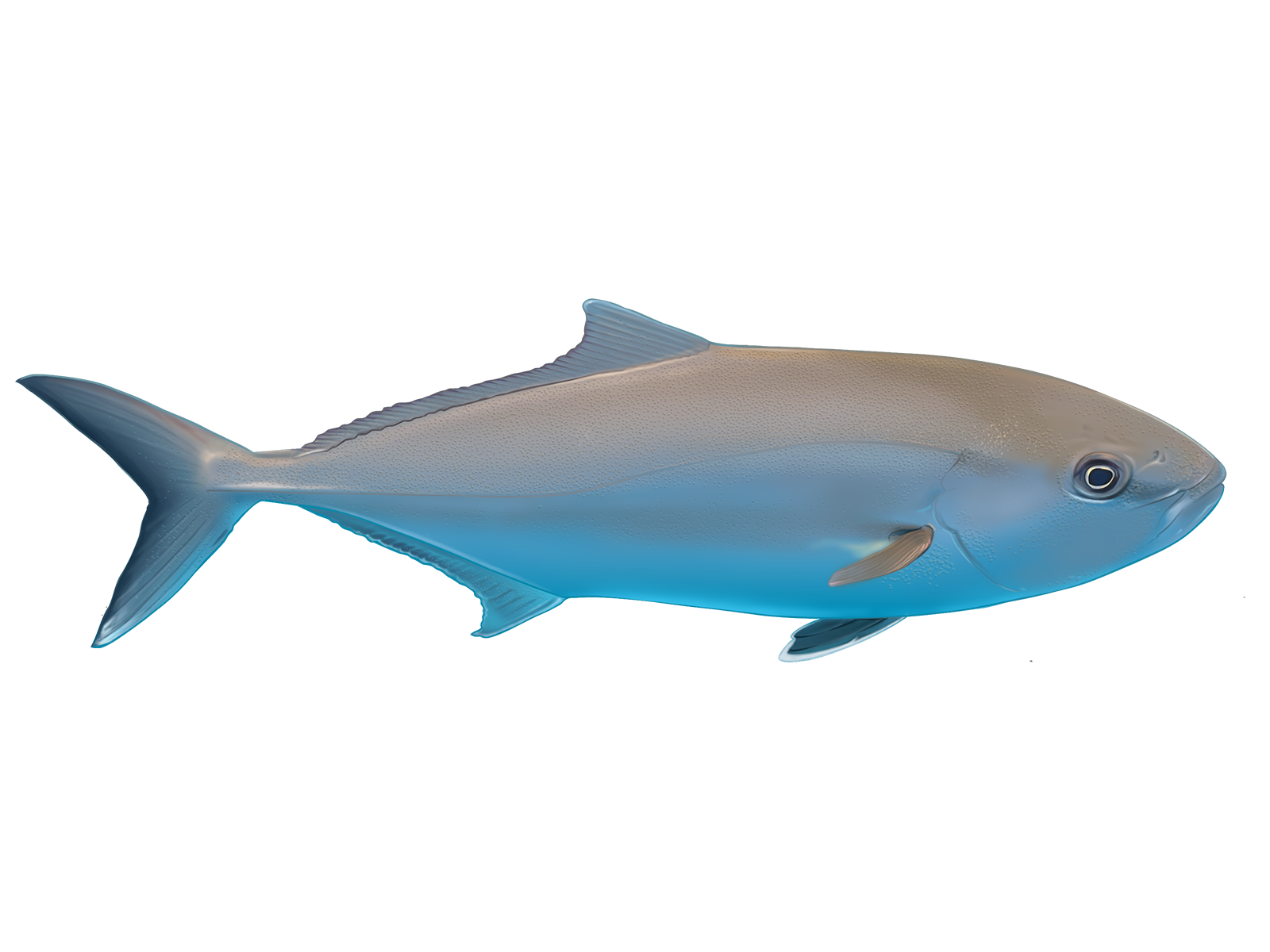
Greater amberjack patrol the deeper reefs and offshore pinnacles, ambushing baitfish with powerful runs that test your drag system. These fish average 20 to 60 pounds around Tamarindo, with the occasional 80-pounder that'll make you question your tackle choices. They're most active during the dry season months when water clarity improves and baitfish concentrate around structure. Amberjack hit live bait dropped near the bottom and vertical jigs worked through the water column. What anglers love about these fish is their bulldogging fight – they don't jump, but they pull hard and long, making every hookup a real battle.
Great barracuda are the speed demons of the reef, hitting trolled lures with lightning-fast strikes that often result in spectacular jumps. Costa Rica's barracuda run larger than their Caribbean cousins, with 15 to 30-pound fish common around Tamarindo's offshore waters. They're visual predators that key on shiny lures and fast-moving baits, making them perfect targets for high-speed trolling. The bite is best during periods of good water clarity when cuda can see lures from a distance. Their razor-sharp teeth and aggressive nature make them exciting to catch, though you'll want to use wire leaders to avoid bite-offs.
Cobia are the wanderers of the offshore scene, cruising current lines and following rays in search of an easy meal. These fish show up year-round but peak during the transition months when water temperatures fluctuate. They're sight fishing targets that respond well to live bait presented near the surface, often following the bait boat before committing to the bite. Cobia average 20 to 40 pounds locally, with their broad heads and shark-like appearance making them unmistakable when hooked. What sets them apart is their curious nature – they'll often circle the boat multiple times before deciding to feed, giving anglers a real adrenaline rush.
Time to Book Your Spot
Frank's full-day charter gives you the time and range to experience the best of Tamarindo's fishing scene in one
 Private Trip
 Offshore Fishing
 Tamarindo, Guanacaste Province



 Nine-hour private charter targeting offshore species up to 40 miles out