PADI Advanced Open Water Private Course Palm Beach
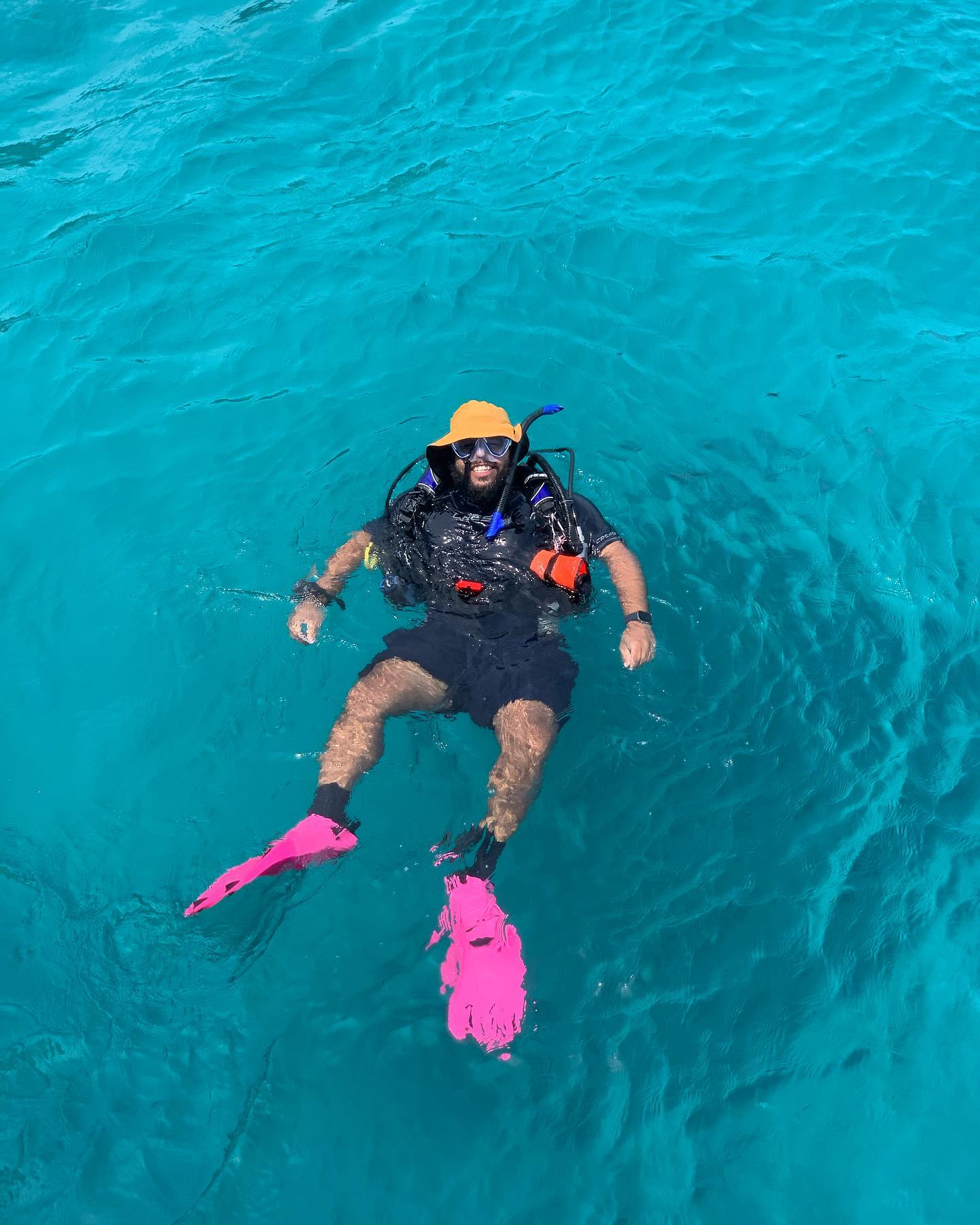
Ready to push your diving boundaries beyond the basic Open Water limits? This private Advanced Open Water Diver course in Palm Beach County gives you the personalized attention every serious diver deserves. You'll work one-on-one with a certified PADI/SDI instructor who tailors every aspect of your training to your pace and interests. No crowded classes, no waiting around for other students – just focused, hands-on instruction that gets you certified efficiently while building real confidence underwater. Palm Beach's crystal-clear waters and diverse dive sites create the perfect classroom for advancing your skills, whether you're looking to explore deeper wrecks or navigate complex reef systems with precision.
Beneath the Surface
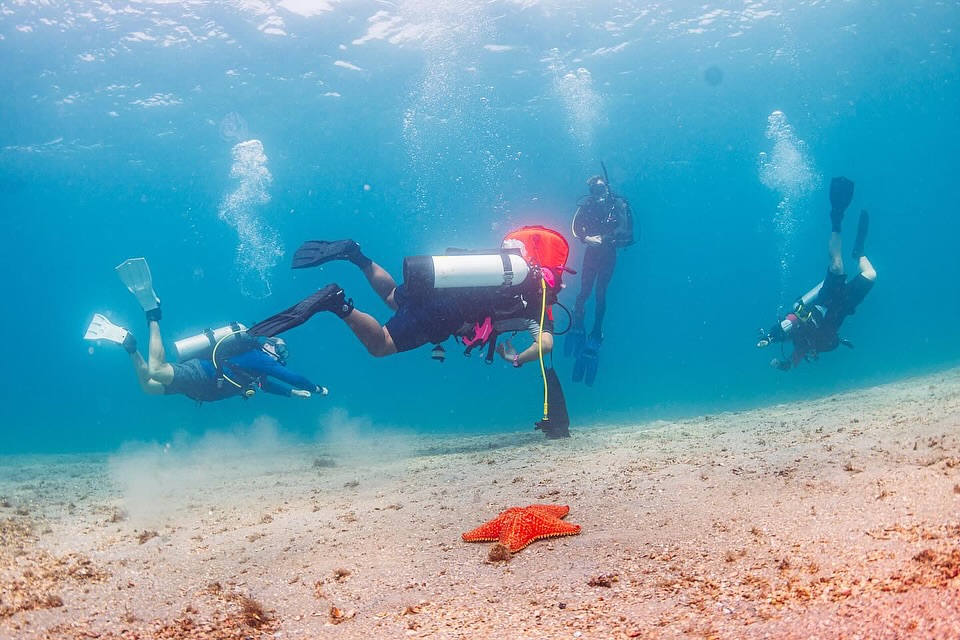
This isn't your typical certification mill experience. You get a fully customized training program that works around your schedule, not the other way around. Your instructor meets you at convenient launch points like Riviera Beach, Boynton Beach, or Pompano Beach – all prime access points to Palm Beach County's legendary diving spots. The course includes your online knowledge development modules, so you can knock out the theory work at home before hitting the water. Once you're suited up, you'll complete five adventure dives that cover deep diving fundamentals and underwater navigation, plus three specialty dives you choose based on your interests. Want to focus on wreck penetration? Peak performance buoyancy? Night diving? Your call. The single-student capacity means every minute underwater is dedicated to perfecting your technique and building the muscle memory that separates confident divers from nervous beginners.
Dive Brief & Gear Info
Your training dives happen on some of Florida's most forgiving yet challenging sites, where you'll practice advanced skills in real-world conditions. The deep diving portion typically takes you down to 100 feet, where you'll learn to manage nitrogen narcosis, monitor your air consumption more precisely, and understand how colors change as natural light fades. Navigation training covers both compass work and natural navigation techniques – essential skills when you're exploring Palm Beach's extensive reef systems where landmarks can look surprisingly similar. All your gear is included: wetsuit, BCD, regulator, mask, fins, weights, and tanks. Your instructor handles the technical setup while explaining each piece of equipment's role in advanced diving scenarios. You'll also get hands-on experience with safety equipment like delayed surface marker buoys and dive computers, tools that become crucial when you start planning deeper, more complex dives on your own.
Marine Life You'll See
Palm Beach County's reefs come alive with marine species that make every training dive feel like an adventure. Goliath grouper patrol the deeper ledges and wrecks, sometimes reaching 400+ pounds and stretching over six feet long. These gentle giants are most active during summer months when they gather in impressive numbers around structural features. Don't be surprised if one approaches for a closer look – they're naturally curious and completely harmless, though their size can be startling for newer divers. Your deep diving training often includes encounters with these magnificent fish, teaching you to stay calm and maintain proper buoyancy even when faced with something unexpectedly large.
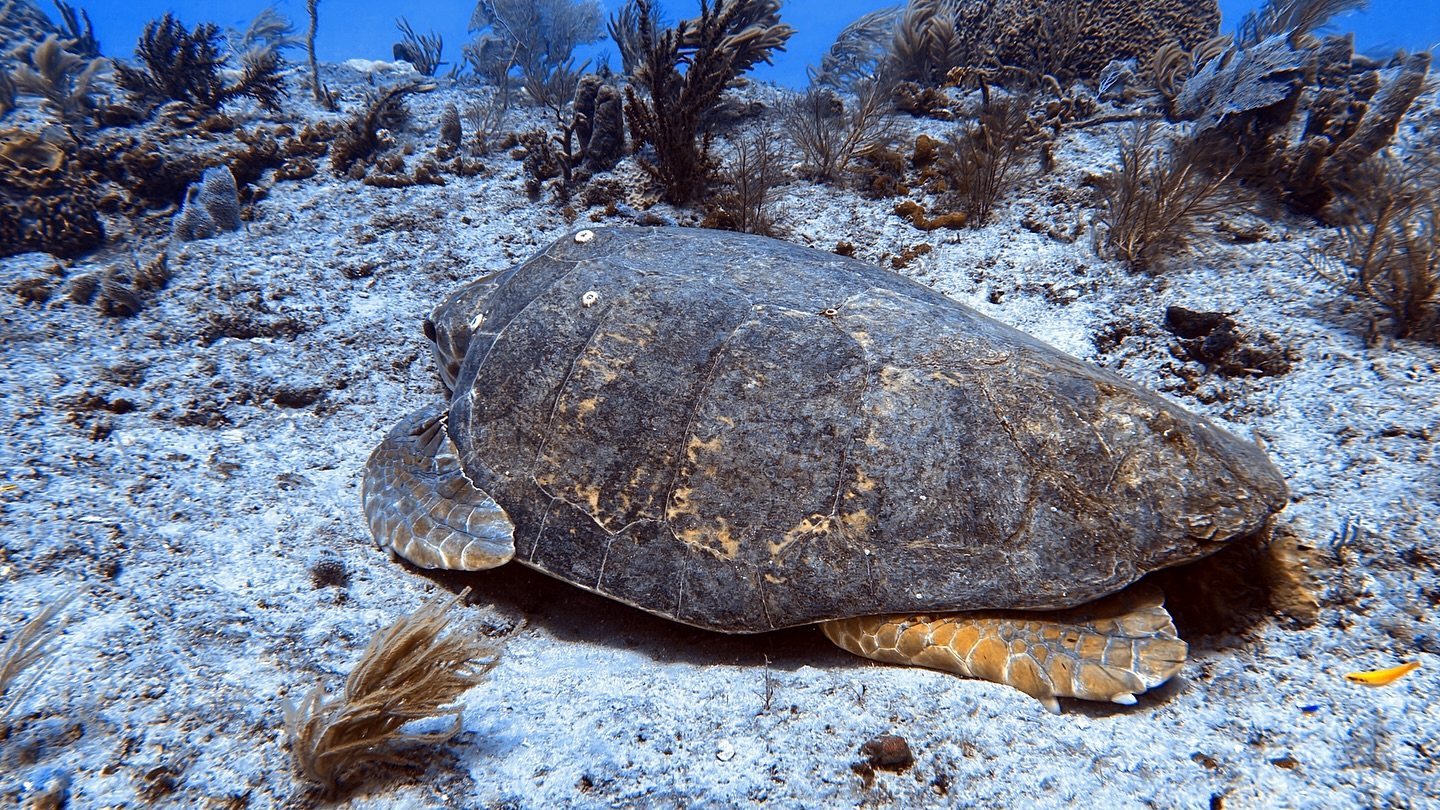
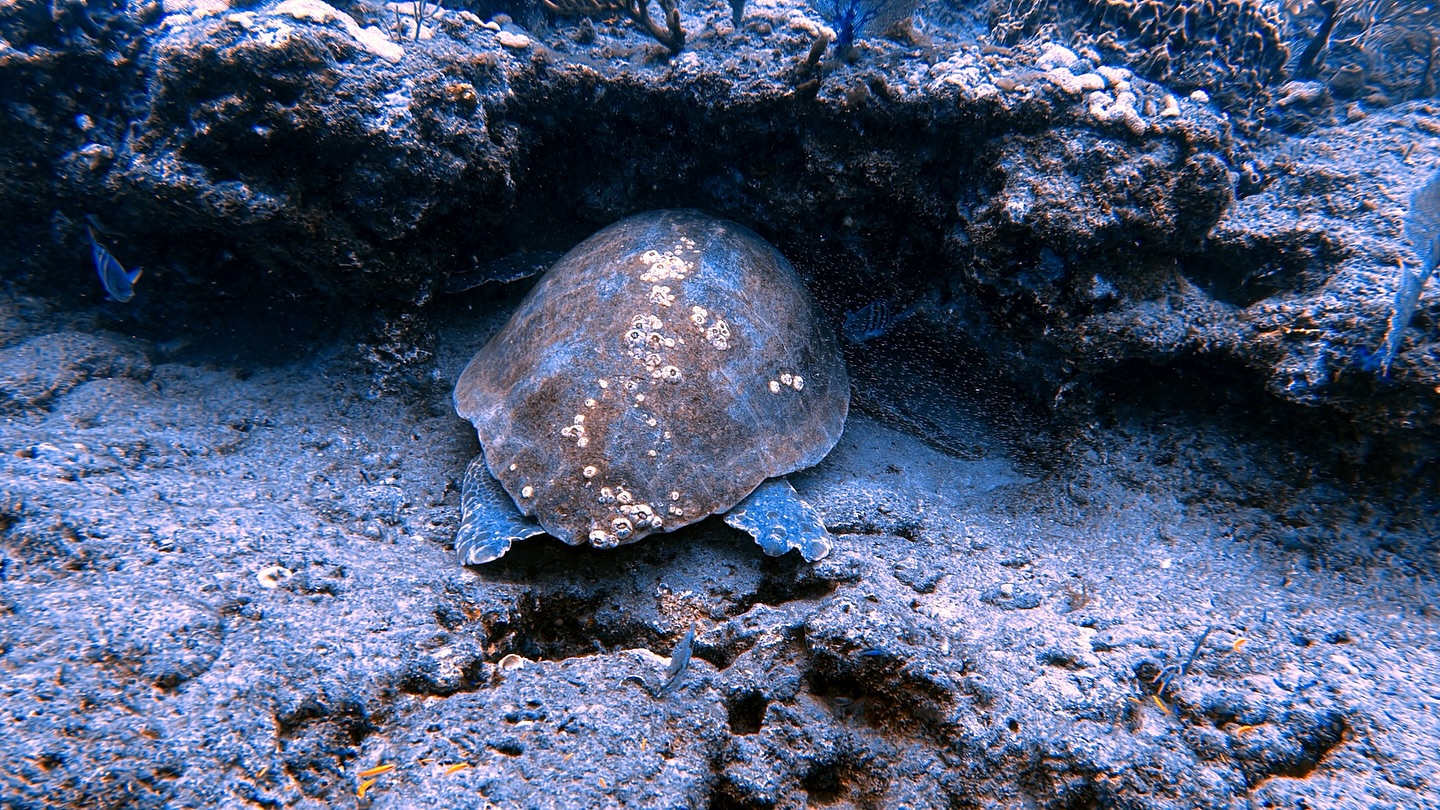
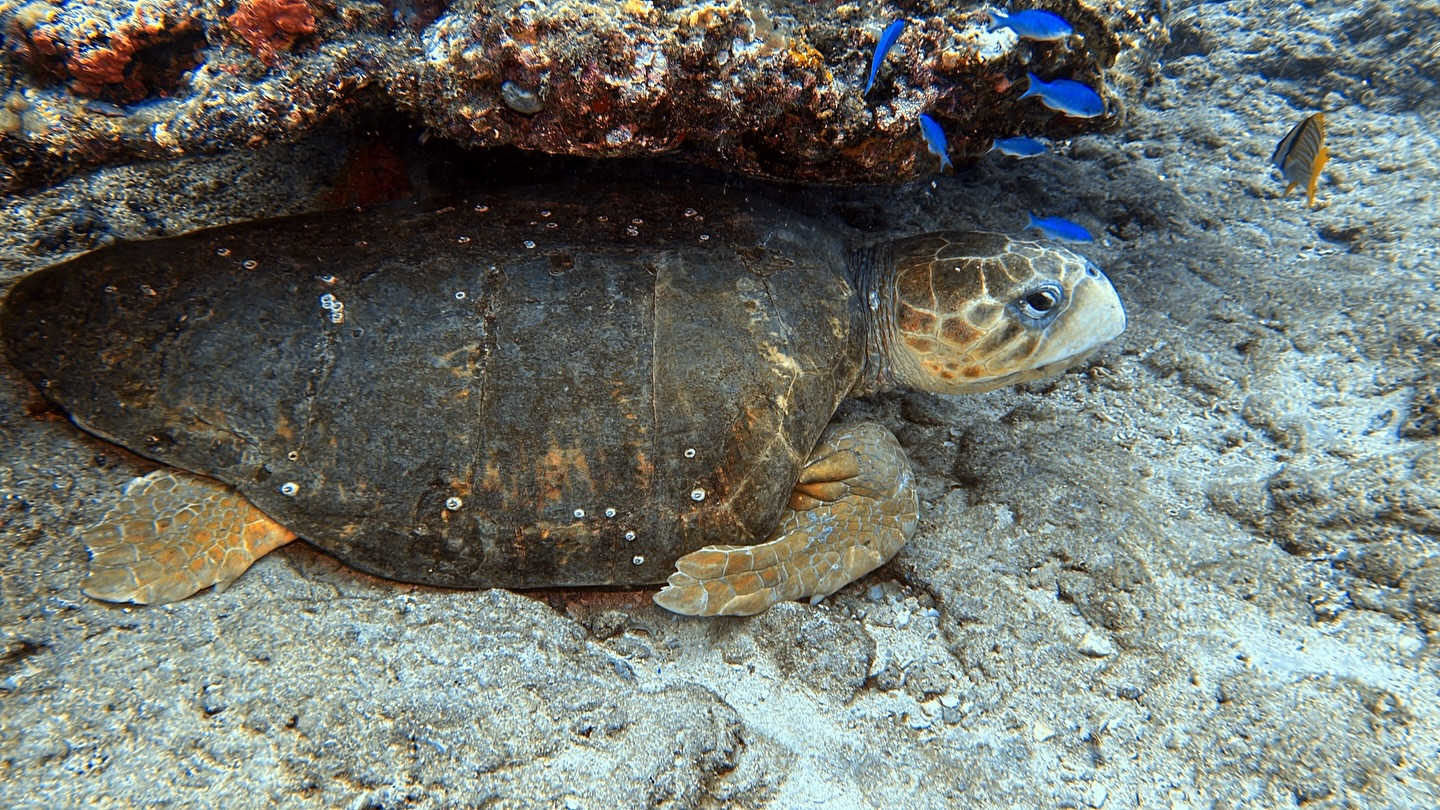
Nurse sharks cruise the sandy bottoms and reef edges throughout the year, offering perfect subjects for practicing your underwater photography skills during specialty dives. These docile sharks rest in caves and overhangs during daylight hours, making them predictable subjects for building confidence around larger marine life. Green sea turtles frequent the reef systems year-round, though summer months bring higher numbers as they move through the area to nest on nearby beaches. Their graceful swimming style and gentle nature make them ideal companions during navigation exercises – following a turtle often reveals hidden reef structures and interesting topography you might otherwise miss.
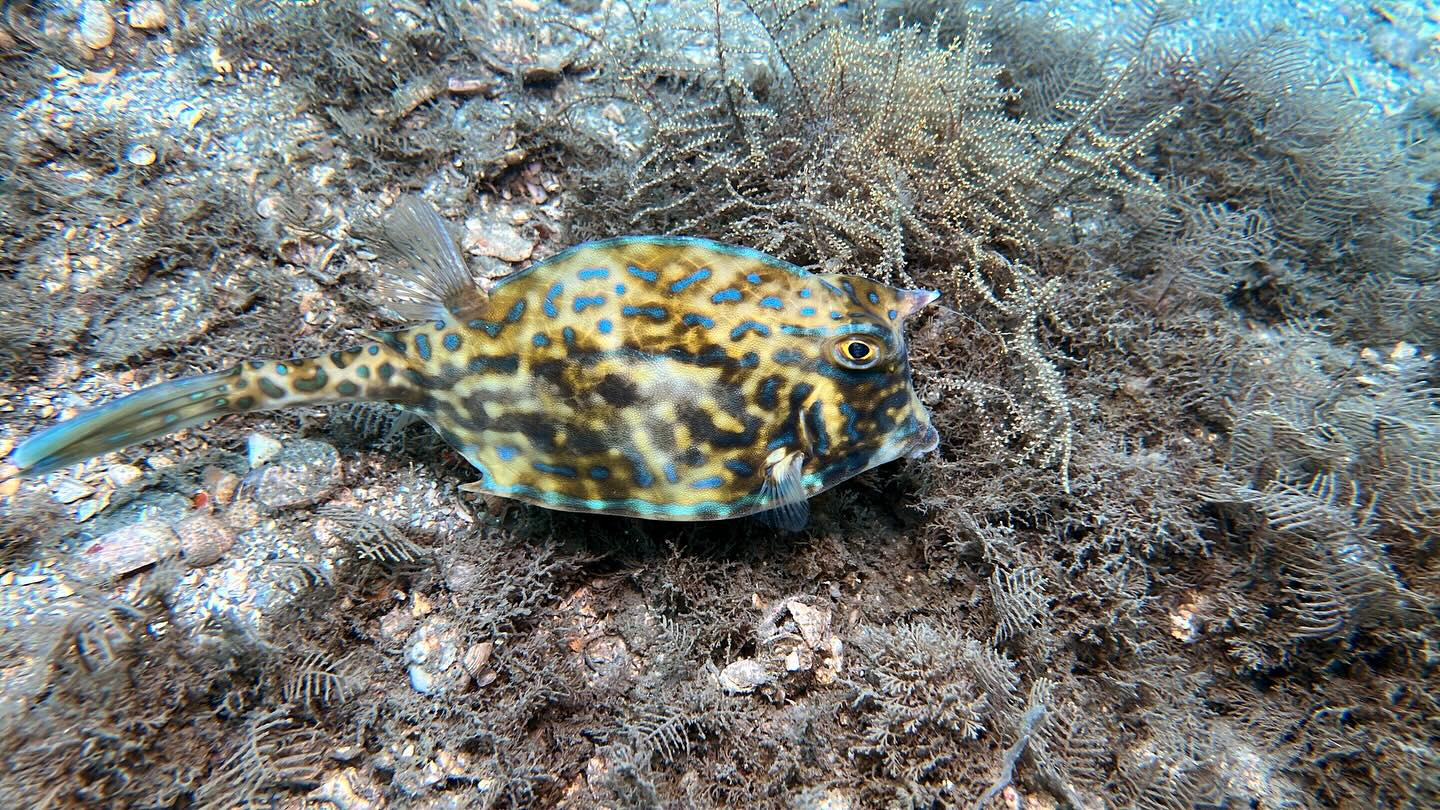
The reef fish diversity explodes during warmer months when tropical species move north with the Gulf Stream. Parrotfish, angelfish, and wrasses create a constantly moving kaleidoscope of colors that makes practicing your buoyancy control both challenging and rewarding. Schools of yellowtail snapper and blue tangs often surround divers at popular sites, providing excellent opportunities to practice the neutral buoyancy skills that separate advanced divers from beginners. Your instructor uses these fish interactions to teach advanced techniques like approaching marine life without causing stress or disruption to their natural behaviors.
Plan Your Next Dive
This private Advanced Open Water course sets you up for a lifetime of confident diving in destinations worldwide. The personalized instruction ensures you actually master each skill instead of just checking boxes, while the flexible scheduling makes it easy to fit serious training into a busy lifestyle. Palm Beach County's diverse diving conditions – from shallow reefs to deep ledges, from calm protected areas to mild current situations – give you experience that translates directly to diving anywhere in the Caribbean or beyond. Your certification opens doors to advanced specialty courses, technical diving programs, and dive destinations that require AOW credentials. Limited to just one student per course, spots fill up quickly with divers who understand the value of quality instruction. Book now with Diving With Moon and take that crucial next step in your diving journey.

 Shared Trip
 Scuba Diving
 Palm Beach
 Private PADI Advanced Open Water certification with personalized instruction