Night Diving Certification in Palm Beach County
Ready to see the ocean after dark? Night diving opens up a completely different underwater world, and Palm Beach County's warm waters make it one of the top-rated spots on the East Coast to earn your PADI Night Diver specialty. With Diving With Moon, you'll get private instruction over two to three guided night dives, learning everything from dive light techniques to low-visibility navigation. This isn't just about getting another cert card – it's about discovering marine life that only comes alive when the sun goes down. Your certified instructor will teach you the ins and outs of night diving safety, communication, and planning, all while exploring some of the best night dive sites Palm Beach has to offer.
Beneath the Surface
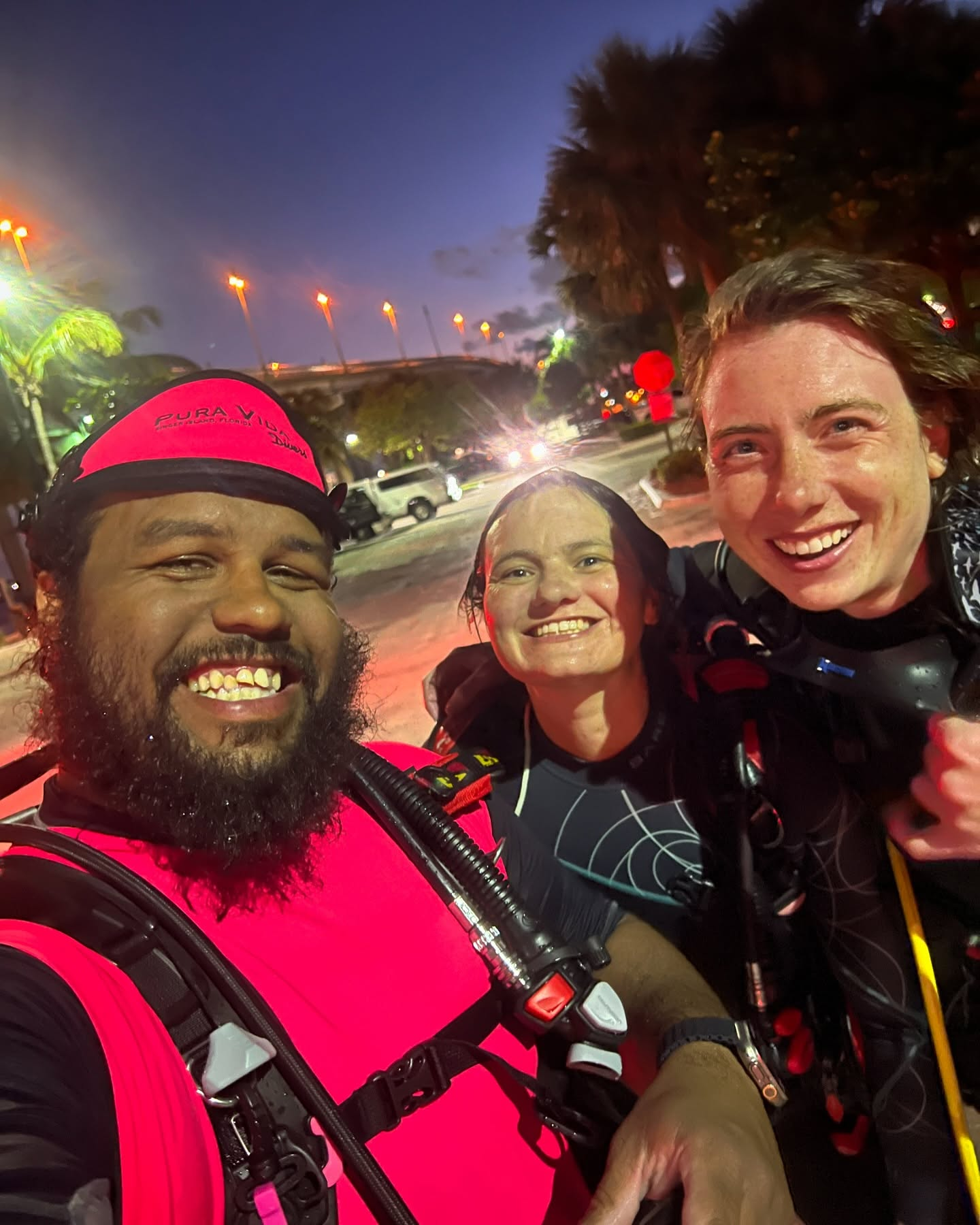
Night diving transforms familiar reef sites into mysterious underwater landscapes. During your private PADI Night Diver course, you'll experience how the ocean completely changes personality after sunset. Creatures that hide during the day emerge to hunt and feed, while daytime fish settle into their nighttime routines. Your instructor will guide you through the unique challenges and rewards of diving in darkness, from your first giant stride entry off the boat to surfacing under a canopy of stars. Palm Beach County's consistent visibility and calm conditions make it ideal for learning night diving skills. The water temperature stays comfortable year-round, typically ranging from the mid-70s in winter to low 80s in summer, so you won't be dealing with thick wetsuits that can complicate your first night dives. Each dive builds on the previous one, starting with twilight conditions and progressing to full darkness as your confidence grows.
Dive Brief & Gear Info
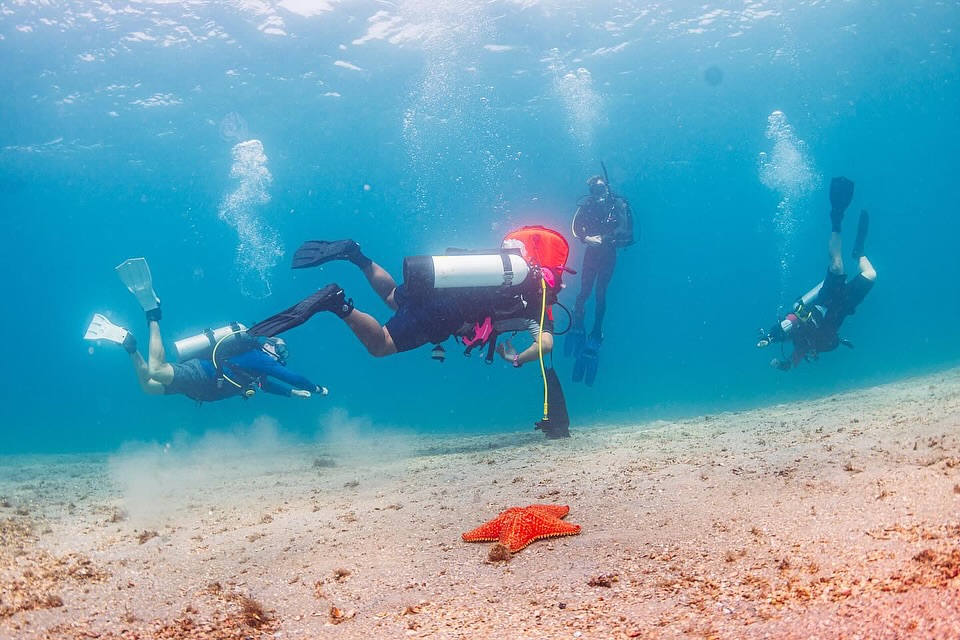
Your night diving education starts with proper gear knowledge and dive planning techniques. You'll learn to use primary and backup dive lights effectively – not just how to turn them on, but how to position the beam to avoid blinding your buddy or disturbing marine life. All basic scuba gear comes included, plus specialized night diving equipment like high-powered LED lights and backup illumination. Compass navigation becomes crucial when familiar landmarks disappear in the darkness, so you'll practice underwater navigation techniques and learn to use natural reference points. Communication changes completely at night, and you'll master hand signals with dive lights, emergency signaling procedures, and how to stay in contact with your dive buddy when visibility drops. The course covers dive planning specific to night conditions, including entry and exit procedures, how to manage your air consumption in low-stress night environments, and safety protocols that differ from daytime diving. Your instructor will demonstrate proper light etiquette, show you how to avoid damaging sensitive coral with your fins in reduced visibility, and teach you to move slowly and deliberately to avoid stirring up sediment.
Marine Life You'll See
Night diving in Palm Beach County reveals creatures you'd never encounter during day dives. Moray eels become active hunters after dark, emerging from their reef crevices to patrol the sandy bottom areas. These impressive predators, ranging from small goldentail morays to massive green morays over four feet long, are generally docile around divers but provide amazing photo opportunities as they glide through your dive light beam. Watch for their distinctive hunting behavior as they use their excellent sense of smell to track down sleeping fish and crustaceans.
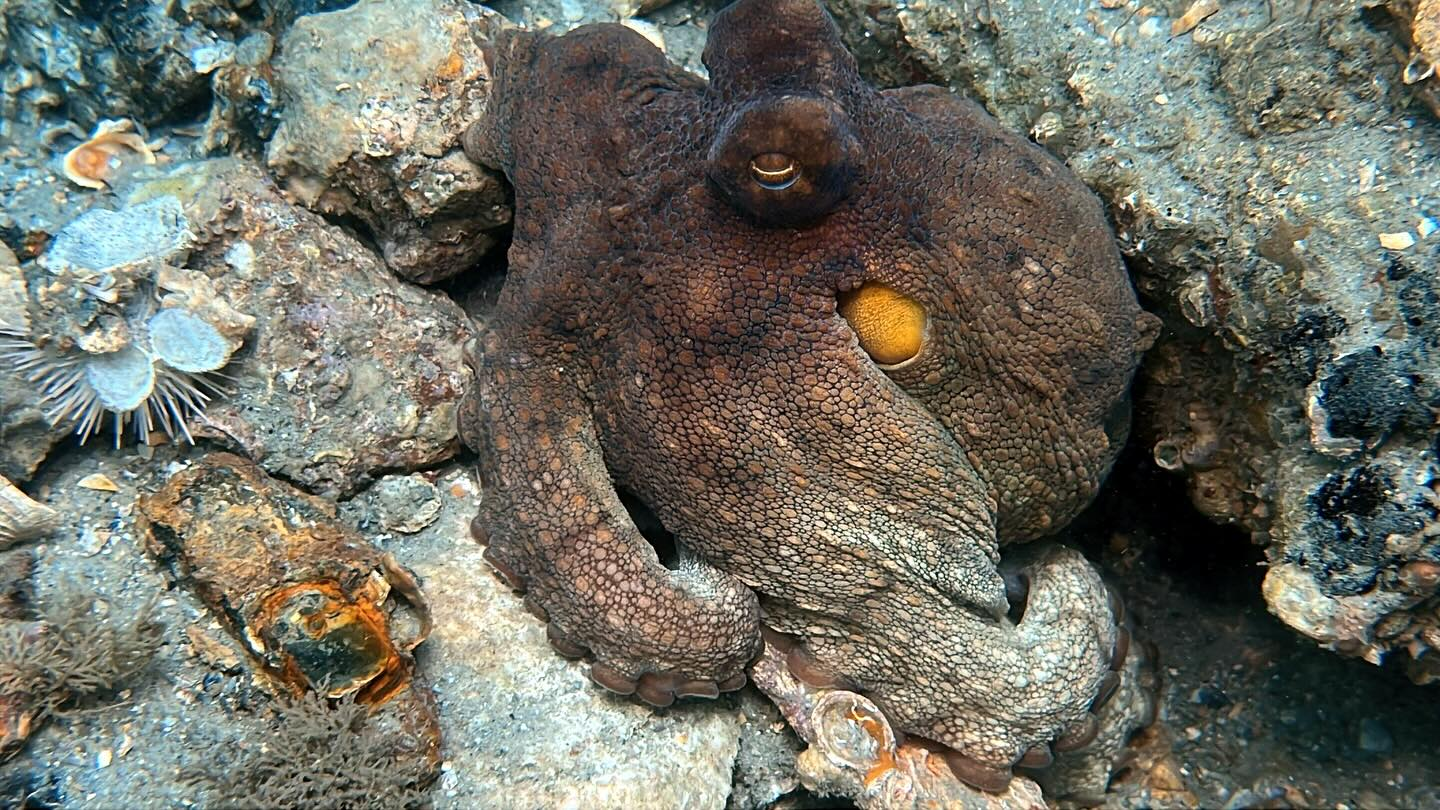
Caribbean reef octopus come alive at night, transforming from daytime hiders into active predators. These intelligent cephalopods hunt for crabs and small fish, displaying remarkable color-changing abilities that become even more pronounced under artificial light. You'll witness their problem-solving skills as they navigate the reef structure, and if you're lucky, observe their hunting techniques as they pounce on unsuspecting prey. October through March offers the best octopus encounters as cooler water temperatures increase their activity levels.
Spiny lobsters emerge from their daytime hiding spots to forage across the reef, and Palm Beach's healthy lobster population means multiple sightings per dive during season. These crustaceans become bold at night, often approaching divers closely enough for detailed observation. You'll learn to identify the difference between Caribbean spiny lobsters and slipper lobsters, understand their feeding patterns, and observe their complex social behaviors. Lobster season runs from August through March, with peak activity during the cooler winter months when they're most active and numerous.
Tarpon frequently patrol Palm Beach's night dive sites, especially around artificial reefs and wrecks. These silver kings can reach lengths of six feet and create an awe-inspiring sight as they cruise through your light beam. Night dives offer unique opportunities to observe tarpon feeding behavior as they hunt smaller fish disoriented by dive lights. The best tarpon encounters happen during summer months when they're most abundant in Palm Beach waters, though resident populations provide year-round opportunities for sightings.
Plan Your Next Dive
Your PADI Night Diver specialty certification opens doors to some of the world's best after-dark diving experiences, and learning in Palm Beach County gives you skills that transfer anywhere. The course works around your schedule with flexible timing for your two to three required night dives. As a private course with a maximum capacity of one student, you'll get personalized attention and can progress at your own pace. Most divers complete the certification over a long weekend or during a week-long visit to South Florida. Once certified, you'll have the knowledge and confidence to join night diving adventures worldwide, from manta ray night dives in Hawaii to cenote night diving in Mexico. Book your private Night Diver course with Diving With Moon and discover why so many divers say their night diving certification changed how they see the underwater world. The ocean's after-hours show is waiting – all you need is the training to safely enjoy it.

 Shared Trip
 Scuba Diving
 Palm Beach
 Private PADI night diving certification with expert instructor guidance