Private PADI Rescue Diver Course Palm Beach
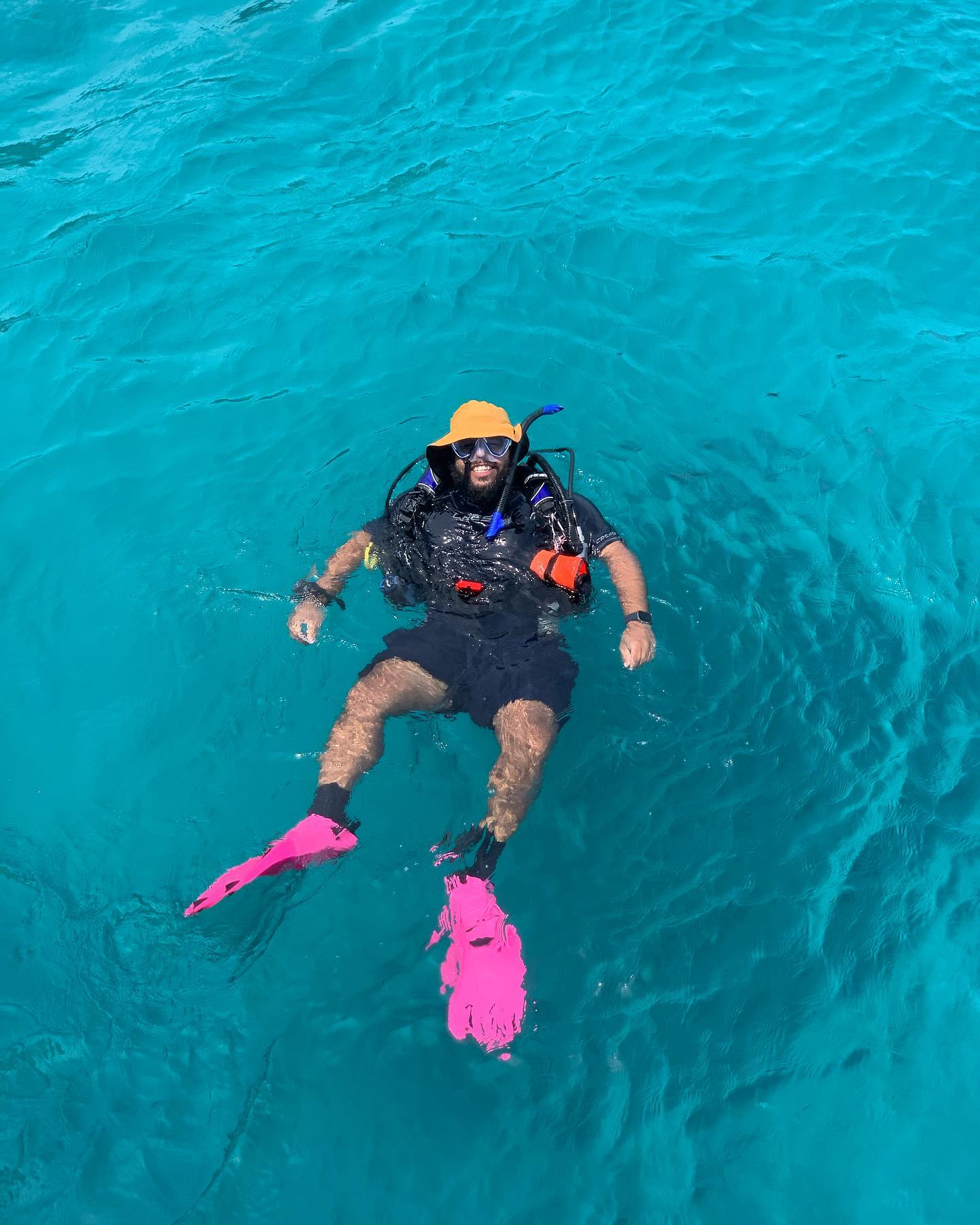
Ready to take your diving skills to the next level? This private Rescue Diver certification with Diving With Moon puts you one-on-one with a certified PADI/SDI instructor for the ultimate personalized training experience. You'll master critical rescue techniques, boost your confidence underwater, and become the diver others can count on when things get serious. We're talking about real-world skills that could save lives – including your own. From self-rescue scenarios to assisting panicked divers, you'll cover it all in the pristine waters of Palm Beach County, where visibility and conditions make learning these advanced techniques both safe and enjoyable.
Beneath the Surface
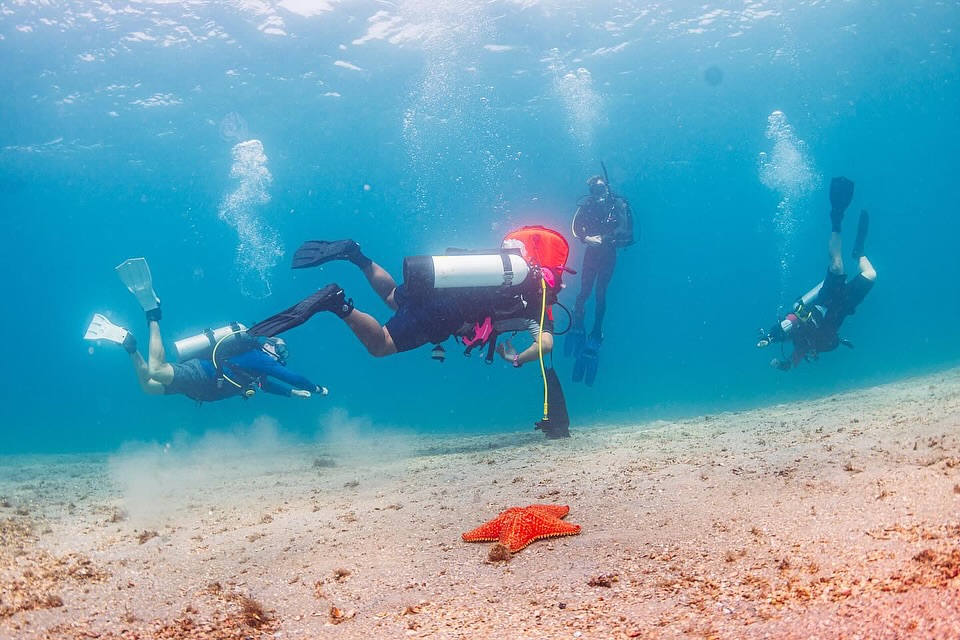
This isn't your typical group certification class where you're fighting for instructor attention. With our private Rescue Diver course, you get dedicated, personalized instruction tailored to your learning style and schedule. We start with the PADI eLearning modules you'll complete at home – covering rescue theory, emergency management, and diver stress recognition. Then we meet up for pool sessions or confined water work to practice your new skills before heading to the open water sites that make Palm Beach County a diver's paradise. You'll train at top-rated locations like the reefs off Palm Beach, the wrecks near Boynton Beach, or the drift diving spots around Pompano Beach. The flexible scheduling means we work around your availability, whether you want to knock it out over a weekend or spread the training across several weeks. Plus, staying current on CPR and First Aid is part of the package, so you'll leave with comprehensive emergency response skills both in and out of the water.
Dive Brief & Gear Info
All your gear is included, so you don't need to worry about hauling rescue equipment or specialized training aids. We provide everything from basic scuba gear to rescue-specific items like throw bags, signaling devices, and emergency oxygen equipment you'll learn to use. The training covers self-rescue techniques first – because you can't help others if you can't help yourself. You'll practice removing and replacing gear underwater, managing out-of-air situations, and dealing with entanglements. Then we move into assisting other divers, from recognizing stress signals to managing panicked divers at the surface and underwater. The open water sessions take place at sites chosen for their training value and safety margins. Palm Beach's consistent conditions and excellent visibility make it perfect for practicing rescue scenarios without the variables that can complicate learning. We'll work on tired diver tows, unconscious diver rescues, and emergency ascent procedures. The beauty of private instruction is that we can repeat scenarios until you're completely comfortable, or speed up through sections where you're already strong.
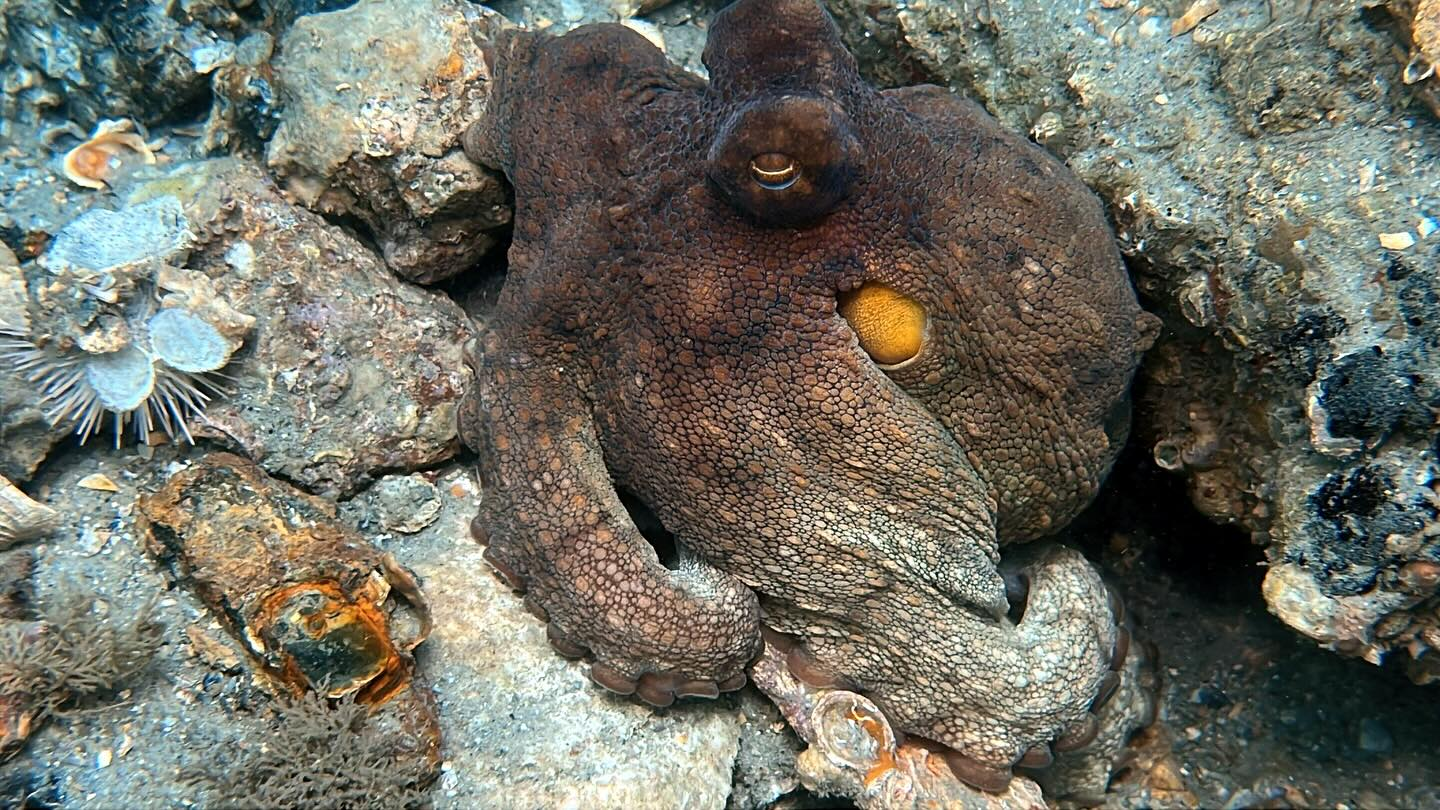
Marine Life You'll See
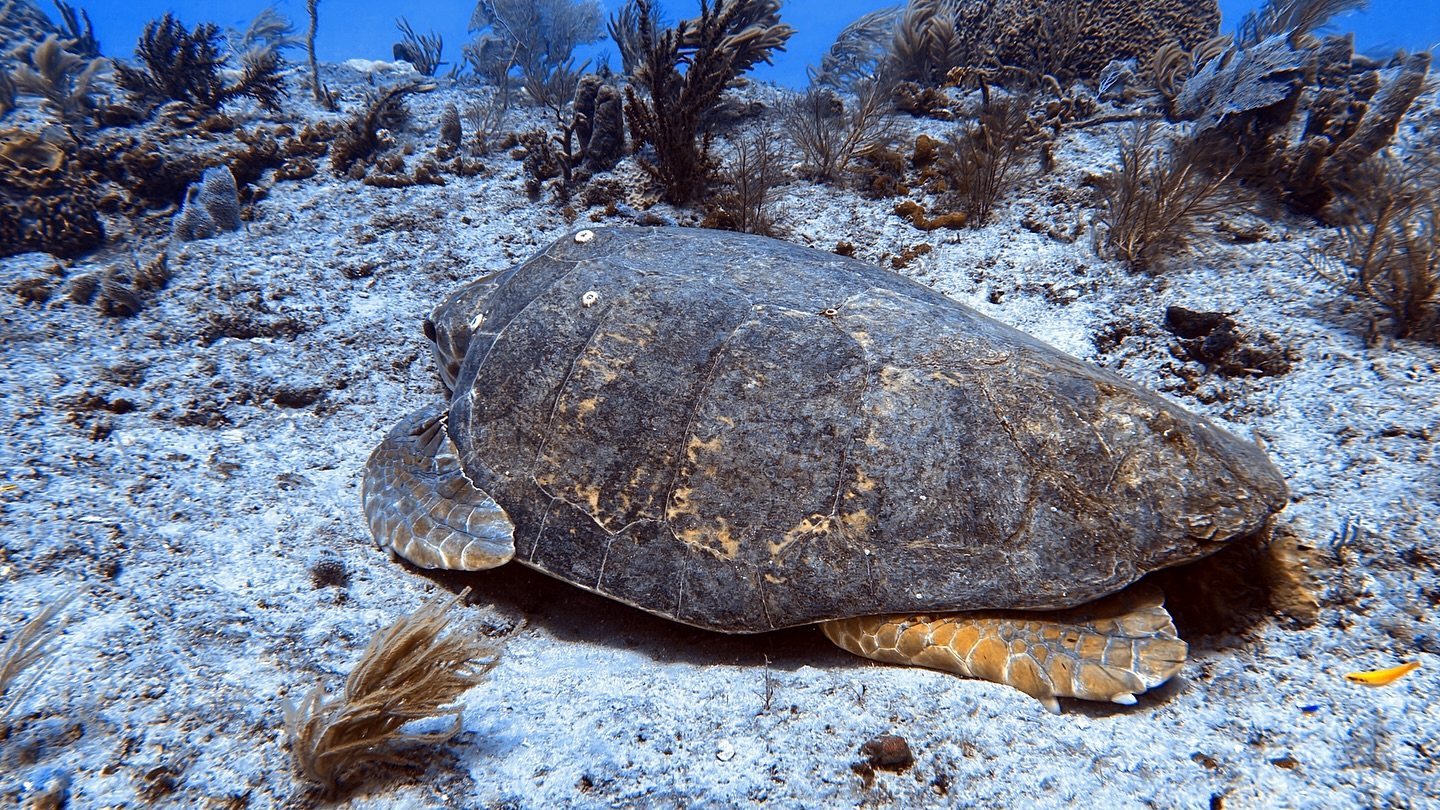
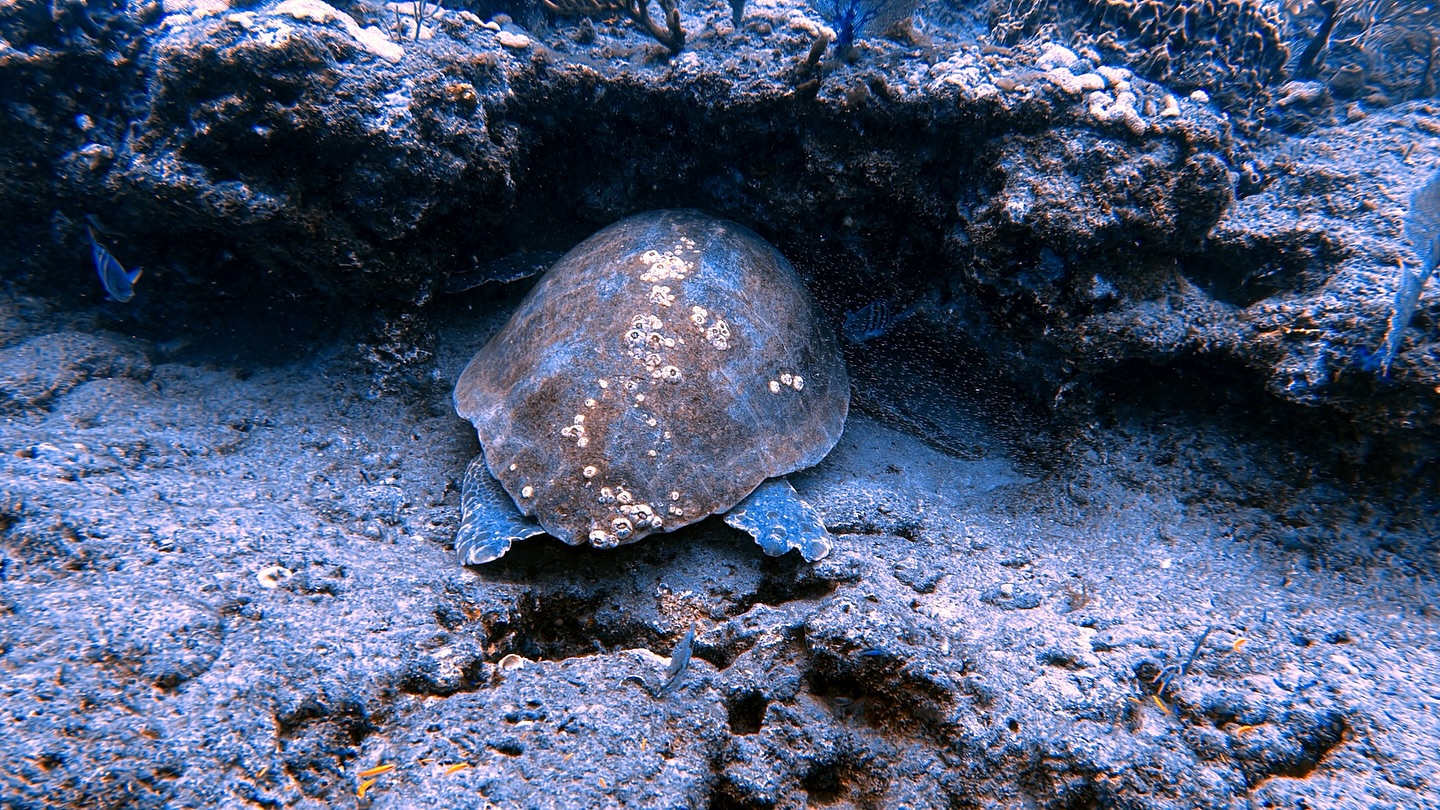
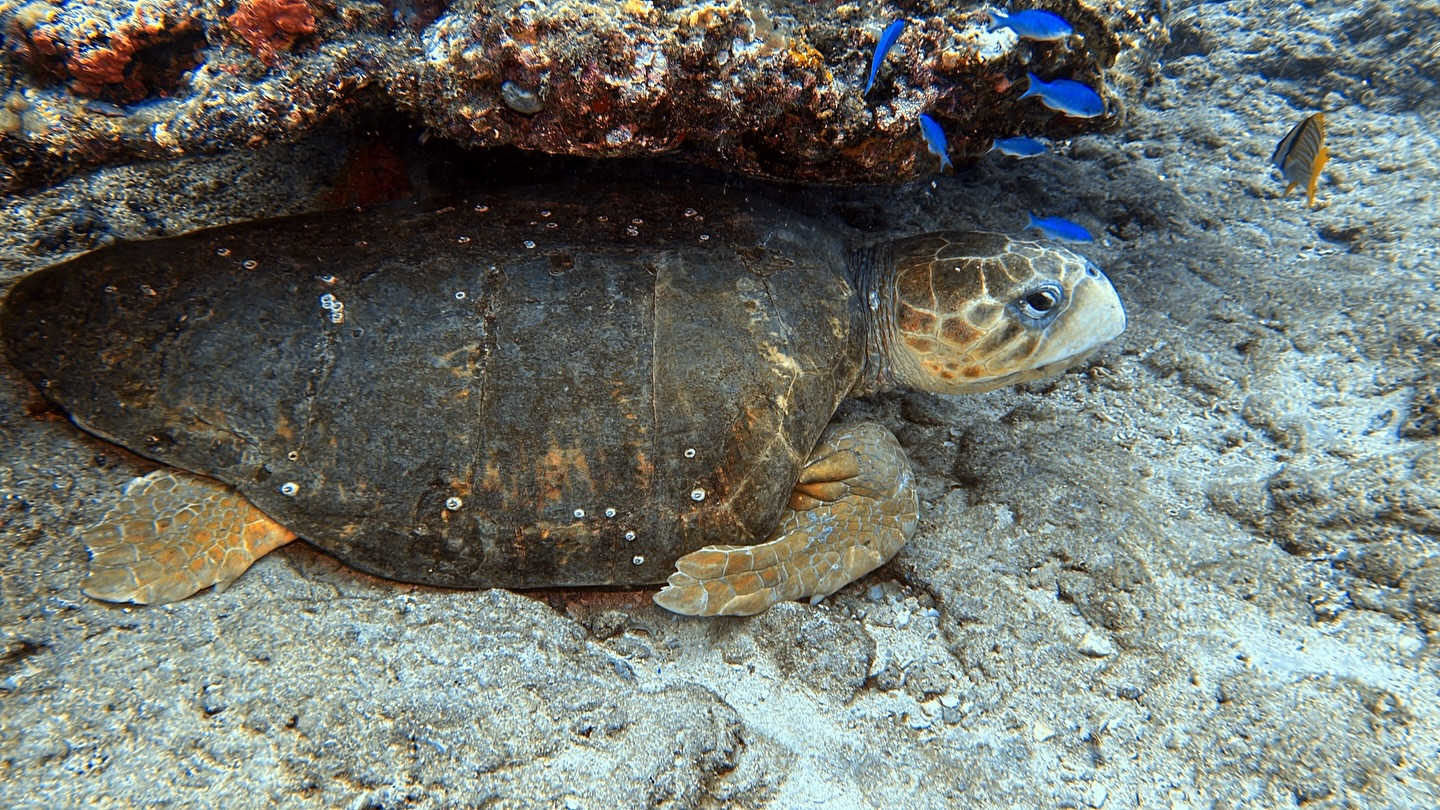
While you're focused on mastering rescue techniques, Palm Beach County's waters offer some spectacular marine life encounters that make training sessions feel more like recreational dives. Loggerhead sea turtles are year-round residents here, and these gentle giants often cruise by during training dives, seemingly curious about what all the rescue practice is about. They're most active during daylight hours and completely unfazed by divers, making them perfect companions for your certification dives. During summer months, you might spot leatherback turtles in deeper waters – these massive creatures can weigh over 1,000 pounds and are absolutely mind-blowing to encounter while practicing your newly learned skills.
Goliath grouper frequent the wrecks and ledges where we conduct open water training, and seeing these 400-pound giants reminds you why having solid rescue skills matters in the ocean. They're curious but harmless, often approaching divers during training exercises. Peak season runs from August through October when they gather for spawning. The resident reef sharks – nurse sharks, blacktip sharks, and occasional bull sharks – keep things interesting during your certification dives. Nurse sharks are docile bottom-dwellers you'll often see resting under ledges, while blacktips cruise the reef edges and remind you that proper buoyancy control and situational awareness are crucial rescue diver skills.
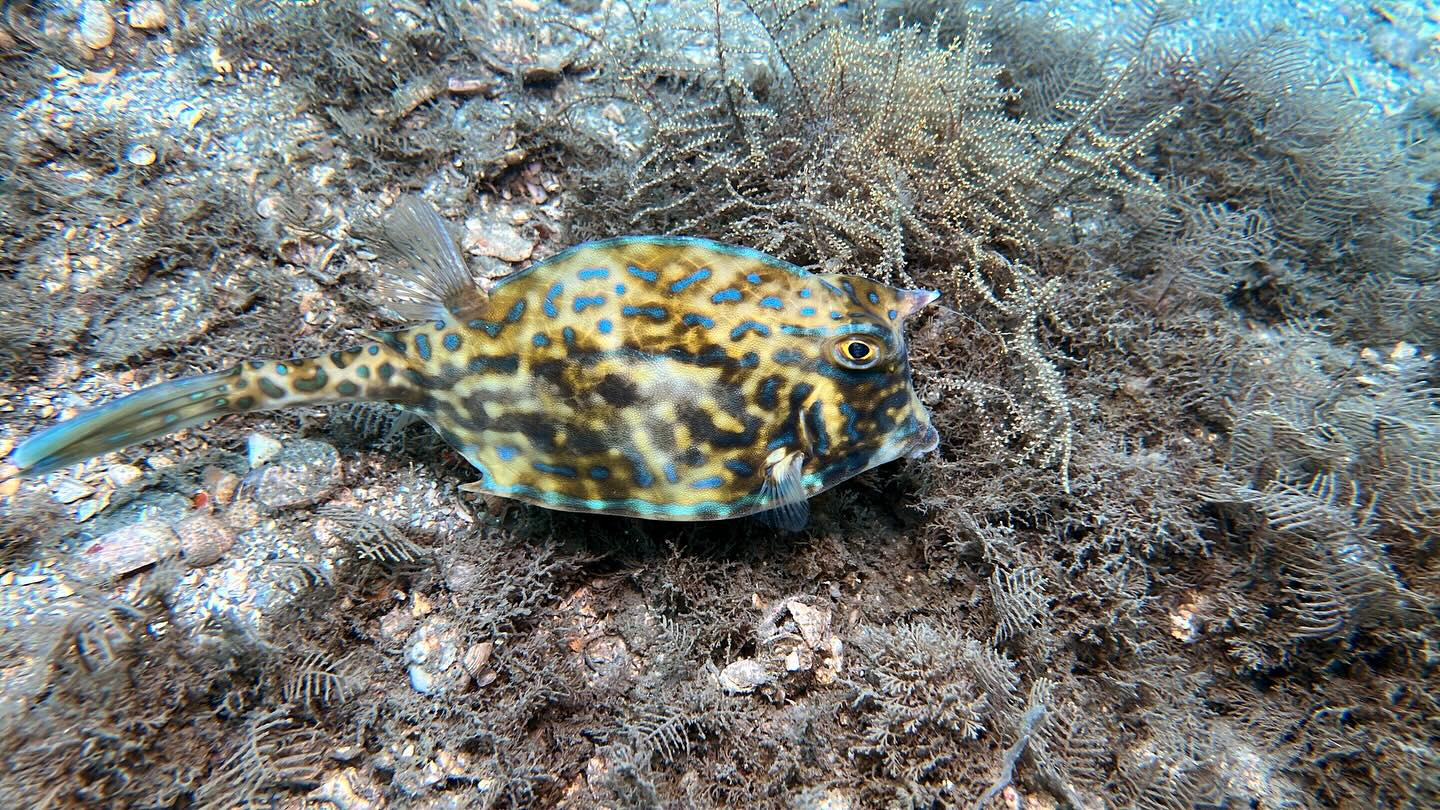
Manatees occasionally visit the nearshore waters, especially during cooler months when they seek warmer water temperatures. These endangered marine mammals are protected, but encountering one during training adds a magical element to your certification experience. The vibrant reef fish – parrotfish, angelfish, grouper, and snapper – create the perfect backdrop for practicing rescue scenarios, and the healthy coral formations throughout Palm Beach County's waters provide realistic training environments you'll encounter on future diving adventures.
Plan Your Next Dive
Becoming a PADI Rescue Diver isn't just about adding another certification card to your wallet – it's about becoming a more confident, capable, and valuable member of the diving community. The skills you'll learn in this private course will serve you well whether you're planning technical dives, considering divemaster training, or just want to be the diver others feel safe diving with. With personalized instruction, flexible scheduling, and Palm Beach County's world-class diving conditions, this private Rescue Diver course offers exceptional value for serious divers ready to step up their game. Spaces are limited for this exclusive training opportunity, so don't wait to secure your spot. Contact Diving With Moon today and start your journey toward becoming the rescue-trained diver you've always wanted to be. Your future dive buddies will thank you for it.

 Shared Trip
 Scuba Diving
 Palm Beach
 Private PADI Rescue Diver certification with dedicated instructor