Sturgeon & Clam Combo: Seaside/Astoria Special
Here's something you don't see every day – a chance to chase massive white sturgeon in the Columbia River and then hit the beach for some primo razor clam digging, all in one action-packed June adventure. This isn't your typical fishing trip. We're talking about targeting prehistoric giants that can weigh over 100 pounds, then switching gears to harvest some of the Pacific Northwest's sweetest shellfish. The catch? Everything has to align with those negative low tides that make the razor clams accessible. It's like fishing's version of catching lightning in a bottle, and when it all comes together, you'll have stories that'll last a lifetime.
What to Expect on the Water
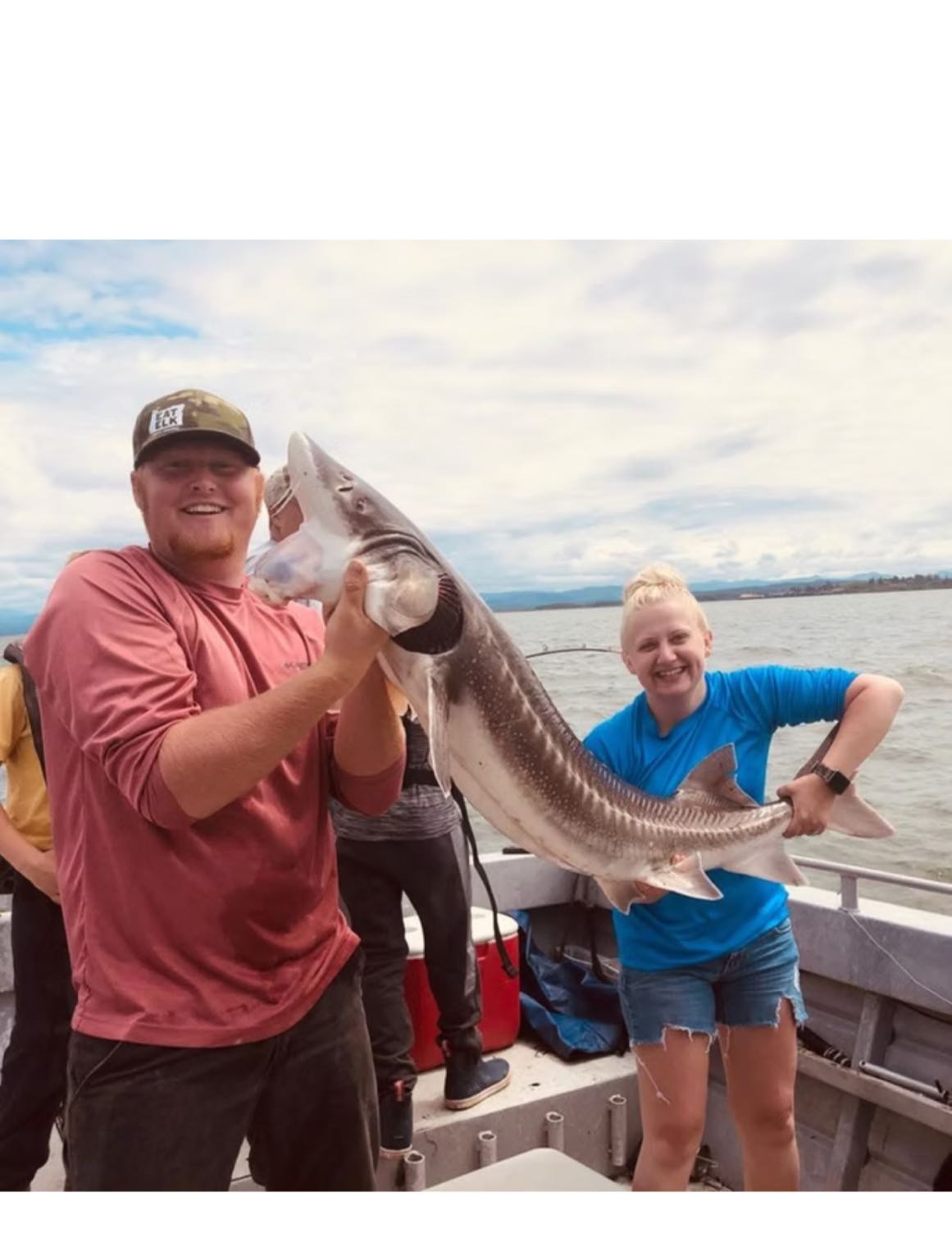
We start early – and I mean early – to make the most of these special tide windows. The Columbia River around Astoria is where the real magic happens for sturgeon. These fish have been cruising these waters since before the dinosaurs, and when you hook into one, you'll feel every bit of that ancient power. We'll anchor up in the deeper holes where these bottom-dwellers like to hang out, using fresh bait and heavy tackle that can handle the fight of your life. The sturgeon action is strictly catch and release, so we'll get some great photos before sending these living fossils back to the depths. After we've had our fill of wrestling prehistoric beasts, we head to the Seaside beaches where the negative tides expose prime razor clam territory. The timing has to be perfect – those minus tides only happen a few times each month, and that's when the clams are easiest to spot and dig. Fair warning though: we keep a close eye on shellfish safety reports, and if there are high levels of domoic acid detected, we'll have to postpone the clamming portion for everyone's safety.
Tackle and Techniques
Sturgeon fishing is all about patience and the right setup. We're talking heavy rods – 7 to 8 feet of serious backbone – paired with reels that can handle at least 300 yards of 50-pound test line. The bottom rig is key here: a sliding sinker setup with a 3 to 6-ounce weight, depending on current, and a strong circle hook. Fresh bait works best – think smelt, anchovies, or sand shrimp. The fish finder rig lets the sturgeon pick up the bait and run without feeling the weight, which is crucial since these fish are surprisingly spooky for their size. When it comes to the razor clam portion, we switch to completely different gear. You'll need a clam shovel – not just any shovel, but one designed specifically for razor clams with a narrow blade. The technique is all about speed and precision. When you spot that telltale keyhole depression in the sand, you've got to dig fast and straight down. These clams can burrow deeper than you'd believe, and they're surprisingly quick about it. We'll also bring buckets, measuring tools to ensure we're keeping legal-sized clams, and plenty of fresh water to clean your harvest.
Top Catches This Season
The Columbia River has been producing some real monsters this June. Just last week, we had a pair of anglers land and release three sturgeon over 7 feet long in a single morning session. The smaller fish – and by smaller, I mean anything under 5 feet – have been really active in the 20 to 30-foot depths near the shipping channel markers. The razor clam situation has been equally impressive when conditions align. The beaches around Seaside have been producing limits of beautiful, plump clams during the negative tide windows. One thing I love about this combo trip is how different the two activities are – the sturgeon fishing requires zen-like patience, waiting for that telltale tap-tap-tap on your rod tip, while clam digging is pure hustle, racing against the incoming tide to fill your bucket. Both activities demand different skills, but when you master them in the same day, it feels like you've conquered the Oregon coast from river to sea.
Species You'll Want to Hook
White sturgeon are absolute legends of the Pacific Northwest, and the Columbia River system holds some of the biggest, oldest fish you'll ever encounter. These prehistoric giants can live over 100 years and grow to lengths exceeding 12 feet. During June, they're actively feeding in preparation for their spawning runs, making them more aggressive and likely to take bait. What makes sturgeon fishing so addictive is their fighting style – it's not flashy like a salmon or acrobatic like a steelhead. Instead, it's raw, bulldogging power that'll test every knot, every connection in your tackle system. They'll hug the bottom, using their massive bulk and the river current to their advantage. The smaller keepers – fish between 38 and 54 inches – fight with surprising speed for their size, while the oversized giants move like freight trains, slow but absolutely unstoppable. The thrill isn't just in the fight; it's in touching a piece of living history. Some of the big females we catch and release could have been swimming these waters when your grandparents were kids. As for razor clams, they might not put up the same fight as a sturgeon, but they're incredibly rewarding in their own way. Pacific razor clams can live up to 15 years and grow to 6 inches or more. They're filter feeders, which means they're incredibly sensitive to water quality, making them a true delicacy when conditions are right. The challenge is in the hunt – reading the beach, spotting the signs, and executing a perfect dig before they escape deeper into the sand.
Time to Book Your Spot
This combo trip only works when Mother Nature cooperates, and those negative low tide windows don't wait for anyone. June offers some of the best opportunities, but you need to plan ahead and stay flexible. With only two spots available per trip, these dates fill up fast once the tide charts come out. The stur
 Shared Trip
 Inshore Fishing
 Oregon
 Catch and release sturgeon fishing on Columbia River waters