Master Fly Casting in Bloomfield, CT
Ready to dive into the art of fly fishing? This top-rated lesson in Bloomfield, Connecticut, is your gateway to one of angling's most rewarding disciplines. Over three focused hours along Connecticut's pristine waters, you'll build the foundation every successful fly angler needs. This isn't a guided fishing trip where you're just along for the ride – it's hands-on learning that transforms beginners into confident casters. You'll work one-on-one with an expert instructor who knows these local waters like the back of their hand, ensuring you get personalized attention that group lessons simply can't match. Whether you've been curious about those graceful fly casters you see on the river or you're ready to expand beyond spin fishing, this lesson delivers the skills and confidence you need to succeed.
What to Expect on the Water
Your three-hour session focuses on building real skills rather than rushing through basics. The Farmington River system around Bloomfield offers ideal conditions for learning – gentle currents, varied structure, and forgiving casting zones perfect for beginners. You'll start with rod setup and line management before moving into the fundamental casting motions that separate fly fishing from other angling methods. The instructor breaks down the timing, rhythm, and mechanics that make the difference between frustrated tangles and smooth, accurate presentations. Expect to spend quality time on the basic overhead cast, learning to feel the rod load and understanding how line weight creates the casting motion. You'll also cover roll casts for tight spaces and basic mending techniques that help your flies drift naturally. This isn't about catching your limit – it's about building muscle memory and understanding that will serve you for decades of fly fishing adventures.
Gear Breakdown & Techniques
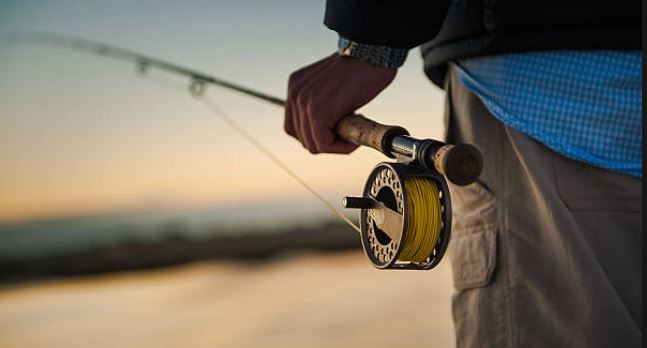
Fly fishing gear differs significantly from conventional tackle, and understanding these tools is crucial for success. You'll get hands-on experience with different rod weights and actions, learning why a 5-weight rod handles differently than an 8-weight and when you'd choose each option. The lesson covers fly line types, from weight-forward floating lines perfect for dry flies to sink-tip lines that get your nymphs down to feeding fish. You'll practice rigging leaders and tippets, understanding how these nearly invisible connections affect your fly's presentation. Equipment discussion extends beyond rods and reels to essential accessories – nippers, forceps, and fly boxes that keep your gear organized and accessible. The instructor explains backing systems, drag settings, and how to maintain your equipment for years of reliable service. You'll also learn about waders, boots, and clothing that keep you comfortable during long days on the water, plus safety considerations specific to Connecticut's rivers and streams.
Target Species You'll Learn About
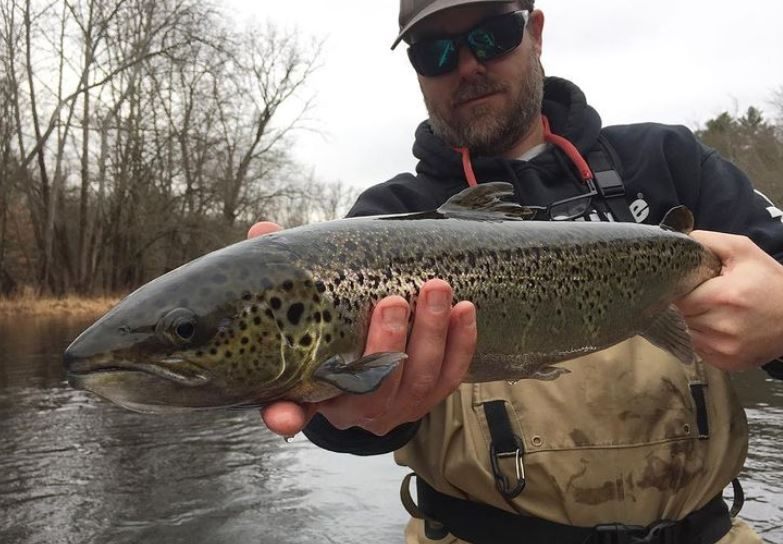
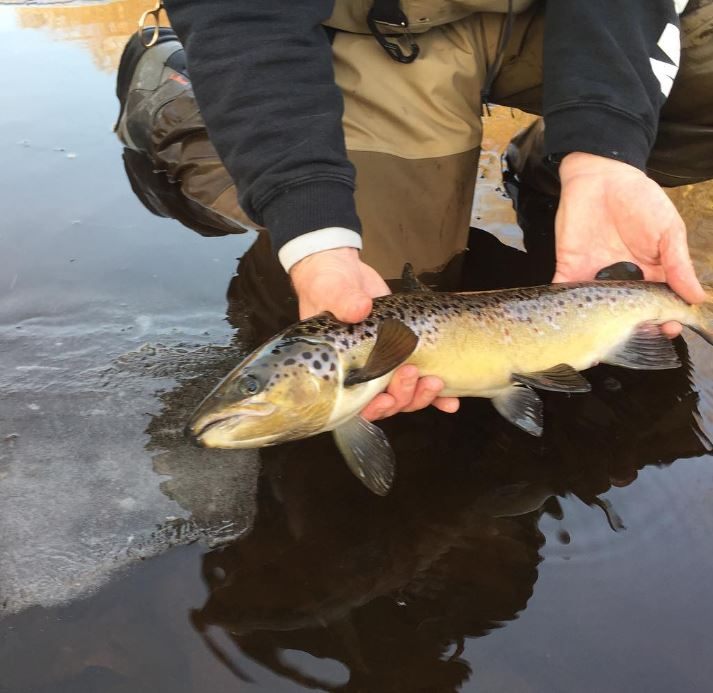
Connecticut's Farmington River system supports exceptional trout populations that make it a renowned fly fishing destination. Rainbow trout thrive in these cold, oxygen-rich waters, typically ranging from 10 to 16 inches with occasional fish pushing 20 inches or more. These acrobatic fighters are most active during cooler months from October through May, though summer mornings and evenings can produce excellent action. Rainbows respond well to both dry flies and nymphs, making them perfect targets for developing anglers. You'll learn to read water and identify the likely holding spots where these fish concentrate – deep pools, undercut banks, and areas where fast water meets slow. Brown trout also patrol these waters, generally larger and more cautious than their rainbow cousins. These golden-flanked natives can exceed 20 inches and are legendary for their wariness and fighting ability. Browns often feed aggressively during low-light periods, making early morning and evening sessions particularly productive. The lesson covers insect life cycles that drive feeding patterns, from mayfly hatches that bring fish to the surface to caddis emergences that create feeding frenzies. Understanding these natural cycles helps you choose the right flies and fishing techniques for different seasons and conditions.
Fly Selection & Insect Life
Reading the water means understanding what trout eat and when they eat it. Connecticut's rivers support diverse insect populations that form the backbone of trout feeding behavior. You'll learn to identify mayflies, caddisflies, and midges – the primary food sources that drive most feeding activity. Mayfly nymphs live in river gravels for months before emerging as winged adults, and understanding this life cycle helps you choose between nymph patterns fished deep or dry flies presented on the surface. Caddisflies create different feeding opportunities, with their tent-shaped wings and erratic flight patterns triggering aggressive strikes from hungry trout. The lesson covers seasonal hatches common to Connecticut waters, from early Blue-Winged Olives that bring fish up in cool weather to Pale Morning Duns that create spectacular summer dry fly action. You'll examine actual insect samples and matching fly patterns, learning to size your flies correctly and present them at the right depth. Terrestrial insects like ants, beetles, and grasshoppers also provide feeding opportunities, especially during summer months when these land-based insects fall or get blown onto the water. Understanding these food sources helps you make informed decisions about fly selection rather than randomly trying different patterns.
Casting Fundamentals That Stick
Solid casting technique separates successful fly anglers from those who struggle with constant tangles and poor presentations. The lesson emphasizes timing over power – learning to let the rod do the work rather than forcing casts with excessive arm motion. You'll practice the pause-and-acceleration rhythm that loads the rod properly, creating tight loops that cut through wind and deliver flies accurately. Common beginner mistakes get addressed immediately before they become ingrained habits. The instructor demonstrates proper grip, stance, and body position that reduce fatigue during long fishing sessions. You'll learn to vary casting distance and adjust your technique for different situations – short, accurate casts to rising fish versus longer presentations that cover more water. False casting serves multiple purposes beyond simply extending line, helping dry wet flies and change direction without disturbing productive water. The lesson also covers practical skills like shooting line to extend your reach and hauling techniques that add distance when needed. By session's end, you'll have the muscle memory and understanding needed to
 Private Trip
 Shore Fishing
 Bloomfield, CT
 Three-hour comprehensive fly casting and fishing instruction sessions