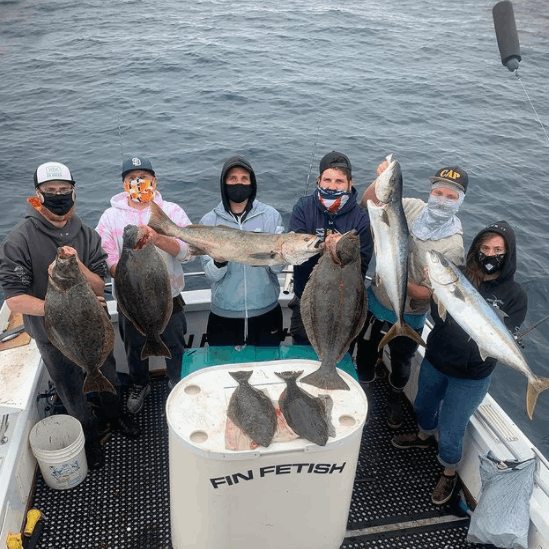
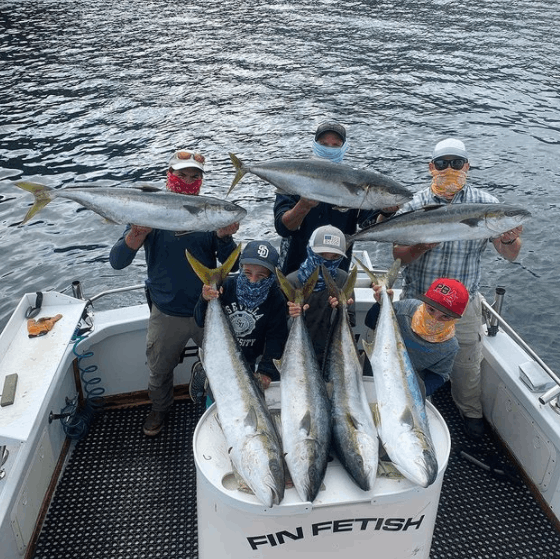
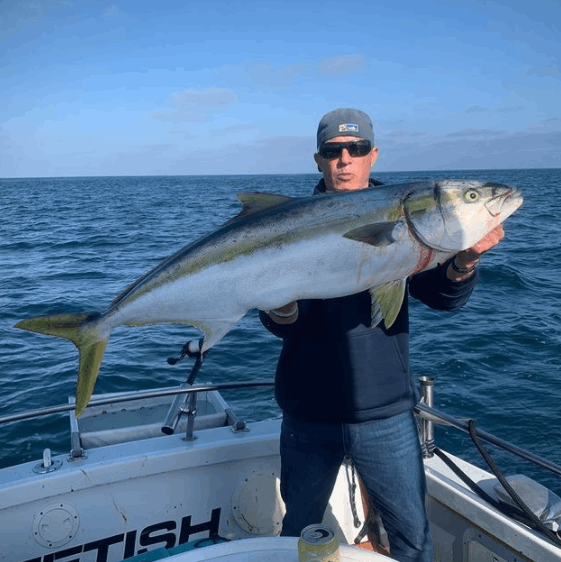
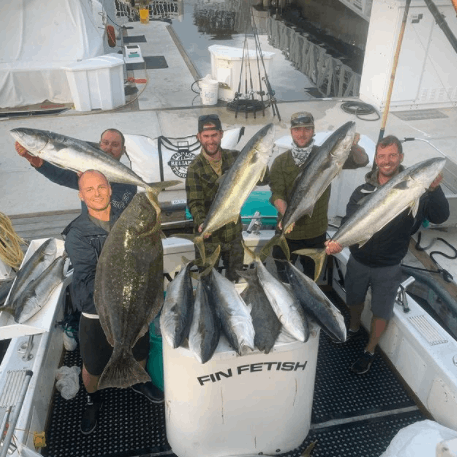
Yellowtail Rockfish
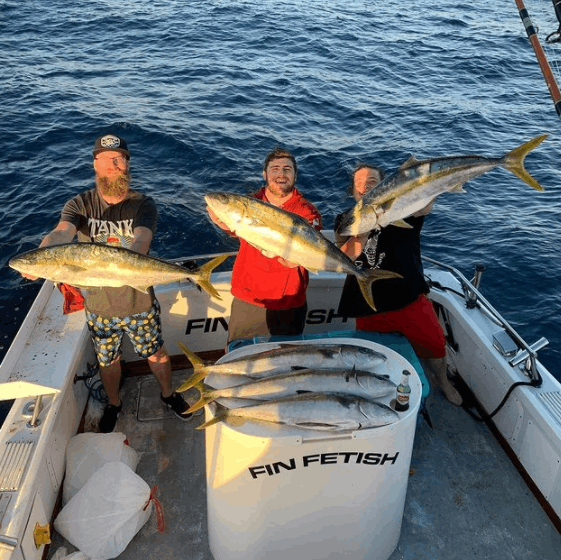
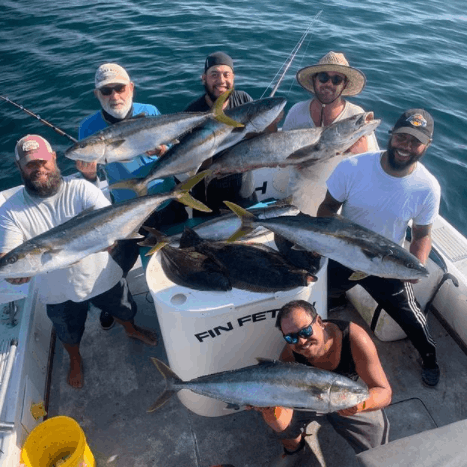
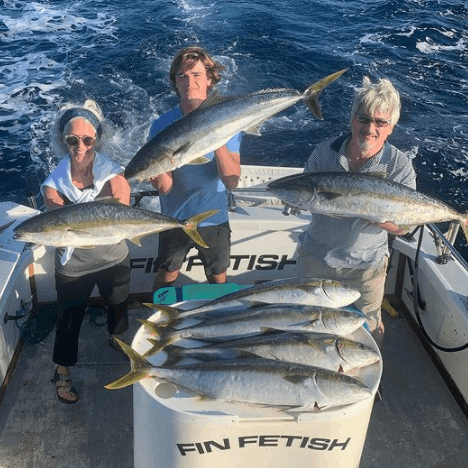
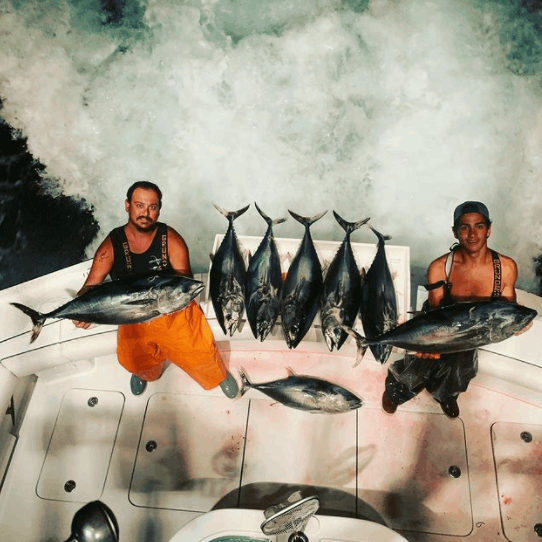
<h2><span style="color:rgb(14,16,26);"><strong>Yellowtail Rockfish </strong><i><strong>(Sebastes flavidus) </strong></i><strong>Fish Description</strong></span></h2><p><span style="color:rgb(14,16,26);">The Yellowtail Rockfish (<i>Sebastes flavidus</i>) is a type of rockfish found near the coasts of the North-eastern Pacific—from Alaska to Southern California. Through the name alone, one can easily surmise that the fish’s caudal or tail fin is yellow. Its other fins may have the same yellowish tint but tend to be a bit darker. Its long dorsal fin that stretches from the base of the head to the tail base has two sections with the front part being spiny, while the back part a bit roundish. Its fusiform body is elongated and compressed with the top part greenish-brown in color, which gradually fades to white as it reaches the belly. There’s also a visible lateral line from the head to the tail and some dull yellow blotches on the top part of its body.</span></p><p><span style="color:rgb(14,16,26);">The Yellowtail Rockfish is viviparous, which means its offspring develops inside the female and gives birth to love ones. Their young are pelagic, often feeding on planktons and other microorganisms living in the pelagic zone. As they reach their juvenile stage, they would then settle to the bottom of the water, typically near shore or in estuaries, from which they would stay until they reach adulthood in about three to five years.</span></p><p><span style="color:rgb(14,16,26);">The Yellowtail Rockfish is a carnivore and mainly eats small crustaceans, small squids, and small fishes. Although they often hunt in the water column, they would also occasionally go deeper onto the seabed to forage for food. Another unique thing about this fish is that, unlike other </span><a href="https://guidesly.com/fishing/fish-species/black-rockfish"><span style="color:rgb(74,110,224);">rockfish</span></a><span style="color:rgb(14,16,26);"> species that suffer barotrauma, the Yellowtail can release gas from their swim bladders, thus, they can handle the sudden pressure change when they are brought or when they swim closer to the surface.</span></p><p><span style="color:rgb(14,16,26);"> </span></p><h2><span style="color:rgb(14,16,26);"><strong>Interesting Facts about the Yellowtail Rockfish</strong></span></h2><ul><li><span style="color:rgb(14,16,26);">Yellowtail Rockfish can only grow as much as a little more than two feet long, weighing at nine pounds at a maximum.</span></li><li><span style="color:rgb(14,16,26);">They can live up to sixty-four years in the wild.</span></li><li><span style="color:rgb(14,16,26);">They fertilize their eggs internally and give birth to live ones.</span></li><li><span style="color:rgb(14,16,26);">Females produce around 50,000 to 600,000 eggs during mating season.</span></li><li><span style="color:rgb(14,16,26);">They tend to be more active during the day and have been observed to be inactive near or on the seabed at night.</span></li><li><span style="color:rgb(14,16,26);">Unlike other rockfishes, they don’t suffer from barotrauma when rapidly brought to the surface as they can easily release gas from their swim bladders.</span></li><li><span style="color:rgb(14,16,26);">Commercial fishers and recreational anglers usually target Yellowtail Rockfish for its tasty meat.</span></li><li><span style="color:rgb(14,16,26);">Its meat is flaky and has a mild, slightly sweet flavor.</span></li><li><span style="color:rgb(14,16,26);">From its scientific name, <i>Sebastes flavidus, </i>the first word came from the fish family it belongs to, and <i>flavidus</i> is the Latin word for yellow.</span></li></ul><p><span style="color:rgb(14,16,26);"> </span></p><h2><span style="color:rgb(14,16,26);"><strong>Size and Swimming Speed</strong></span></h2><p><span style="color:rgb(14,16,26);">Like most rockfishes, the Yellowtail Rockfish isn’t known to be a fast swimmer. They are often observed to be quite sluggish, especially in their natural habitats. Average sizes tend to be just around eleven to thirteen inches long, with some known to reach up to twenty-five inches long, though quite rare. </span></p><p><span style="color:rgb(14,16,26);"> </span></p><h2><span style="color:rgb(14,16,26);"><strong>Habitat and Distribution</strong></span></h2><p><span style="color:rgb(14,16,26);">Yellowtail Rockfish can be found throughout the coast of North America—from Kodiak Island in Alaska to Baja California Mexico. Fishing hotspots are said to be off the coast of British Columbia, Canada, as well as in northern to central California.</span></p><p><span style="color:rgb(14,16,26);">The Yellowtail Rockfish is known to be a schooling fish, often found in numbers over boulders and rock walls underneath the water as well as in reefs and sometimes even in muddy bottoms. They may also dwell in depths of over 1,800 feet but can also wander in shallow waters and near the surface. </span></p><p><span style="color:rgb(14,16,26);"> </span></p><h2><span style="color:rgb(14,16,26);"><strong>Fishing Tips</strong></span></h2><p><span style="color:rgb(14,16,26);">Fishing for Yellowtail Rockfish doesn’t require any specialized gear or setup. A conventional long leader tackle with a minimum of 30 feet of line and a non-compressible float above the top hook would be enough. A variety of lures and flies will also work well for catching this fish. </span></p>
 Private Trip
 Inshore Fishing
 Marina del Rey, CA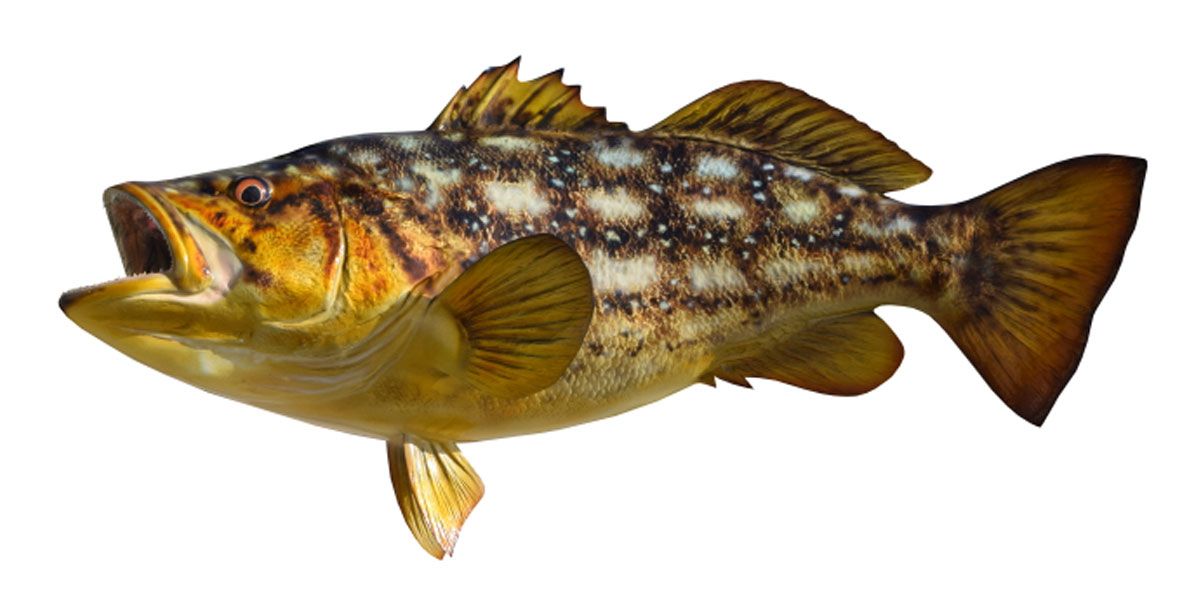



 Half-day inshore fishing trip for up to six guests