Pro Duck Hunting - Finger Lakes NY
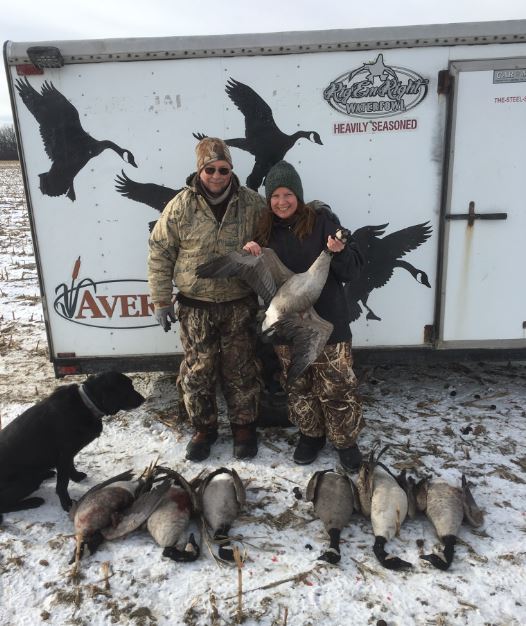
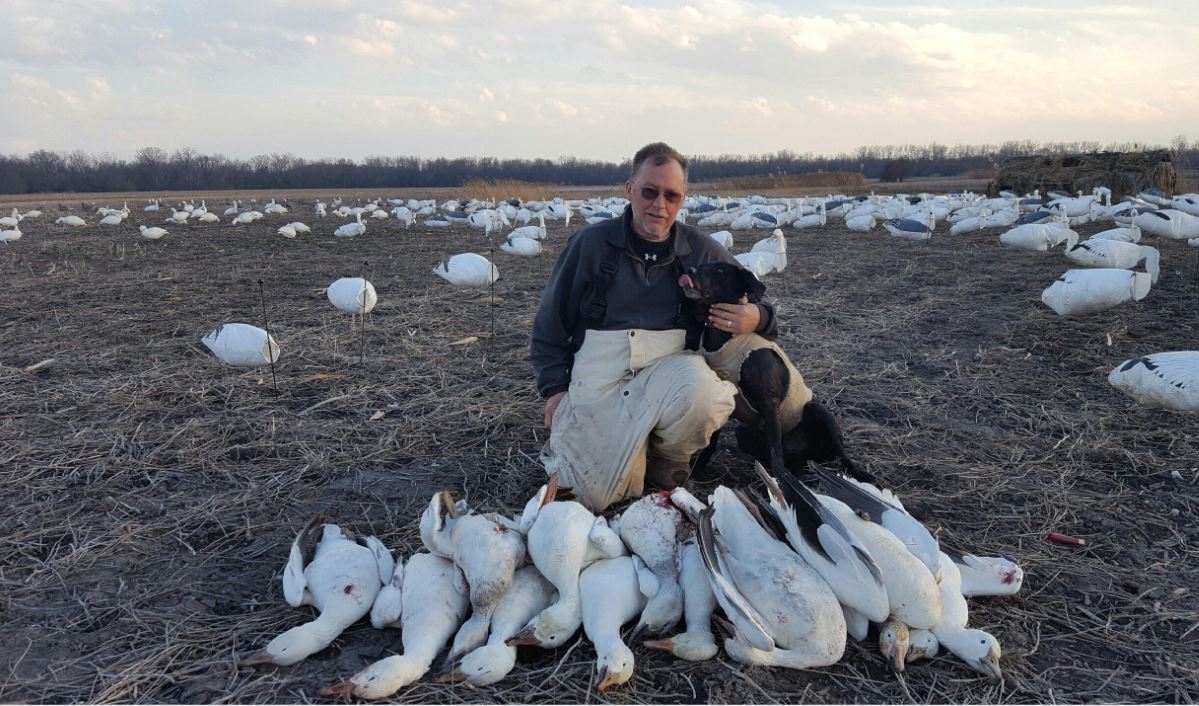
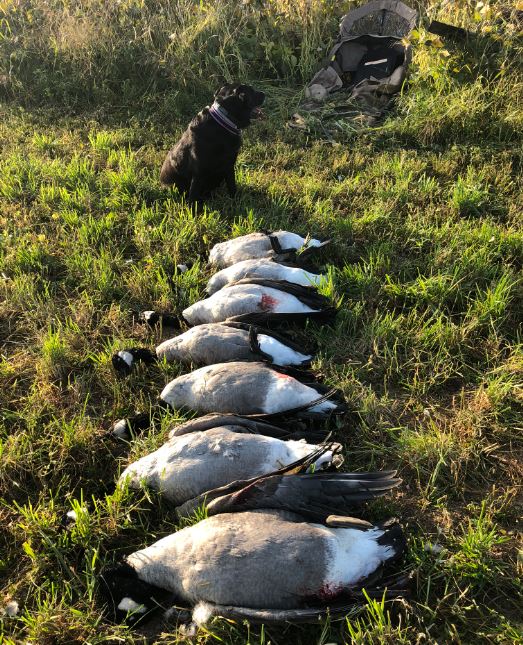
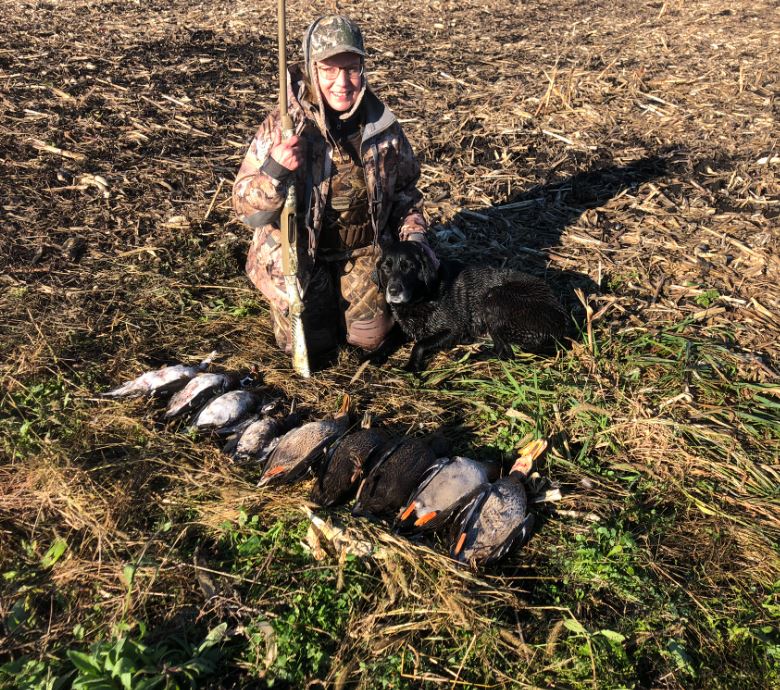
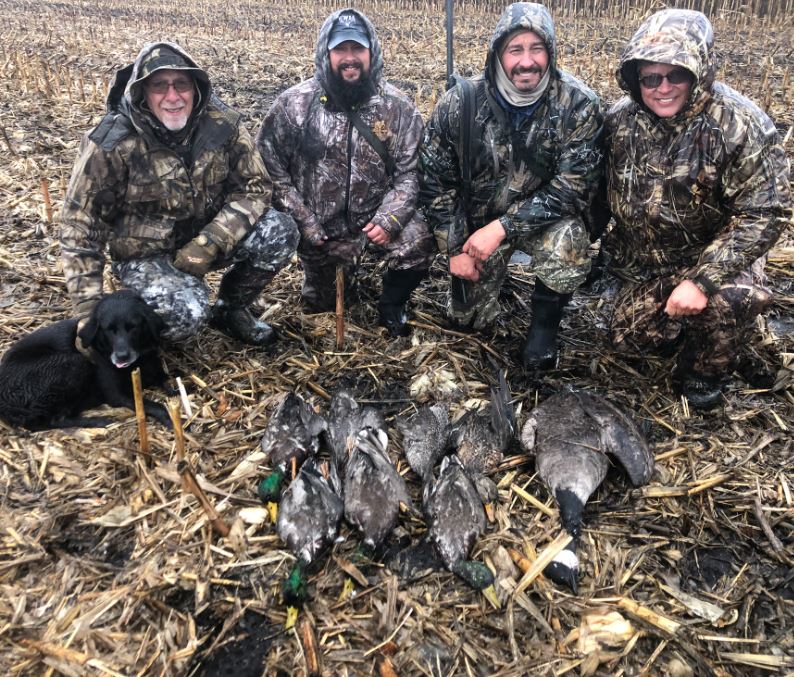
When the morning mist rolls off the Finger Lakes and you hear that first distant call of mallards moving down the flyway, you know it's going to be a good day. Our 7-hour guided duck hunts put you right in the heart of New York's premier waterfowl country, where generations of hunters have worked these marshes and shorelines. From 5:30 AM until noon, you'll experience what makes this region a top-rated destination for serious duck hunters and newcomers alike.
Inside the Hunt
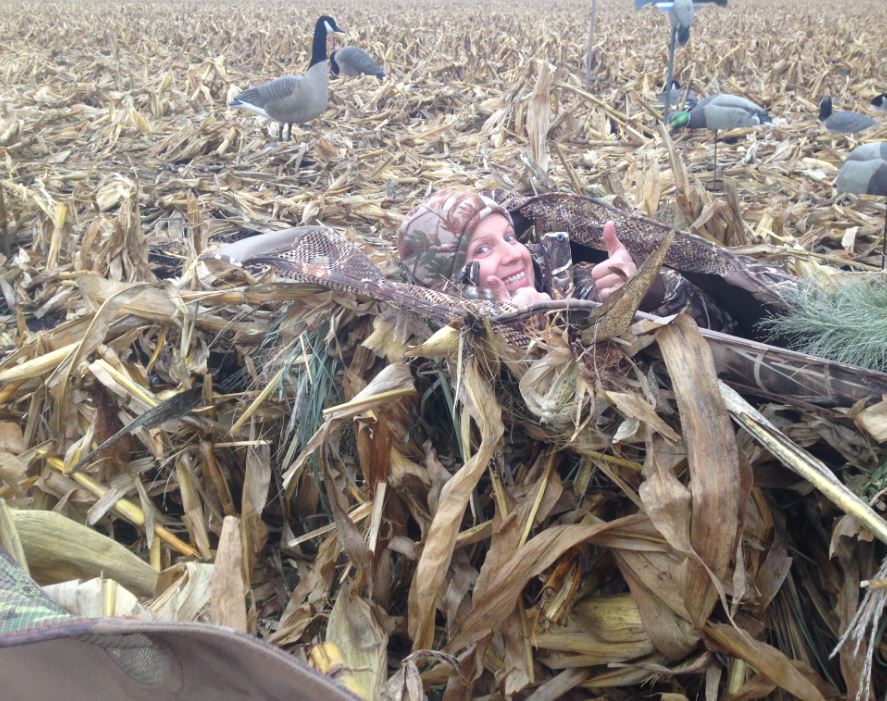
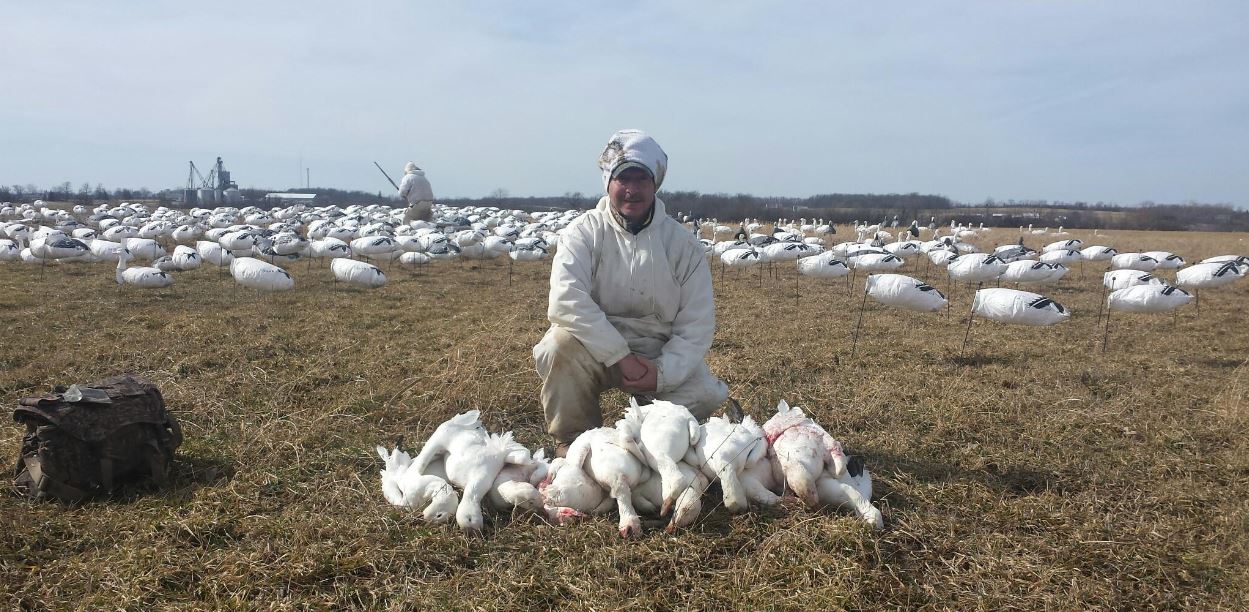
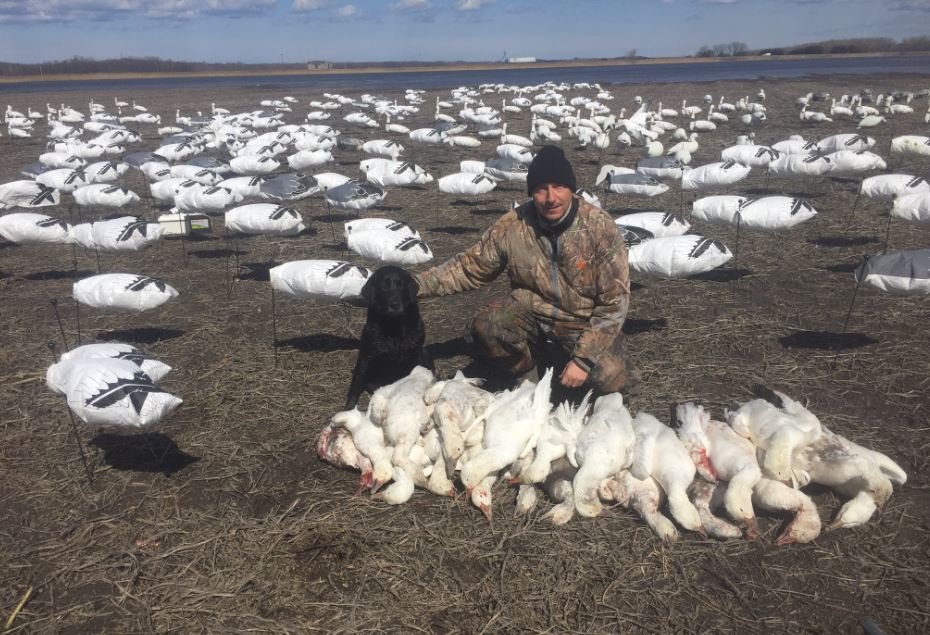
This isn't your typical sit-and-wait hunt. Our experienced guides know these waters like the back of their hand, and they'll position you where the birds want to be, not where we think they should be. We run both field setups and water blinds depending on conditions and bird movement patterns. The Finger Lakes create natural flyways that funnel waterfowl through predictable corridors, especially during the peak migration months from September through January. You'll hunt in small groups of just three hunters max, which means more personalized attention and better shooting opportunities. All your essential gear comes with the trip – decoys, calls, and blinds – so you can focus on reading the birds and making clean shots. Just bring your hunting license, federal duck stamp, and HIP certification, plus weather-appropriate gear. Our guides work with hunters of all skill levels, from first-timers learning to call ducks to seasoned hunters looking to add new species to their bag.
Tracking Tips & Terrain
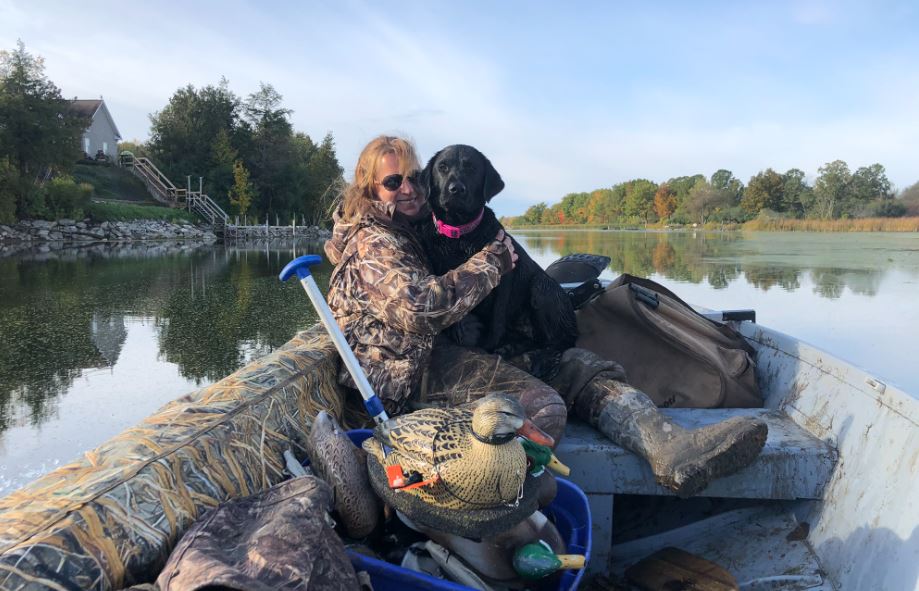
The Finger Lakes region offers diverse hunting environments that keep things interesting throughout the season. Early season finds us setting up in cattail marshes and shallow bays where wood ducks and teal love to feed. As temperatures drop and migration picks up, we shift tactics to deeper water setups and agricultural fields near the shoreline. Our guides excel at reading weather patterns – those northwest winds that push birds off the big water and into protected coves where we're waiting. We use a mix of motion decoys and traditional spreads, adjusting our setup based on species behavior and hunting pressure. The key here is mobility; we're not locked into one spot all morning. If the birds aren't working, we move. That flexibility comes from years of hunting these waters and understanding how waterfowl use this habitat. You'll learn proper calling techniques for different species, how to read incoming birds, and when to take the safety off. Our guides also emphasize shot placement and retrieval ethics – every bird deserves a clean harvest and proper recovery.
Target Game Breakdown
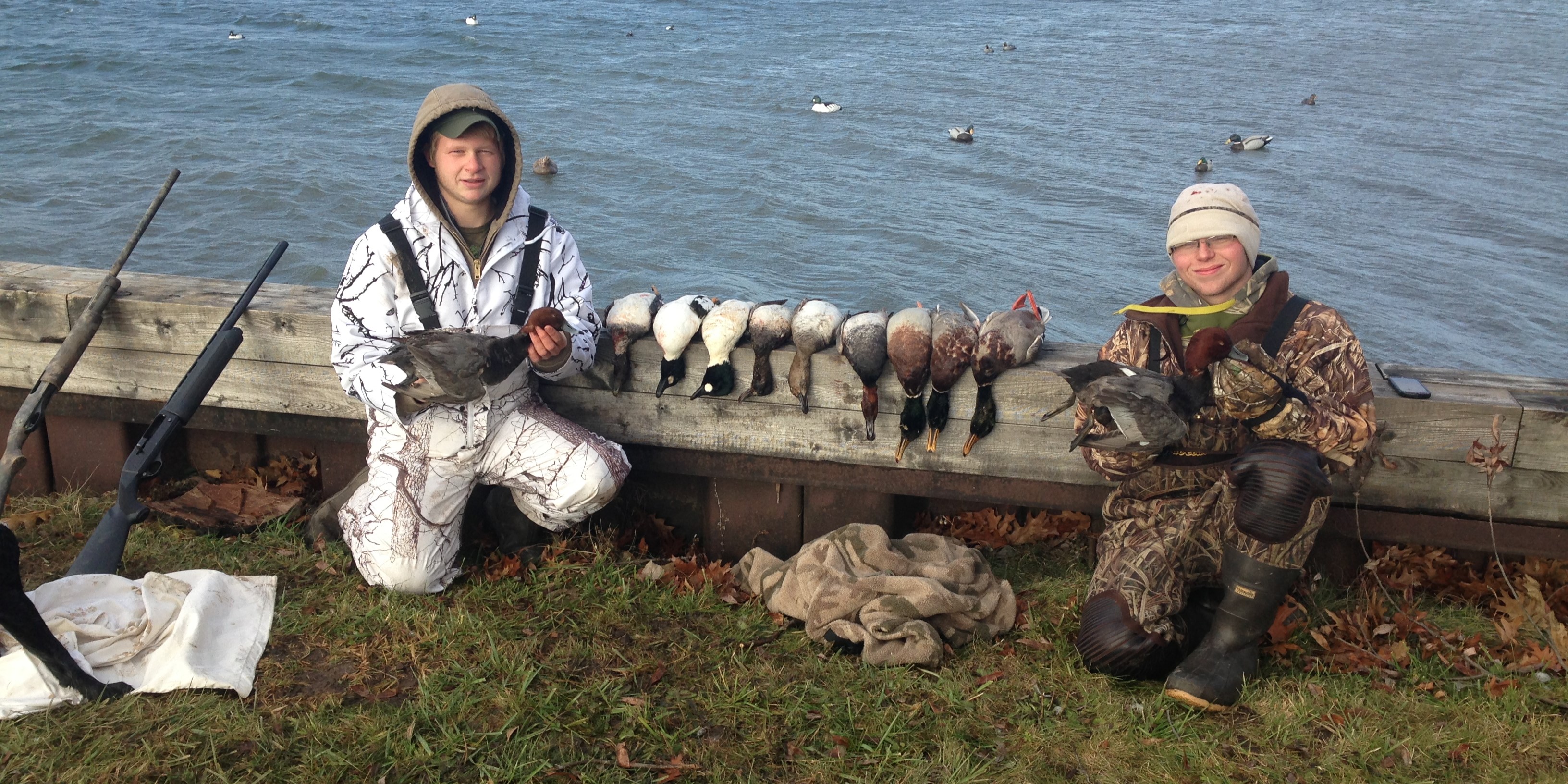
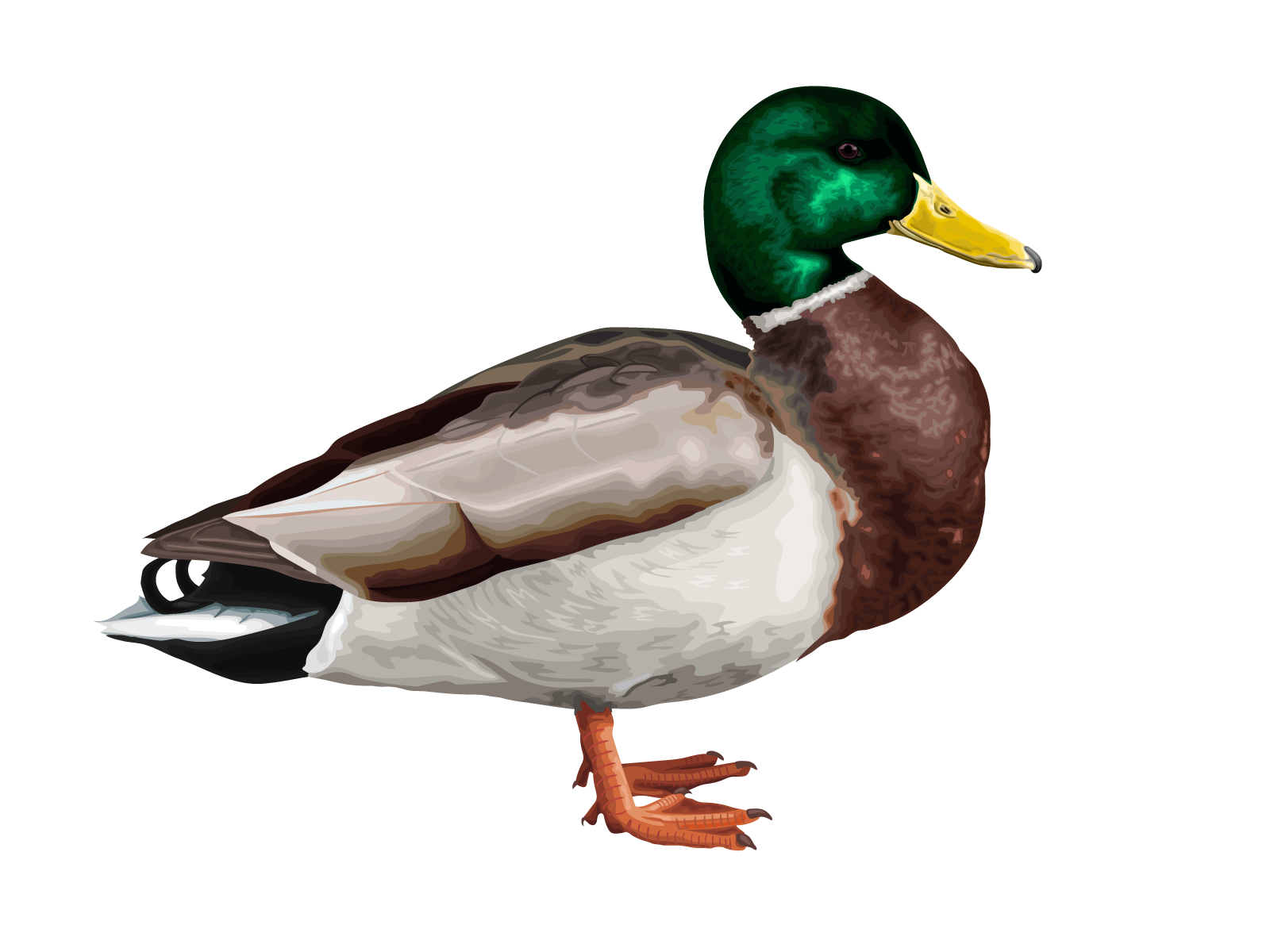
Mallards are the bread and butter of Finger Lakes waterfowling, and for good reason. These green-heads start showing up in serious numbers by mid-October when the northern birds push down from Canada. They're smart, wary, and incredibly satisfying to call in close. Mallards here average 2-3 pounds and respond well to aggressive calling early in the season, though you'll need to tone it down as hunting pressure increases. The drakes in full plumage are absolutely stunning, and the hens provide excellent table fare.
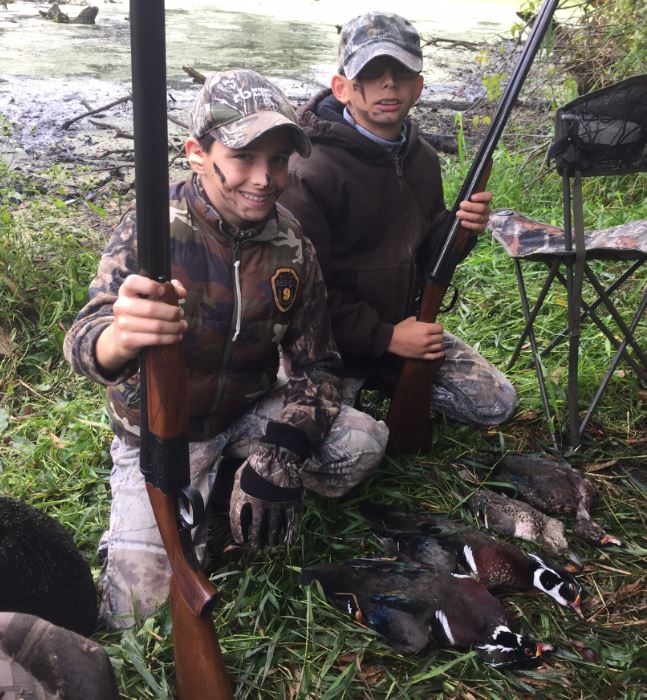
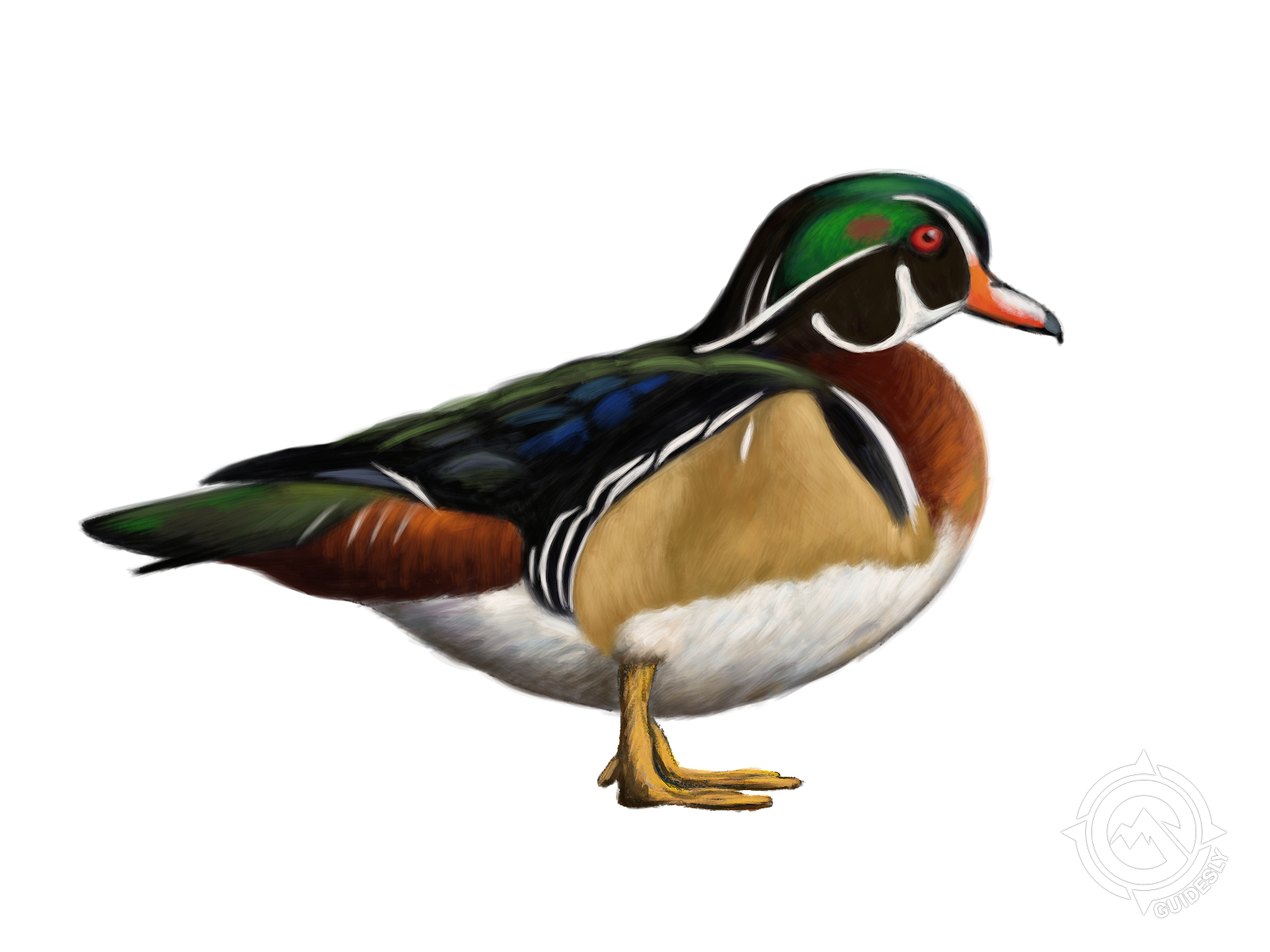
Wood ducks are the jewels of our early season hunts. These tree-nesting birds use the wooded shorelines and beaver ponds throughout the region. Woodies are flight-fast and require quick shooting, but their iridescent plumage makes them a customer favorite. They're most active during the first hour of legal shooting time, often moving in pairs or small groups through the timber. September and early October offer the best opportunities before they start their southern migration.
American Wigeon, or "baldpate" as old-timers call them, show up in good numbers during peak migration. These grayish ducks with distinctive white crowns are grazers that love the shallow, weedy areas where wild celery and other aquatic plants grow. They make a unique whistling call that's music to any duck hunter's ears. Wigeon often decoy well to mallard spreads and provide excellent eating.
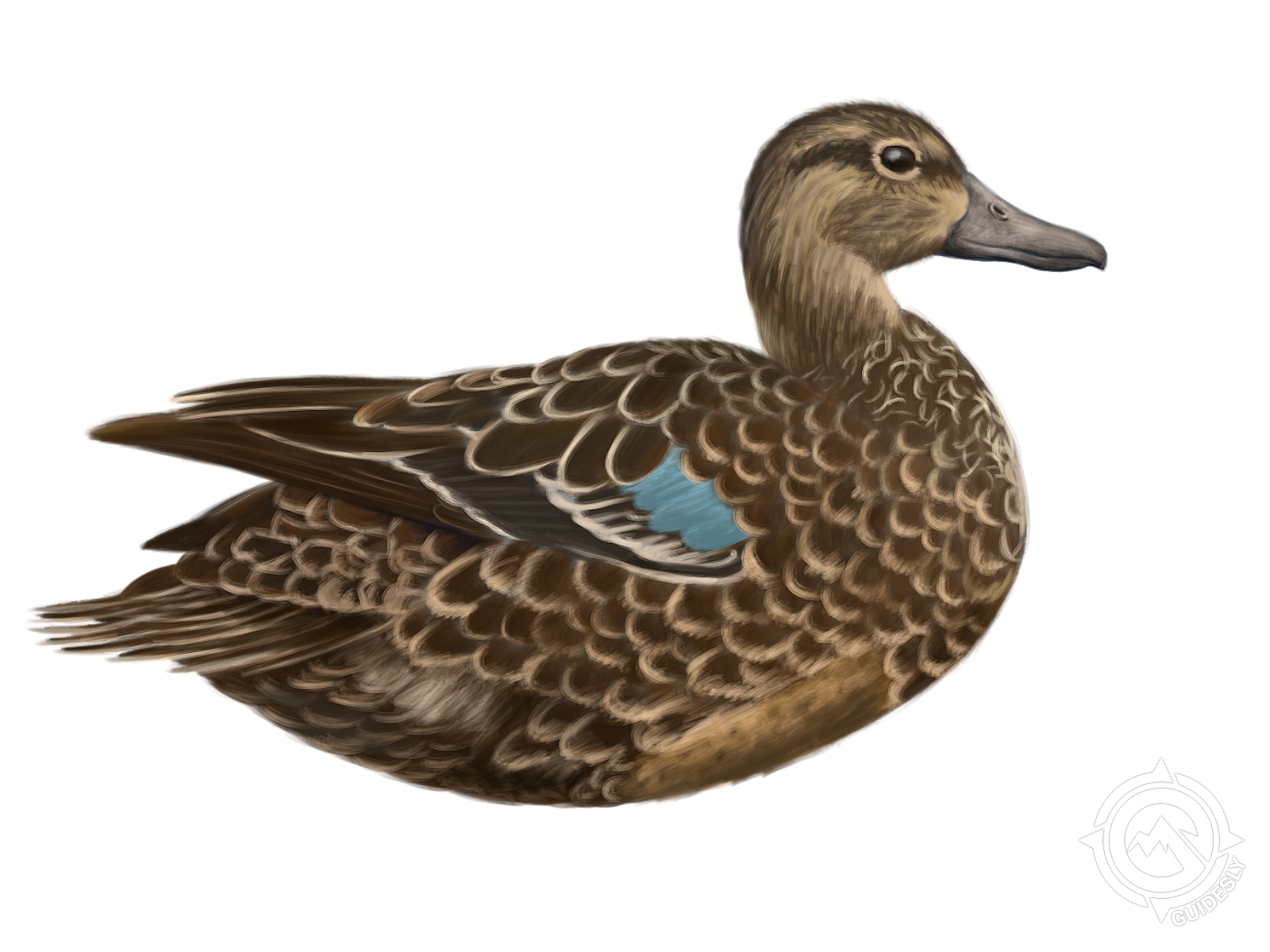
Blue-winged Teal are the speed demons of the duck world. These small, fast-flying birds are among the first to migrate south, making September the prime month to target them. They travel in tight flocks and can test even experienced shooters with their erratic flight patterns. The powder-blue wing patches are beautiful in flight, and they're considered by many to be the best-tasting duck on the flyway.
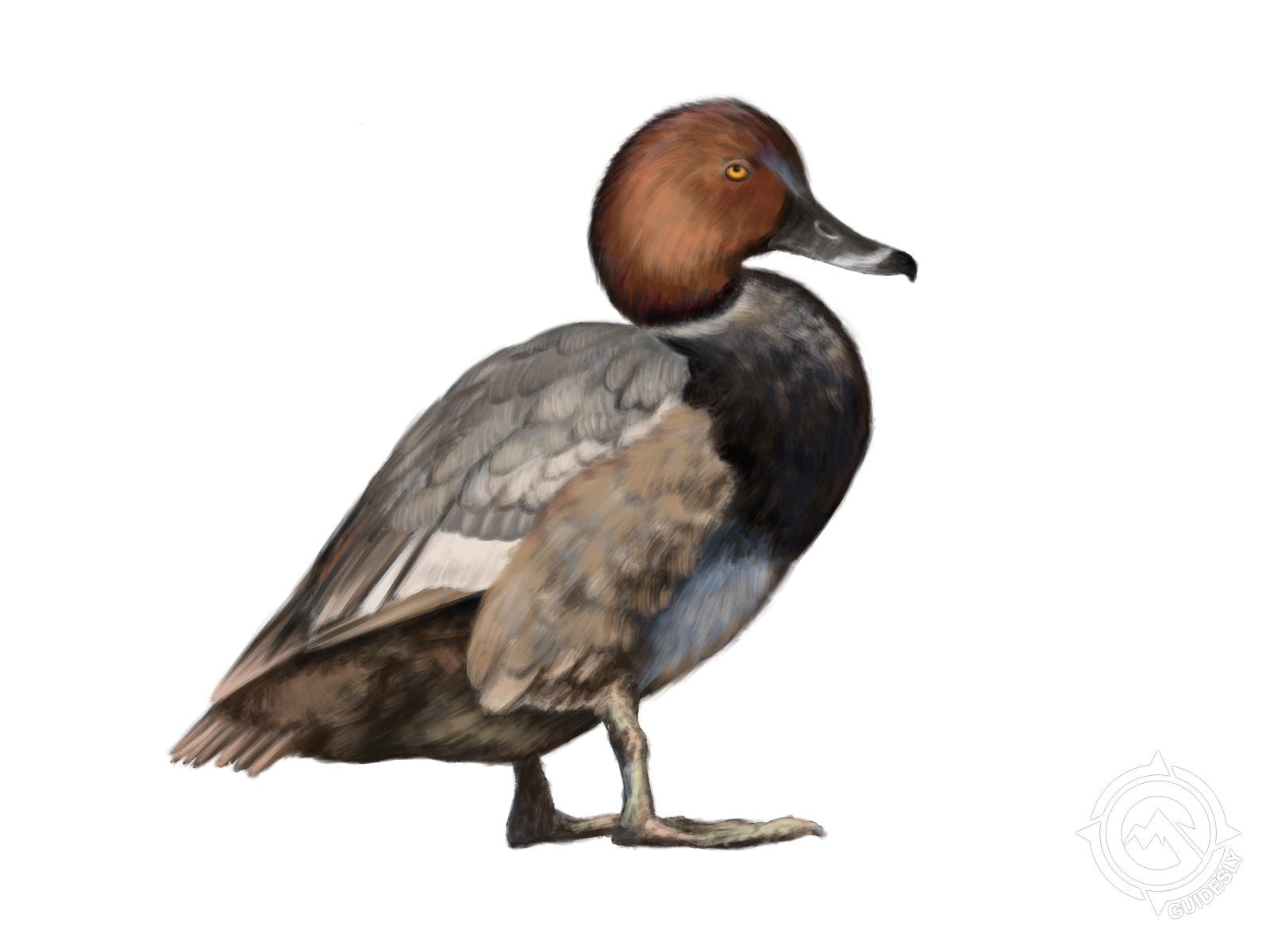
Redheads are the diving duck prize of the Finger Lakes. These stocky, rust-colored ducks prefer deeper water and often raft up in large groups on the main lakes. They're strong fliers and excellent divers, making them challenging to hunt but rewarding when you connect. Redhead drakes have distinctive sloping profiles and brick-red heads that make them unmistakable. They typically show up during the later part of the season when weather turns cold and stays that way.
Book Your Next Tag
The Finger Lakes waterfowl season is short but sweet, and the best hunting days fill up fast. Our guides have decades of combined experience on these waters, and they're passionate about sharing their knowledge with hunters who appreciate the tradition and challenge of waterfowling. Whether you're looking to introduce someone new to the sport or you're a seasoned hunter wanting to explore new territory, this guided hunt delivers the goods. The region's diverse habitat, reliable bird populations, and our commitment to putting you on game make this a world-class waterfowl hunting opportunity. Don't wait until the season's half over – give the captain a call and secure your spot for what could be the best duck hunting day you've had in years.
 Private Trip
 Bird hunting
 Finger Lakes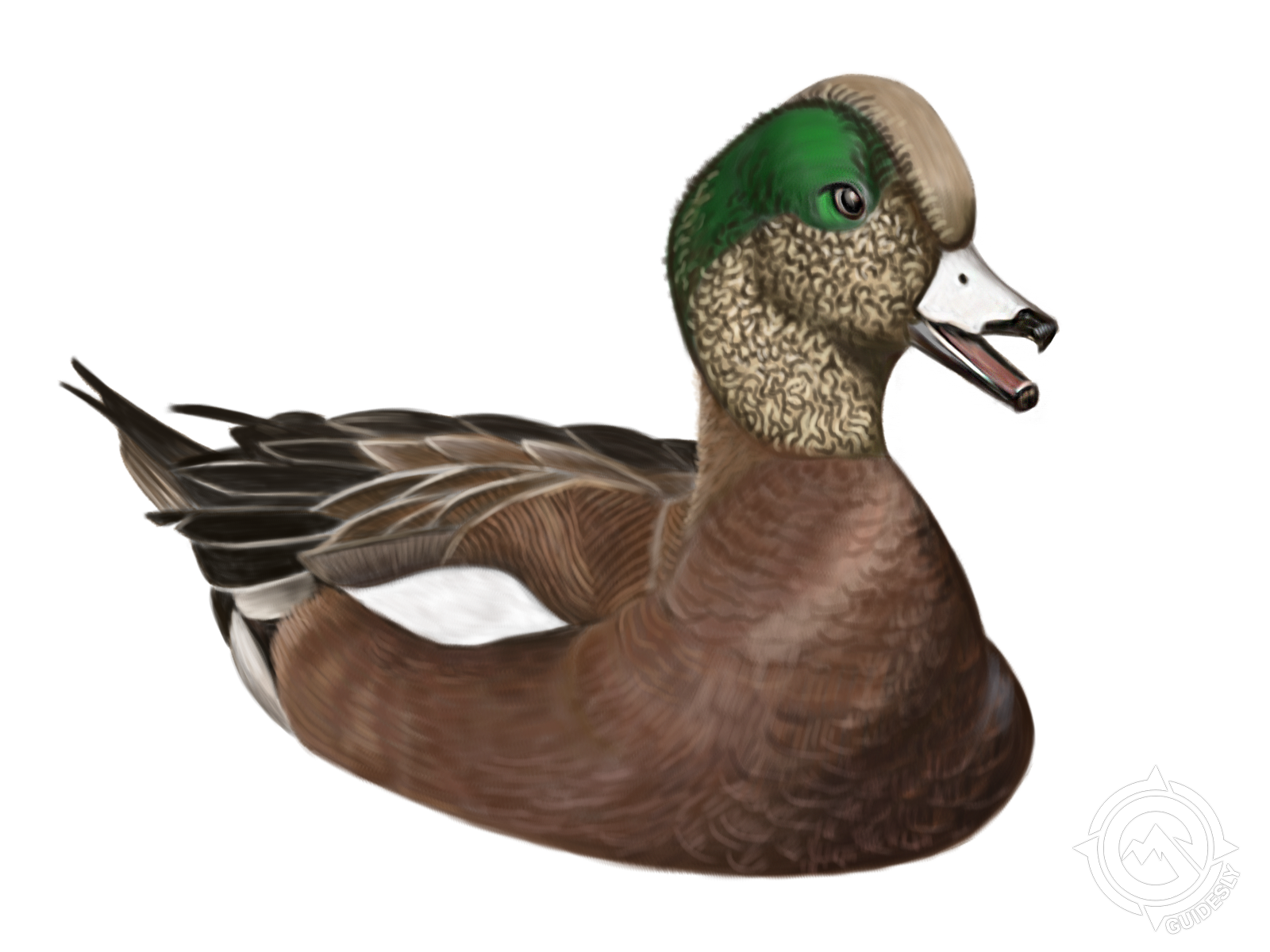
 7-hour guided duck hunting experience in Finger Lakes region